CNC Precision Grinding Processing
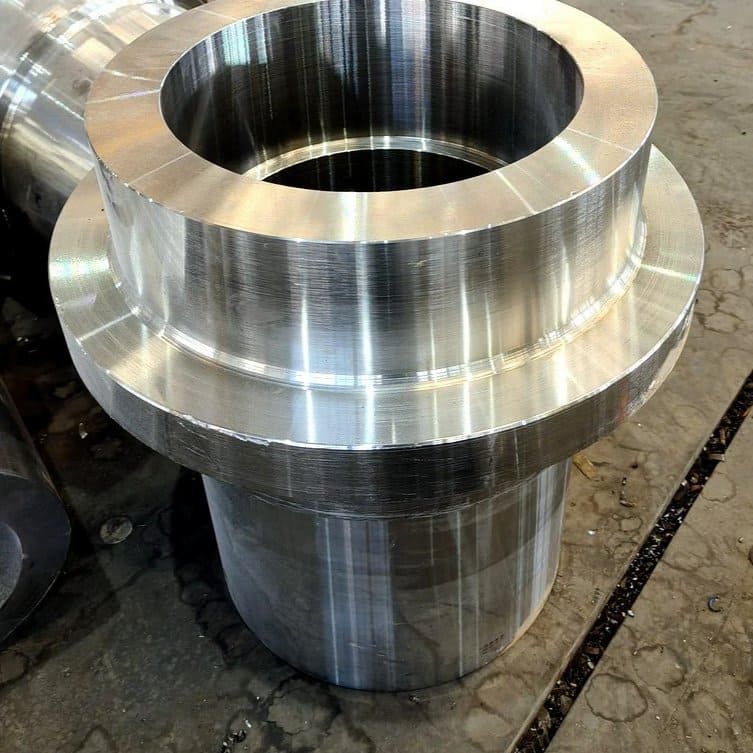
CNC Precision Grinding Processing: The Pinnacle of Modern Machining
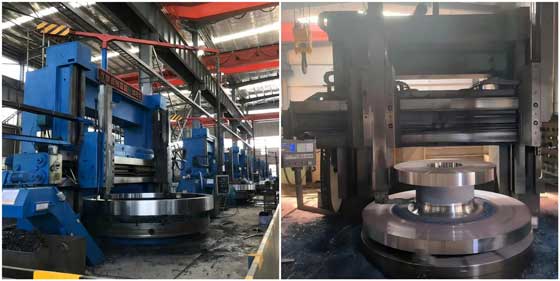
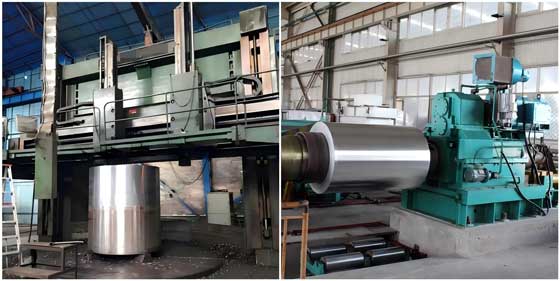
CNC precision grinding processing represents a critical advancement in high-accuracy manufacturing. By integrating computer numerical control (CNC) technology with advanced grinding methodologies, this process achieves micron-level dimensional accuracy, exceptional surface finish, and outstanding repeatability—requirements essential for aerospace components, medical devices, optical systems, and high-performance automotive parts.
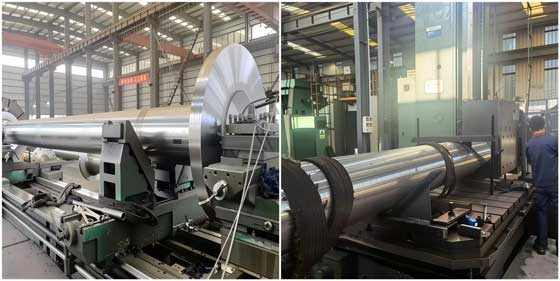
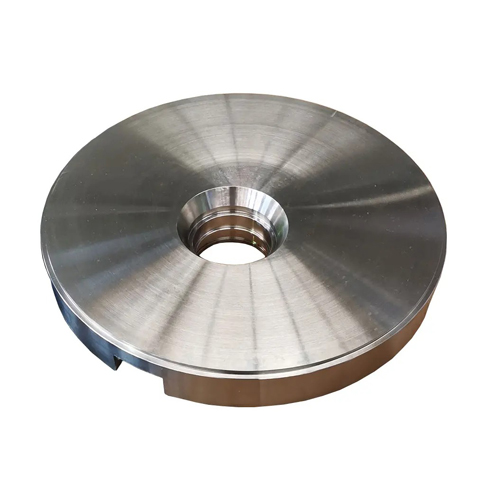
At its core, CNC precision grinding utilizes programmable machine tools equipped with rotating abrasive wheels to remove minute amounts of material from workpieces. Unlike conventional grinding, CNC systems precisely coordinate the motion of the wheel, table, and spindle in multiple axes—typically three to five—enabling complex geometries such as tapers, contours, and tight-tolerance cylindrical or flat surfaces. Real-time feedback from high-resolution encoders and laser-based measurement systems further enhances positioning accuracy, often holding tolerances within ±0.5 micrometers.
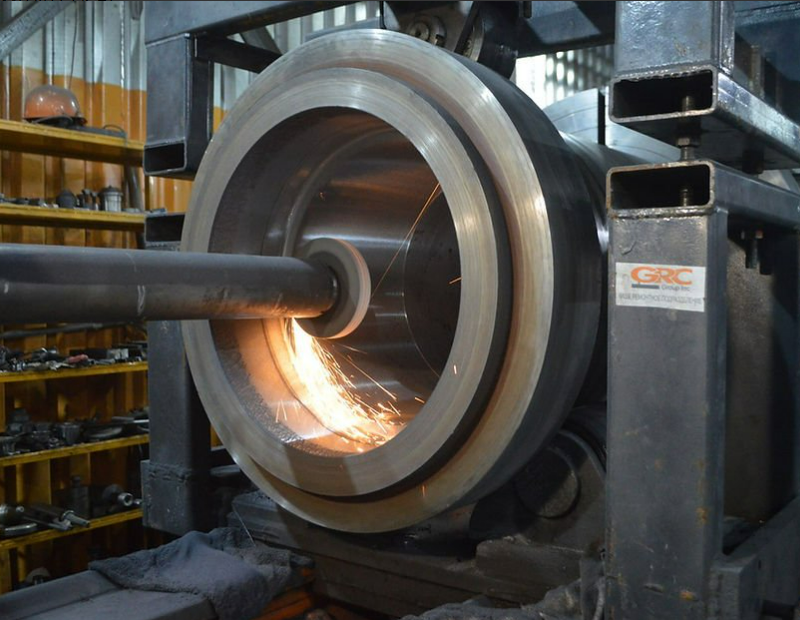
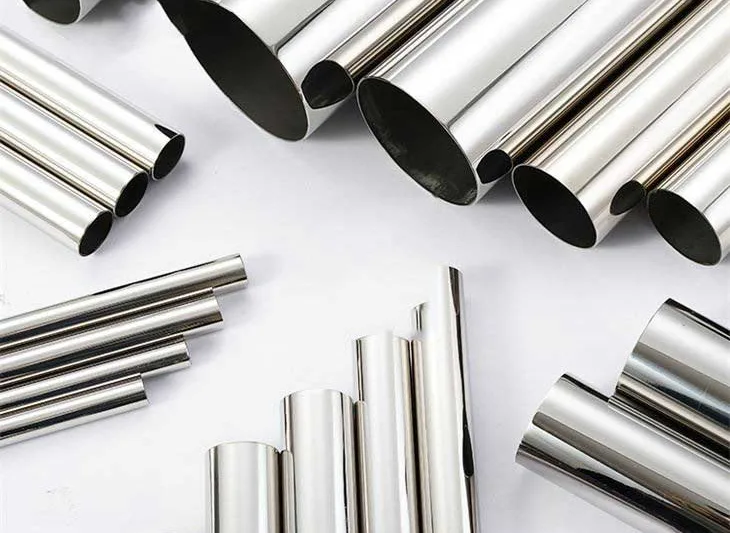
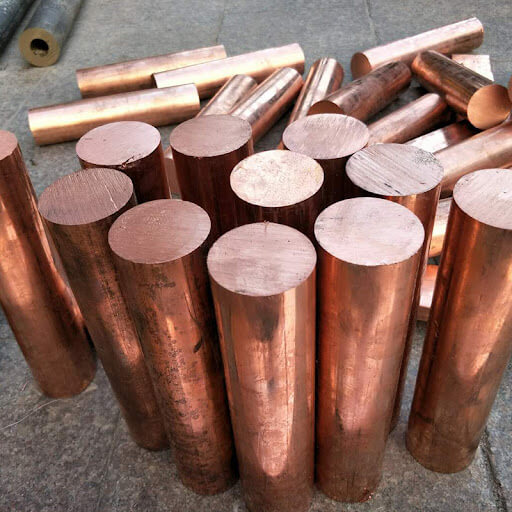
Material compatibility is another strength of this technology. Whether processing hardened steels, stainless alloys, carbides, ceramics, or even exotic superalloys, CNC grinding maintains stability and consistency without inducing thermal distortion or microstructural damage—provided optimal parameters like wheel speed, feed rate, coolant flow, and dressing frequency are intelligently selected and dynamically adjusted. Modern machines increasingly incorporate adaptive control algorithms that monitor grinding forces and acoustic emissions to autonomously optimize cutting conditions.
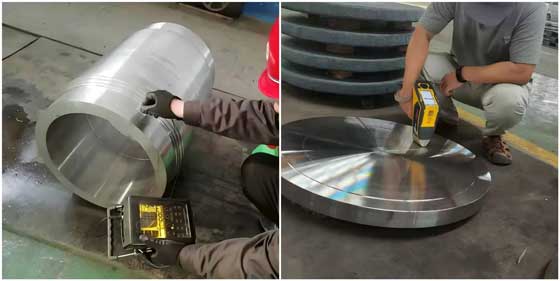
Beyond technical capability, CNC precision grinding delivers significant operational advantages. Automated tool changing, in-process gauging, and integrated metrology reduce human intervention and minimize setup errors. Combined with digital twin simulation and predictive maintenance capabilities, it supports lean production principles—lower scrap rates, shorter lead times, and higher first-pass yield. As Industry 4.0 adoption grows, these machines seamlessly interface with MES and ERP platforms, enabling traceability, data-driven process improvement, and full lifecycle quality assurance.
In summary, CNC precision grinding processing is not merely an incremental upgrade—it is a foundational enabler of next-generation precision engineering. Its convergence of computational intelligence, mechanical fidelity, and materials science continues to redefine what is manufacturable, pushing the boundaries of performance, reliability, and innovation across high-tech industries.