Vertical Lathe Machining
Vertical Lathe Machining: Precision Turning for Large and Heavy Components
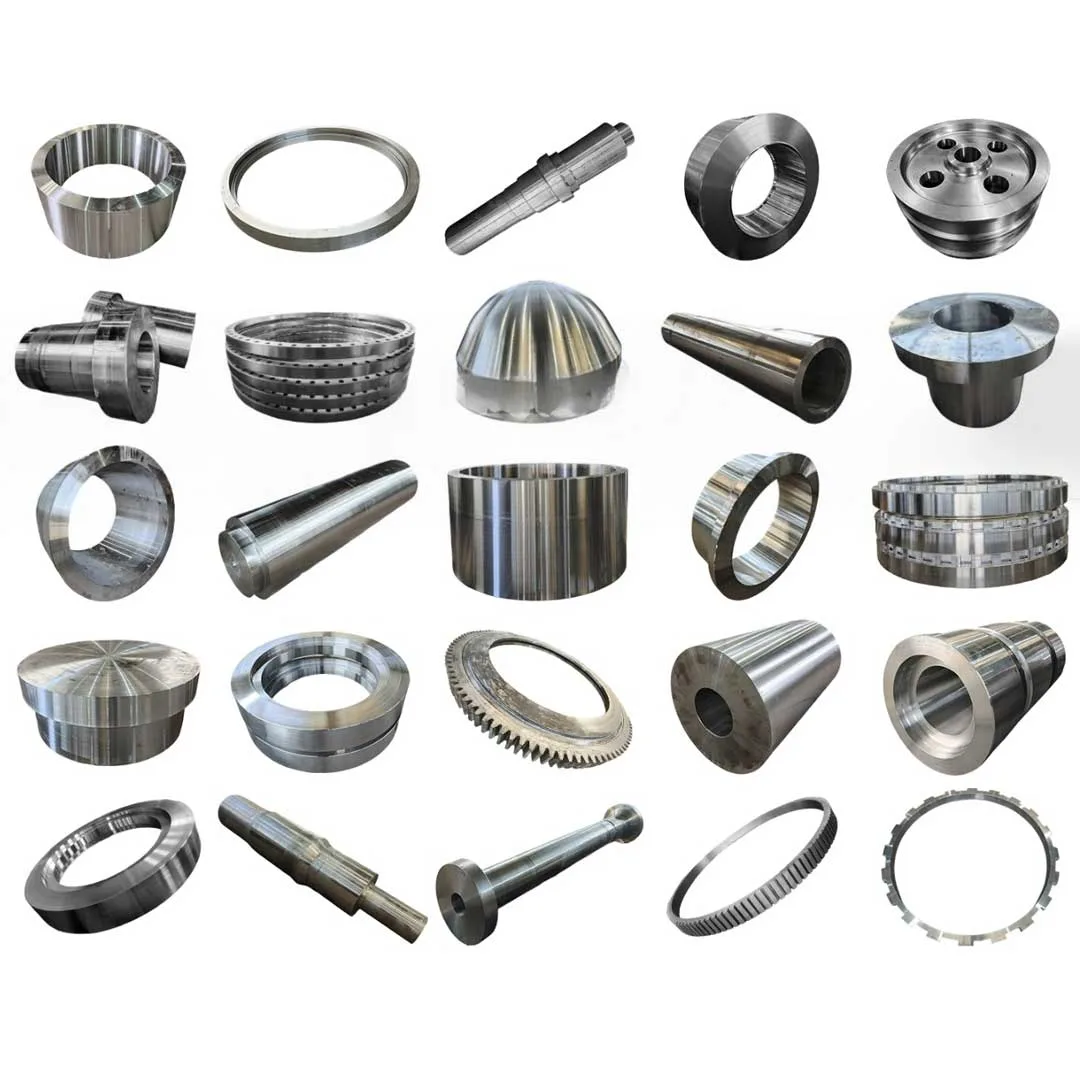
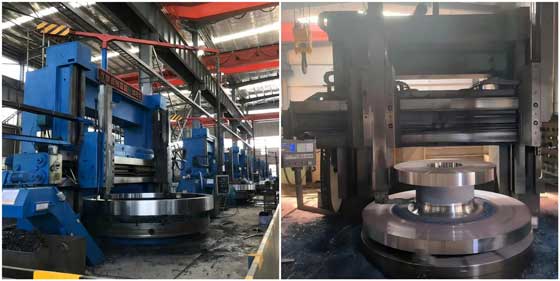
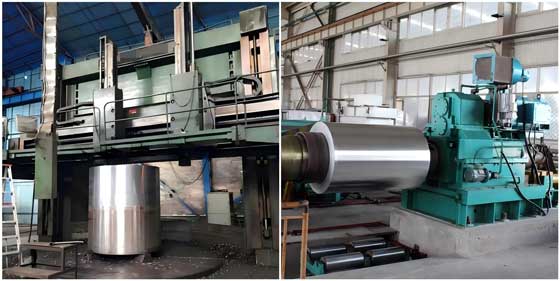
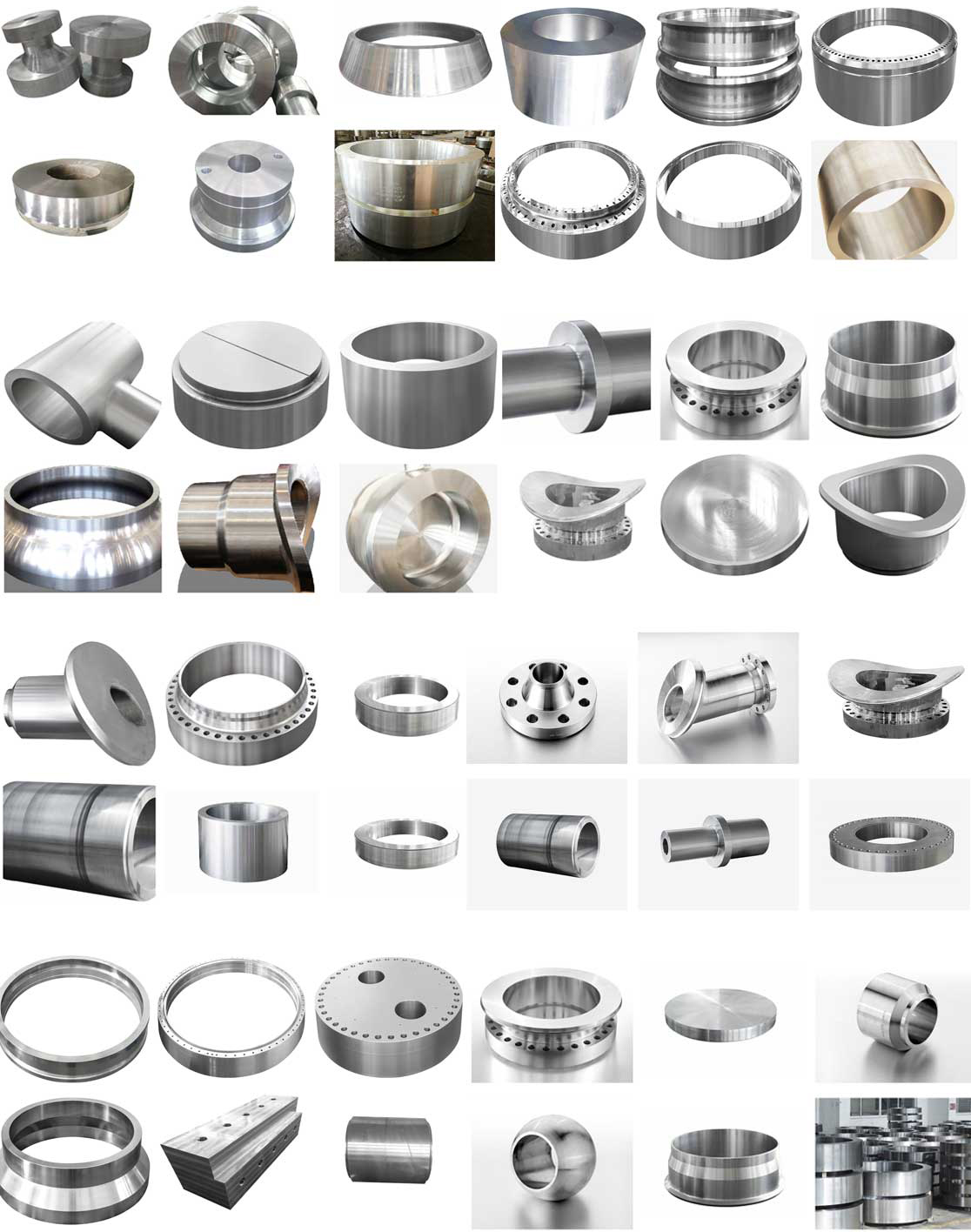
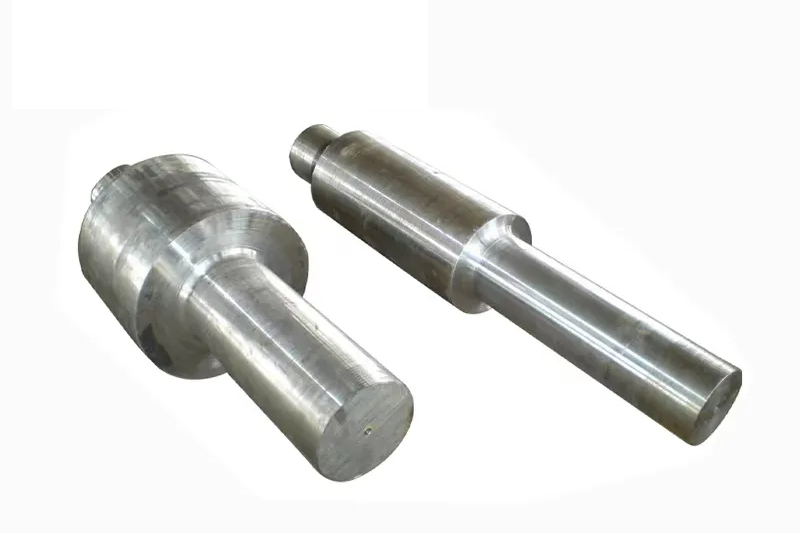
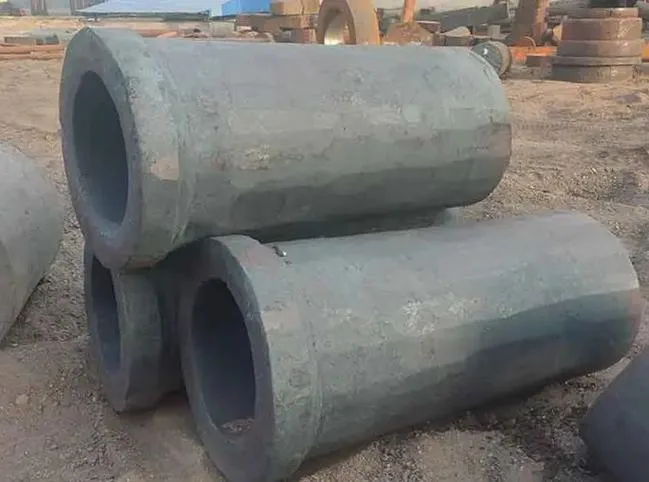
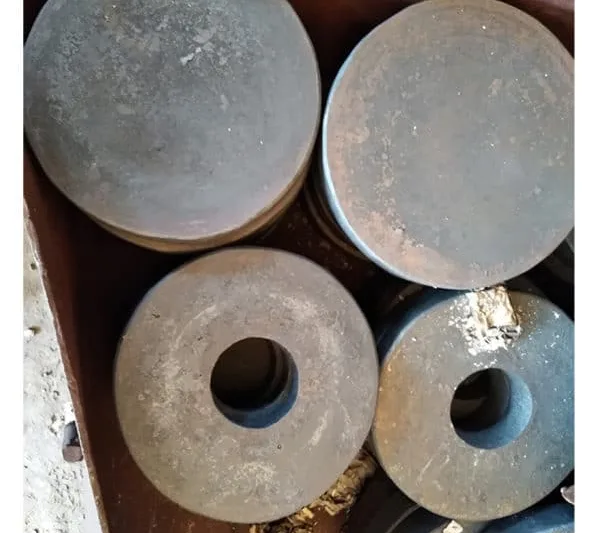
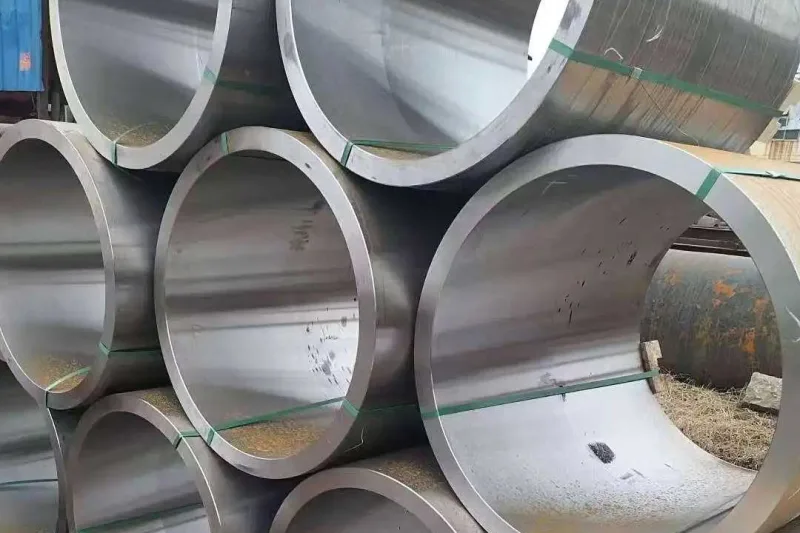
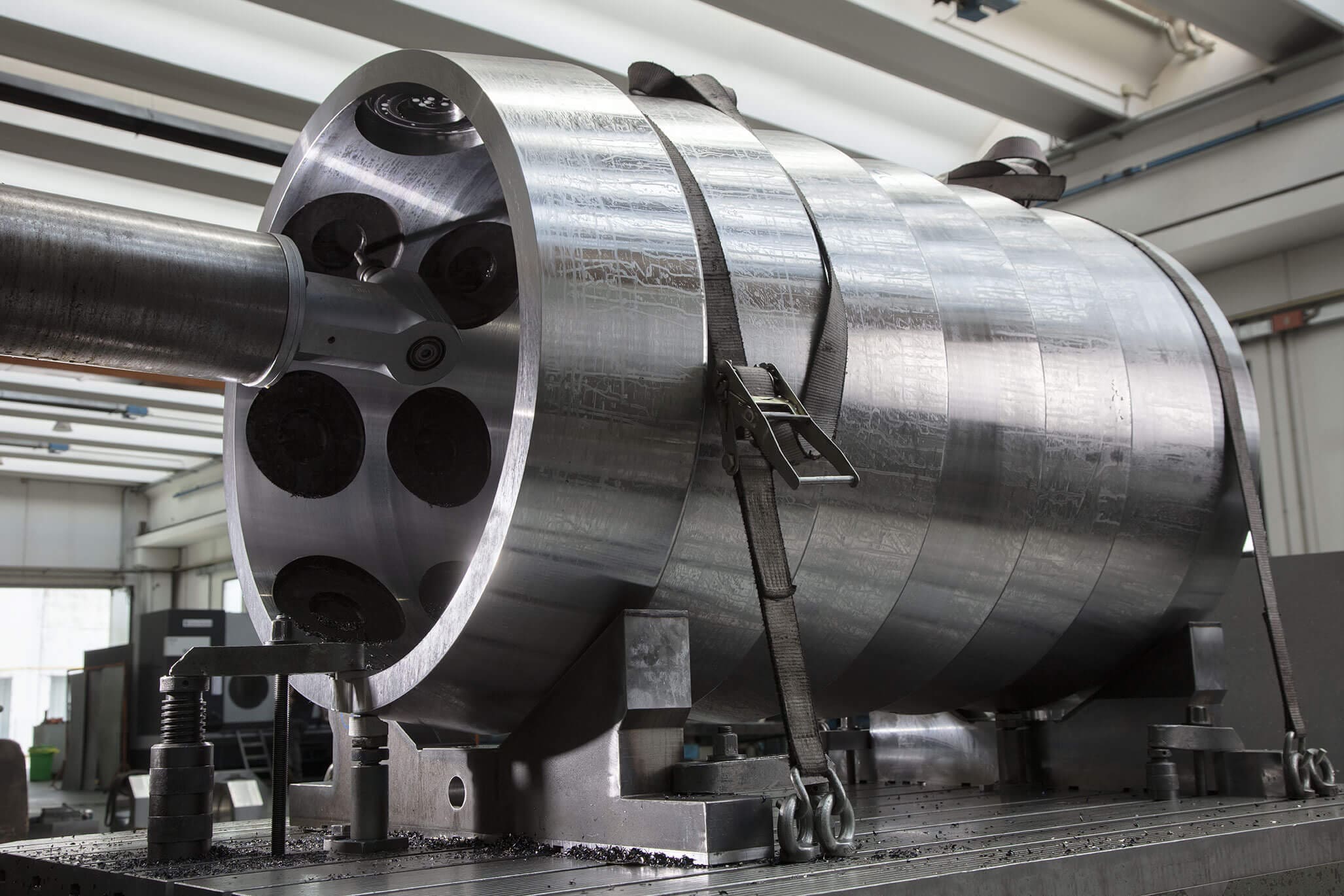
Vertical lathe machining is a specialized metalworking process designed for turning large, heavy, or awkwardly shaped workpieces that are impractical to mount on conventional horizontal lathes. In this setup, the workpiece is secured on a rotating horizontal table, while the cutting tools move vertically along fixed or movable columns. This orientation leverages gravity to stabilize the part, minimizing deflection and enhancing dimensional accuracy—especially critical when machining massive components such as turbine housings, flanges, gear blanks, and ring forgings.
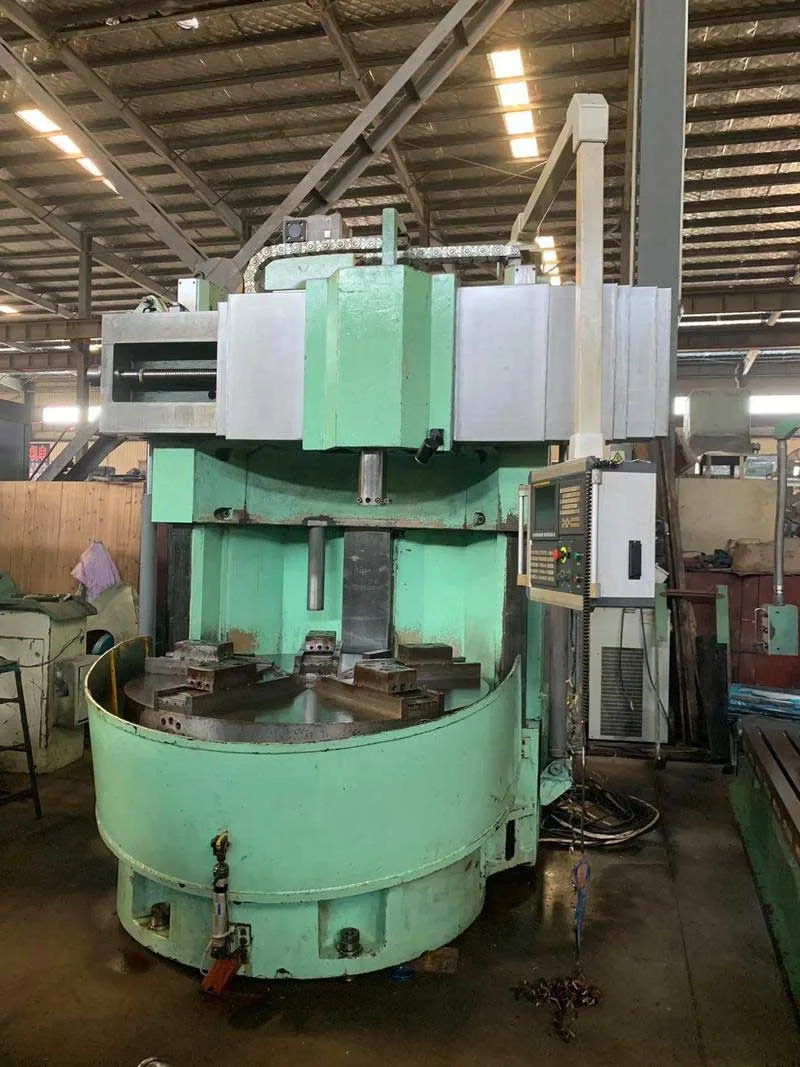
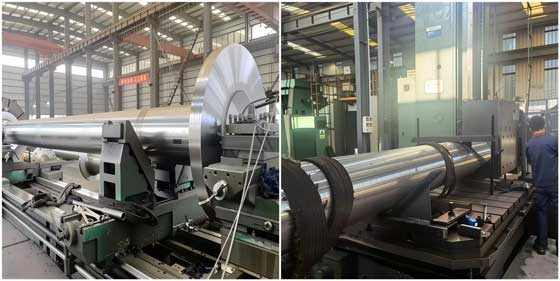
The core advantage of vertical lathe machining lies in its inherent stability and accessibility. With the workpiece held flat against the table, clamping forces are distributed evenly across a broad surface, reducing vibration and improving surface finish. Additionally, operators and automated tool changers gain unobstructed access to the top and side faces of the part, enabling efficient multi-operation setups—including turning, boring, drilling, milling, and threading—all within a single fixturing cycle. This consolidation significantly reduces handling time and alignment errors, boosting both productivity and repeatability.
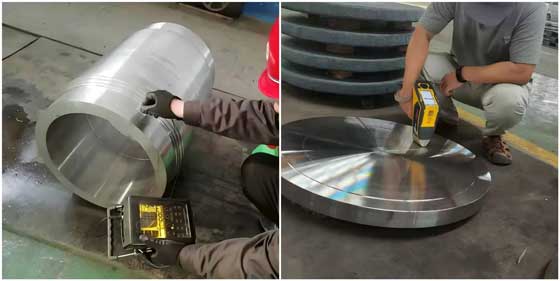
Modern vertical lathes integrate advanced features such as CNC controls, high-torque servo drives, rigid box-way or linear guideways, and real-time tool monitoring systems. These technologies support tight tolerances—often within ±0.01 mm—and excellent surface roughness values, even on difficult-to-machine materials like stainless steel, nickel alloys, and hardened cast iron. Moreover, large-diameter vertical lathes equipped with dual turrets or Y-axis capability further extend their versatility, allowing complex contouring and off-center machining without repositioning.
In industries ranging from energy and aerospace to shipbuilding and heavy machinery manufacturing, vertical lathe machining remains indispensable for producing mission-critical components where size, weight, and precision converge. As demand grows for larger and more integrated parts—such as wind turbine hubs and nuclear reactor components—the role of vertical turning continues to evolve, supported by smarter automation, predictive maintenance, and enhanced thermal compensation systems. Ultimately, vertical lathe machining bridges the gap between scale and sophistication, delivering reliable, high-accuracy results where traditional turning reaches its physical limits.