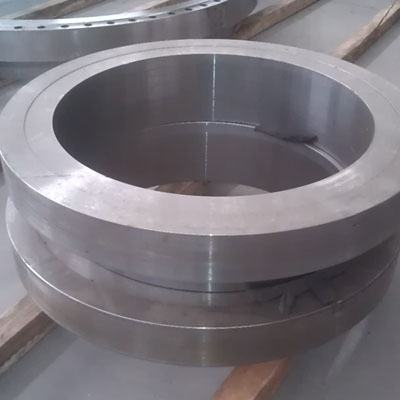
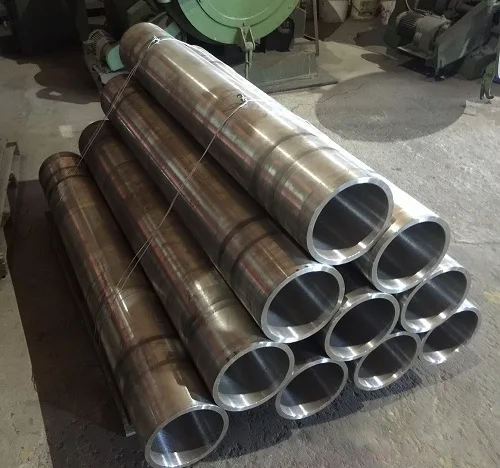
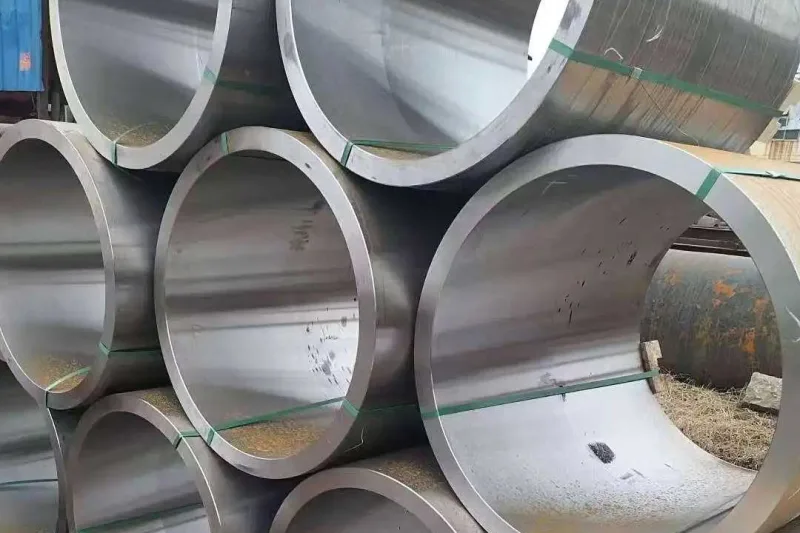
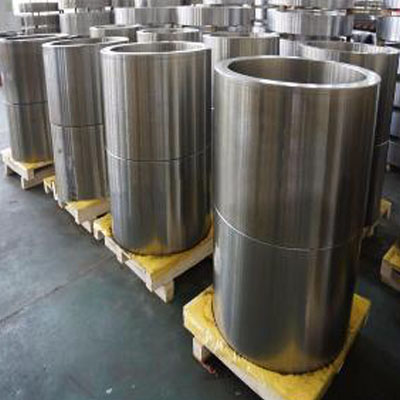
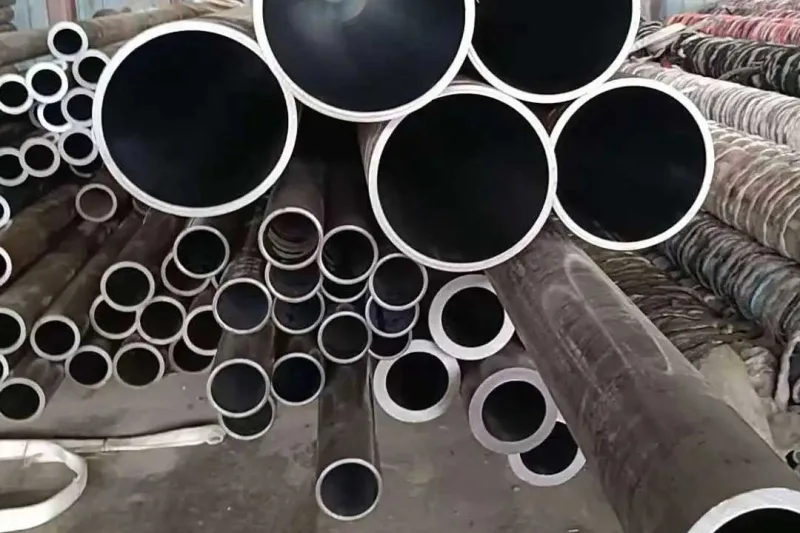
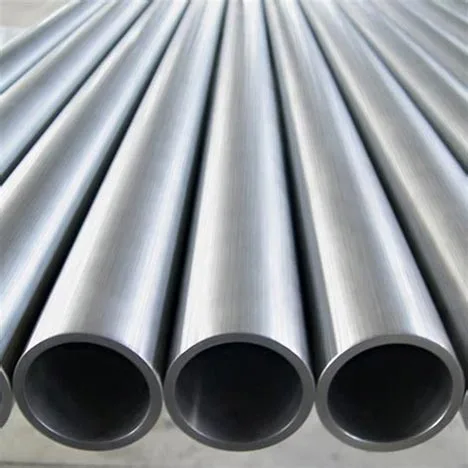
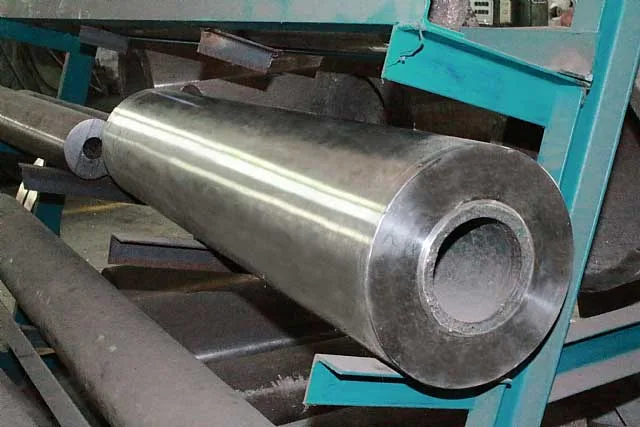
Heavy-Duty Alloy Steel Thick-Walled Annular Forgings
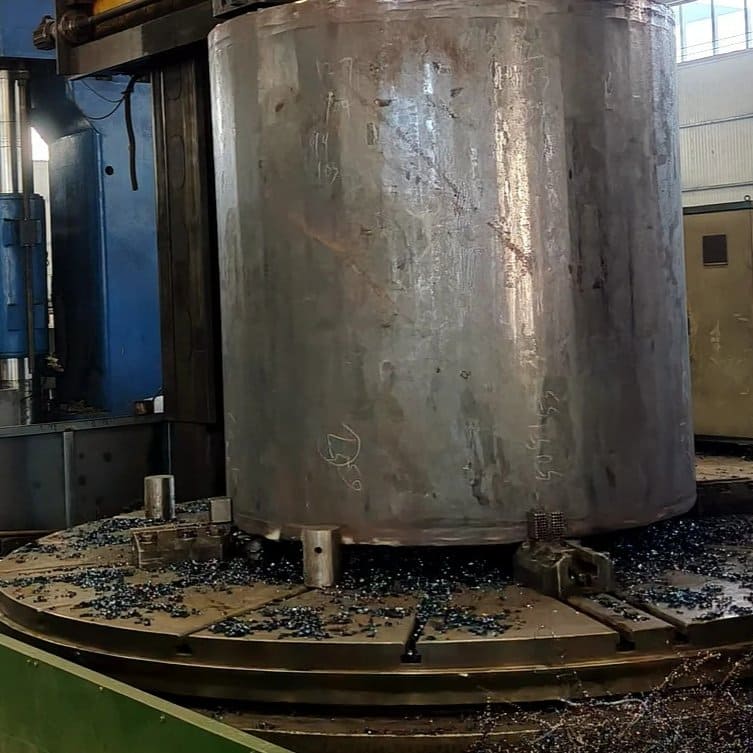
Heavy-Duty Alloy Steel Thick-Walled Annular Forgings
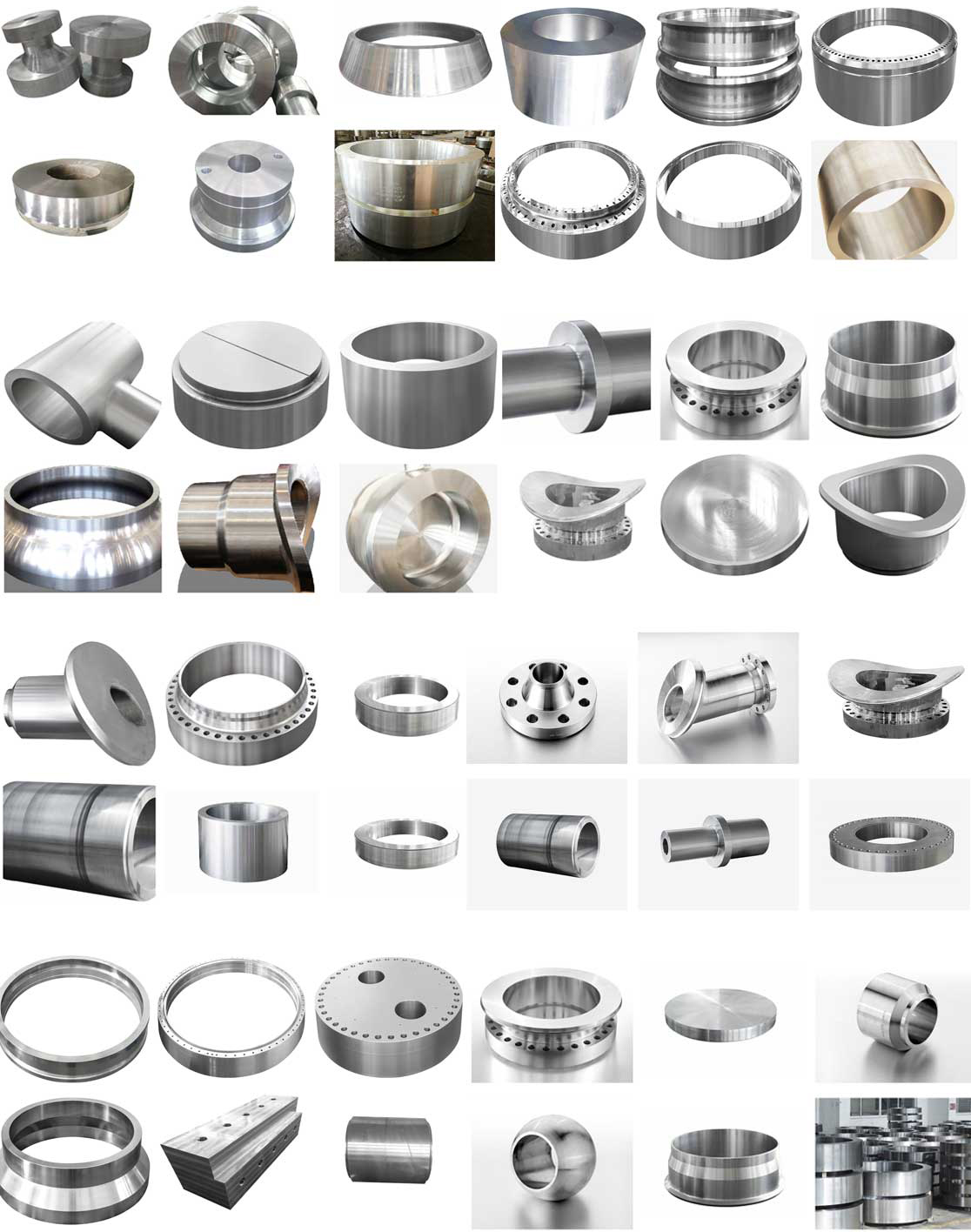
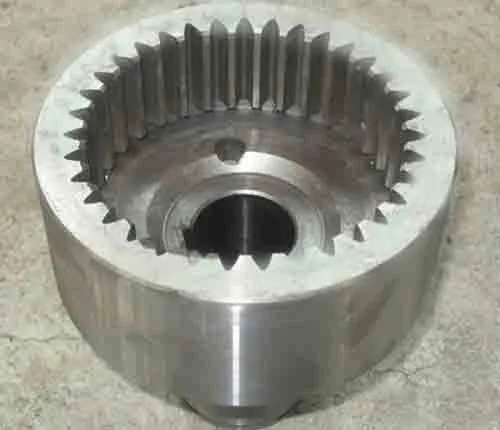
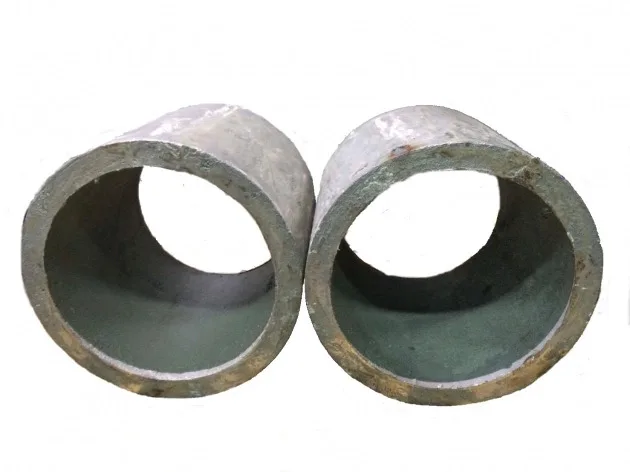
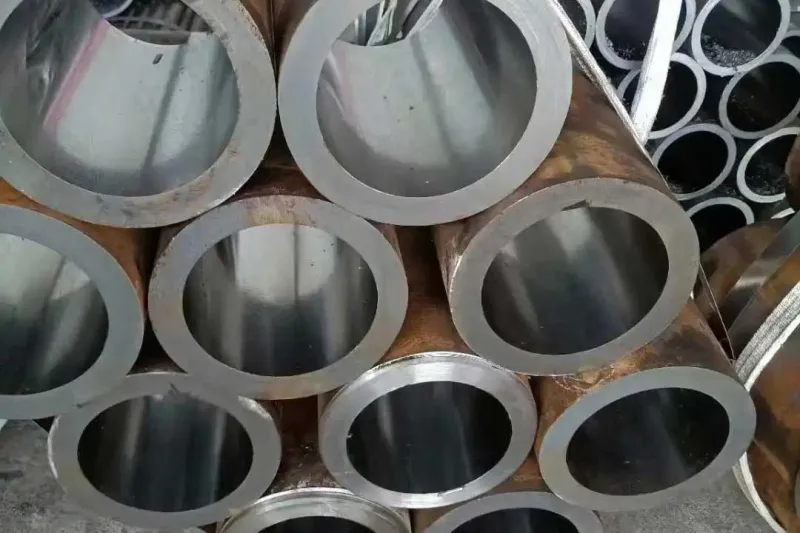
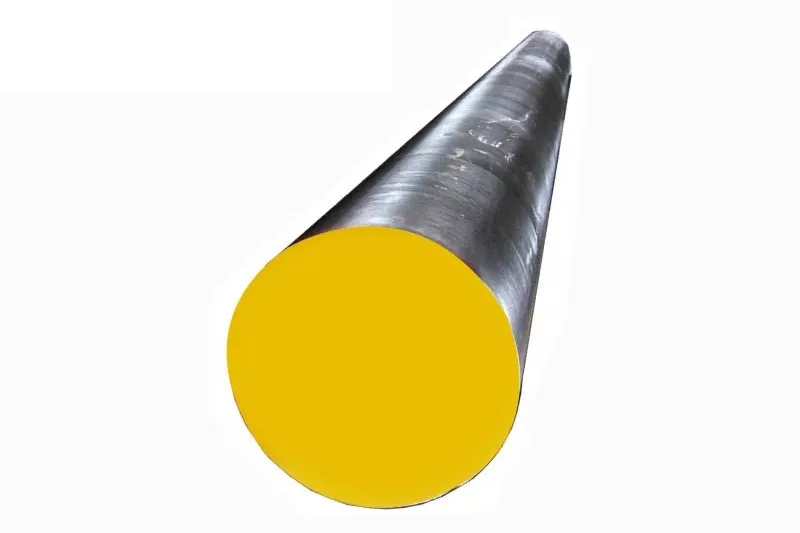
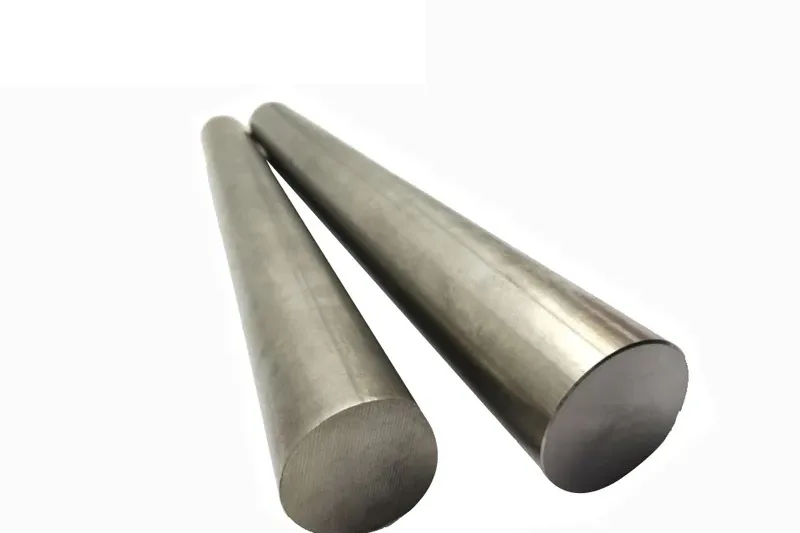
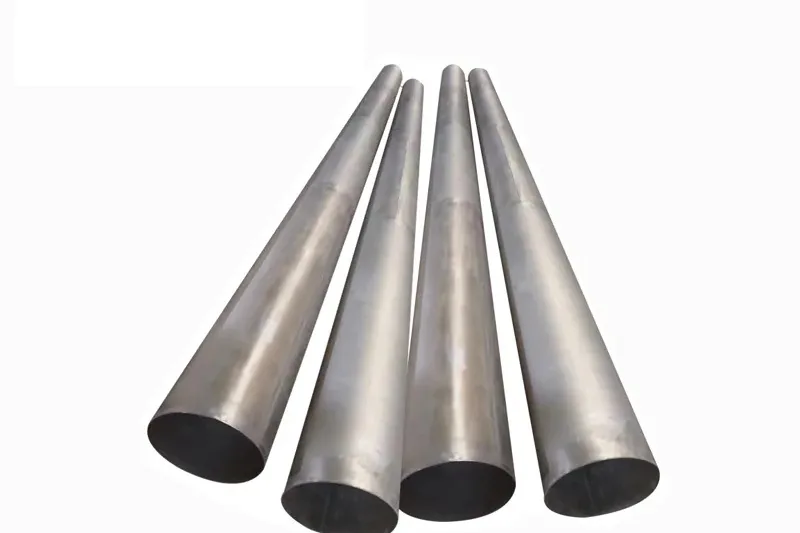
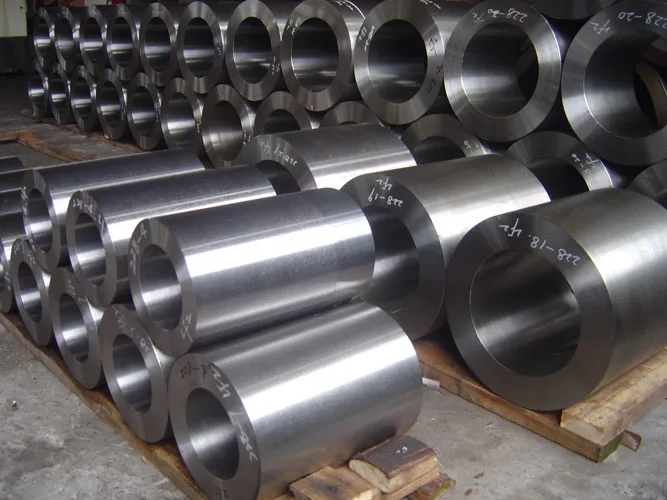
In modern industrial manufacturing, the reliability of critical load-bearing components directly determines the overall performance and service life of equipment. As high-performance structural components, heavy-duty alloy steel thick-walled annular forgings are widely used in core industries such as energy, mining, shipbuilding, and heavy machinery, thanks to their exceptional mechanical properties and stable structural form. These components must not only possess extremely high load-bearing capacity but also maintain long-term dimensional stability and fatigue resistance under complex operating conditions, serving as the cornerstone for ensuring the safe operation of large-scale equipment.
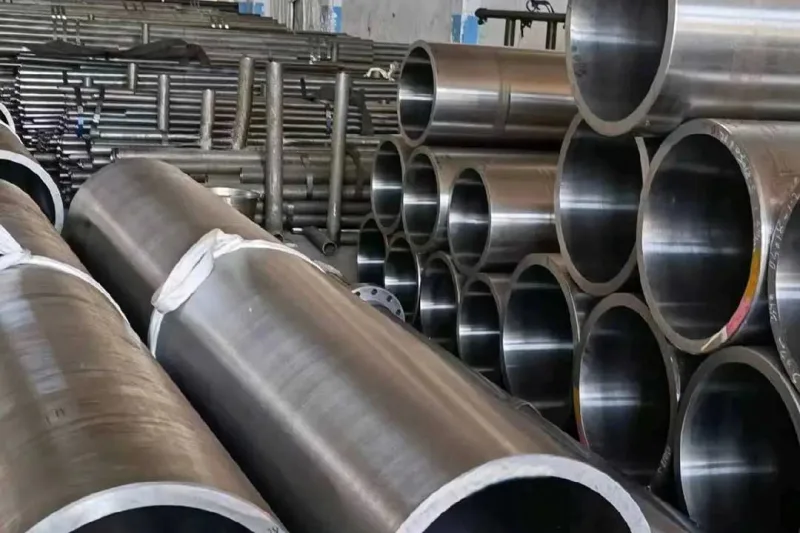
The addition of alloy steel fundamentally enhances the material’s overall performance. By precisely controlling the proportions of alloying elements such as chromium, molybdenum, and nickel, the forgings achieve excellent toughness and wear resistance while maintaining high strength. The thick-walled design further enhances the ring’s resistance to deformation and ensures uniform stress distribution, enabling it to effectively withstand extreme alternating loads and impact stresses. This scientific combination of material selection and geometric structure ensures the product’s long-term operational safety in high-pressure, high-temperature, or highly corrosive environments, significantly reducing the risk of downtime caused by component failure.
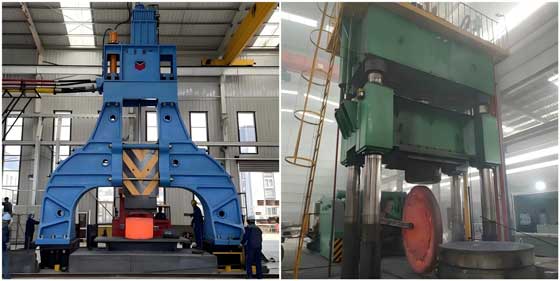
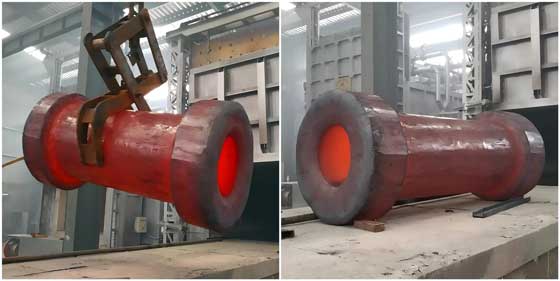
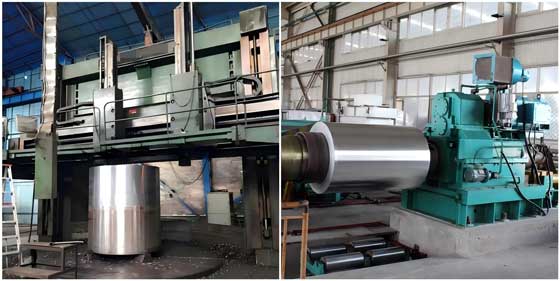
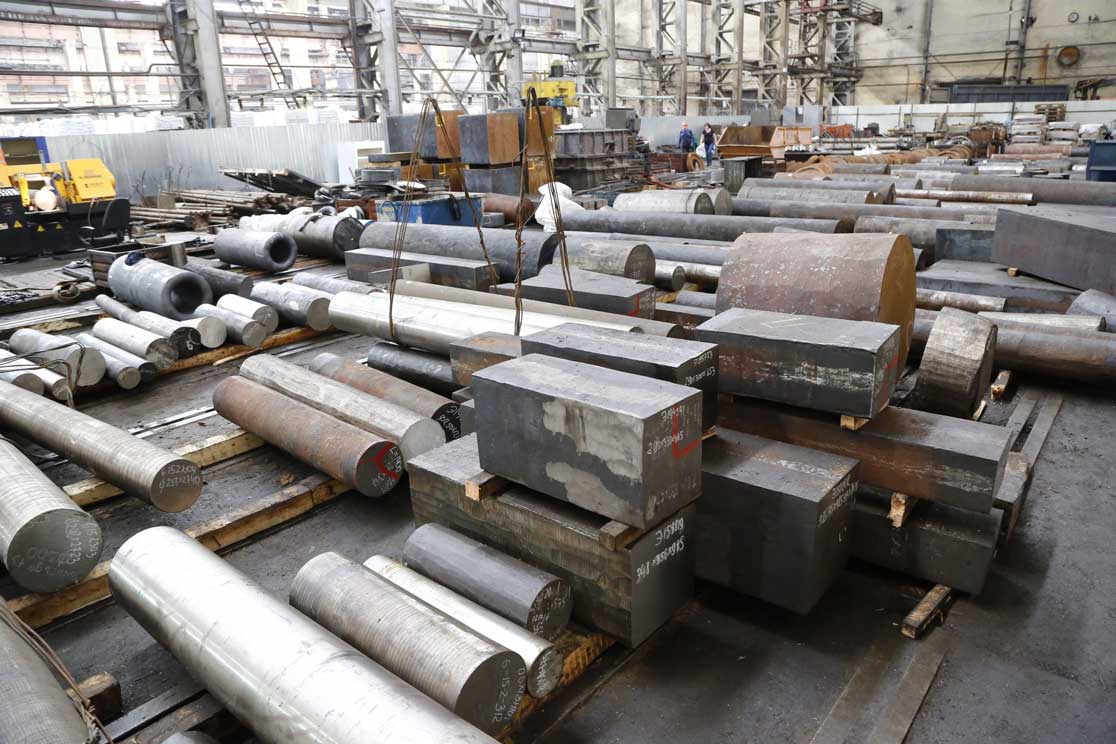
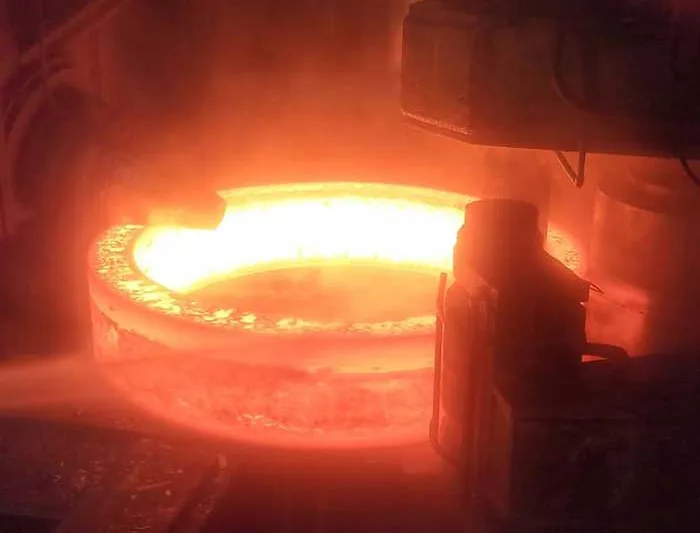
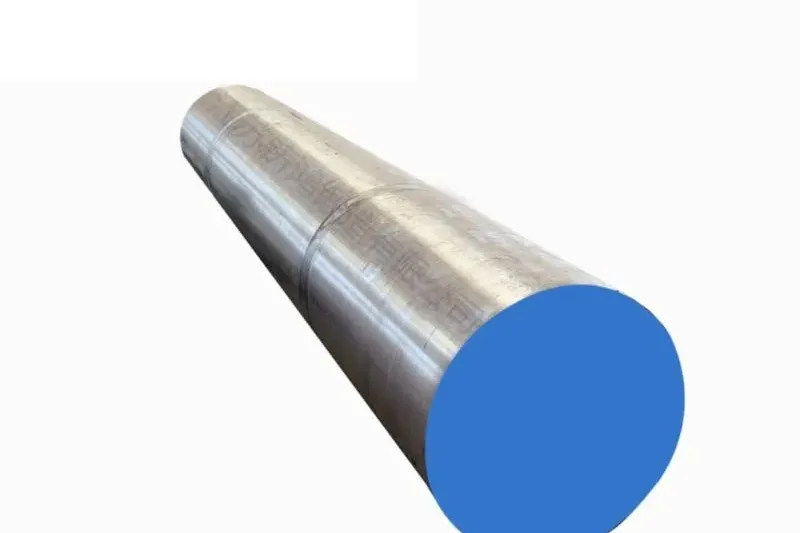
The production of this forging relies on advanced open-die forging and precision ring rolling processes. High-quality steel ingots, after undergoing rigorous heating, are subjected to multiple upsetting and drawing operations on a 10,000-metric-ton press to thoroughly eliminate internal porosity and shrinkage defects. Subsequently, controlled ring rolling is performed to ensure continuous circumferential distribution of metal flow lines, significantly enhancing both radial and circumferential mechanical properties. The post-forming heat treatment process employs a standard quenching and tempering procedure, with precise control of quenching temperature and tempering time, ultimately yielding a uniform, fine-grained tempered sorbite microstructure that ensures an optimal balance between hardness and toughness.
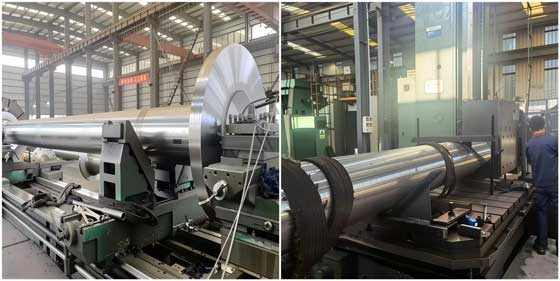
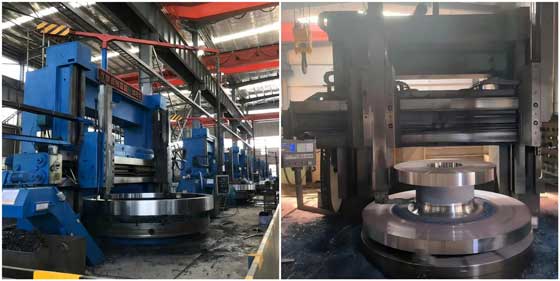
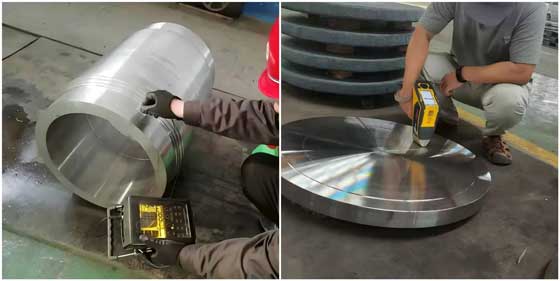
In practical applications, such forgings are commonly used as critical components in wind turbine main shaft bearing housings, large hydro turbine runners, heavy-duty rolling mill stands, and construction machinery slewing bearings. To meet stringent industrial standards, a comprehensive quality inspection system is implemented throughout the entire production process. Ultrasonic testing is used to detect internal defects, spectroscopic analysis ensures precise compliance with chemical composition requirements, and 3D dimensional measurement and surface hardness testing guarantee assembly accuracy and performance consistency. Rigorous control at every stage of the process makes these forgings indispensable and reliable components in heavy industrial equipment.