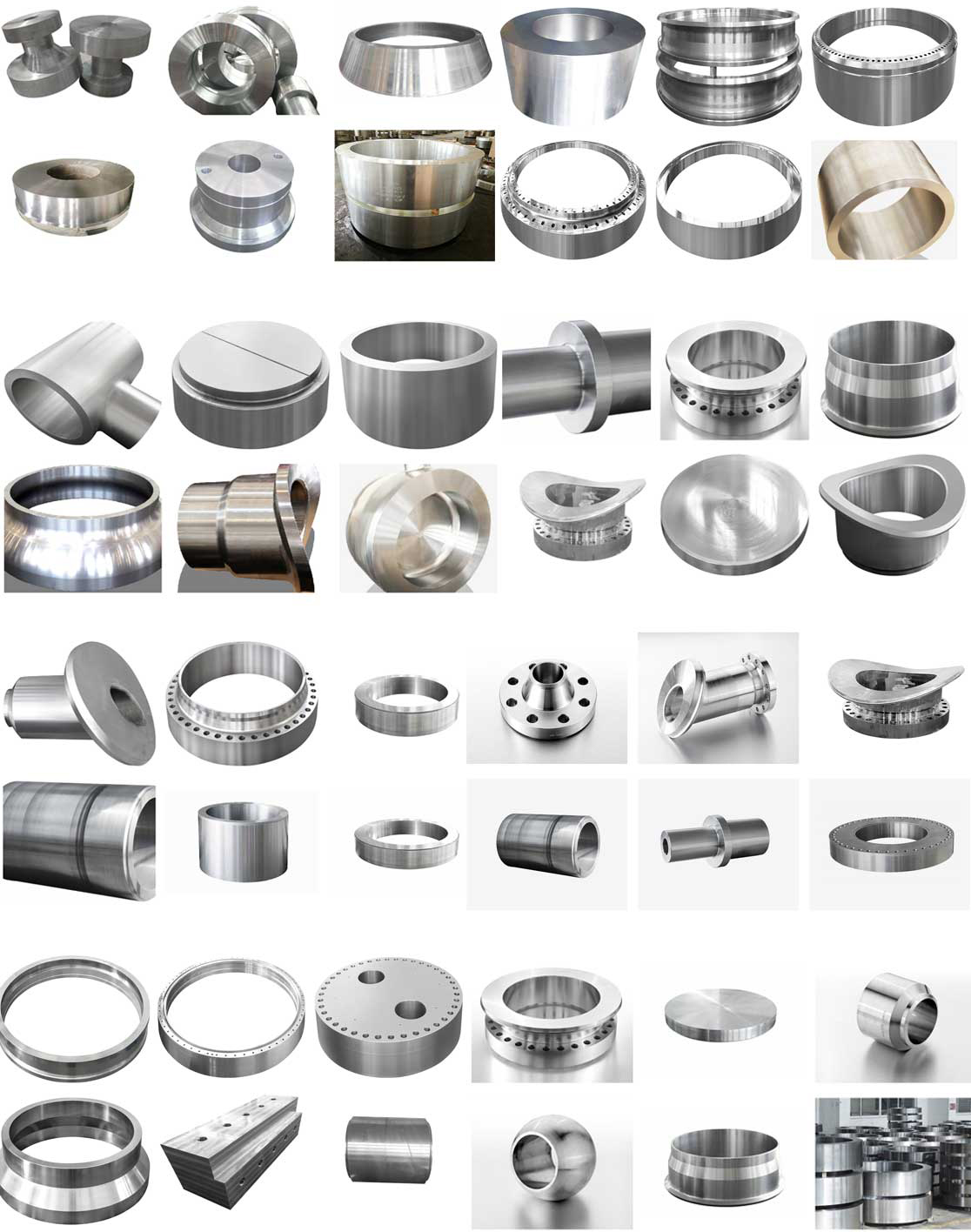
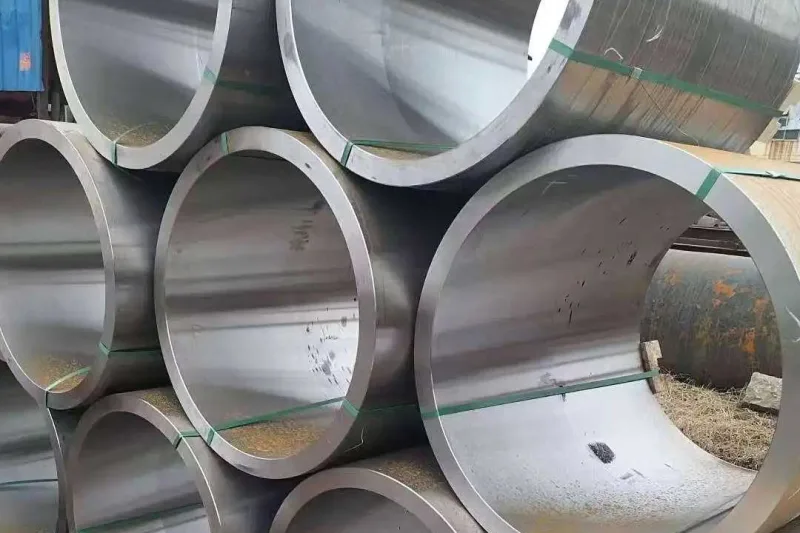
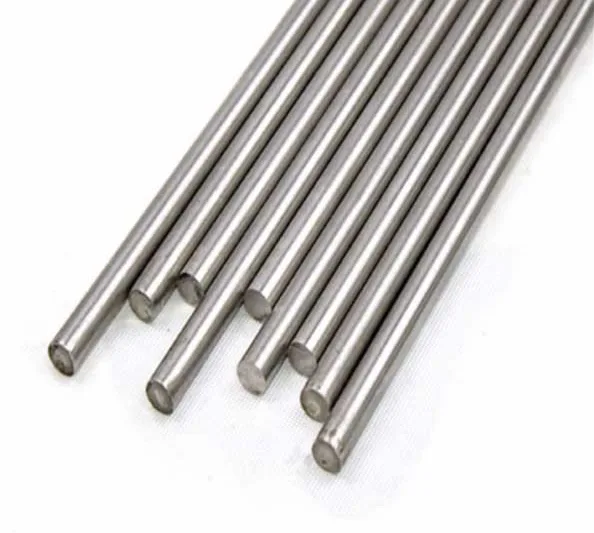
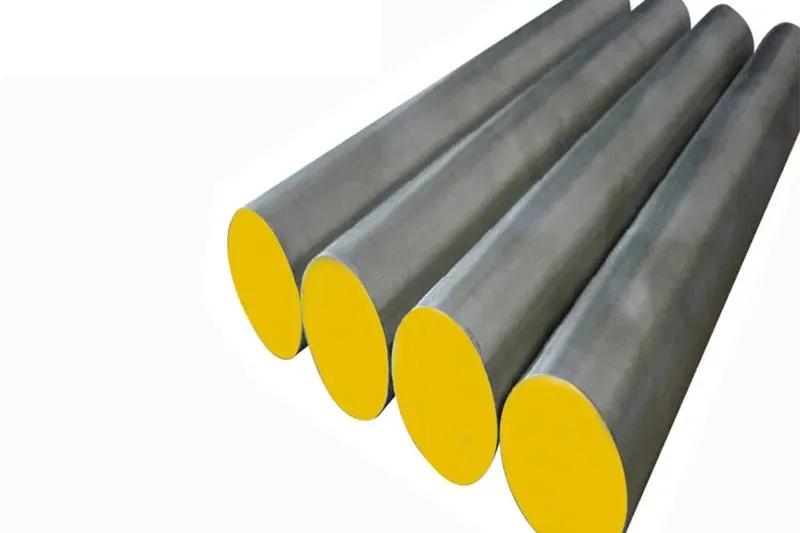
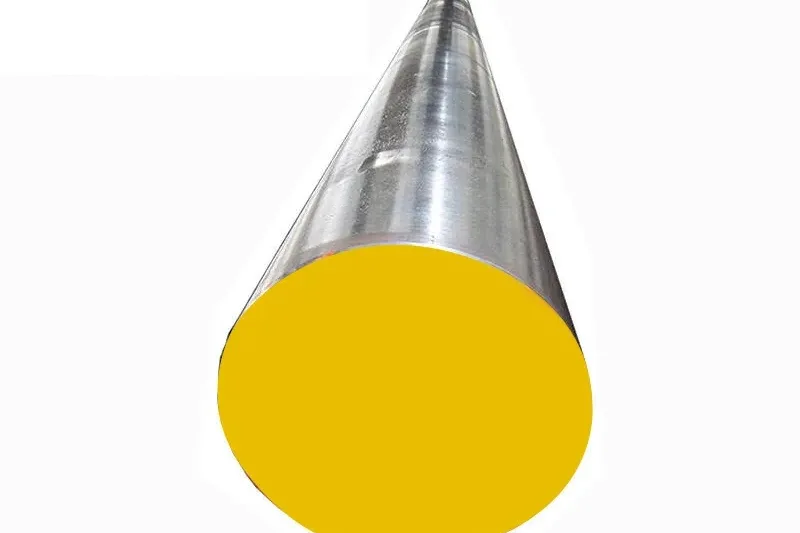
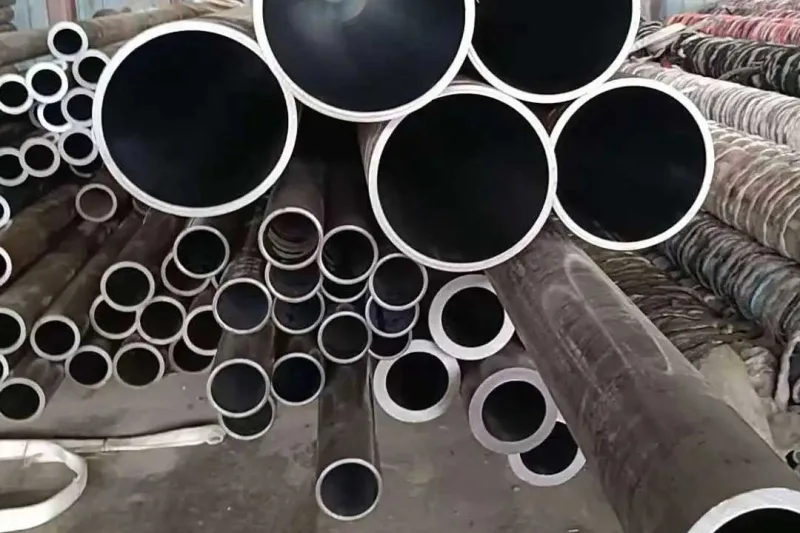
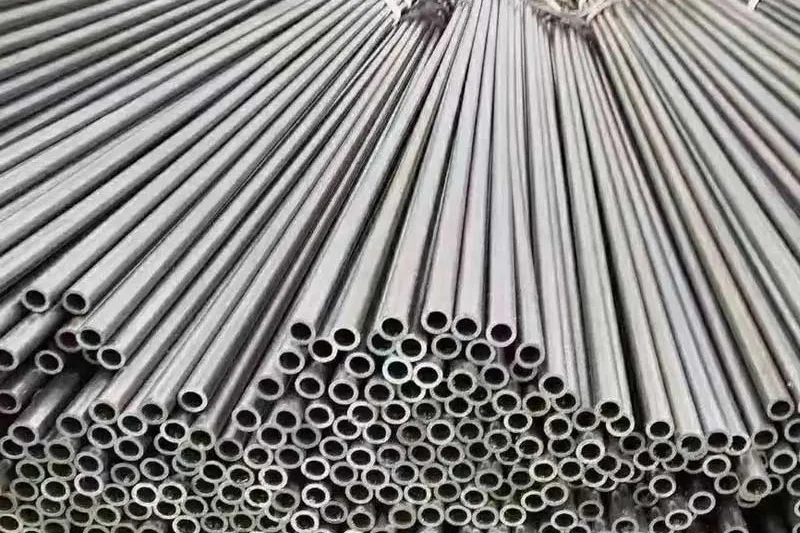
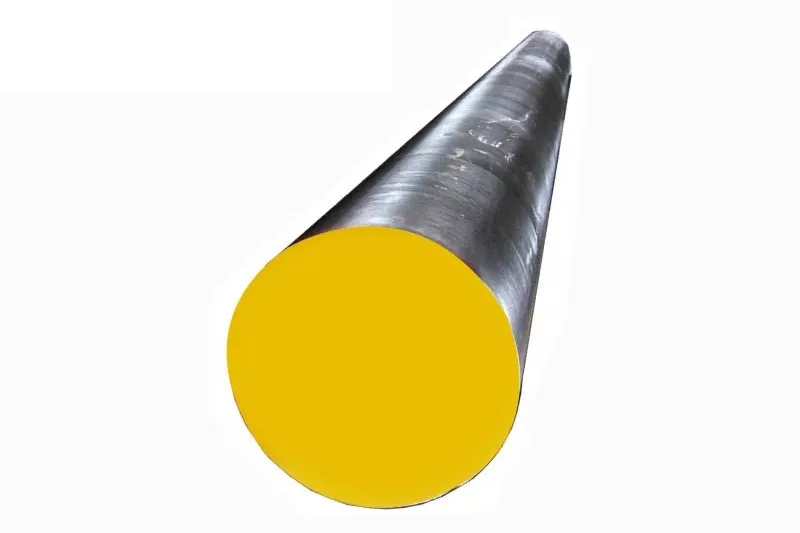
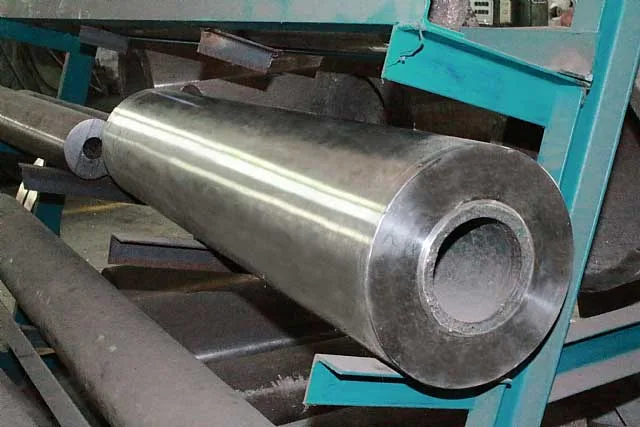
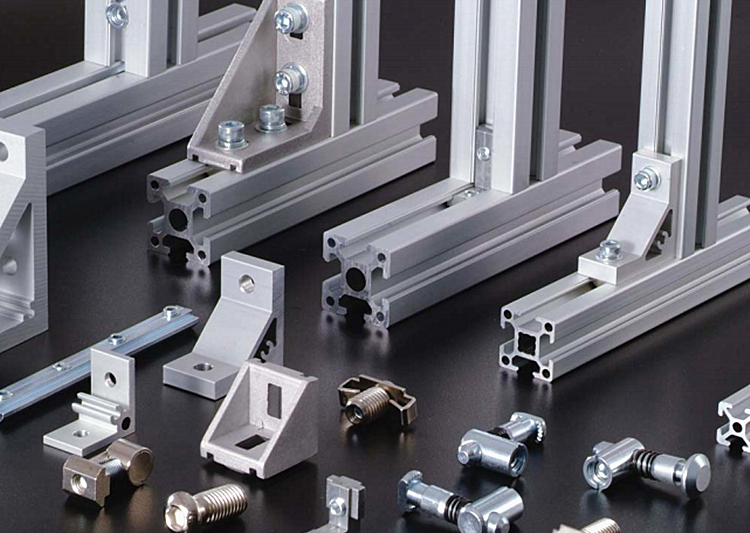
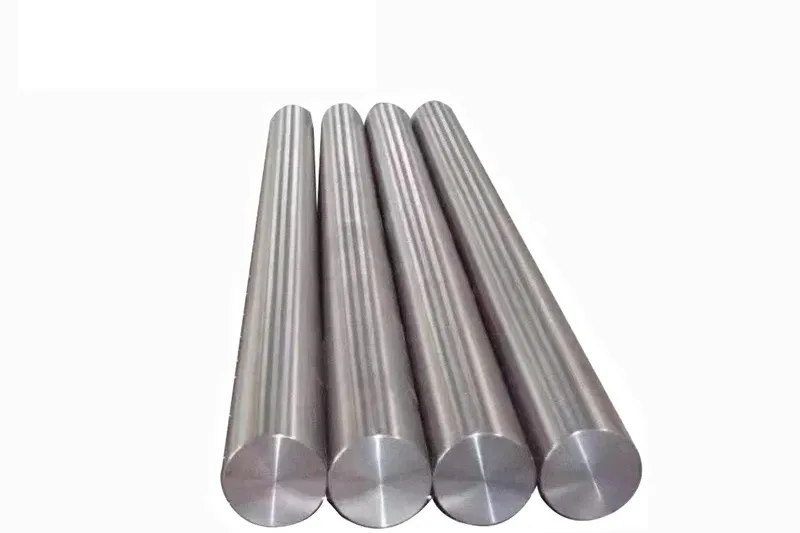
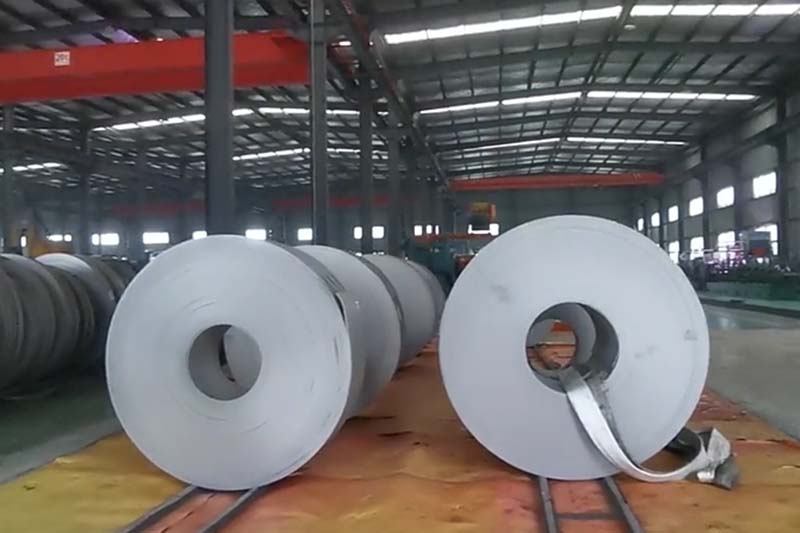
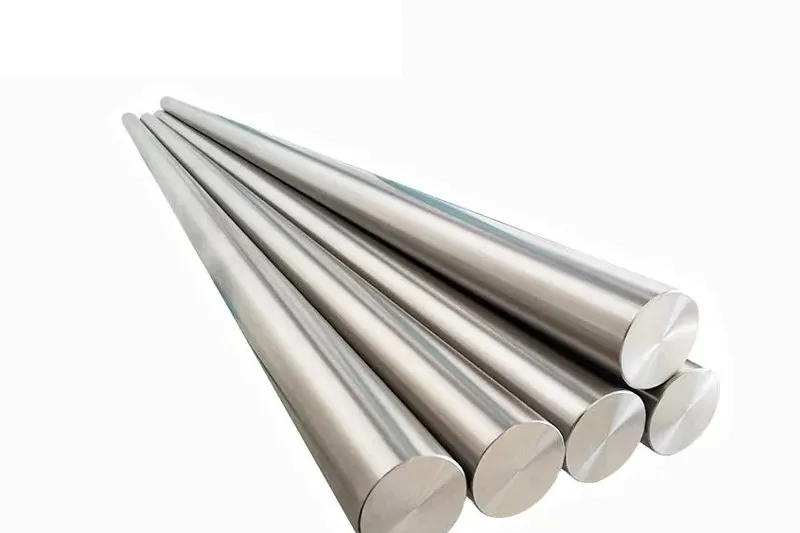
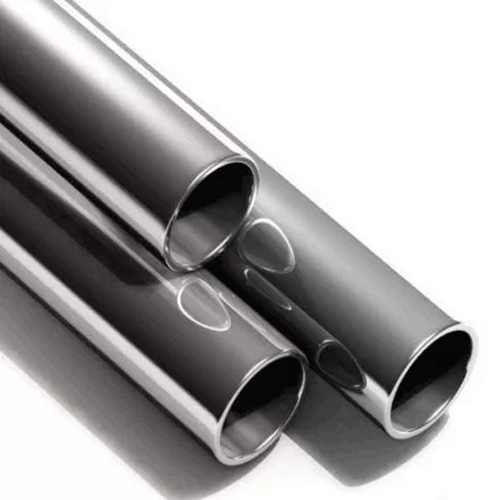
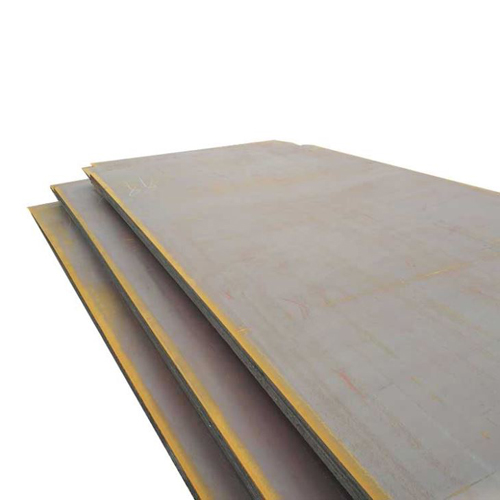
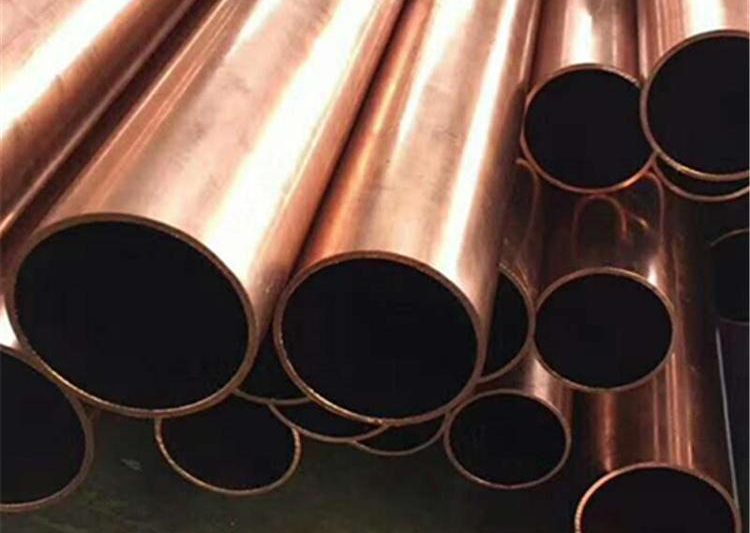
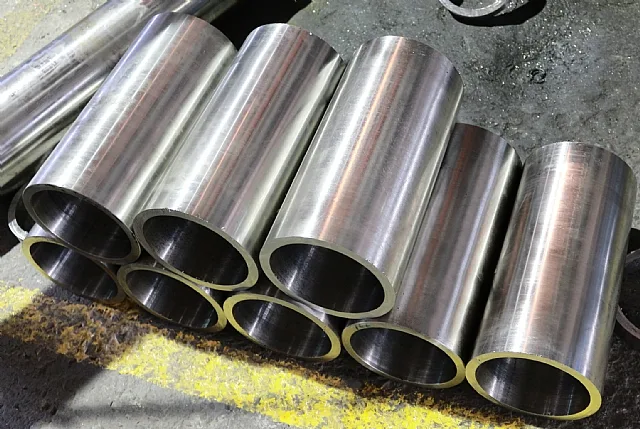
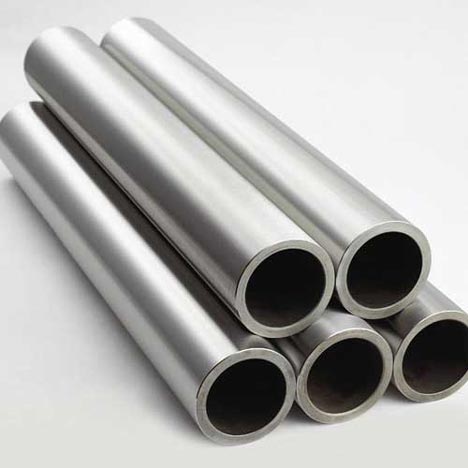
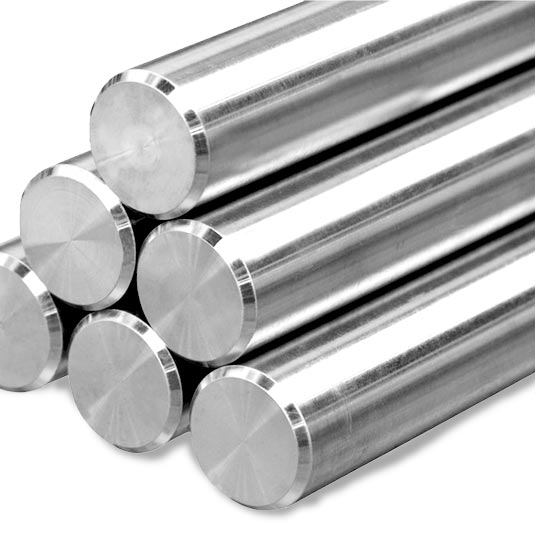
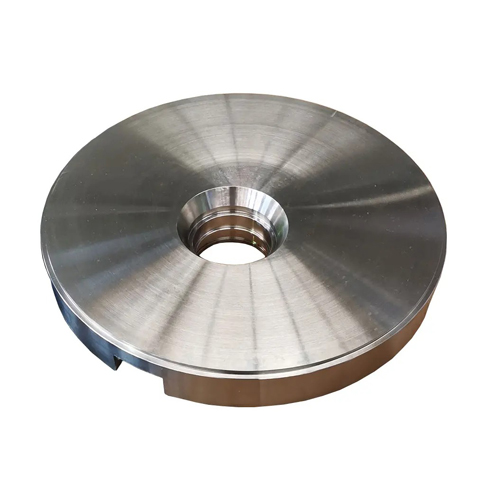
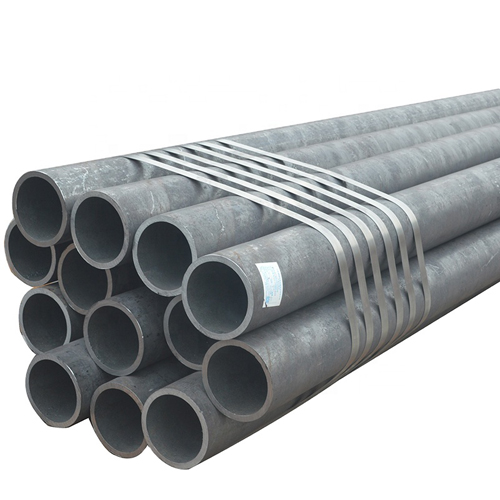
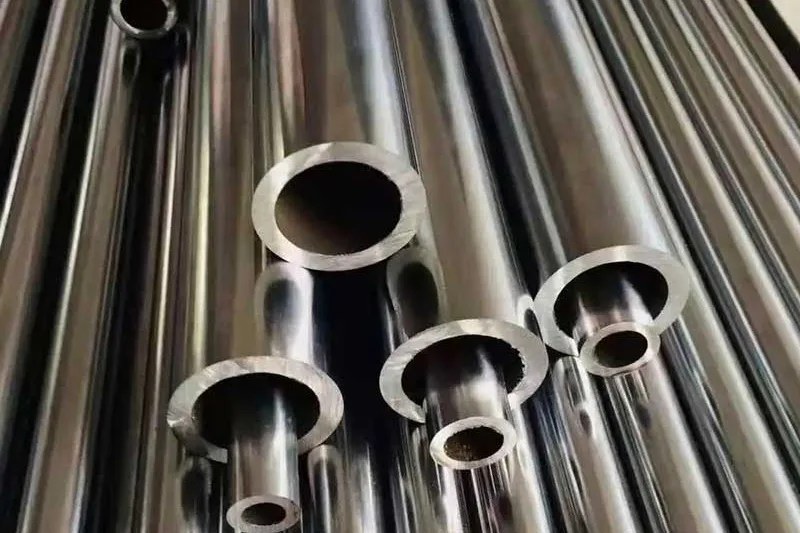
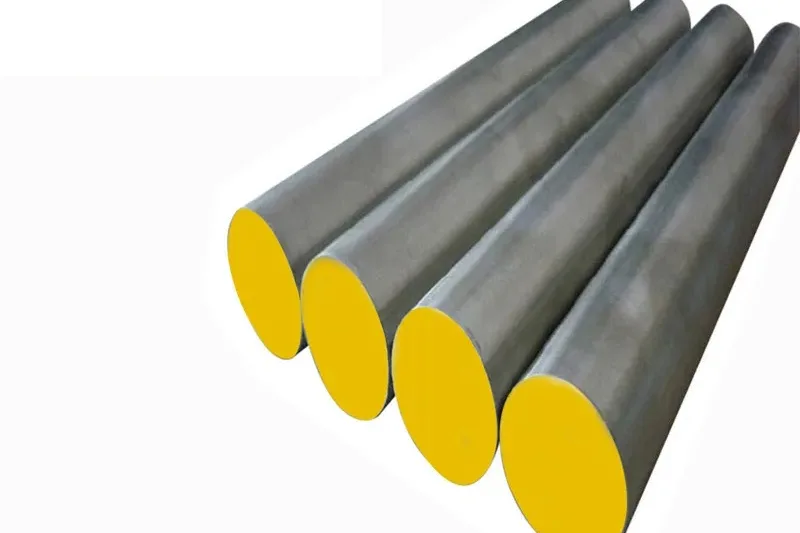
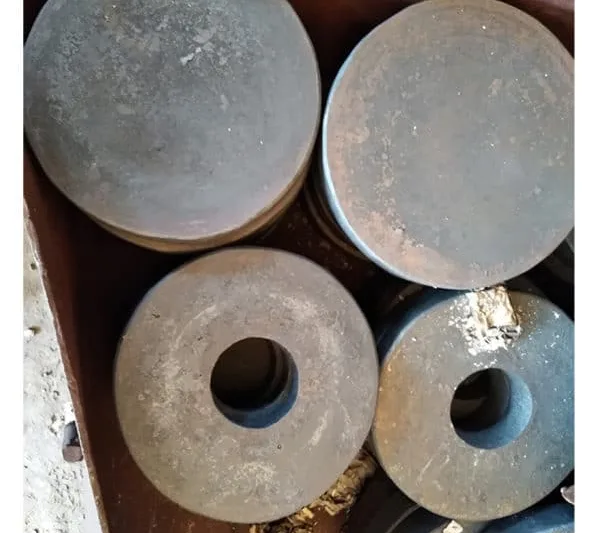
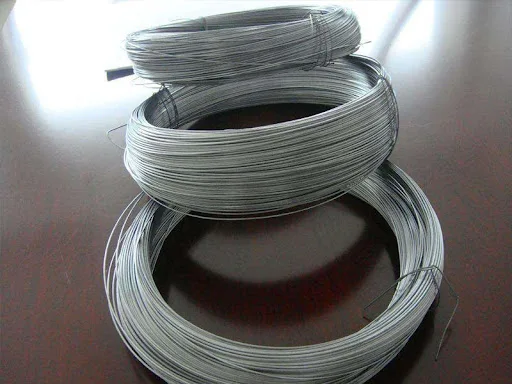
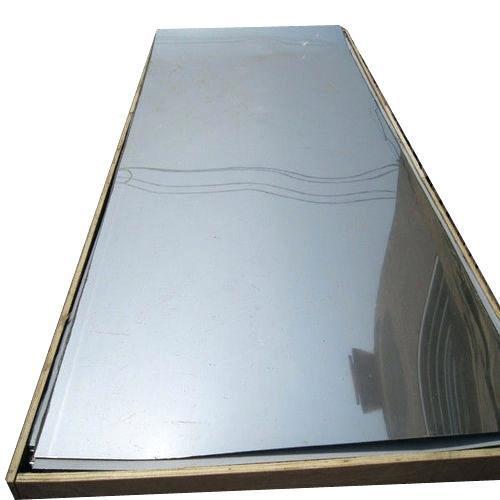
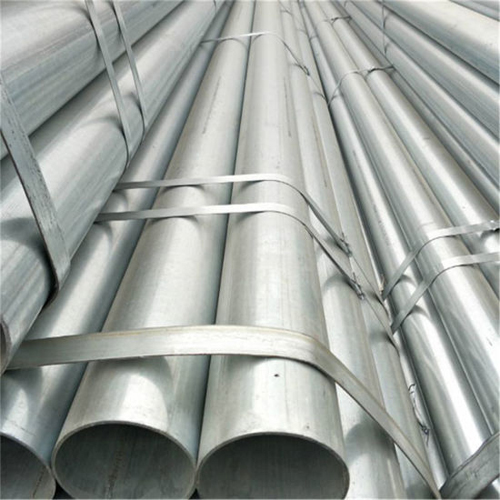
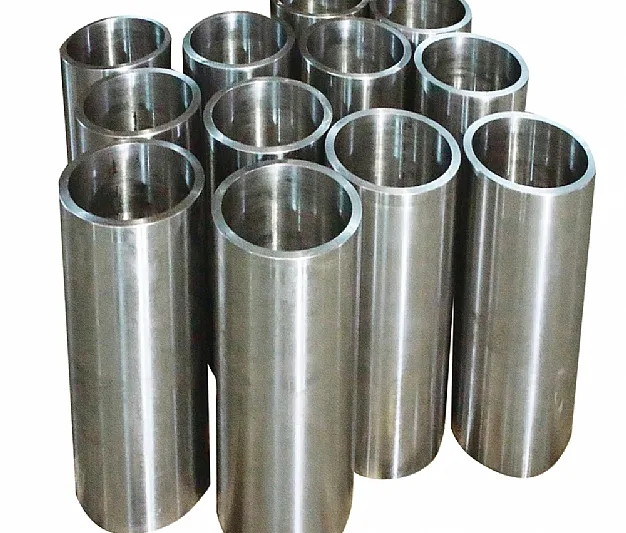
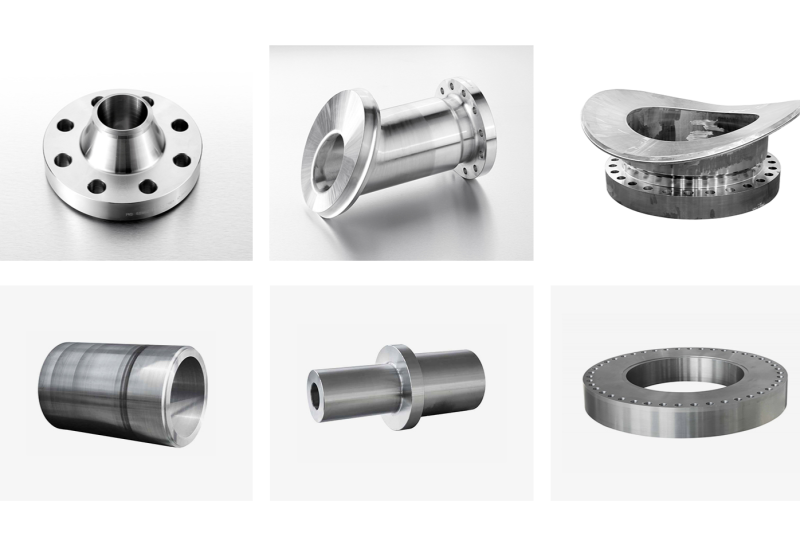
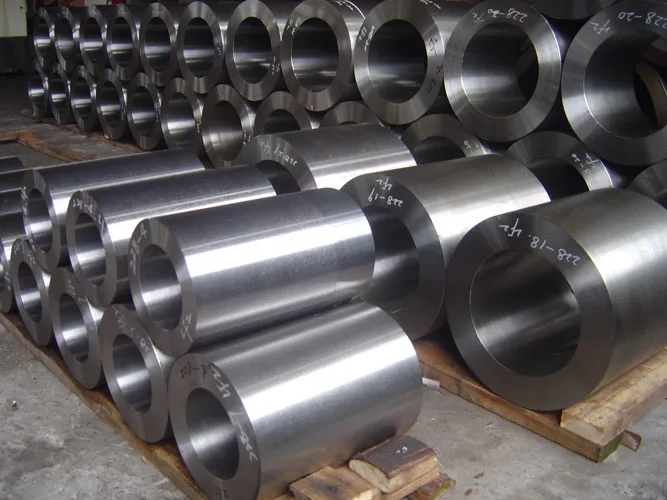
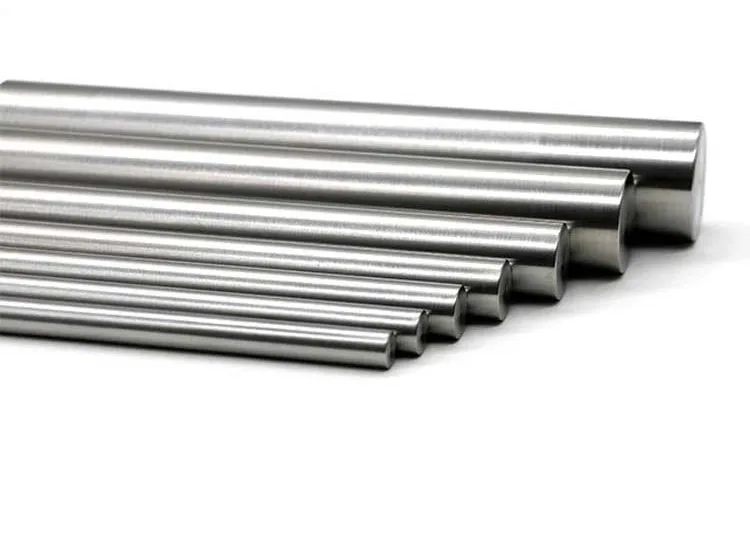
Precision Machined Cylindrical Forgings
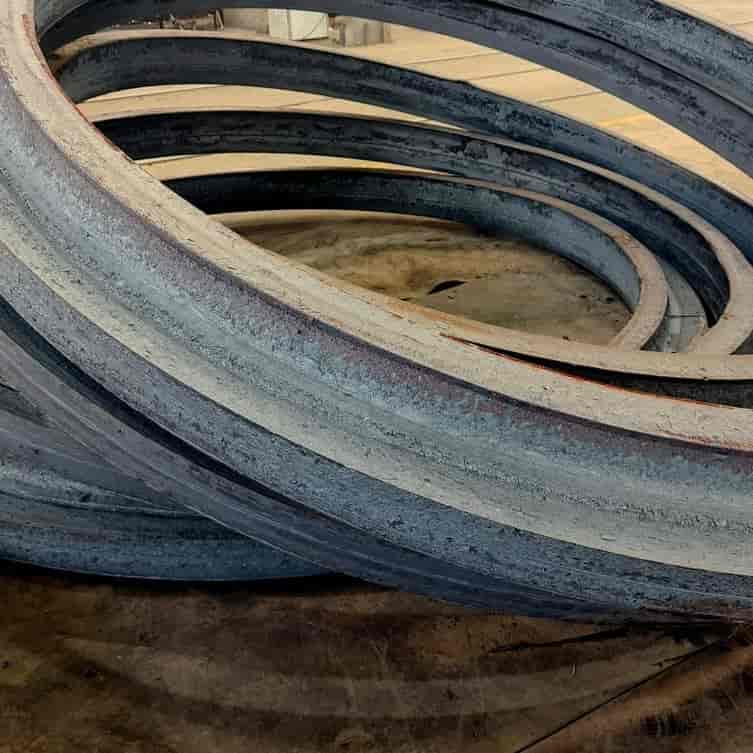
Common Materials
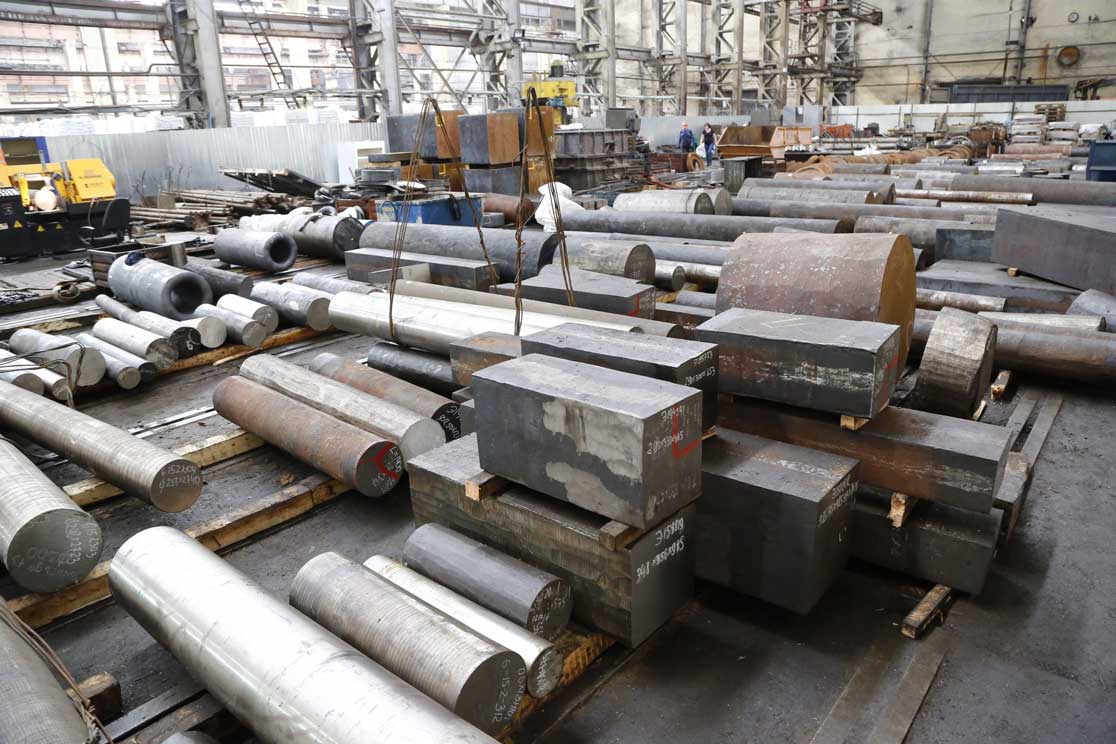
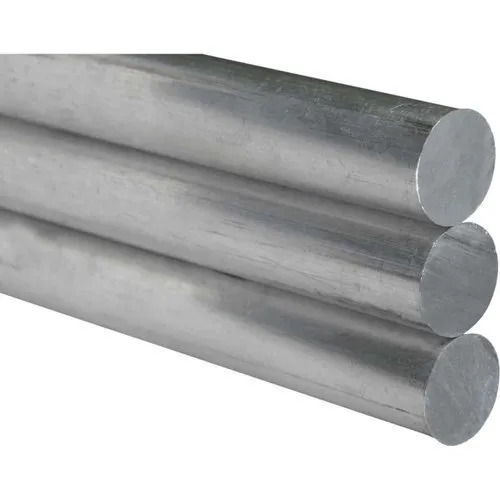
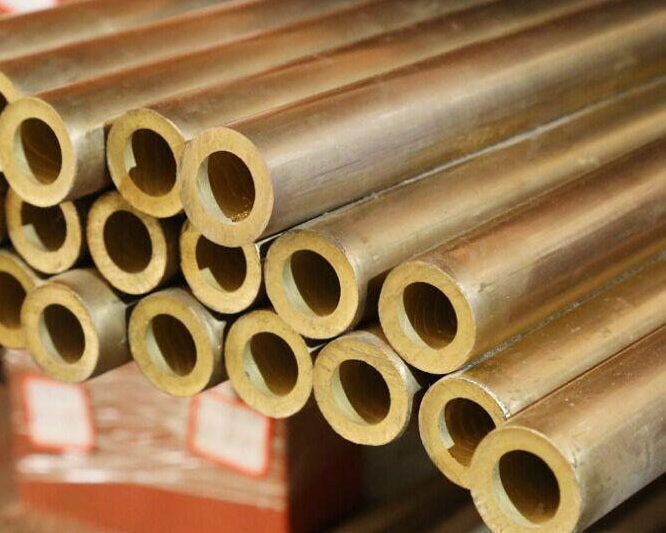
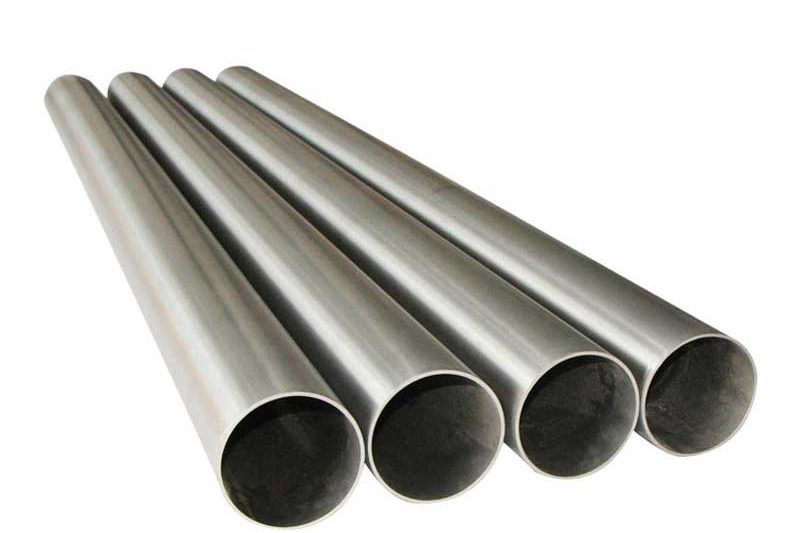
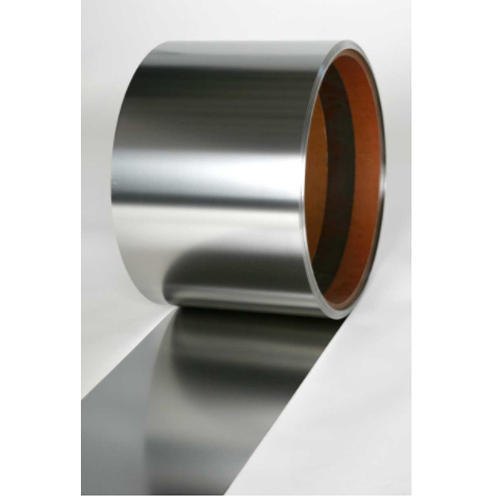
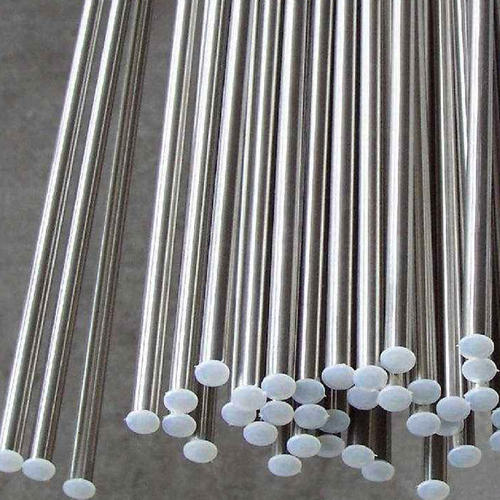
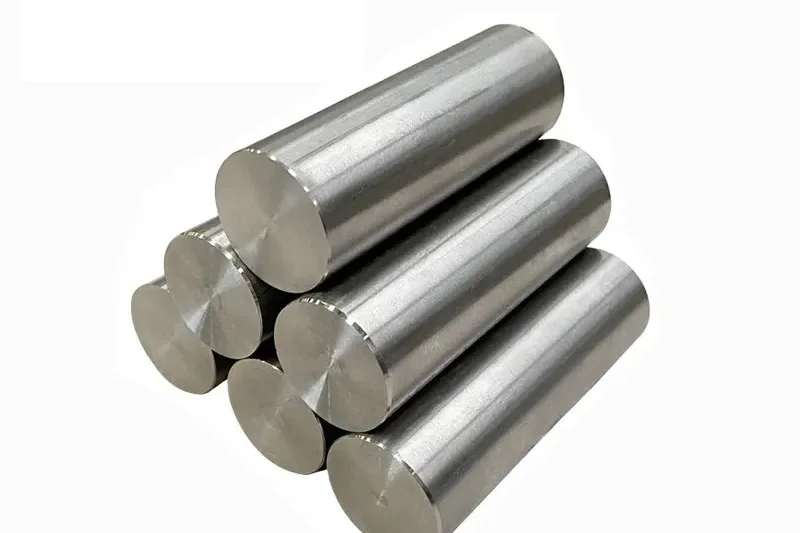
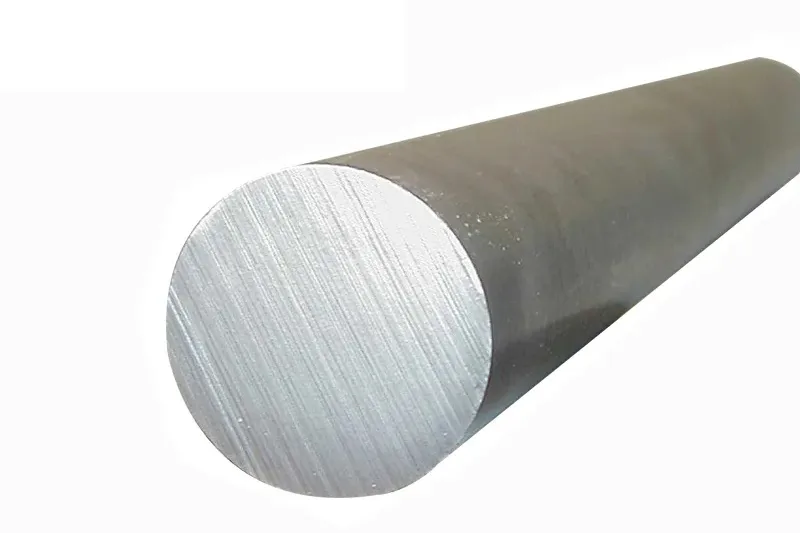
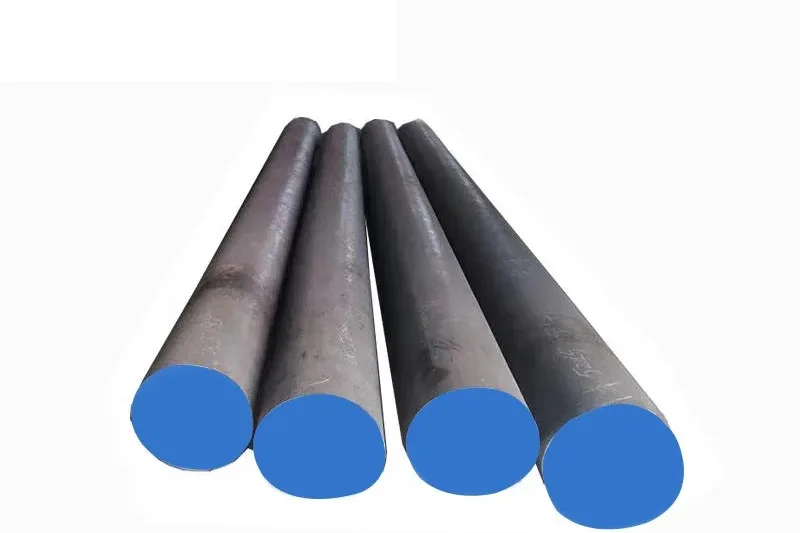
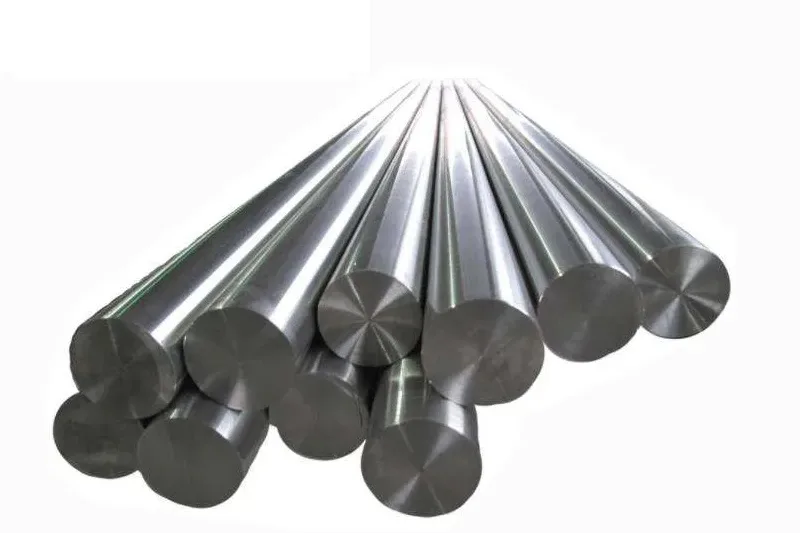
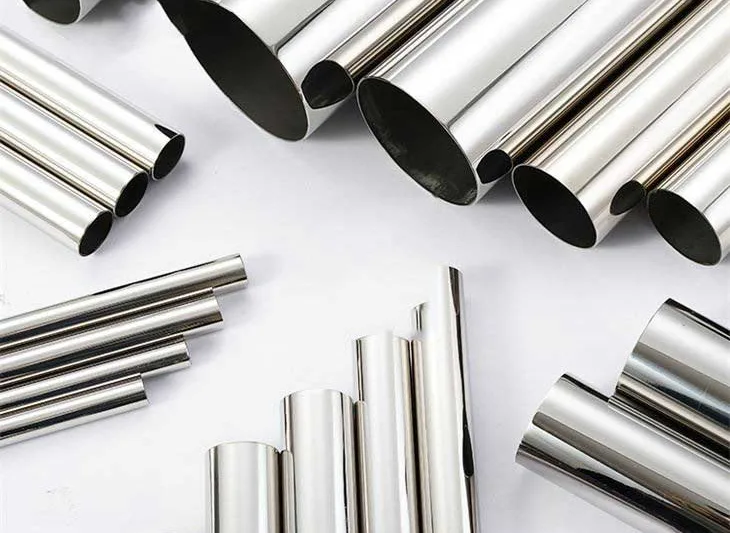
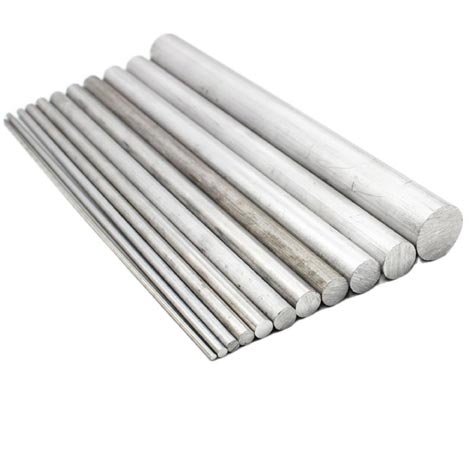
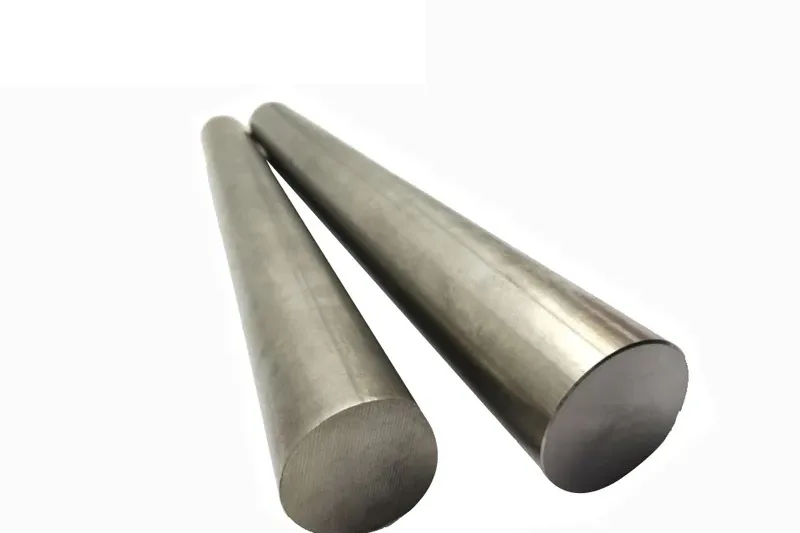
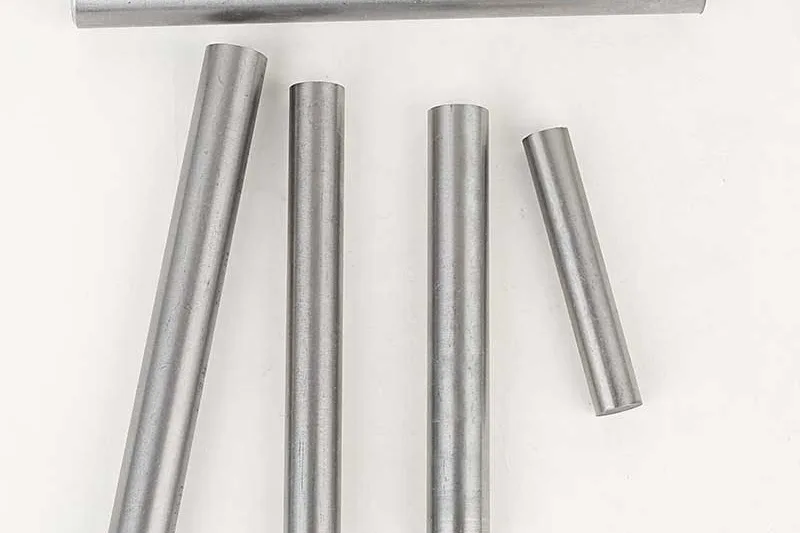
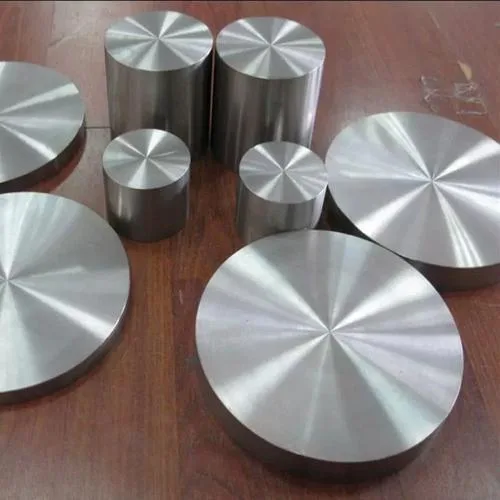
Steel is the primary material: Carbon steel, alloy steel, and stainless steel are the main materials used, with 42CrMo, 34CrNiMo6, 40Cr, and stainless steel grades 304/316 being common grades.
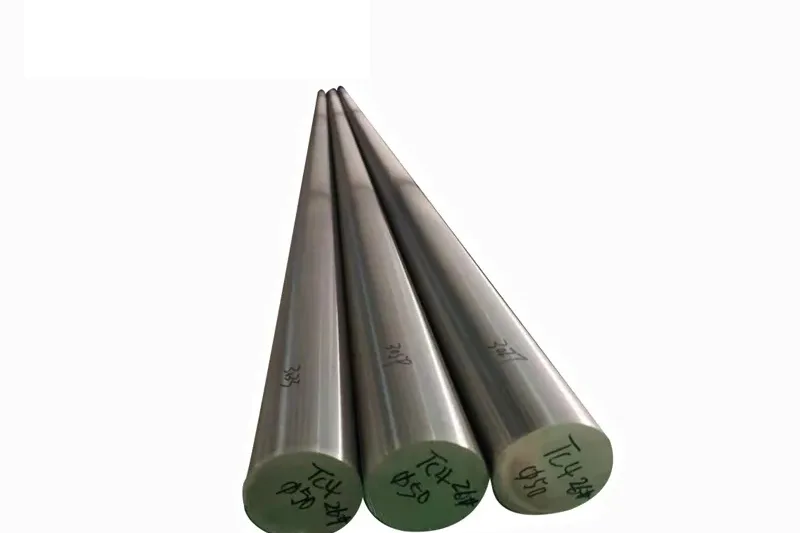
Other Materials: Difficult-to-machine materials such as nickel-based alloys and titanium alloys are also processed.
Dimension Range
Application cases vary widely:
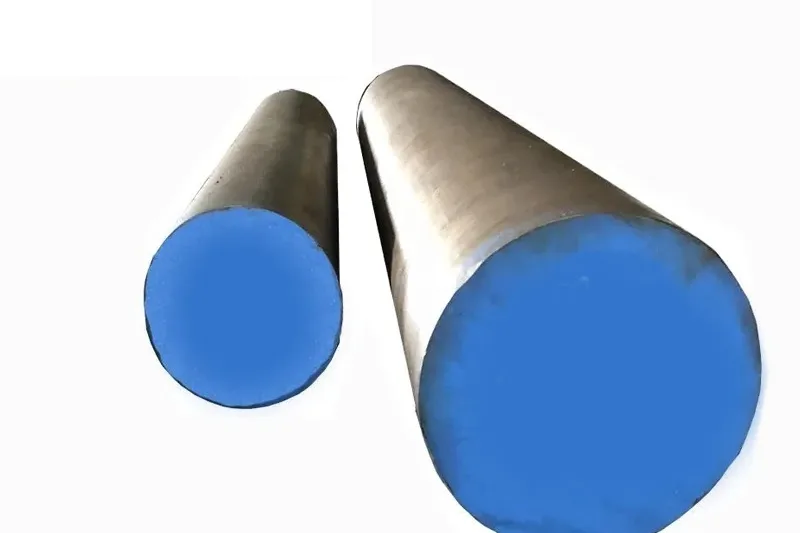
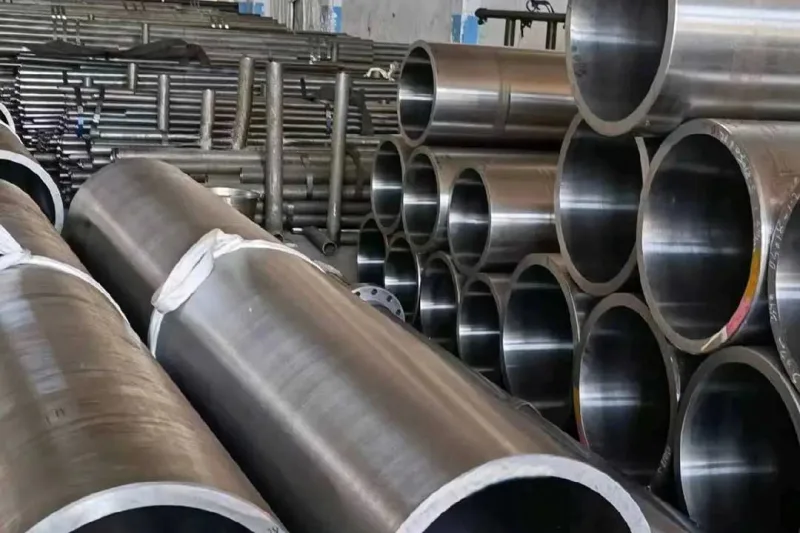
• Specialized manufacturers offer a range of diameters from 50 mm to 1,500 mm and lengths from 200 mm to 8,000 mm.
• Capable of machining outer diameters from 1 inch to 100 inches, inner diameters from 1 inch to 80 inches, lengths up to 65 feet (approximately 19.8 meters), and weights up to 100,000 pounds (approximately 45 metric tons).
Key Process Characteristics
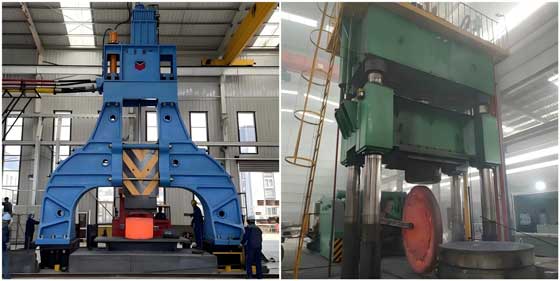
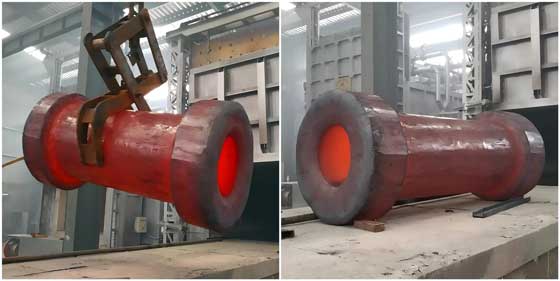
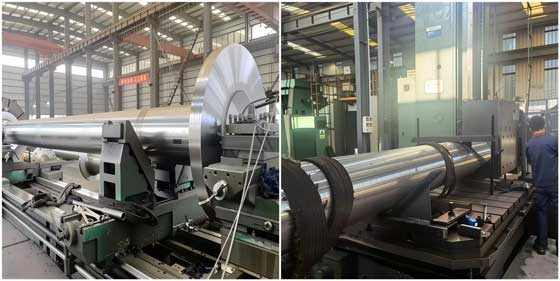
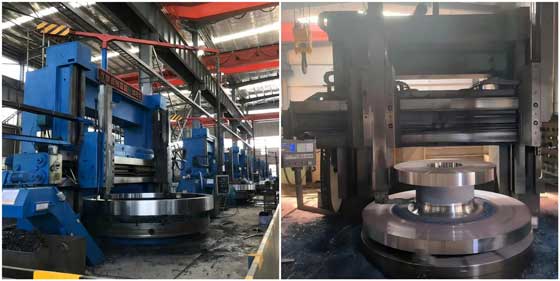
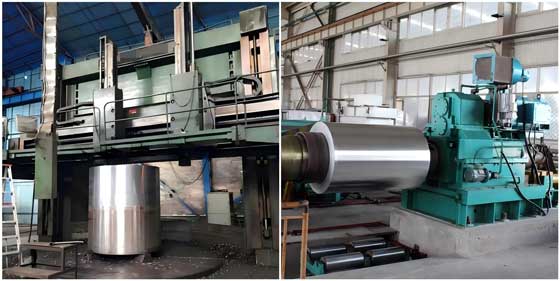
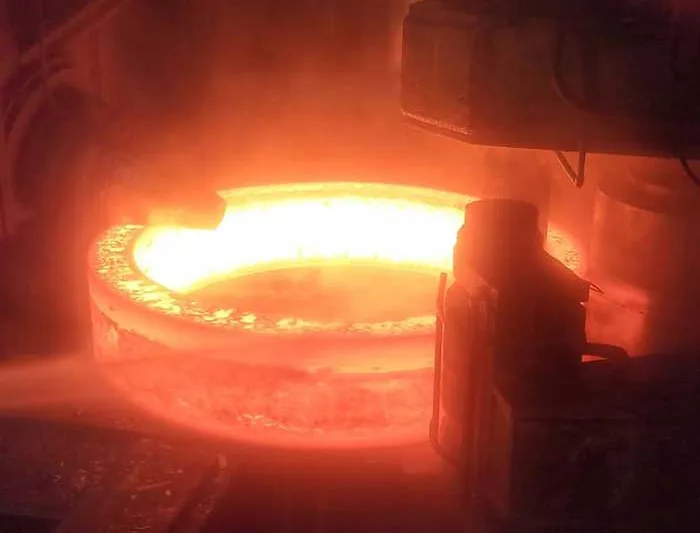
Forging + heat treatment + precision machining is the standard production process.
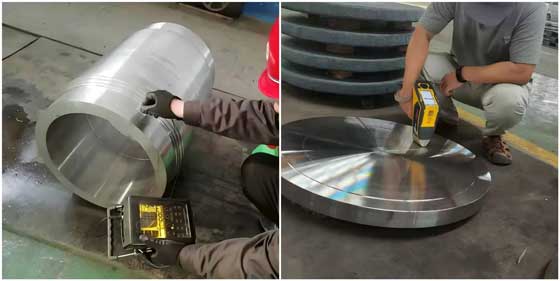
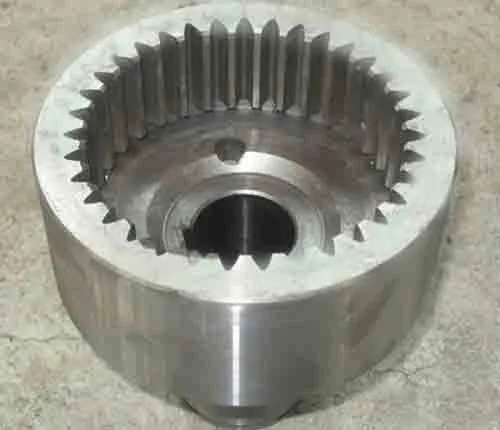
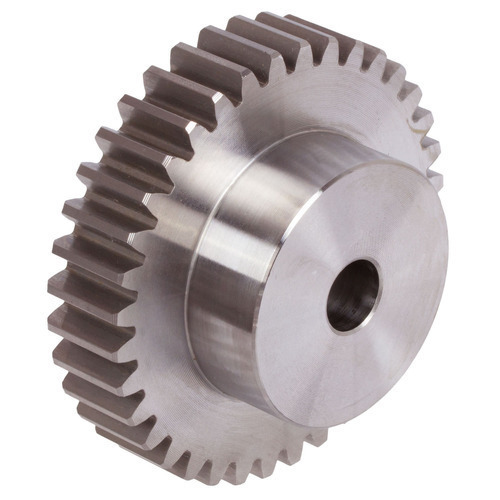
Dimension tolerances in the precision machining stage can reach ±0.003 inches. For gear-type parts, the single-side allowance on the tooth profile after precision forging can be controlled within 1 mm; through a process combining warm forging and cold finishing, the allowance can be further reduced to approximately 0.1 mm to achieve near-net-shape forming.
Thanks to the dense microstructure, high strength, and excellent fatigue properties of forged materials, these forgings serve as core components in several key industrial sectors:
Automotive Industry: Used in critical powertrain components such as drive shafts and gear blanks for engines and transmissions.
Construction Machinery: Used to manufacture heavy-duty shafts and hydraulic components for equipment such as excavators and cranes.
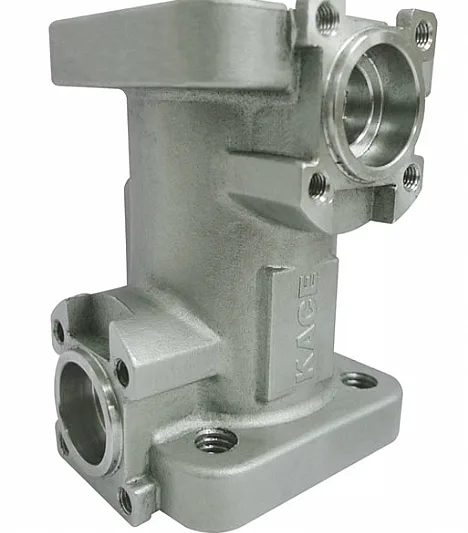
Energy and Oil & Gas: Used in power generation equipment, valve bodies for oil and natural gas, pressure vessel components, and generator main shafts.
Heavy Industry and Military: Includes large load-bearing structural components for mining equipment, ships, submarines, and other applications.