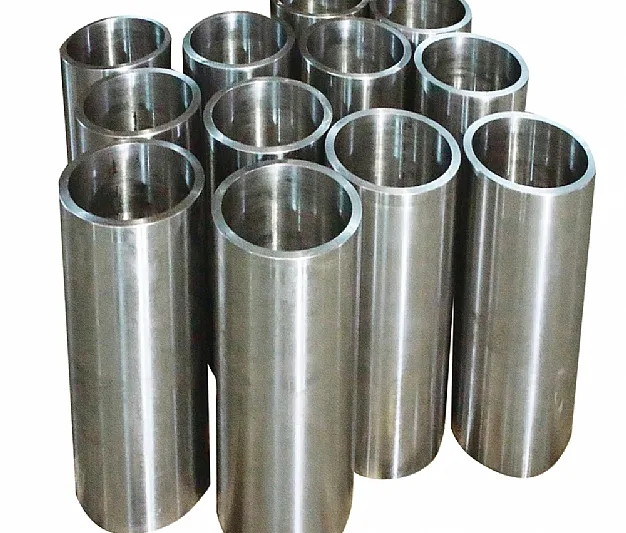
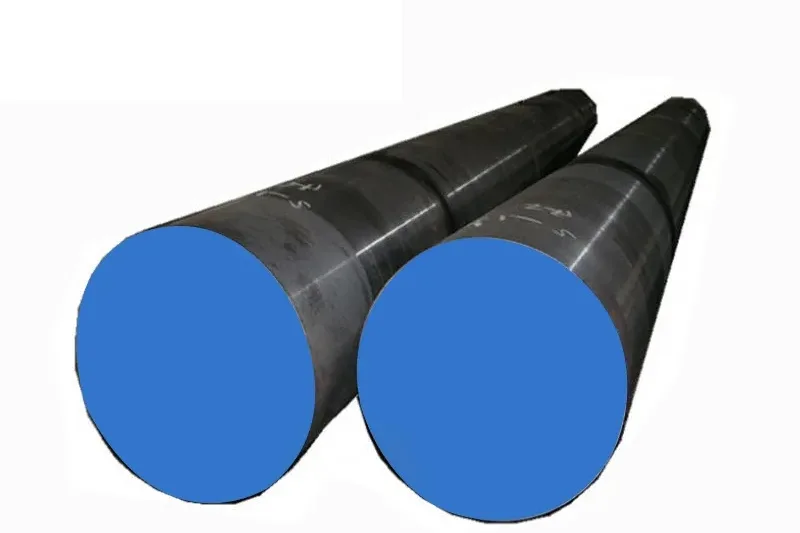
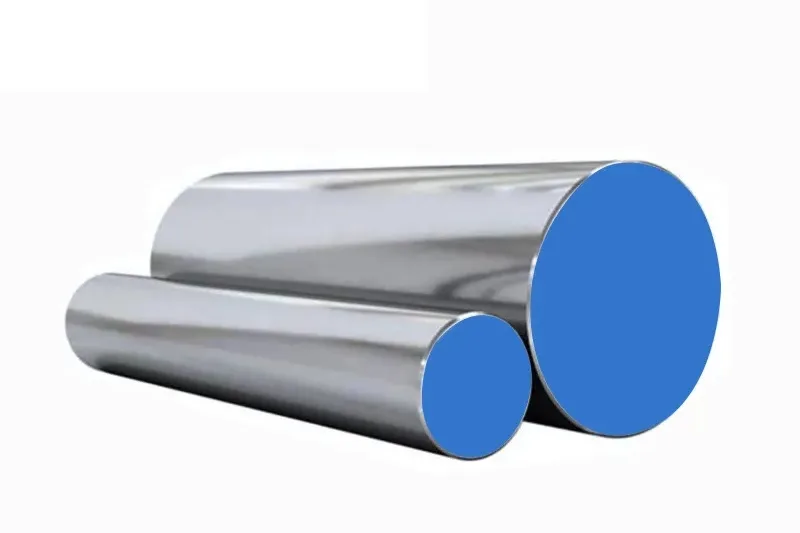
Thick-Walled Cylindrical Forged Blank
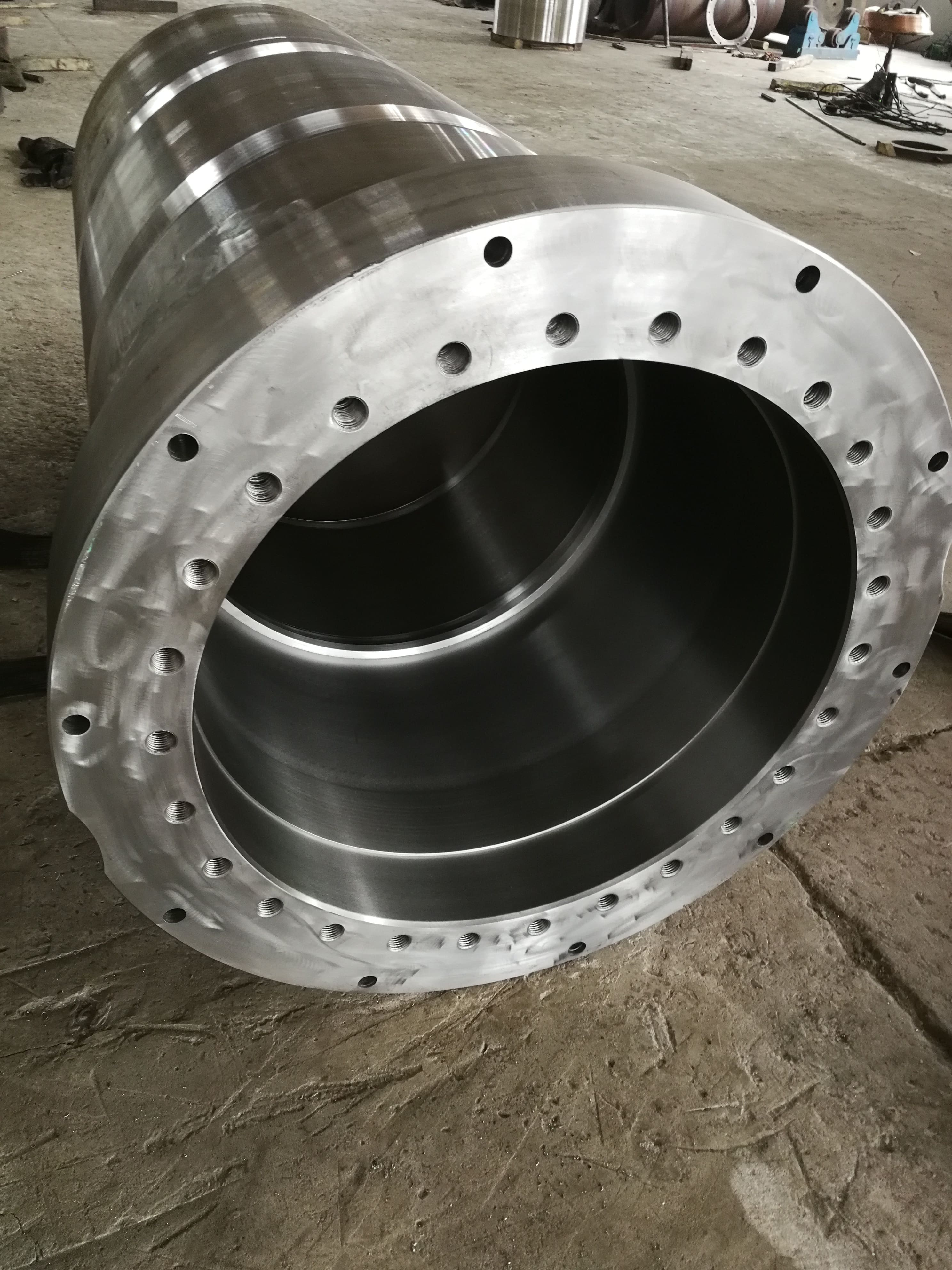
Analysis of the Manufacturing and Applications of Thick-Walled Cylindrical Forging Blanks
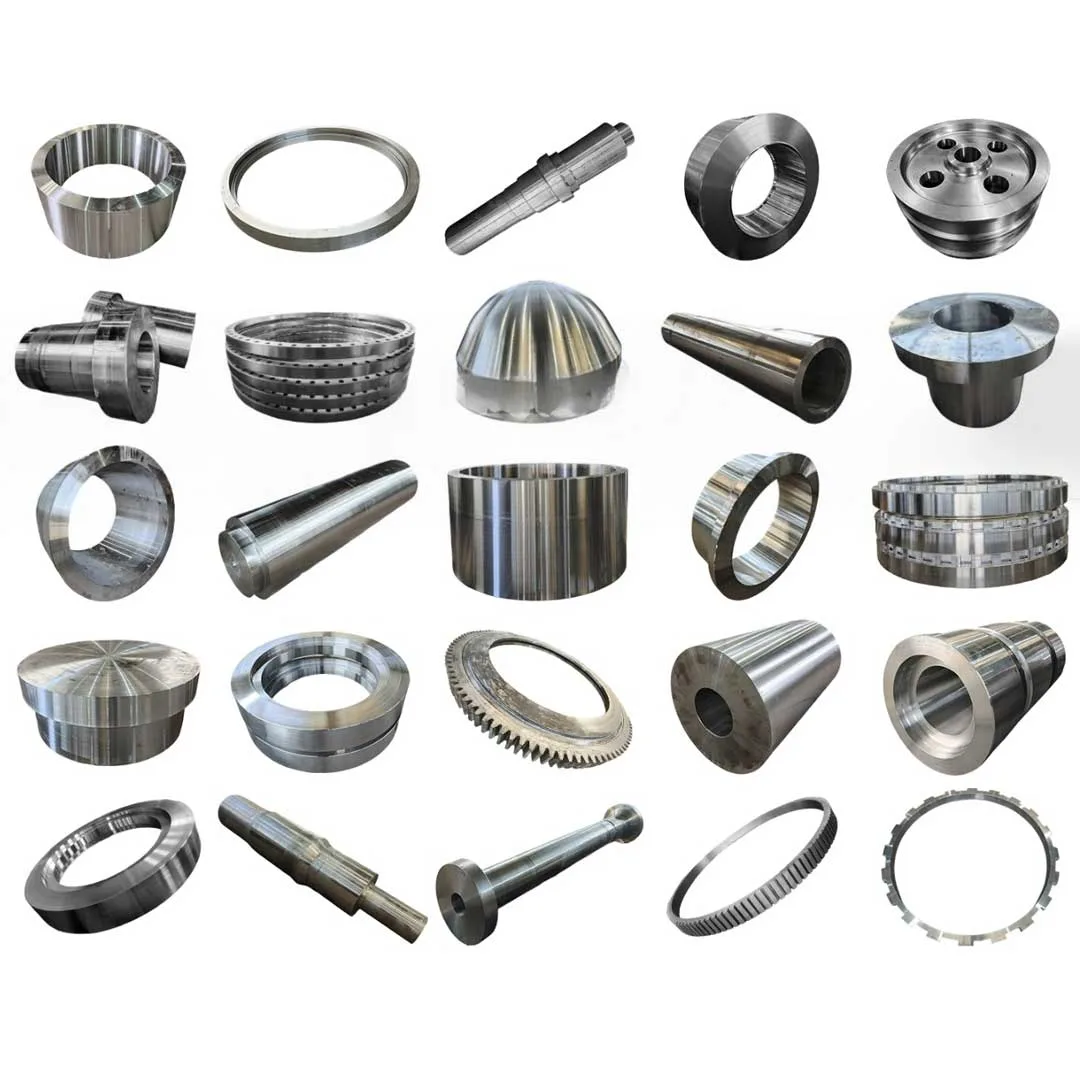
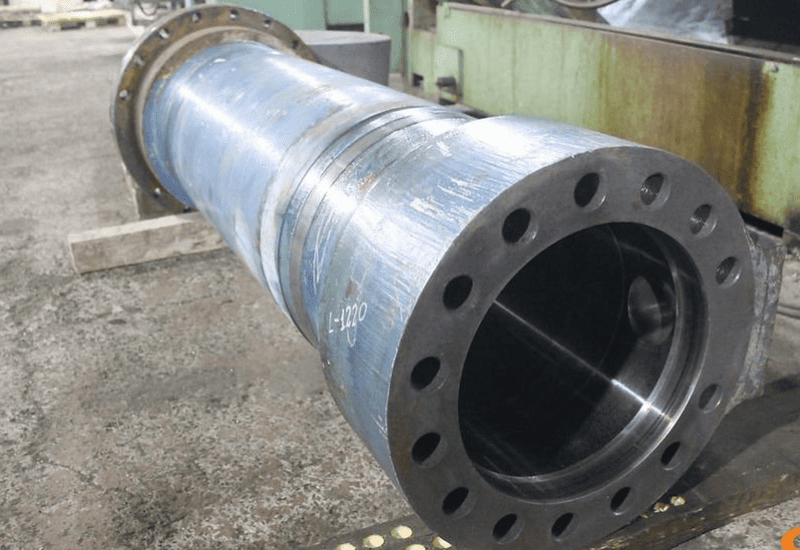
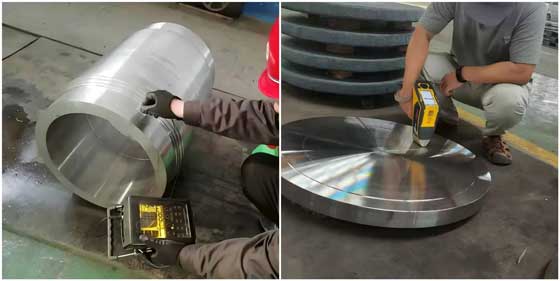
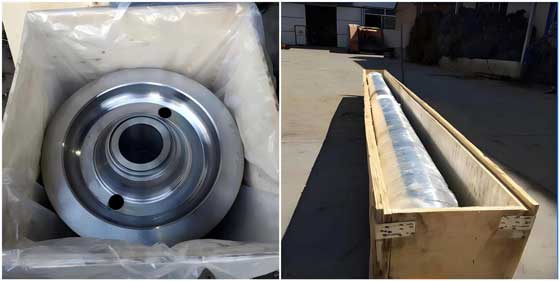
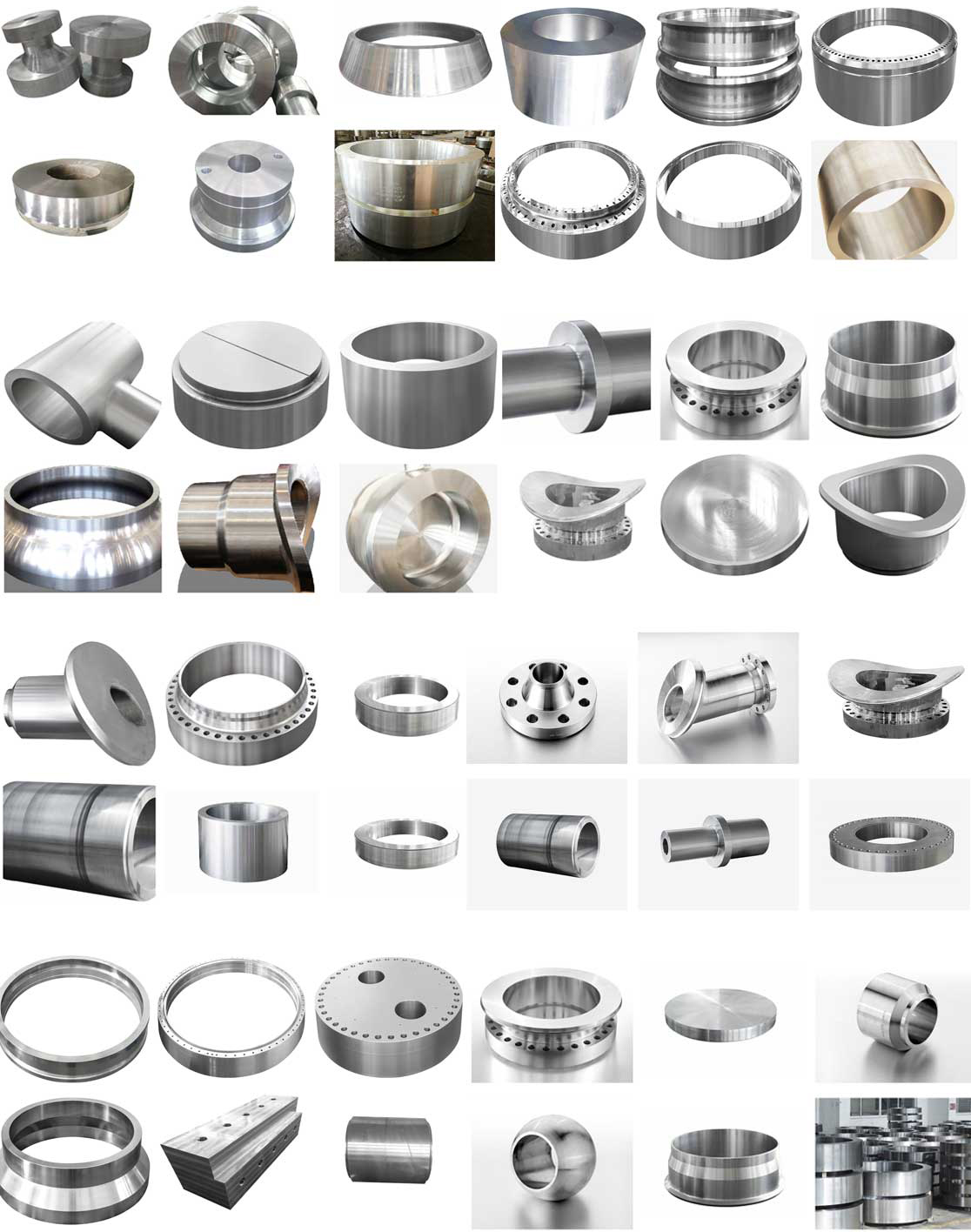
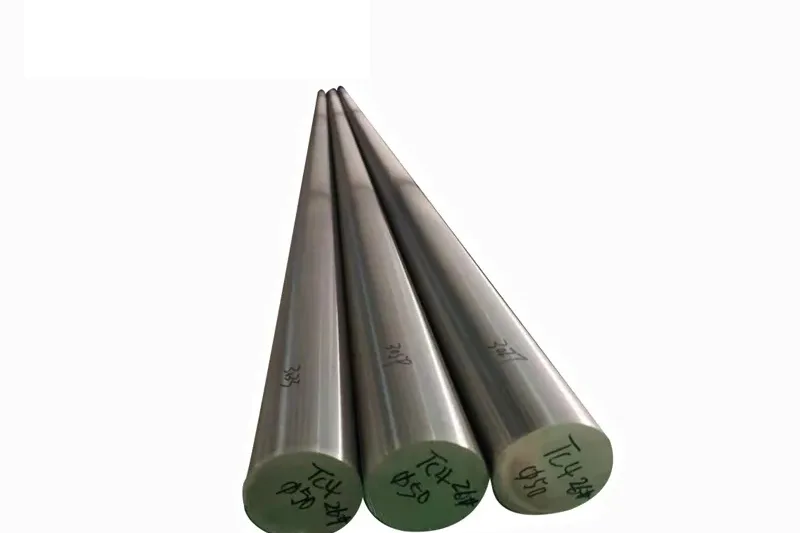
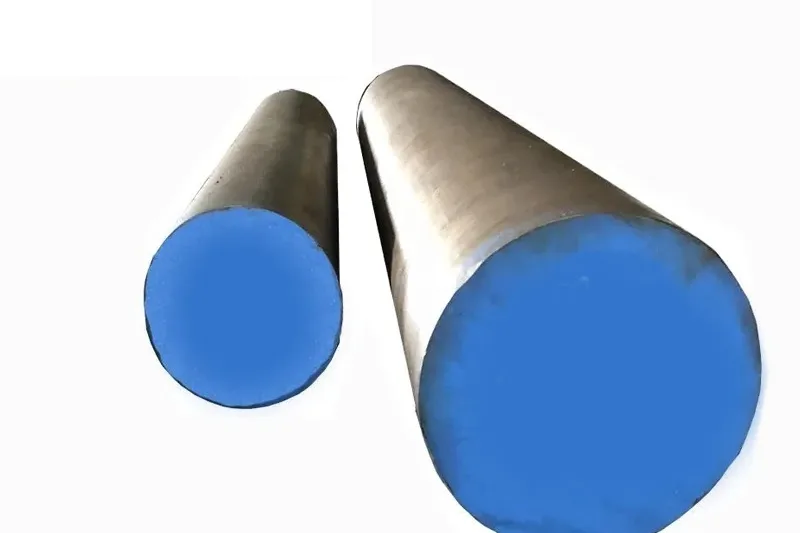
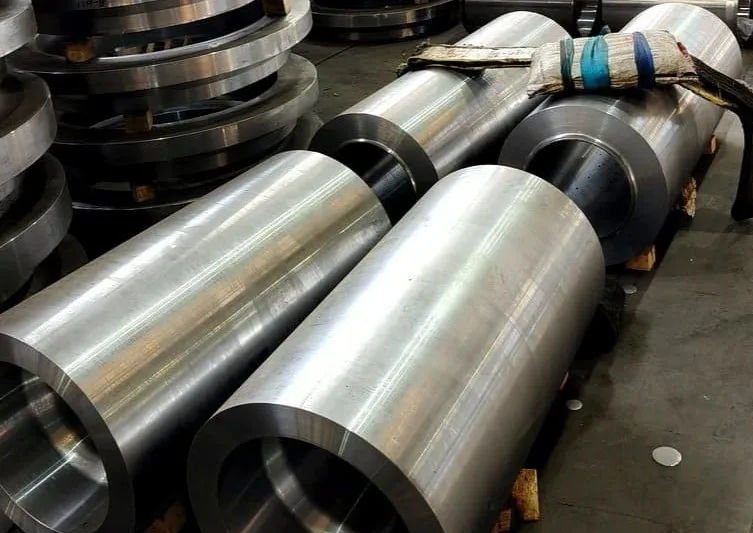
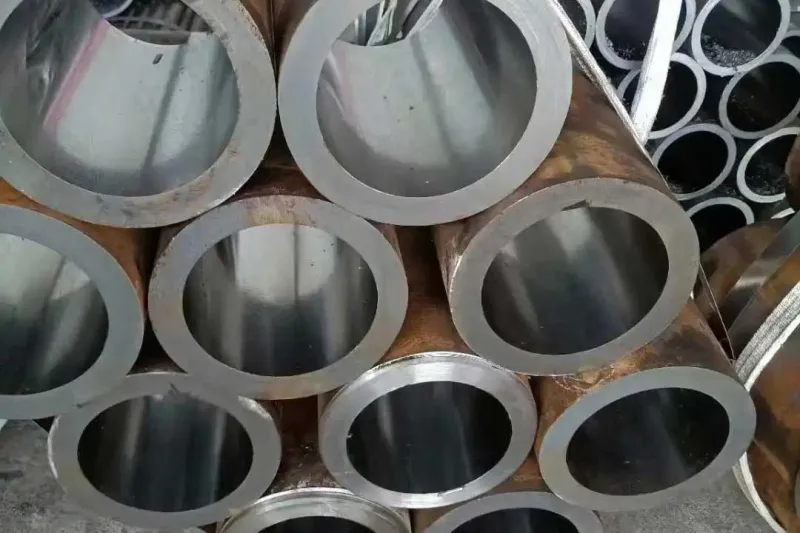
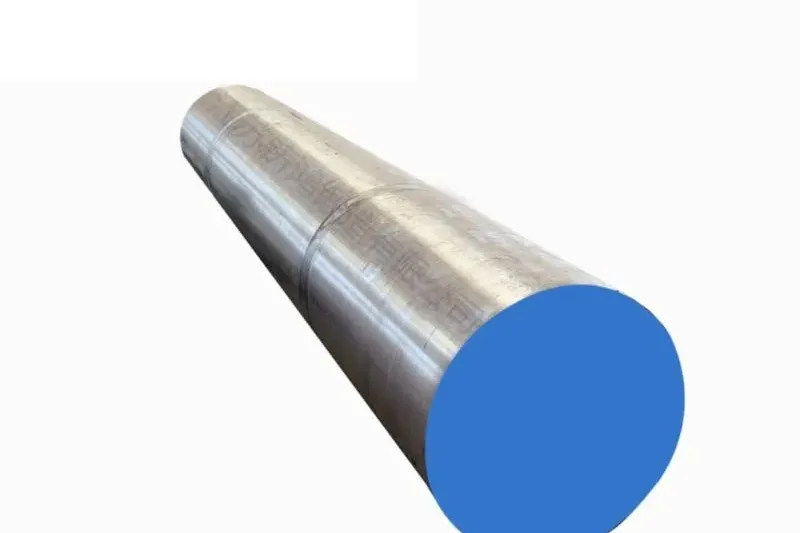
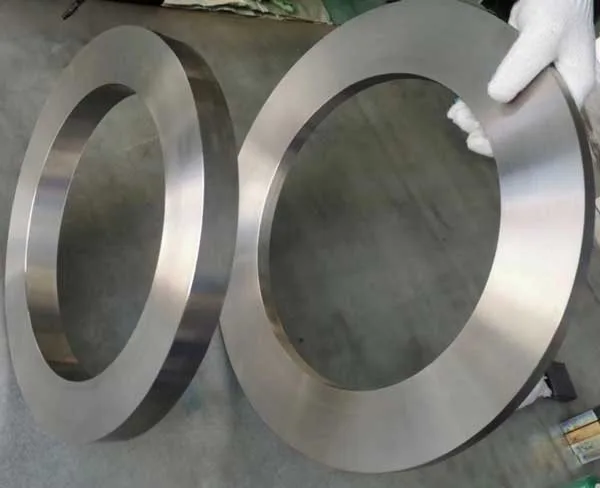
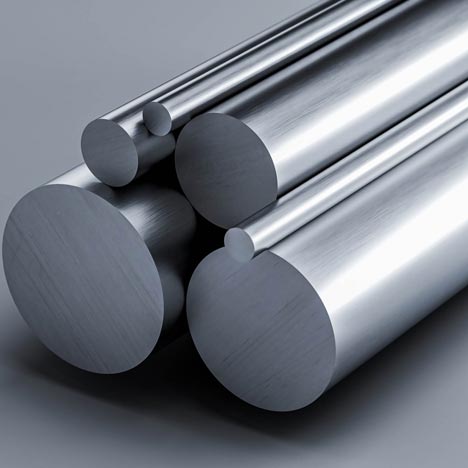
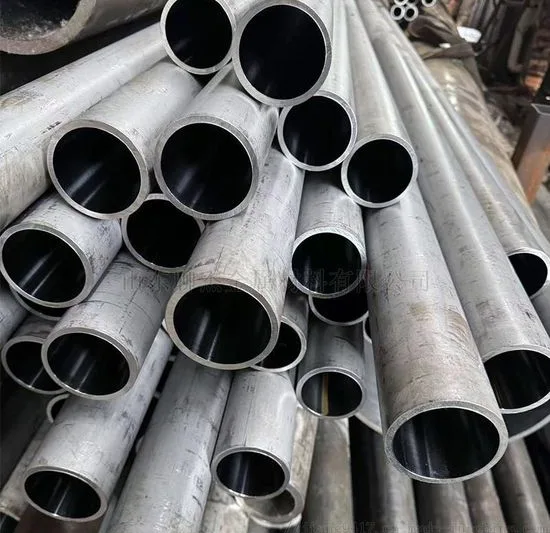
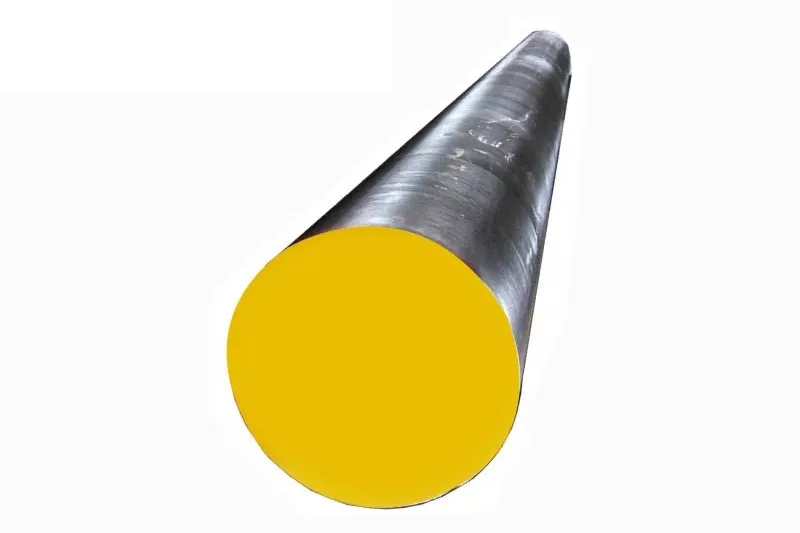
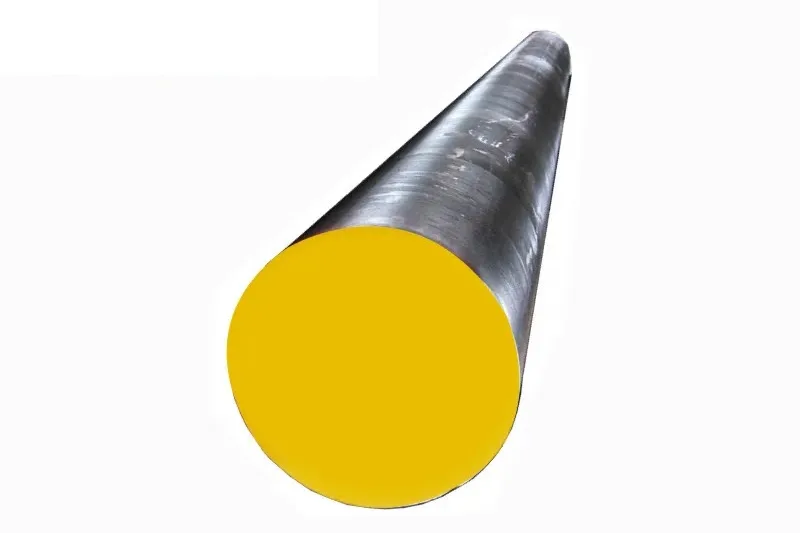
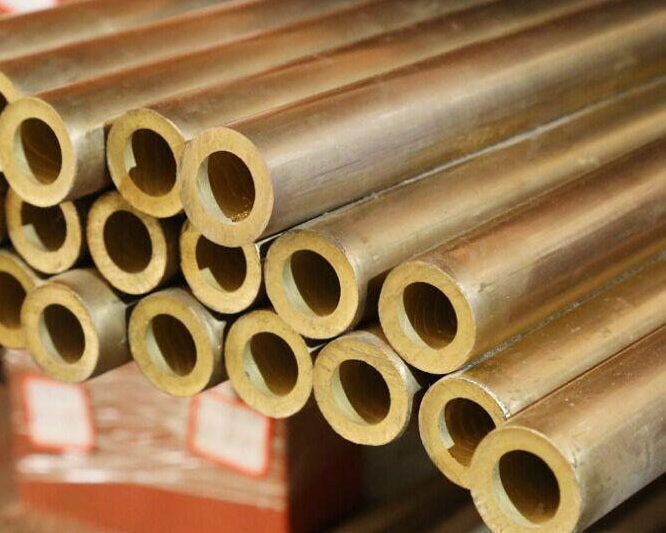
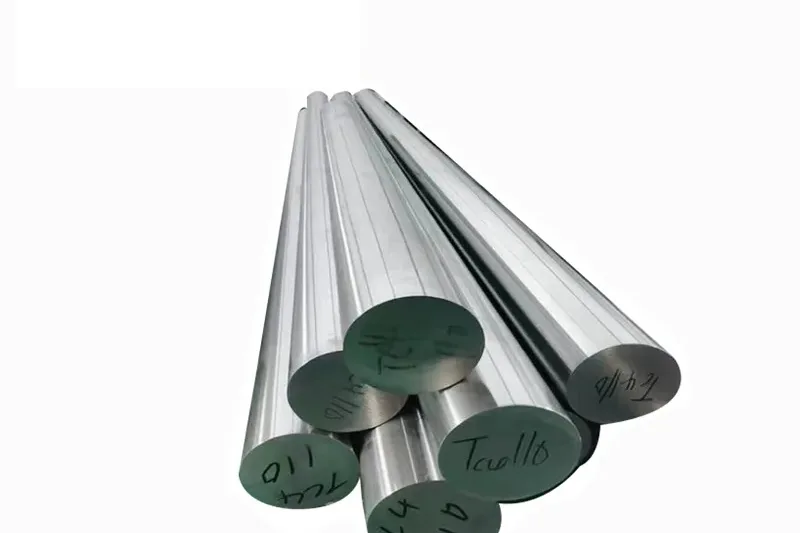
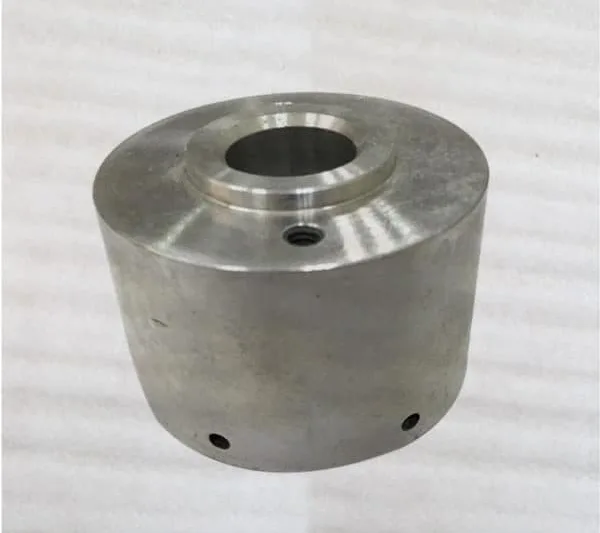
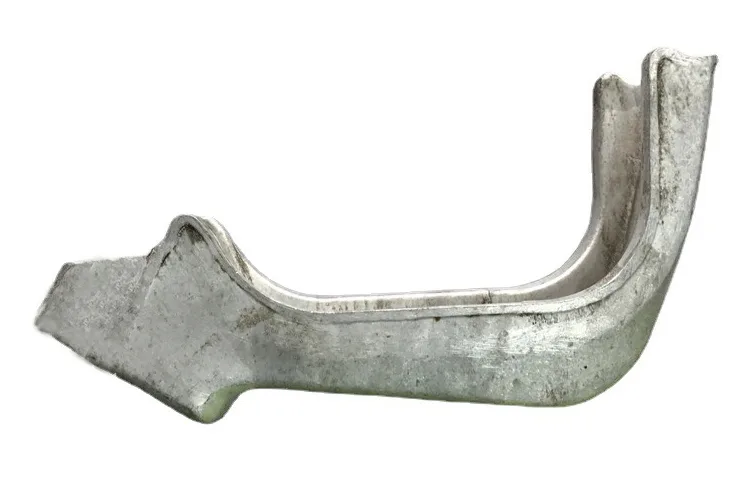
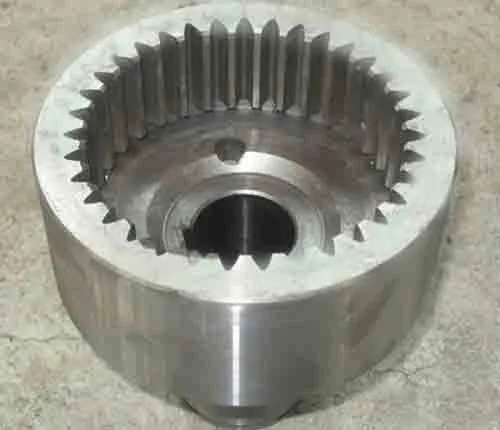
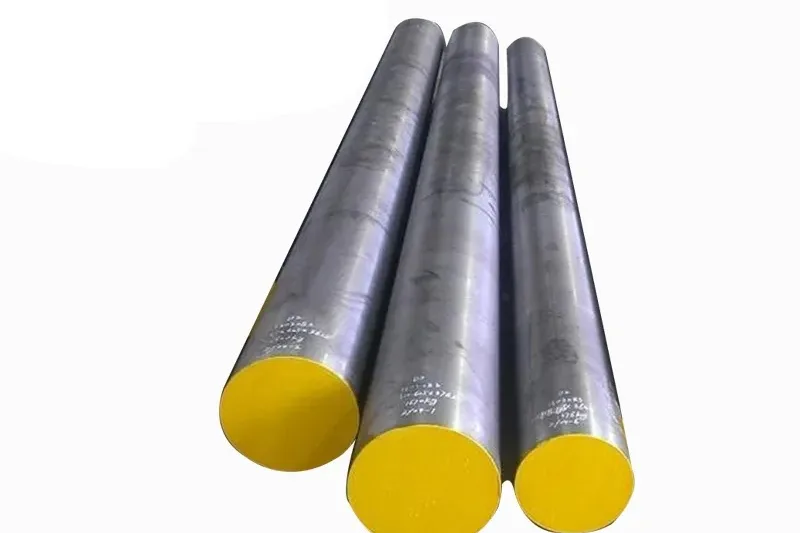
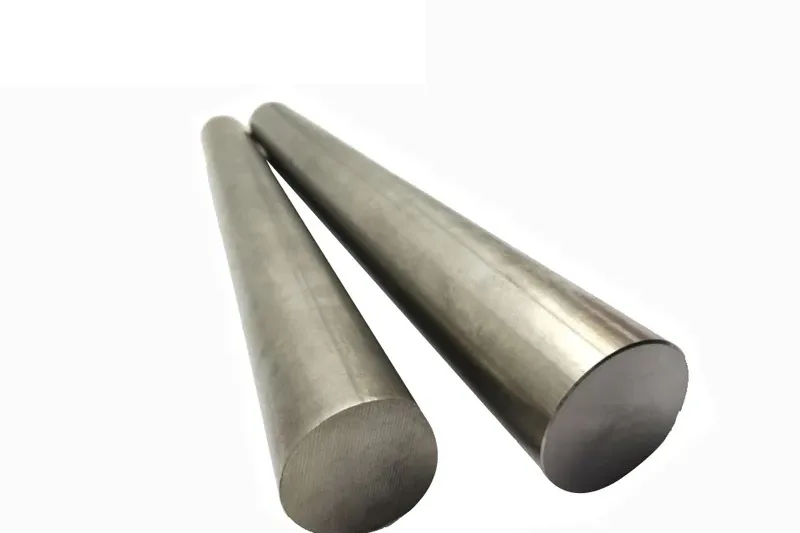
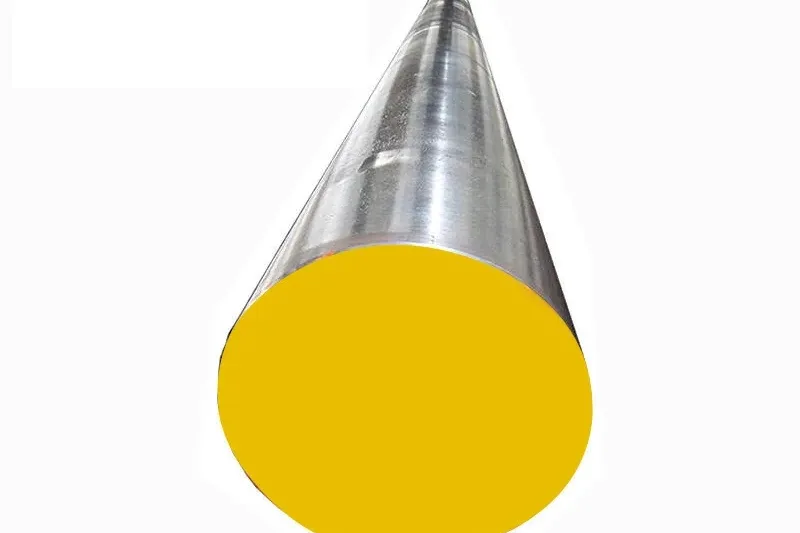
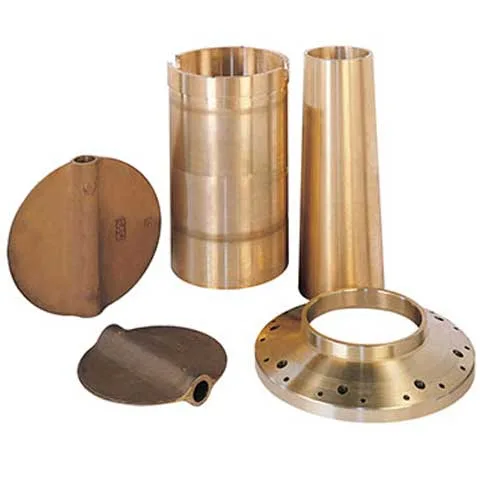
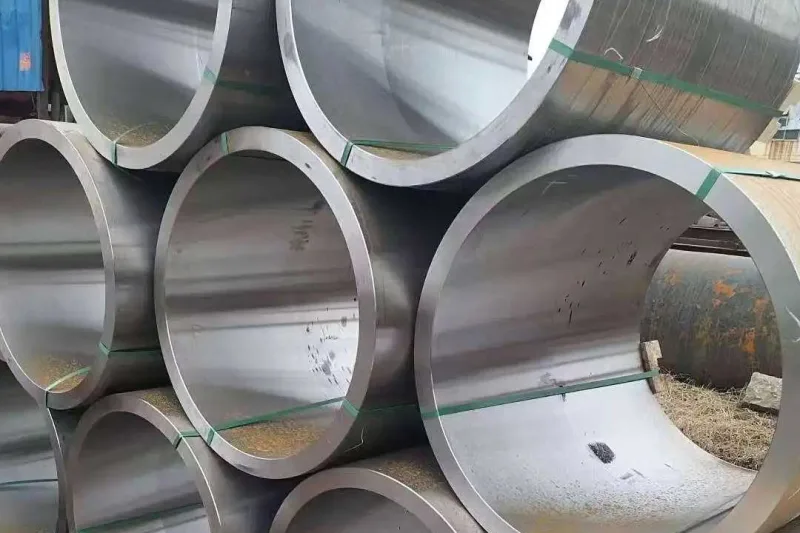
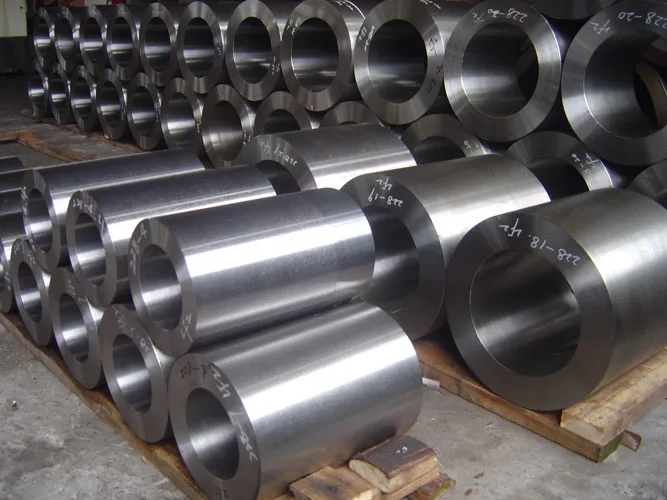
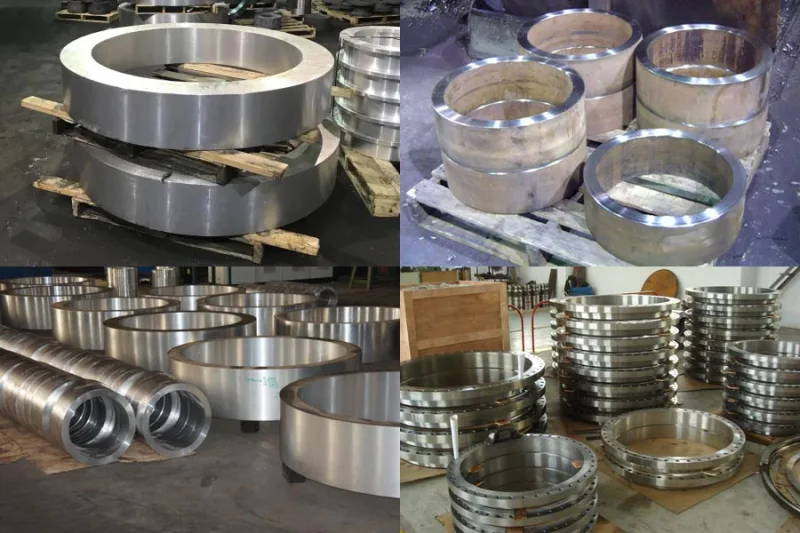
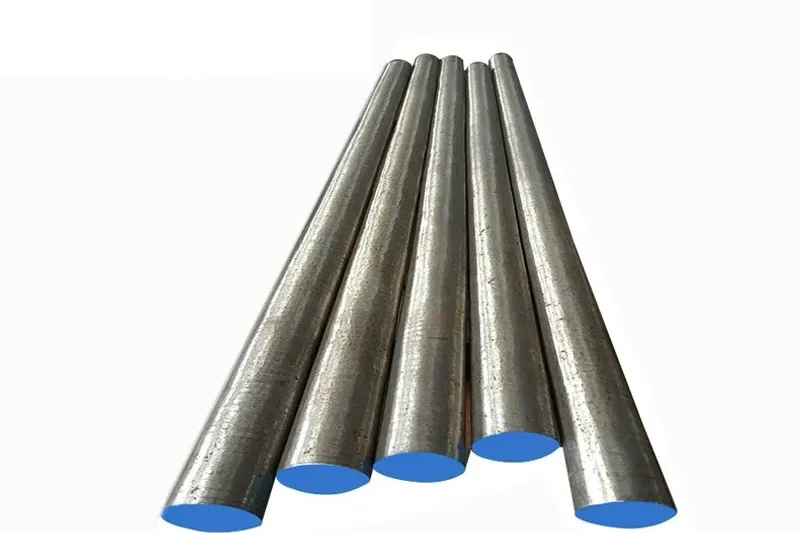
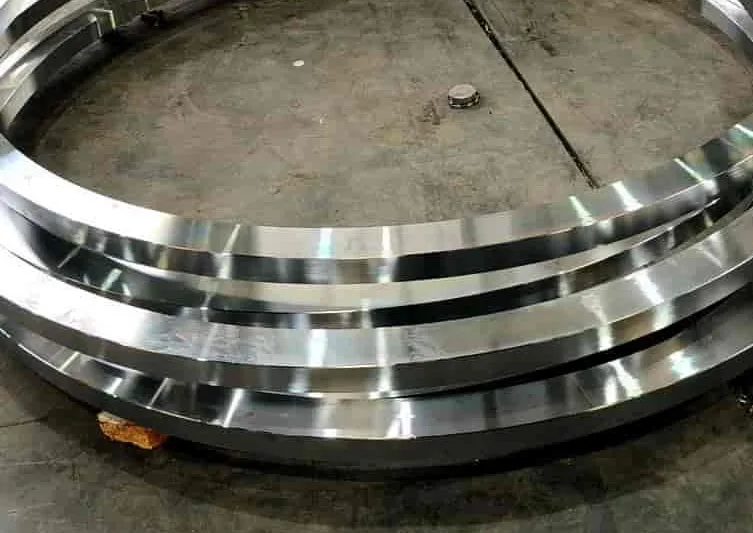
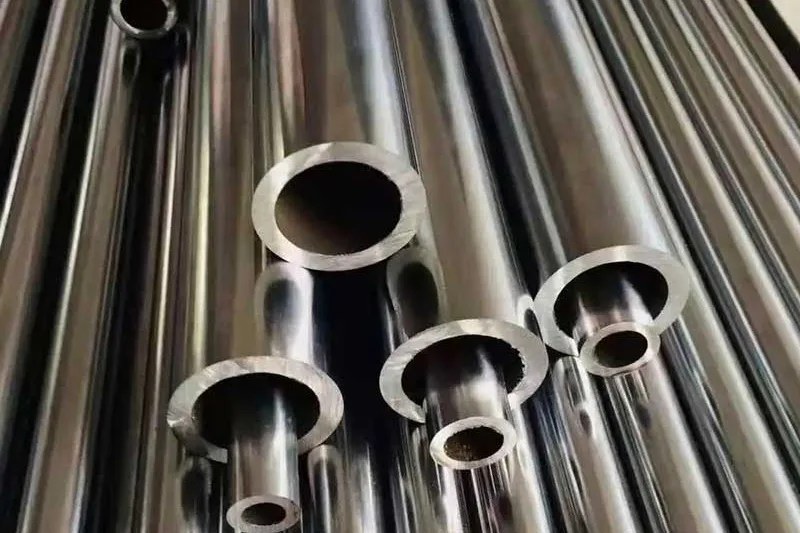
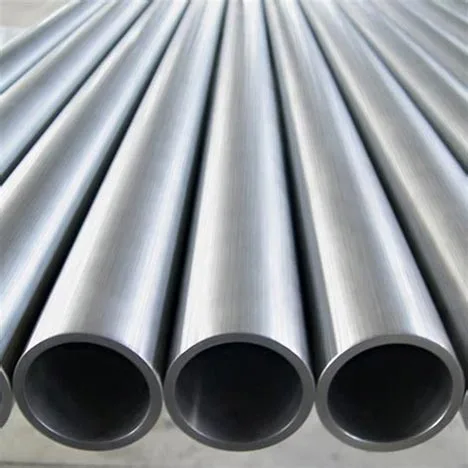
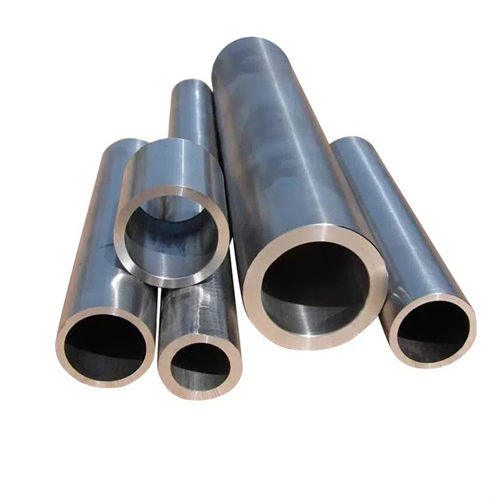
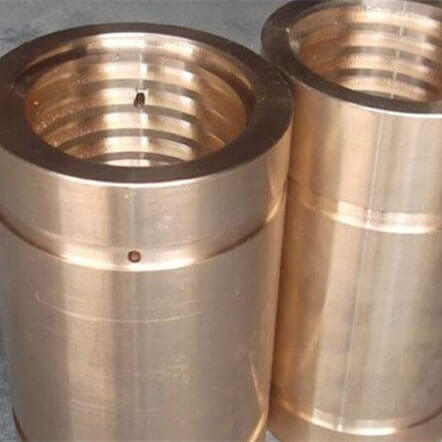
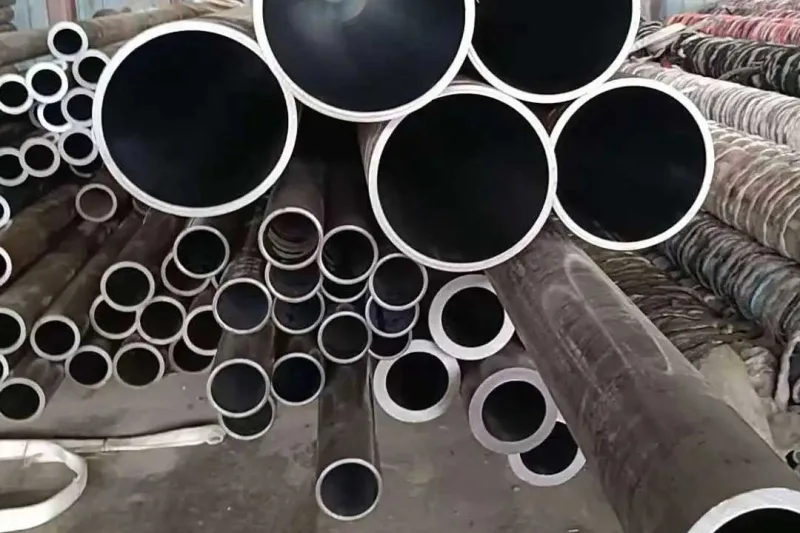
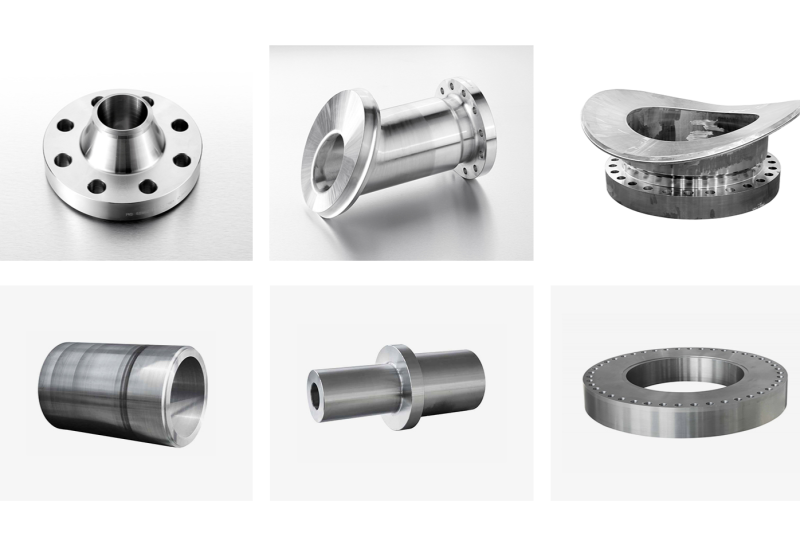
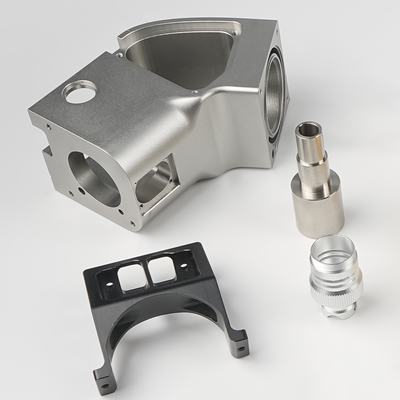
Thick-walled cylindrical forging blanks are indispensable basic components in modern heavy industry and high-end equipment manufacturing. As initial metal blanks formed through plastic deformation processes, they not only possess a regular cylindrical geometry but also feature significant wall thickness, enabling them to withstand high pressure, high temperatures, and complex alternating loads under extreme operating conditions. These blanks typically serve as the core base material for subsequent precision machining and are widely used in industries such as aerospace, energy and power, petrochemicals, and heavy machinery. Their internal microstructural quality and dimensional accuracy directly determine the safety factor and service life of the final product.
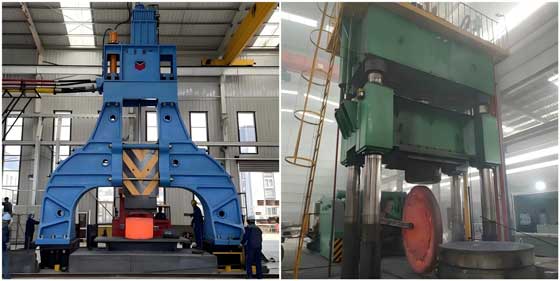
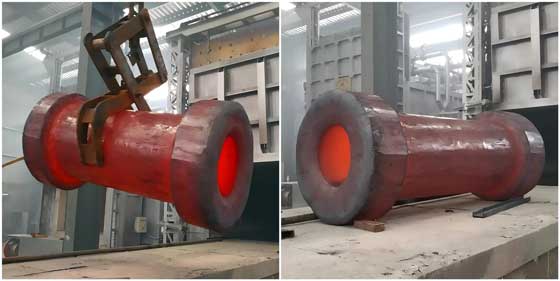
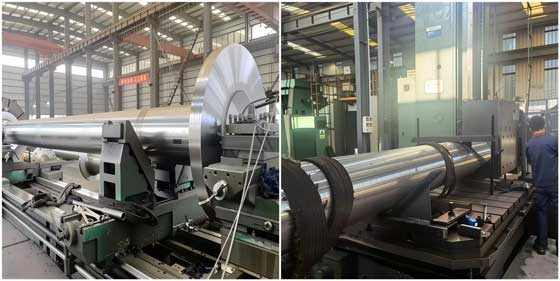
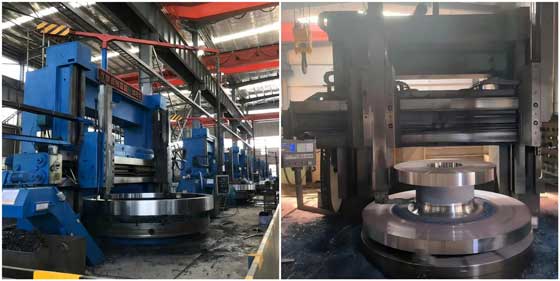
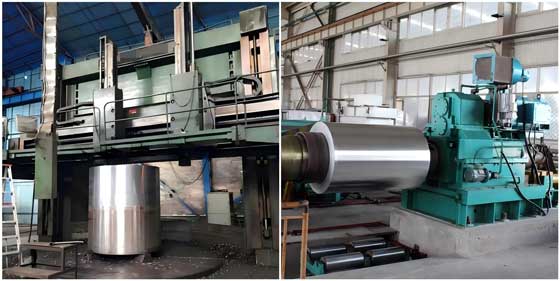
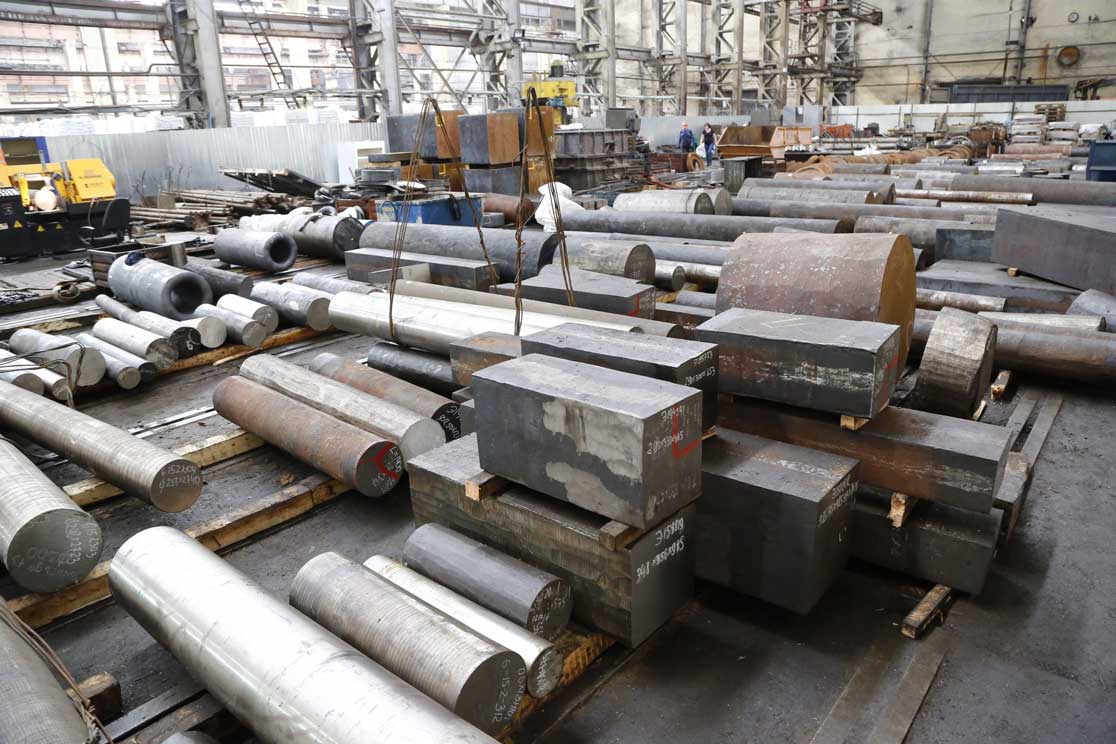
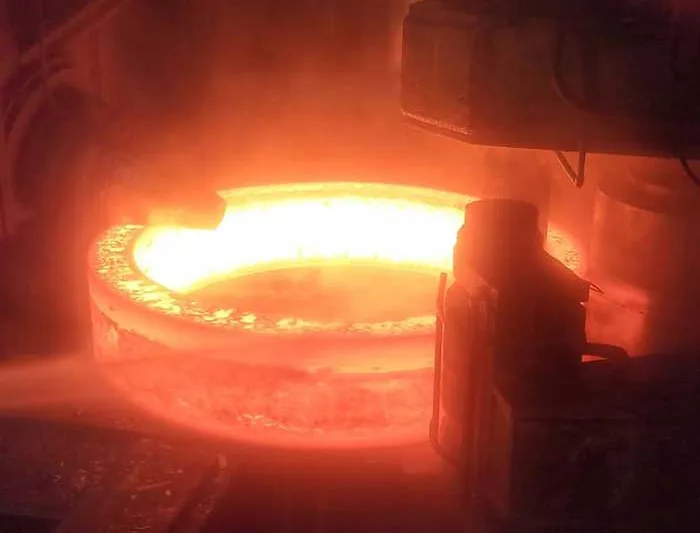
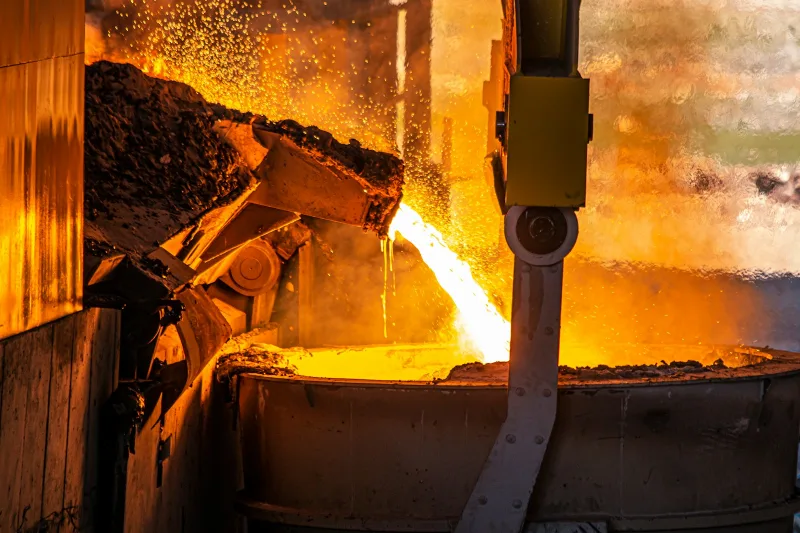
During the manufacturing process, the production of thick-walled cylindrical forging blanks relies on a rigorous forging process sequence. First, high-quality alloy steel or specialty metal materials must be heated to an appropriate forging temperature range to ensure the material possesses sufficient plasticity and low resistance to deformation. Subsequently, multidirectional upsetting and drawing operations are performed using large hydraulic presses or die-forging equipment to ensure that the metal flow lines are continuously distributed along the cylindrical axis. Due to the significant wall thickness, internal stress concentrations or microstructural inhomogeneities are highly likely to occur during deformation; therefore, the amount of deformation, forging ratio, and cooling rate must be precisely controlled. After forging, the blank must undergo heat treatment processes such as normalizing, quenching and tempering, or annealing to eliminate residual stresses and refine the grain structure, ultimately achieving the desired comprehensive mechanical property specifications.
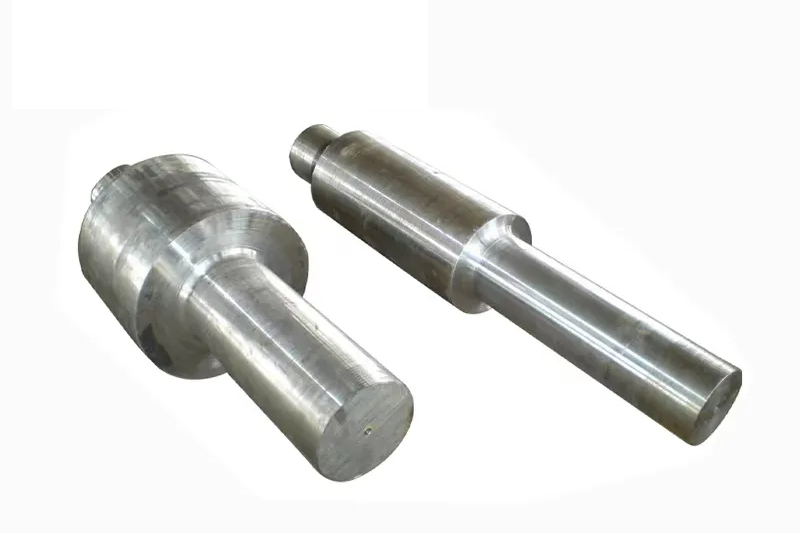
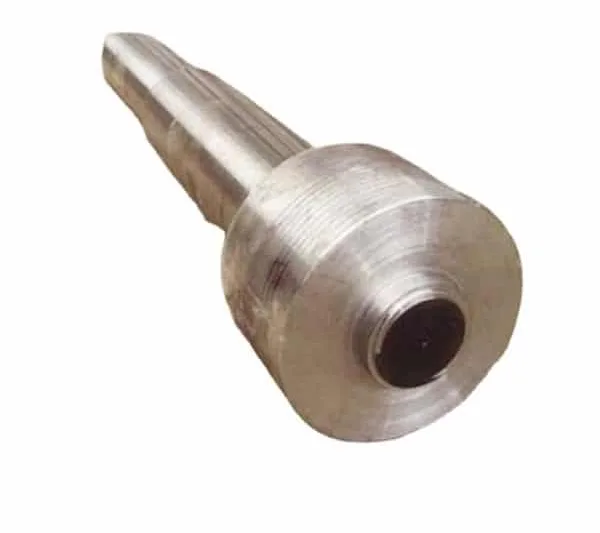
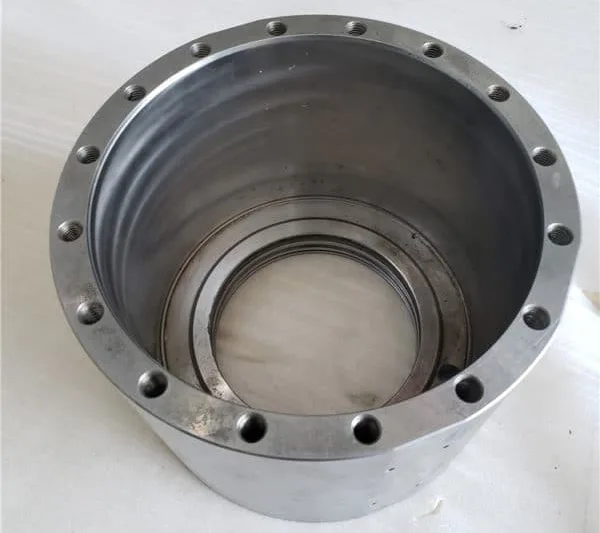
In practical industrial applications, thick-walled cylindrical forging blanks are widely used across multiple critical sectors. In the aerospace industry, they are used to manufacture core transmission and support components such as engine main shafts and landing gear load-bearing cylinders. In the energy sector, nuclear power plant pressure vessel cylinders, main shafts for large hydroelectric turbines, and wind turbine hubs all rely on these blanks to ensure structural integrity. In the oil and gas industry, wellhead assemblies, deep-sea drilling equipment, and cylinder blocks for heavy-duty hydraulic systems are equally reliant on thick-walled cylindrical forged blanks for structural support. Their broad adaptability and high load-bearing capacity underscore the pivotal role these components play in the modern industrial system.