Internal Keyway Machining
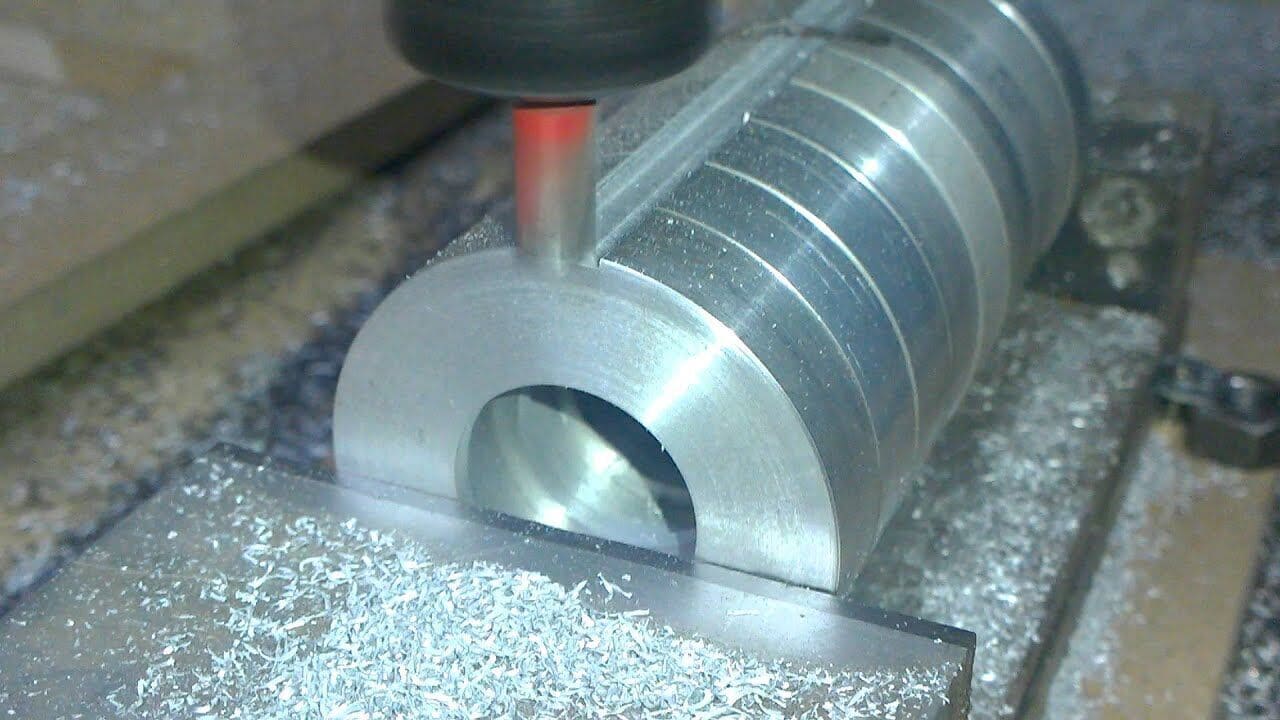
Internal Keyway Machining: Precision Techniques for Internal Spline and Key Slot Production
Internal keyway machining refers to the specialized metalworking process of cutting precise grooves—commonly called keyways or splines—inside the bore of cylindrical components such as gears, pulleys, hubs, and couplings. Unlike external keyways, internal variants present unique challenges due to limited tool access, restricted chip evacuation, and heightened sensitivity to tool deflection and thermal distortion. This process is essential for transmitting torque between rotating parts while maintaining accurate alignment and load distribution.
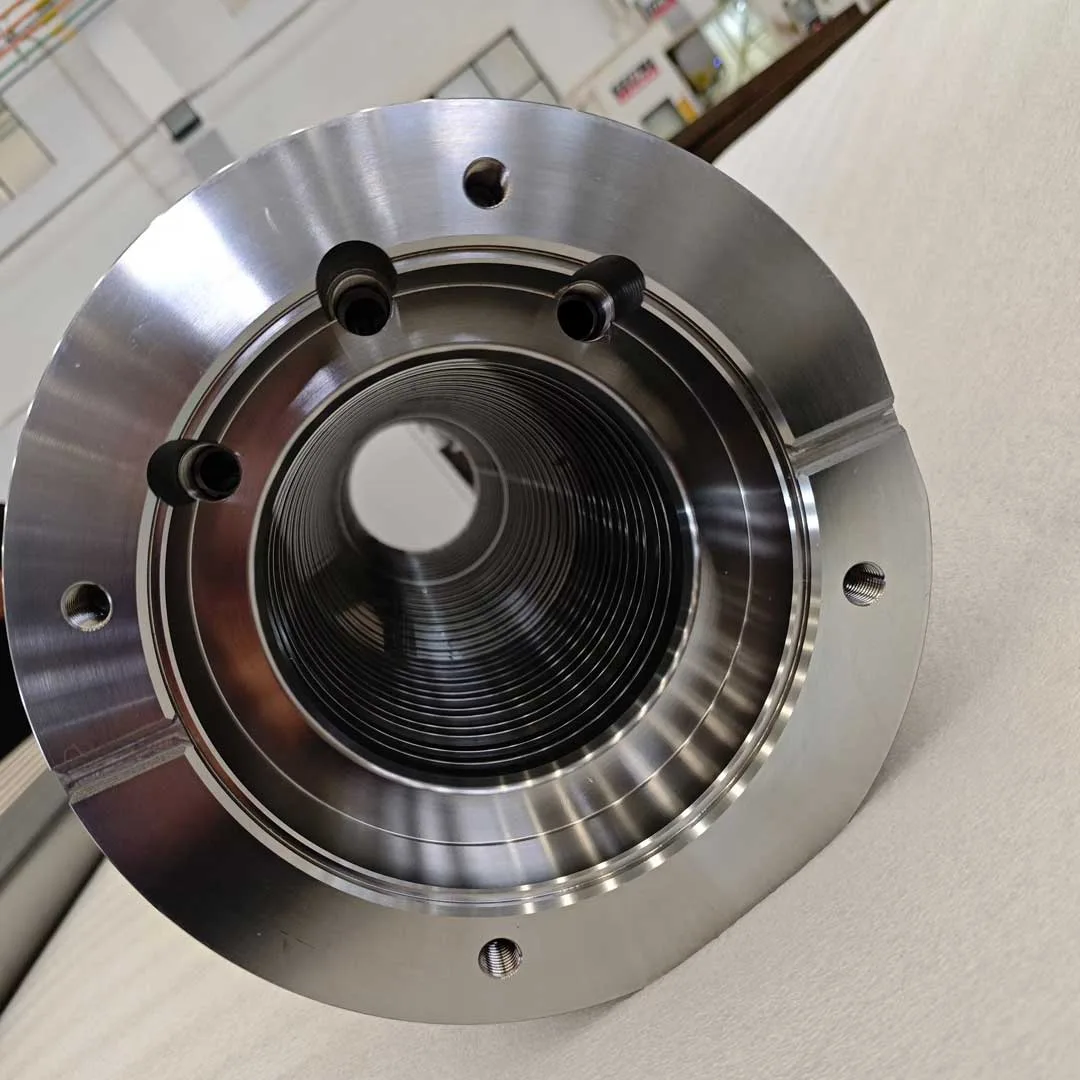
The most widely adopted methods include broaching, shaping, milling, and wire EDM—each suited to specific production volumes, material types, and dimensional tolerances. Broaching remains the industry standard for high-volume manufacturing, offering exceptional surface finish and repeatability; however, it requires substantial upfront investment in custom tooling and is limited to through-holes with consistent cross-sections. CNC internal gear milling, enabled by advanced multi-axis machines and specialized cutters, provides greater flexibility for blind holes, variable-depth keyways, and interrupted cuts—making it ideal for low-to-medium batch production and prototype development.
Critical success factors in internal keyway machining include rigid workholding, optimized cutting parameters, proper coolant delivery, and careful selection of tool geometry and coating. For instance, carbide-tipped internal keyway cutters with variable helix angles reduce vibration and improve chip breaking, while high-pressure through-tool coolant ensures effective heat removal and debris clearance from confined spaces. Metrology also plays a vital role: inspection typically involves optical comparators, coordinate measuring machines (CMM), or dedicated spline gauges to verify width, depth, concentricity, lead accuracy, and involute profile conformity.
As industries demand higher power density, tighter tolerances, and increased reliability—especially in aerospace, automotive transmissions, and precision machinery—the evolution of internal keyway machining continues toward smarter toolpaths, real-time process monitoring, and hybrid additive-subtractive approaches. Mastery of this niche yet indispensable capability remains a hallmark of advanced manufacturing competence.