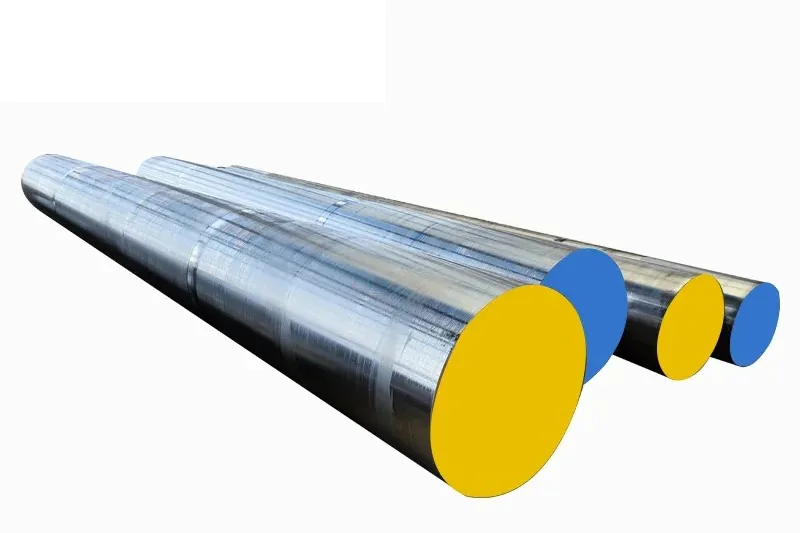
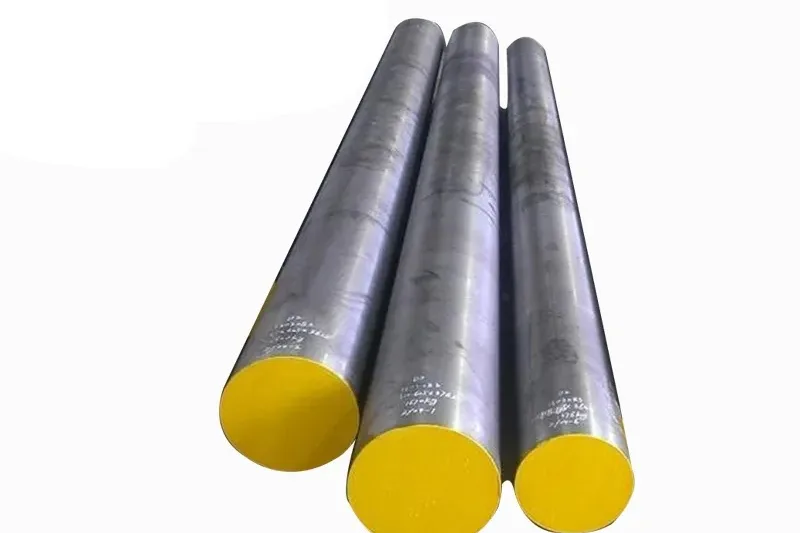
Large-scale component machining
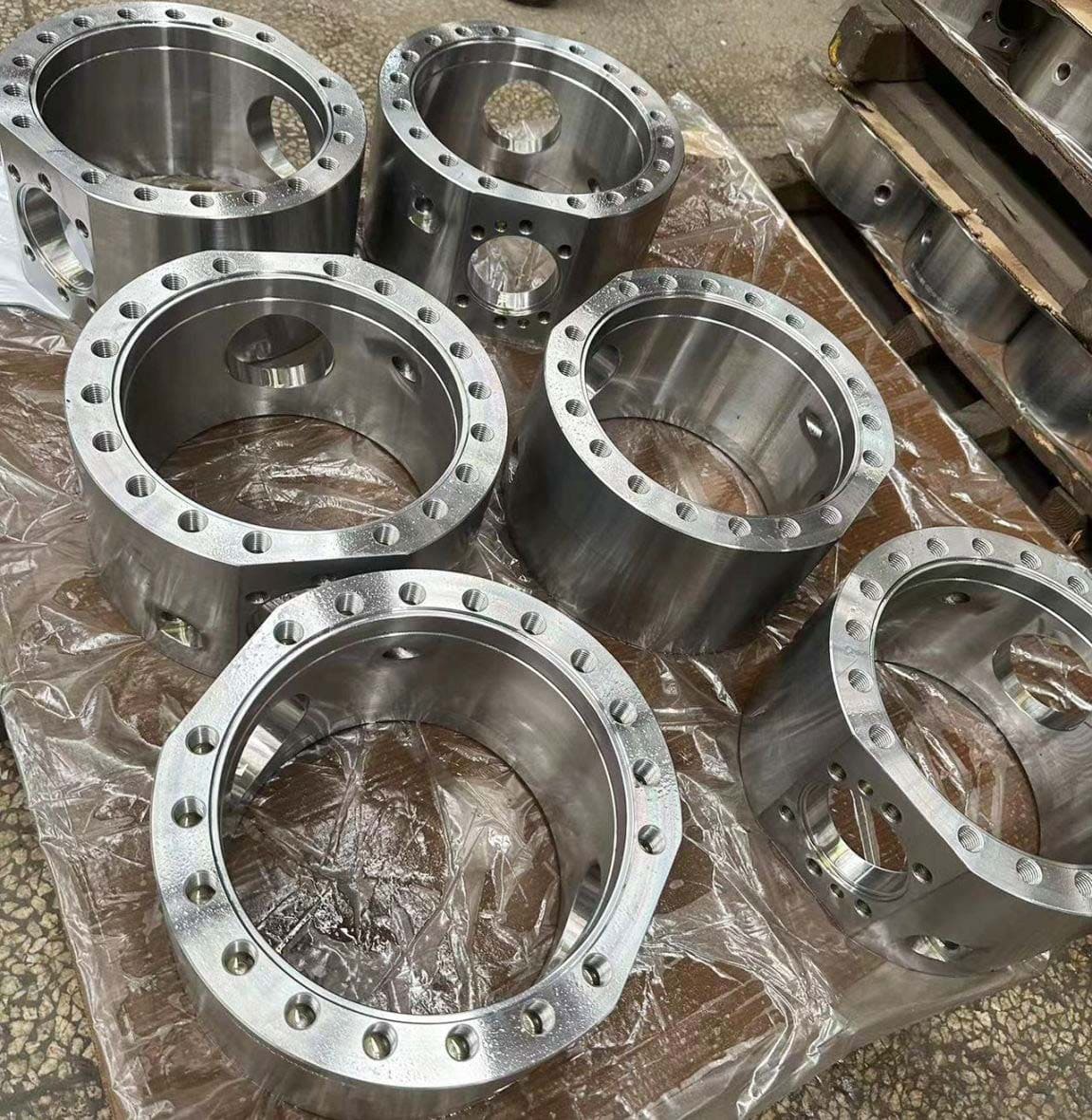
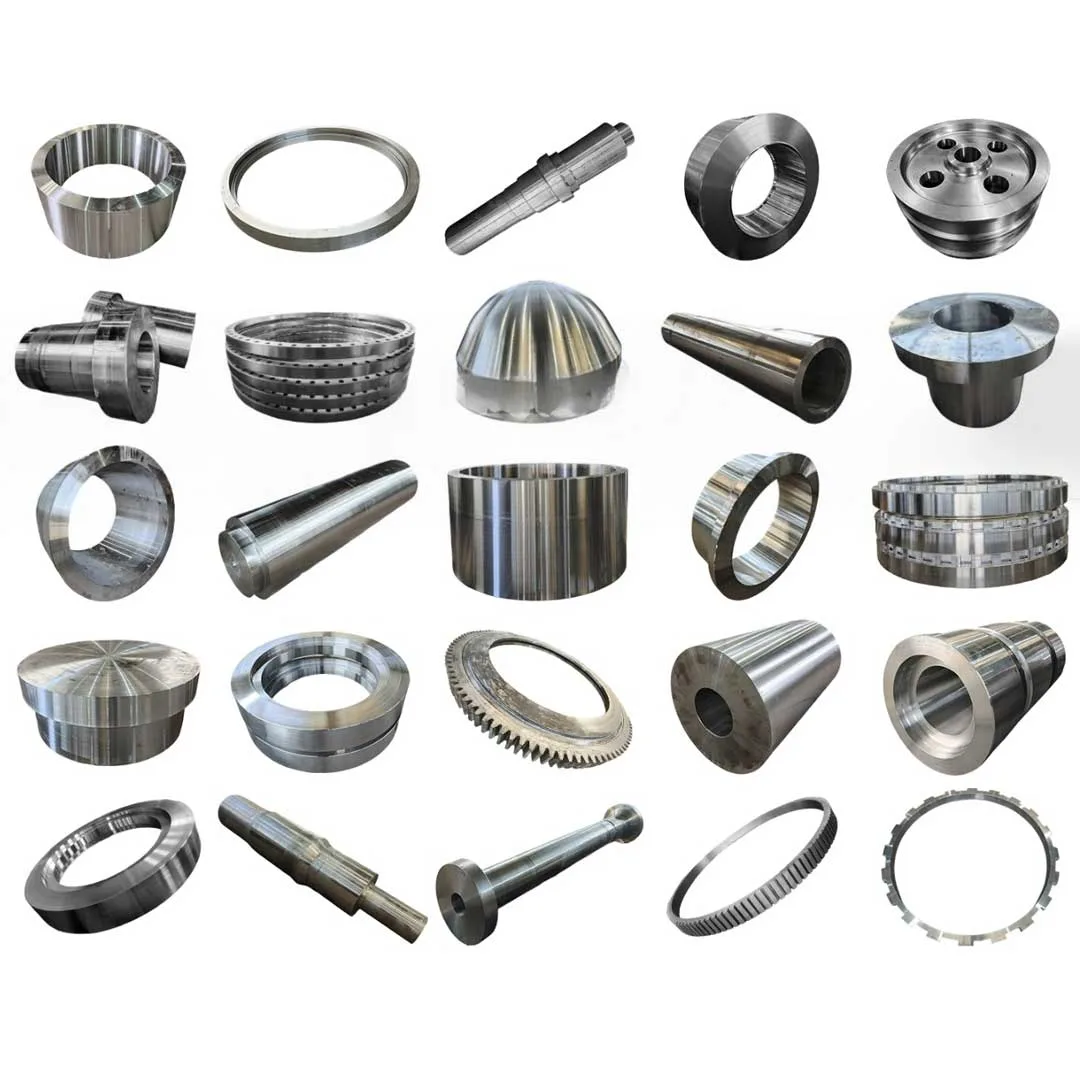
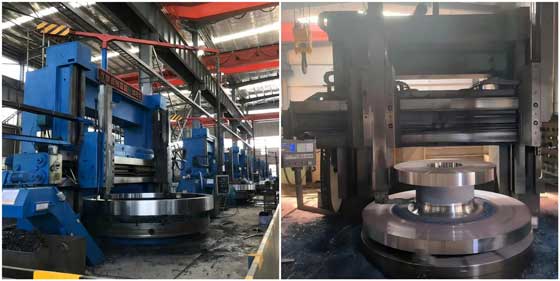
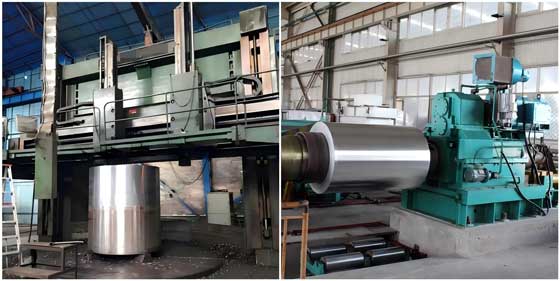
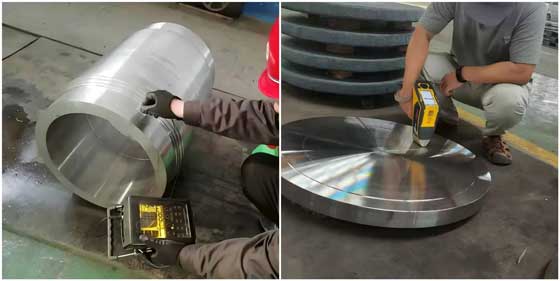
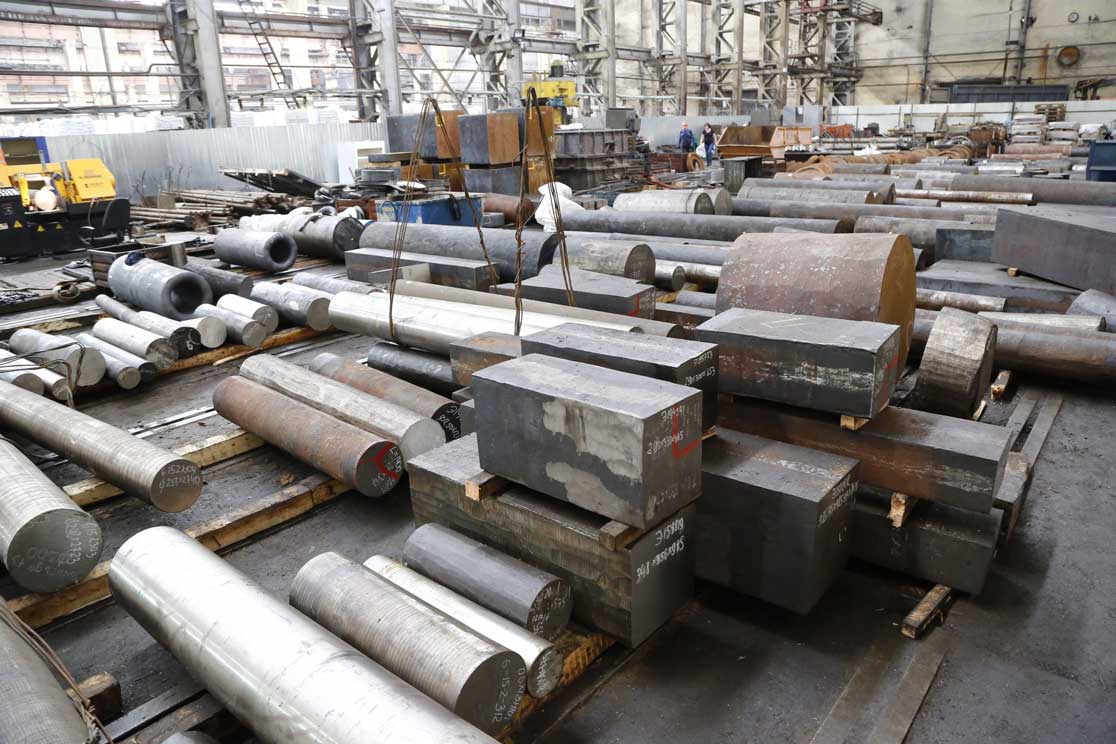
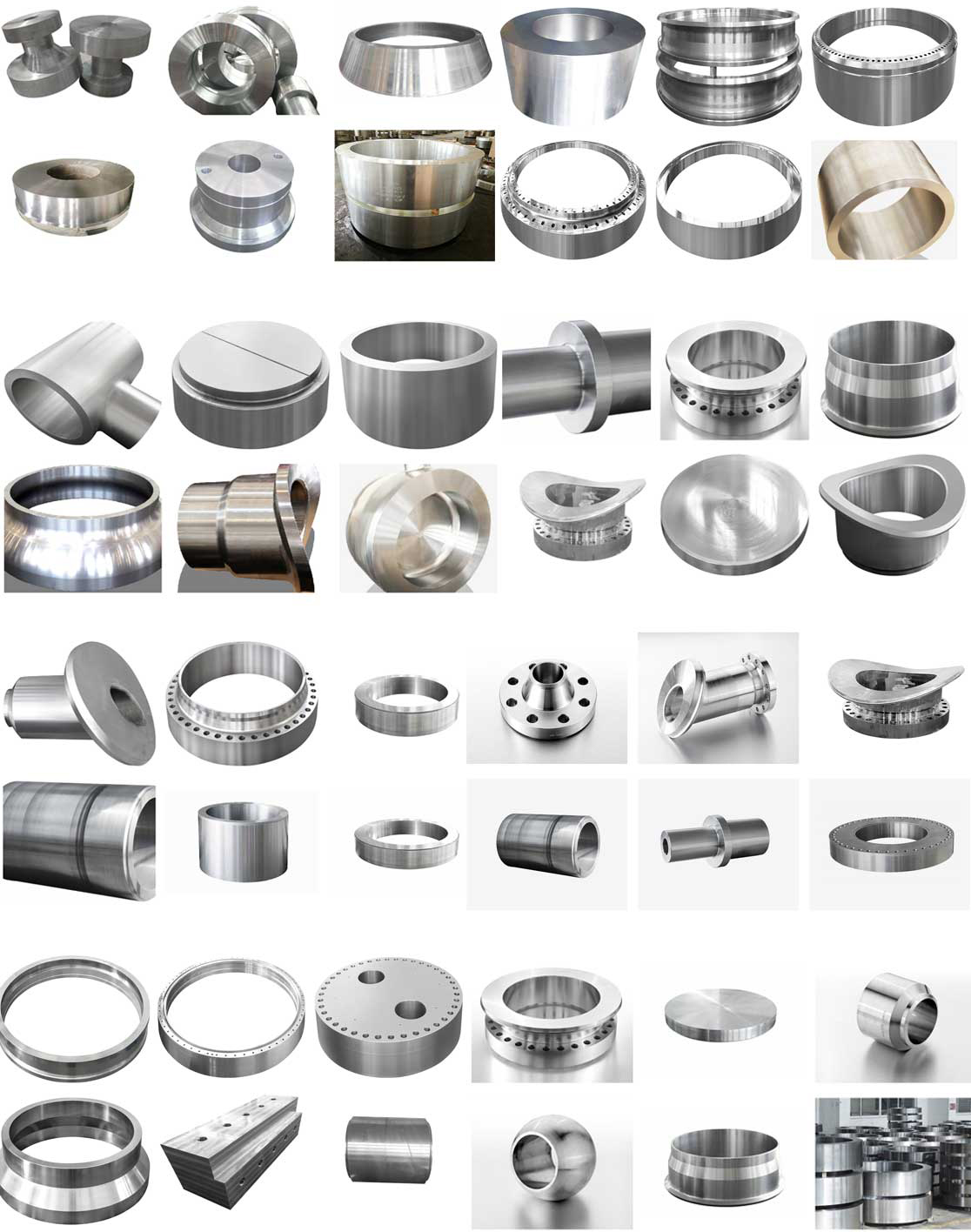
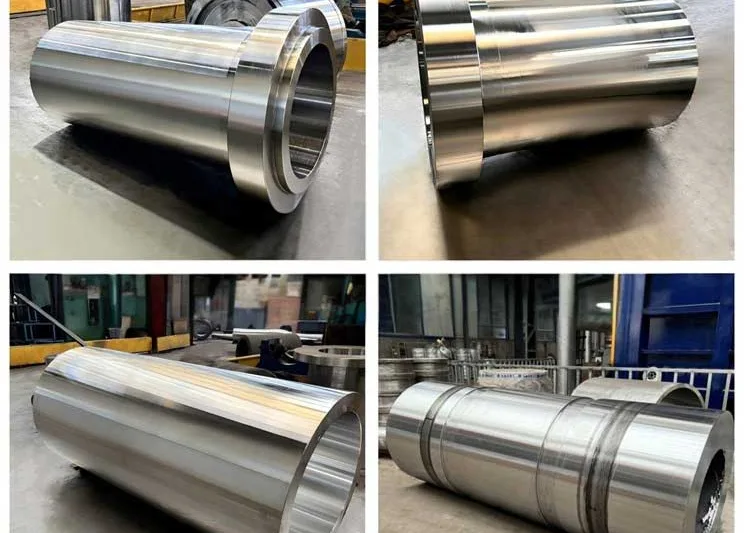
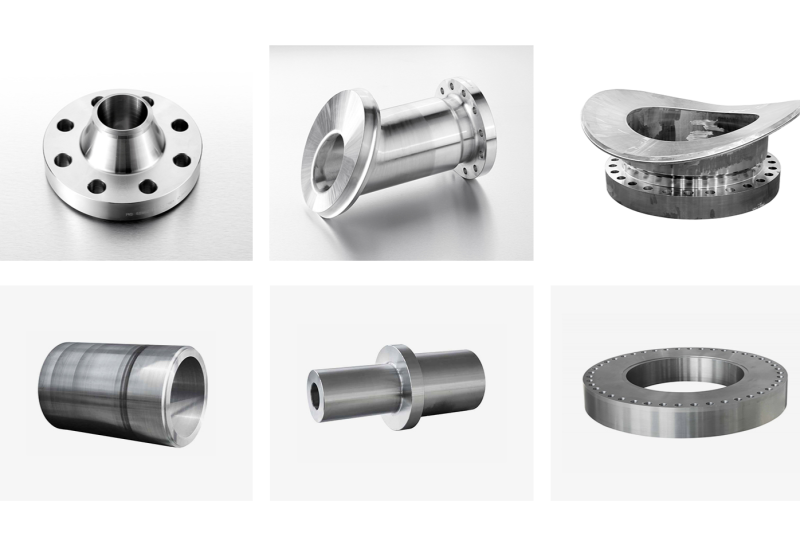
Large-scale component machining serves as a core process in high-end equipment manufacturing, finding extensive application across aerospace, energy equipment, rail transit, and heavy machinery industries. As modern industrial demands for larger equipment, higher precision, and enhanced reliability continue to rise, large-component machining has evolved beyond merely addressing “oversized dimensions.” It now emphasizes achieving micron-level dimensional and geometric tolerances, single-pass forming of complex surfaces, and deep integration between material properties and machining processes—all within ultra-large structural dimensions.
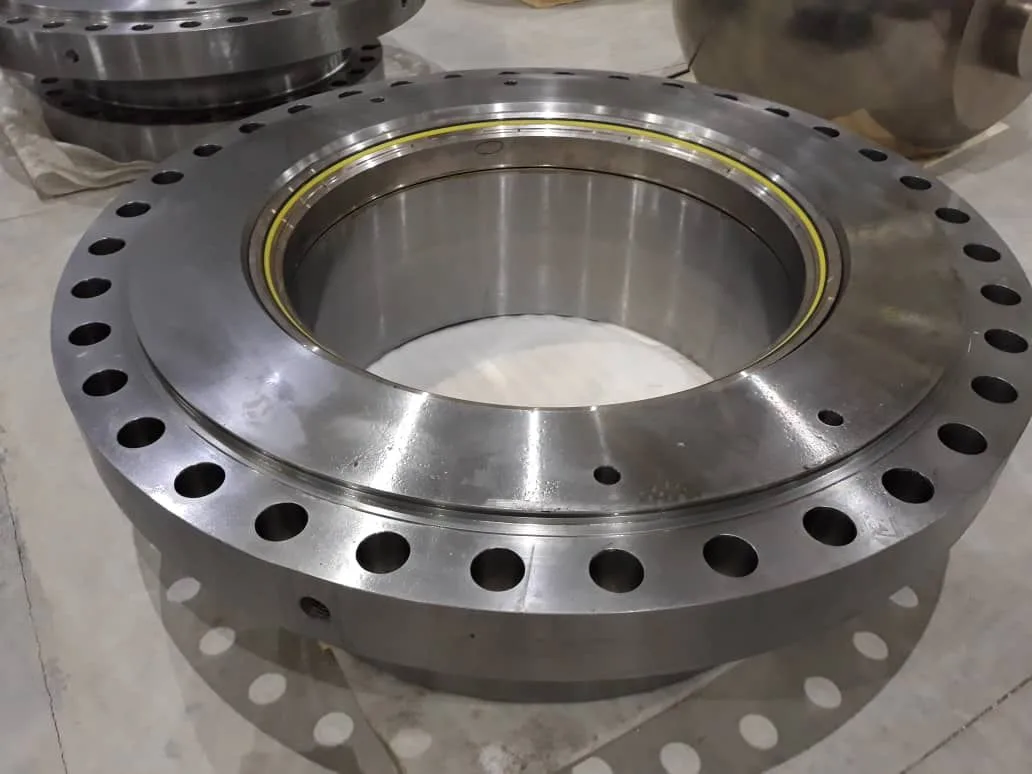
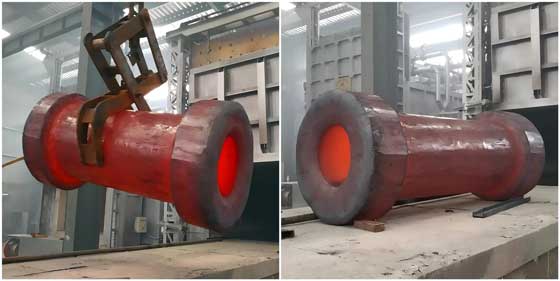
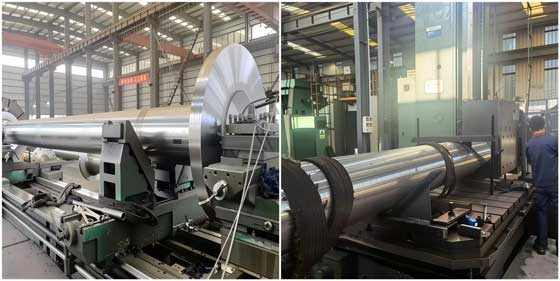
This field confronts multiple technical challenges. First, the massive dimensions of workpieces reduce rigidity, making them prone to elastic and thermal deformation during clamping and cutting, which compromises final precision. Second, large machine tools struggle to balance dynamic response capability, guideway straightness, and spindle rotational accuracy, necessitating breakthroughs through high-rigidity bed designs, real-time error compensation systems, and advanced CNC algorithms. Third, for difficult-to-machine materials like titanium alloys, high-temperature alloys, and high-strength cast steel, specialized tools, optimized cutting parameters, and integrated online monitoring with adaptive control technologies are required to ensure surface integrity and machining efficiency.
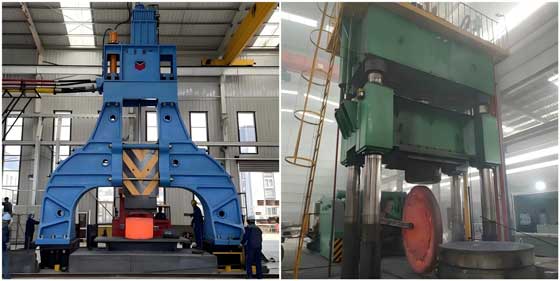
In recent years, breakthroughs have been achieved in domestically produced ultra-heavy CNC gantry milling and boring machines, five-axis floor-type mill-turn machining centers, and other equipment. Some models feature worktable capacities exceeding 500 tons and processing ranges surpassing 30 meters. Concurrently, digital twin technology has been integrated throughout the large-component machining process—from process simulation and virtual fixture validation to real-time mapping of machining operations—significantly reducing trial production cycles and scrap rates. The adoption of smart manufacturing cells has further propelled the evolution of large-part machining toward greater flexibility and automation.