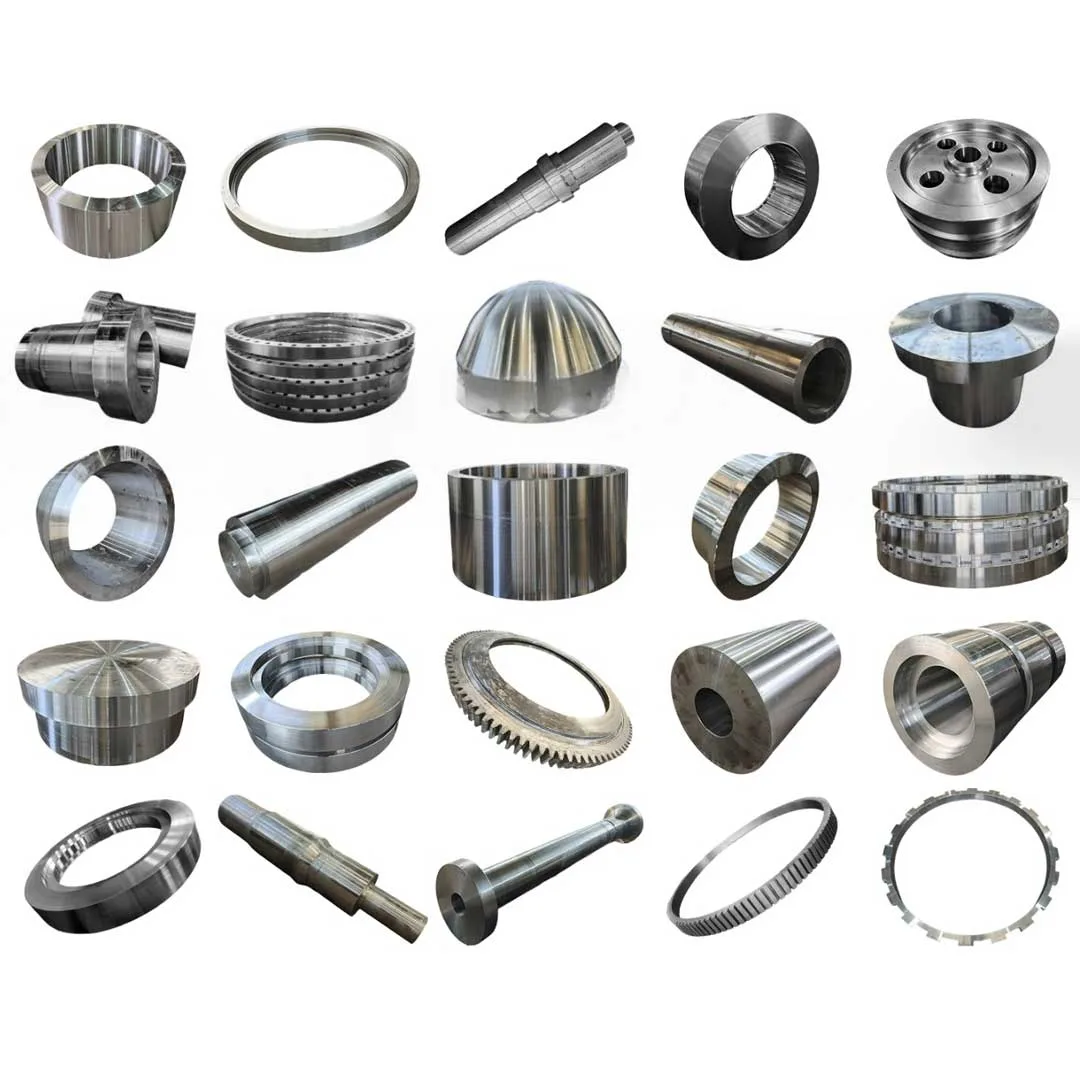
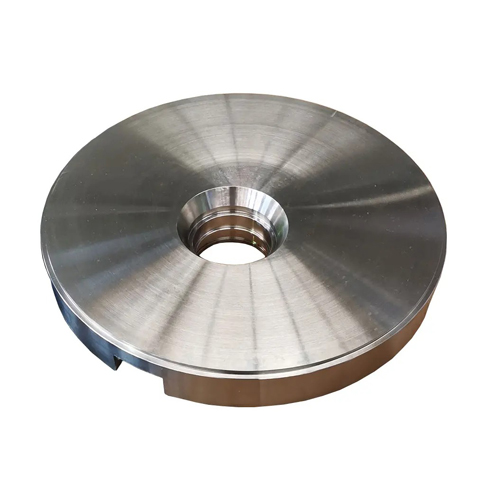
Aluminum Forged Rings
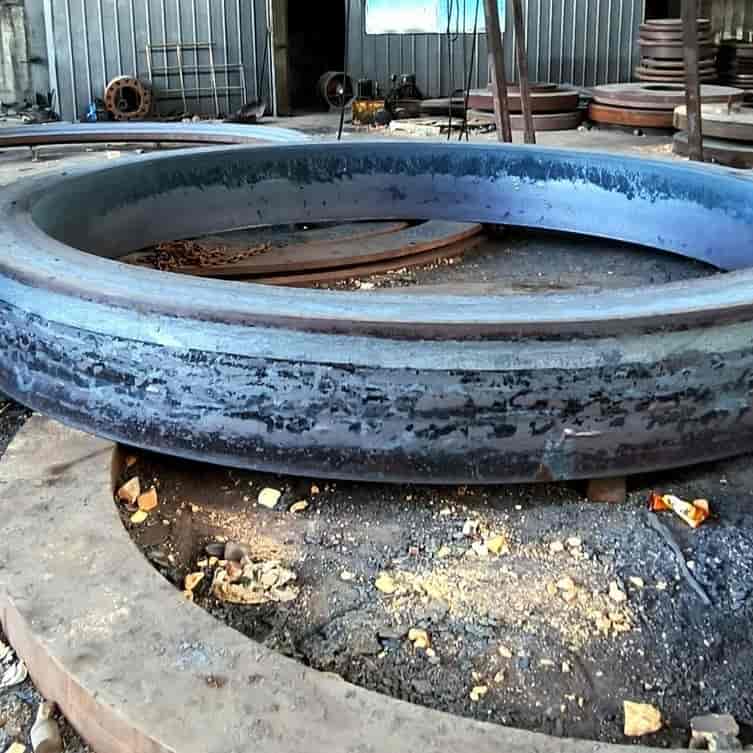
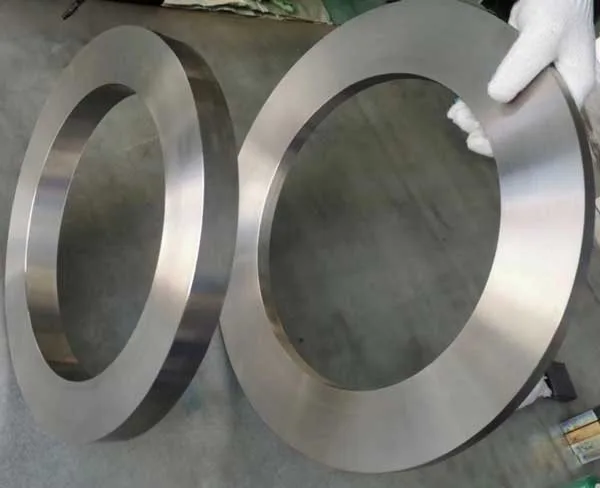
Aluminum Forged Rings: Strength, Precision, and Versatility in Modern Engineering
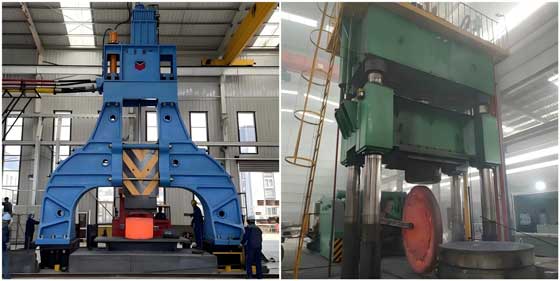
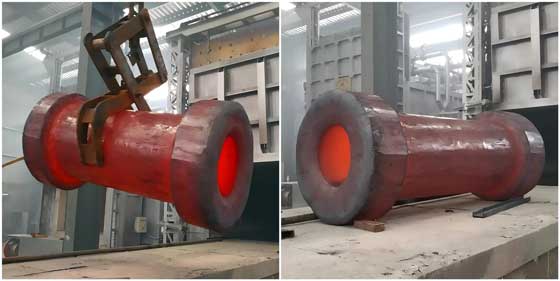
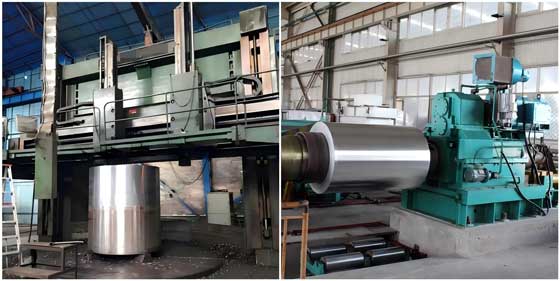
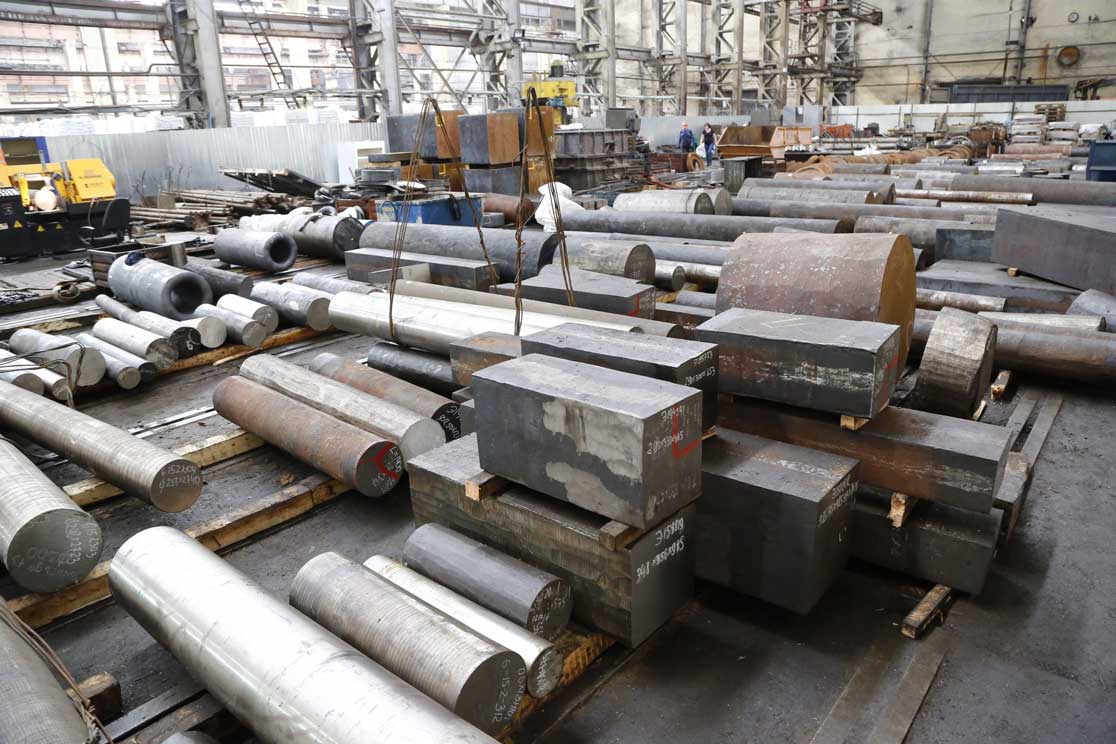
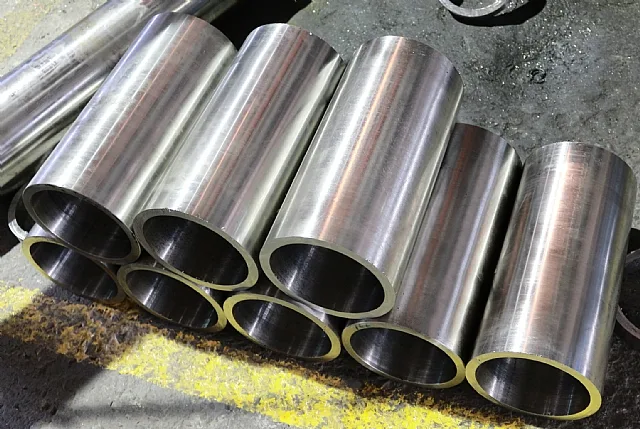
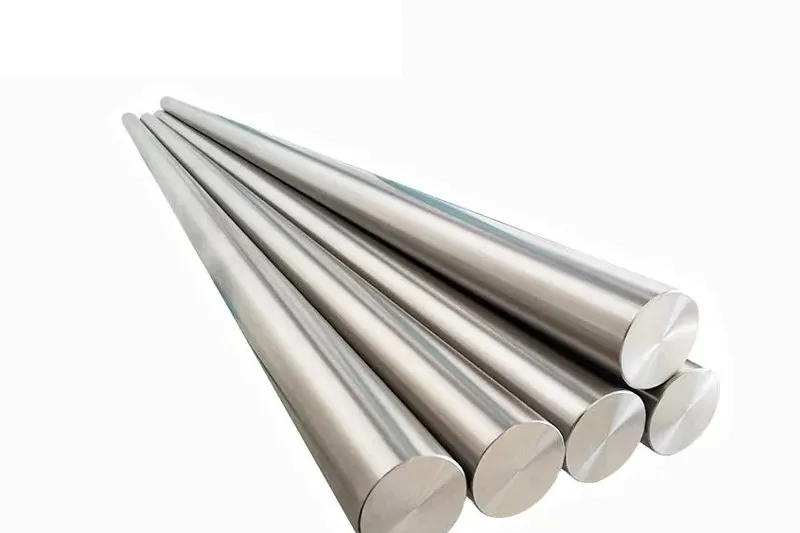
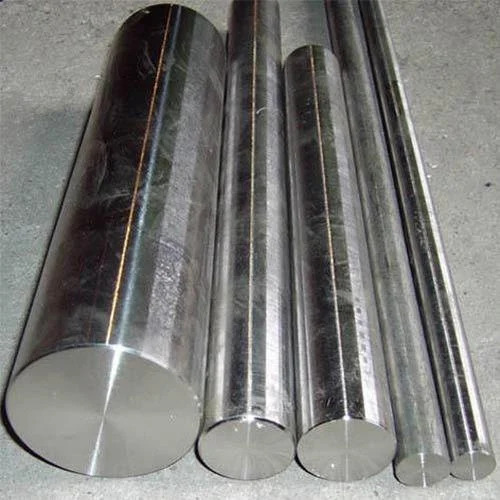
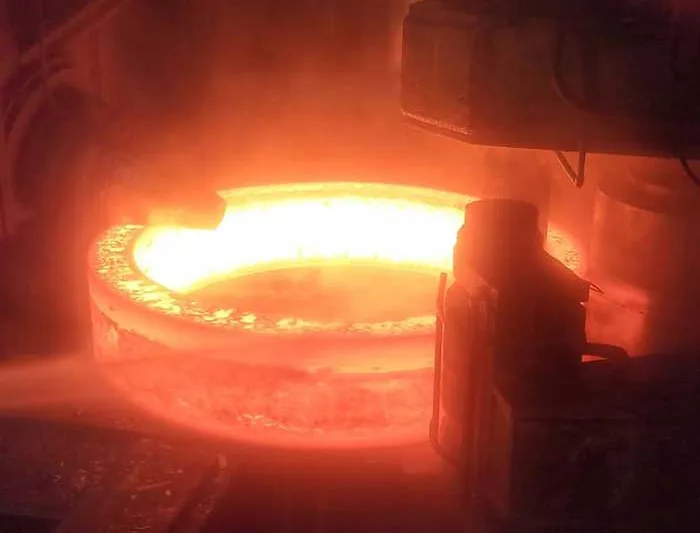
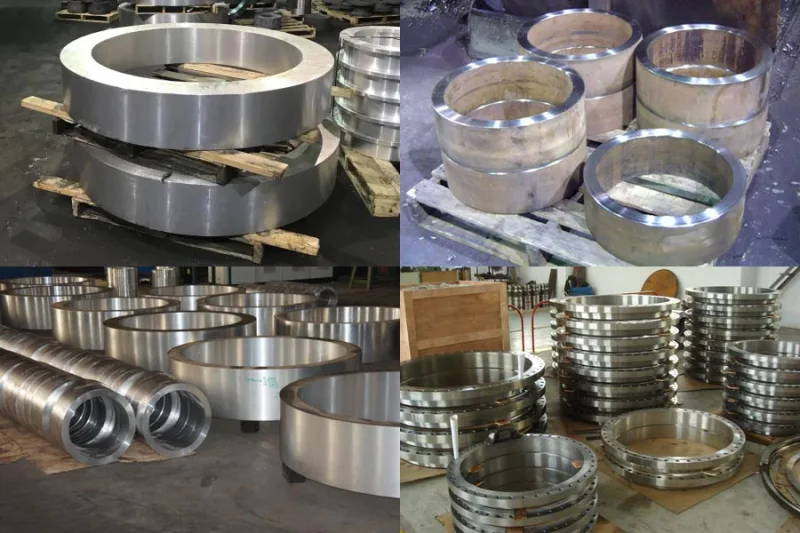
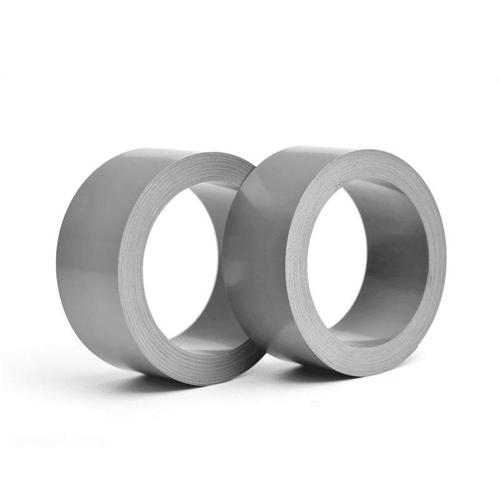
Aluminum forged rings represent a critical class of high-performance metal components widely used across aerospace, defense, energy, and transportation industries. Unlike cast or machined rings, they are produced through hot forging—a process where aluminum billets are heated to optimal temperatures and subjected to controlled compressive forces in precision dies. This method refines the grain structure, aligns it circumferentially, and eliminates internal voids, resulting in superior mechanical properties including enhanced tensile strength, fatigue resistance, and dimensional stability.
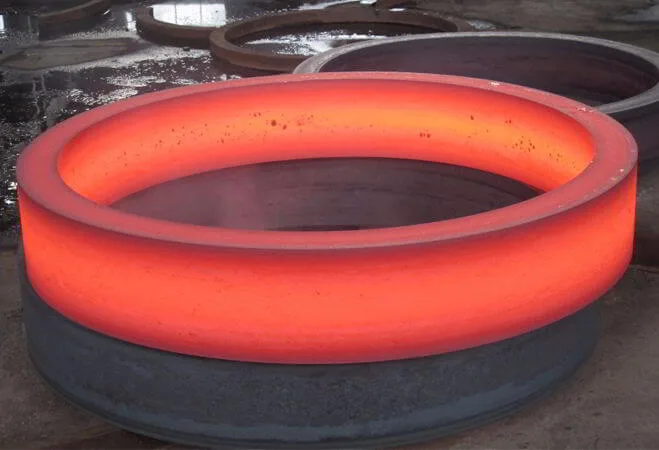
The choice of aluminum alloys—such as 2024, 6061, 7075, and high-strength variants like 7050 and 7475—plays a pivotal role in defining the final performance of forged rings. Each alloy offers a unique balance of strength-to-weight ratio, corrosion resistance, and machinability. For instance, 7075-T73 is frequently selected for aircraft engine mounts due to its exceptional yield strength and stress-corrosion cracking resistance, while 6061-T6 serves well in structural applications requiring good weldability and moderate strength.
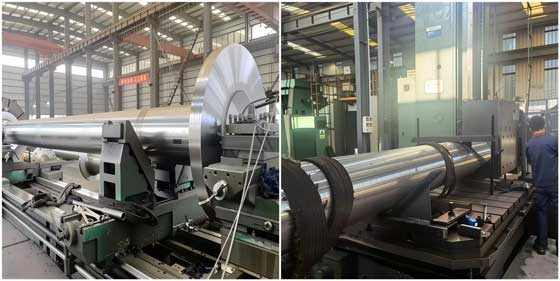
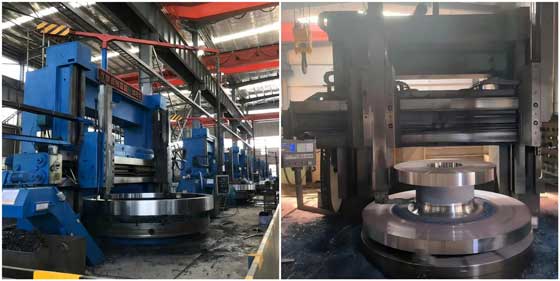
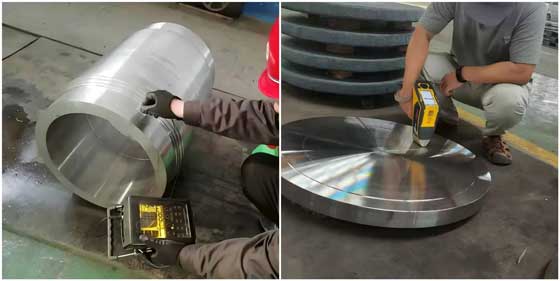
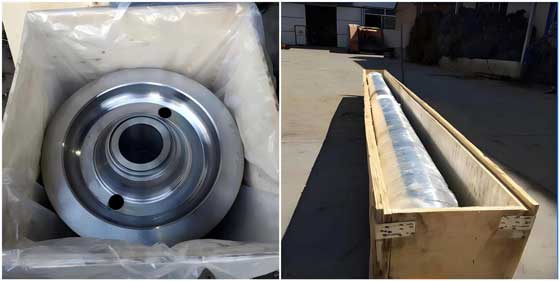
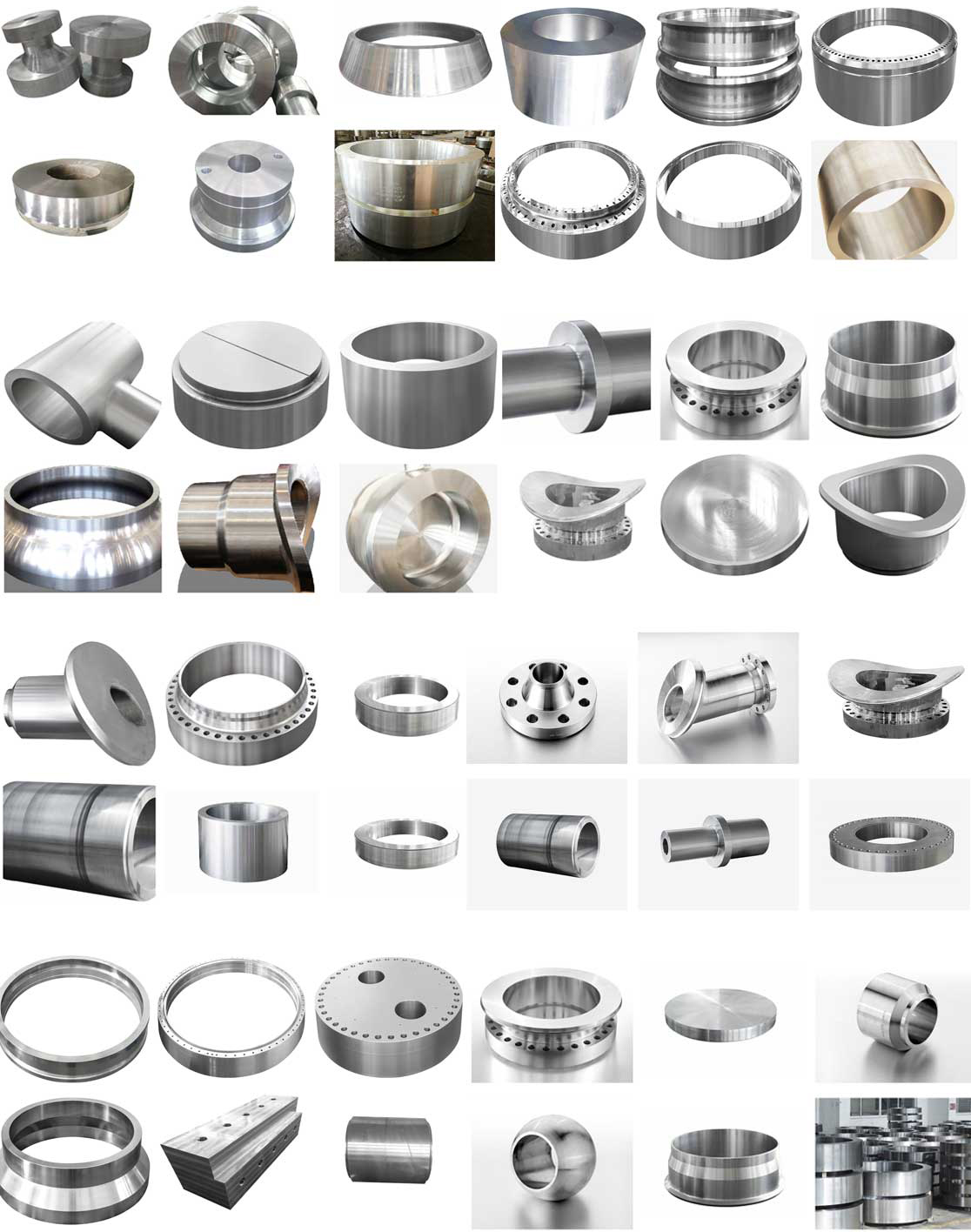
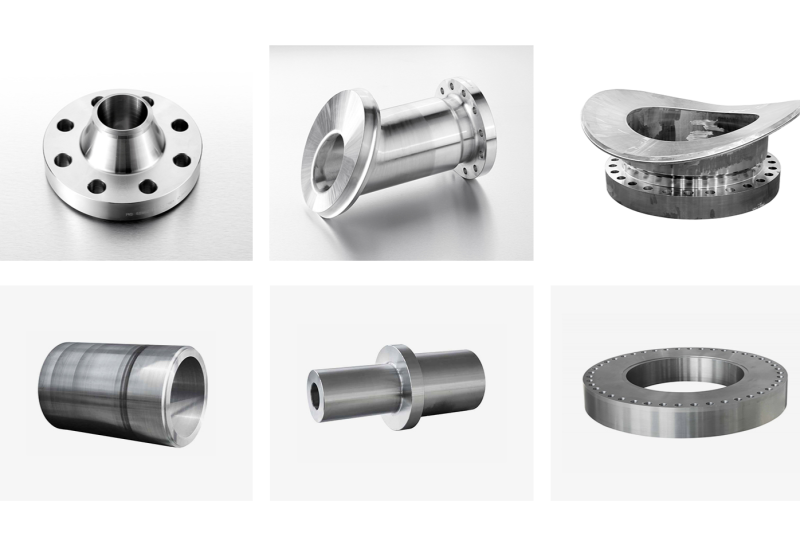
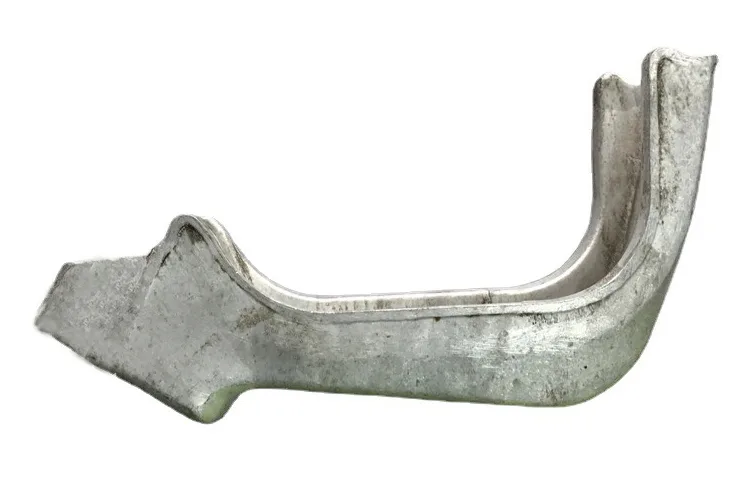
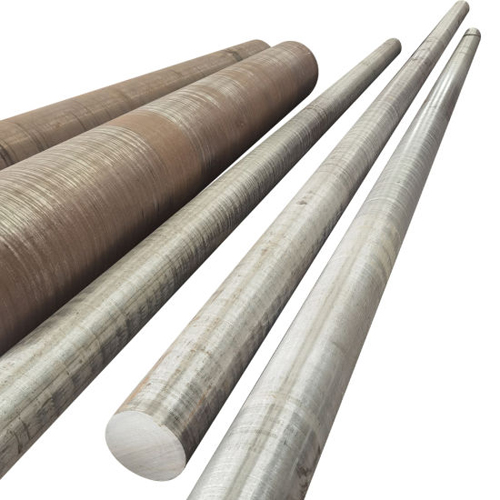
Forging also enables near-net-shape production, significantly reducing material waste and post-forging machining time. Advanced forging techniques—including ring rolling and radial-axial forging—allow manufacturers to produce rings with diameters ranging from a few inches to over 15 feet, wall thicknesses from thin-section to heavy-walled, and tight tolerances required for critical sealing or bearing interfaces. Surface finish, heat treatment consistency, and non-destructive testing (e.g., ultrasonic inspection) are rigorously maintained to meet stringent industry standards such as AMS, ASTM, and NADCAP.
Beyond technical merits, aluminum forged rings support broader engineering goals: weight reduction in airframes improves fuel efficiency; corrosion resilience extends service life in marine and chemical environments; and recyclability aligns with sustainable manufacturing practices. As demand grows for lighter, stronger, and more reliable components, aluminum forged rings continue to evolve—supported by innovations in simulation-driven die design, real-time process monitoring, and hybrid forging–additive manufacturing approaches.
In summary, aluminum forged rings exemplify the synergy between metallurgical science and precision manufacturing. Their consistent quality, design flexibility, and proven reliability make them indispensable in mission-critical systems—and a cornerstone of next-generation lightweight engineering solutions.