Methods and techniques for cutting high manganese wear-resistant plates
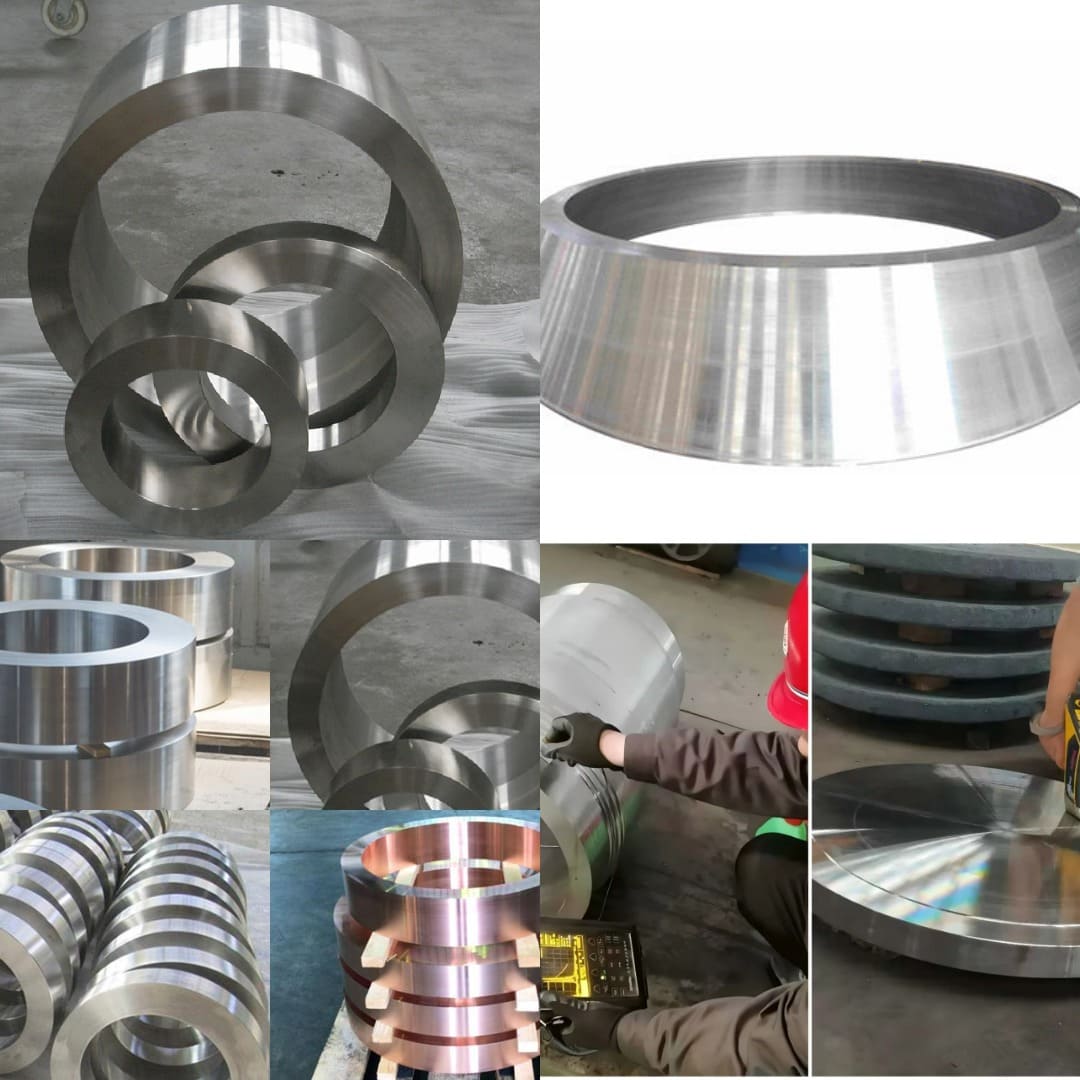
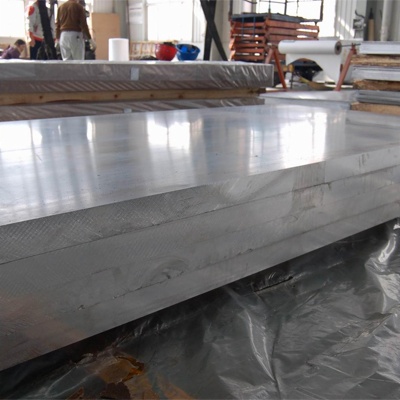
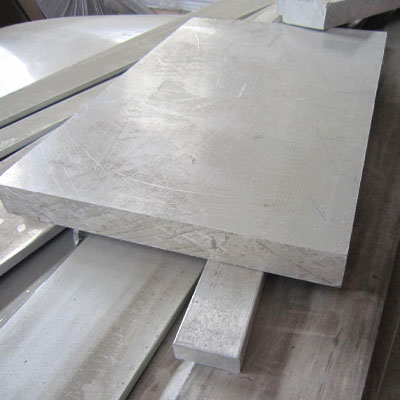
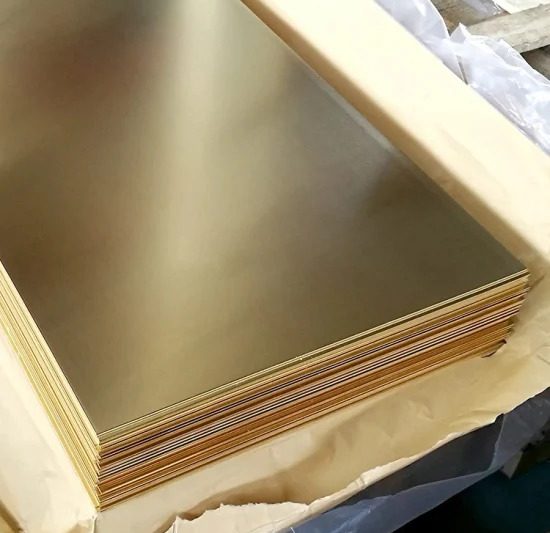
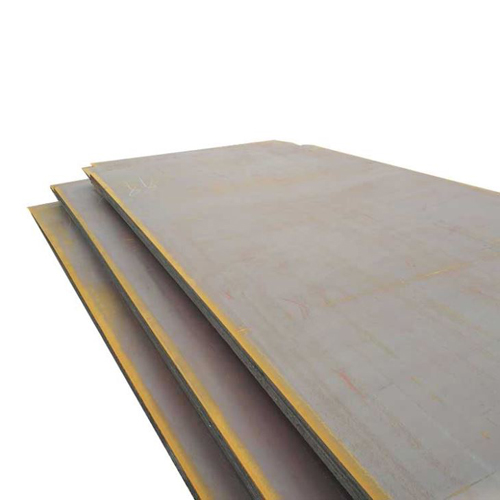
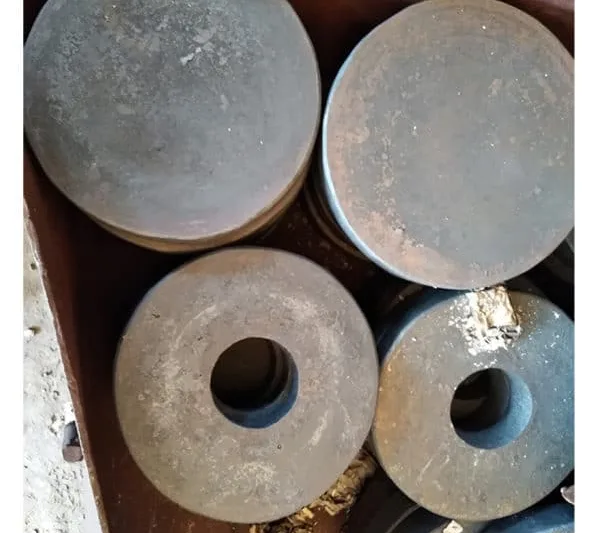
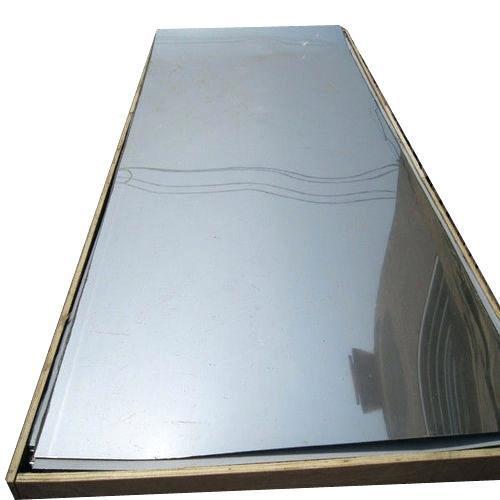
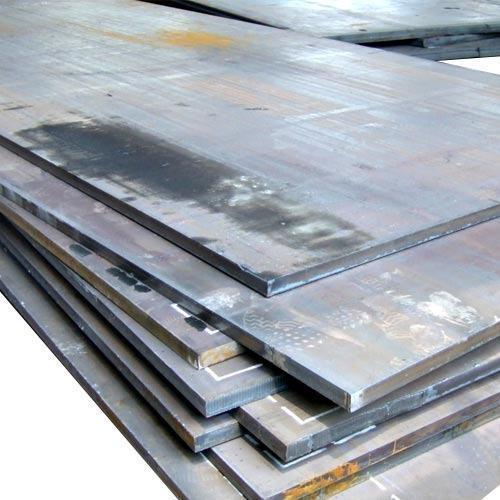
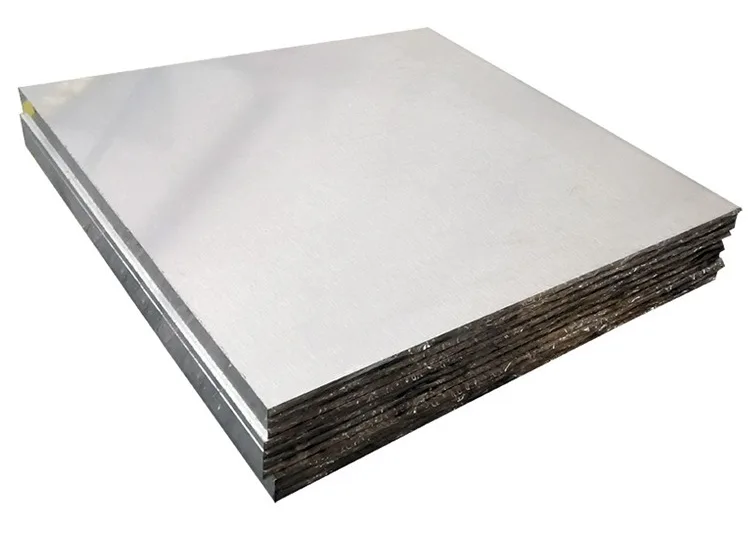
This article will introduce the methods and techniques for cutting high manganese wear-resistant plates. High manganese wear-resistant plate is a material with high wear resistance and is widely used in engineering machinery, mining equipment, coal mining equipment and other fields. Due to its high hardness and good wear resistance, appropriate methods and tools need to be used during the cutting process to ensure cutting results and safety.
Cutting method
1. Oxygen cutting
Oxygen cutting is a commonly used cutting method. First, oxygen and fuel gas (such as acetylene) need to be prepared to generate a high-temperature flame. Then, aim the flame at the high manganese wear-resistant plate that needs to be cut, and cut under the flame. This method is suitable for thicker high-manganese wear-resistant plates, but care needs to be taken to control the flame temperature and cutting speed to avoid overheating and deformation.
2. Plasma cutting
Plasma cutting is a high-energy cutting method suitable for cutting high manganese wear-resistant plates. It uses plasma generated by a high-frequency arc to cut materials. During the cutting process, a plasma cutting machine needs to be used to aim the plasma at the high manganese wear-resistant plate for cutting. This method has fast cutting speed and high-quality cuts, but you need to pay attention to operational safety to avoid arc damage and oxygen explosion.
3. Laser cutting
Laser cutting is a highly precise cutting method suitable for fine cutting of high manganese wear-resistant plates. It uses a laser beam to instantly heat the material, thereby evaporating or melting the material to achieve cutting. Laser cutting has the advantages of fast cutting speed, high incision quality, and small heat-affected zone, but the equipment cost is high and the operation requirements are strict.
Cutting skills
1. Choose appropriate cutting tools
Choose appropriate cutting tools based on the thickness and cutting requirements of the high manganese wear-resistant plate. For thicker sheets, you can choose oxygen cutting or plasma cutting; for fine cutting, you can choose laser cutting.
2. Control the cutting speed
During the cutting process, the cutting speed must be controlled to avoid being too fast or too slow. Cutting speed that is too fast will easily lead to a decrease in cut quality, while cutting that is too slow will prolong the cutting time and cause loss of cutting tools.
3. Use appropriate cutting parameters
Set appropriate cutting parameters according to different cutting methods and material thickness, including oxygen flow, cutting current, laser power, etc. Reasonable cutting parameters can improve cutting effect and efficiency.
4. Pay attention to safety protection
During the cutting process, pay attention to safety protection measures and wear protective glasses, gloves and other personal protective equipment. At the same time, ensure that the cutting area is well ventilated to avoid oxygen explosion and harmful gas generation.
The cutting of high manganese wear-resistant plates requires the selection of appropriate cutting methods and tools, and the mastery of corresponding cutting skills. Oxygen cutting is suitable for thicker sheets, plasma cutting is suitable for fast cutting, and laser cutting is suitable for fine cutting. During the cutting process, attention should be paid to safety protection and reasonable setting of cutting parameters to ensure cutting effect and safety.