Processing methods of medium and thick plates
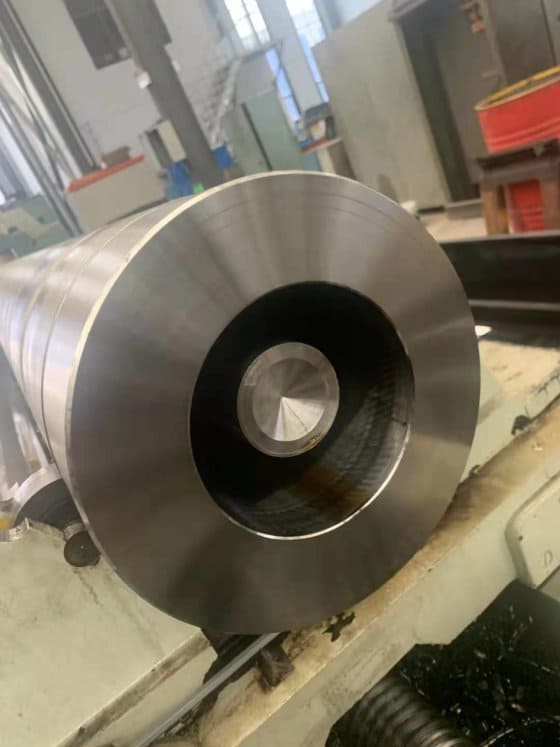
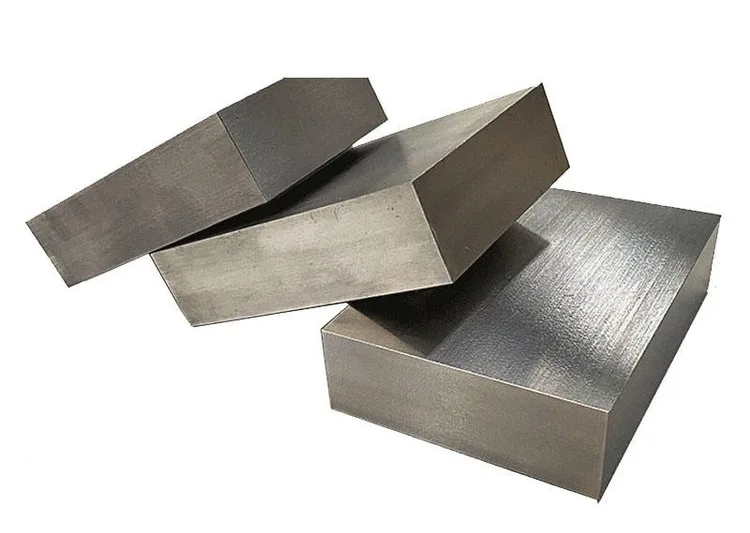
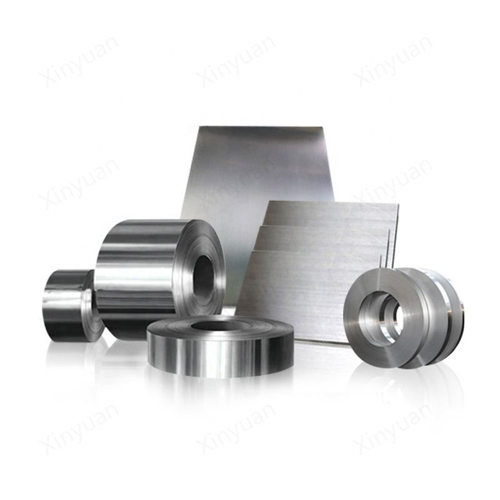
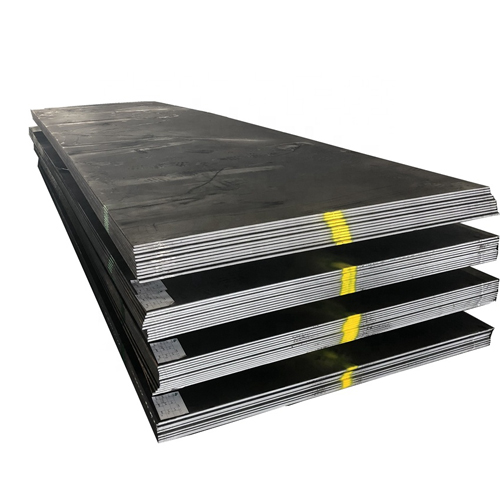
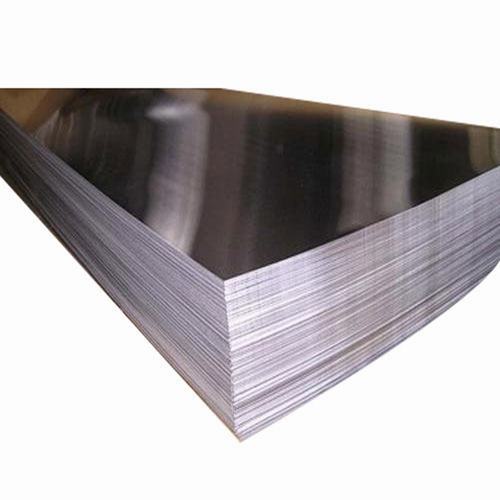
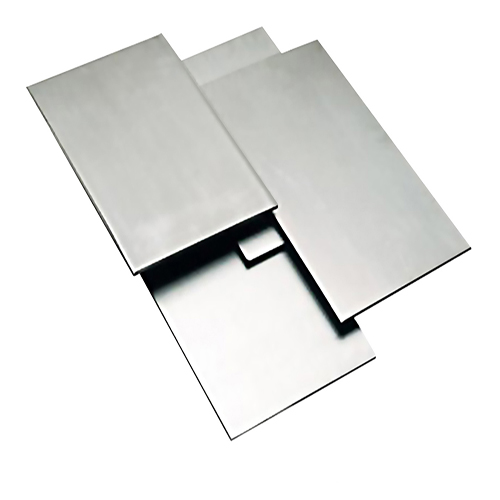
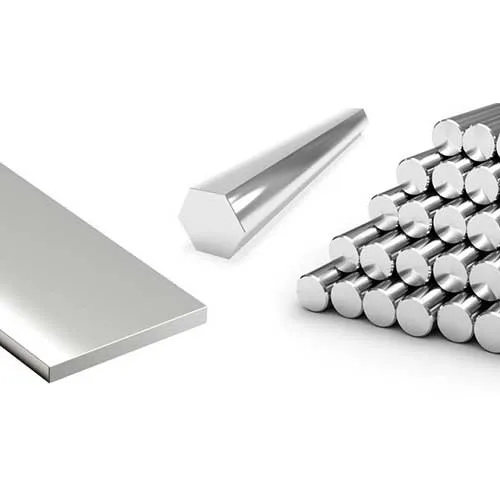
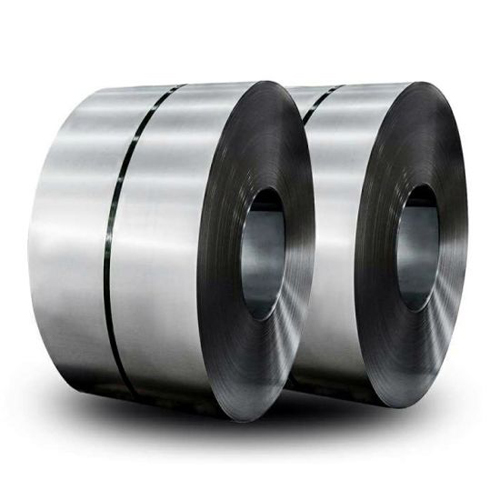
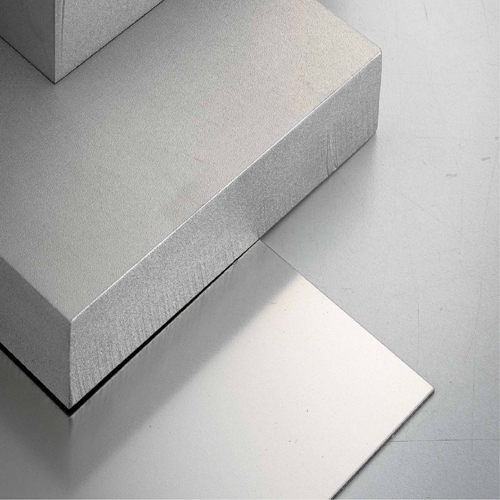
Medium-thick plate is a common metal plate, widely used in construction, manufacturing and other fields. In order to meet different needs, medium and thick plates need to be processed. This article will introduce the processing method of medium and thick plates, including cutting, bending, welding and other steps.
Overview of processing methods
Cutting: Use cutting tools to cut medium and thick plates into the required size and shape.
Bending: The application of force to bend a plate into a desired angle or curve.
Welding: Connecting multiple medium and thick plate components together through a welding process.
Cutting is the basic step in medium and thick plate processing. Commonly used cutting methods are as follows:
1. Shearing
Shearing is the most common One of the cutting methods, suitable for fast cutting of medium and thick plates. This can be done using either a manual or mechanical shear.
2. Cutting machine
A cutting machine is an efficient cutting tool that can cut by flame, plasma arc, laser, etc. These cutting machines offer greater precision and speed.
Bending
Bending is a processing method for shaping medium and thick plates into the desired shape. Commonly used bending methods include the following:
1. Mechanical bending
Mechanical bending is one of the most commonly used bending methods, which involves the application of force to bend medium-thick plates into a desired angle or curve. This can be done using a press brake or roll bender.
2. Thermal bending
Thermal bending is to soften the medium-thick plate by heating it and then bend it. This method is suitable for medium and thick plates that require large bending angles or complex shapes.
Welding
Welding is a processing method that connects multiple medium-thick plate components through a welding process. Commonly used welding methods include the following:
1. Arc welding
Arc welding is a commonly used welding method that uses an arc to generate high temperatures to melt and join medium and thick plate components together.
2. Gas shielded welding
Gas shielded welding is to protect the weld by spraying inert gas during the welding process to prevent the contamination of oxygen and other impurities.
Conclusion
The processing methods of medium and thick plates include cutting, bending and welding. Choosing the appropriate processing method can meet different needs. When processing, pay attention to safe operations and choose appropriate tools and equipment. Through reasonable processing methods, medium and thick plates can be processed into the required shape and size.