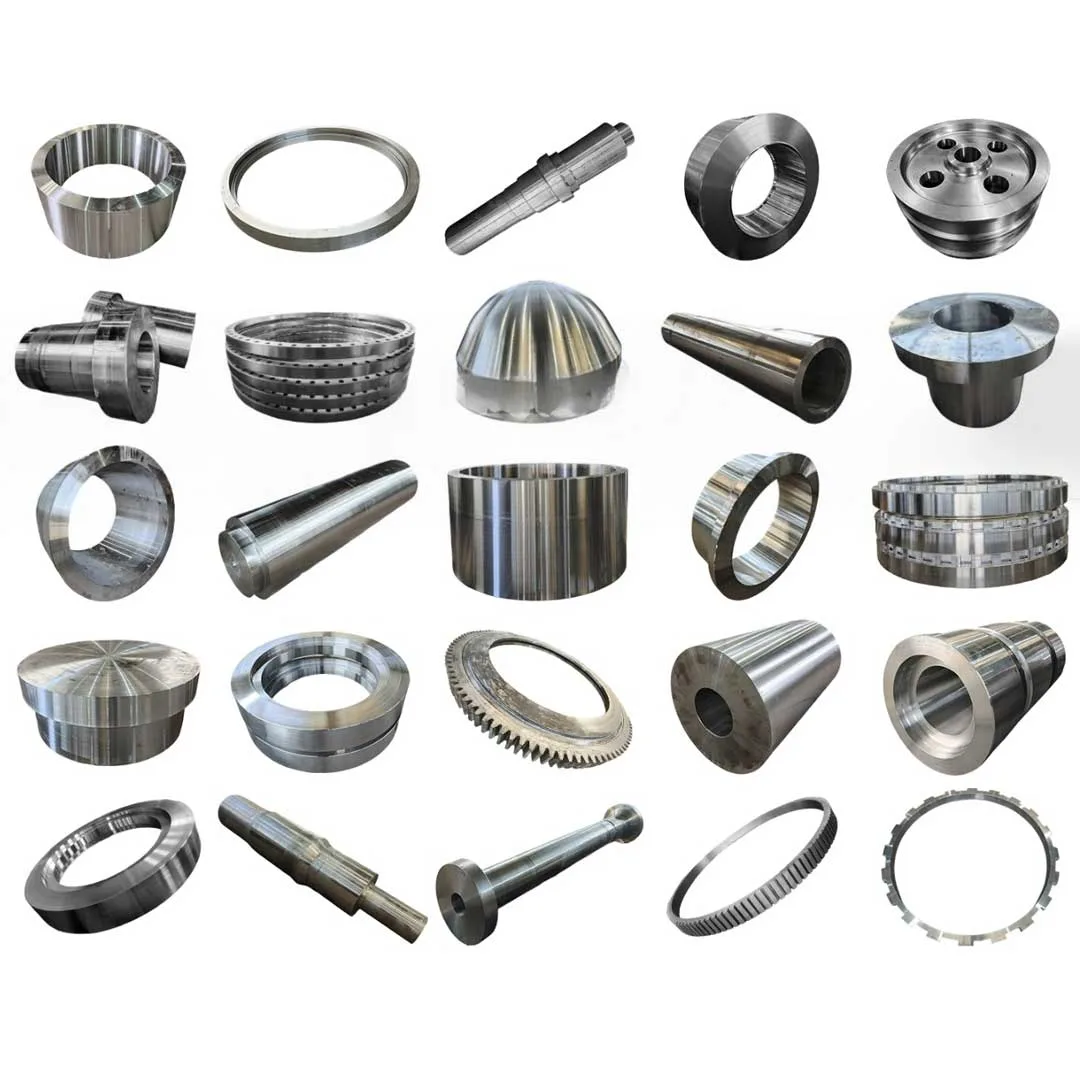
Large Forged Ring CNC Machining Services
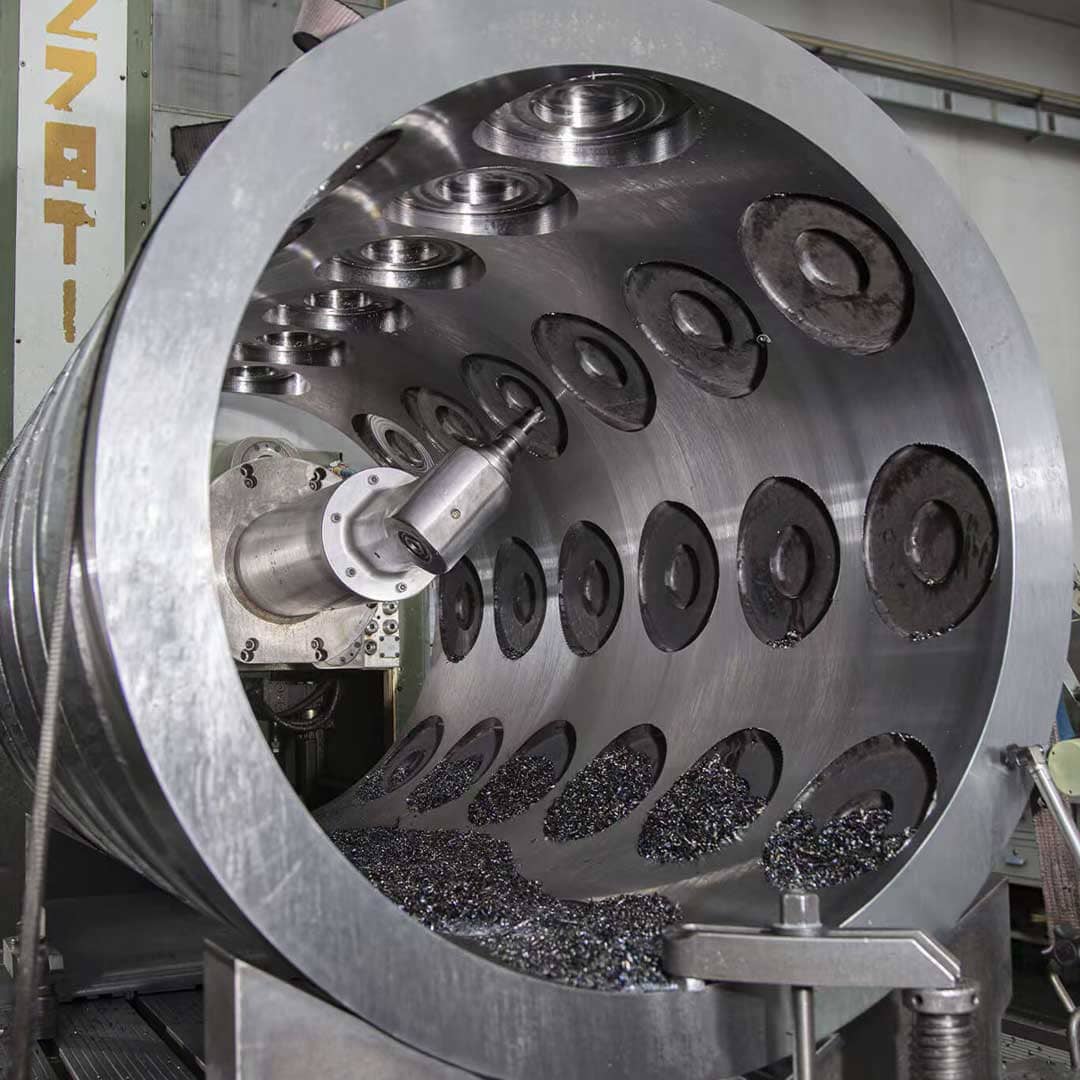
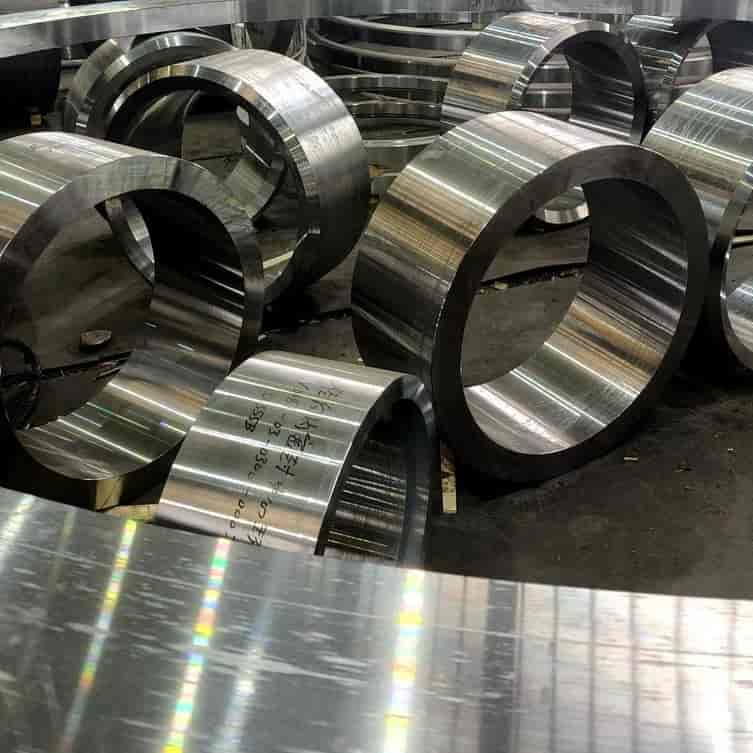
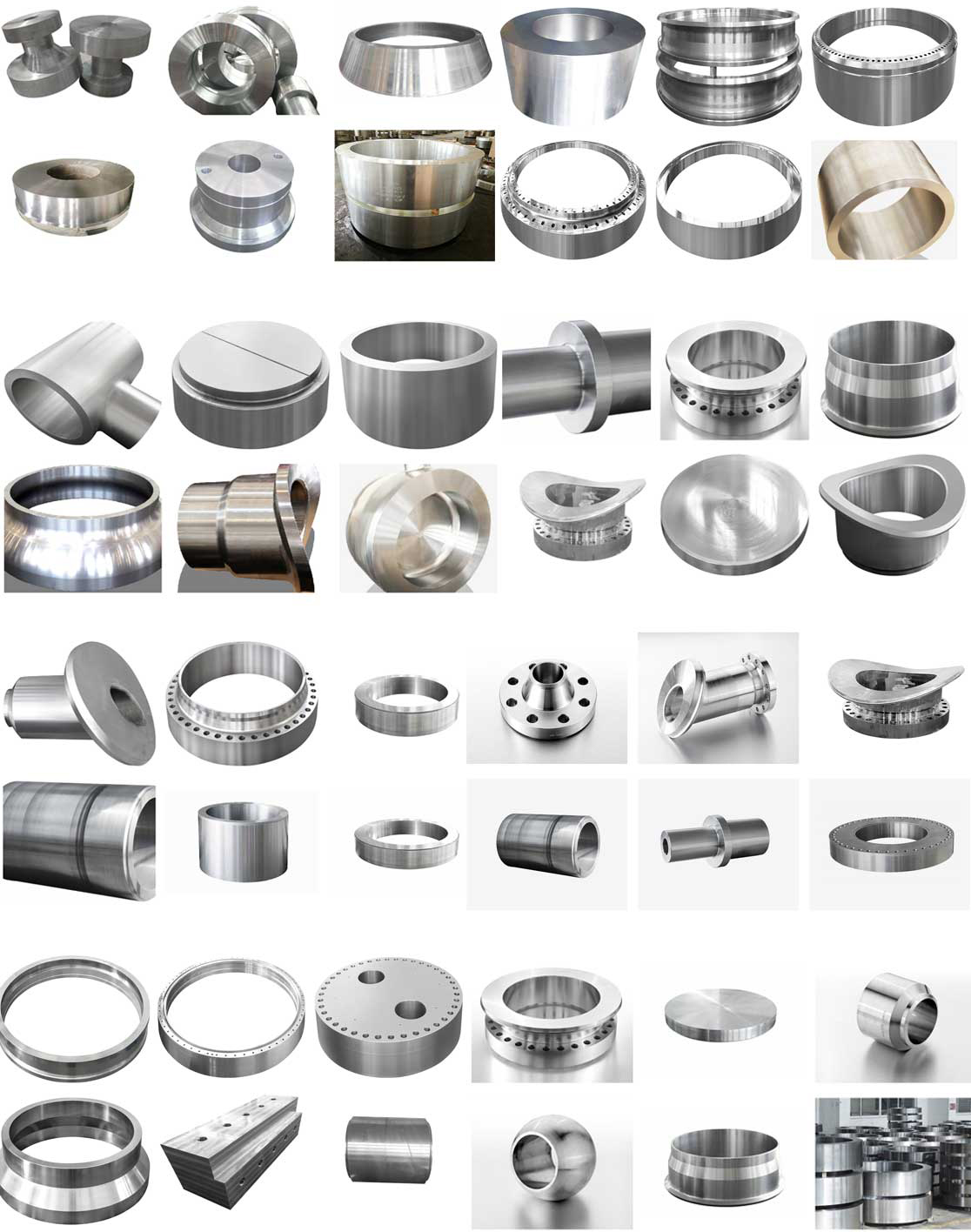
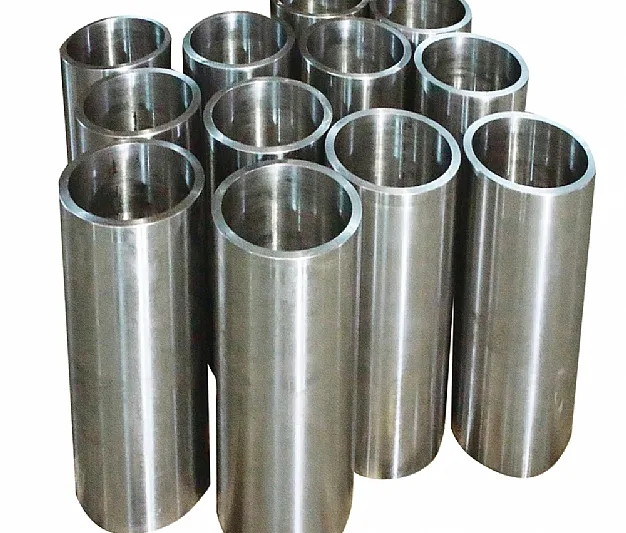
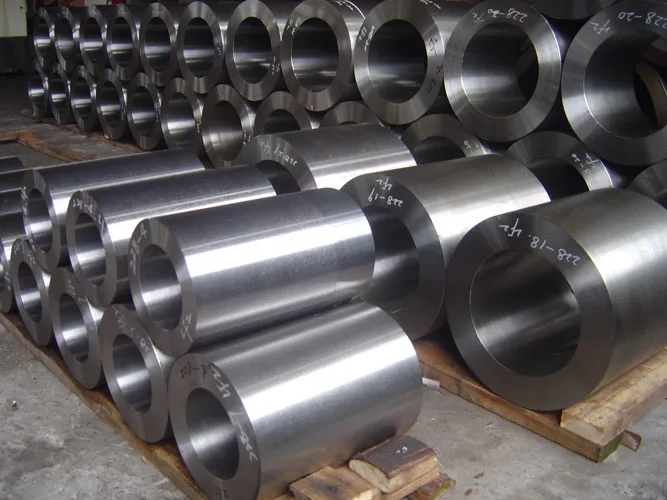
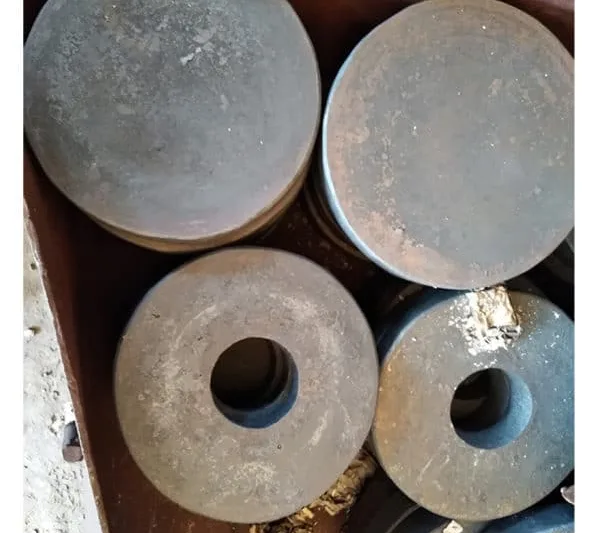
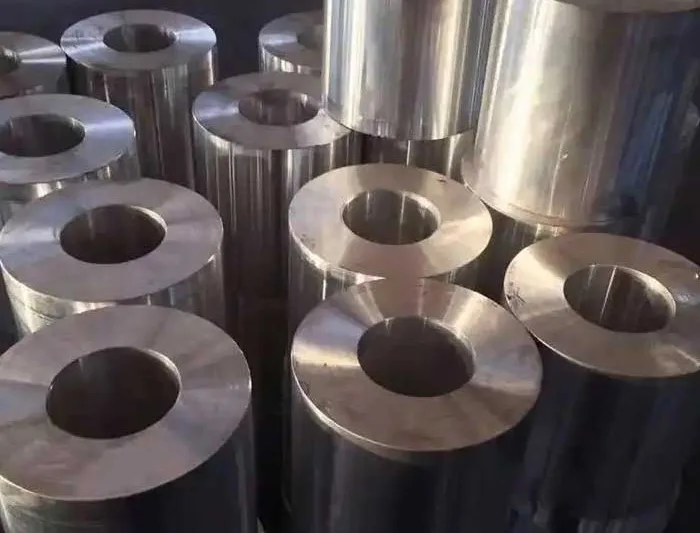
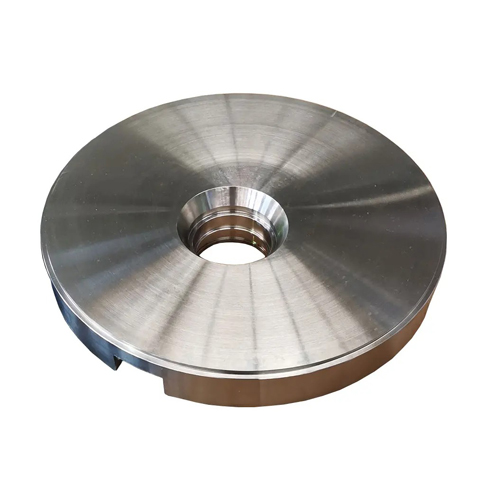
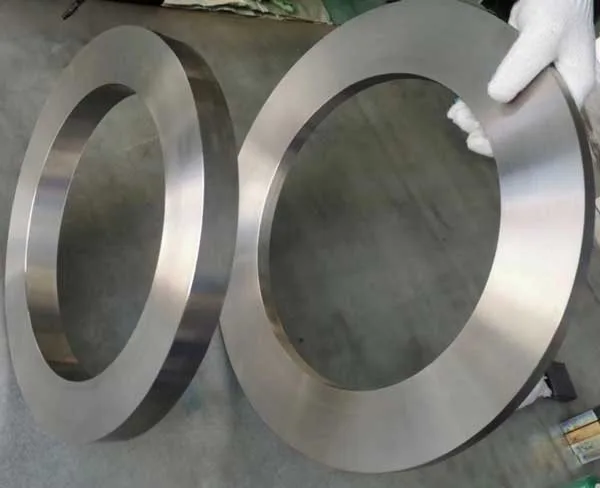
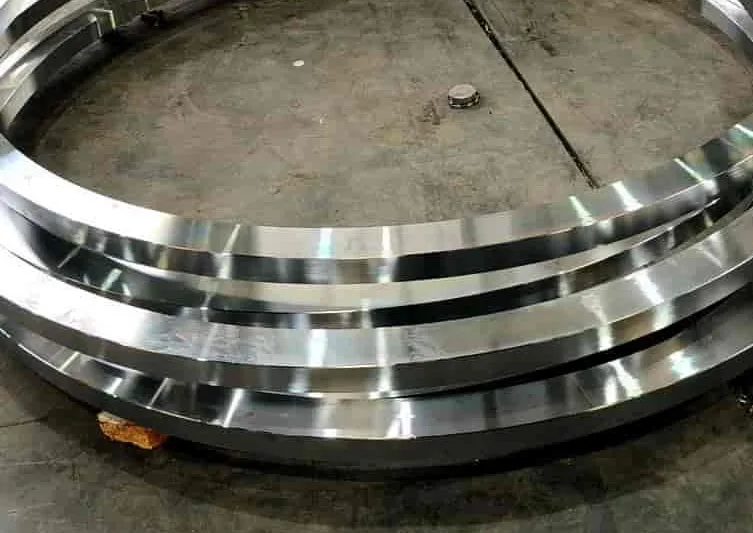
Large forged rings often require machining after forging to achieve the final outside diameter, inside diameter, face thickness, grooves, shoulders, and functional surfaces. Shanghai Changjin Metal Product Co., Ltd. welcomes inquiries for custom forged components and CNC machining based on customer drawings.
Why Machine a Forged Ring?
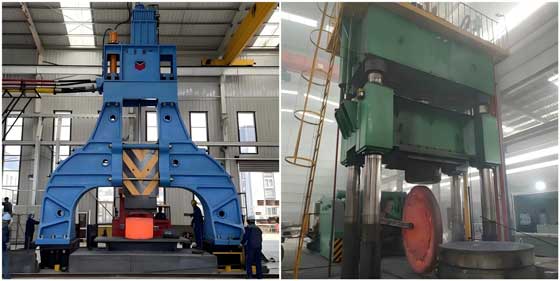
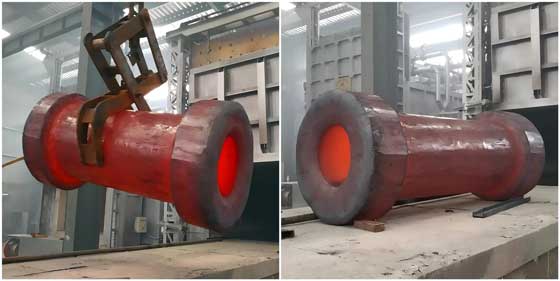
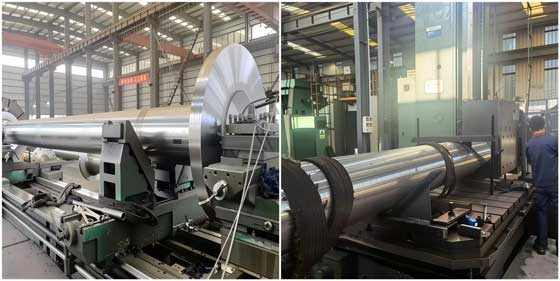
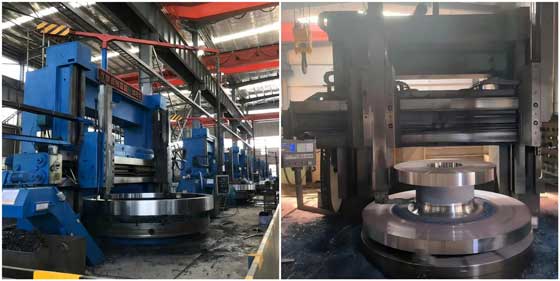
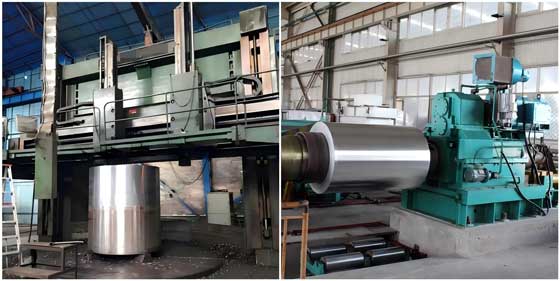
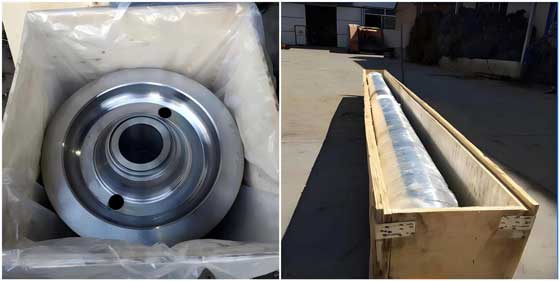
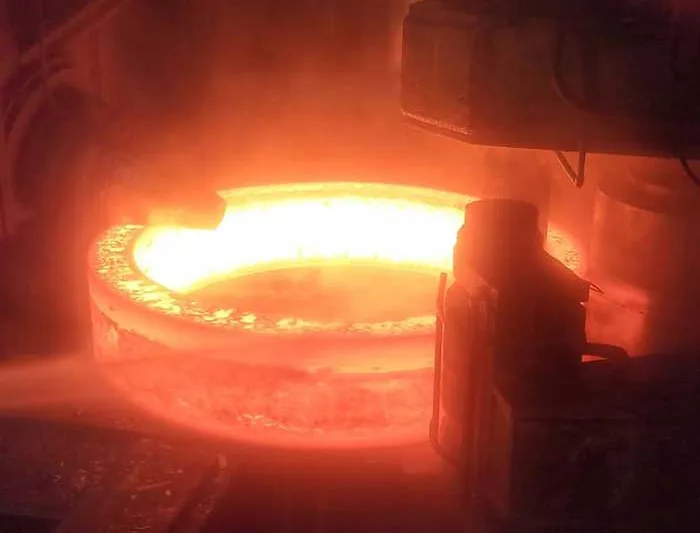
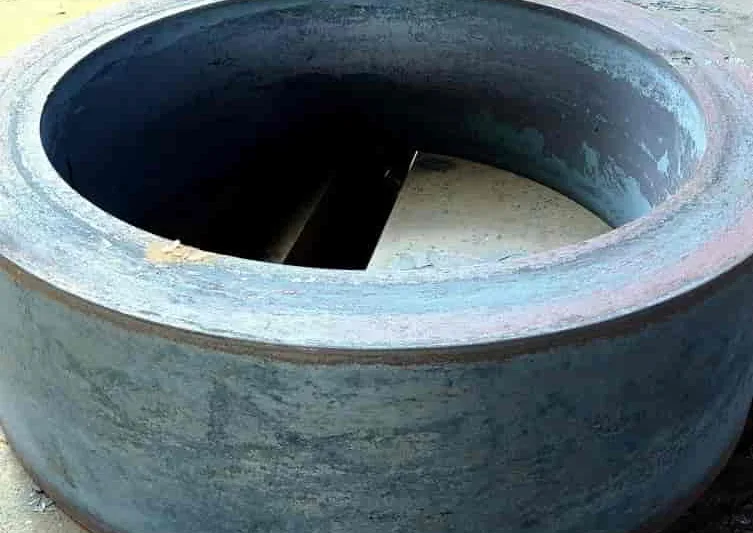
Forging creates the near-net shape and forms the basic ring geometry. Machining brings the component to its specified dimensions and surface condition. Depending on the application, a customer may require rough machining for a later operation or finish machining for assembly.
Common Machining Operations
- CNC turning: machining cylindrical outside and inside surfaces, diameters, steps, and faces.
- Boring: enlarging or finishing an internal diameter and related features.
- Facing: producing specified flat end faces and thickness.
- Grooving and profiling: creating defined grooves, reliefs, and shoulders when equipment and drawing requirements permit.
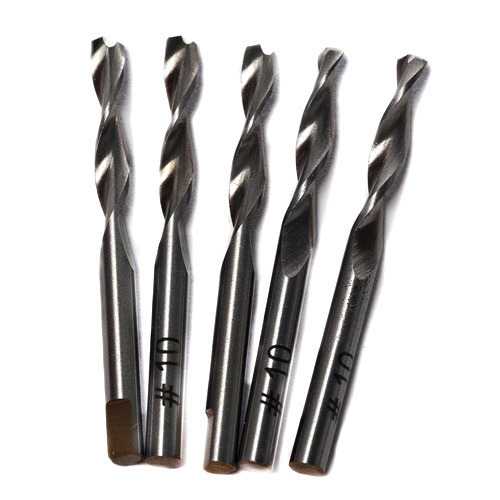
- Drilling: producing holes or bolt patterns where the setup and work envelope are suitable.
Plan the Process from the Drawing
A useful drawing should identify all critical dimensions, datum surfaces, geometric tolerances, surface-finish requirements, and any features that must remain accessible for inspection. It should also state the material grade, heat-treatment condition, and whether the dimensions are for the finished part. For large or heavy parts, handling and workholding are part of the process plan.
Tolerance and Quality Considerations
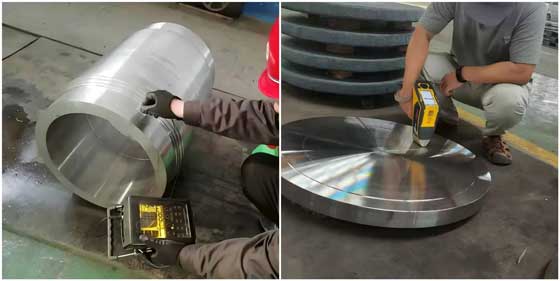
Large components can be affected by residual stress, temperature variation, clamping forces, and material condition. A suitable process may therefore separate rough machining from finish machining and include intermediate checks or stress-relief steps when required by the specification. Do not assume a tolerance is achievable until it has been reviewed against the part size, geometry, material, and inspection method.
What Affects Cost?
The main cost drivers are material and blank preparation, setup time, the number of machining operations, metal removal, required accuracy, tooling, inspection, and quantity. A simple ring with standard tolerances is different from a ring with multiple sealing faces, deep bores, complex profiles, or extensive documentation requirements.
Information to Include in an RFQ
- 2D drawing and, if available, 3D CAD file
- Material grade and applicable standard
- Outside diameter, inside diameter, thickness, and quantity
- Critical tolerances and surface finish
- Heat treatment and testing requirements
- Required delivery date and shipping destination
Request CNC Machining Support
Send your technical drawing and inspection requirements for review. A complete RFQ helps the supplier evaluate the machining route and provide a more reliable quotation and lead-time estimate.