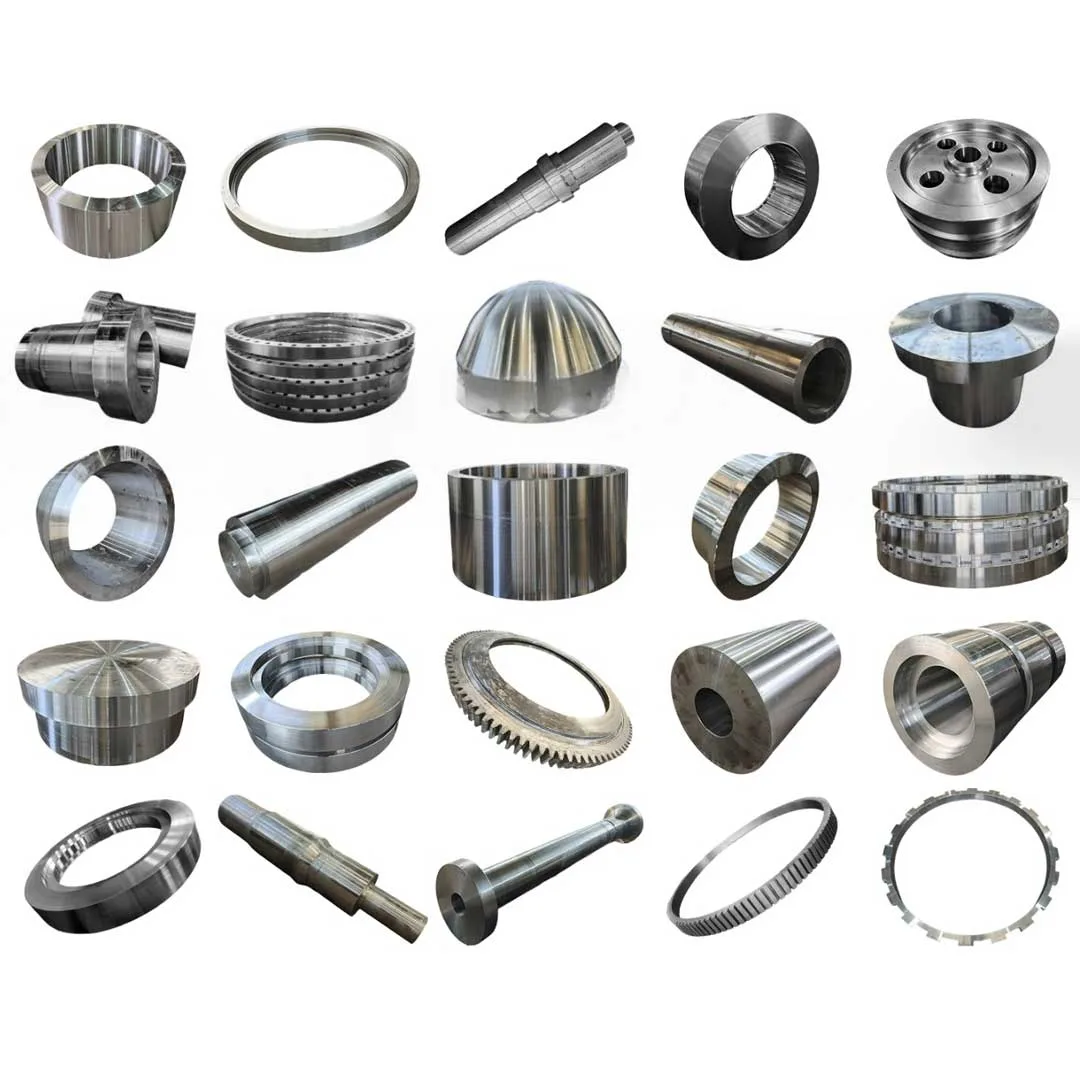
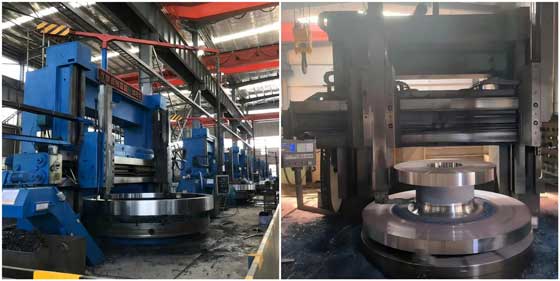
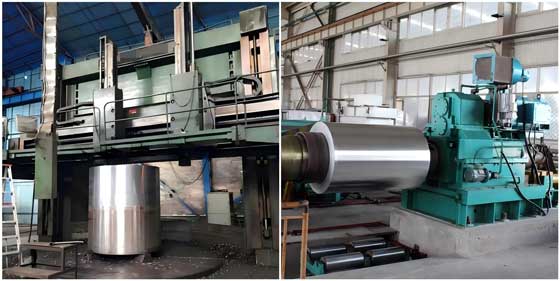
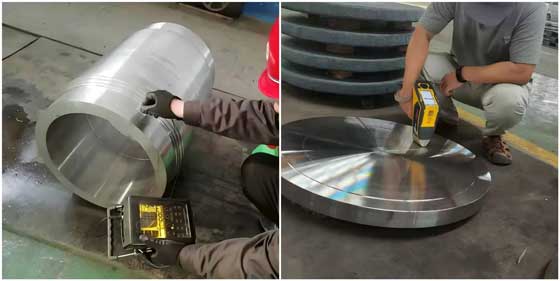
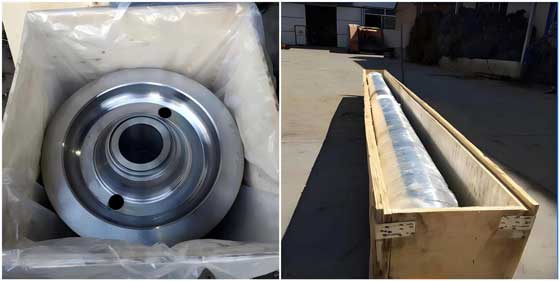
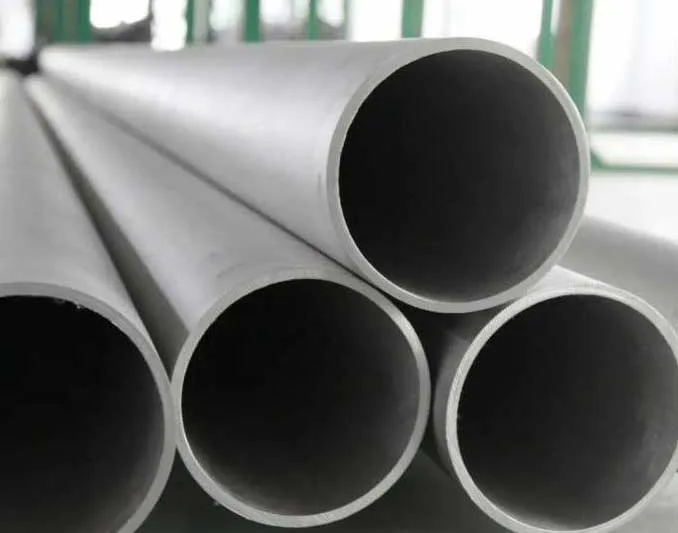
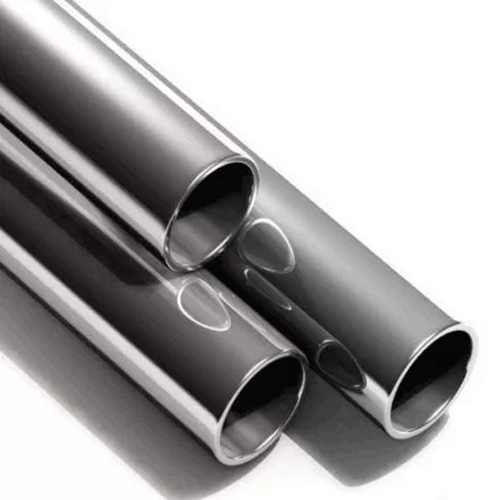
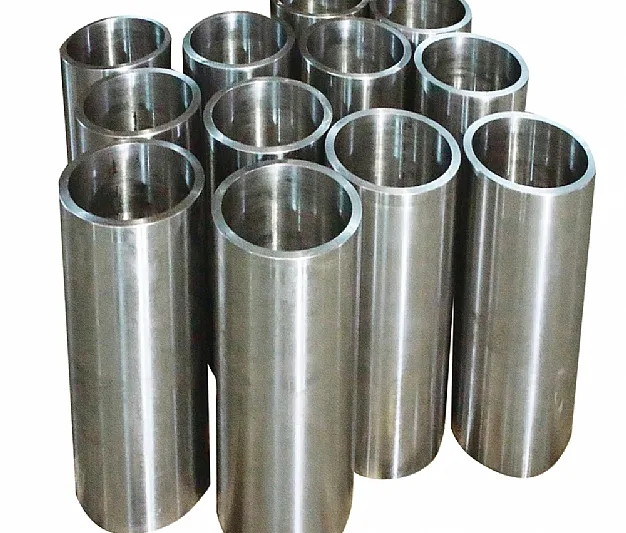
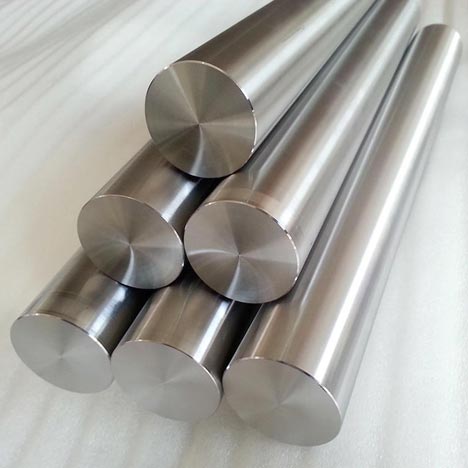
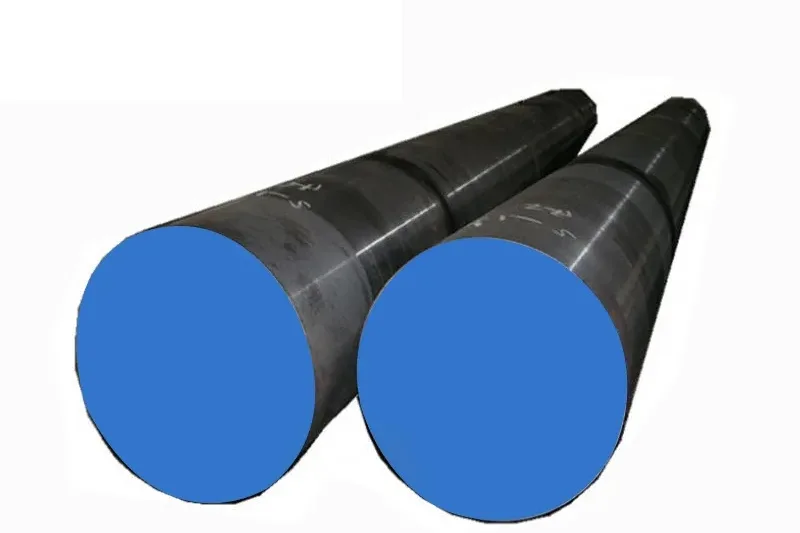
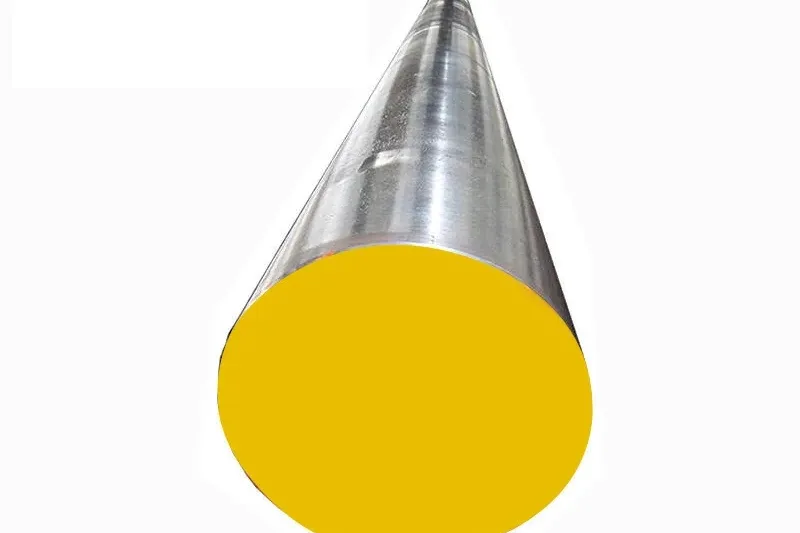
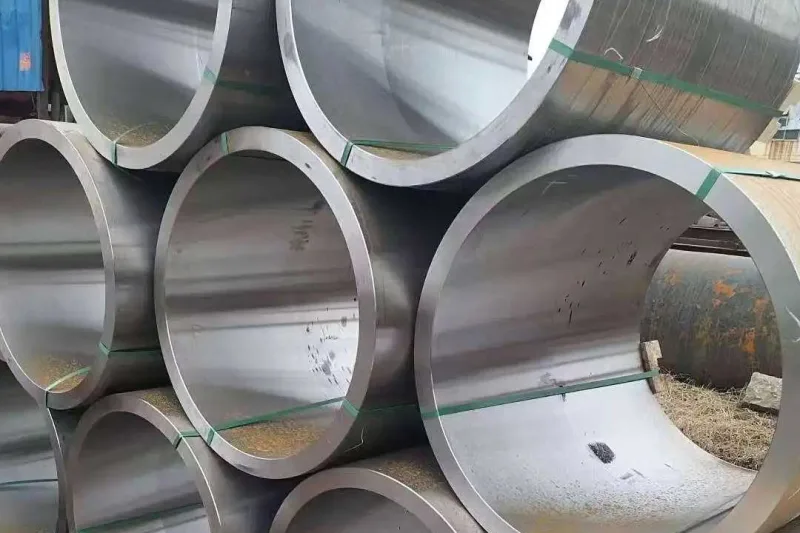
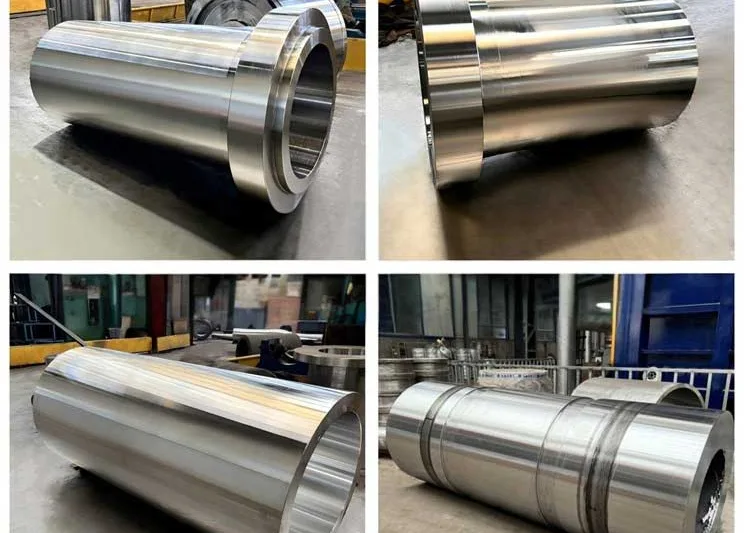
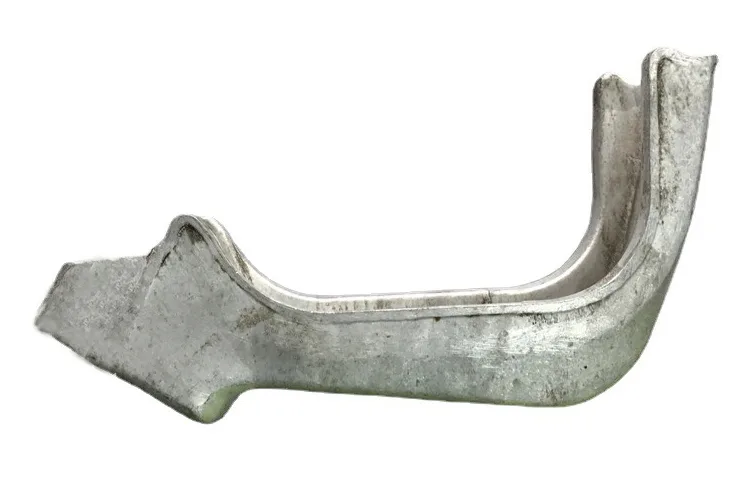
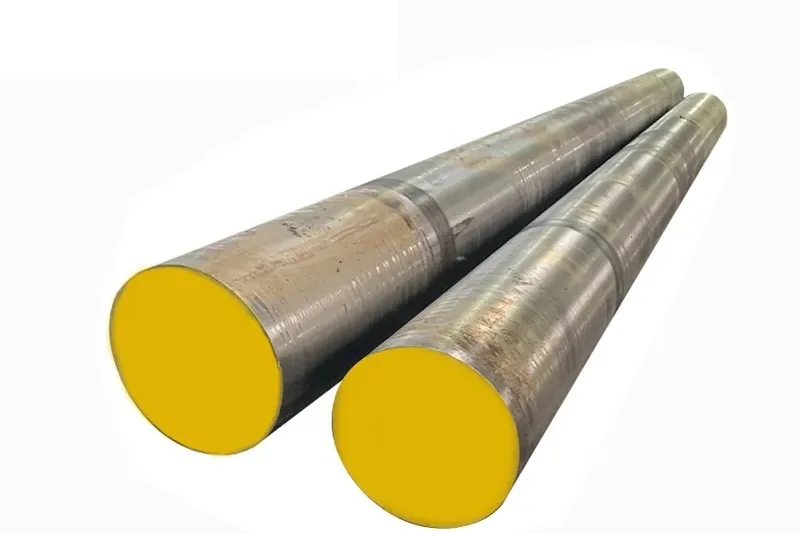
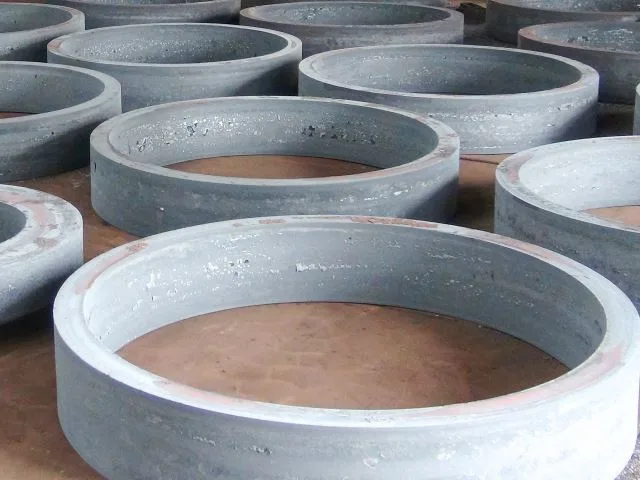
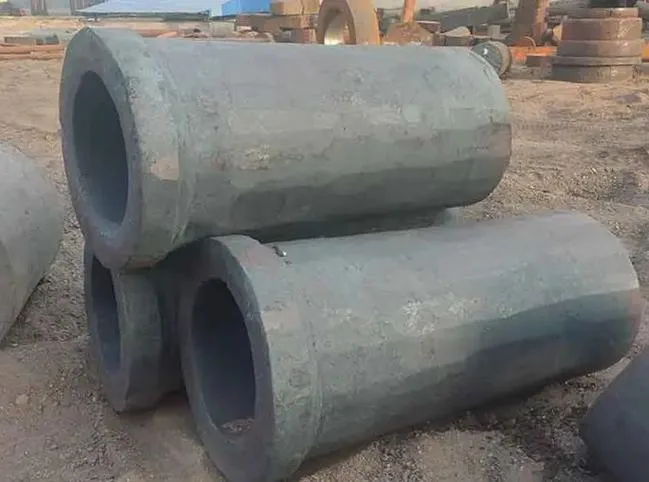
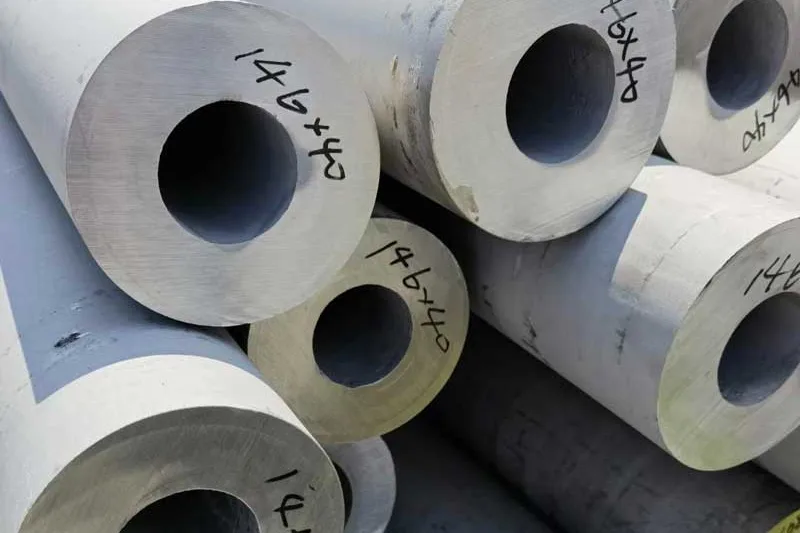
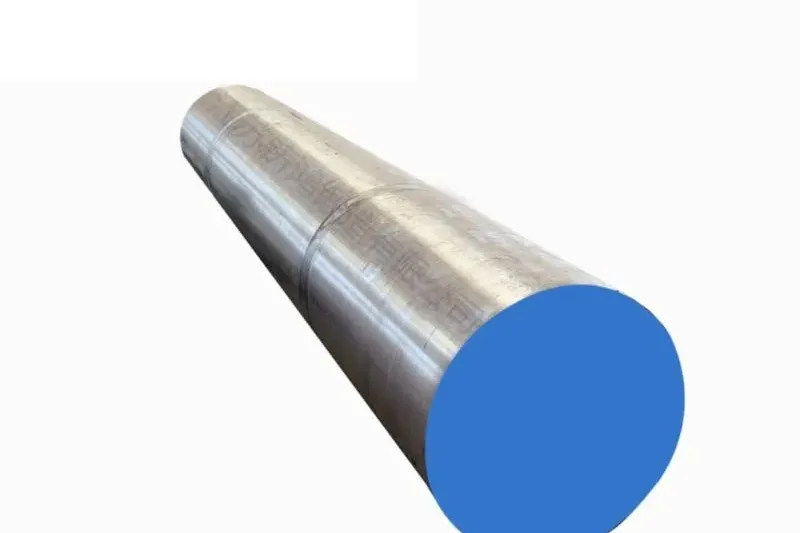
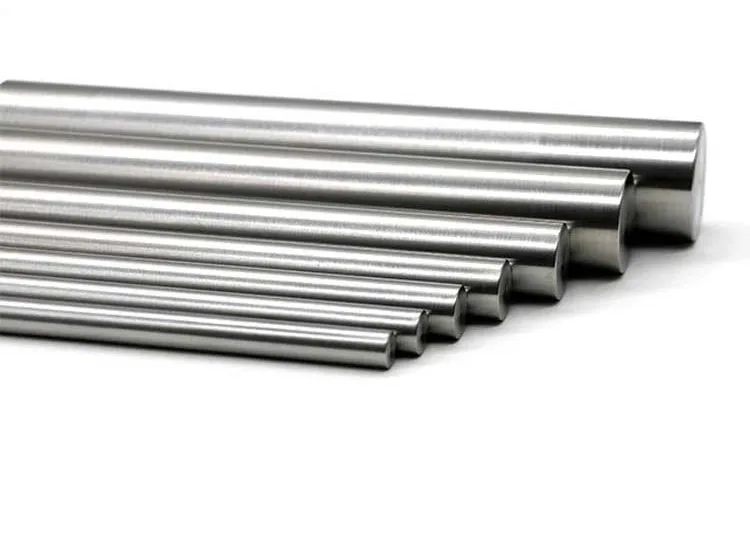
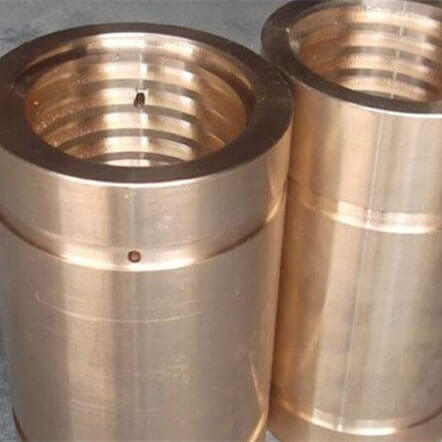
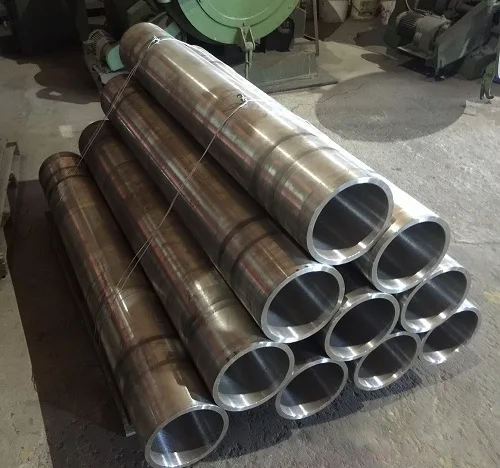
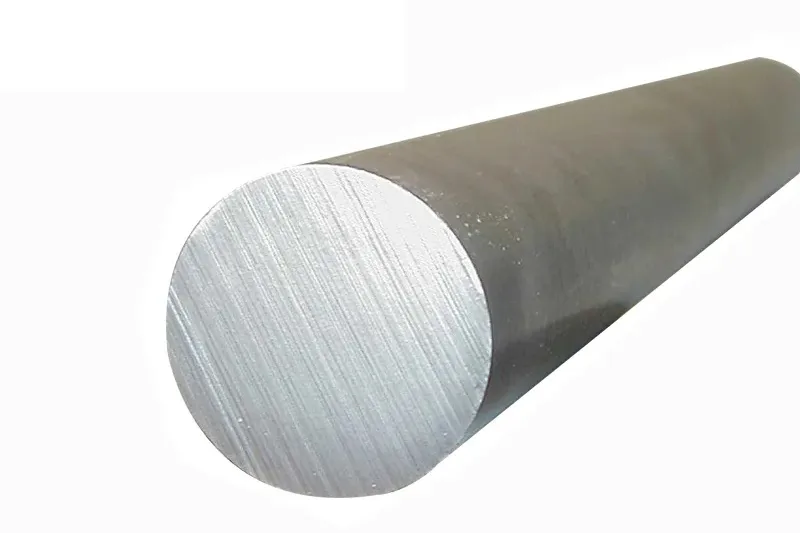
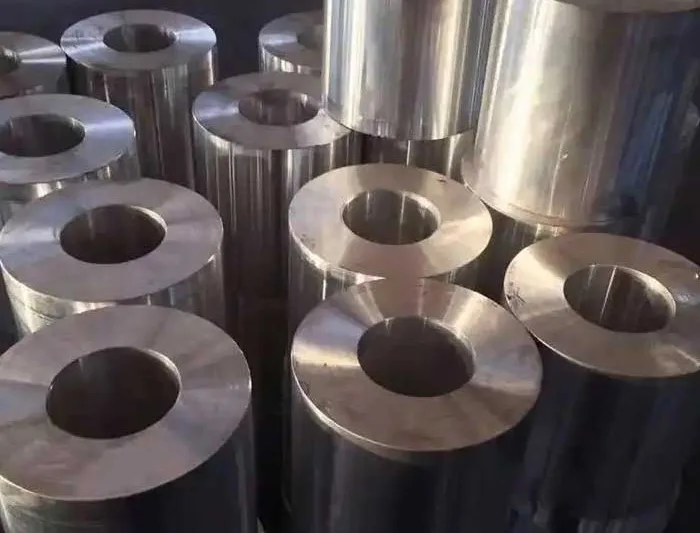
Heavy Thick-Wall Shell Forging
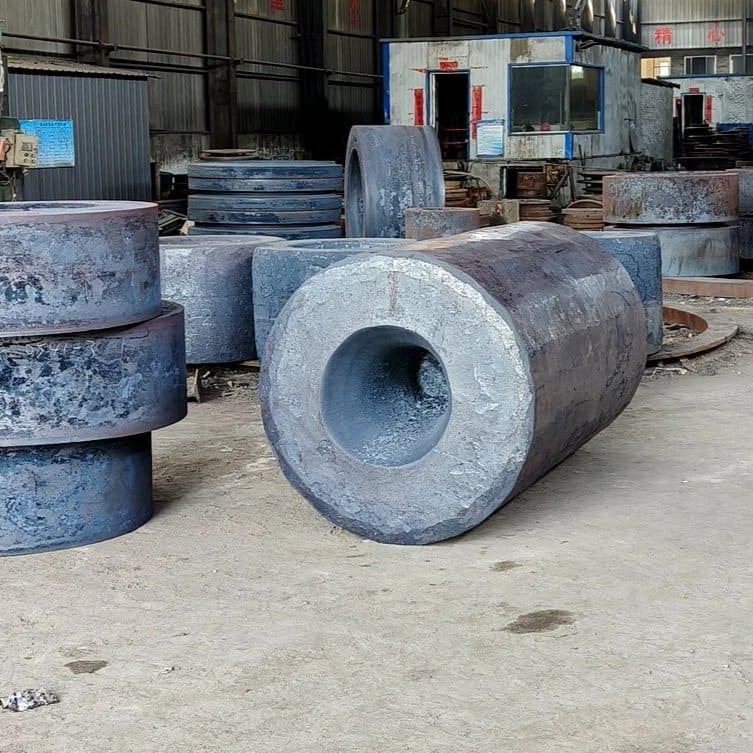
High-Strength Thick-Wall Shell Forging Technology and Its Applications
In modern manufacturing, especially in aerospace, heavy machinery, and energy equipment, the performance requirements for materials are extremely stringent. High-strength thick-wall shells, as a key component, directly impact the safety and reliability of the entire equipment through their manufacturing process. This article will focus on the theme of "Heavy Thick-Wall Shell Forging," exploring the characteristics, challenges, and future development trends of this technology.
I. Overview of High-Strength Thick-Wall Shell Forging
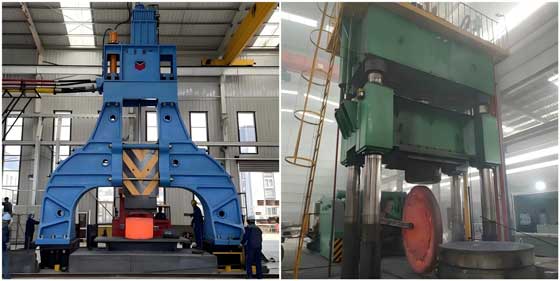
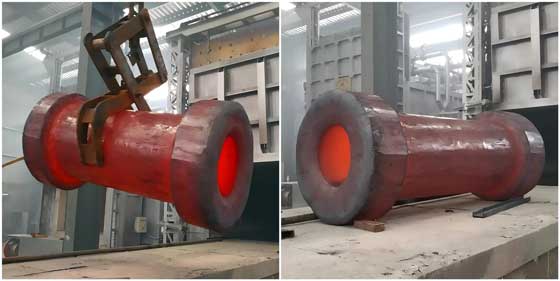
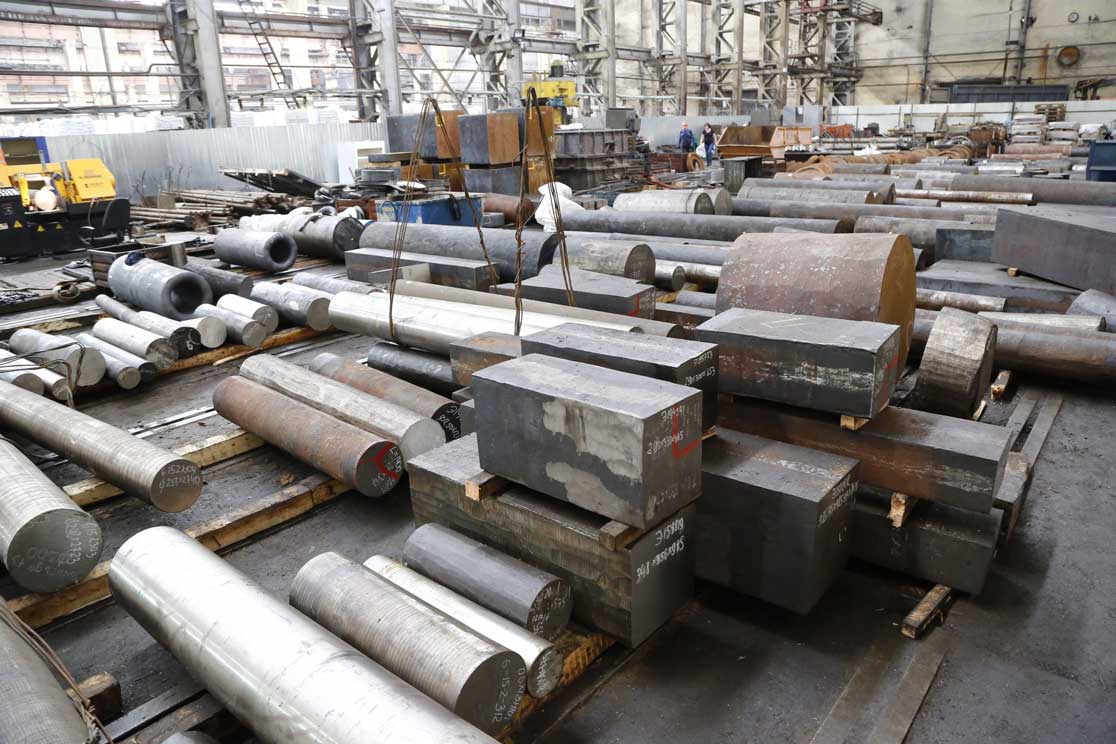
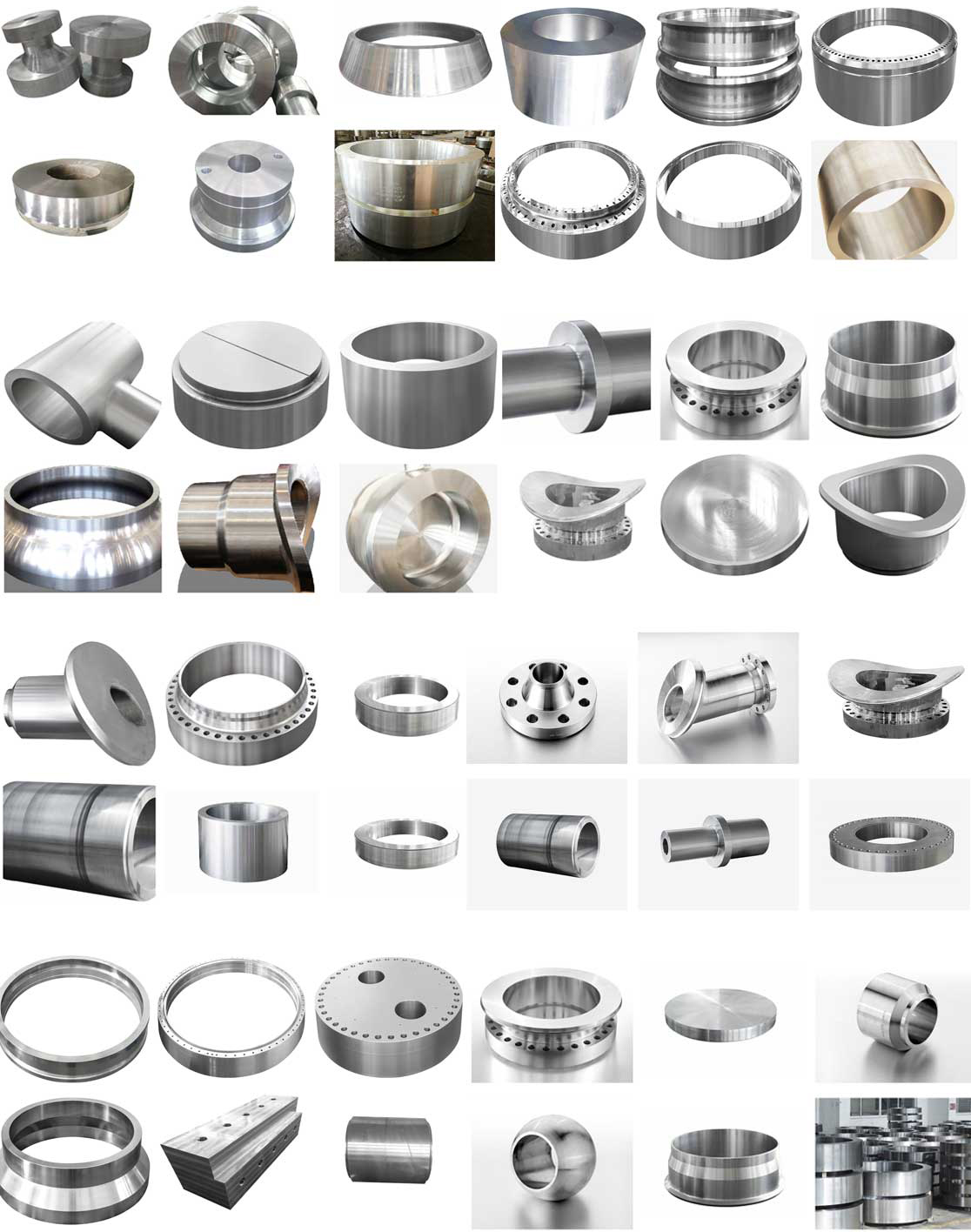
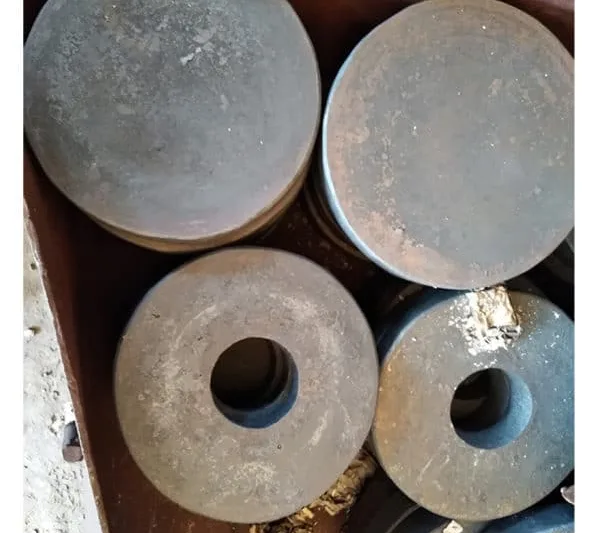
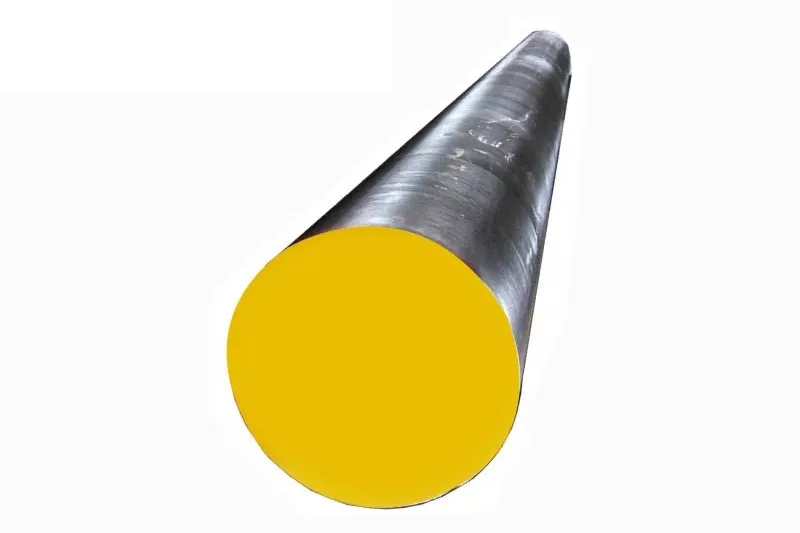
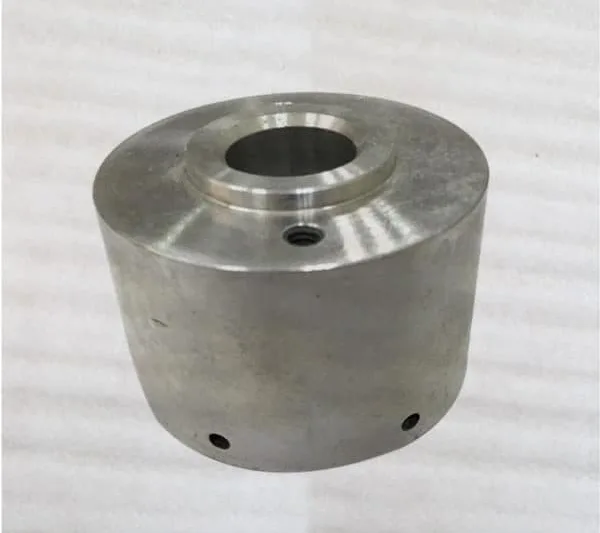
High-strength thick-wall shell forging is a technical process that uses plastic deformation to shape metal materials into the desired shape and size. This process requires not only ensuring the material possesses sufficient strength and toughness to withstand loads under extreme working conditions, but also ensuring that the finished product has a uniform and dense internal structure, free from defects. Therefore, selecting suitable raw materials and optimizing forging parameters are crucial for improving product quality.
II. Key Technologies and Challenges
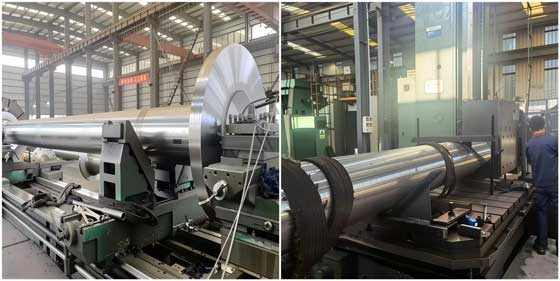
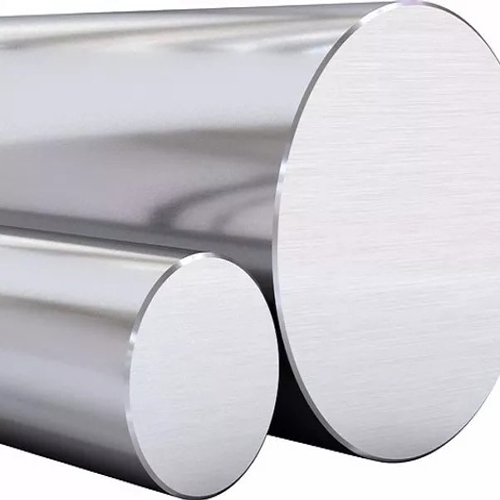
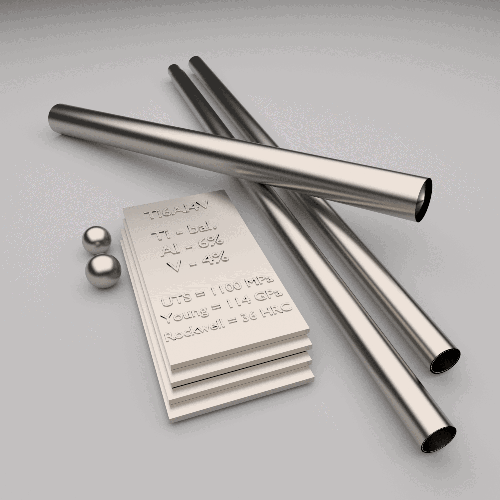
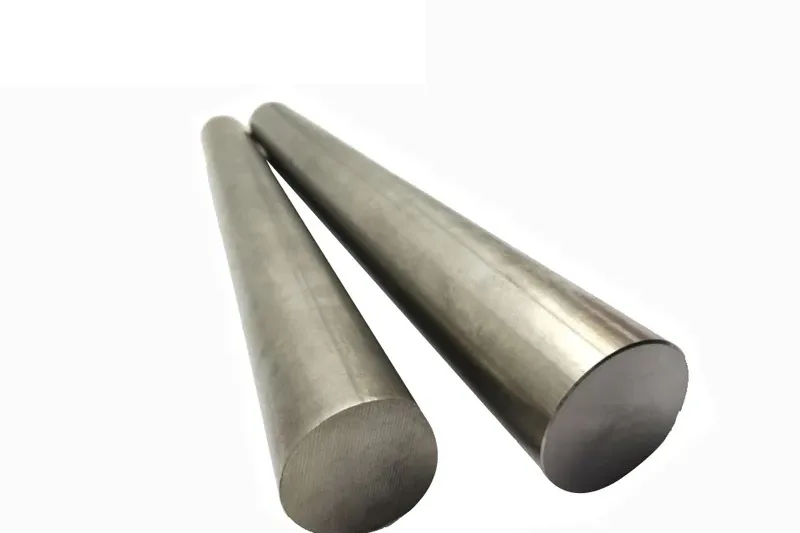
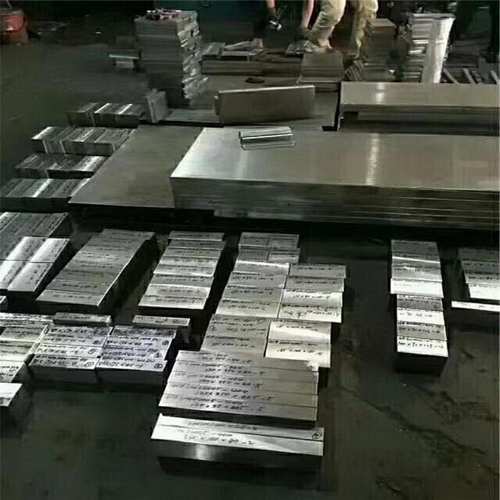
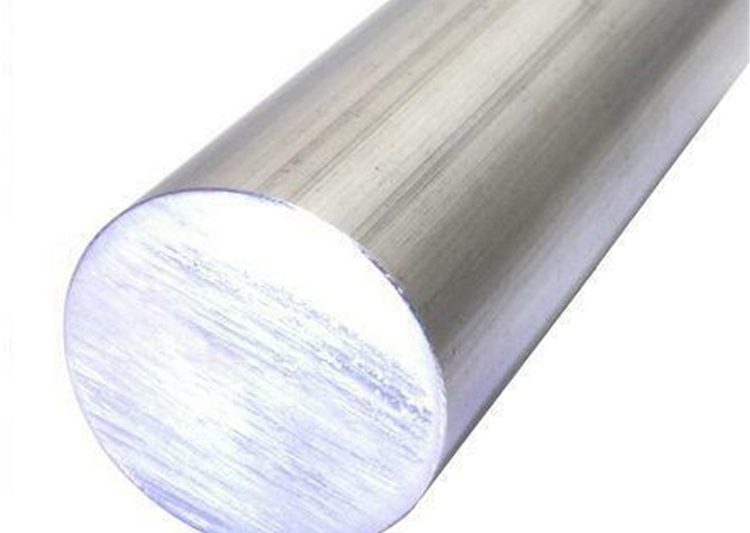
1. **Material Selection and Pretreatment**: For different application scenarios, high-performance materials such as alloy steel or high-temperature alloys are rationally selected, and appropriate heat treatment is performed to improve their machinability.
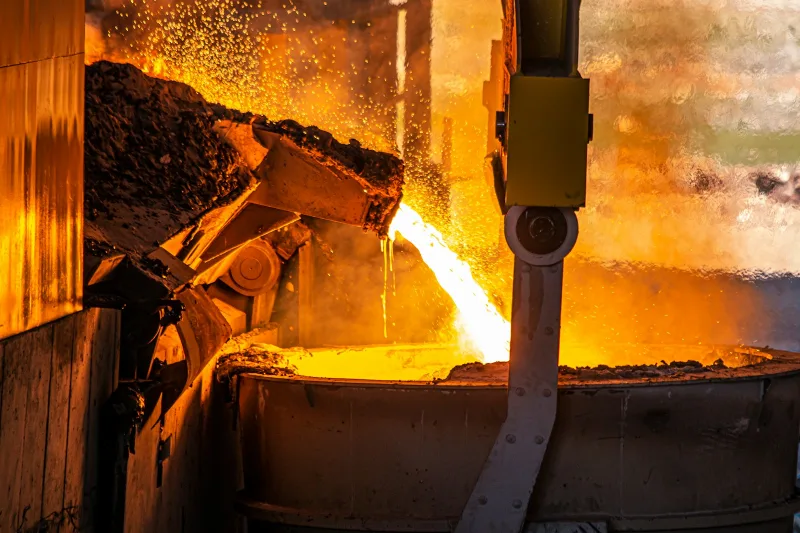
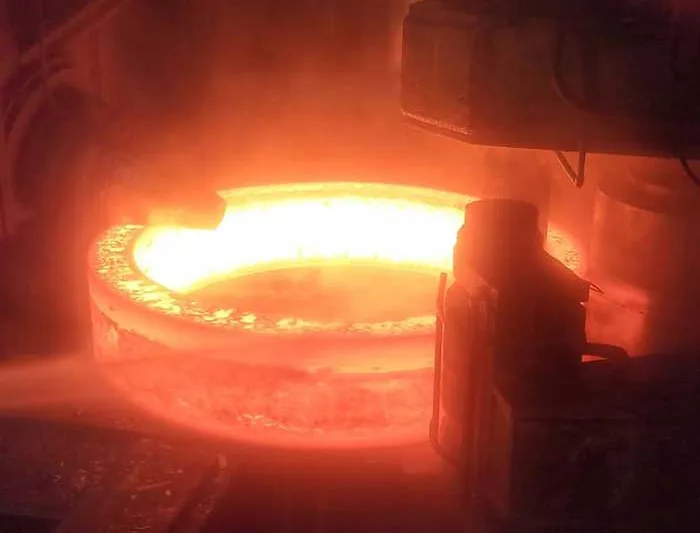
2. **Temperature Control:** Precise temperature control is crucial to prevent overheating or cracking of materials. Induction heating and other methods are typically used to achieve rapid and uniform temperature control.
3. **Mold Design and Maintenance:** Advanced CAD/CAM software is used to design molds that conform to mechanical principles and meet the requirements of complex geometries. Regular inspection and maintenance of the mold surface are also conducted to prevent product quality degradation due to wear.
4. **Stress Analysis and Compensation:** The finite element method is used to simulate the stress distribution in actual production, predict potential problem areas, and reduce the impact of residual stress by adjusting the process route.
III. Challenges Faced
Despite significant progress in high-strength thick-walled shell forging technology, a series of challenges remain:
- How to further improve forming accuracy and efficiency?
- How to reduce costs while ensuring performance?
- What new challenges does the application of new materials bring to traditional processes?
IV. Future Development Prospects
With the development of science and technology, intelligentization and digitalization will become important forces driving innovation in high-strength thick-walled shell forging technology. For example, introducing robotic automated production lines can effectively improve work efficiency and reduce labor costs; intelligent monitoring systems based on big data analysis can help monitor changes in various indicators during the production process in real time, promptly identify problems, and respond accordingly. Furthermore, exploring more environmentally friendly and efficient production processes is also essential for the industry's sustainable development.
In conclusion, "Heavy Thick-Wall Shell Forging" is not only a bridge connecting theoretical research and engineering practice, but also a driving force for industrial upgrading and transformation. Facing future opportunities and challenges, we have reason to believe that with the joint efforts of researchers and technicians, this field will surely usher in a more brilliant future.