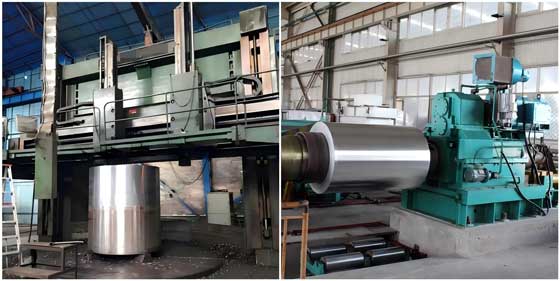
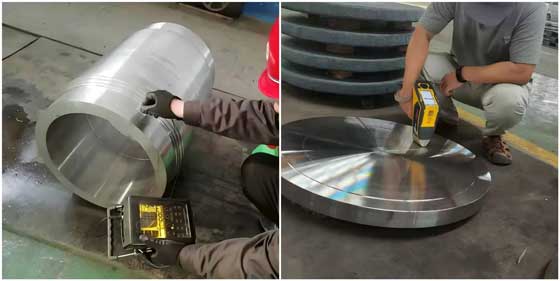
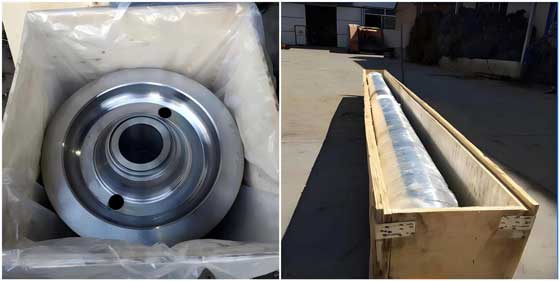
open die forging products
Open Die Forging: A Comprehensive Overview of the Process and Products
Introduction
In the vast world of metalworking, open die forging stands out as a fundamental technique used to shape metal into desired forms. This process is especially crucial for industries that require high-strength components capable of withstanding extreme conditions. Open die forging products are widely utilized across various sectors due to their exceptional mechanical properties and reliability. This article delves into the intricacies of open die forging, exploring its process, benefits, applications, and the diverse range of products it produces.
Understanding Open Die Forging
Open die forging is a manufacturing process where metal workpieces are deformed using compressive forces exerted by dies without fully enclosing the material. Unlike closed die forging, which uses impression dies to create specific shapes, open die forging allows for more flexibility in shaping the metal. The dies remain separate from each other during the operation, enabling the metal to flow freely under pressure. This method is particularly suited for producing large parts or those requiring significant deformation.
The Open Die Forging Process
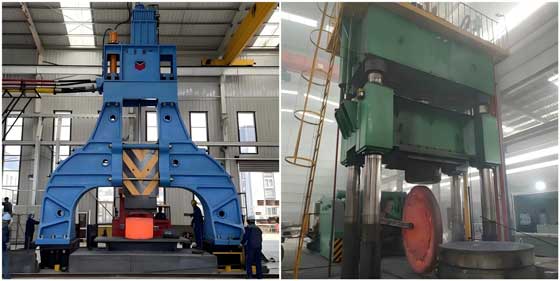
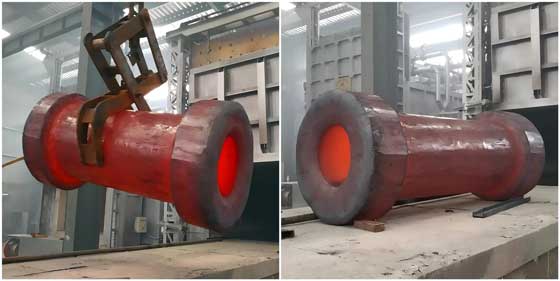
The open die forging process begins with heating the metal billet to a temperature that makes it malleable. Once heated, the billet is placed between two flat dies—one fixed and one moving—on a hydraulic press or hammer. As the upper die descends, it applies force to the metal, causing it to spread laterally and change shape according to the operator's manipulation. Through repeated blows or sustained pressure, the metal attains the desired dimensions and form. Throughout this process, skilled operators ensure uniformity and proper alignment, often rotating or repositioning the workpiece for even distribution of material.
Benefits of Open Die Forging
One of the primary advantages of open die forging is its ability to enhance the grain structure of metals, resulting in improved strength and toughness. By aligning the grains along the principal stress lines, forged products exhibit superior resistance to impact and fatigue compared to cast or machined counterparts. Additionally, open die forging minimizes porosity and shrinkage cavities commonly found in castings, ensuring a denser microstructure. This not only increases the lifespan of the component but also reduces the likelihood of failure under harsh operating environments.
Applications Across Industries
Due to these inherent qualities, open die forged products find extensive use in critical applications across numerous industries. In aerospace, they are employed in the manufacture of turbine disks, engine shafts, and landing gear components, where safety and performance are paramount. The power generation sector relies on open die forgings for steam turbine rotors, generator shafts, and heavy-duty gears subjected to continuous high-stress loads. Similarly, in the oil and gas industry, valves, flanges, and coupling rods made via open die forging endure extreme pressures and corrosive substances, making them indispensable for reliable operations.
Range of Open Die Forging Products
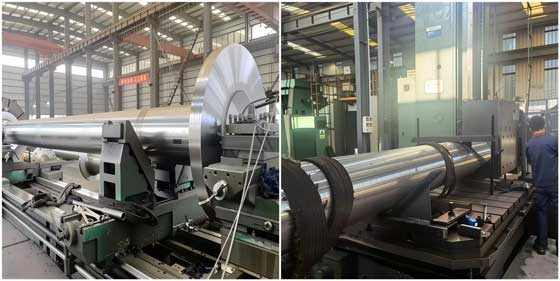
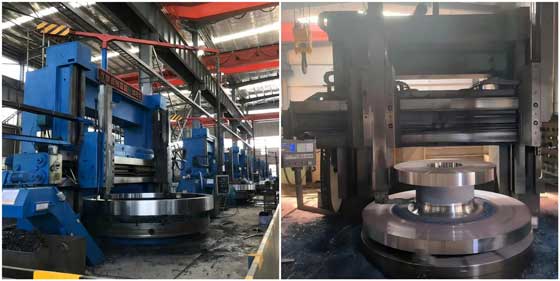
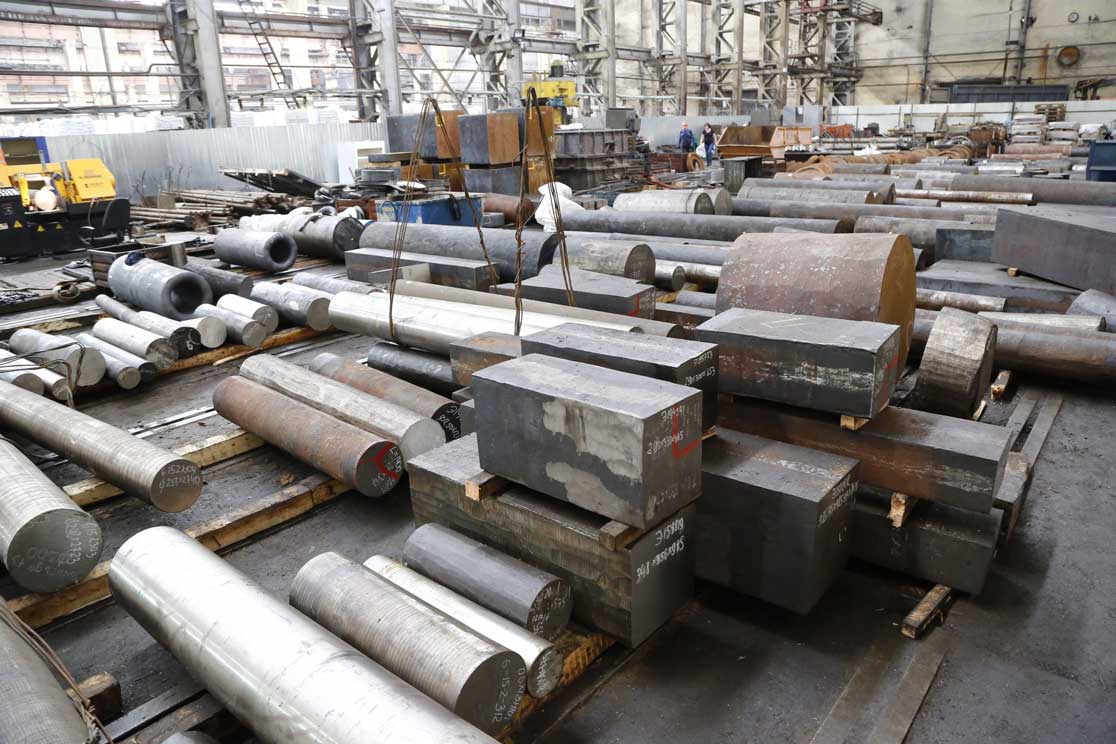
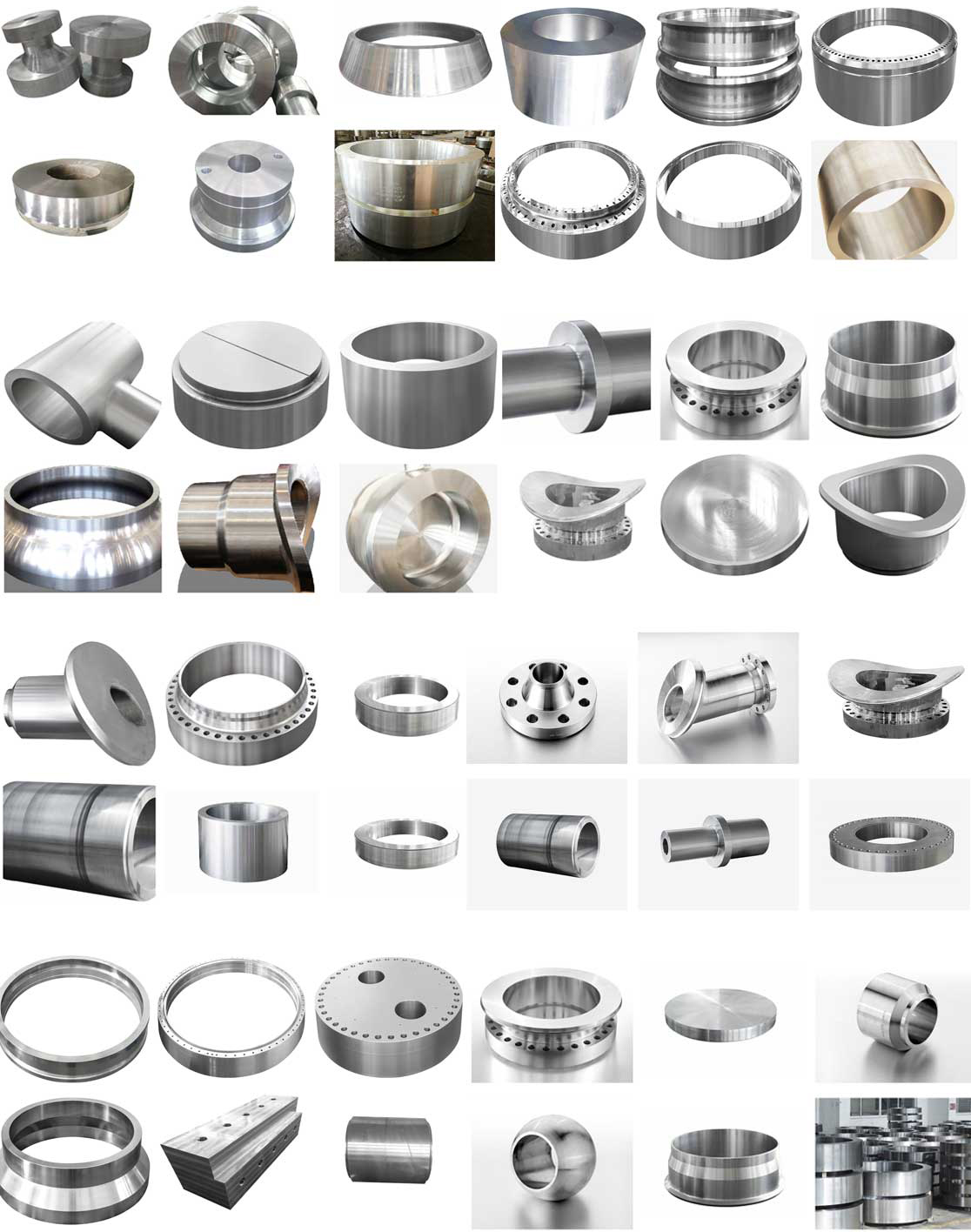
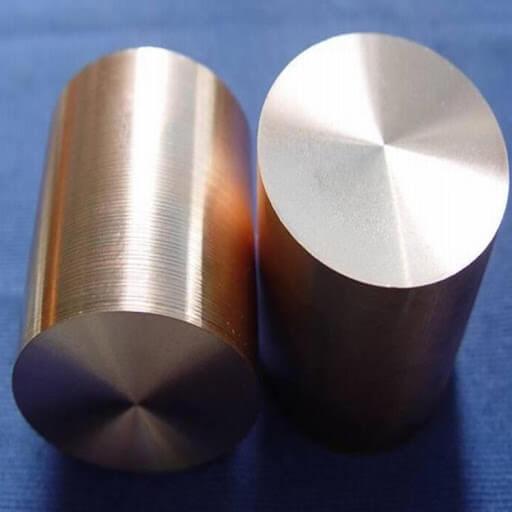
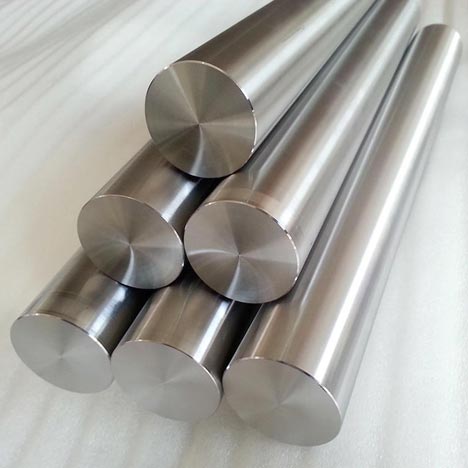
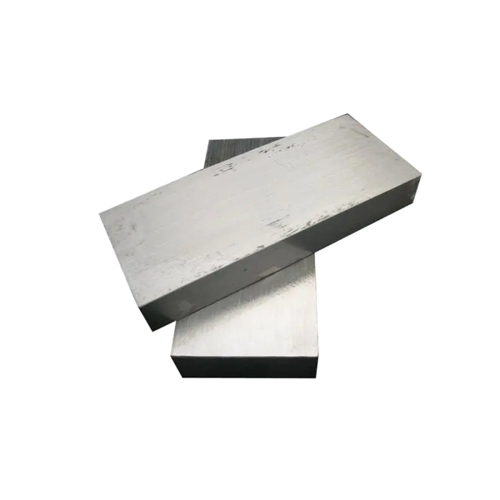
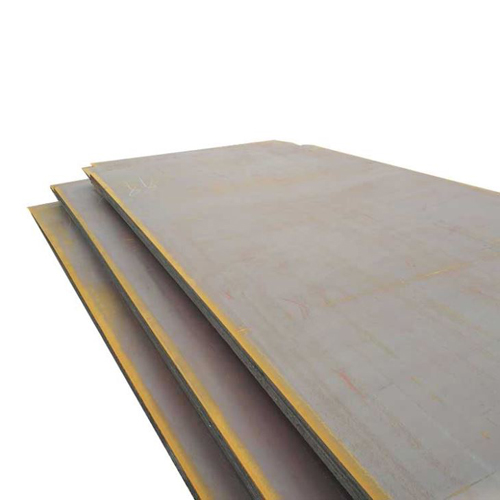
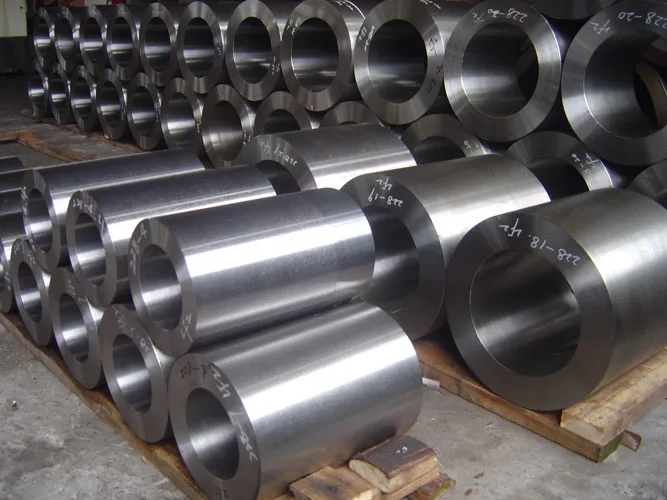
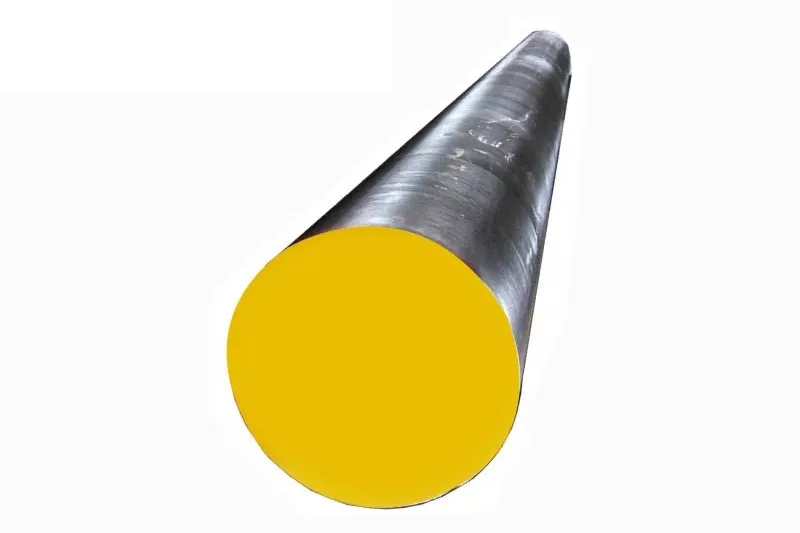
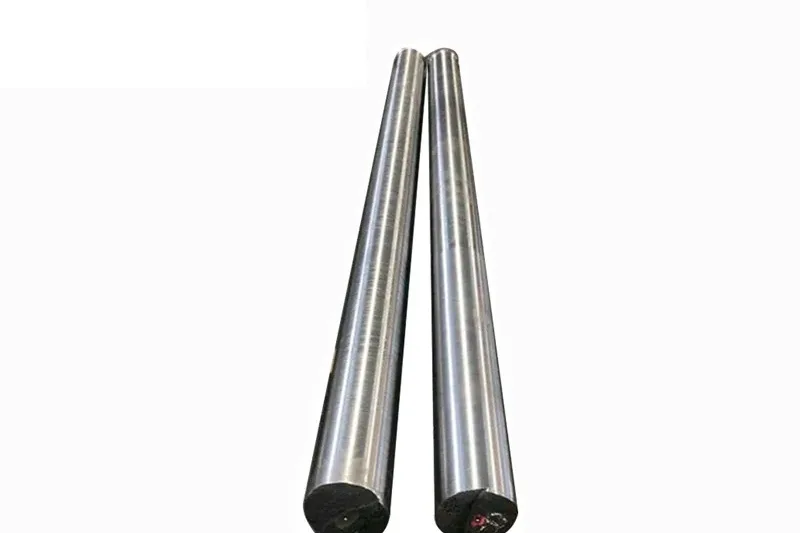
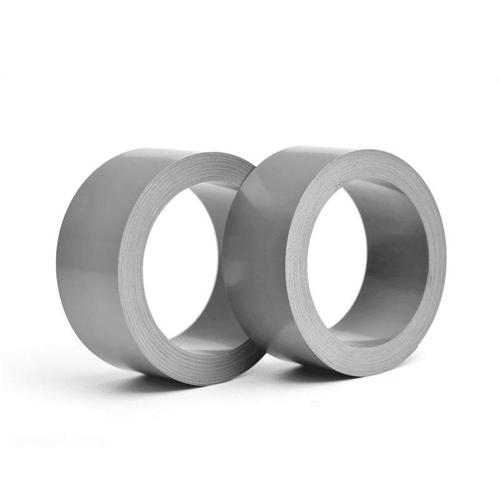
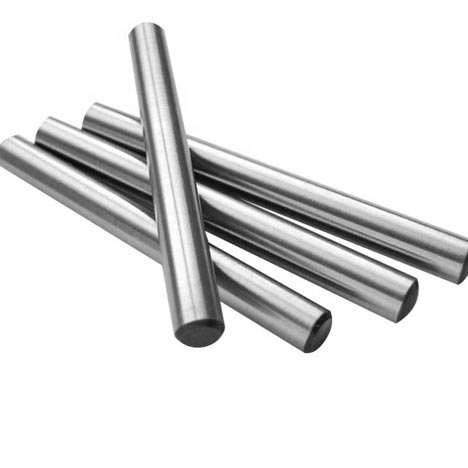
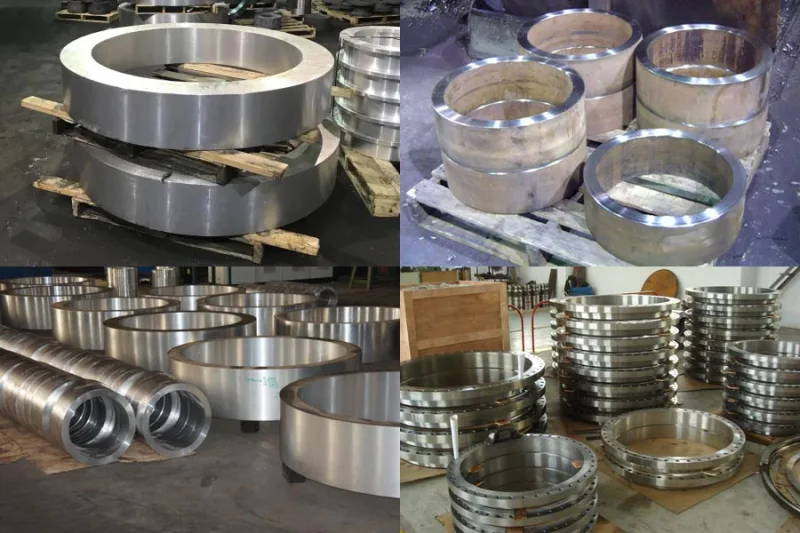
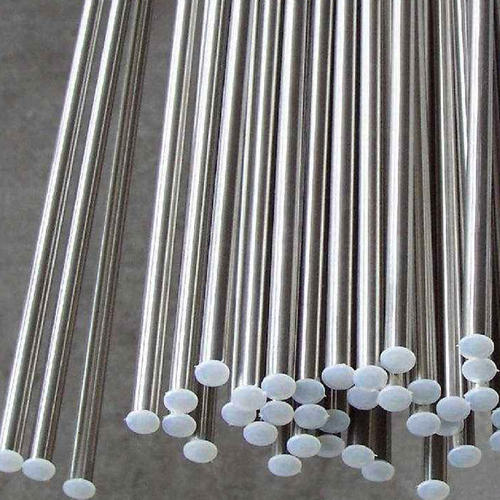
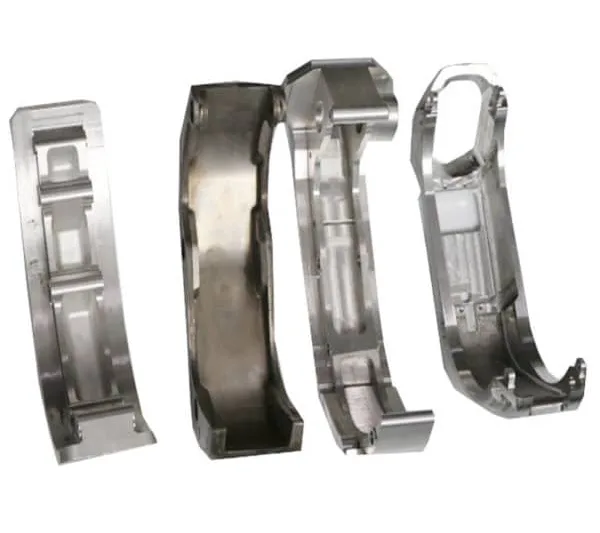
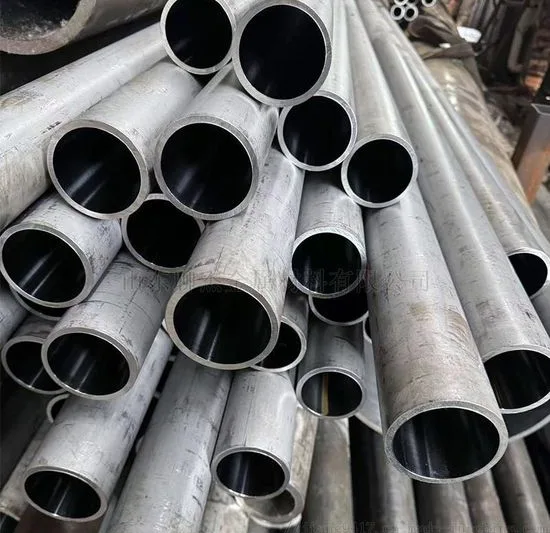
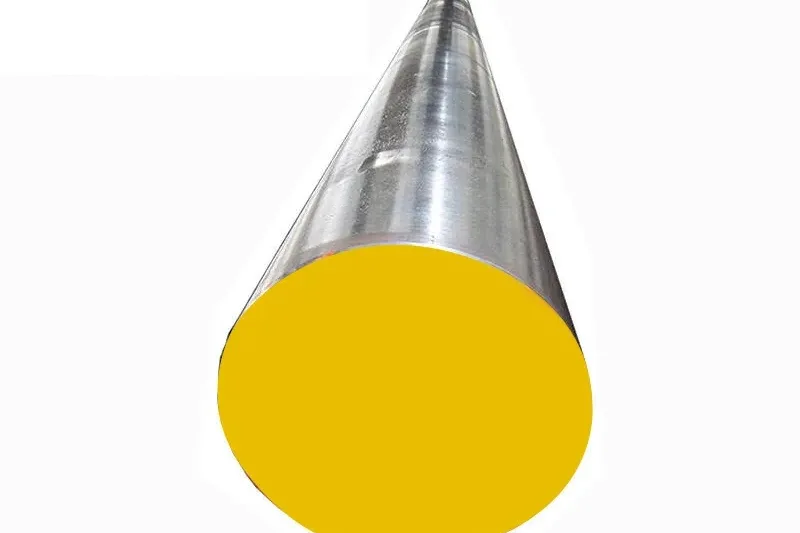
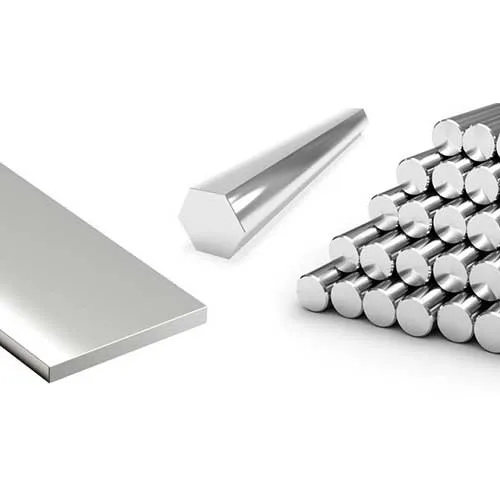
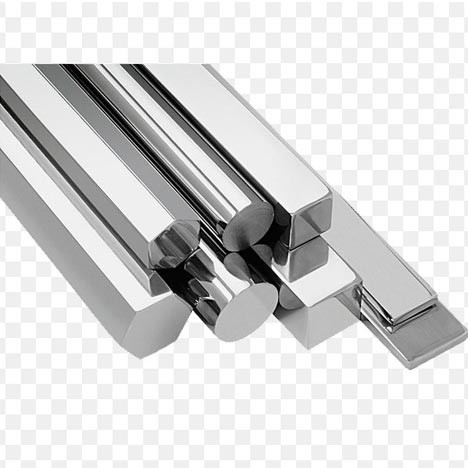
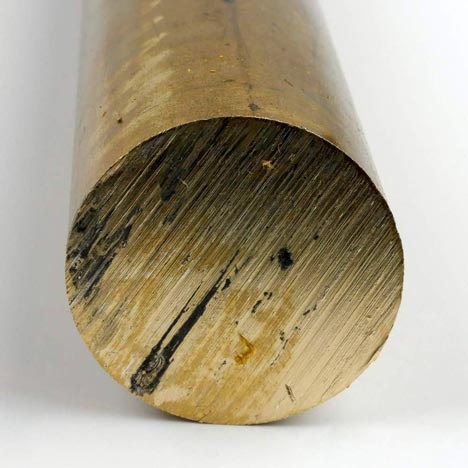
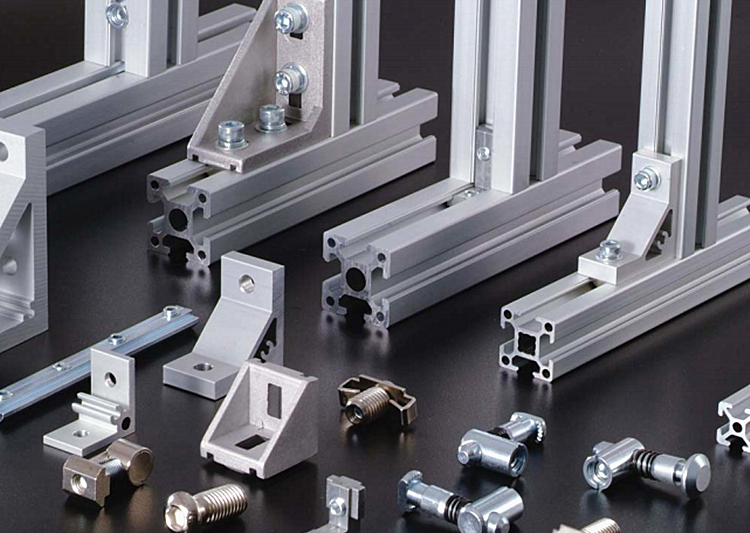
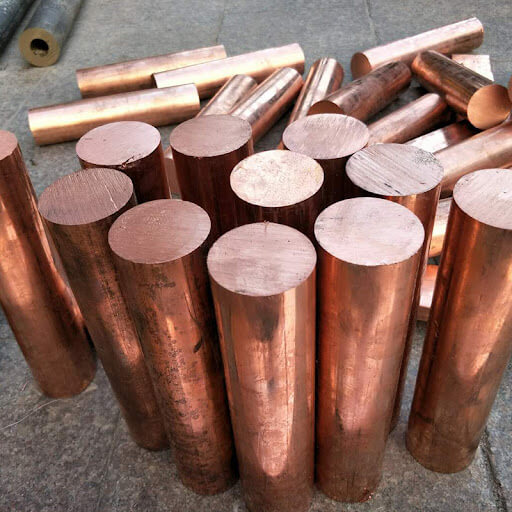
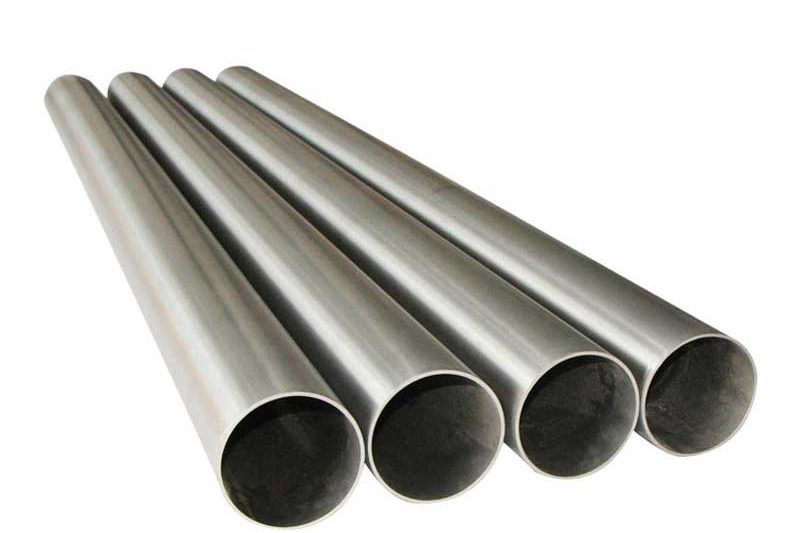
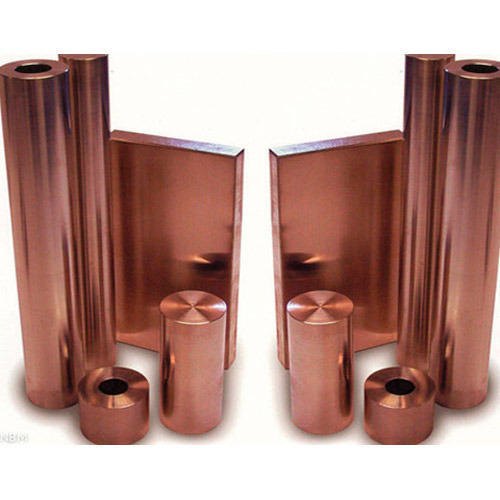
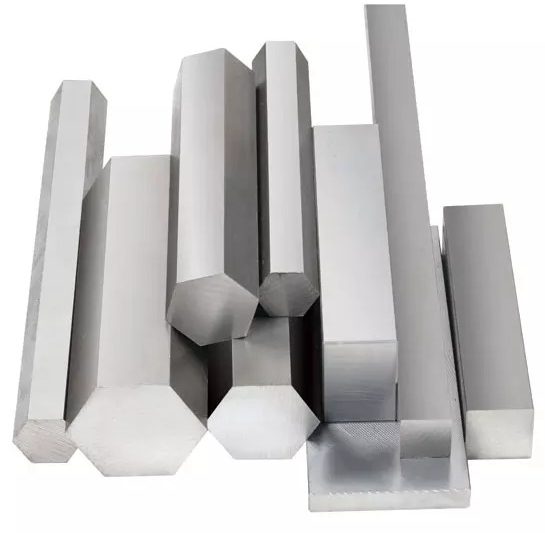
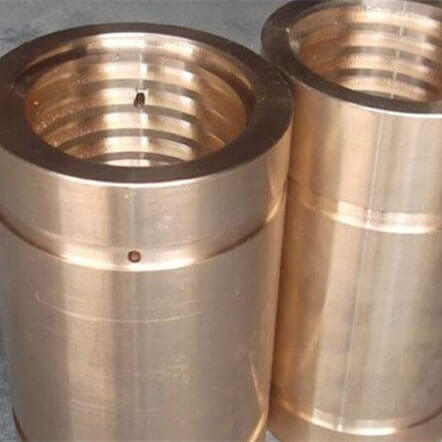
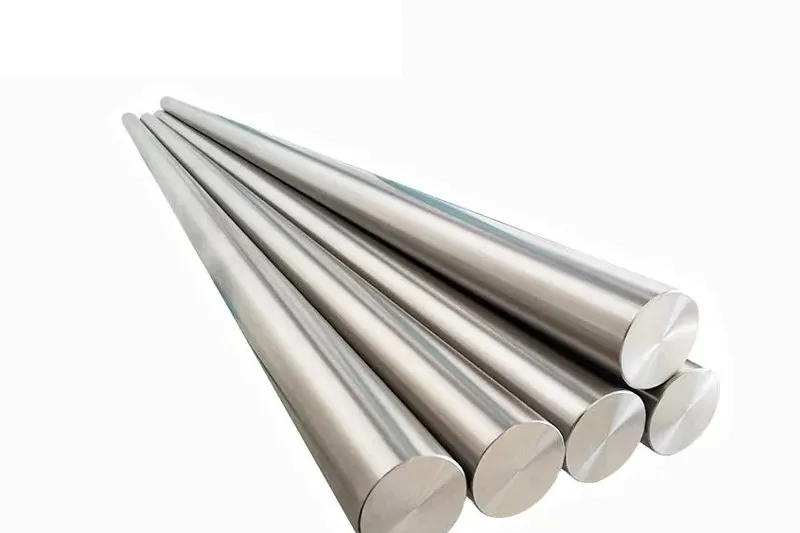
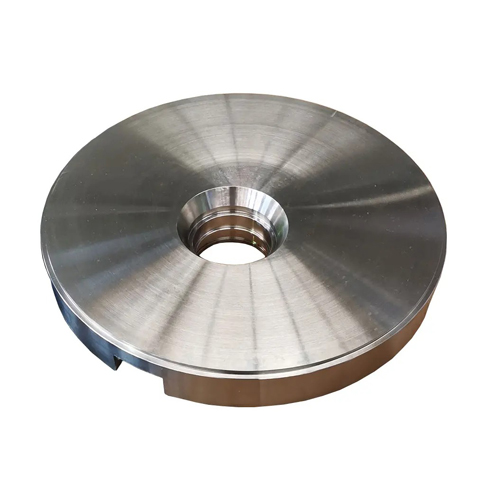
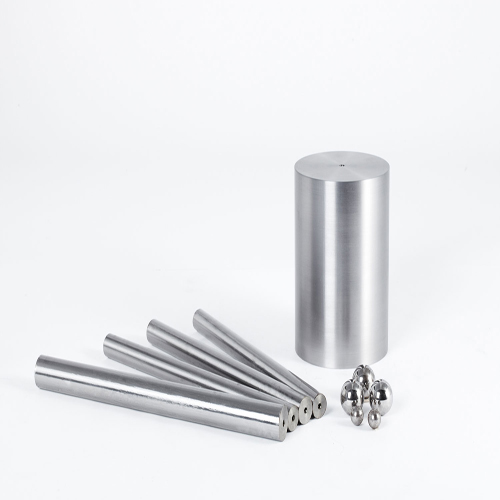
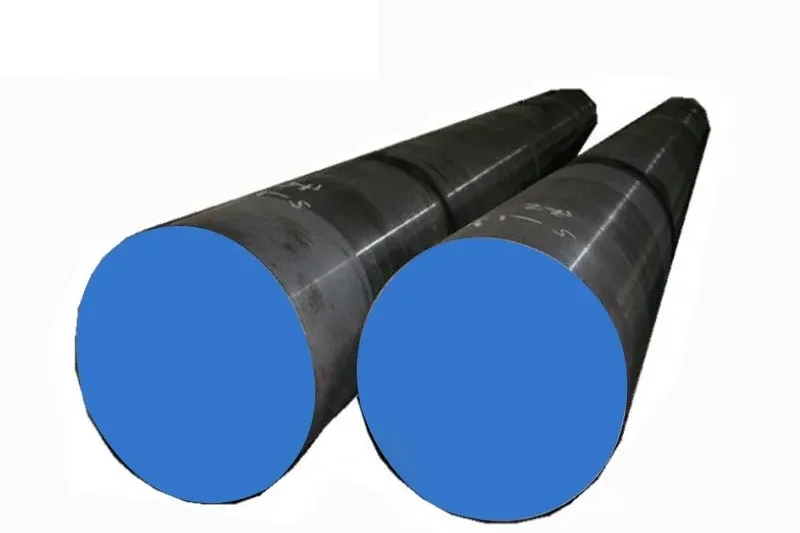
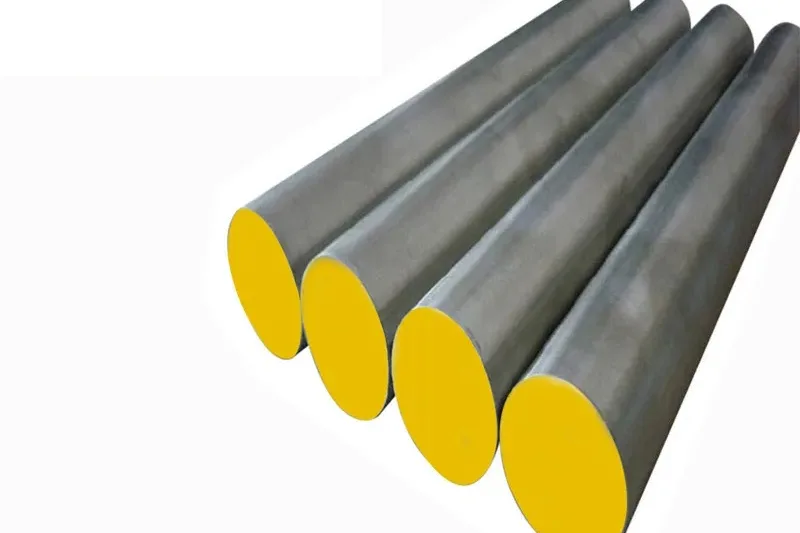
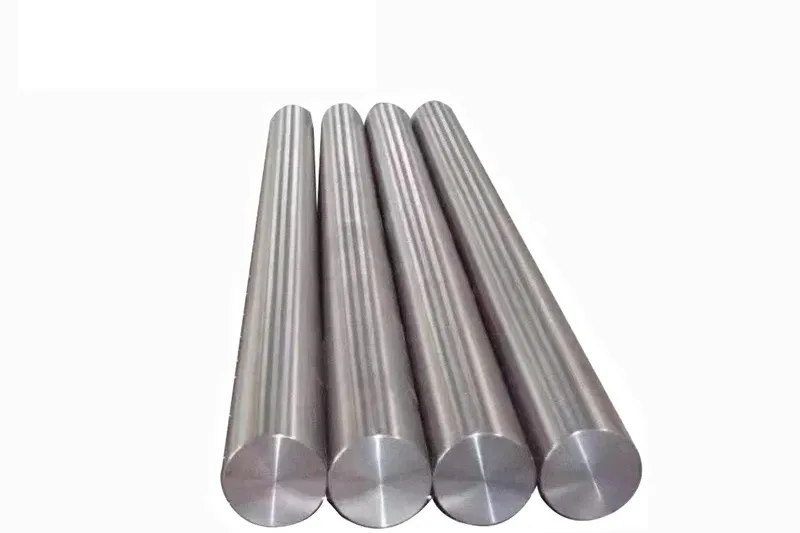
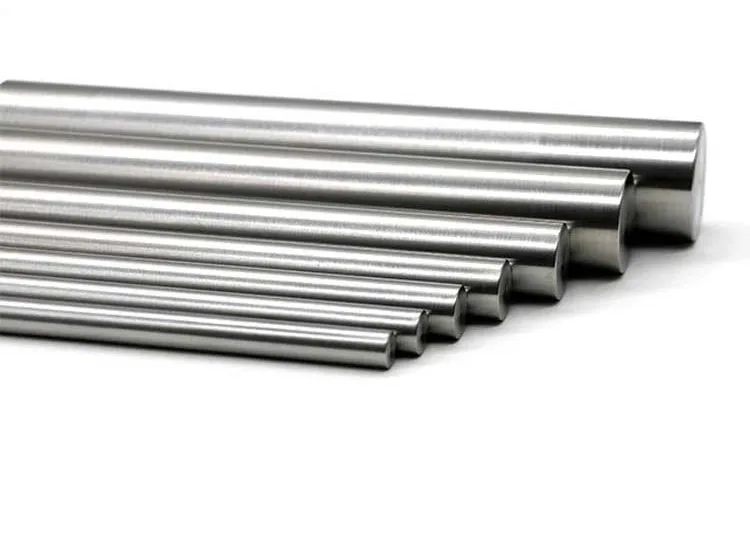
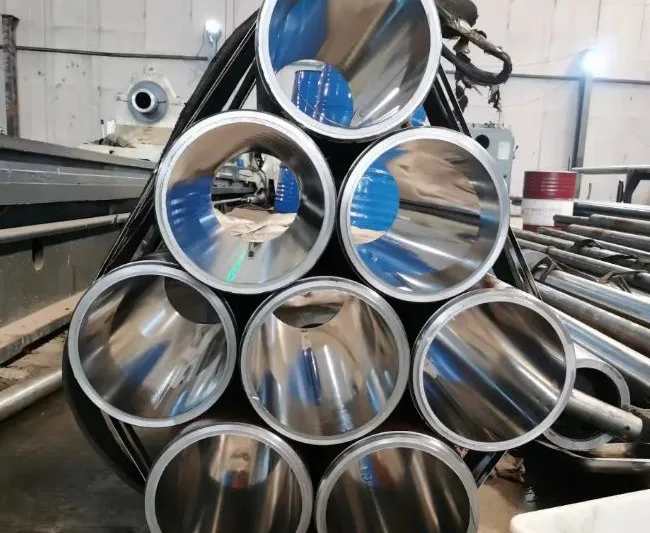
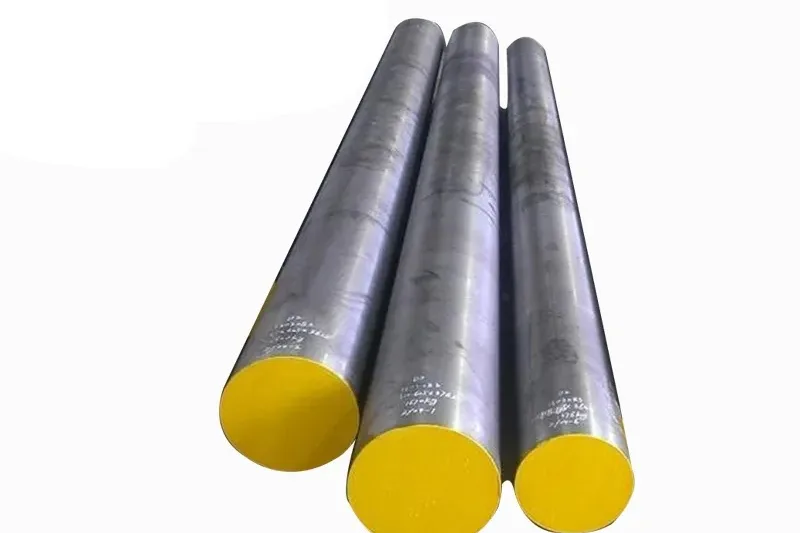
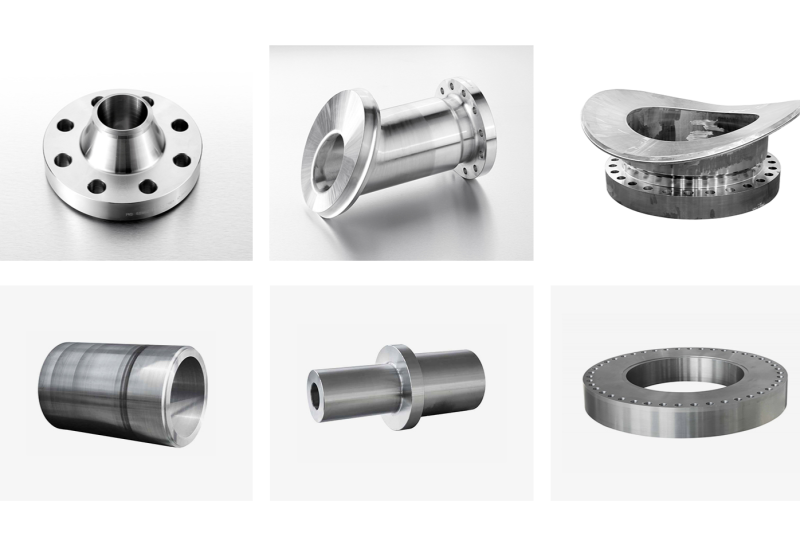
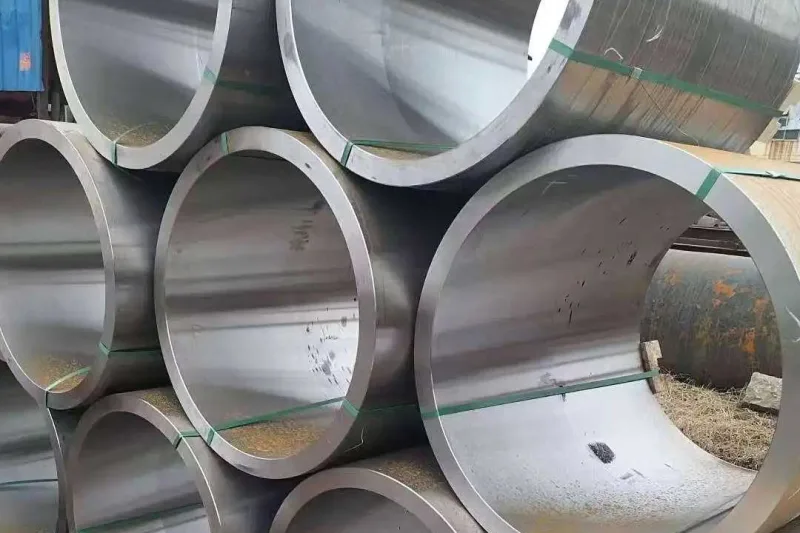
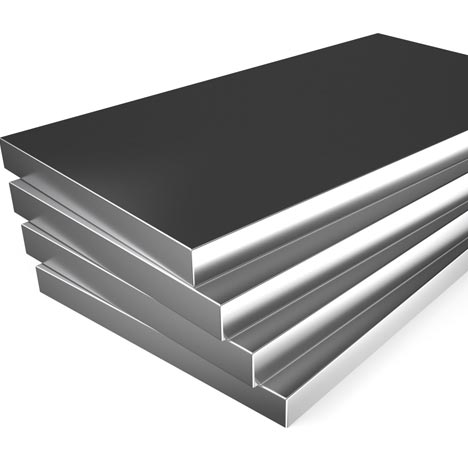
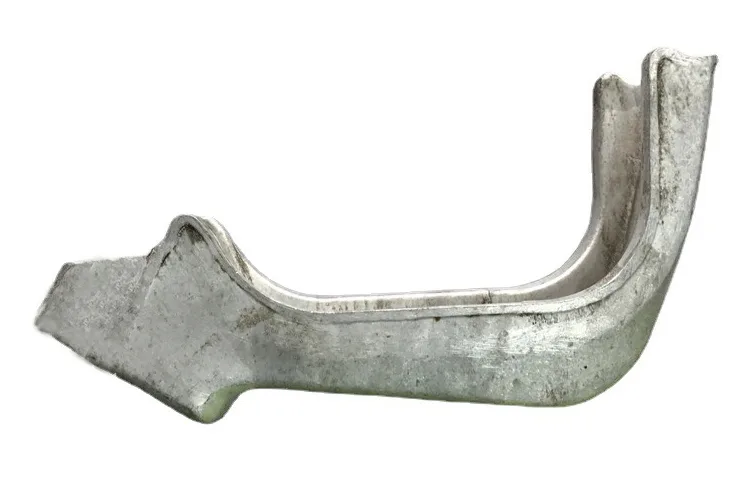
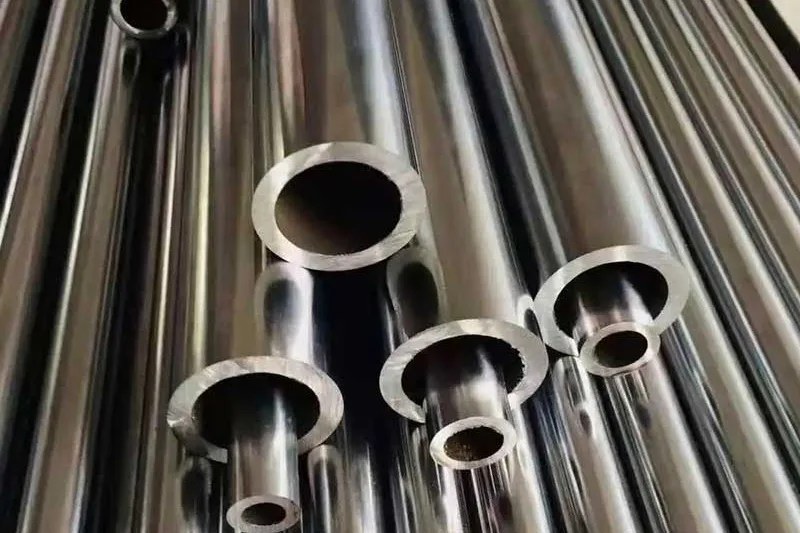
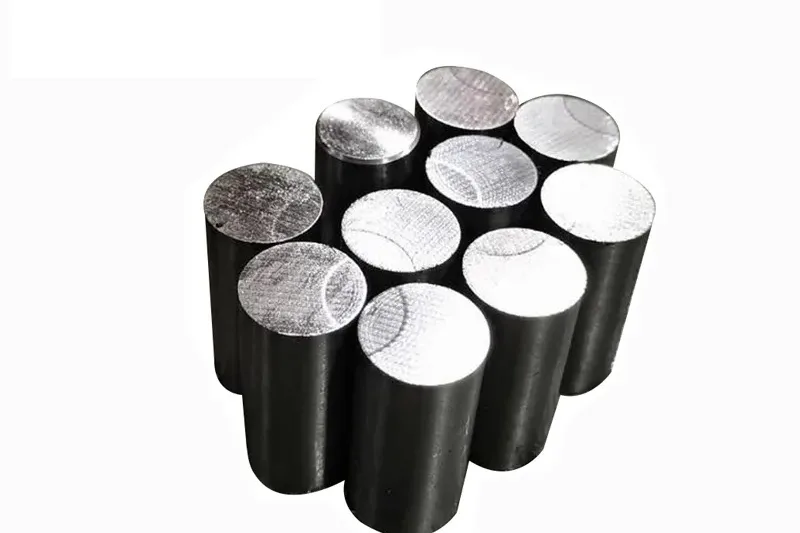
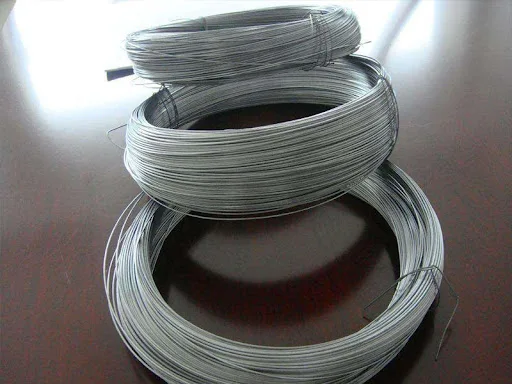
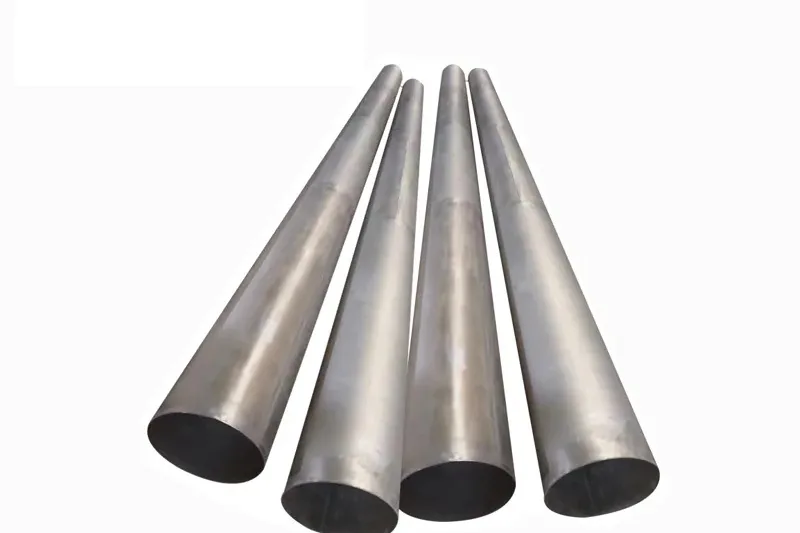
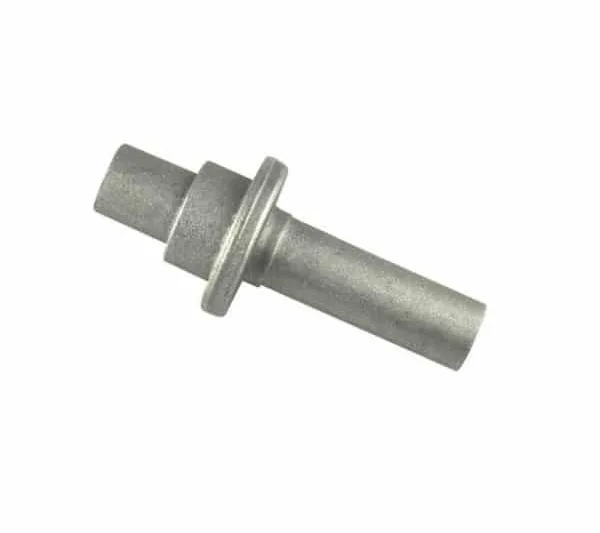
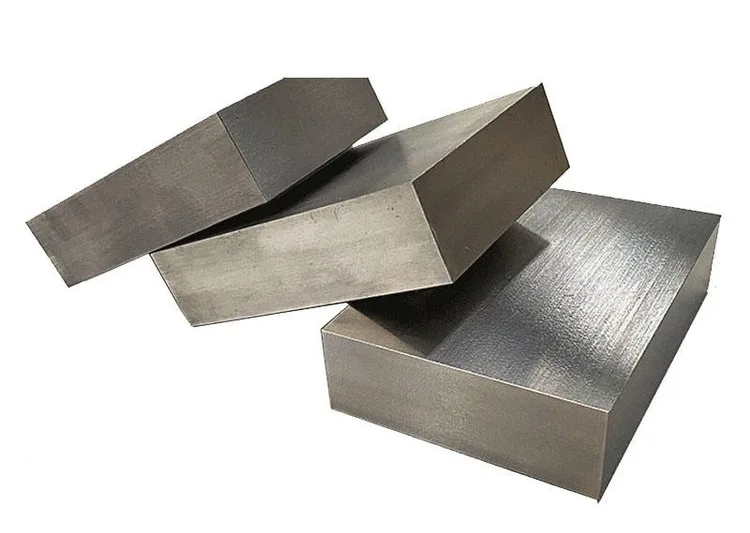
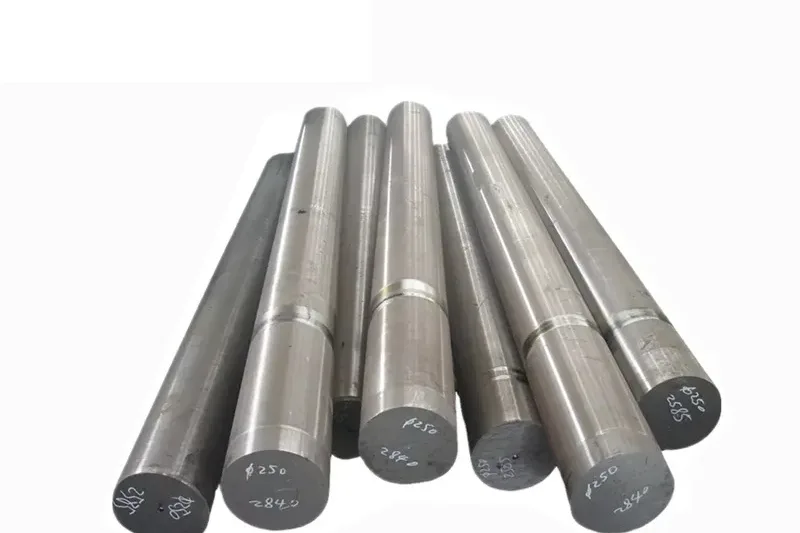
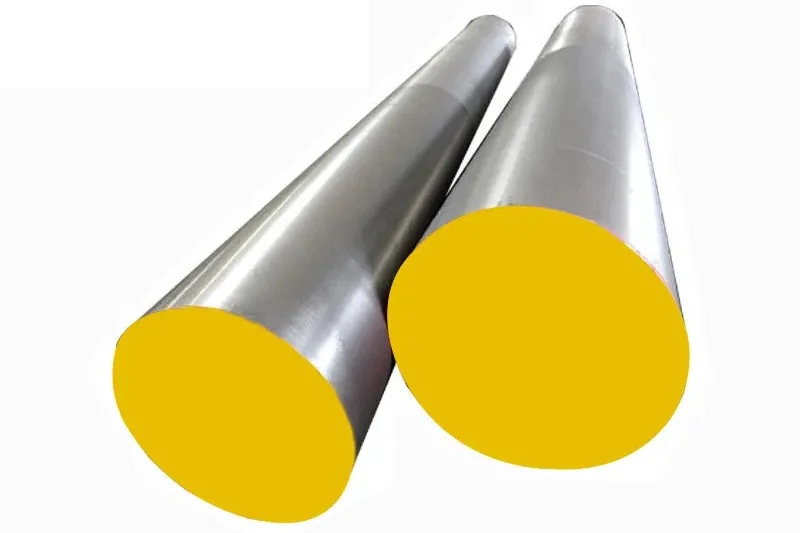
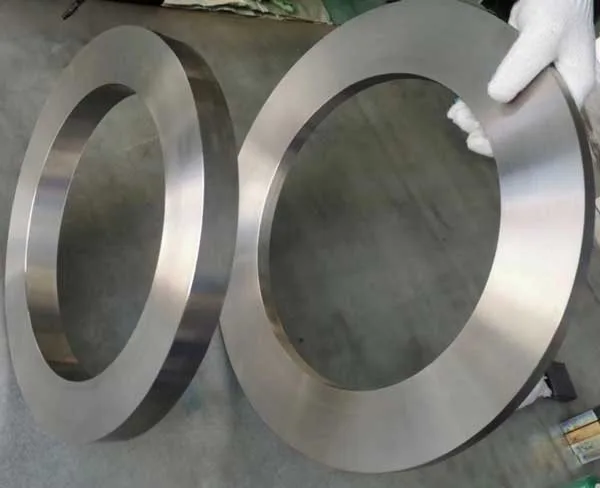
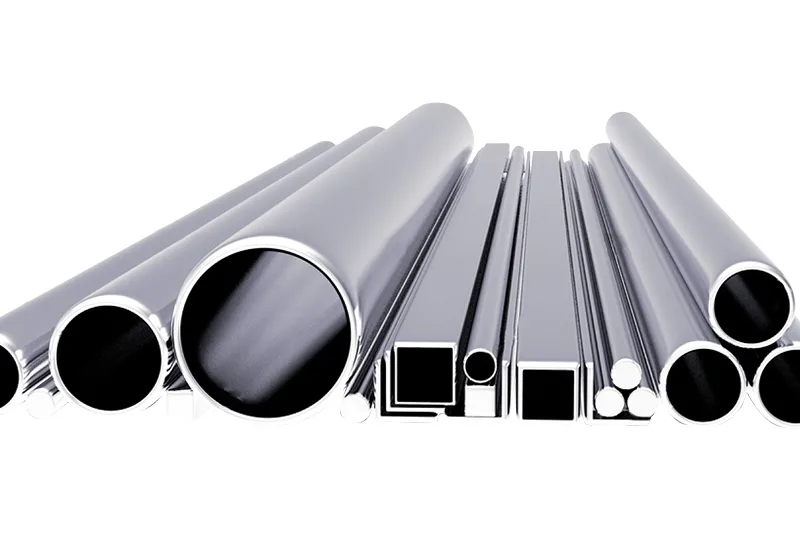
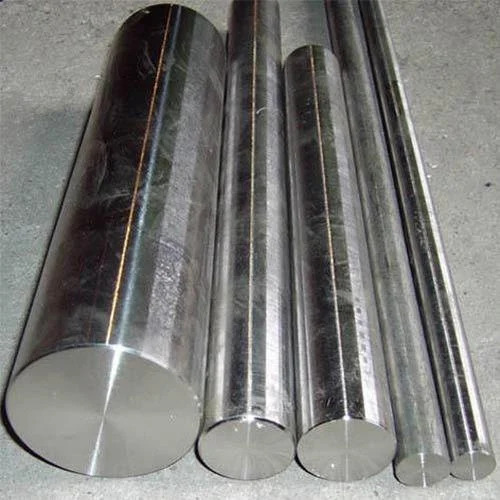
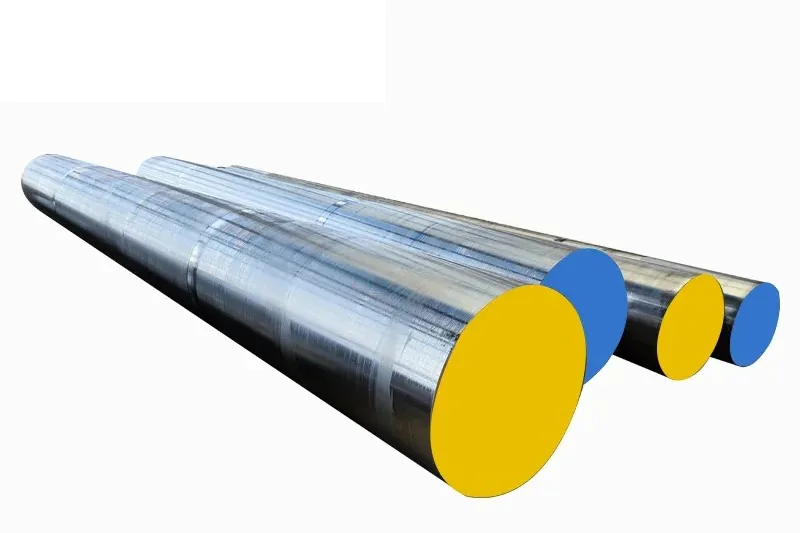
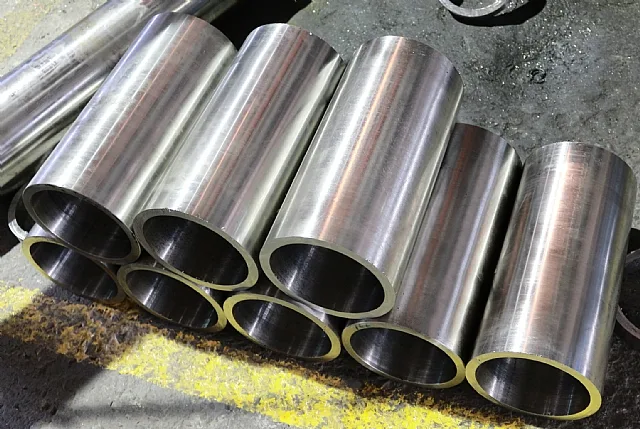
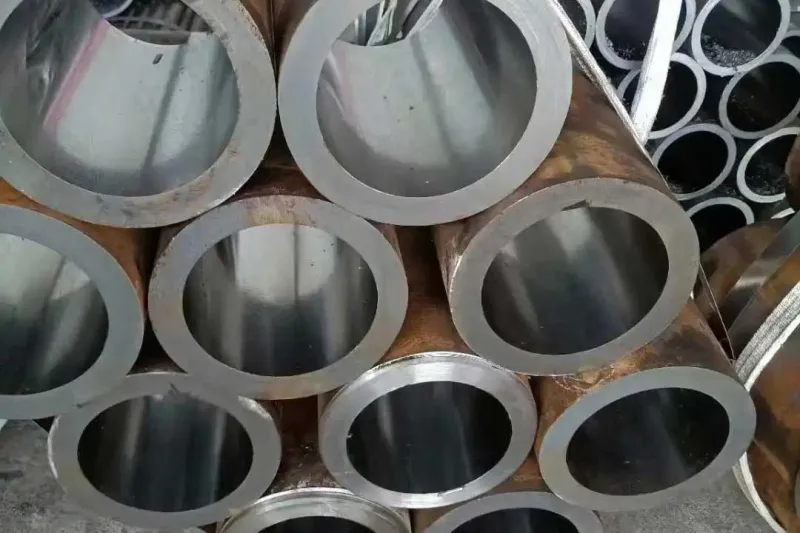
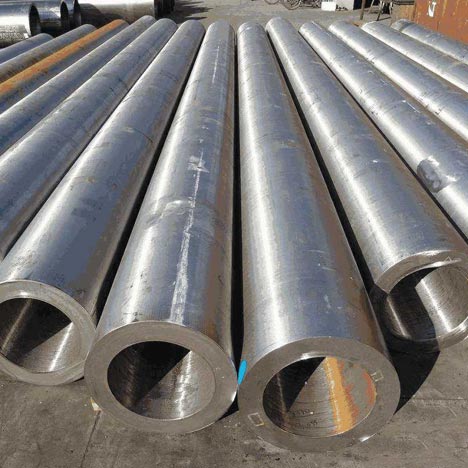
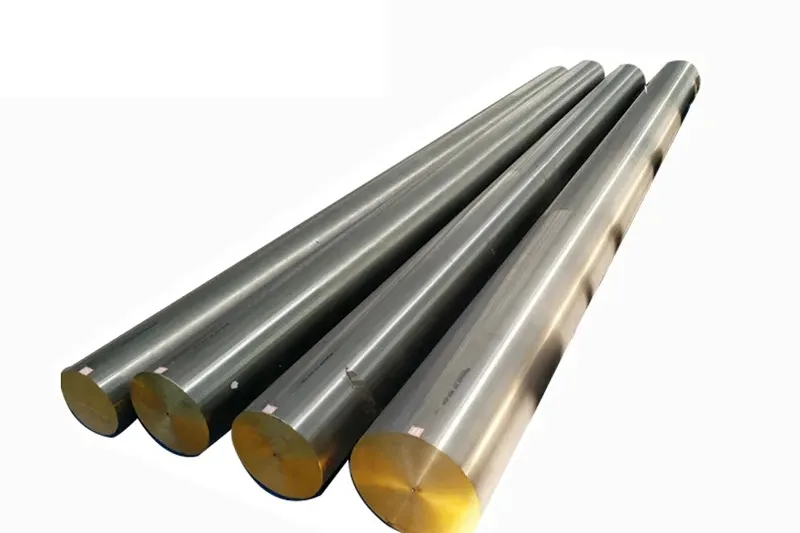
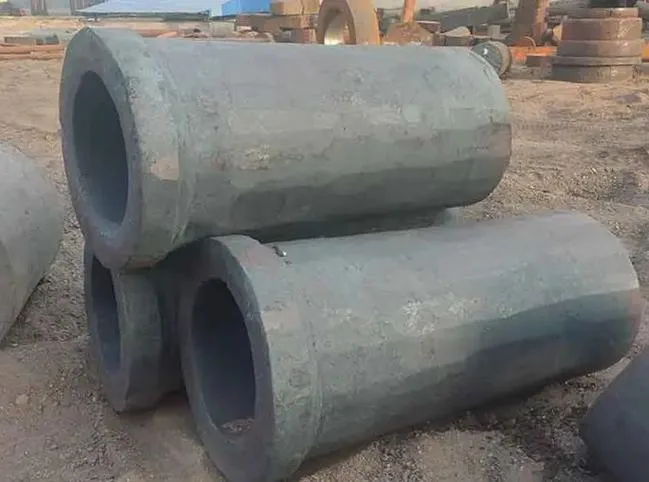
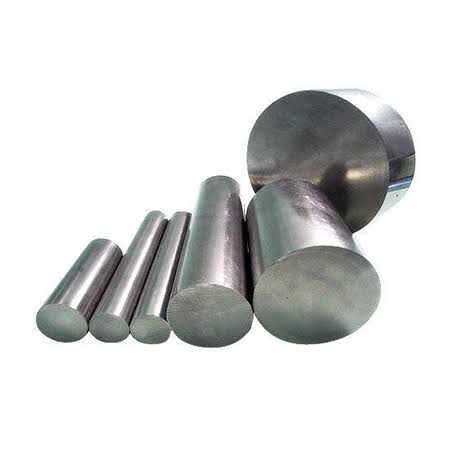
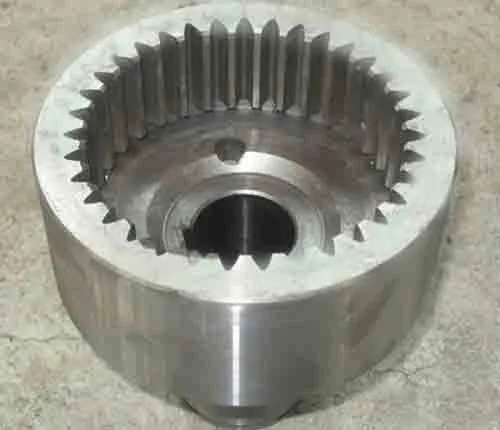
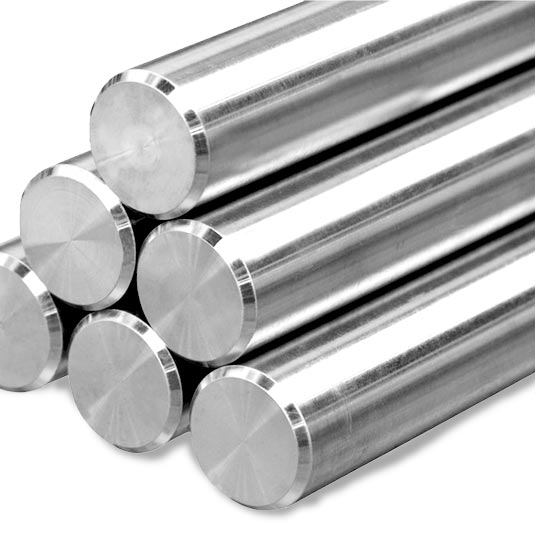
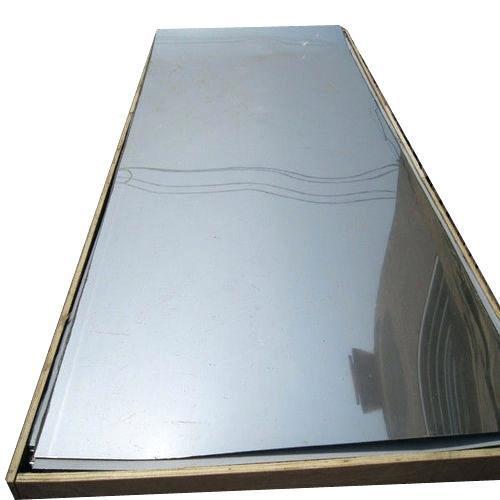
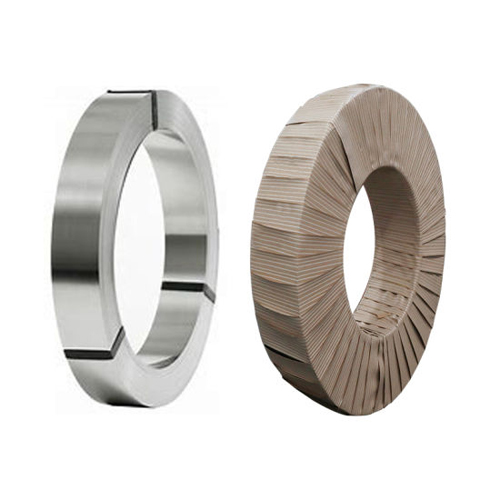
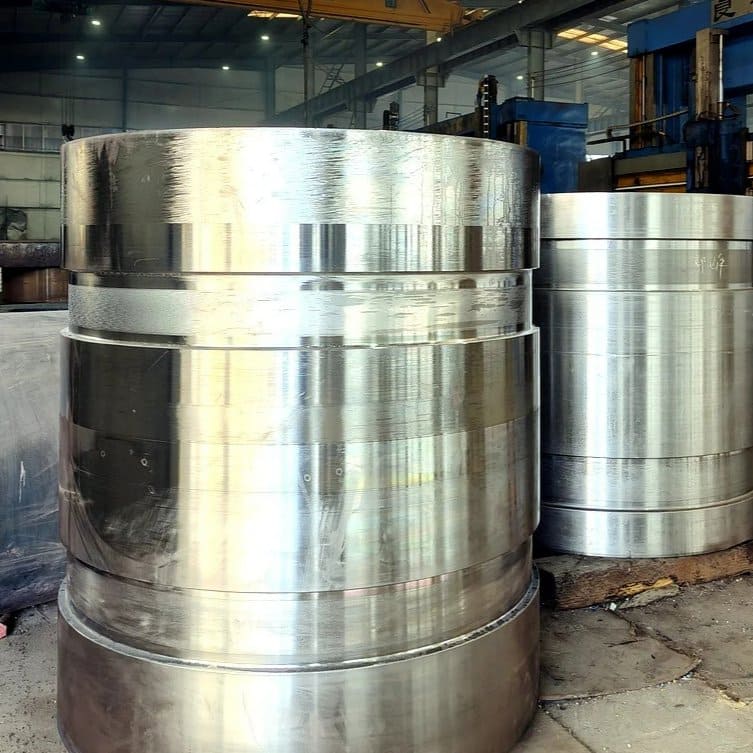
The versatility of open die forging extends to an array of product types tailored to specific needs. Common items include solid round bars, hexagons, octagons, rings, discs, slabs, and custom-shaped pieces. These can be further processed through machining, heat treatment, or surface finishing to meet exact specifications required by end-users. Whether it’s a massive ring for a ship’s propeller hub or a precision-machined stub axle for automotive applications, open die forging offers unparalleled adaptability in creating robust, dependable metal components.