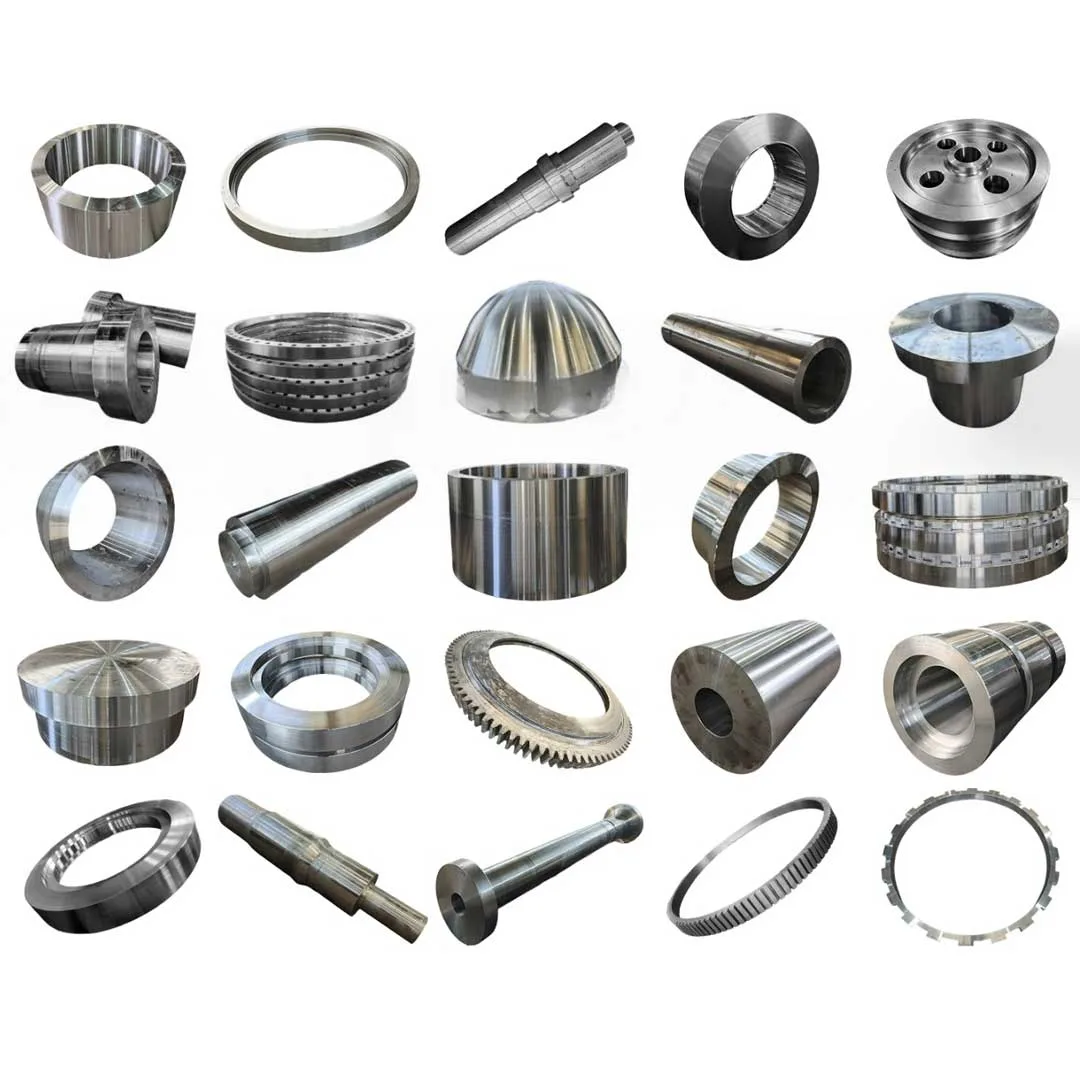
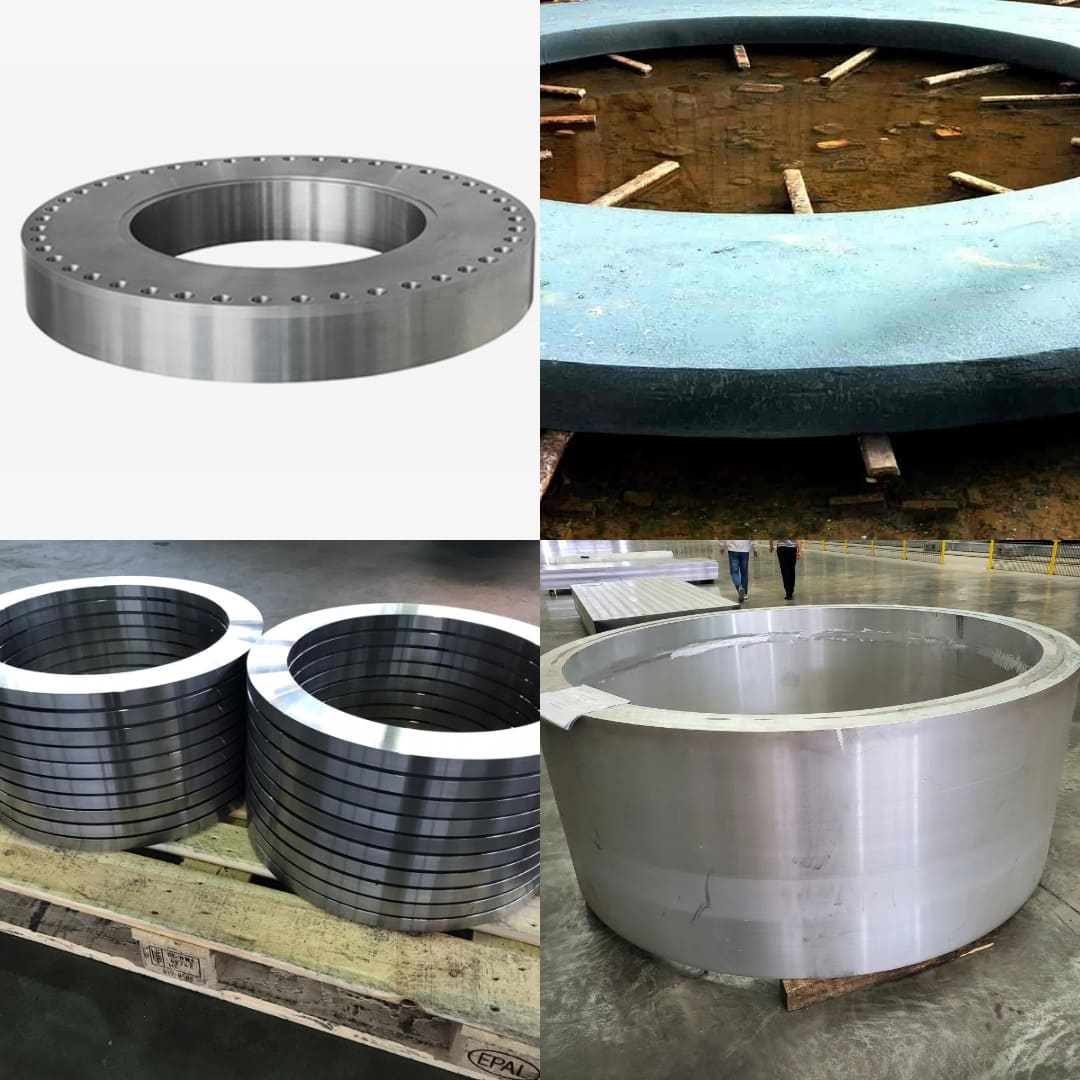
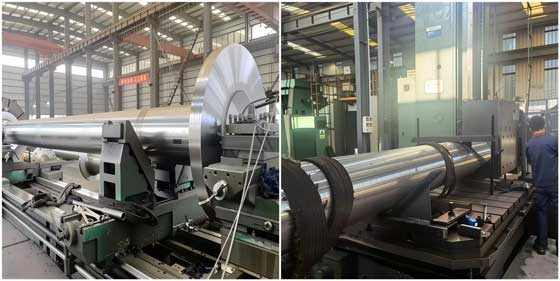
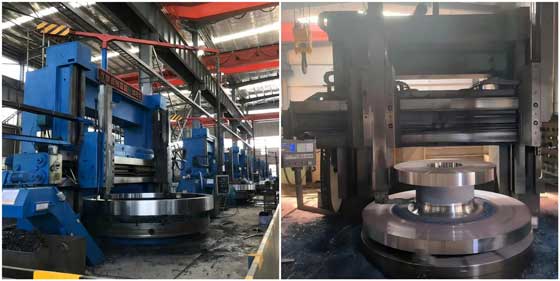
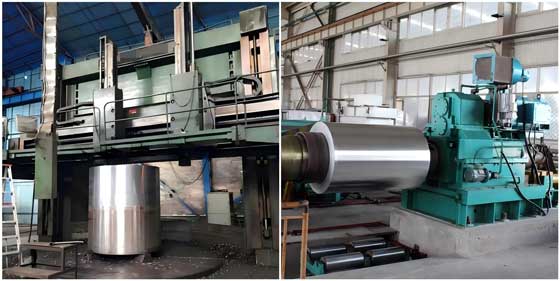
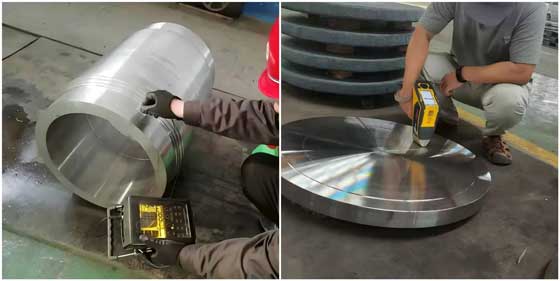
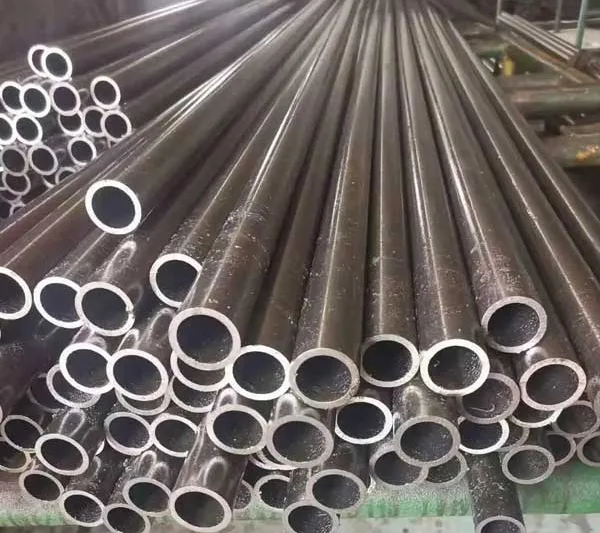
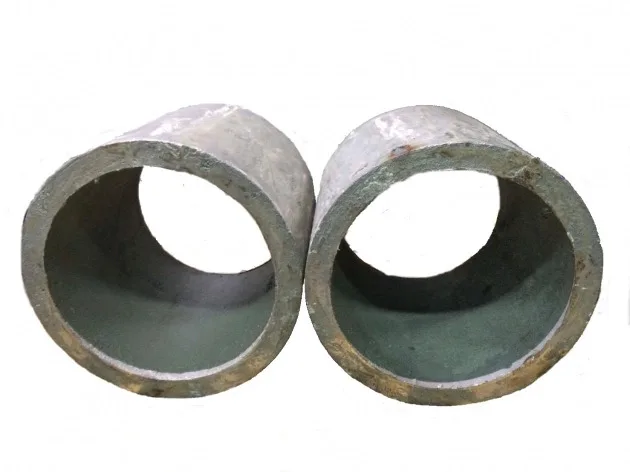
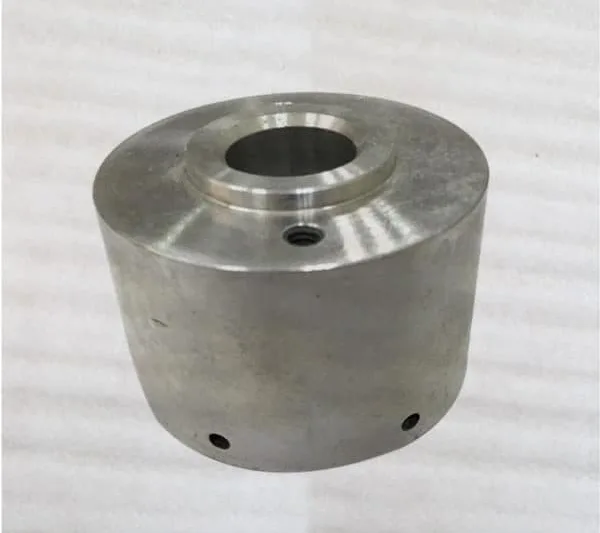
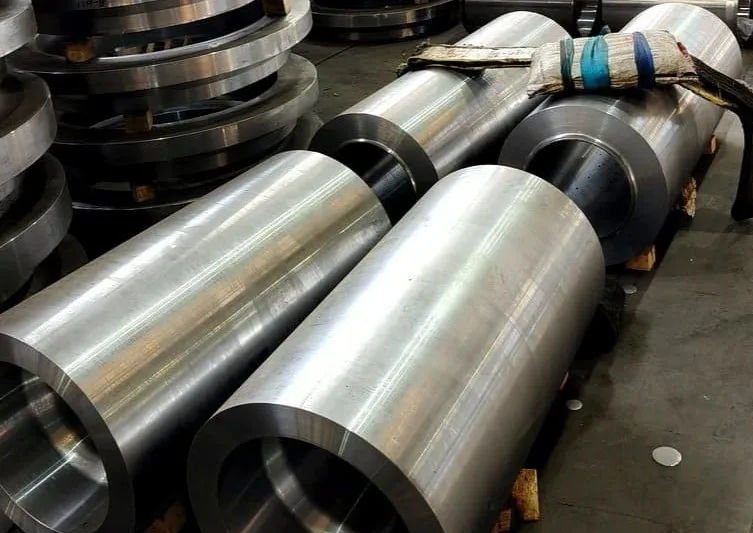
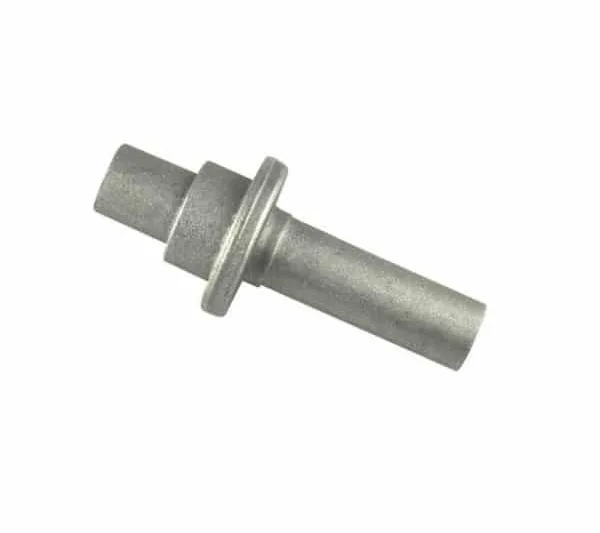
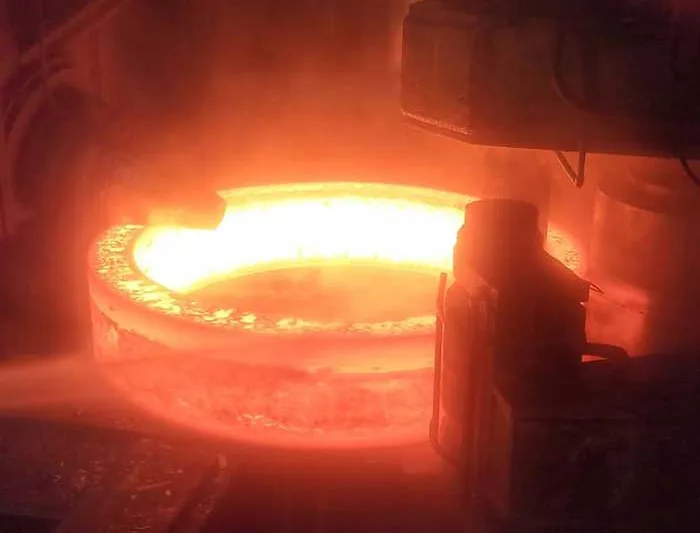
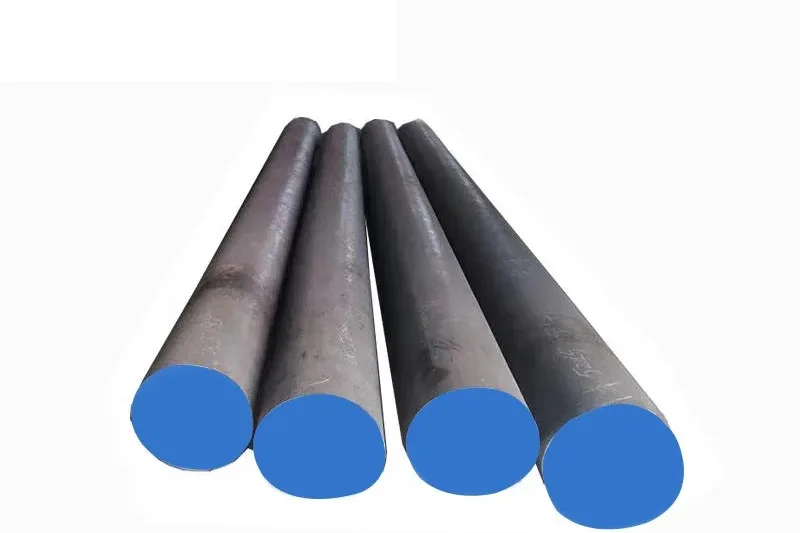
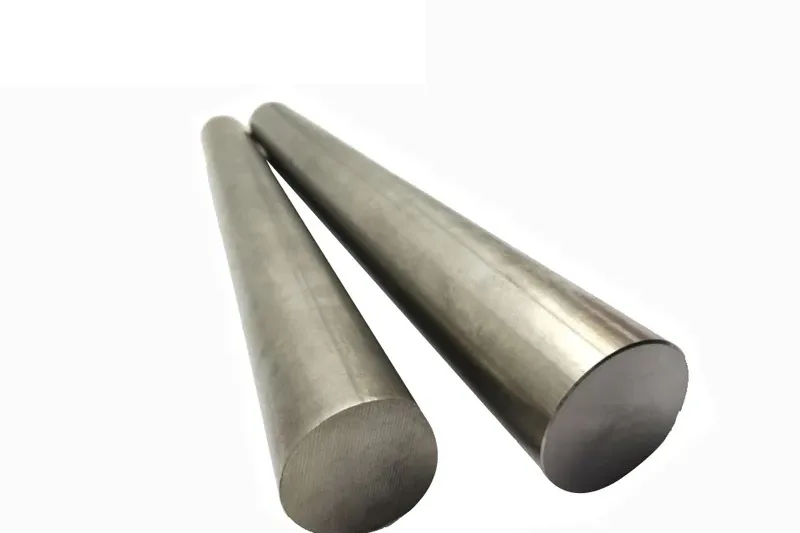
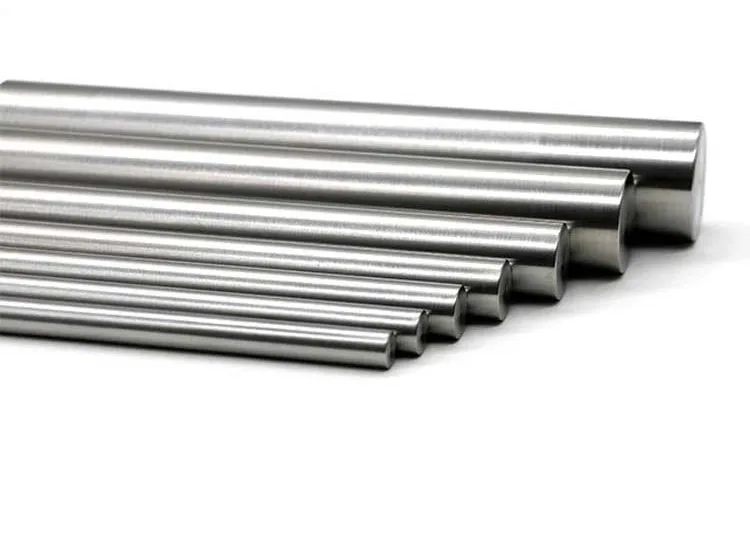
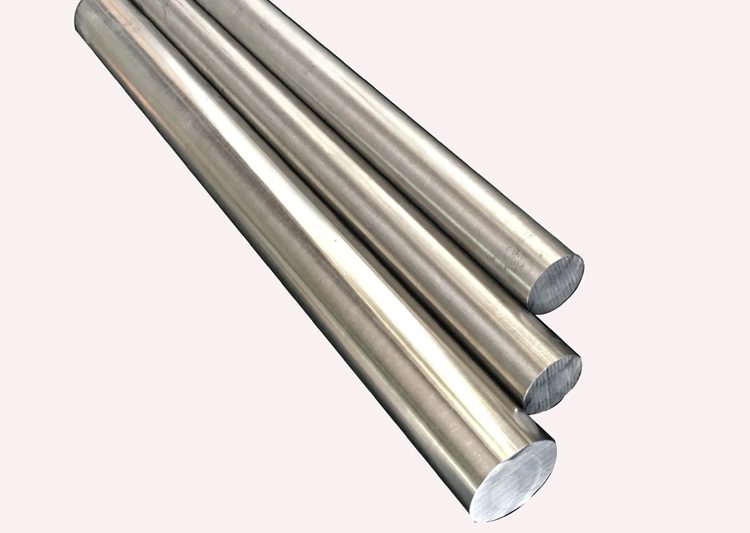
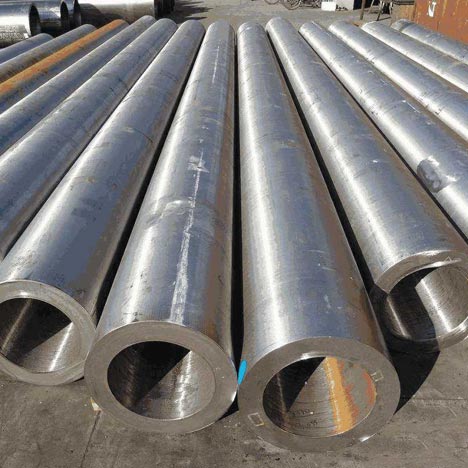
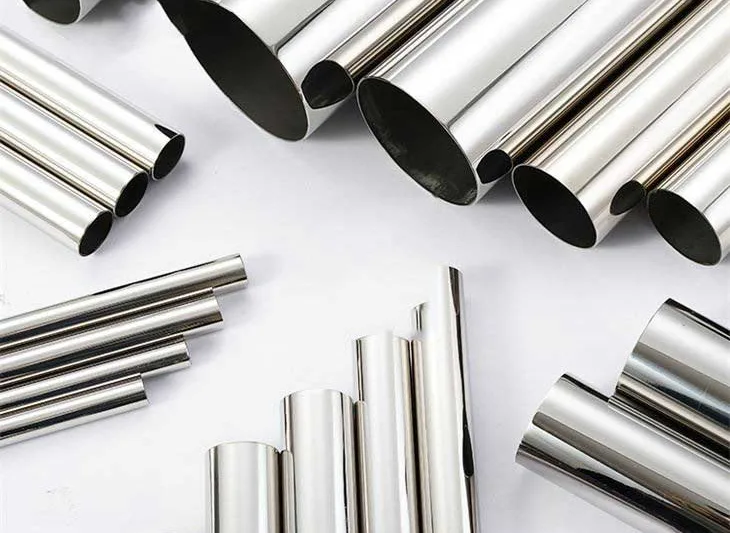
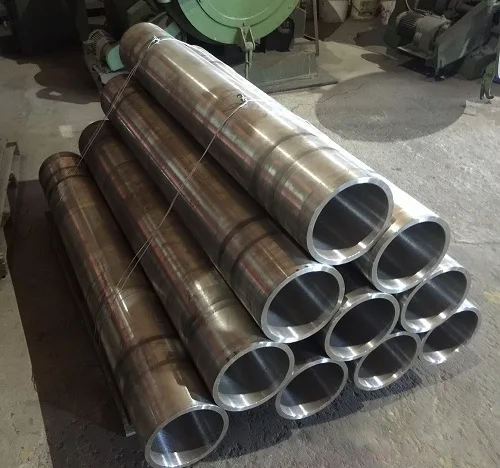
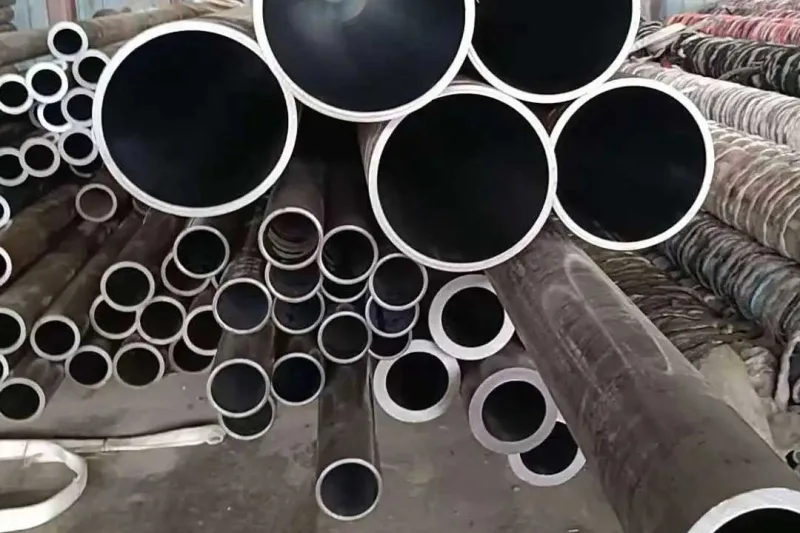
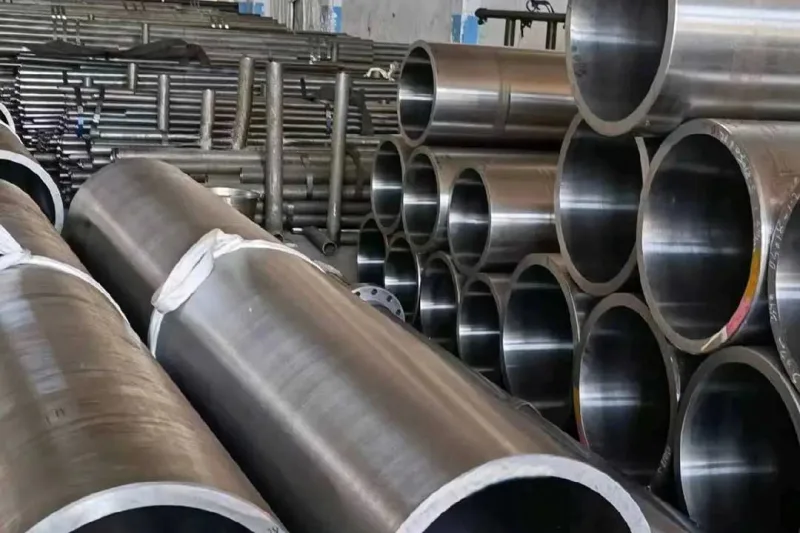
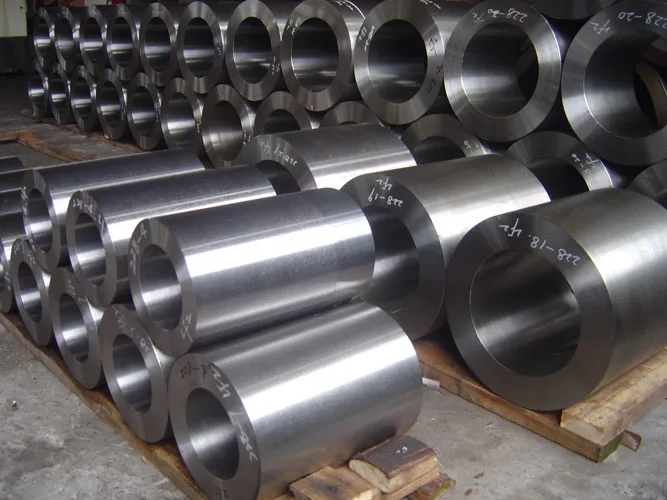
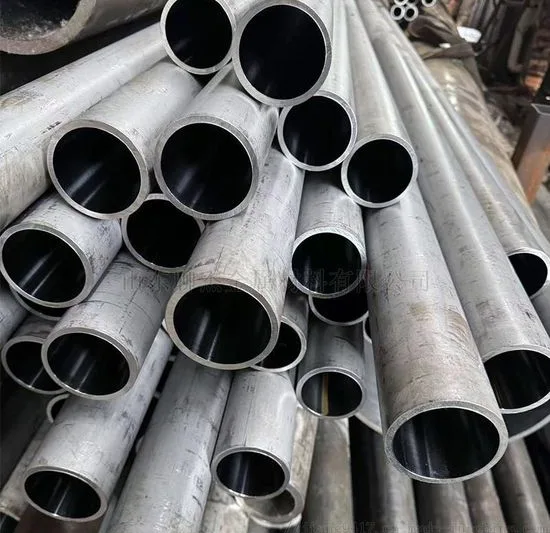
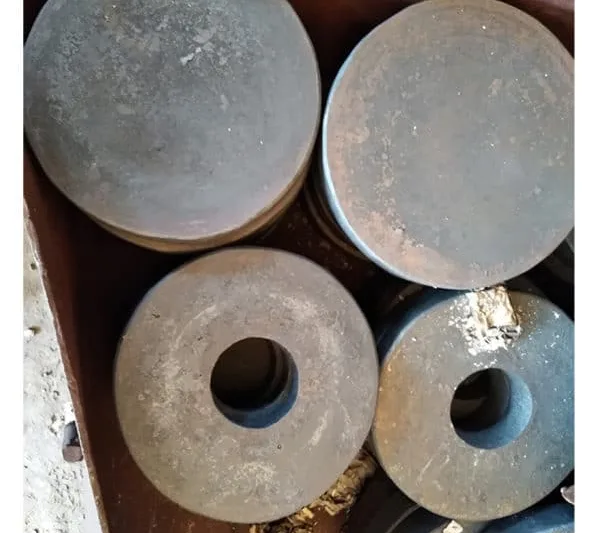
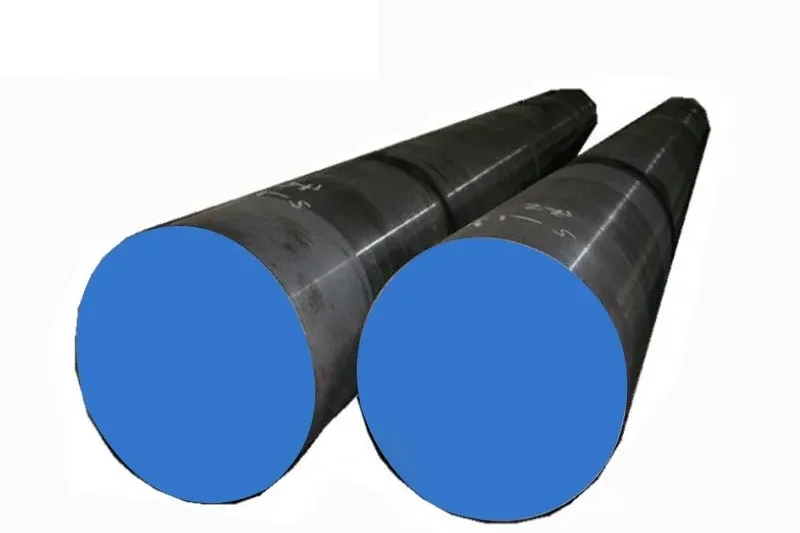
Precision CNC Turned Alloy Steel Sleeve
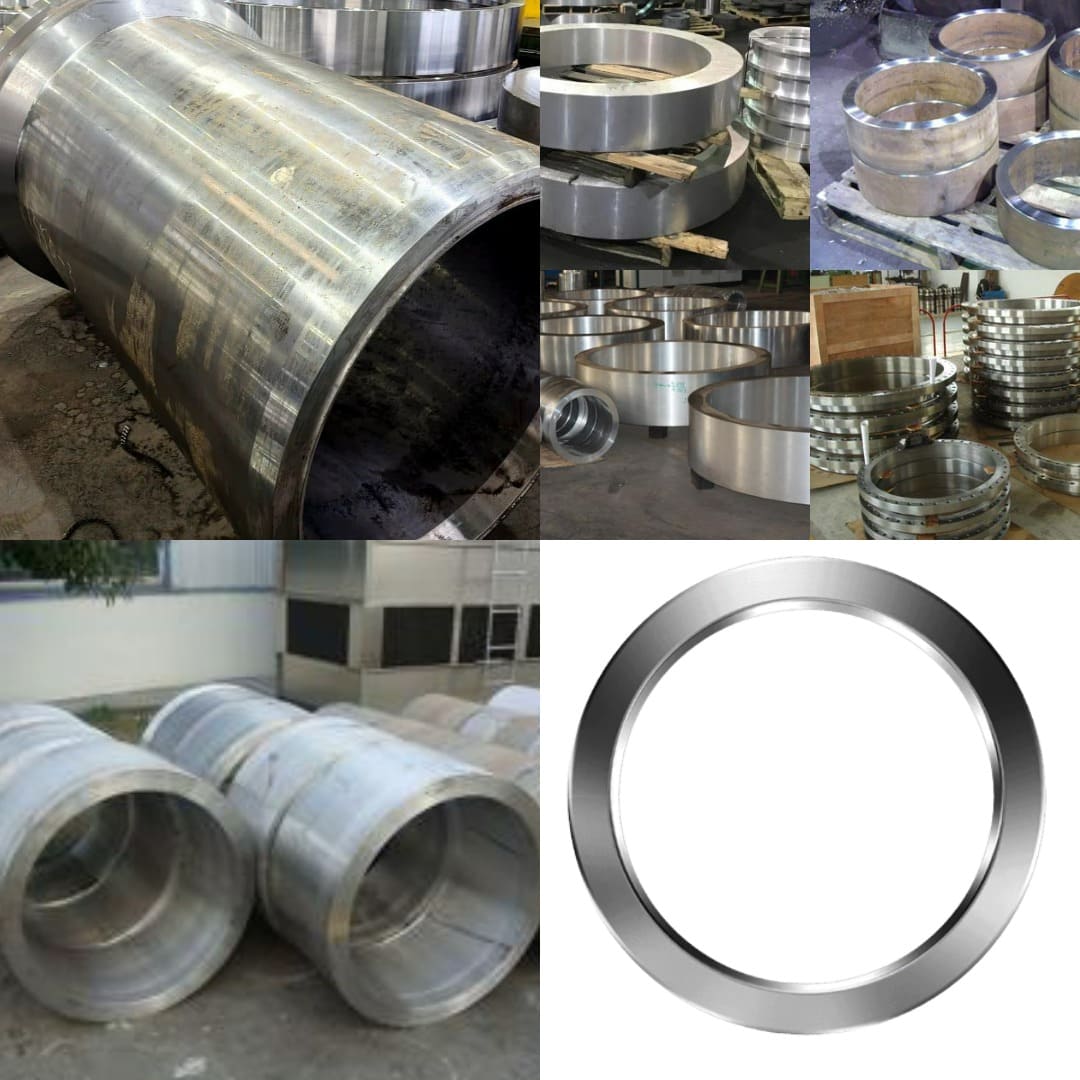
Precision CNC Turned Alloy Steel Sleeve: The Backbone of High-Performance Machinery
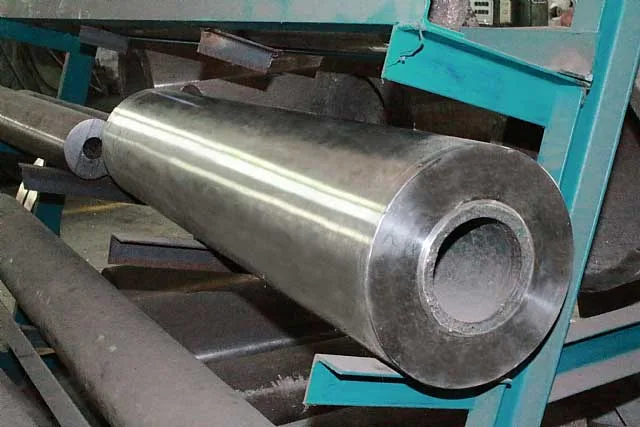
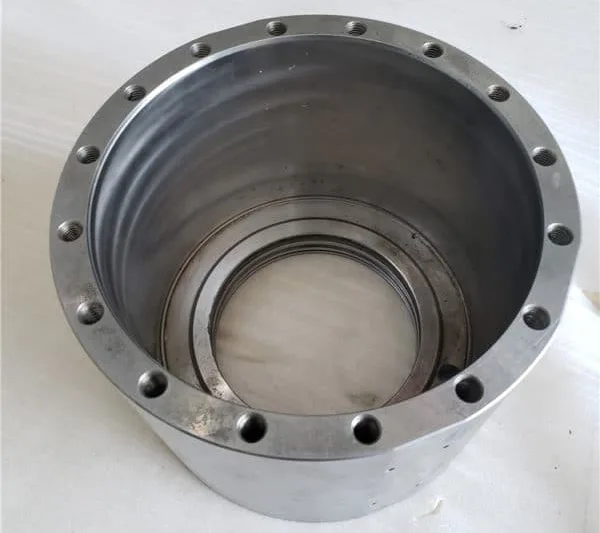
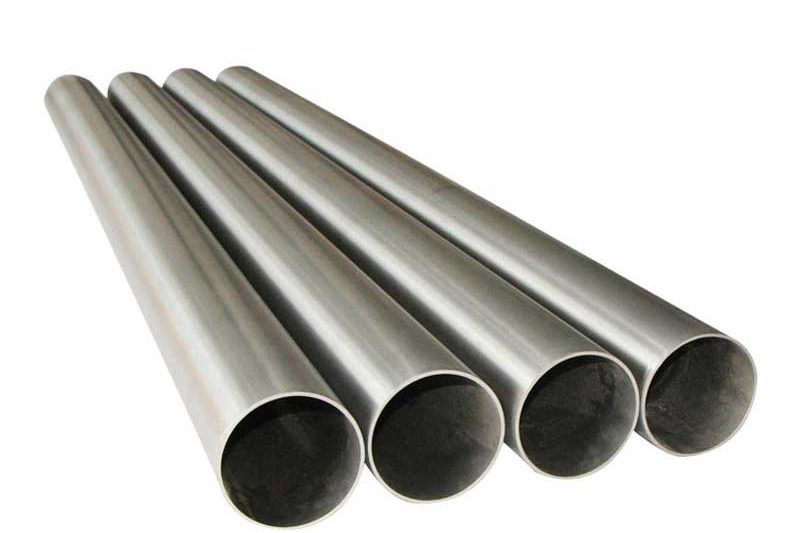
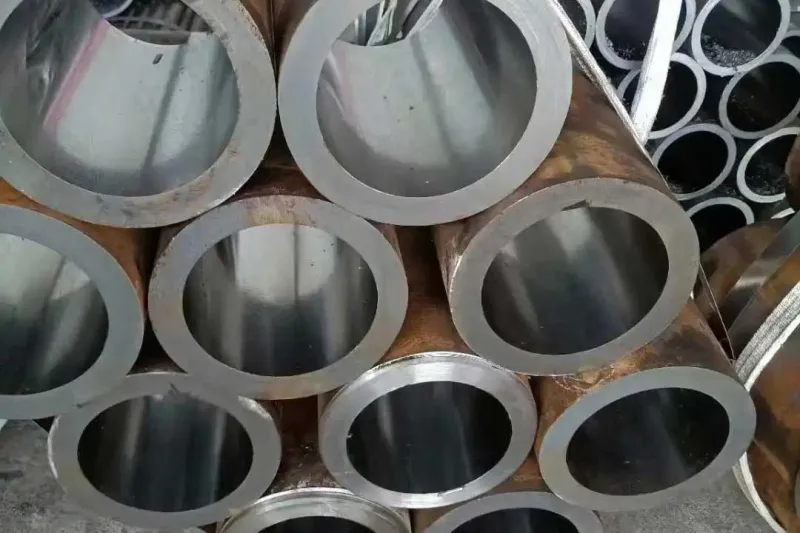
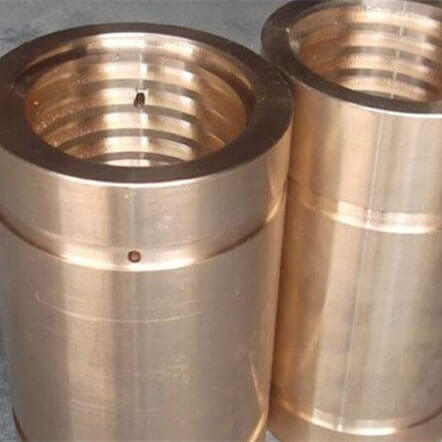
In the world of industrial manufacturing, few components embody the principles of durability and accuracy as perfectly as the Precision CNC Turned Alloy Steel Sleeve. This cylindrical component, often overlooked, plays a critical role in ensuring the reliability, efficiency, and longevity of heavy-duty mechanical systems. By combining advanced CNC (Computer Numerical Control) turning technology with the superior mechanical properties of alloy steel, these sleeves have become indispensable across sectors ranging from automotive to aerospace.
Material Composition: The Strength Behind the Steel
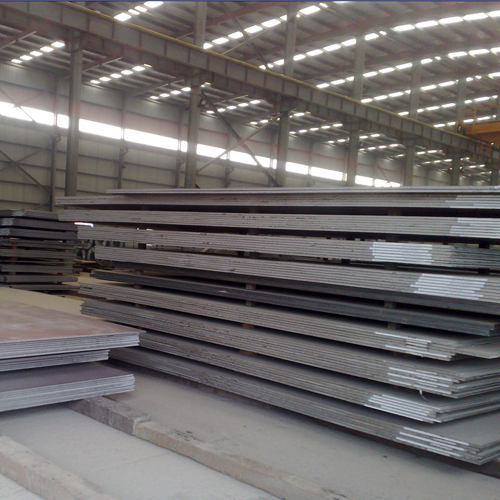
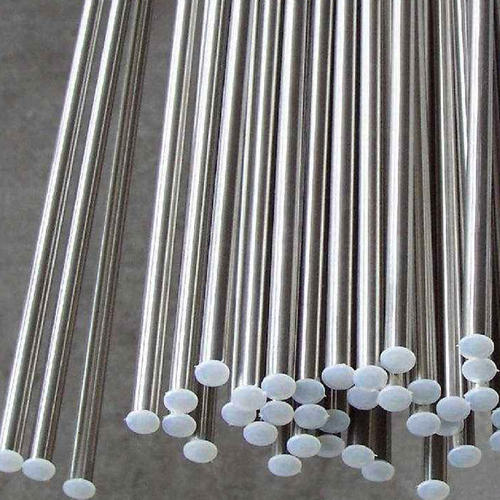
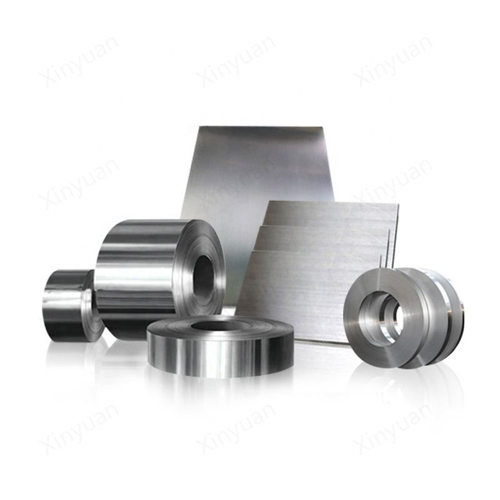
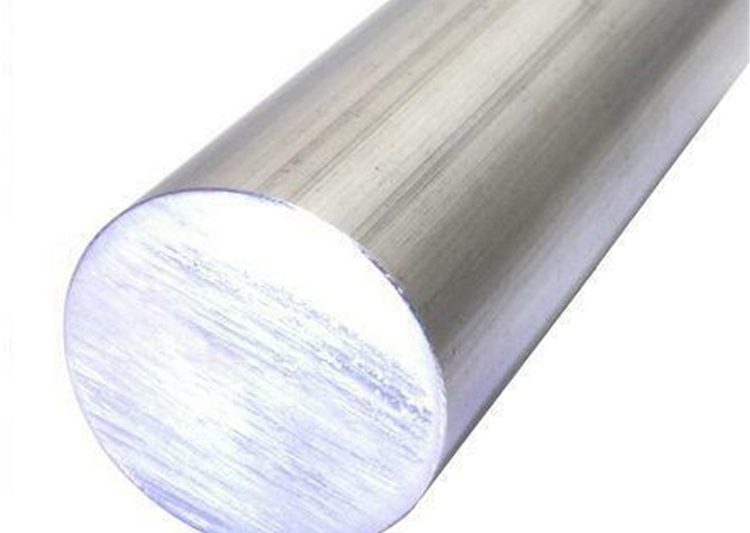
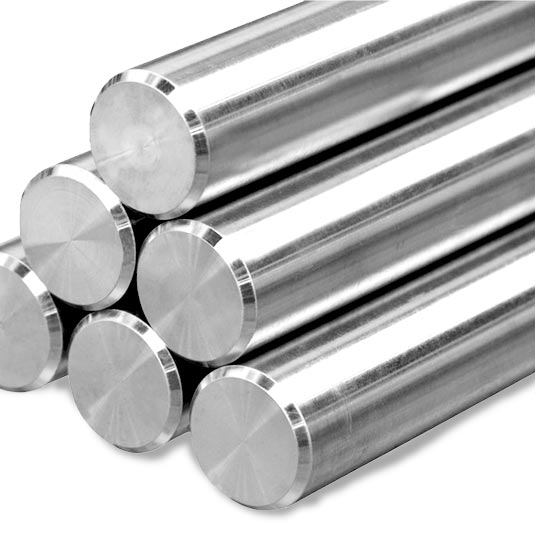
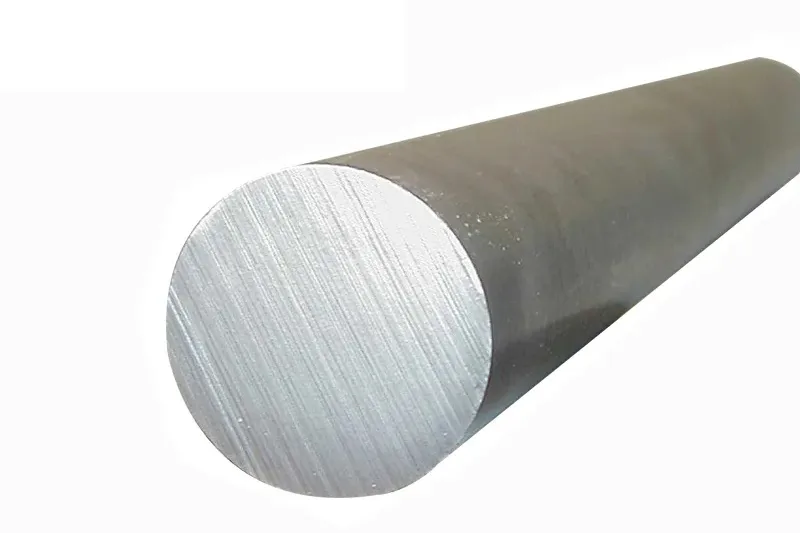
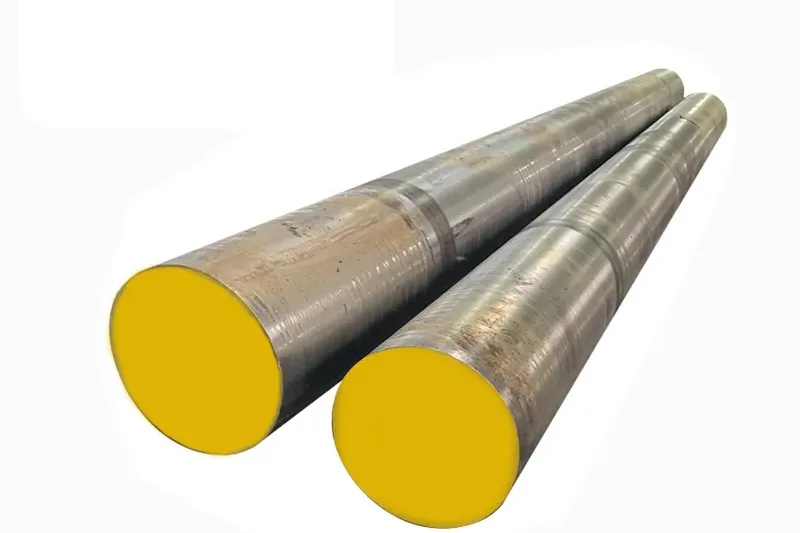
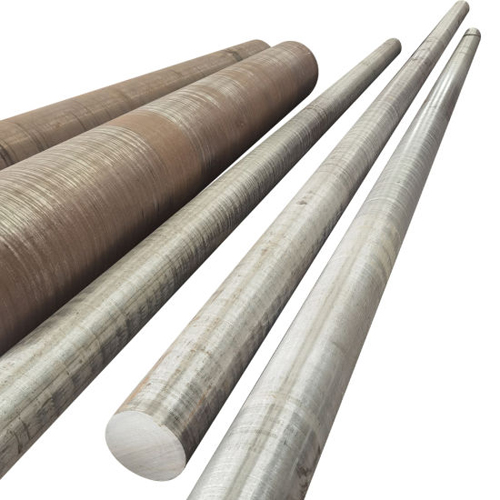
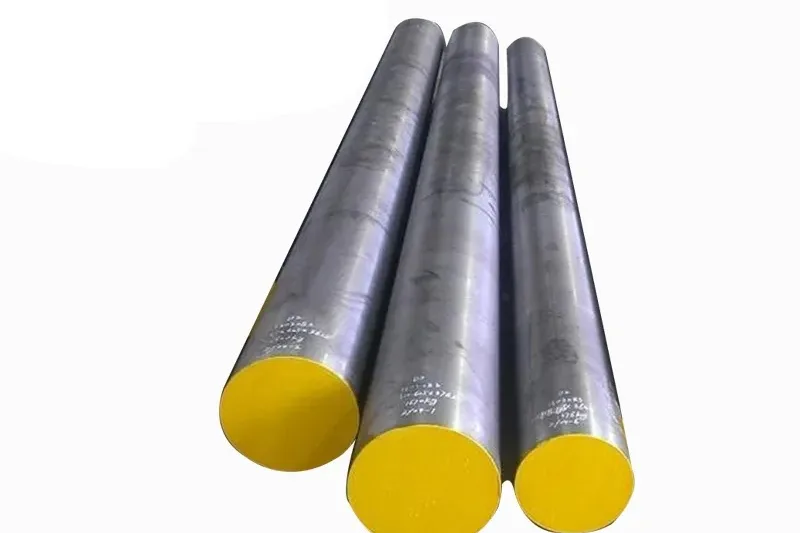
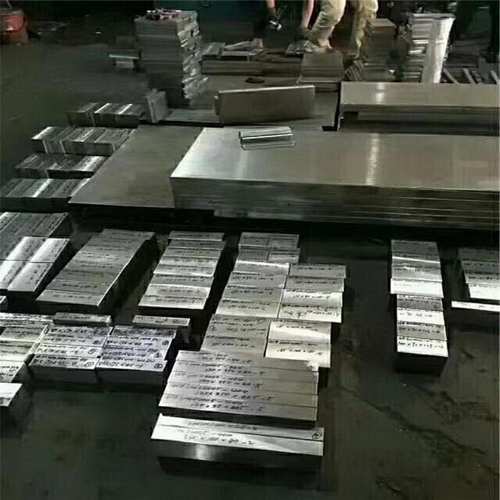
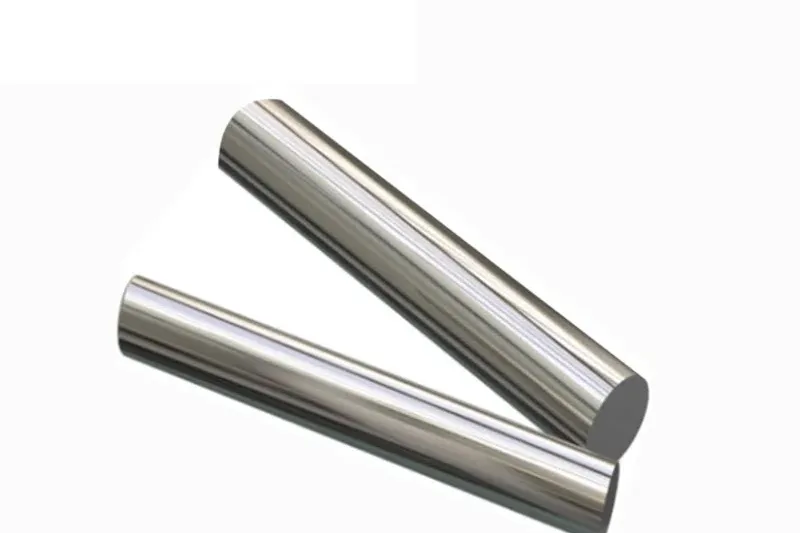
The performance of any sleeve begins with its material. As the name suggests, these sleeves are manufactured from alloy steel—a steel that has been enhanced with additional alloying elements beyond standard carbon steel. Typical alloying elements include chromium, molybdenum, nickel, and manganese.
-
Chromium increases hardness, wear resistance, and corrosion protection.
-
Molybdenum enhances high-temperature strength and creep resistance.
-
Nickel improves toughness and impact resistance, even in cold environments.
Depending on the specific grade (such as AISI 4140, 4340, or 8620), the alloy steel sleeve can achieve tensile strengths exceeding 850 MPa while maintaining excellent fatigue resistance. Many sleeves also undergo heat treatment processes like quenching and tempering or case hardening to achieve a hard outer surface (up to 60 HRC) while keeping a tough, ductile core. This combination of strength and toughness is why alloy steel is preferred over standard carbon steel or aluminum for high-load applications.
Dimensions: Engineered for Absolute Precision
What sets a precision CNC turned sleeve apart from a standard machined part is its dimensional accuracy. Using multi-axis CNC lathes with live tooling, manufacturers can achieve tolerances that often fall within ±0.005 mm (±0.0002 inches) or even tighter.
Typical dimensional ranges for such sleeves include:
-
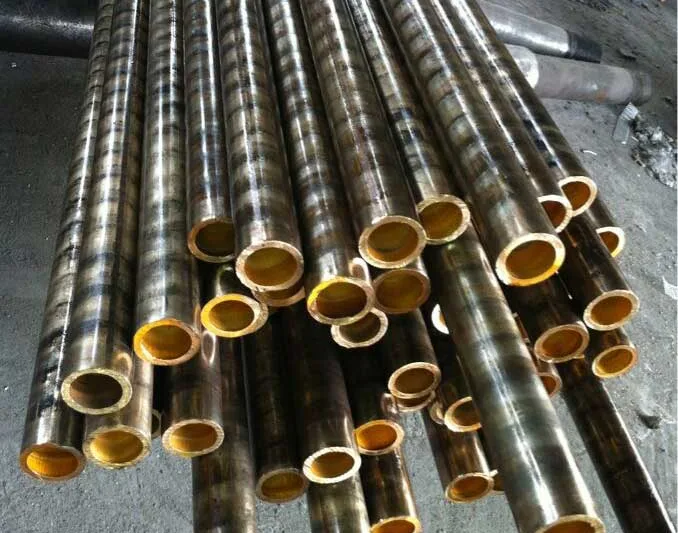
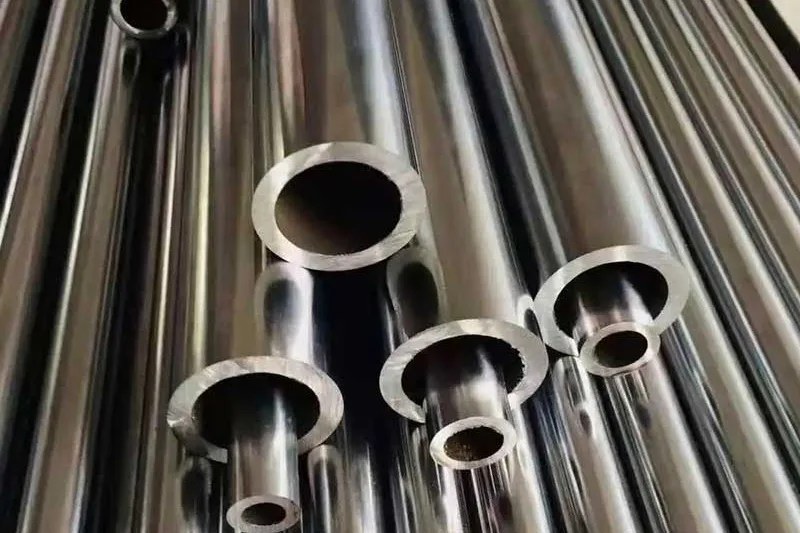
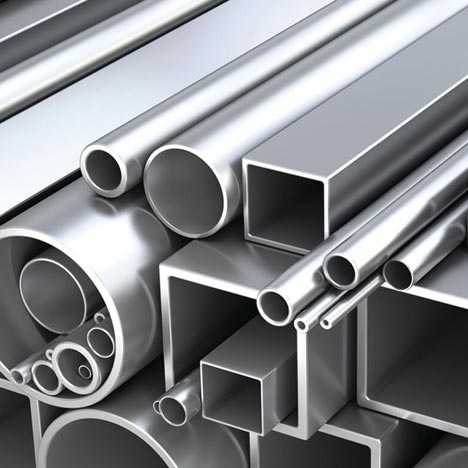
Outer Diameter (OD): From 5 mm to 300 mm, depending on the application.
-
Inner Diameter (ID): Precision bored to accommodate shafts or bearings, often with an H7 or g6 fit tolerance.
-
Length: Can range from a few millimeters for small bearings to over 500 mm for hydraulic cylinders.
-
Wall Thickness: Variable, from ultra-thin (1–2 mm) for lightweight assemblies to heavy-walled (over 20 mm) for high-pressure environments.
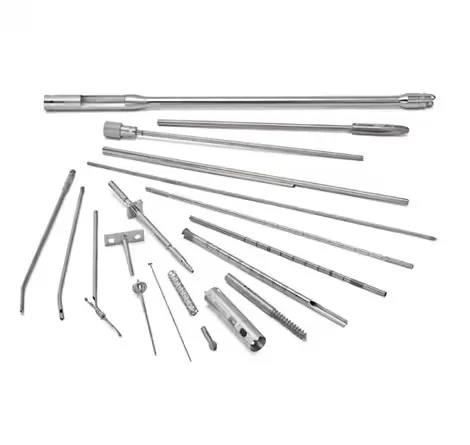
Surface finish is equally critical. Most precision sleeves achieve a surface roughness (Ra) of 0.4 to 1.6 micrometers, reducing friction and wear. Features such as chamfers, grooves, threads, oil holes, and snap-ring recesses are all machined during the same turning cycle, ensuring perfect concentricity between internal and external diameters.
Applications: Where Reliability Meets Duty
The Precision CNC Turned Alloy Steel Sleeve is a universal problem-solver in mechanical engineering. Its primary functions include reducing friction, protecting shafts, maintaining alignment, and resisting wear. Key applications include:
-
Hydraulic Cylinders – As cylinder barrels or rod guides, these sleeves must withstand high internal pressures (up to 5,000 psi) while maintaining a leak-free seal.
-
Automotive Transmissions – Used as bearing journals or gear spacer sleeves, they ensure precise shaft alignment under varying torque loads.
-
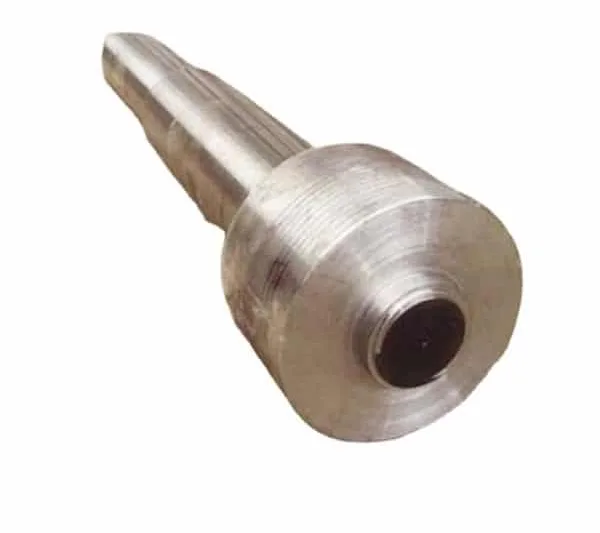
Heavy-Duty Mining Equipment – As wear sleeves on excavator boom pins or crusher shafts, they resist abrasive dust and shock loading.
-
Aerospace Actuators – Lightweight yet strong alloy steel sleeves provide reliable motion control in landing gear and flight control systems.
-
Oil & Gas Drilling – Thick-walled sleeves serve as wear protectors on drill string components, extending service life in downhole temperatures exceeding 200°C.