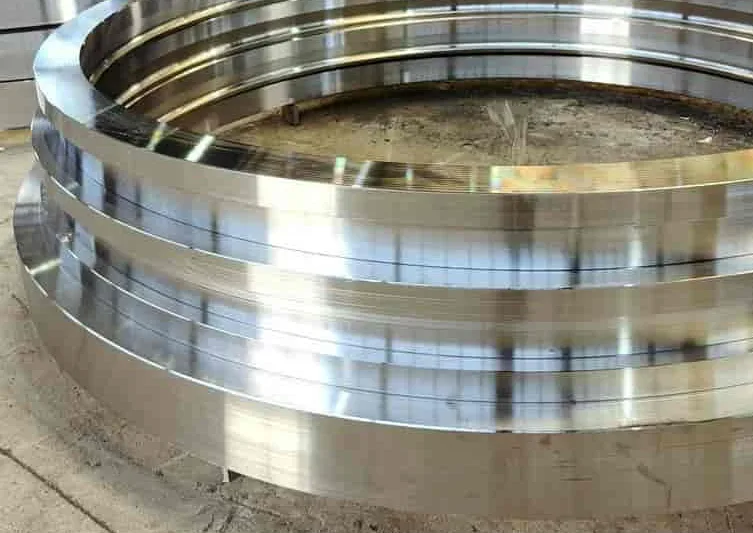
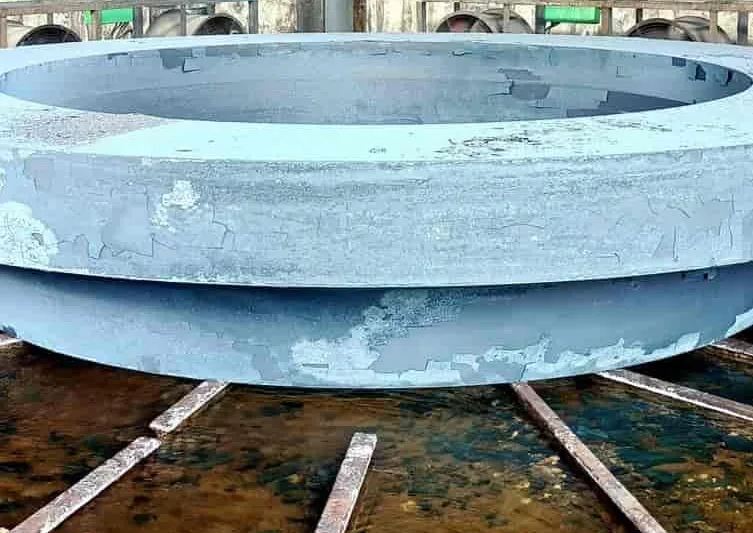
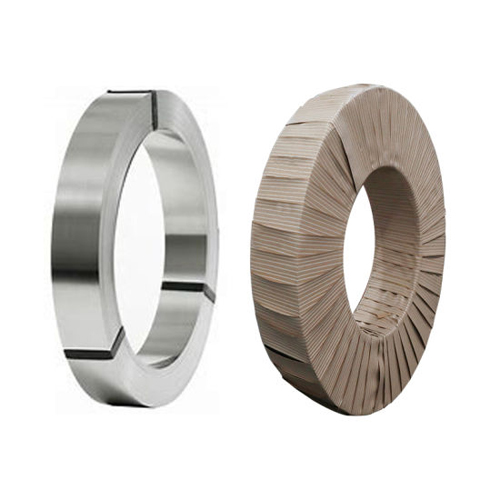
42CrMo4 Forged Rings: Heat-Treatment Routes, Section Design and Machining Allowance
42CrMo4 is frequently selected for large mechanical rings when a project needs a practical balance of strength, hardenability and machinability. Unlike corrosion-resistant stainless grades, this chromium-molybdenum steel is usually chosen because the component must carry mechanical loads after an agreed heat-treatment cycle. The key purchasing question is whether forging size, reduction, heat treatment and final machining can be coordinated around the required properties.
Where 42CrMo4 is used in ring form
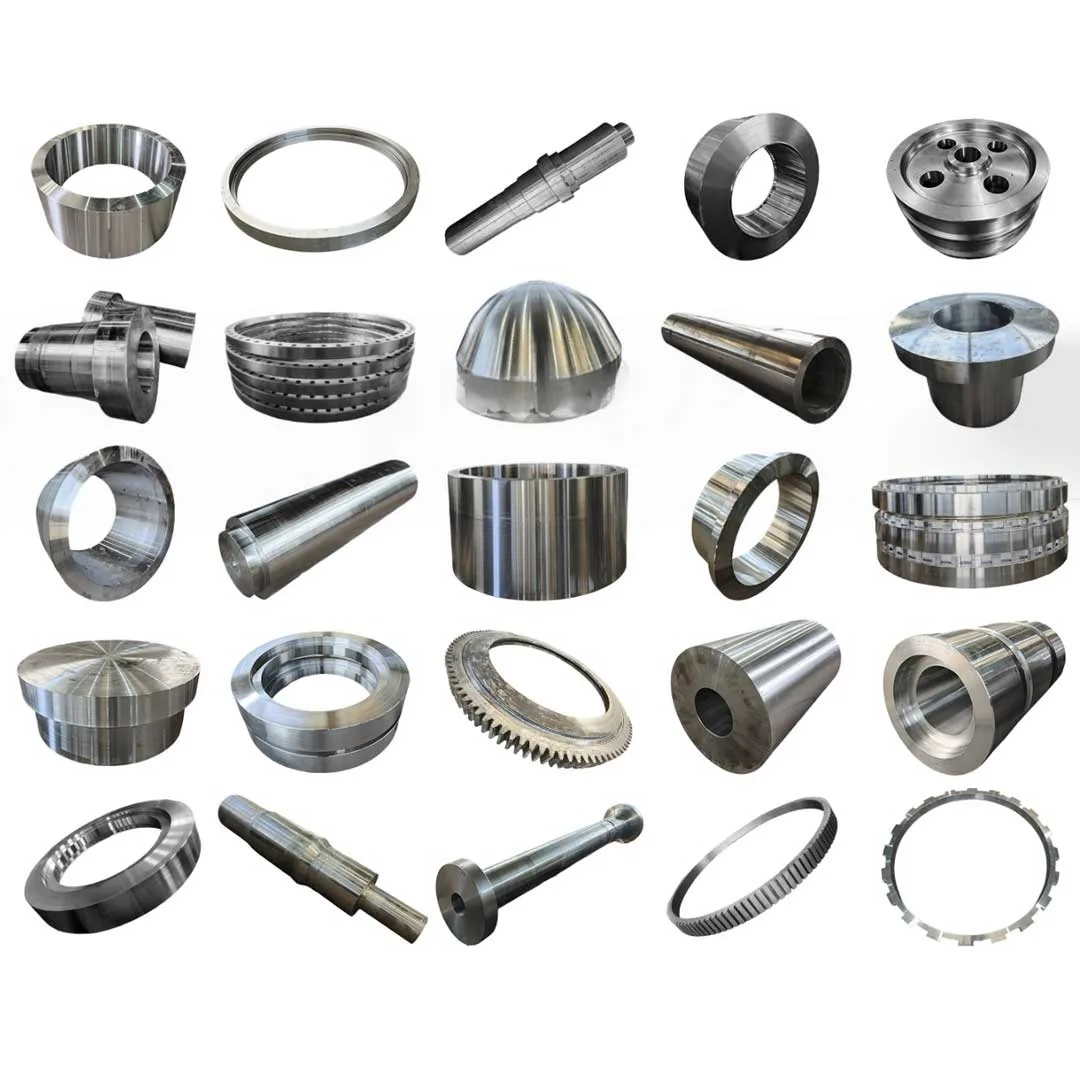
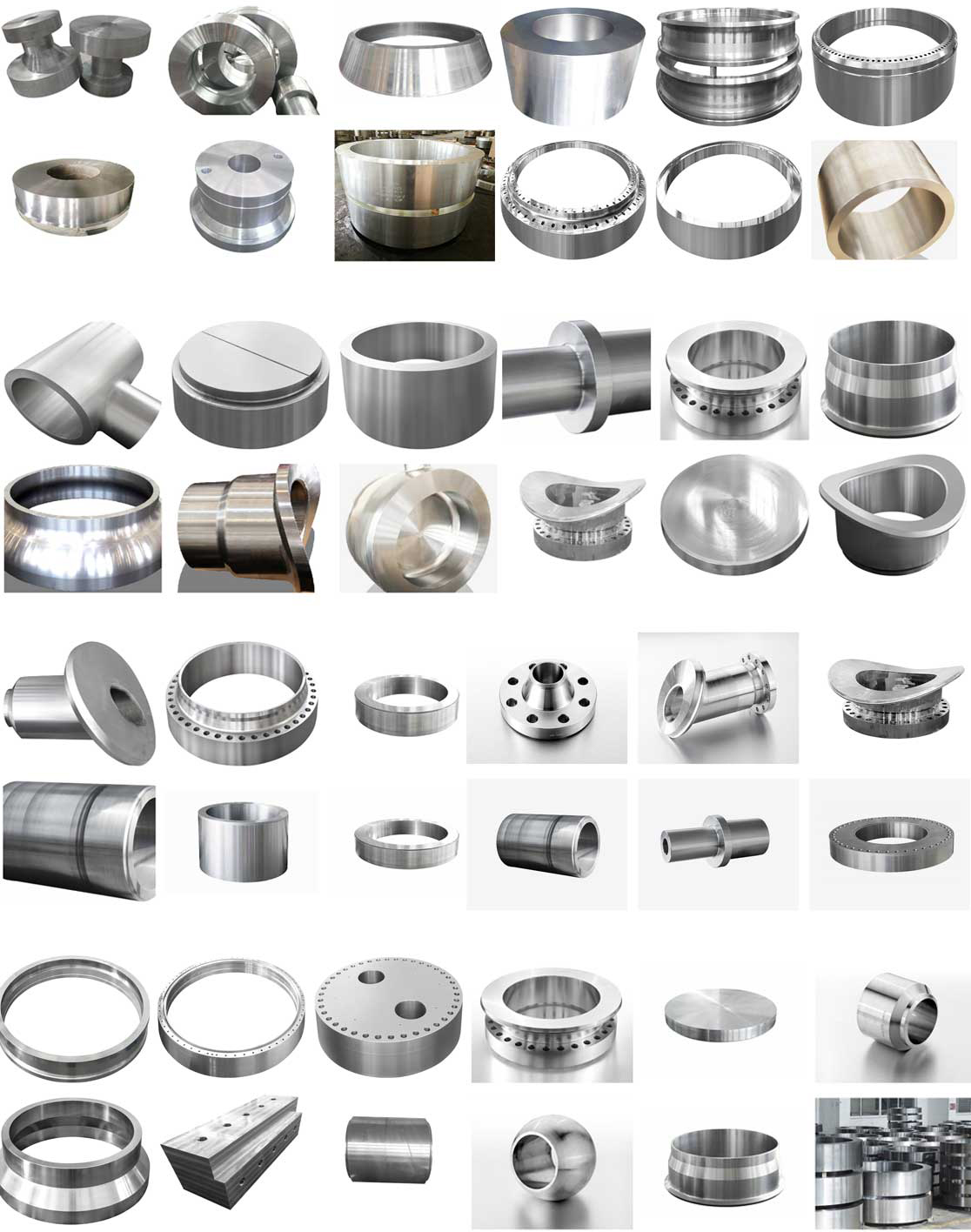
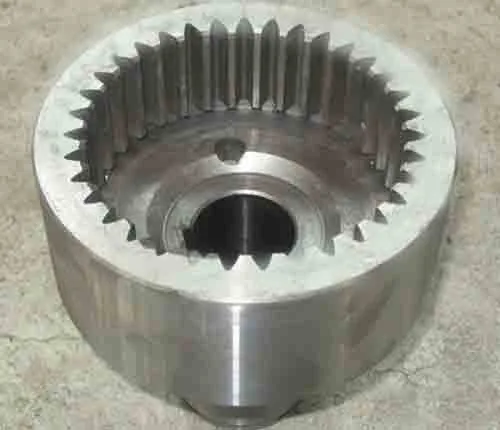
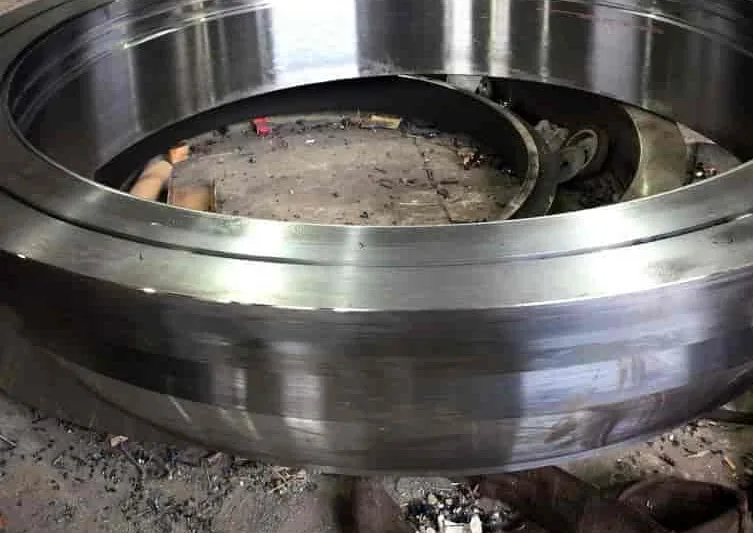
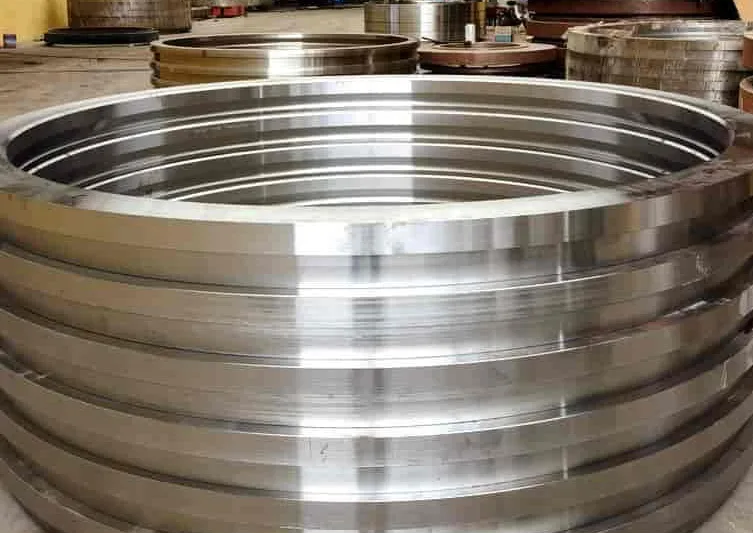
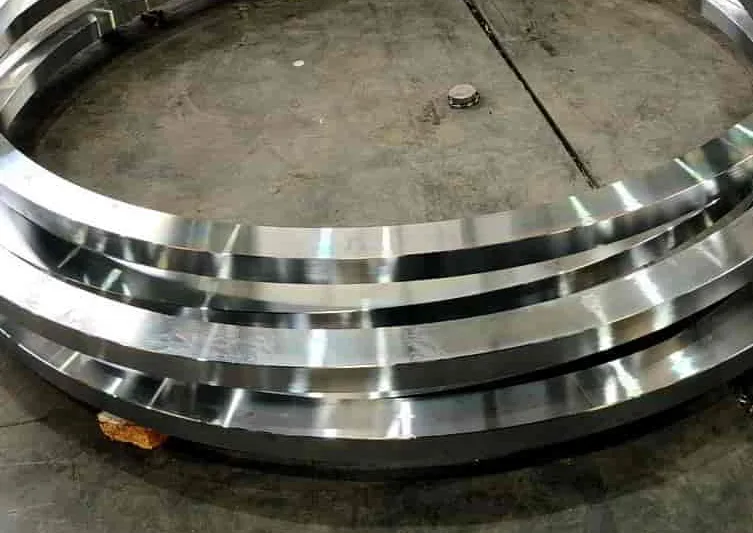
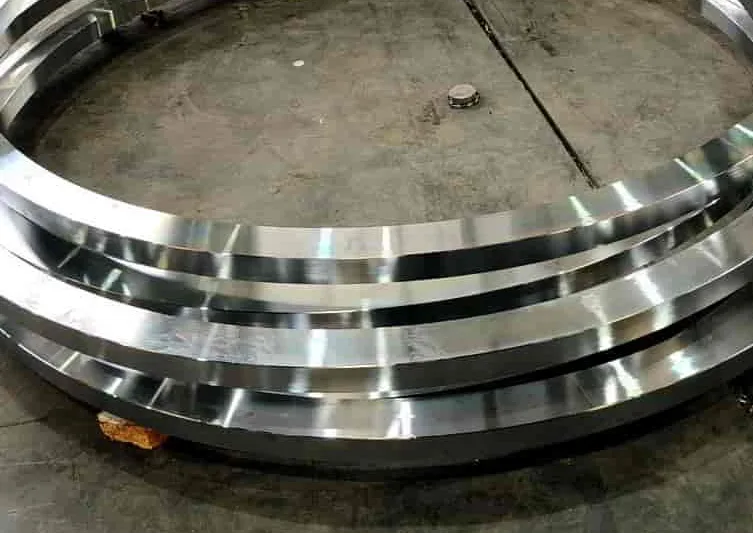
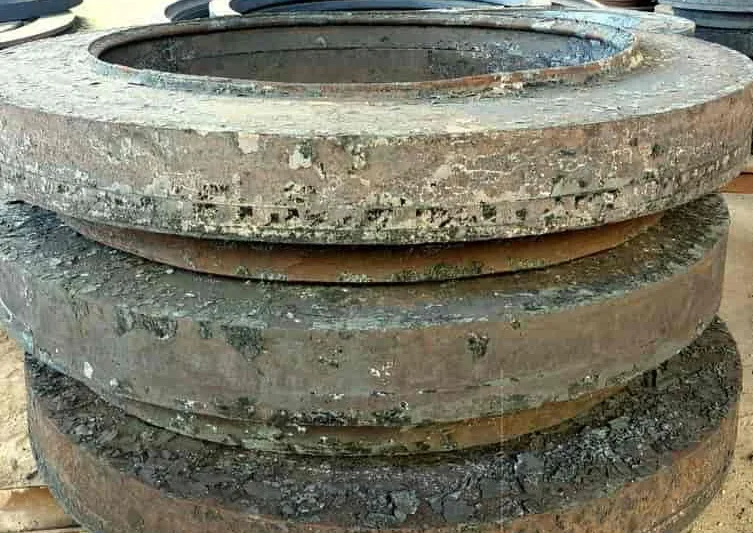
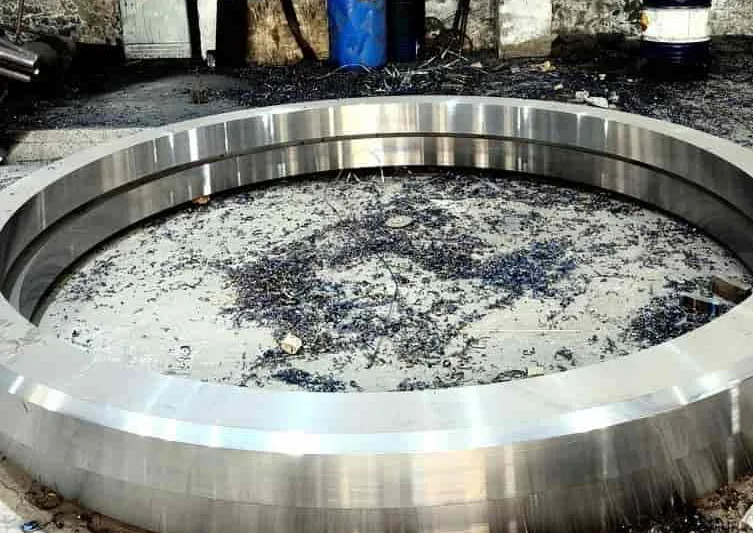
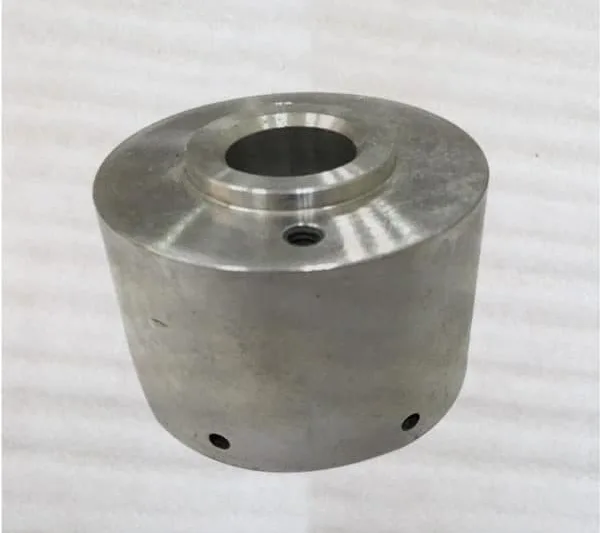
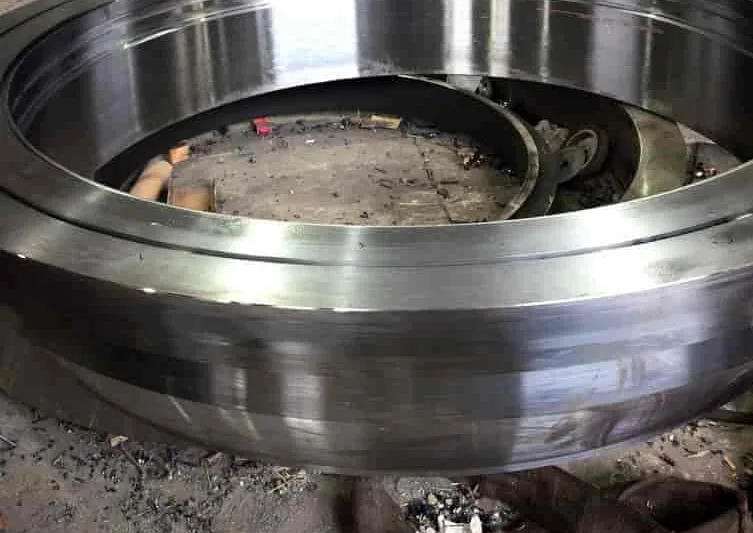
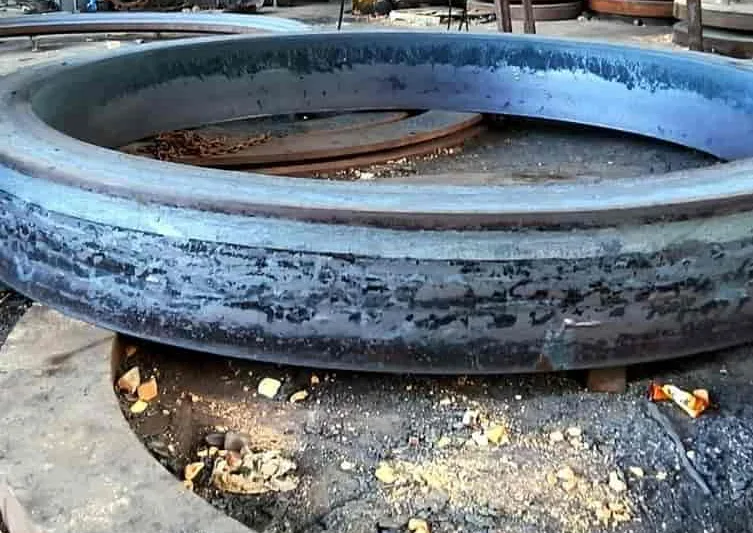
Typical applications include heavy-duty machinery, gear and drive assemblies, bearing-related components, industrial flanges and pressure-equipment parts where the design specification permits this alloy steel. Ring geometry can reduce the material removed from a solid block, particularly for large outside diameters and substantial bores. The governing design code must determine whether 42CrMo4 is acceptable; it is not a universal substitute for pressure-vessel or stainless grades.
Specify the delivery condition
The RFQ should state the applicable standard, required mechanical properties, hardness range if relevant, and whether the ring is supplied as-forged, normalized, quenched and tempered, or in another specified condition. For thick sections, buyers should consider properties through the section, not only at the surface. Test location, specimen orientation and acceptance criteria should be agreed in advance.
Forging route and dimensional planning
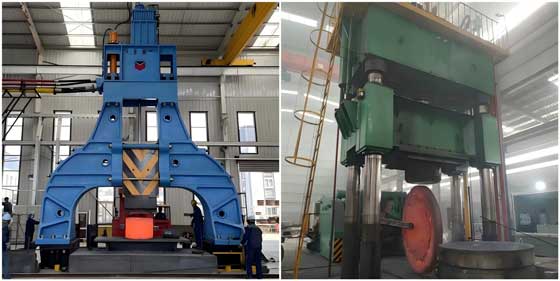
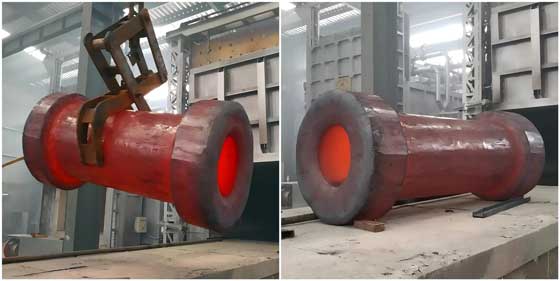
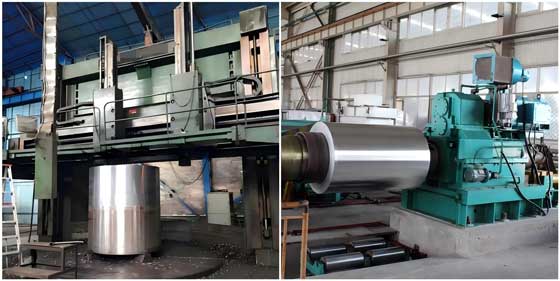
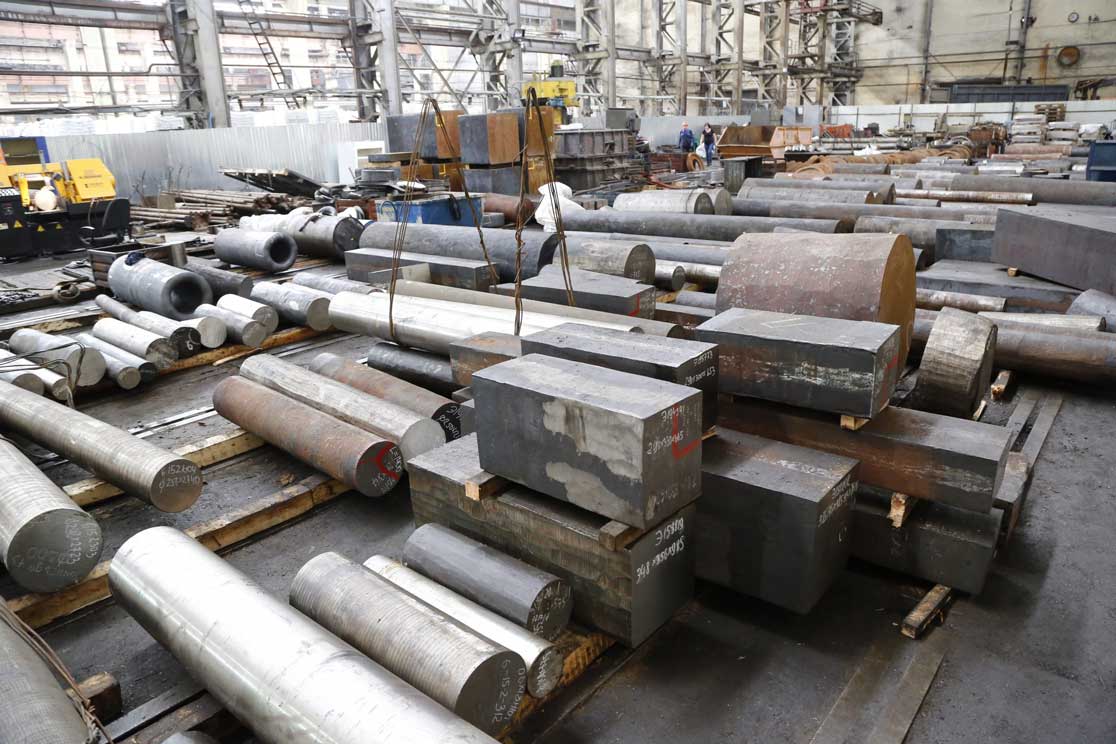
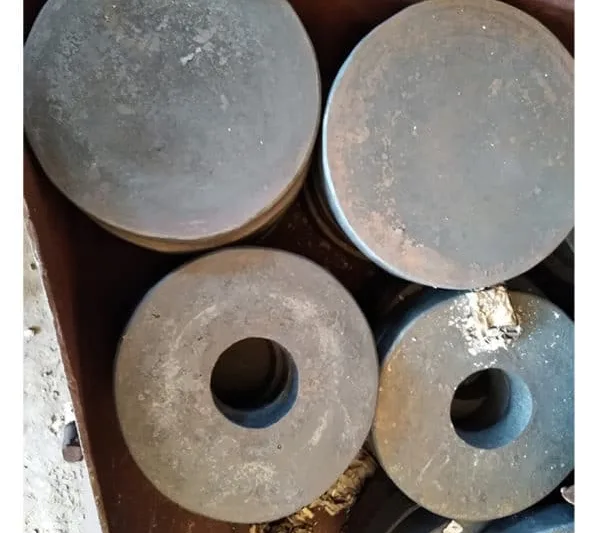
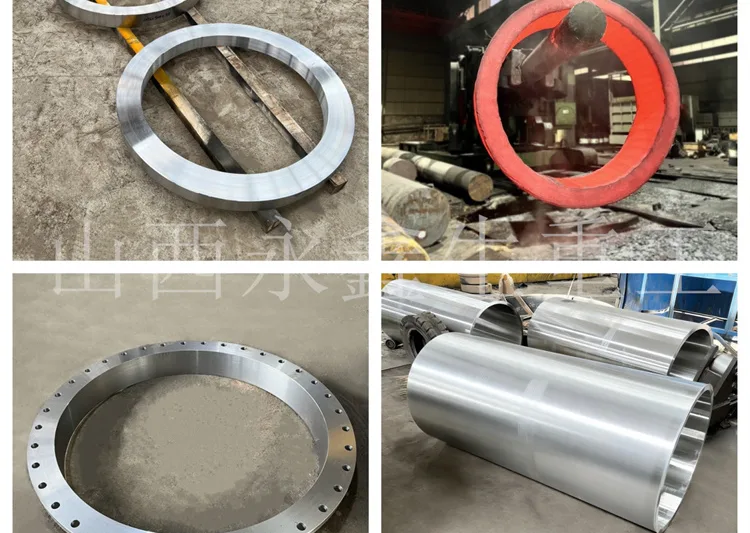
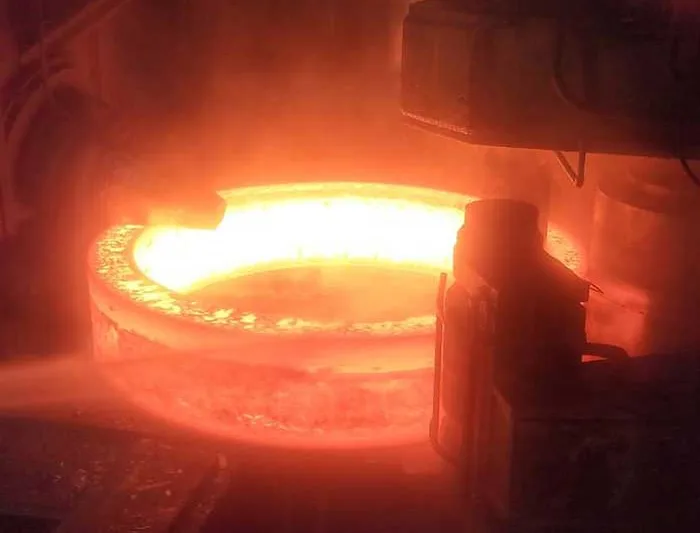
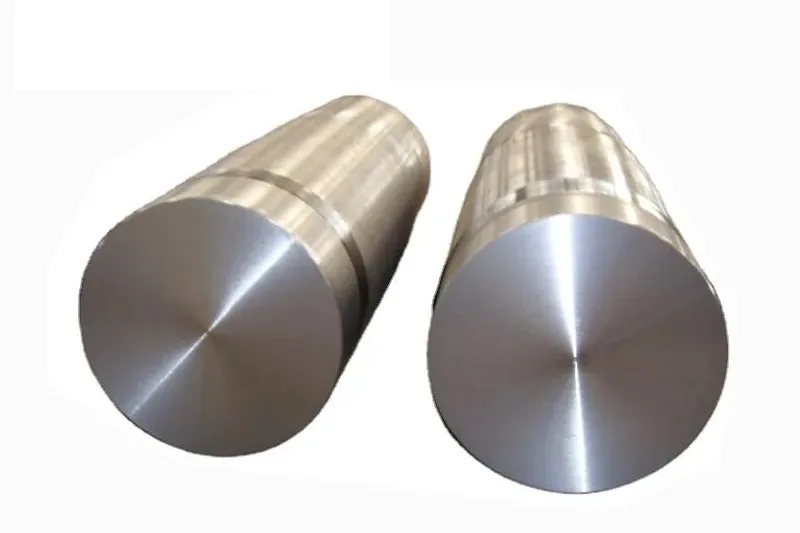
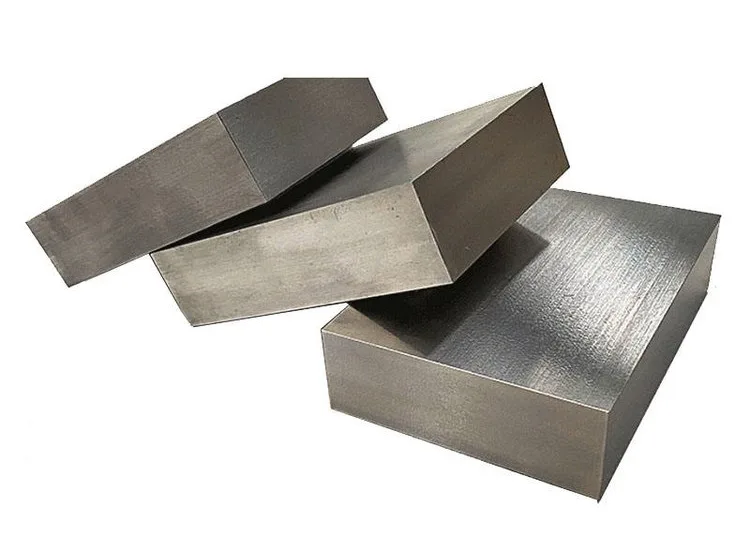
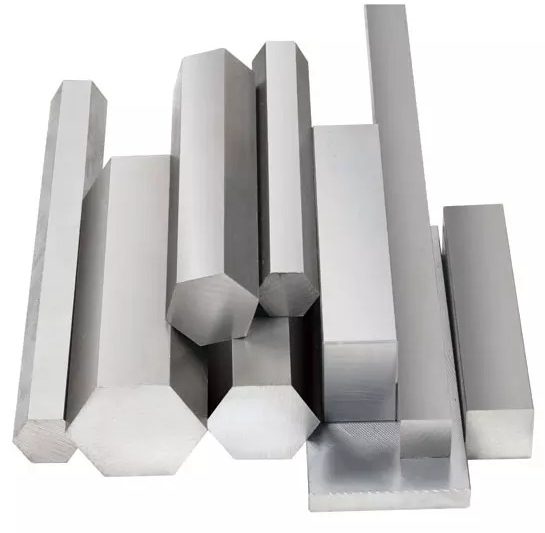
A custom ring starts with billet or ingot stock selected to provide sufficient material for the finished envelope. The forging plan is influenced by outside diameter, bore, axial height, radial wall and machining allowance. Large bores, narrow radial sections and asymmetric profiles affect tooling, handling and dimensional stability. Provide rough and finished dimensions so the supplier can evaluate stock size and material yield.
Machining considerations
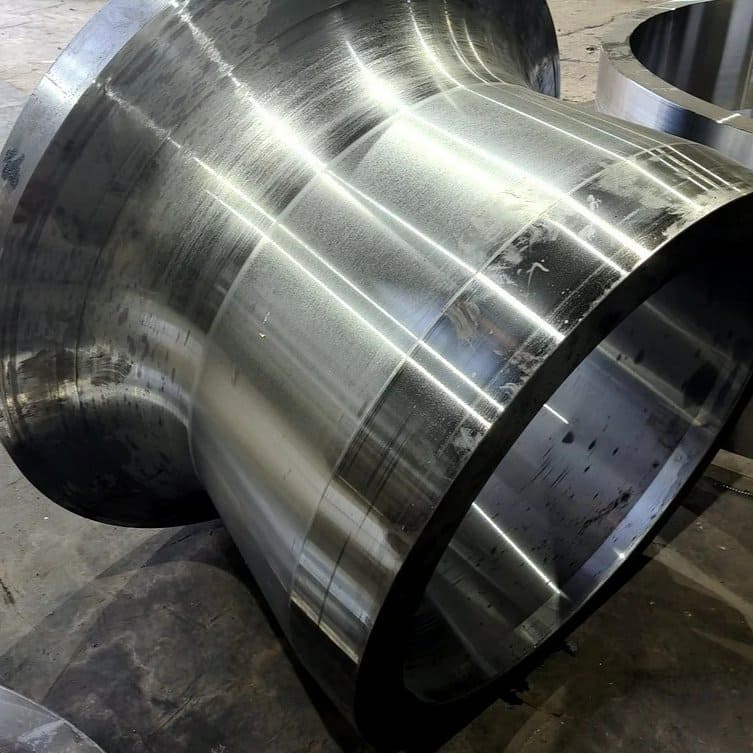
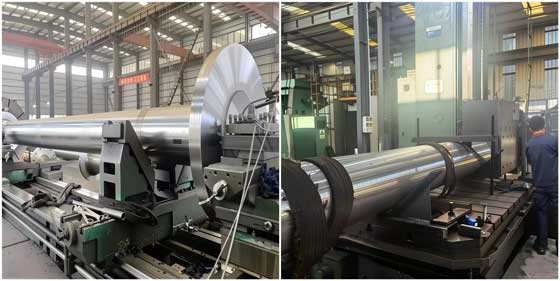
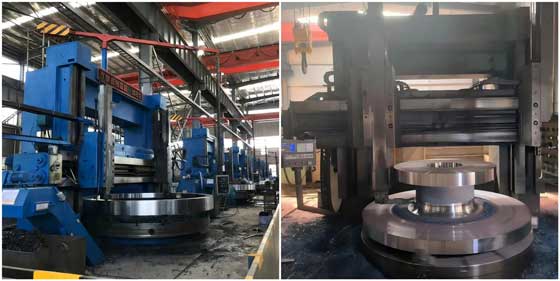
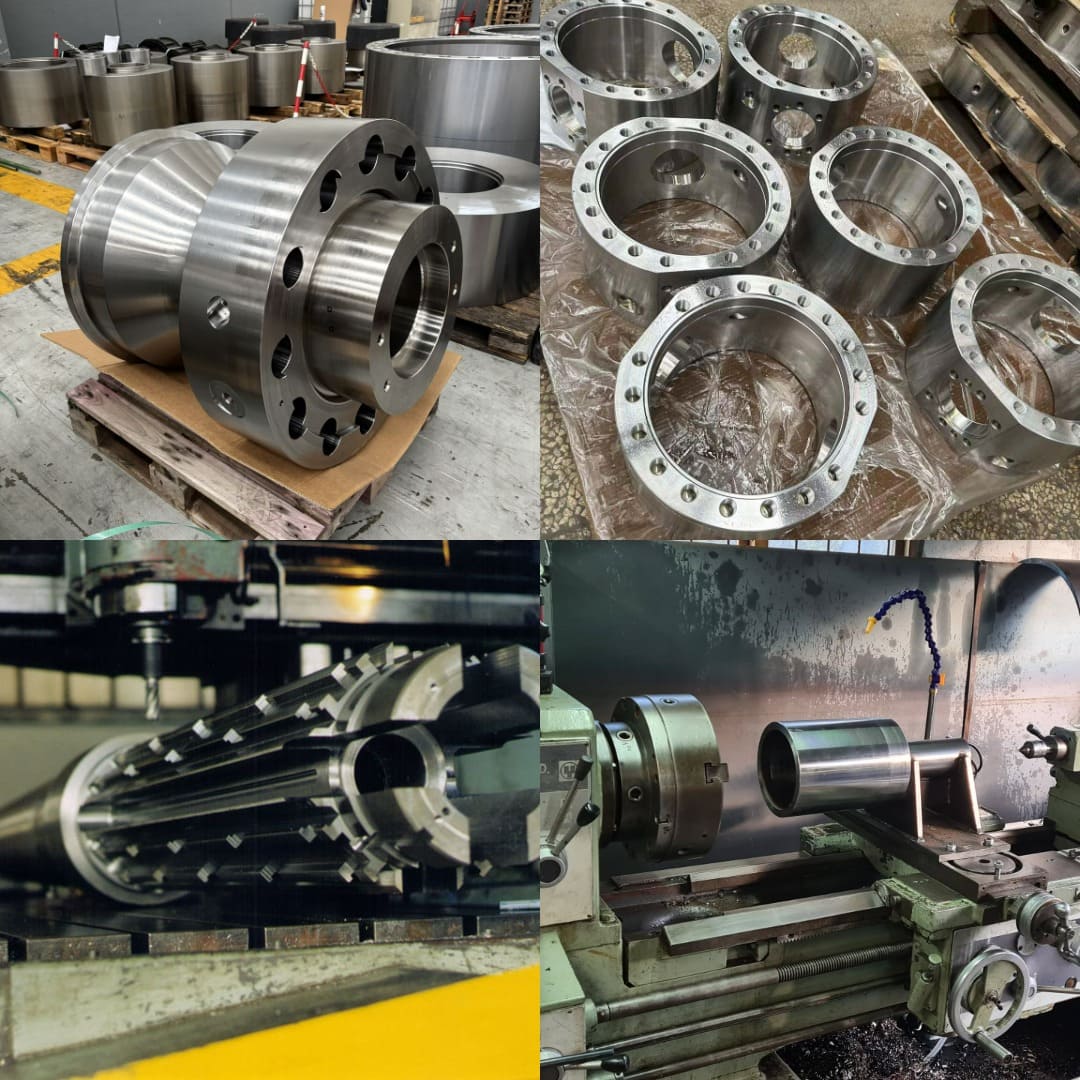
42CrMo4 can be CNC turned, bored, faced and profiled after the agreed heat-treatment stage. Heavy rough machining before final heat treatment may suit some geometries, while others need staged machining to manage distortion and residual stress. Drawings should identify datum faces, concentricity, runout, bore tolerances, surface finish and critical transitions.
Inspection and RFQ checklist
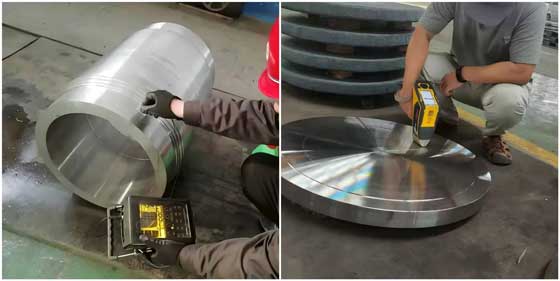
Discuss material traceability, chemical analysis, tensile testing, hardness, ultrasonic examination and dimensional inspection according to the purchase specification. Not every test is automatically required; define the standard, inspection class and acceptance limits in the purchase order. Send the drawing, quantity, grade and standard, delivery condition, machining scope, test requirements and destination to Shanghai Changjin Metal Product Co., Ltd. for quotation review.
Engineering details, dimensions and procurement example
For 42CrMo4, confirm the governing material standard, supply condition and target mechanical properties before fixing the process route. Quenched-and-tempered rings require agreement on hardness, tensile testing, representative coupon location and any ultrasonic examination. Thick sections should be assessed for through-section properties rather than surface hardness alone.
As an illustrative RFQ size range only, buyers may submit rings around OD 600–1,200 mm, ID 300–800 mm and axial thickness 80–200 mm. These figures are examples for inquiry planning, not a statement of the factory's maximum capacity. Actual feasibility depends on the drawing, starting stock, forging route, machine envelope and workpiece weight.
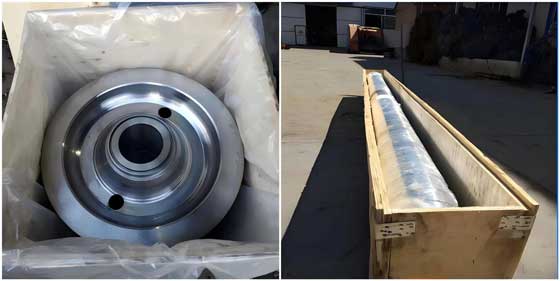
A typical procurement case is a forged gearbox or bearing-support ring. The inquiry should state finished and rough dimensions separately, quantity, material standard, heat-treatment condition, machining allowance, tolerances, surface finish, test scope and certificate requirements. CNC turning, internal boring and face machining can be sequenced from roughing to finishing, with intermediate dimensional checks where runout or concentricity is critical. Final operations are subject to drawing and equipment review.
For related products, see Inconel forged rings, stainless steel rolled rings and the Changjin Metal product range.