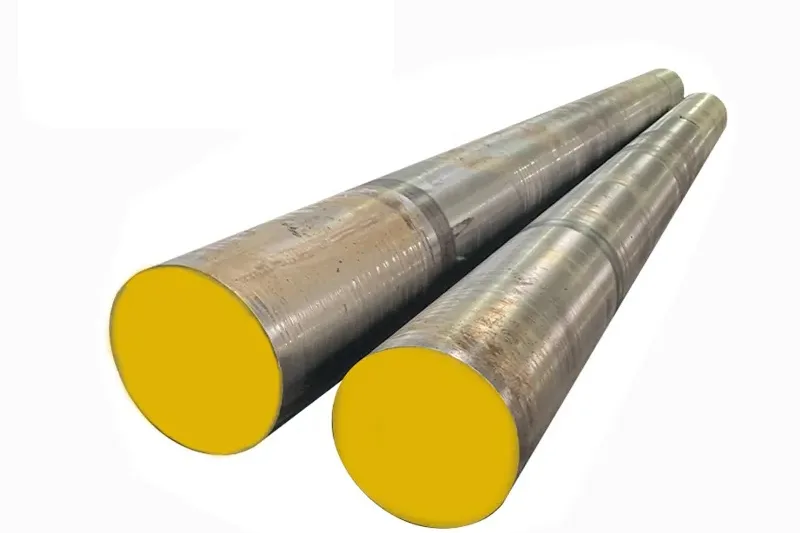
A286 Forged Rings for Elevated-Temperature Hardware: Specification and Aging Control
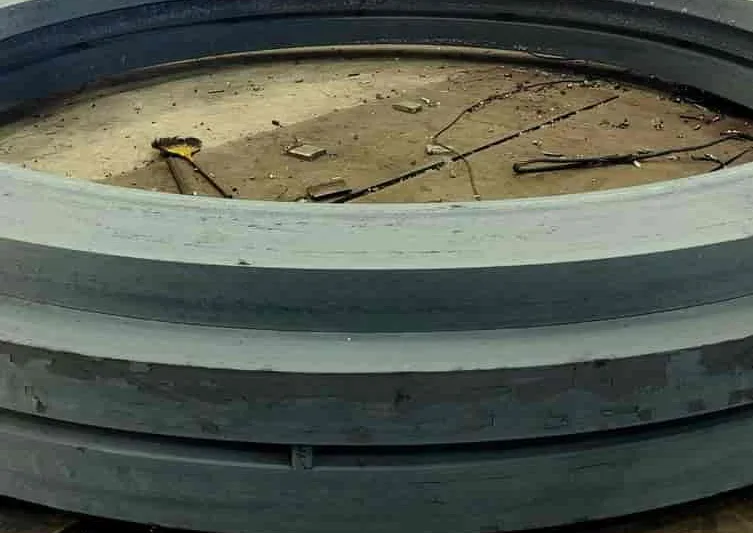
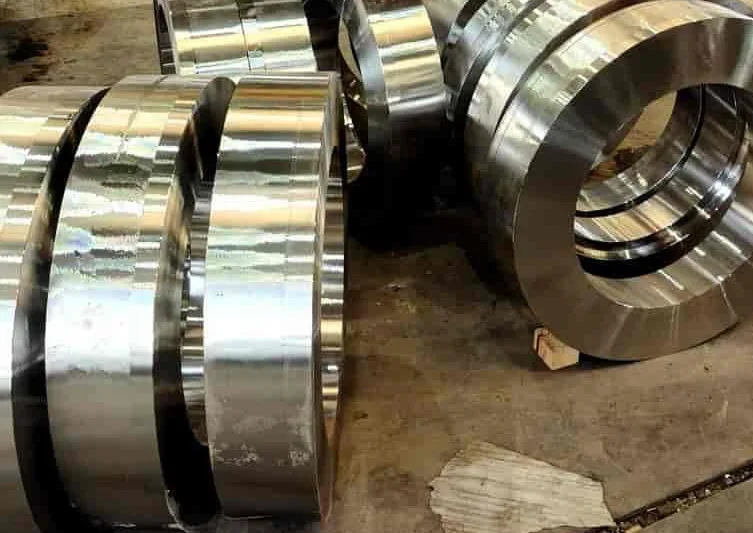
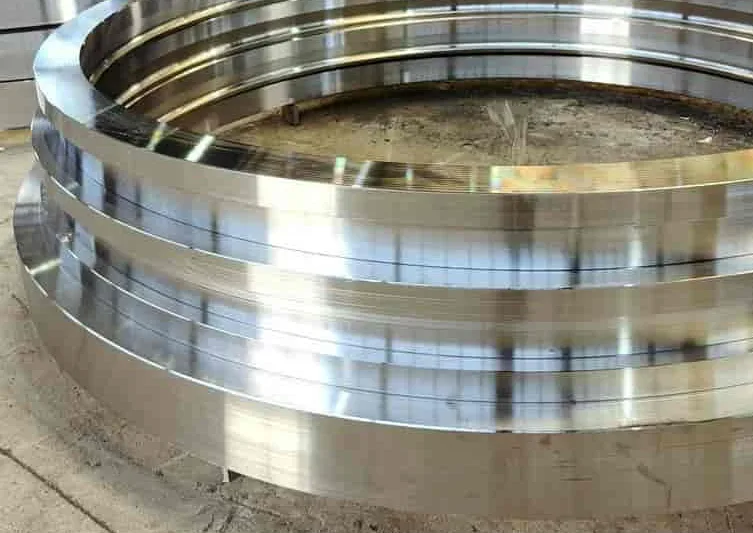
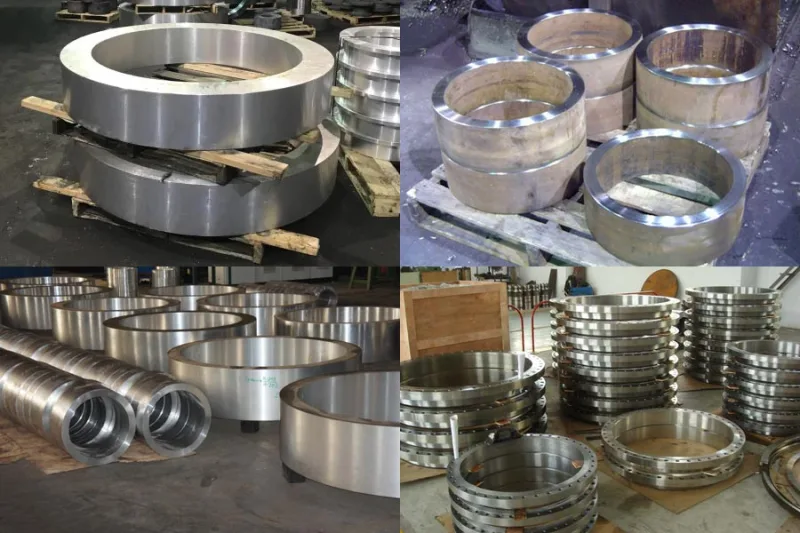
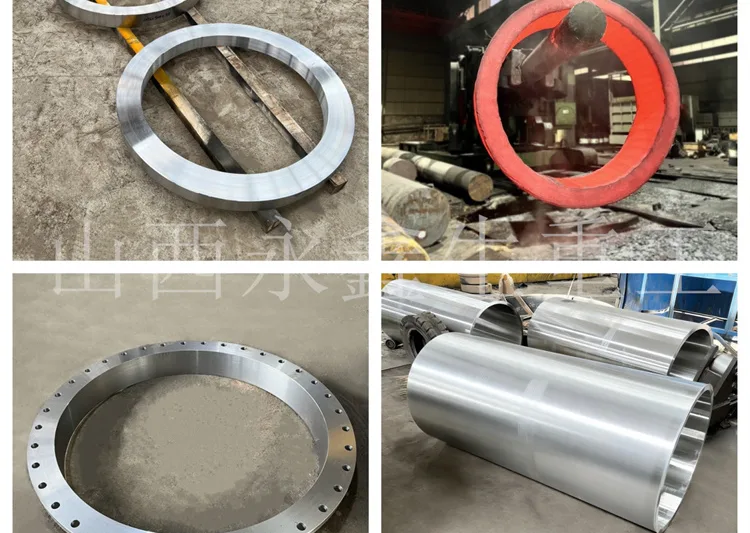
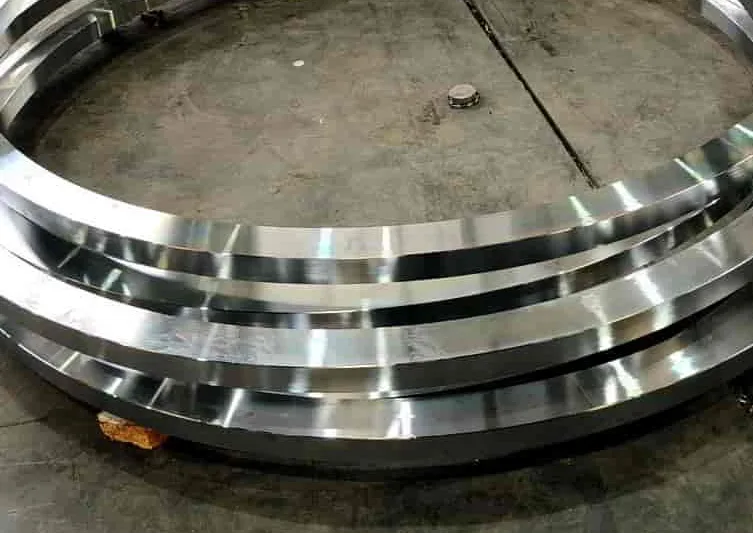
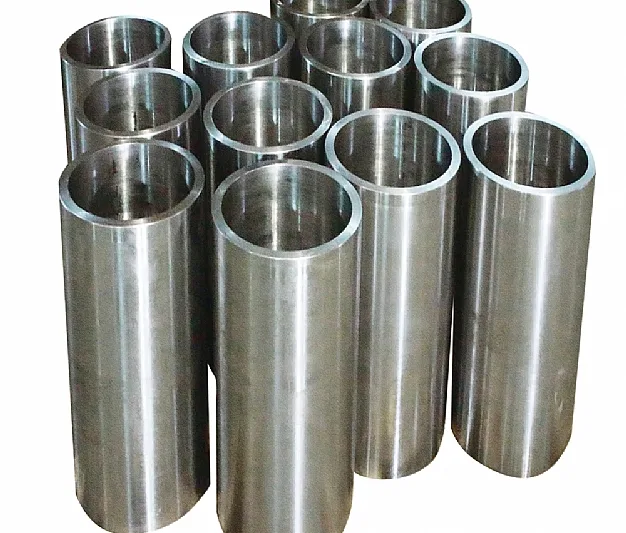
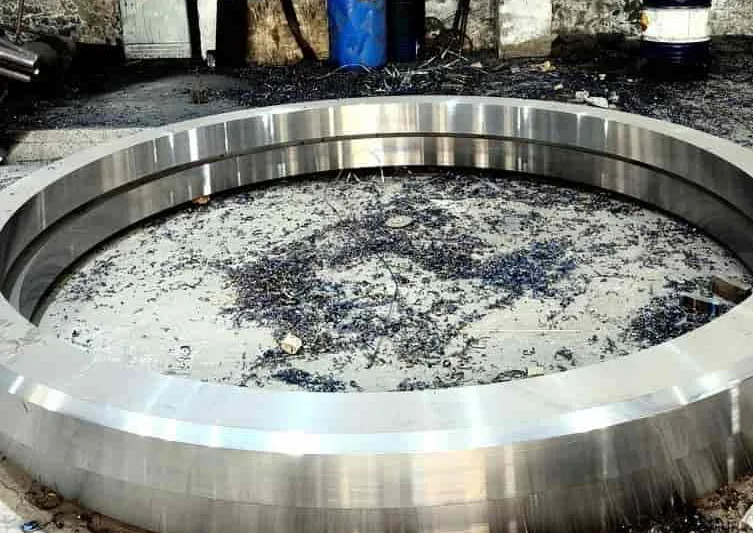
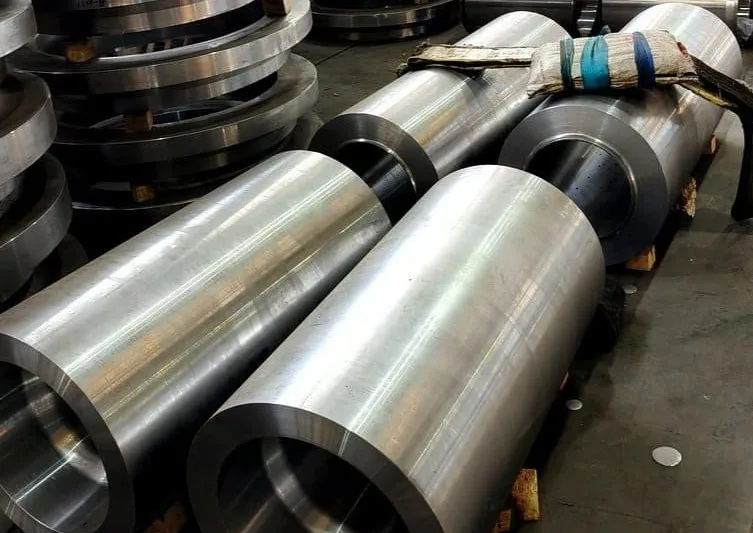
A286 is an iron-base, nickel-chromium precipitation-hardening alloy used in selected elevated-temperature and high-strength applications. A286 ring forgings are considered for turbine-related hardware, high-temperature fastener assemblies and aerospace or industrial components where the design specification calls for this alloy. It should not be treated as a generic stainless steel ring: the required product specification and heat-treatment condition determine the properties that must be verified.
Design conditions come first
Before selecting A286, confirm operating temperature, sustained load, fatigue exposure, oxidation or corrosion environment and applicable industry requirements. The material is valued for strength retention at elevated temperature, but allowable stresses and service suitability must come from the governing design data. A grade name alone is not an engineering approval.
Forging and heat-treatment sequence
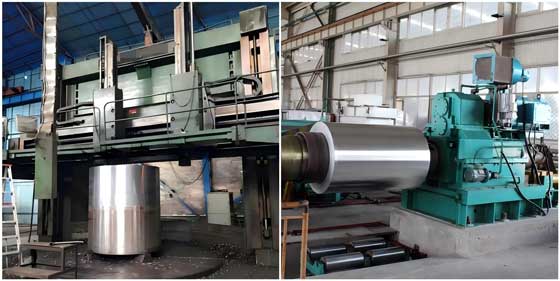
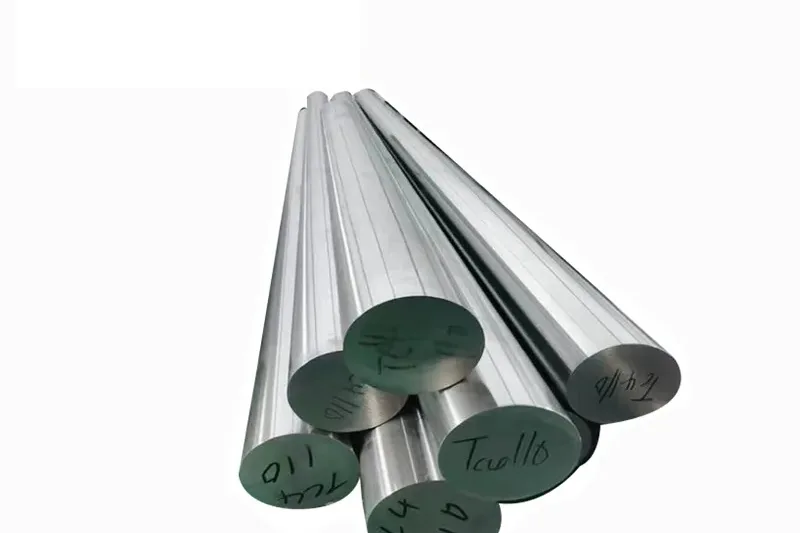
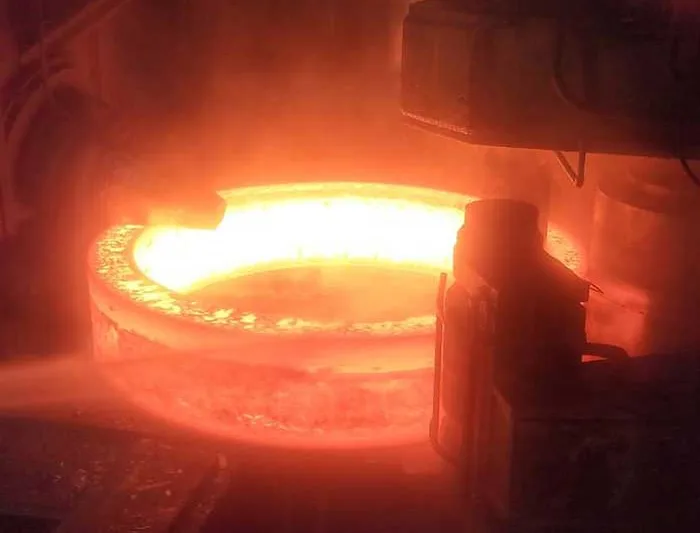
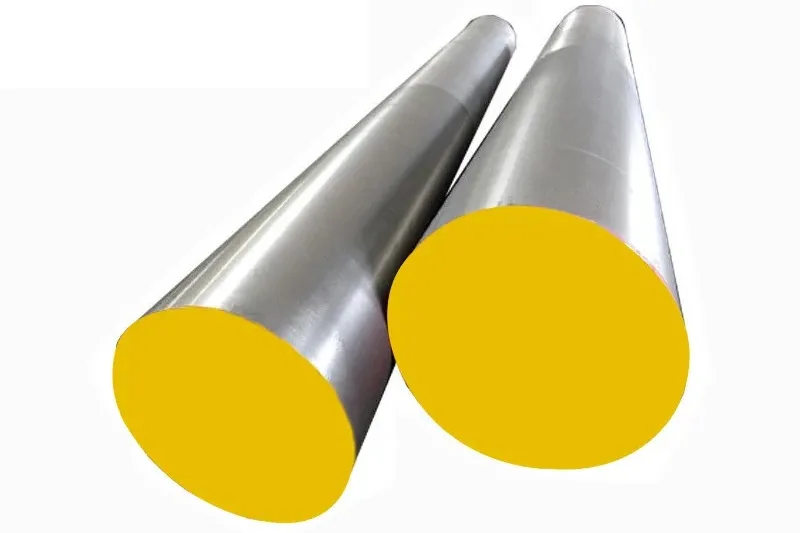
The ring forging plan depends on the starting stock, cross-section and required deformation. Solution treatment and subsequent aging are specified to obtain the required property condition. The purchase order should state the applicable specification and condition explicitly, along with mechanical test requirements and any restrictions on processing or repair.
Machining for precision assemblies
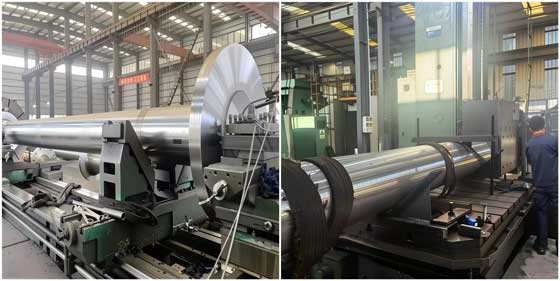
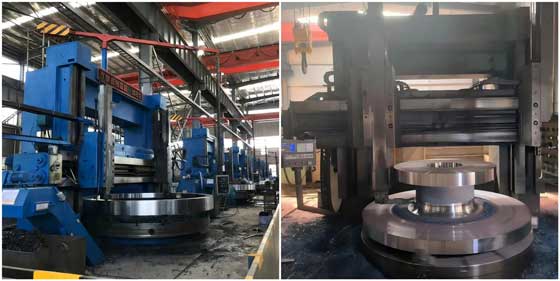
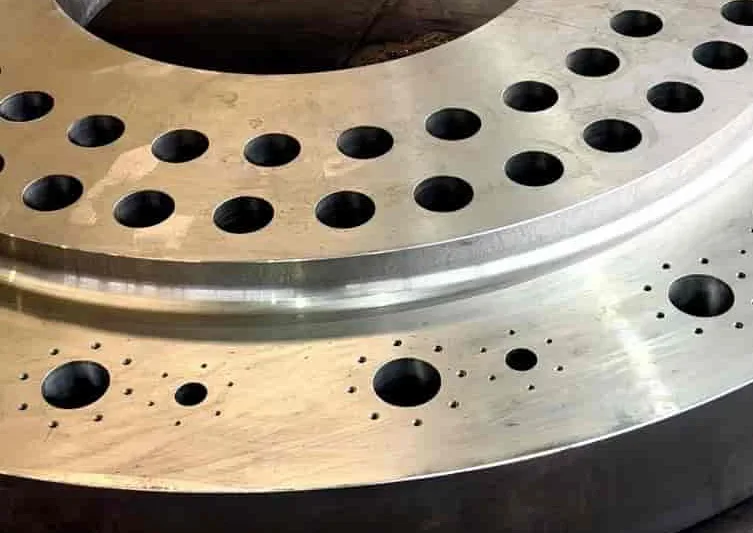
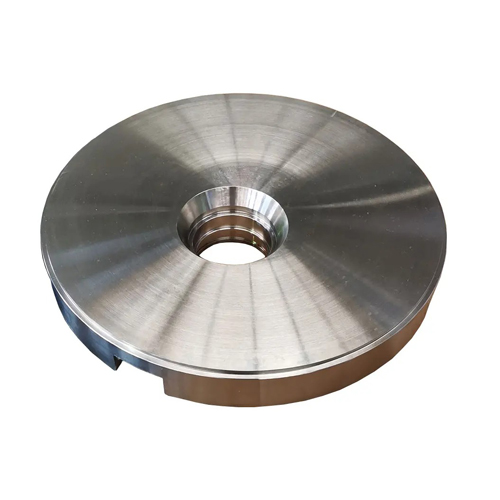
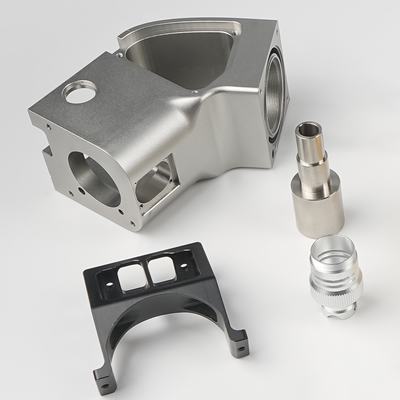
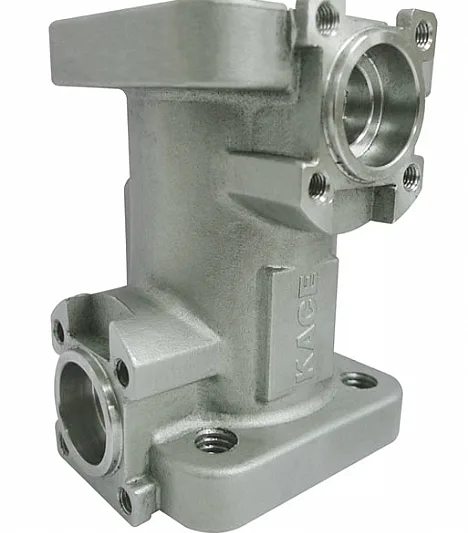
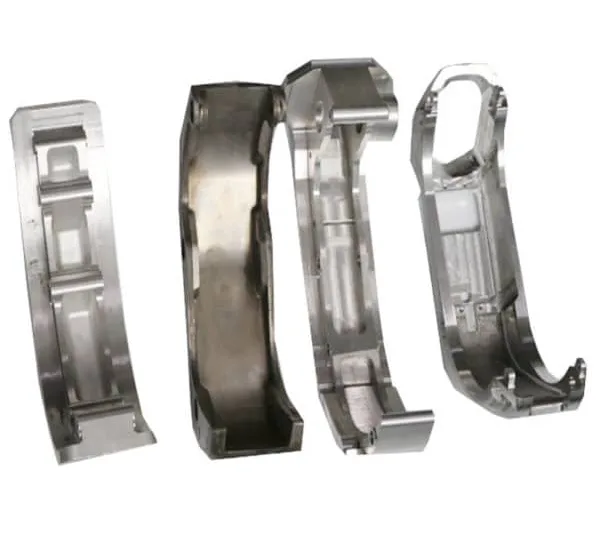
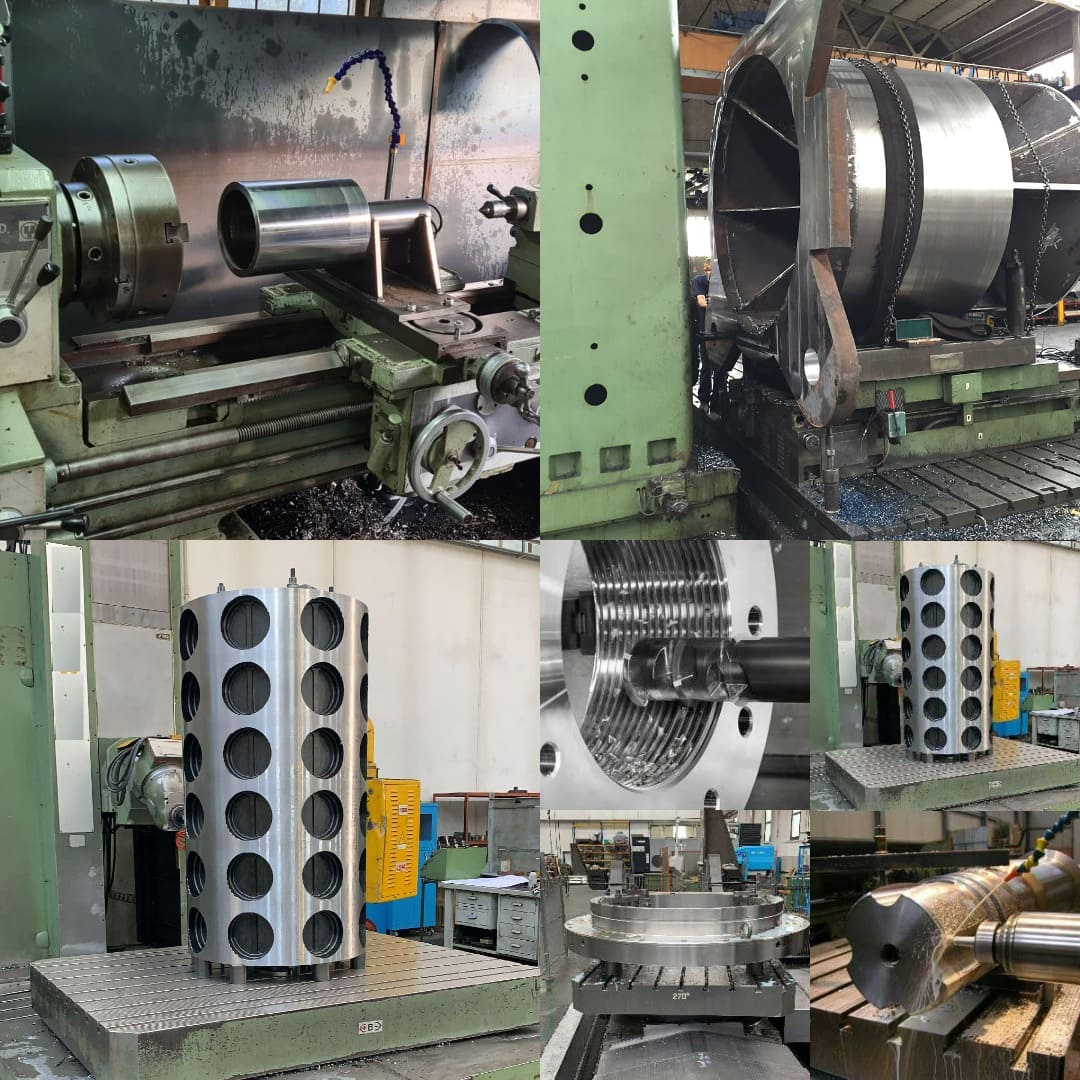
A286 machining should be planned with its strength and work-hardening behavior in mind. CNC turning, boring, facing and profile operations can be used to produce custom geometry, but tool selection and cutting sequence need to suit the alloy and final condition. Provide datums, tolerances, surface finish and any critical fit dimensions on the drawing.
Quality assurance and quotation data
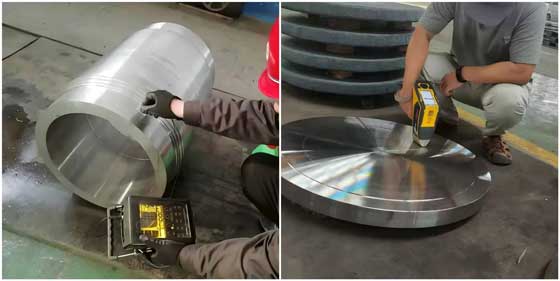
Typical records include heat chemistry, traceability, heat-treatment charts, tensile properties, hardness and dimensional inspection. Additional NDT should be listed where required. For quotation, send the drawing, quantity, material specification, heat-treatment condition, test plan, machining scope and delivery destination.