How to choose low alloy high strength plate
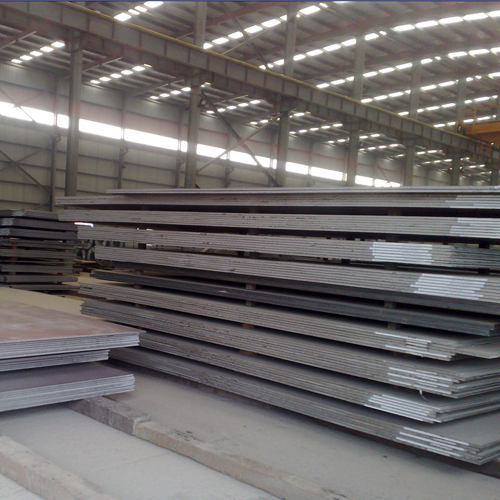
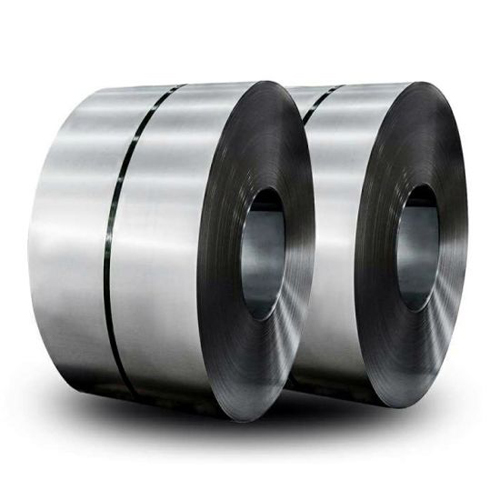
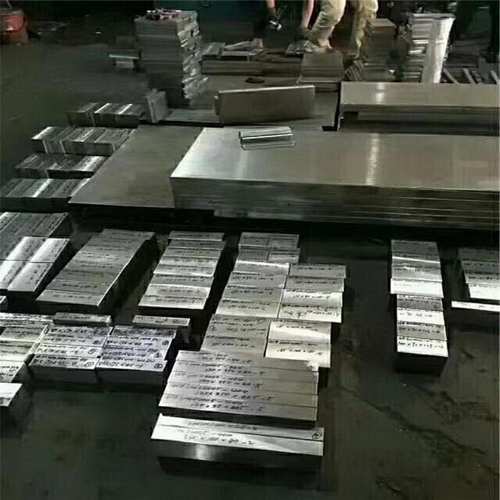
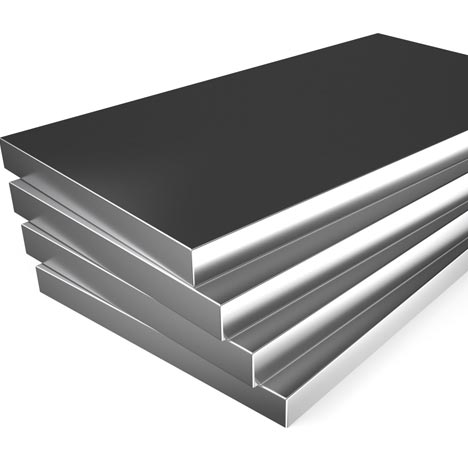
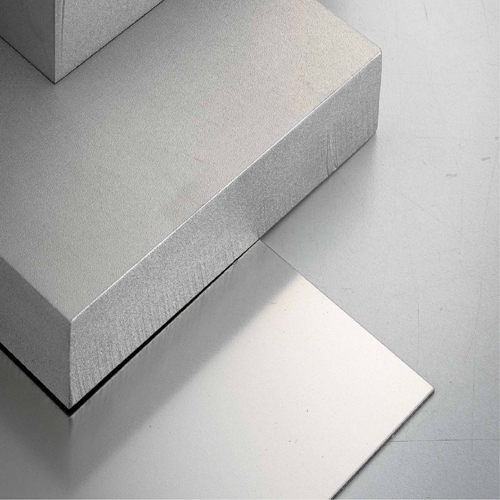
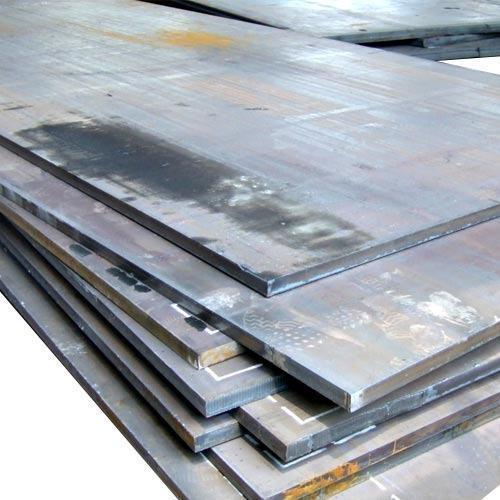
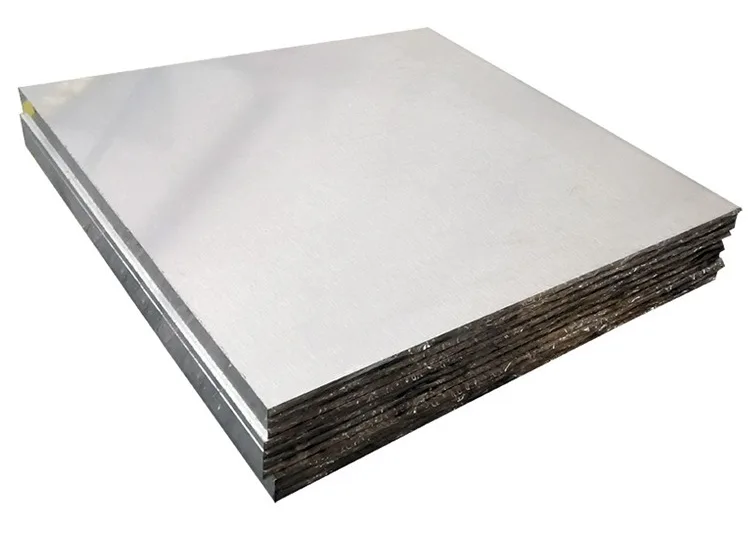
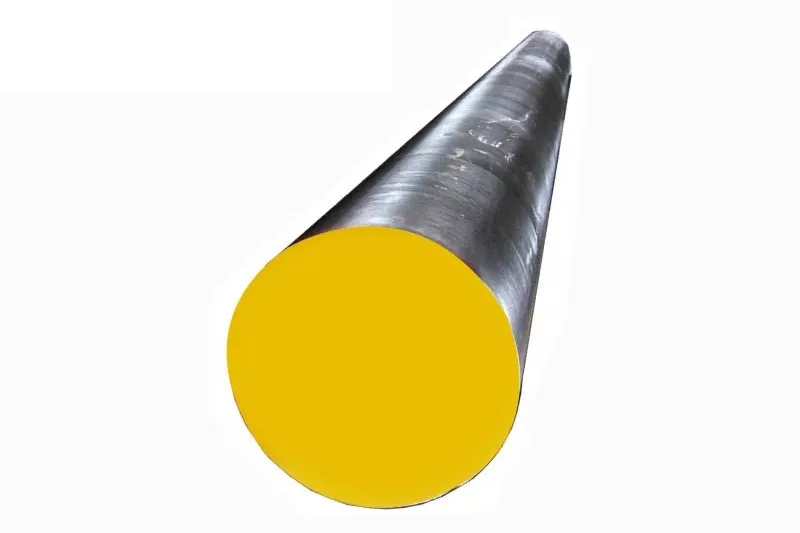
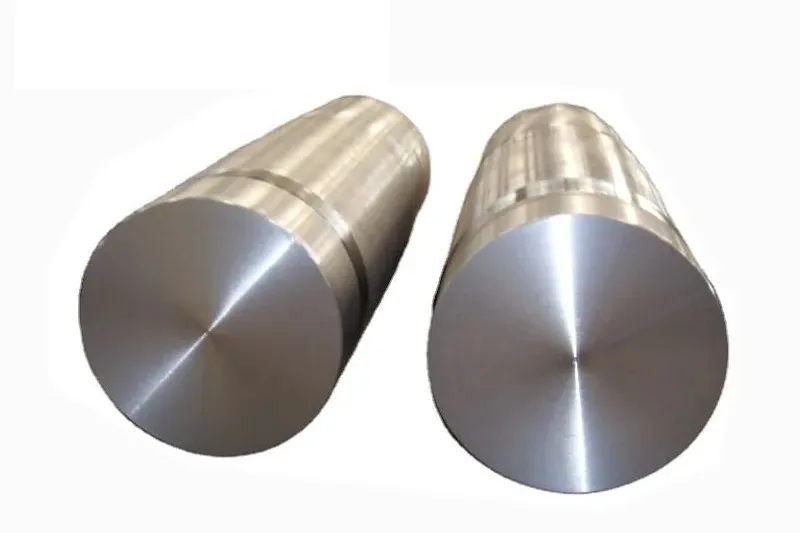
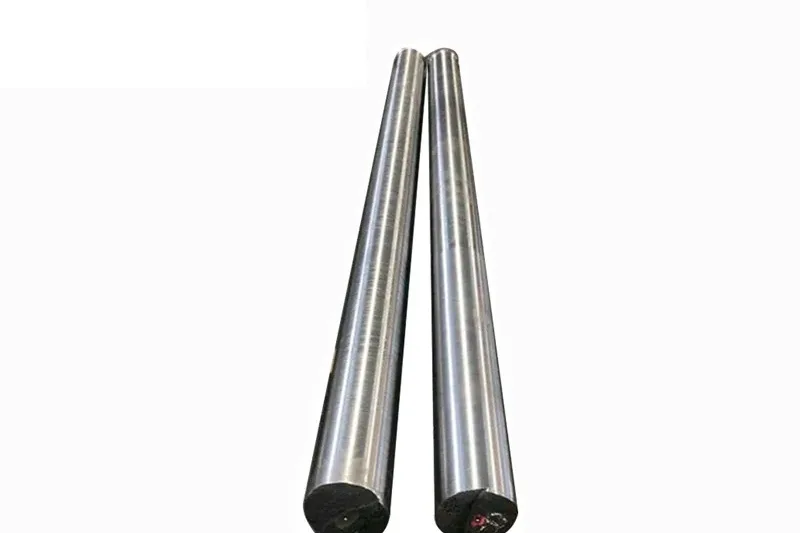
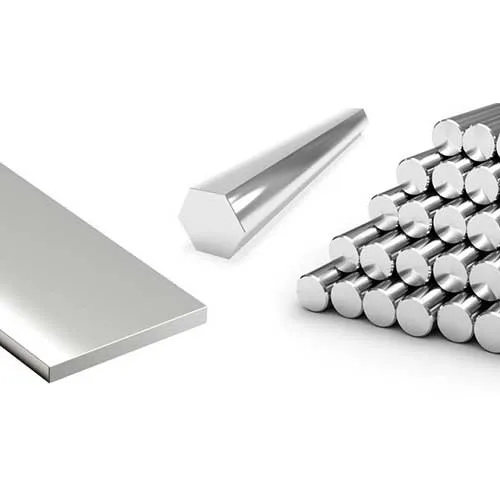
Low alloy high-strength plate is a building material with high strength and corrosion resistance. It is made of low alloy steel, has excellent mechanical properties and weather resistance, and is widely used in ships, bridges, building structures and other fields. This article will introduce the characteristics, applications and advantages of low-alloy high-strength plates.
Low alloy high-strength plates have the following salient features:
High strength: The strength of low-alloy high-strength plates is much higher than ordinary steel plates and can withstand greater loads and pressures.
Weather resistance: Low alloy high-strength plate has good weather resistance and can be used for a long time in harsh environments without corrosion and deformation.
Good weldability: Low-alloy high-strength plates are easy to weld and can be processed and assembled conveniently.
Good wear resistance: Low alloy high-strength plate has excellent wear resistance and is suitable for occasions where it is necessary to resist wear and impact.
Application fields of low-alloy high-strength plates
Due to its excellent properties, low-alloy high-strength plates have been widely used in many fields, including but not limited to the following:
p>
Ship manufacturing: Low alloy high-strength plates can be used in the manufacture of hull structures and ship equipment. They have good strength and corrosion resistance and can adapt to the requirements of the marine environment.
Bridge construction: Low alloy high-strength plates can be used in bridge construction, can withstand large loads and changing temperatures, and have good durability and earthquake resistance.
Building structure: Low alloy high-strength panels can be used in load-bearing parts of building structures, such as floors, beams and columns, etc., which can provide higher safety and stability.
Automobile manufacturing: Low-alloy high-strength plates can be used in the manufacture of automobile bodies and parts. They are lightweight and high-strength, and can improve the fuel economy and safety of automobiles.
Advantages of low-alloy high-strength plates
Compared with ordinary steel plates, low-alloy high-strength plates have the following obvious advantages:
Light weight: low-alloy high-strength plates Relatively light, it can reduce the weight of buildings and equipment, and reduce transportation and installation costs.
High strength: The strength of low-alloy high-strength plates is much higher than ordinary steel plates, which can reduce the use of materials and improve the stability and safety of the structure.
Good durability: The low-alloy high-strength plate has good weather resistance and corrosion resistance, and can be used for a long time in harsh environments without corrosion and deformation.
Convenient construction: Low-alloy high-strength plates are easy to weld and process, and can be assembled and installed conveniently, saving construction time and labor costs.
How to choose low-alloy high-strength plates
When choosing low-alloy high-strength plates, you need to consider the following factors:
Strength requirements: according to specific usage scenarios and load requirements, choose low-alloy high-strength plates that meet strength standards.
Weather resistance requirements: If the use environment is harsh, you need to choose a low-alloy high-strength plate with good weather resistance.
Processing performance: According to specific processing needs, select low-alloy high-strength plates that are easy to weld and process.
Cost considerations: Comprehensively consider factors such as material cost, processing cost and service life, and select low-alloy high-strength plates with higher cost performance.
The future development trend of low-alloy high-strength plates
With the advancement of science and technology and the improvement of processes, low-alloy high-strength plates will have broader application prospects in future development. The following are some possible development trends:
Research and development of new materials: More new low-alloy high-strength plate materials will be available, with higher strength and better weather resistance.
Improvements in manufacturing processes: With improvements in manufacturing processes, the production process of low-alloy high-strength plates will be more efficient and environmentally friendly.
Expansion of application fields: Low alloy high-strength plates will be used in more fields, such as energy, aerospace, etc.
Conclusion
Low alloy high-strength plate is a building material with excellent properties, including high strength, weather resistance and corrosion resistance. It has been widely used in ships, bridges, building structures and other fields. With the advancement of science and technology and the improvement of technology, low alloy high-strength plates will have broader development prospects.