How to weld nm400 high strength wear-resistant plate
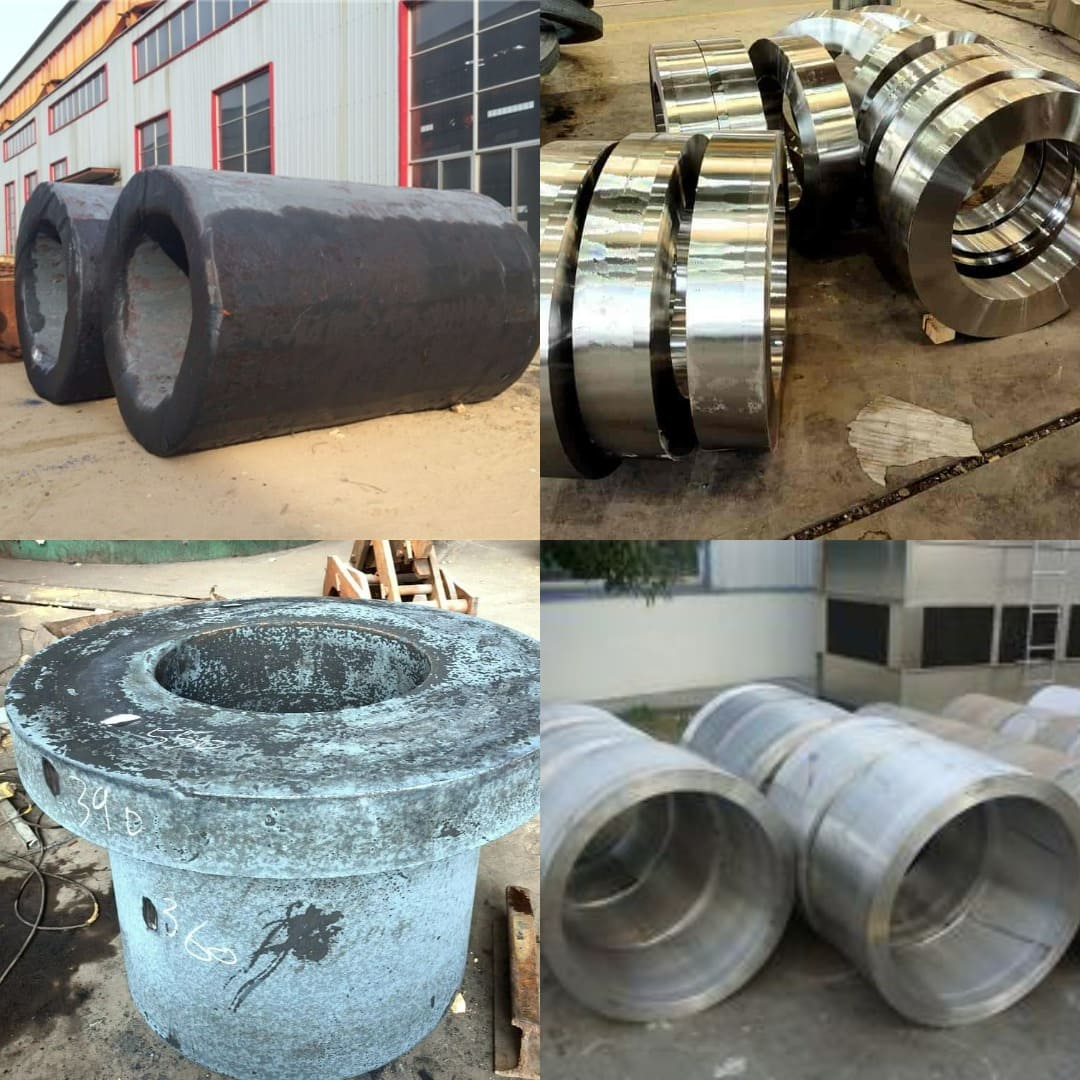
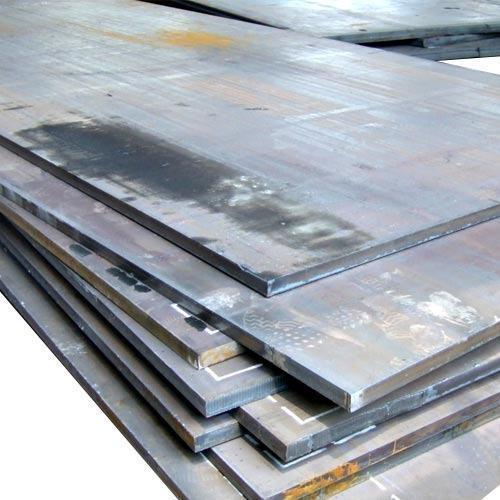
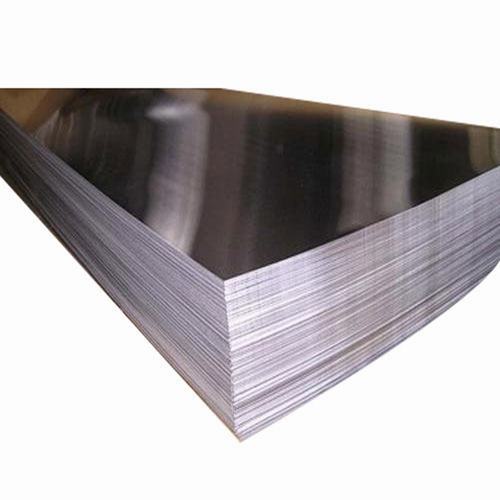
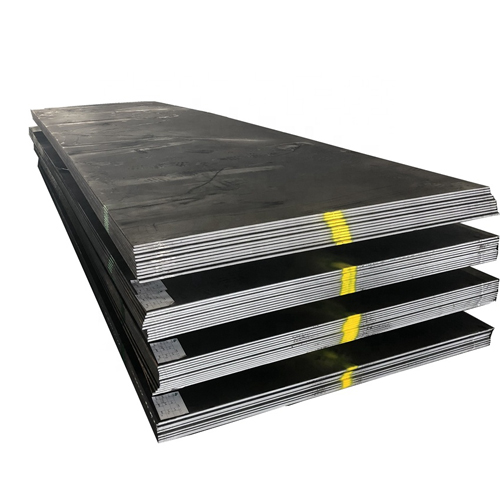
Nm400 high-strength wear-resistant plate is a new type of steel that is especially suitable for cutting, indentation and forging. Because its wear-resistant performance is stronger than traditional steel, its application is becoming increasingly popular. Welding nm400 wear-resistant plate is not as easy as welding ordinary steel. Welding methods and techniques vary according to different impact locations and impact qualities.
First understand the issues that should be paid attention to when welding nm400 wear-resistant plates. Requirements:
1. Keep the welding environment clean and tidy during welding to avoid producing iron powder.
2. Use protective gas welding to reduce oxygen erosion.
3. Use new rivets and new metal components when welding.
4. The welding temperature shall not exceed 85℃~950℃.
5. Surface impurities and small traces should be cleaned before welding to ensure welding quality.
When selecting welding materials, special attention should also be paid to:
1. Use low-carbon wear-resistant plates. Low-carbon wear-resistant plates have excellent wear resistance and can achieve high-speed cutting. , wear-resistant plates are widely used due to their high performance characteristics.
2. Choose alloy materials. Alloy steel can improve the hardness and toughness of the material, making the material more wear-resistant.
3. Choose nylon material. The wear resistance of nylon material is several times that of ordinary metal materials. It can significantly increase the hardness of the material, thereby improving its wear resistance.
When welding nm400 wear-resistant plates, you should also pay attention to using appropriate mesh angles and try to use uniform welding methods, which can improve the welding quality and obtain stronger wear resistance.
About welding nm400 wear-resistant plate, we should mainly pay attention to the following:
1. Keep the welding environment clean and tidy.
2. Use protective gas welding to reduce the corrosive effect of oxygen.
3. Use appropriate welding materials and use uniform welding method for welding.
4. Limit the welding temperature.
5. Clean surface impurities and small traces to ensure welding quality. Before welding, the spacing is also controlled when installing the fixings to prevent excessive hot layer and cold deflection.
It can be seen that welding nm400 wear-resistant plate should follow the specifications, select appropriate welding materials and do the actual welding work, in order to achieve the best wear-resistant performance and maximize its use value.