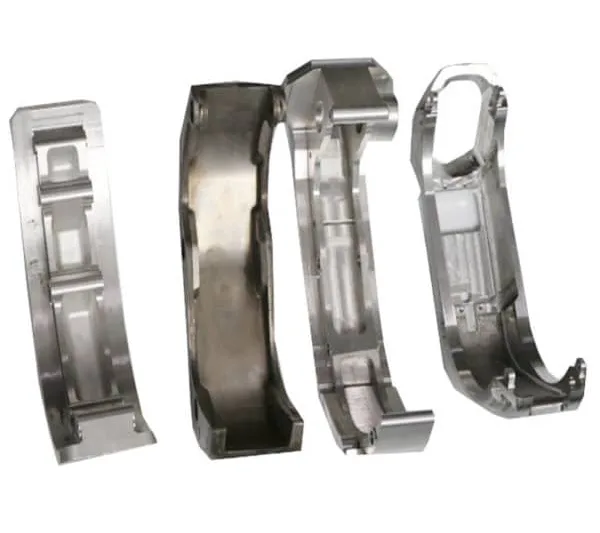
Processing methods of weather-resistant steel plates
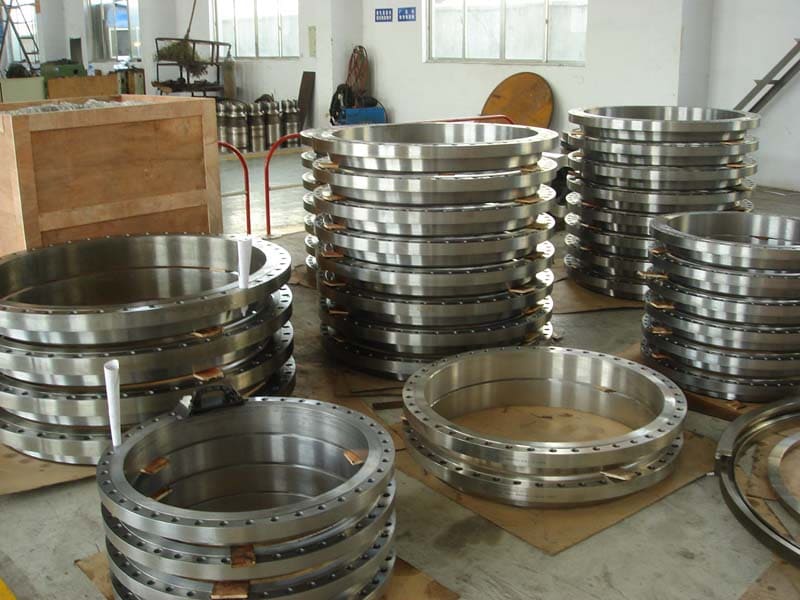
What is weather-resistant steel plate
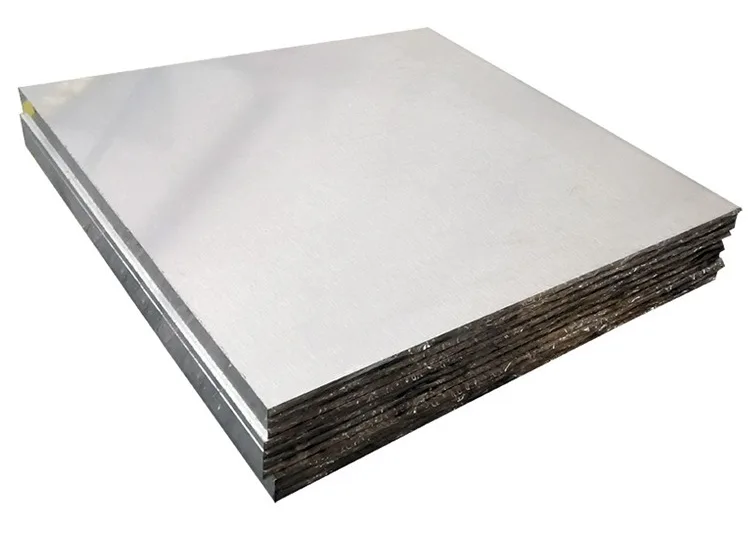
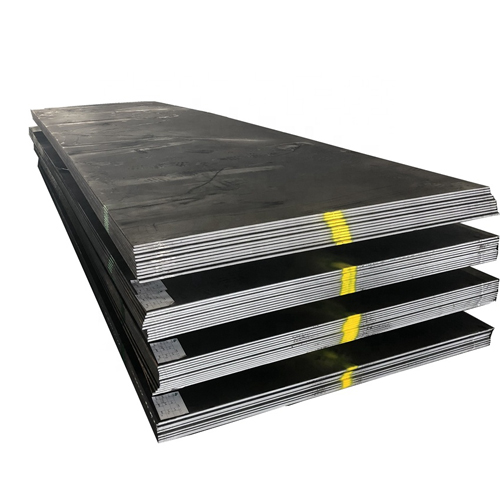
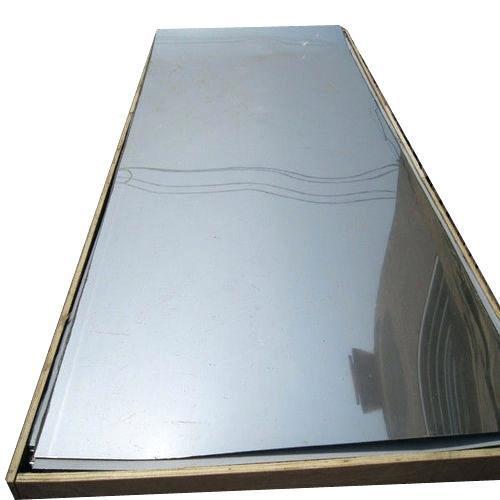
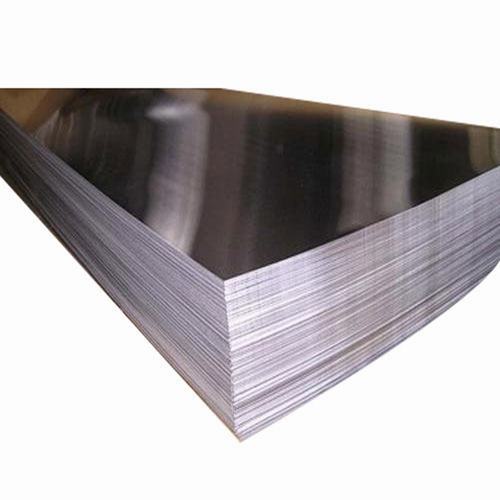
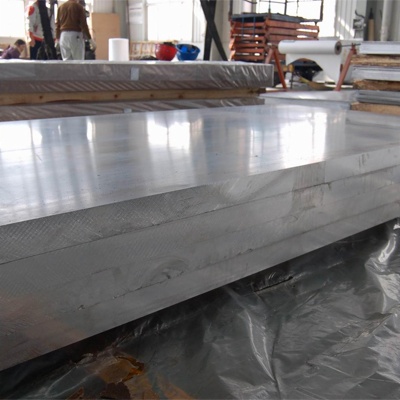
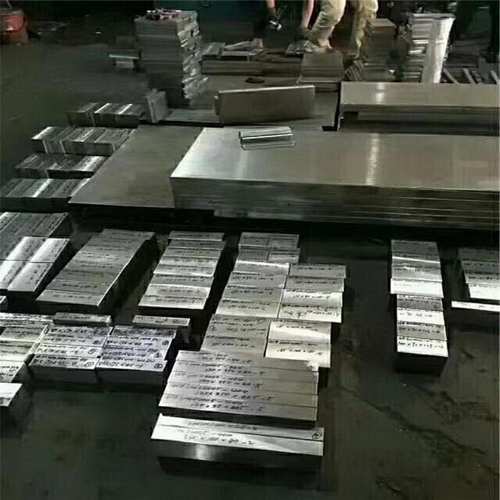
Weather-resistant steel plate is a high-strength structural steel plate with weather-resistant properties. Its main components are copper, chromium, nickel and phosphorus. These elements can form a dense oxide layer, thereby forming a self-healing protective layer in the atmospheric environment, giving the steel plate excellent corrosion resistance.
Characteristics of weather-resistant steel plates
Weather-resistant steel plates have good weather resistance and can be used for a long time under harsh climate conditions.
Weather-resistant steel plates have excellent strength and toughness and can withstand high-intensity loads.
Weather-resistant steel plates have good welding properties and can be processed by welding, bolting, etc.
Weather-resistant steel plate has good plasticity and processability, and can meet the processing needs of various complex shapes.
Weather-resistant steel plates have a beautiful appearance and can meet the design needs of architecture, landscape and other fields.
Application fields of weather-resistant steel plates
Weather-resistant steel plates are widely used in the following fields:
Construction field: Weather-resistant steel plates can be used as building exterior walls, roofs, bridges and other structures material, providing excellent weather resistance and aesthetics.
Automobile manufacturing: Weathering steel plates can be used in the manufacture of automobile bodies and parts to improve the durability and safety of automobiles.
Container manufacturing: Weathering steel plates can be used to manufacture containers, providing good weather resistance and anti-corrosion properties.
Ship manufacturing: Weathering steel plates can be used in ship manufacturing and have excellent weather resistance and corrosion resistance.
Bridge engineering: Weathering steel plates can be used in the construction of bridges to maintain structural stability and safety under harsh climate conditions.
Processing methods of weather-resistant steel plates
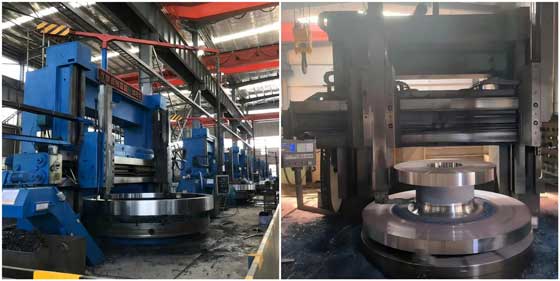
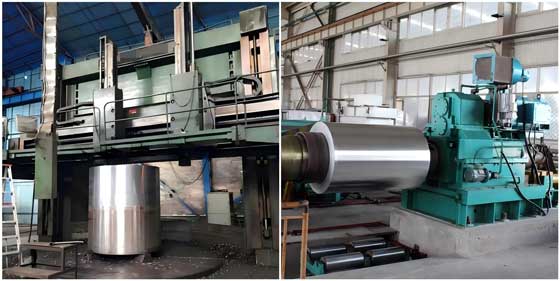
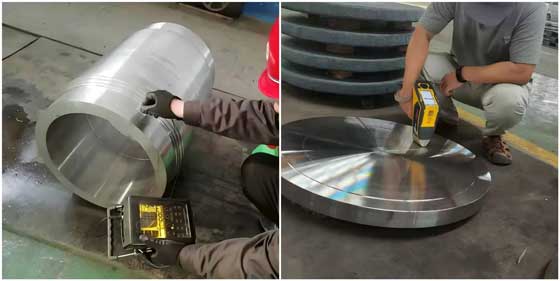
The processing methods of weather-resistant steel plates include cutting, bending, welding and surface treatment.
Cutting of weather-resistant steel plates
Cutting is the first step in the processing of weather-resistant steel plates. Commonly used cutting methods include flame cutting, plasma cutting, laser cutting, etc. When cutting, attention needs to be paid to maintaining a balance between cutting speed and cutting quality to avoid excessive heat-affected zones and cutting defects.
Bending of weather-resistant steel plates
Bending is a processing method that bends weather-resistant steel plates into the required shape. Commonly used bending equipment includes bending machines, plate rolling machines, etc. During the bending process, the bending angle and bending radius need to be controlled to ensure that the processed steel plate does not crack or deform.