Q345 steel plate classification and welding characteristics
随机图片

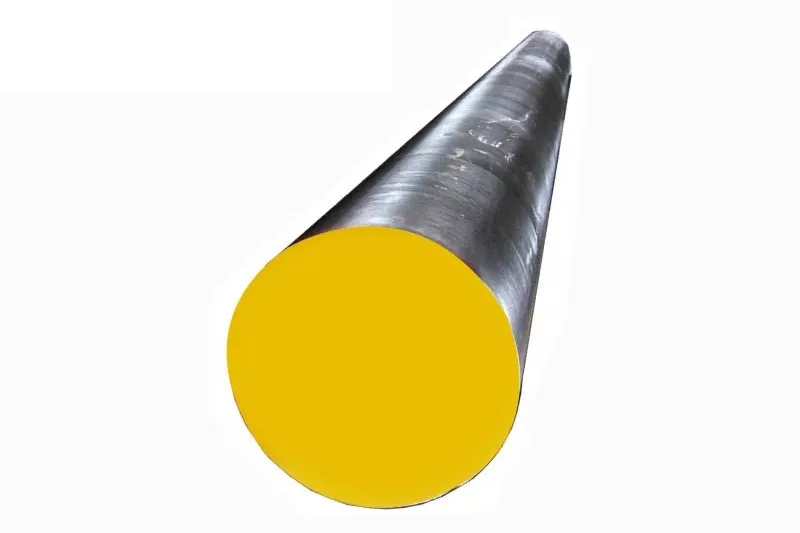
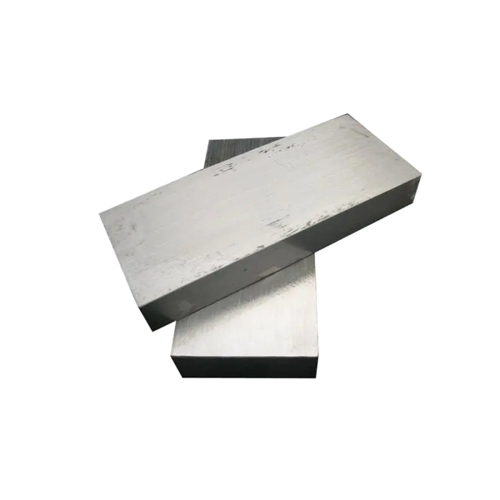
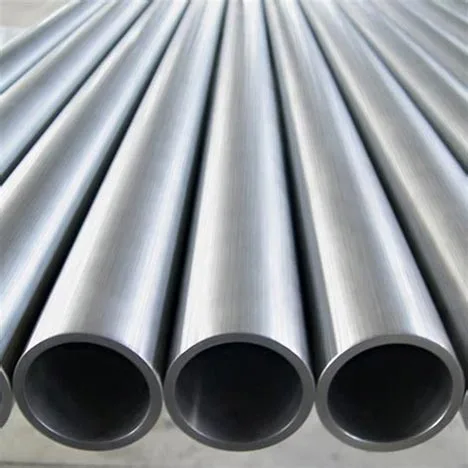
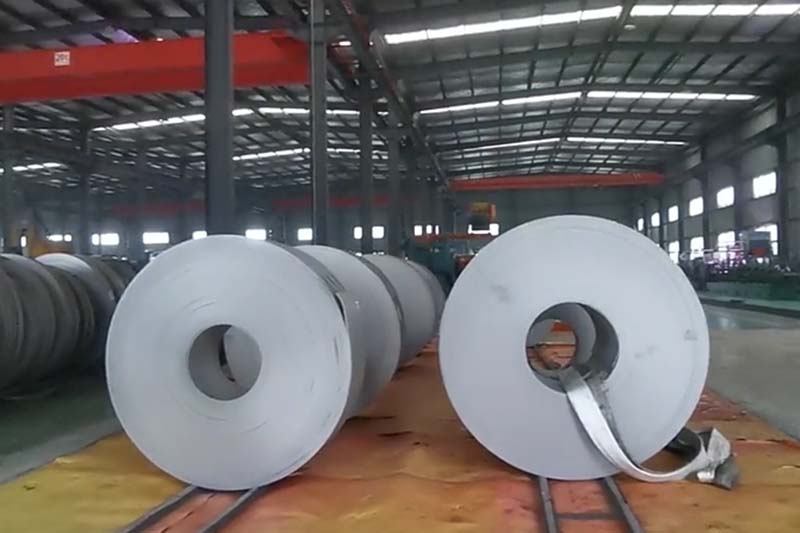
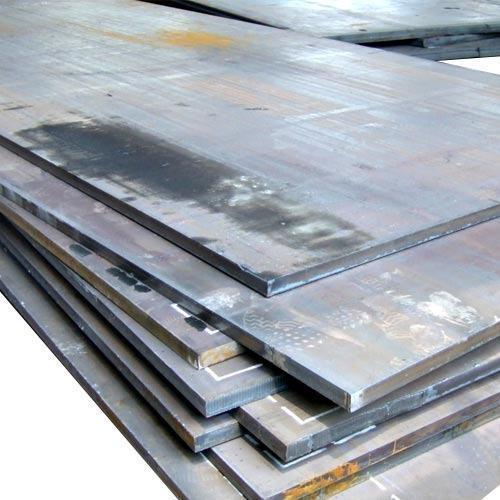
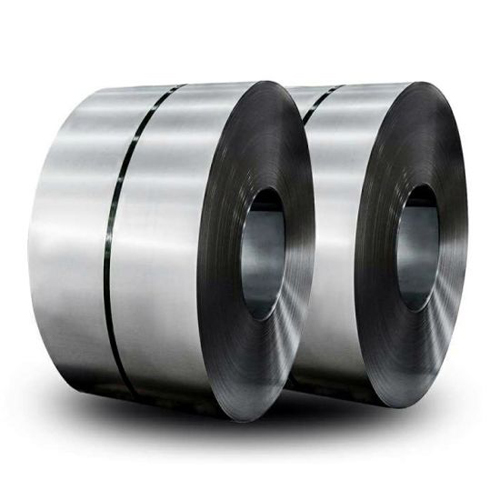
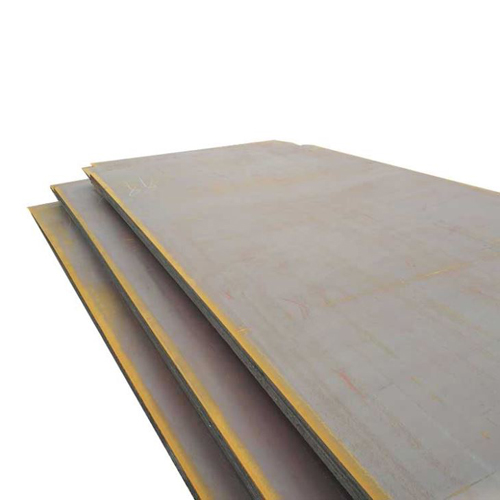
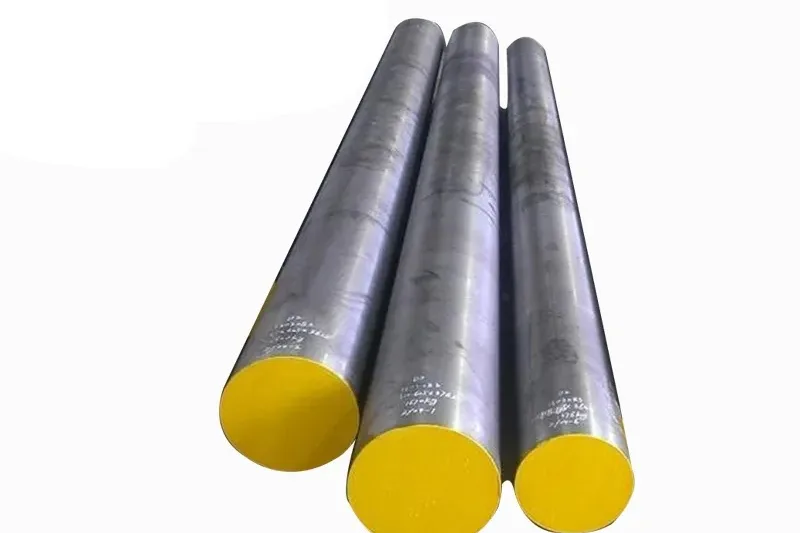
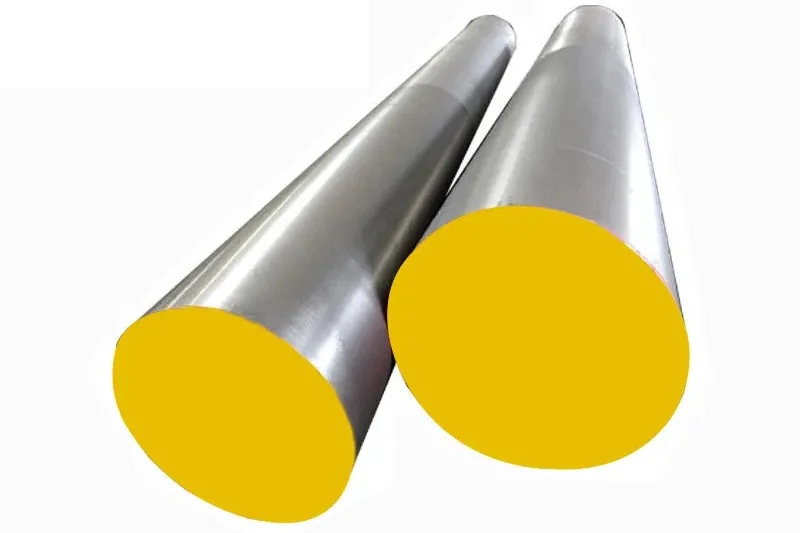
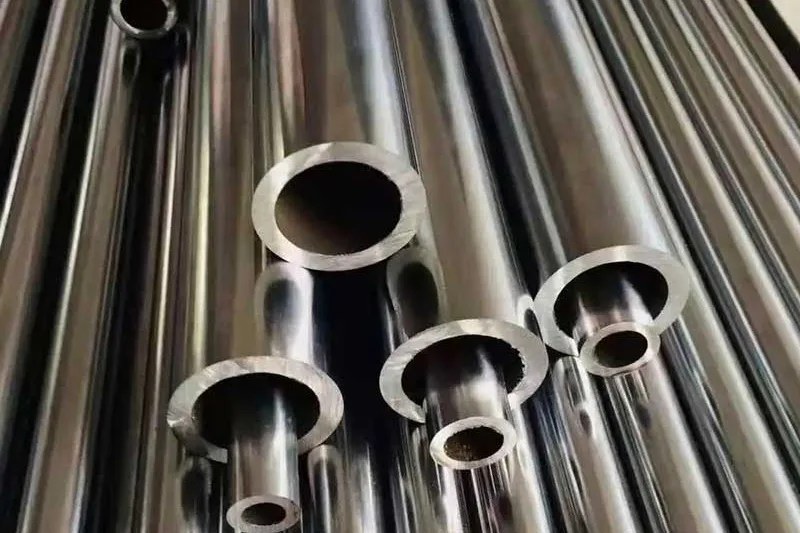
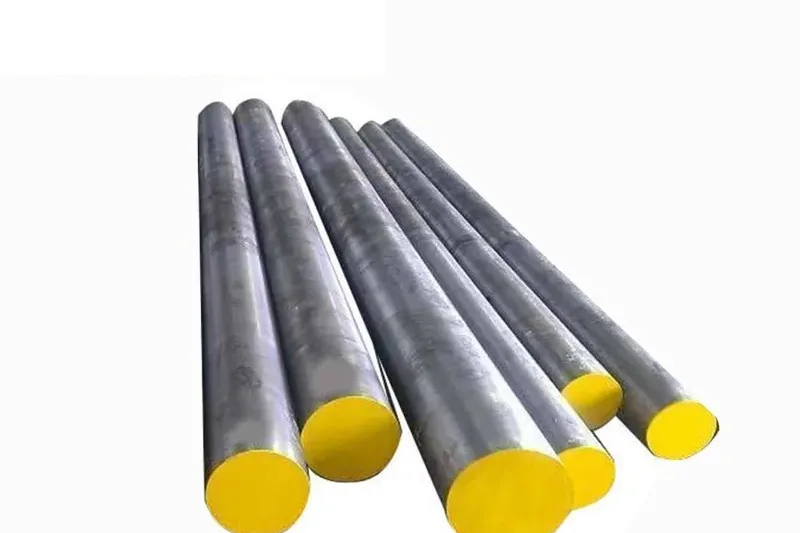
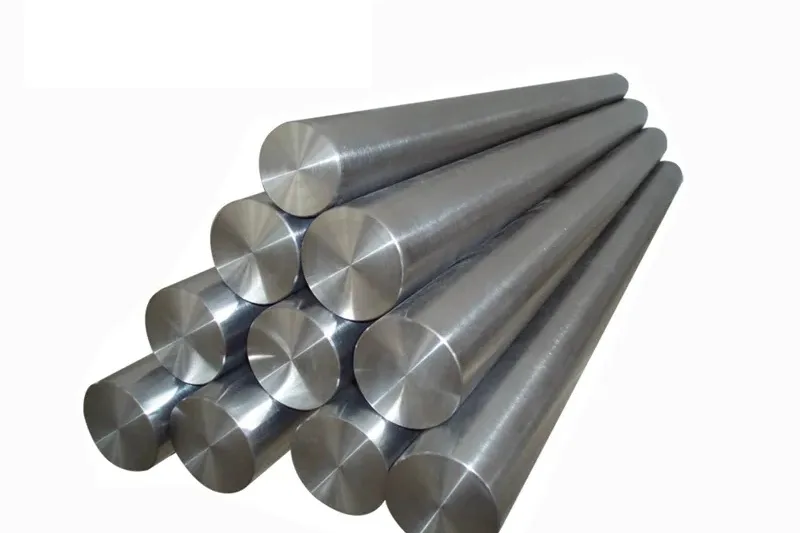
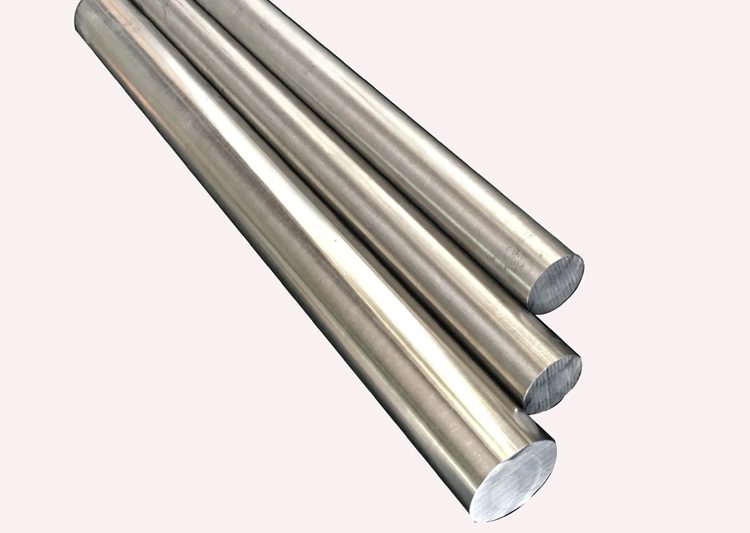
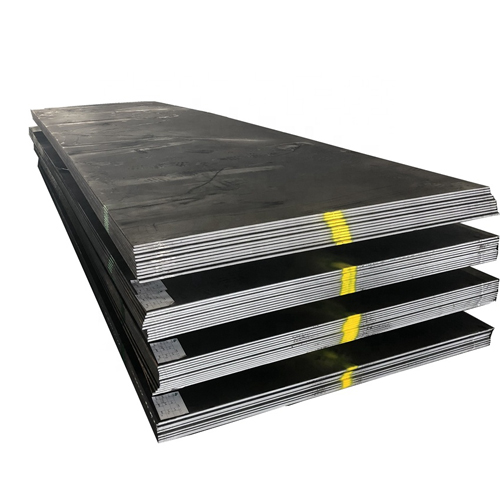
Q345 is a steel material. It is low alloy steel (C<0.2%) and is widely used in buildings, bridges, vehicles, ships, pressure vessels, etc. Q represents the yield strength of this material, and the following 345 refers to the yield value of this material, which is around 345 MPa. And as the thickness of the material increases, its yield value decreases.

Chinese name Q345 steel and foreign name Q345 type is a kind of steel material used in buildings. The yield value of bridges, vehicles and ships is 345

Q345 has good comprehensive mechanical properties and acceptable low temperature performance. It has good plasticity and weldability and is used as medium and low pressure vessels, oil tanks, vehicles, cranes, mining machinery, power stations, bridges and other structures that bear dynamic loads, mechanical parts, building structures, and general metal structural parts. It is used in hot-rolled or normalized conditions. , can be used in various structures in cold areas below -40℃.

Level classification

Q345 can be divided into Q345A, Q345B, Q345C, Q345D and Q345E according to the grade. What they represent is mainly that the temperature of the impact is different.

Q345A level, no impact;

Q345B level, 20 degree normal temperature impact;

Q345C level, 0 degree impact;

Q345D level is -20 degree impact;

Q345E level is -40 degree impact.

At different impact temperatures, the impact values ​​are also different.

Welding characteristics of Q345 steel:

3.1 Calculation of carbon equivalent (Ceq)

Ceq=C+Mn/6+Ni/15+Cu/15 +Cr/5+Mo/5+V/5

Calculate Ceq=0.49%, which is greater than 0.45%. It can be seen that the welding performance of Q345 steel is not very good, and strict process measures need to be formulated during welding.

Problems that are likely to occur when Q345 steel is welded

1 The hardening tendency of the heat-affected zone

During the cooling process of Q345 steel during welding, the heat-affected zone is prone to hardening The quenched structure - martensite is formed, which increases the hardness of the near-seam area and decreases the plasticity. The result is post-weld cracking.

2 Cold crack sensitivity

The welding cracks of Q345 steel are mainly cold cracks.

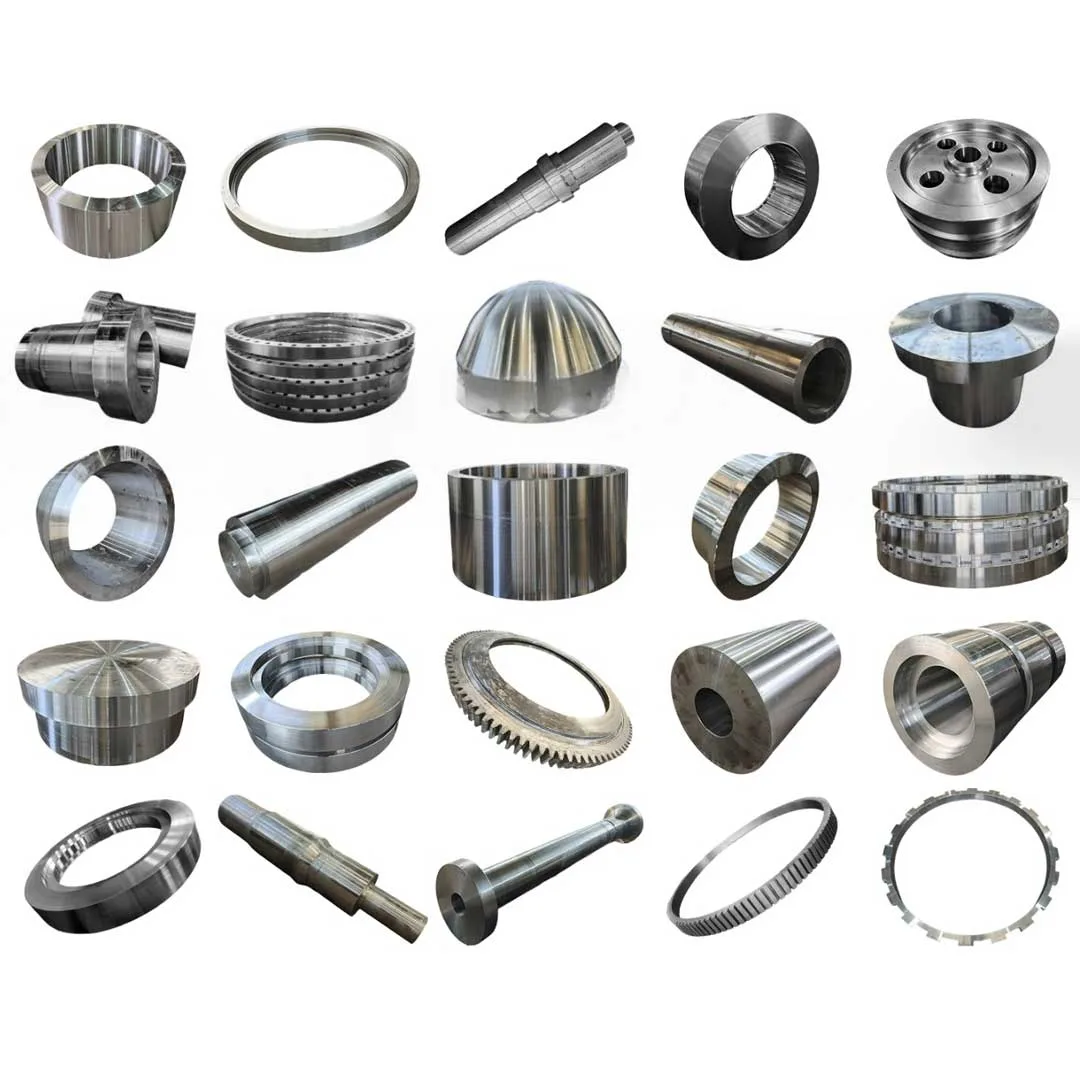
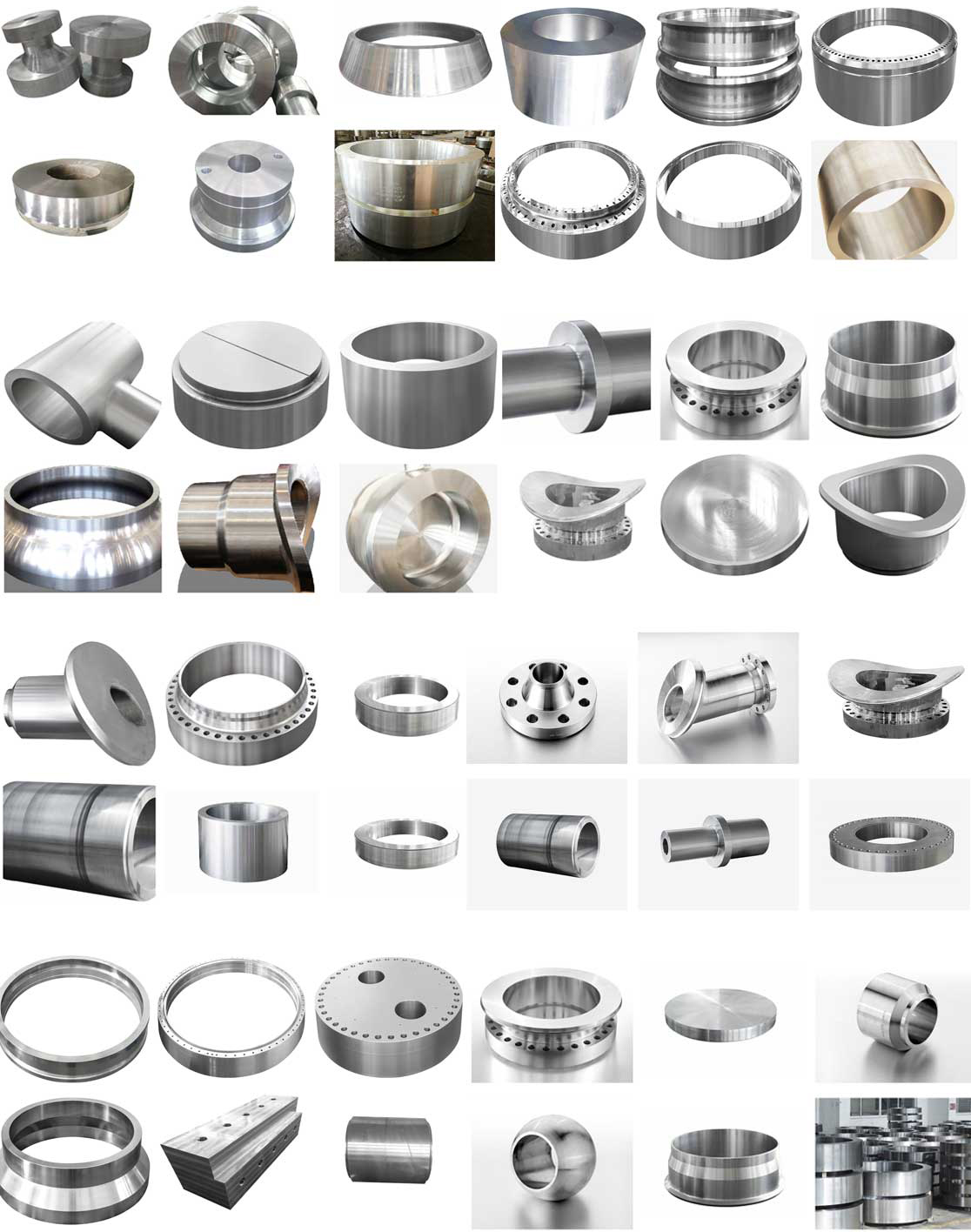
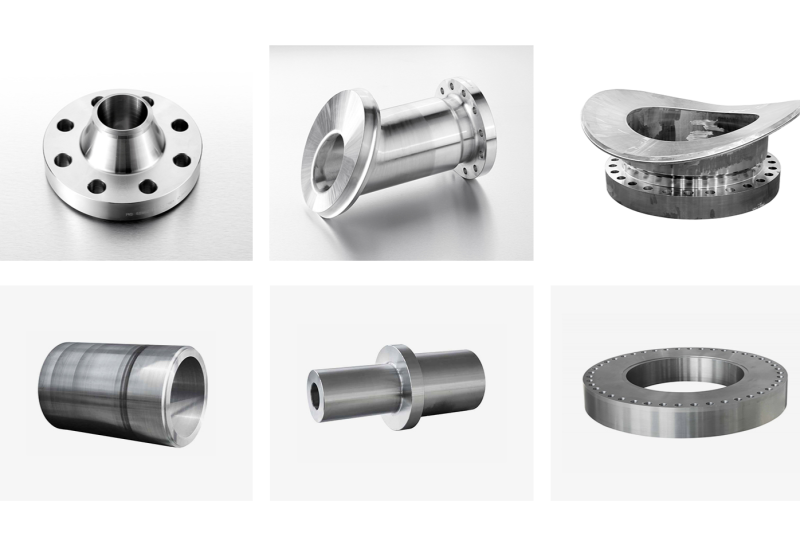
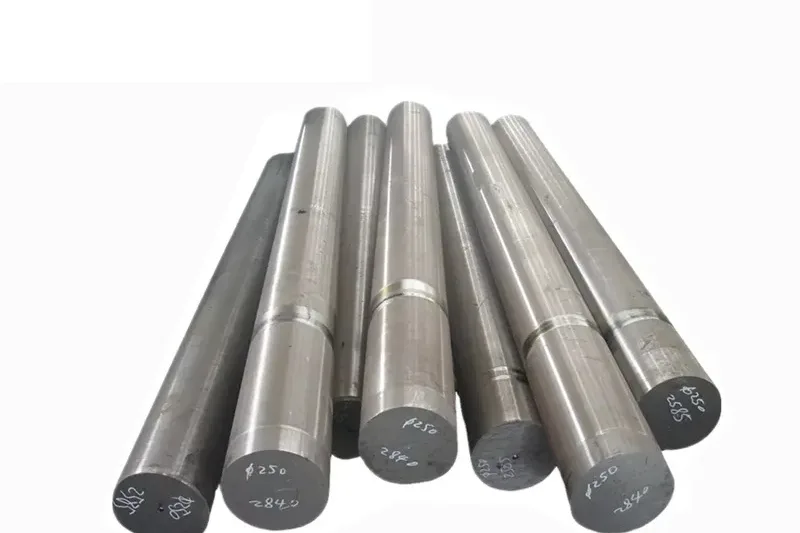
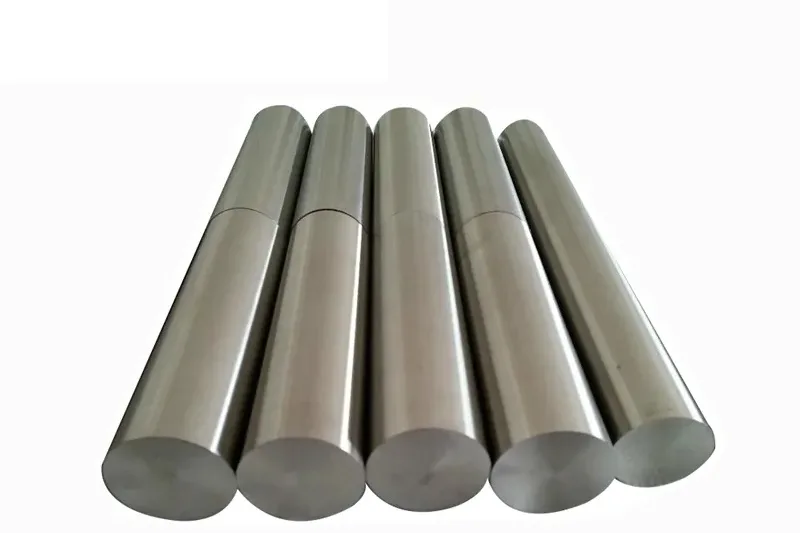
We also provide forging blanks and CNC precision machining services for our clients, covering industries such as energy, petrochemicals, steel, engineering machinery, plastics, prevention and control, hydraulics, healthcare, and food. Please feel free to send us drawings for inquiries.
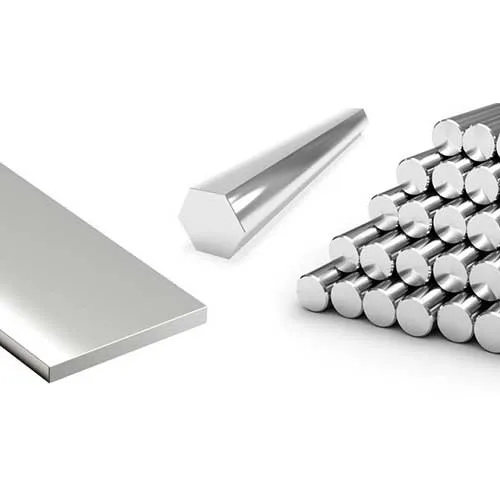
Metalworking Services

CNC Machining

Sheet Metal Fabrication

Metal Welding

Metal Cutting

Metal Bending

Metal Punching

Metal Forging

Metal Sheet Rolling

Tube and Plate Drilling

Heavy Forging Press Capacity

Heavy Forging Press Capacity

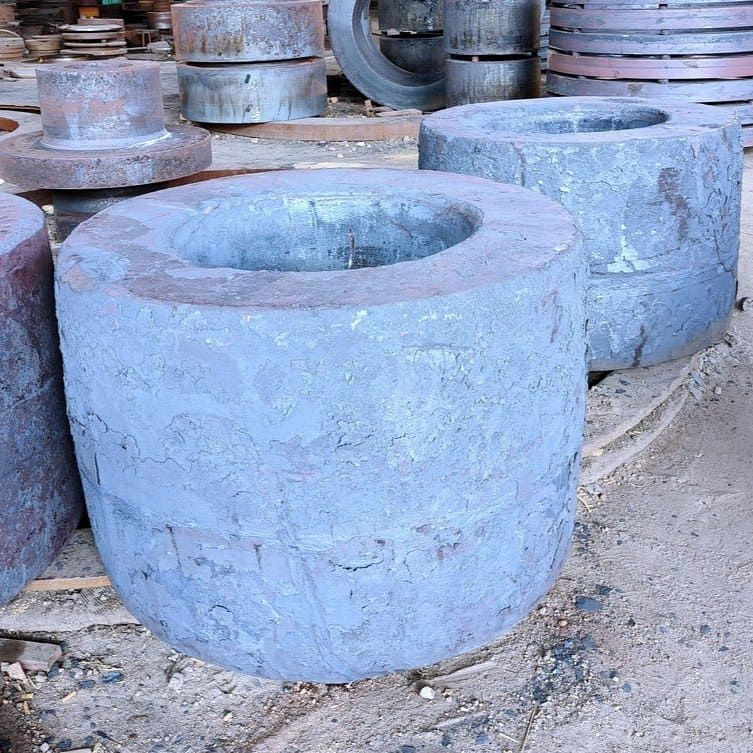
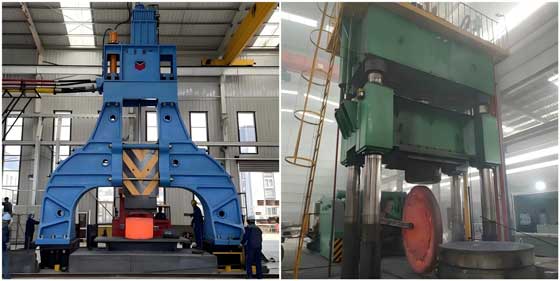
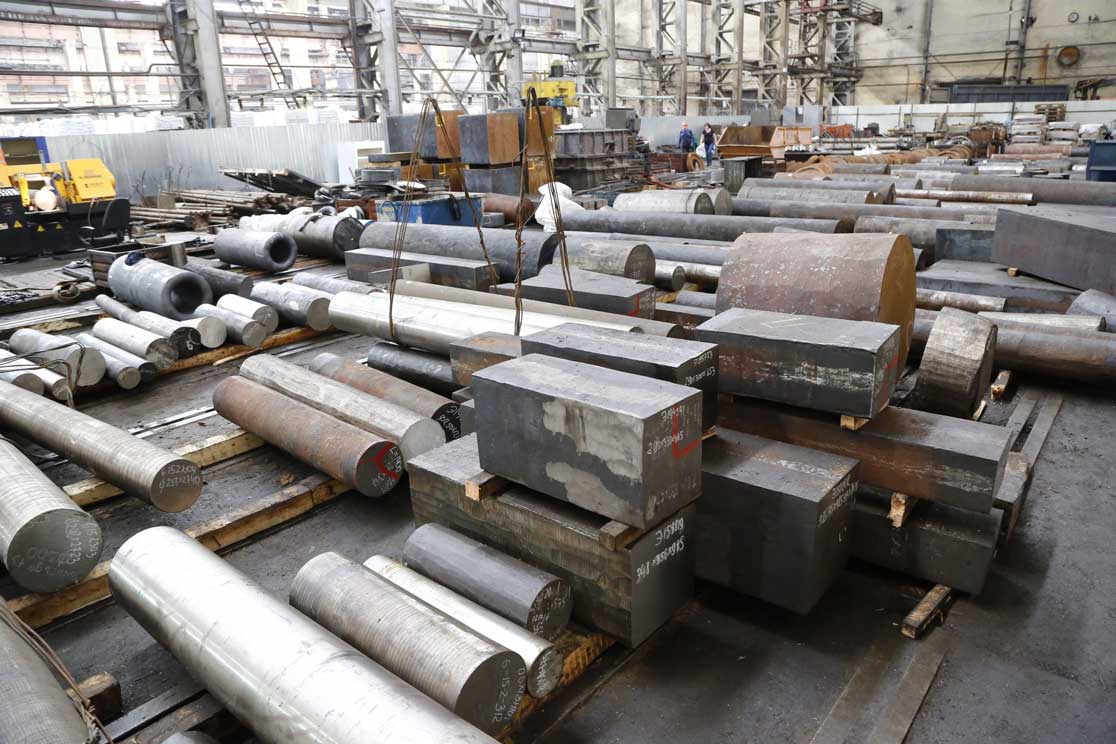
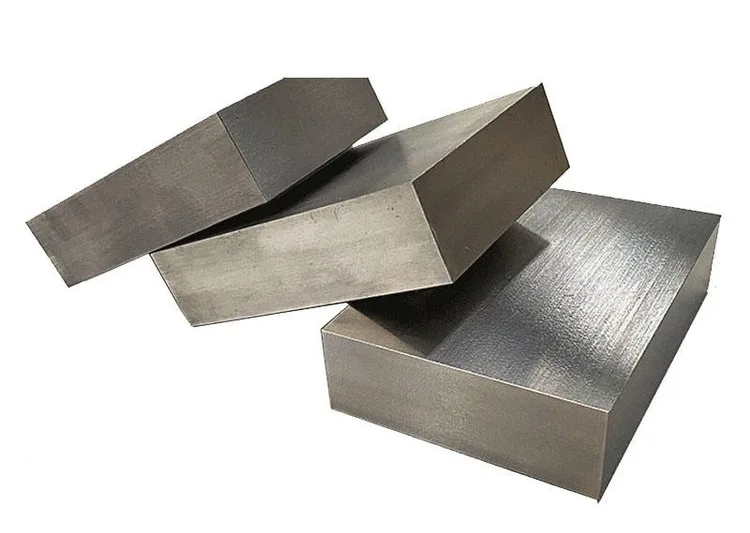
Our heavy-duty forging presses support open-die forging and deformation of large-section forgings, including discs, shafts, blocks, and custom components. This capability enables us to meet the demanding forming requirements of heavy industrial applications.
Heat Treatment Capability

Heat Treatment Capability

Heat treatment is a critical step in achieving the mechanical properties required for heavy-duty forgings. Our process capabilities meet the strength, toughness, and structural stability requirements for forged components used under demanding operating conditions.

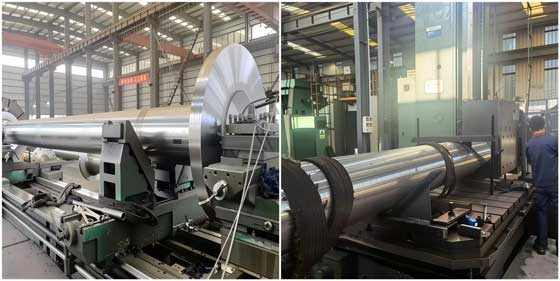
Heavy Shaft Machining

Heavy Shaft Machining

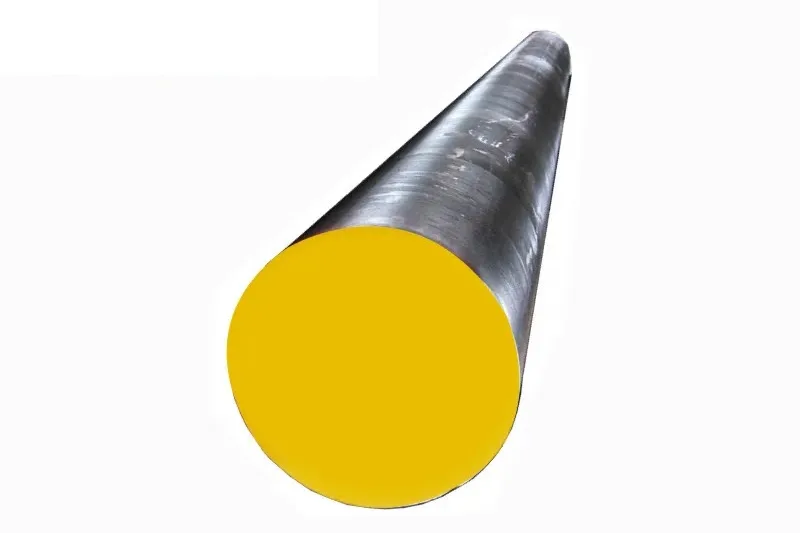
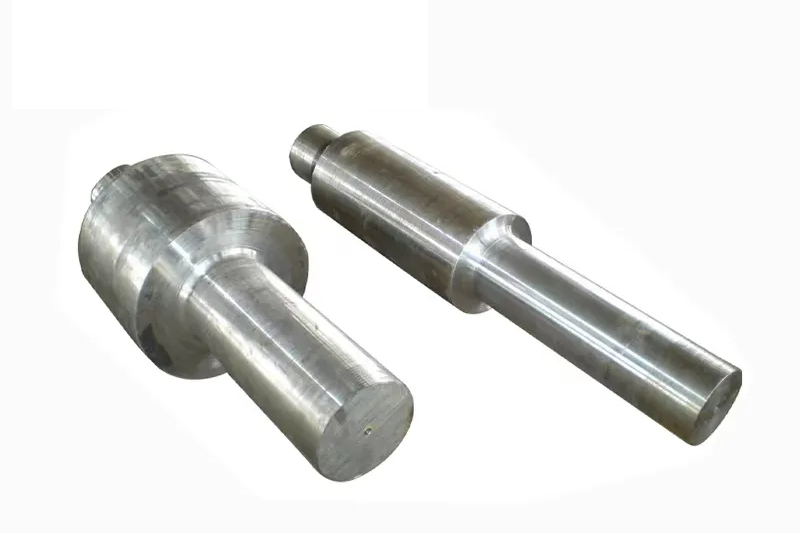
We offer machining capabilities for large forged shafts and long cylindrical components, supporting both rough and finish machining. This capacity is suitable for stepped shafts, rotor shafts, rollers, and other heavy-duty forged shaft components.

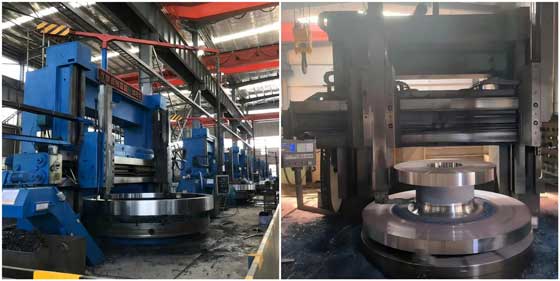
Ring Forging Machining

Ring Forging Machining

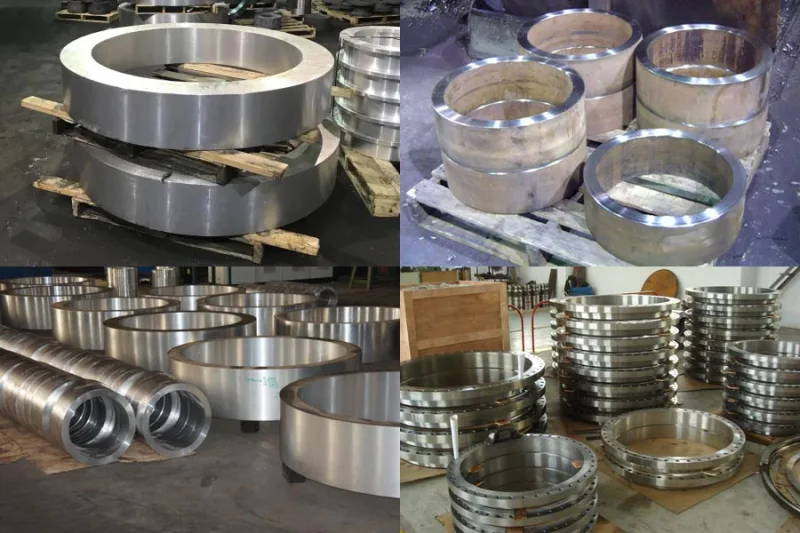
Our machining facilities are capable of handling large ring-shaped forgings and circular parts that require precise turning, face machining, boring, and contour control. This capability is suitable for industrial ring blanks, heavy-duty circular parts, and machined ring forgings.

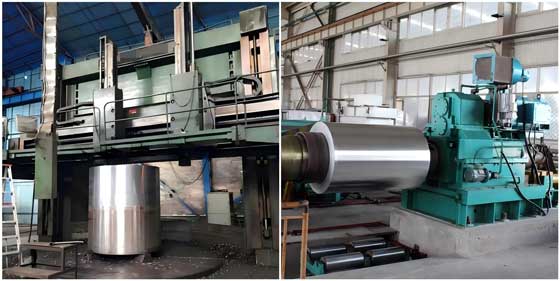
Cylindrical Forging Machining

Cylindrical Forging Machining

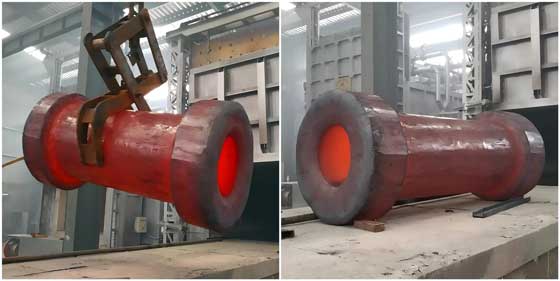
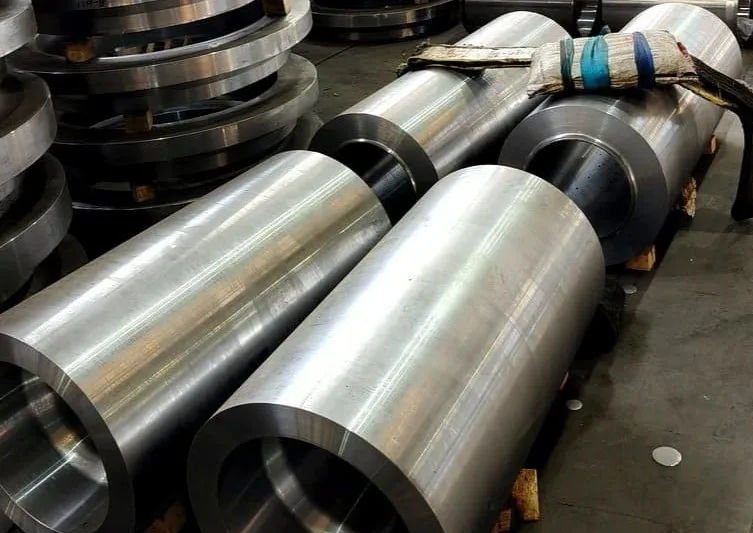
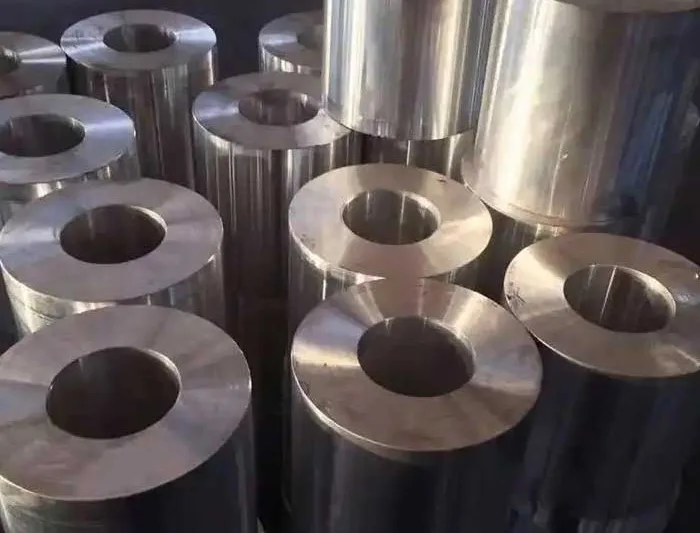
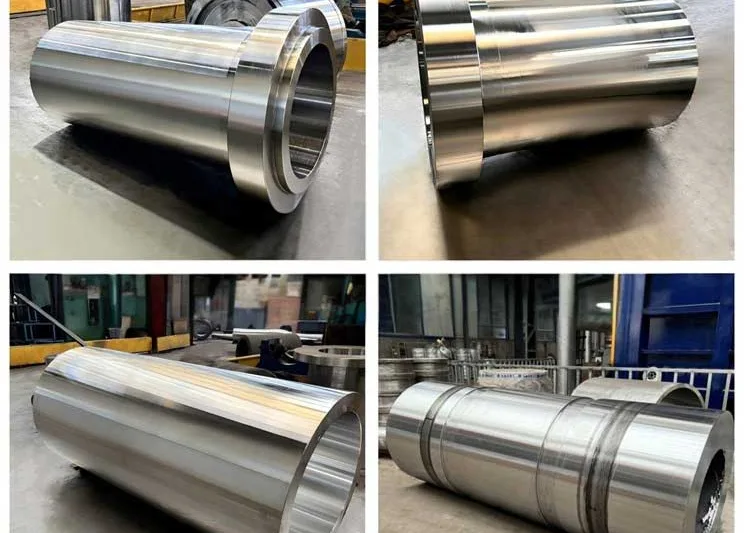
We offer machining solutions for heavy-duty cylindrical, hollow, and tubular forgings. This capability supports the machining of sleeves, cylinders, and other thick-walled forged components used in pressure vessels, rotating systems, and general industrial applications.

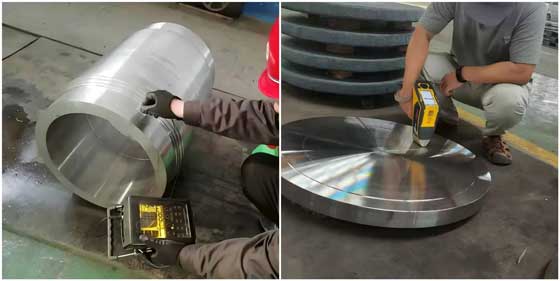
Inspection & Testing

Inspection & Testing

Quality control is integrated into our production process through the inspection and testing of forged and machined parts. Our capabilities help verify the dimensional accuracy, condition, and quality consistency of industrial forgings prior to delivery.

Packing & Delivery

Packing & Delivery

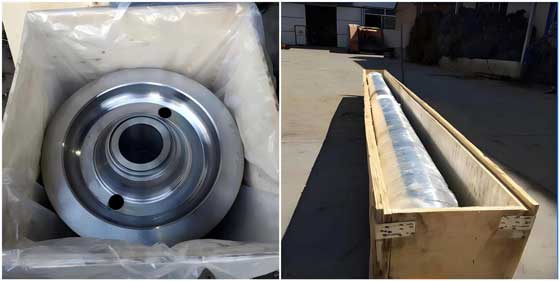
Finished forgings are properly protected and packaged to minimize the risk of damage during storage and transportation. Our packaging methods ensure the safe domestic delivery and export shipment of machined and high-value forged components.

forging steel CNC Processing CNC Processing

Recently Posts