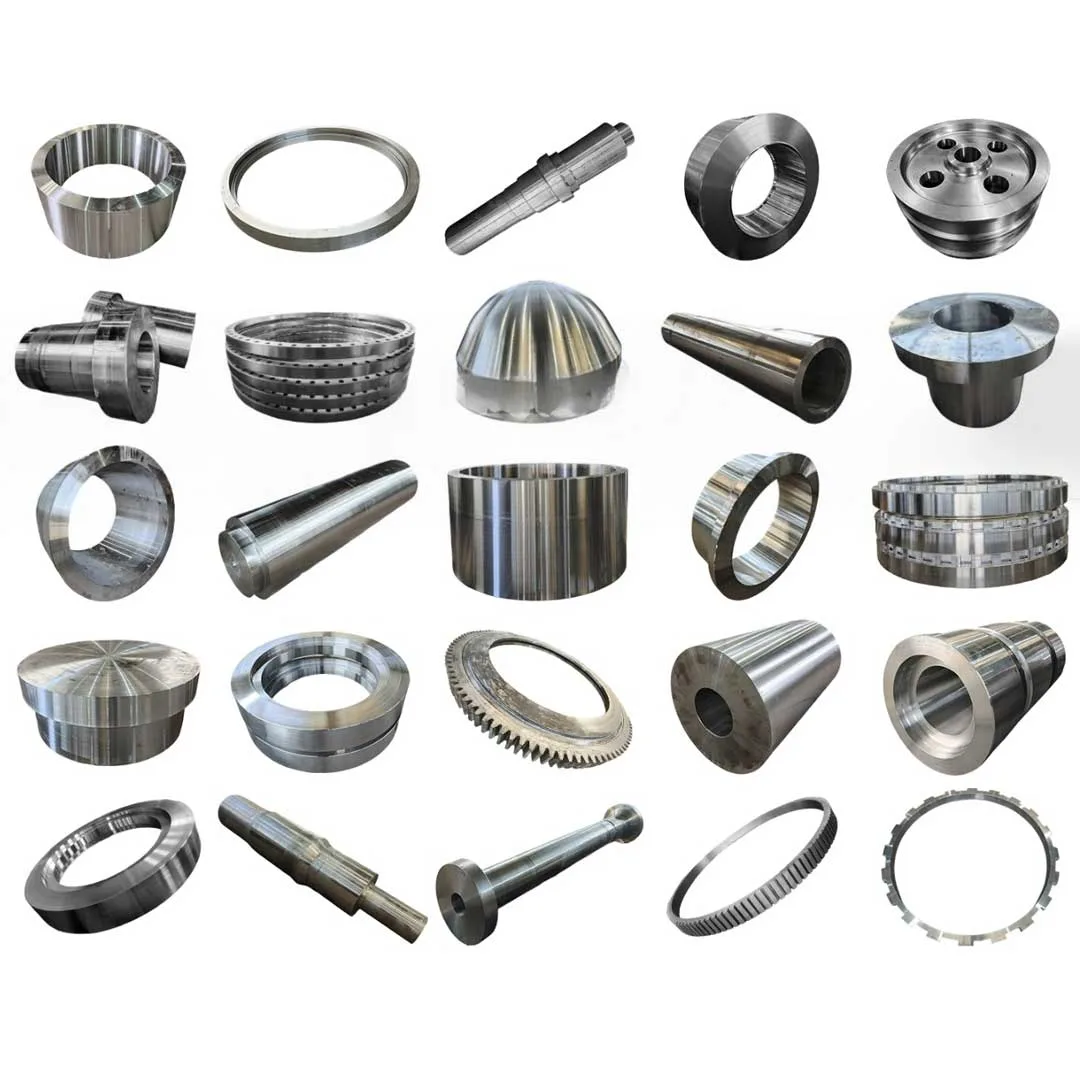
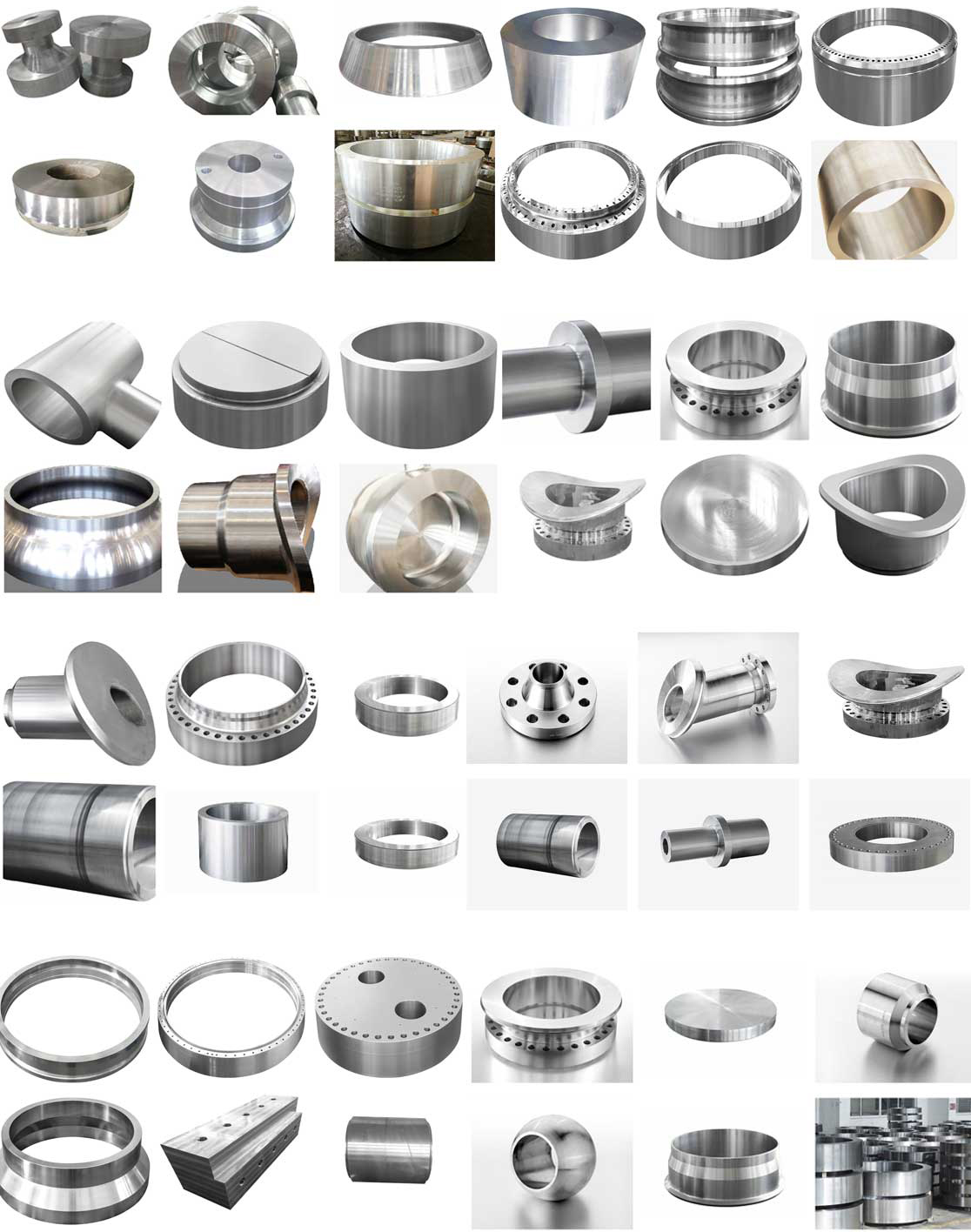
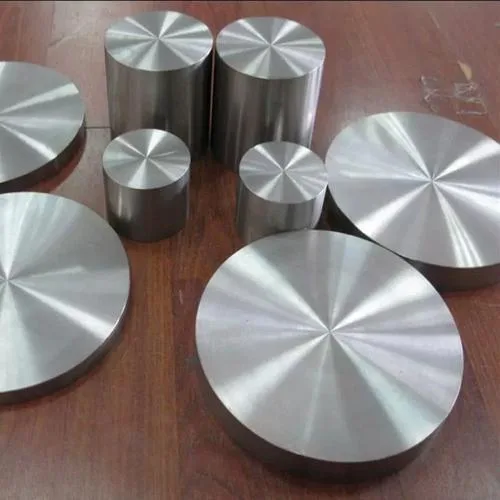
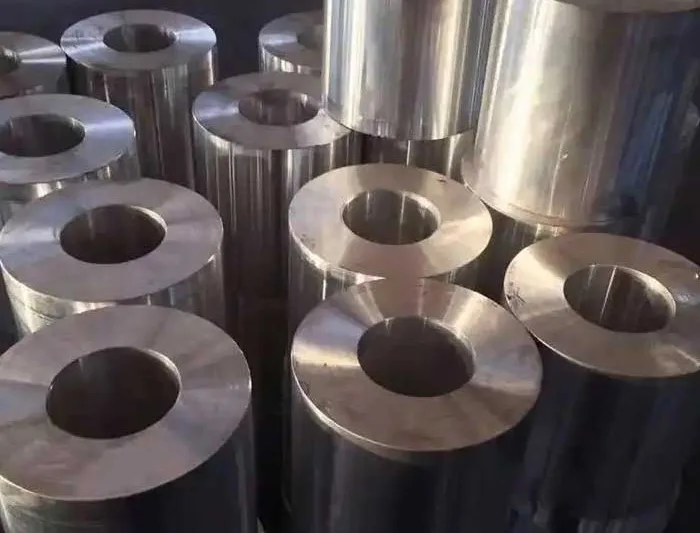
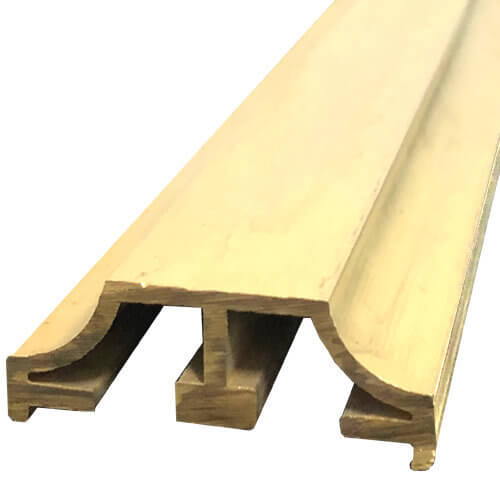
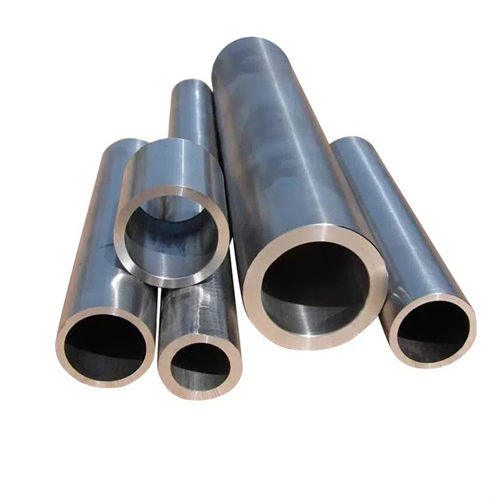
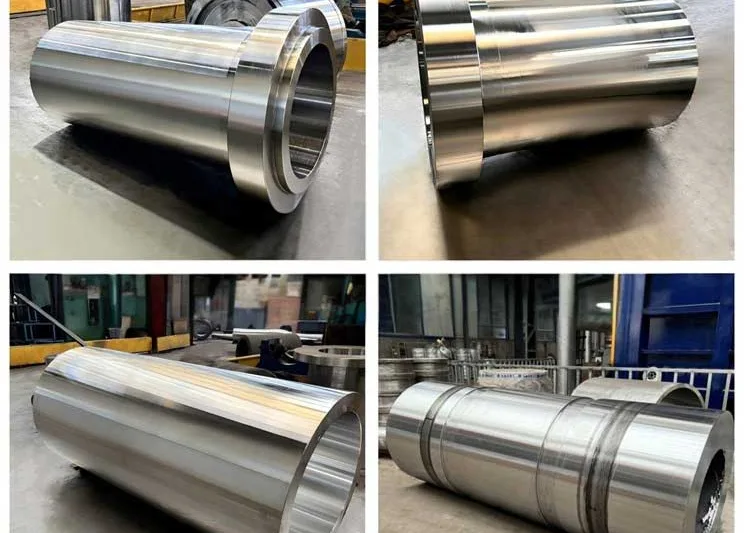
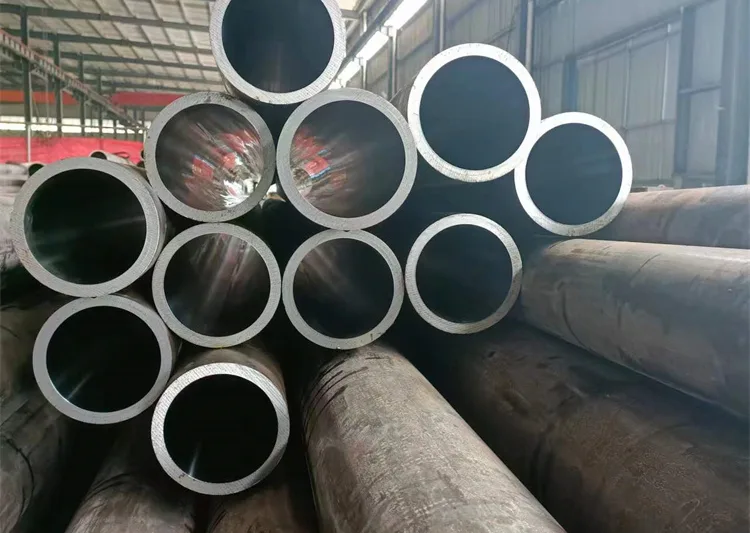
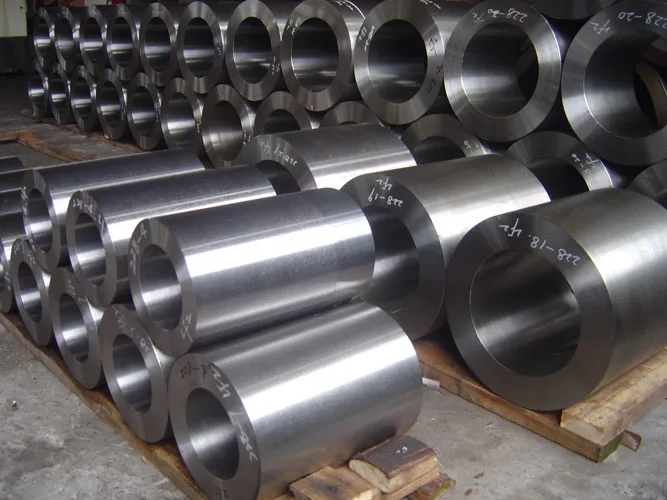
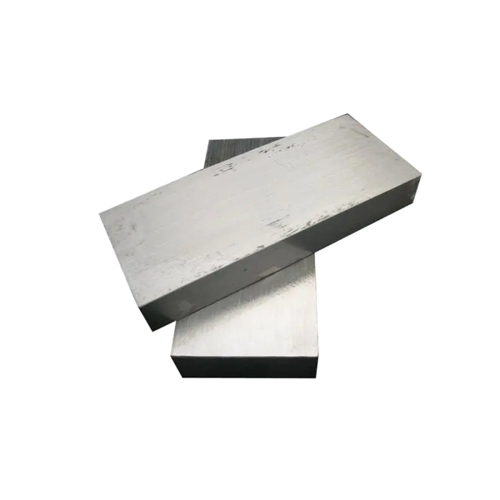
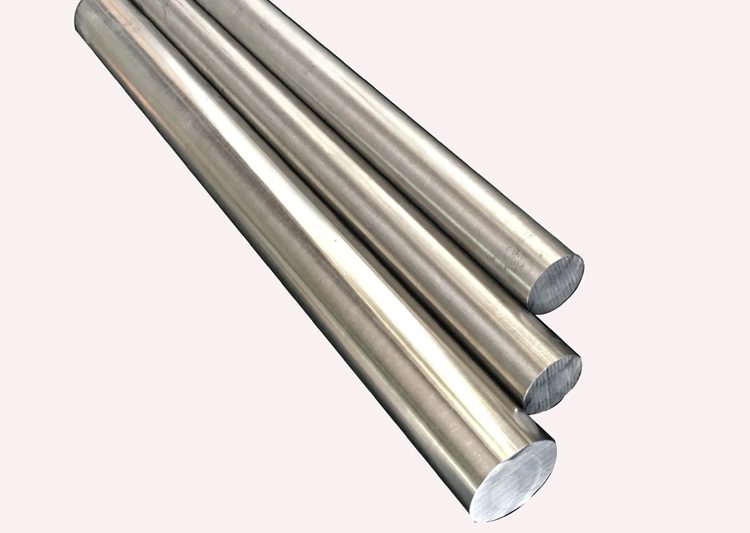
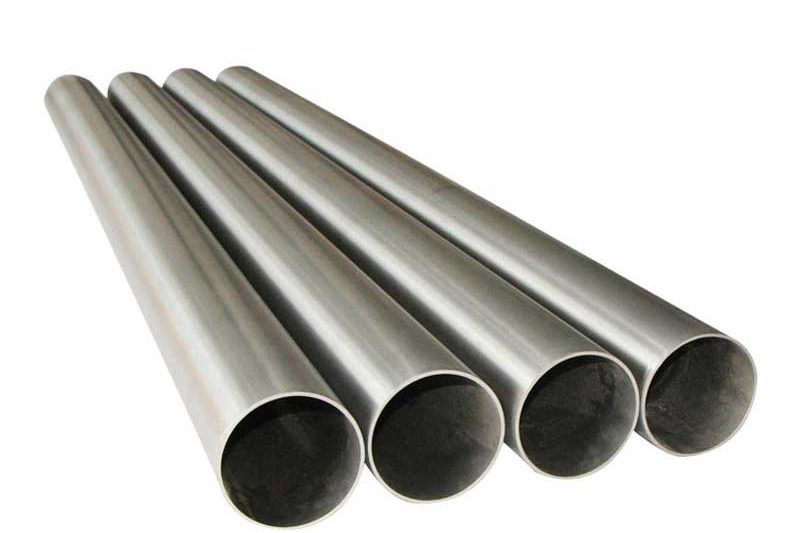
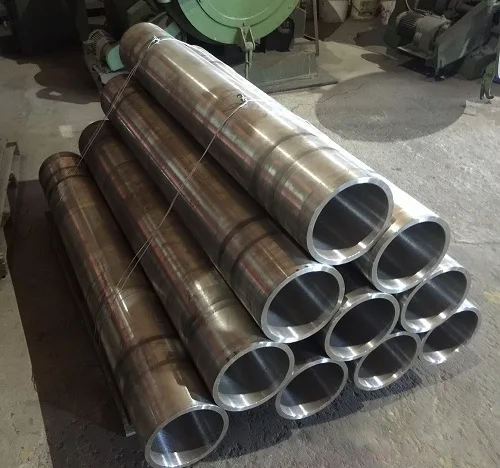
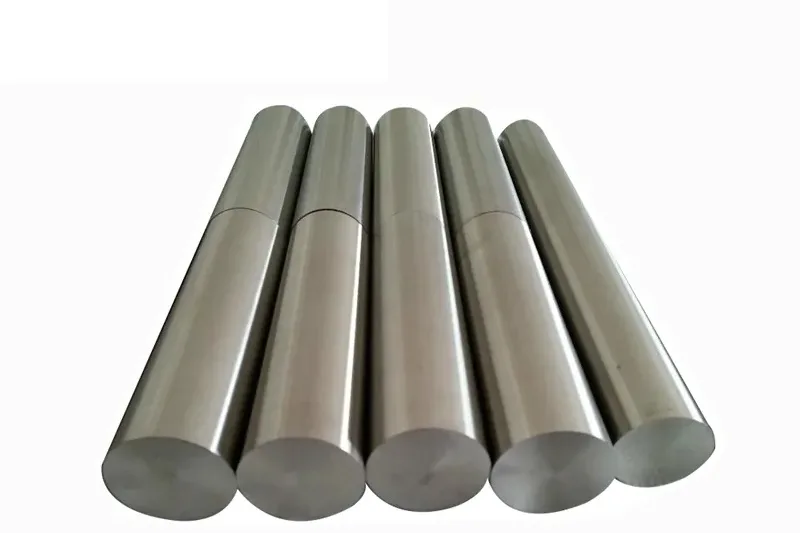
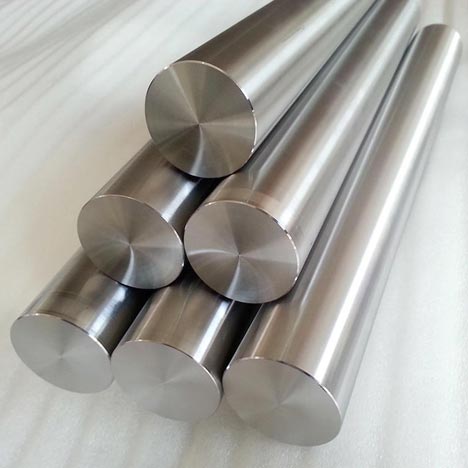
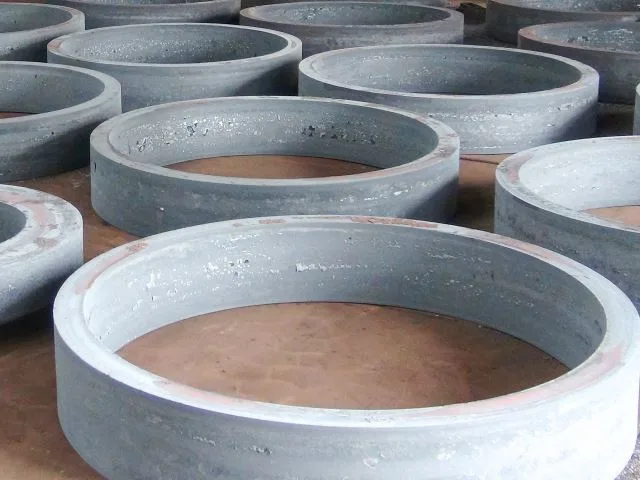
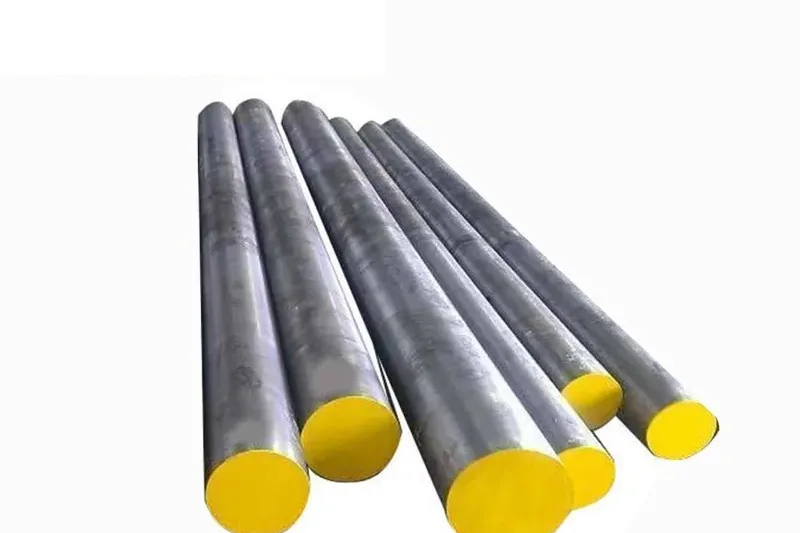
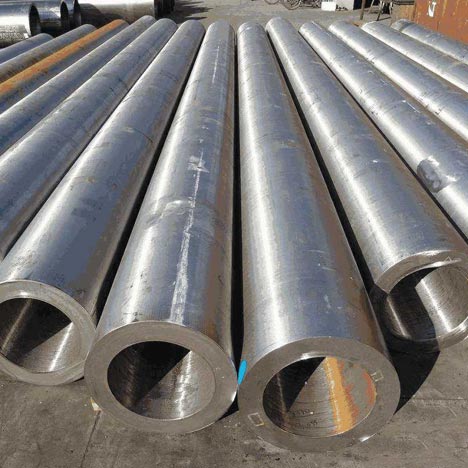
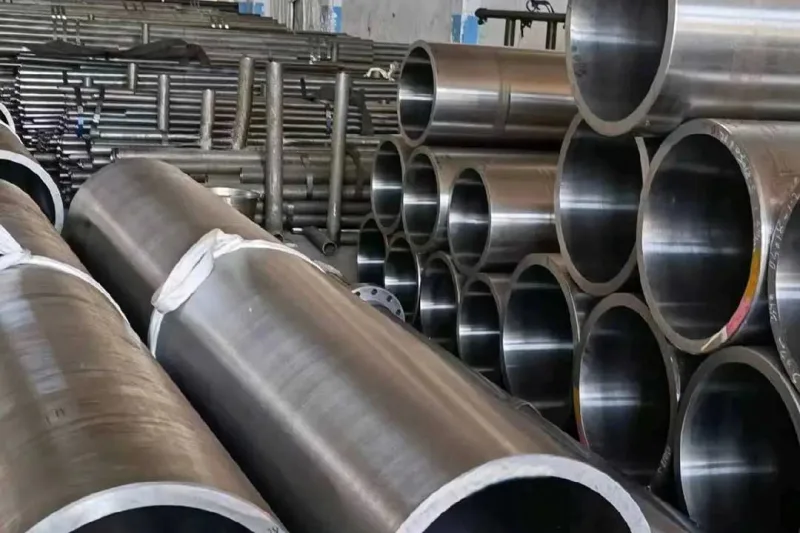
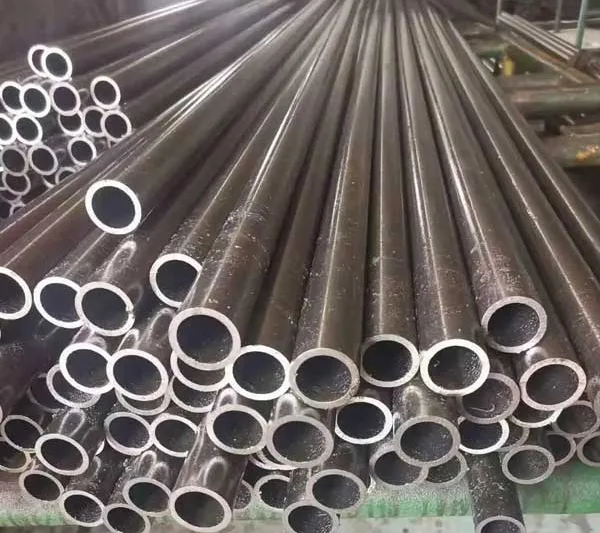
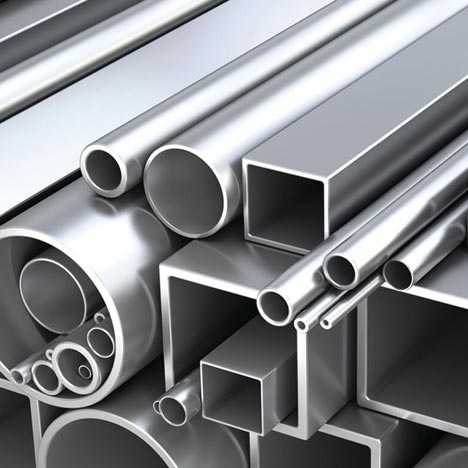
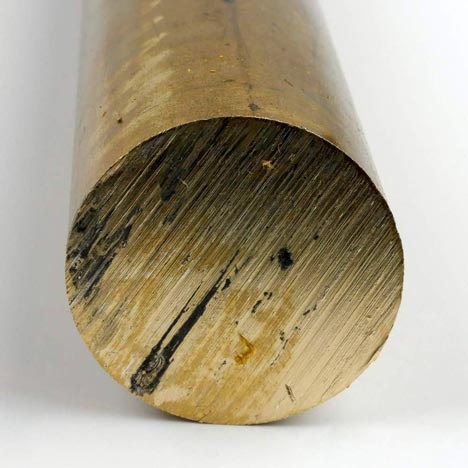
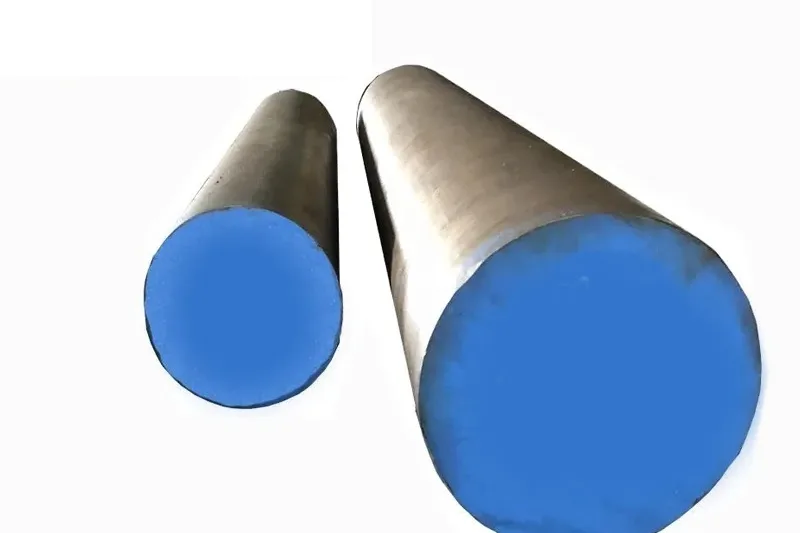
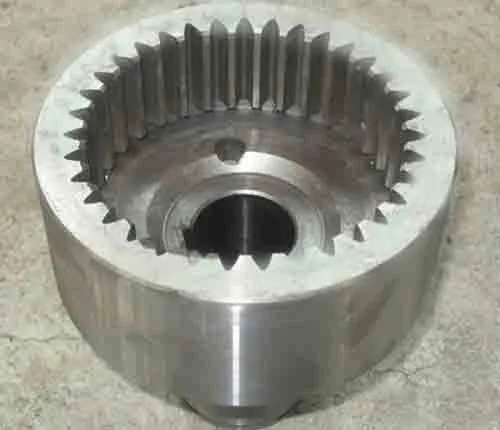
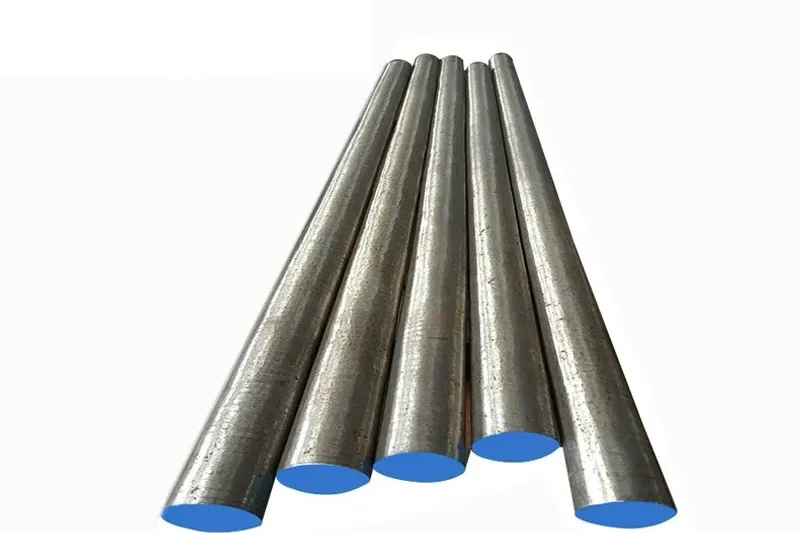
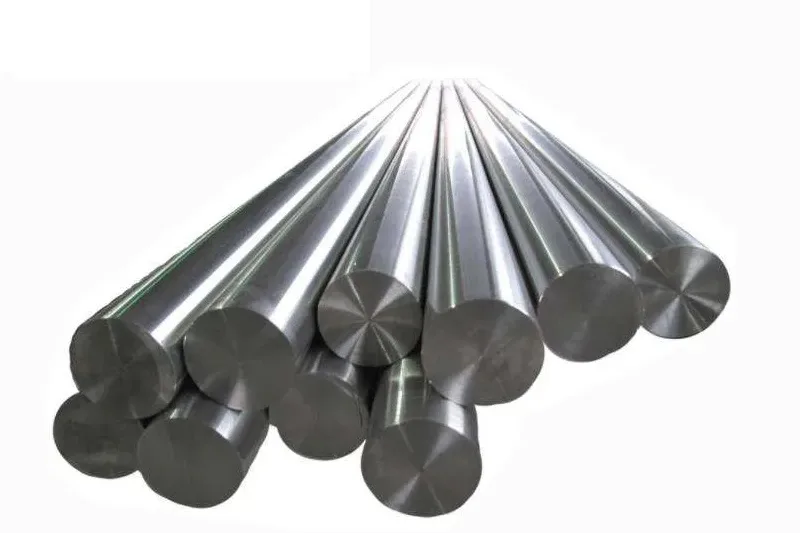
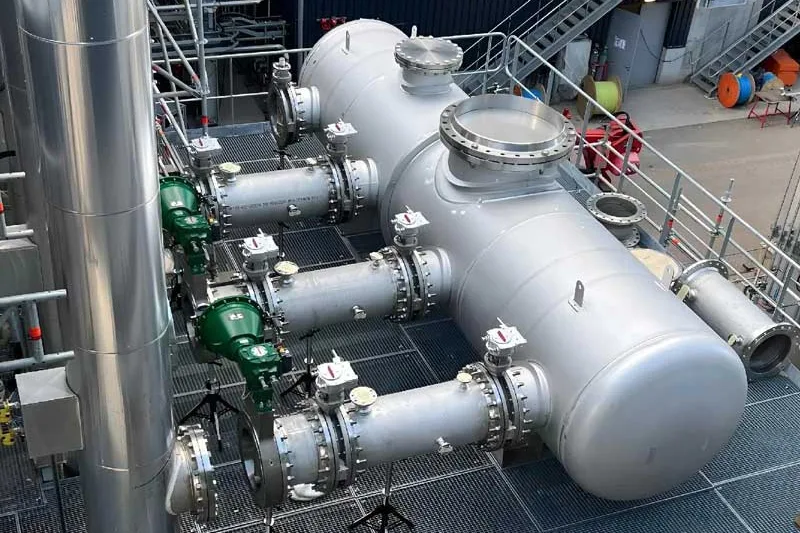
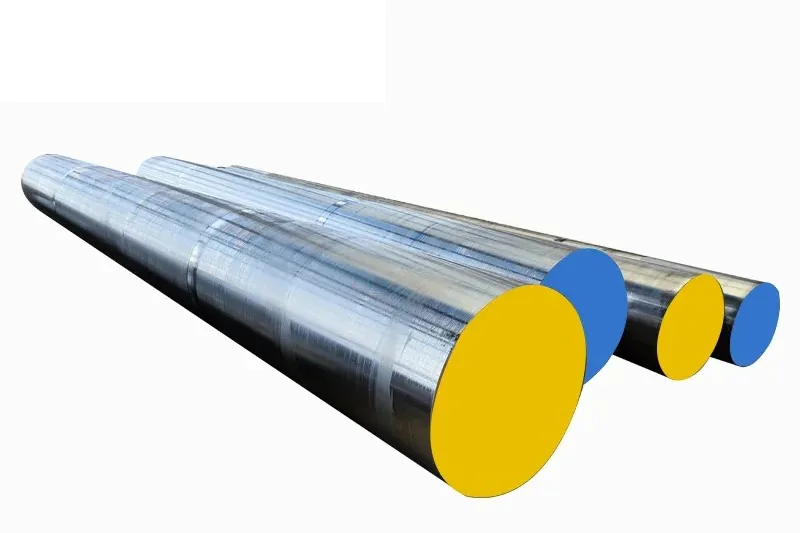
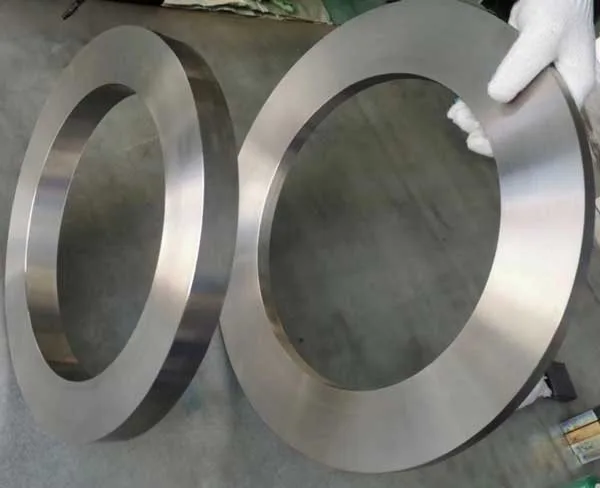
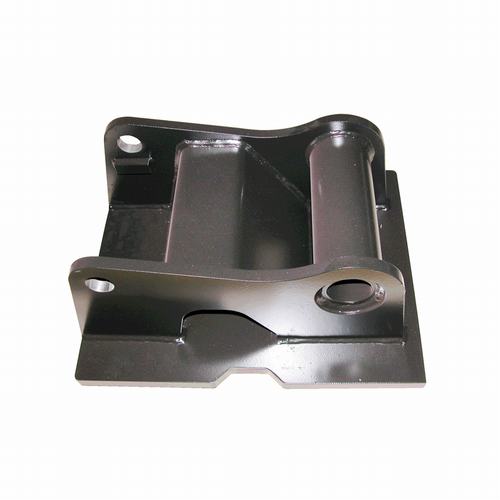
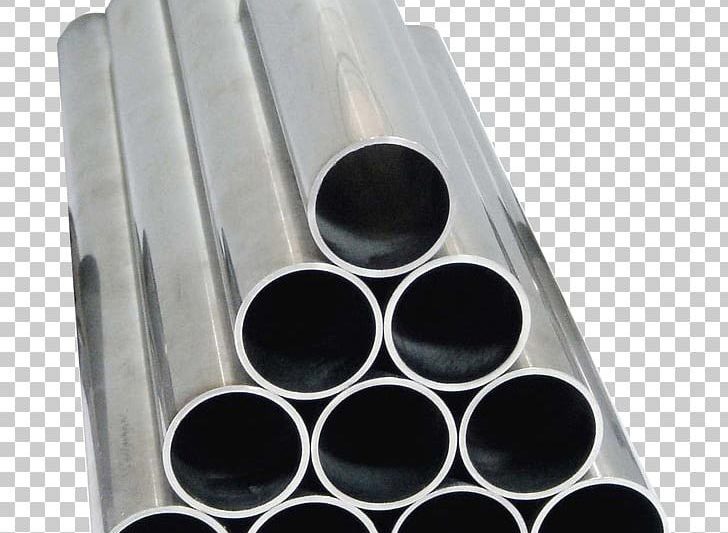
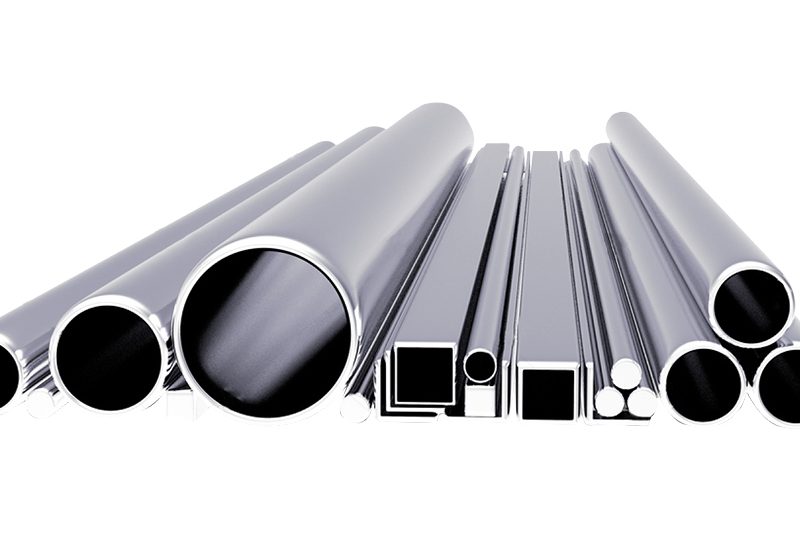
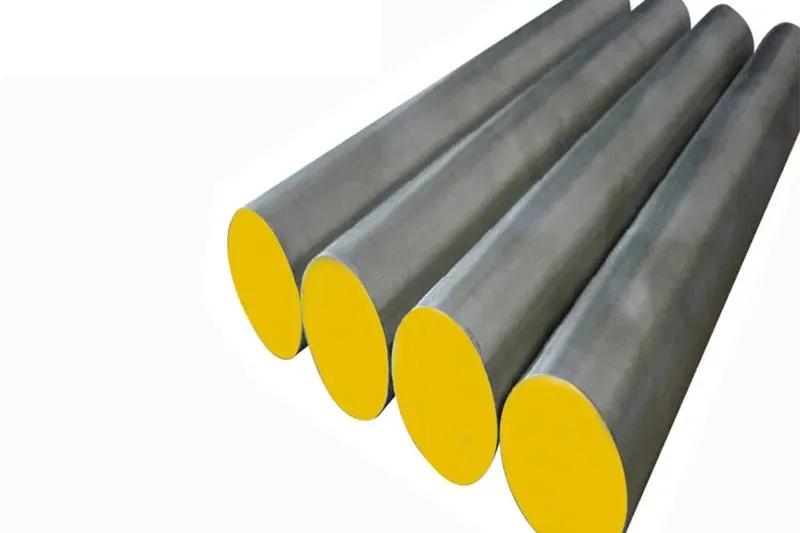
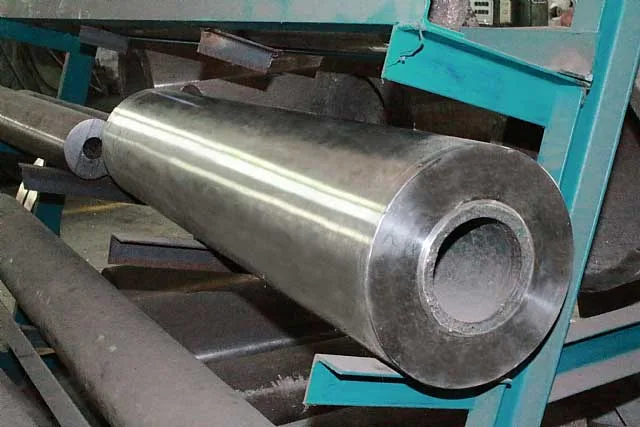
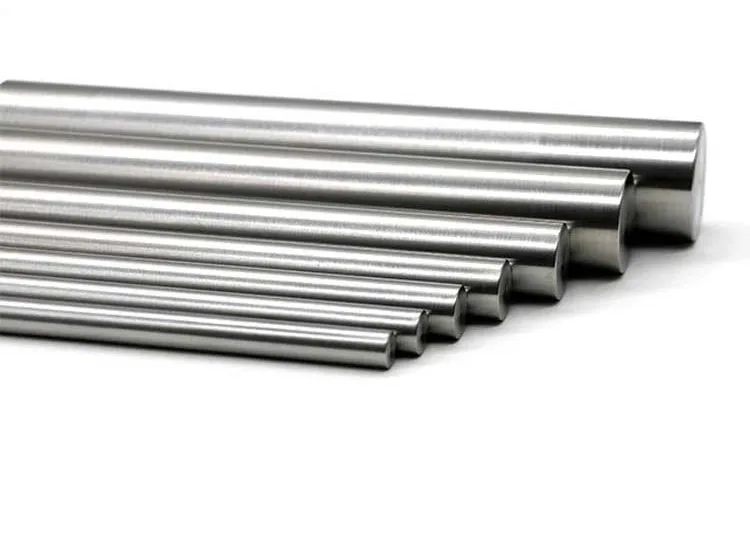
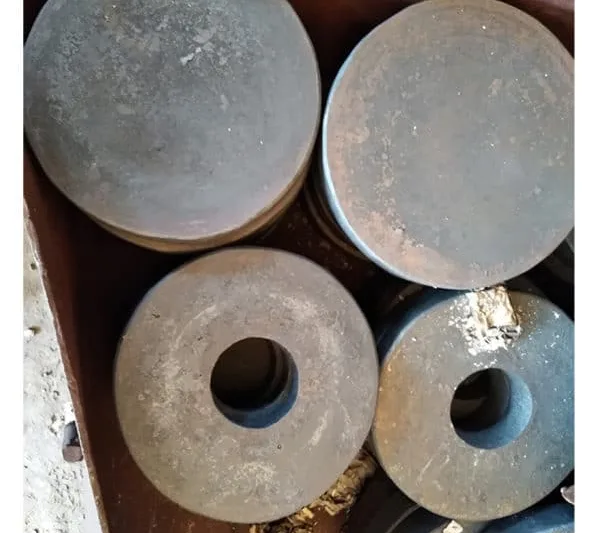
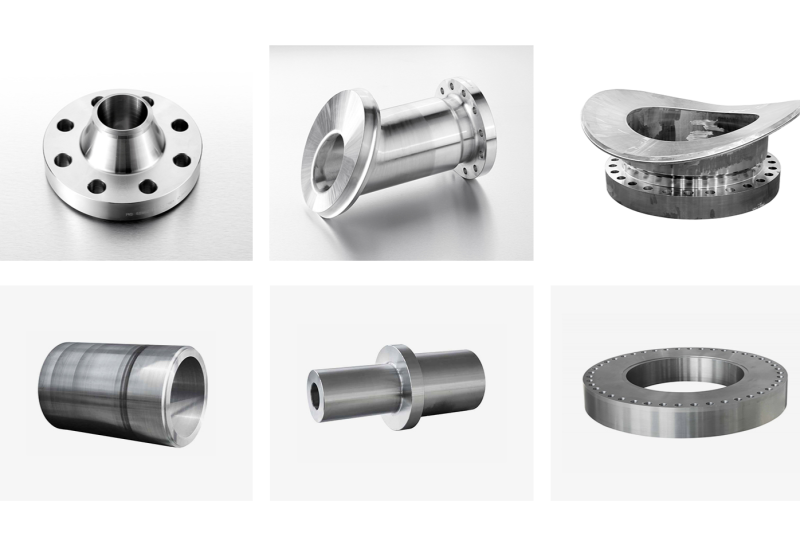
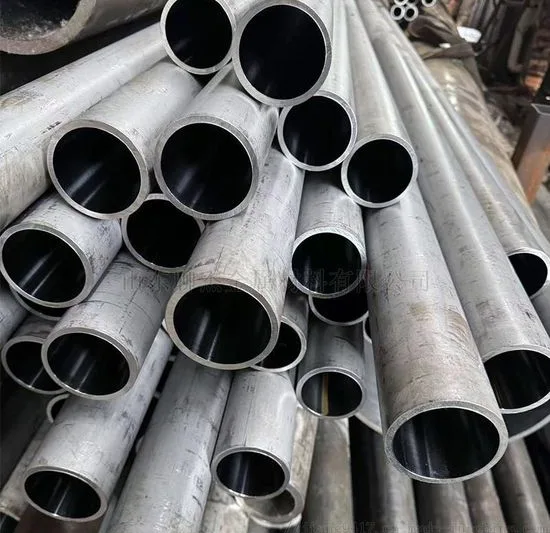
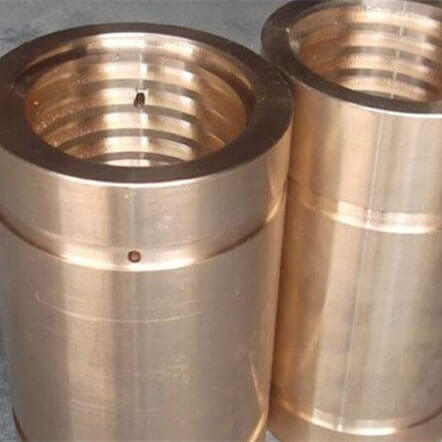
Forged Steel Pressure Vessel Outer Wall Cylinder
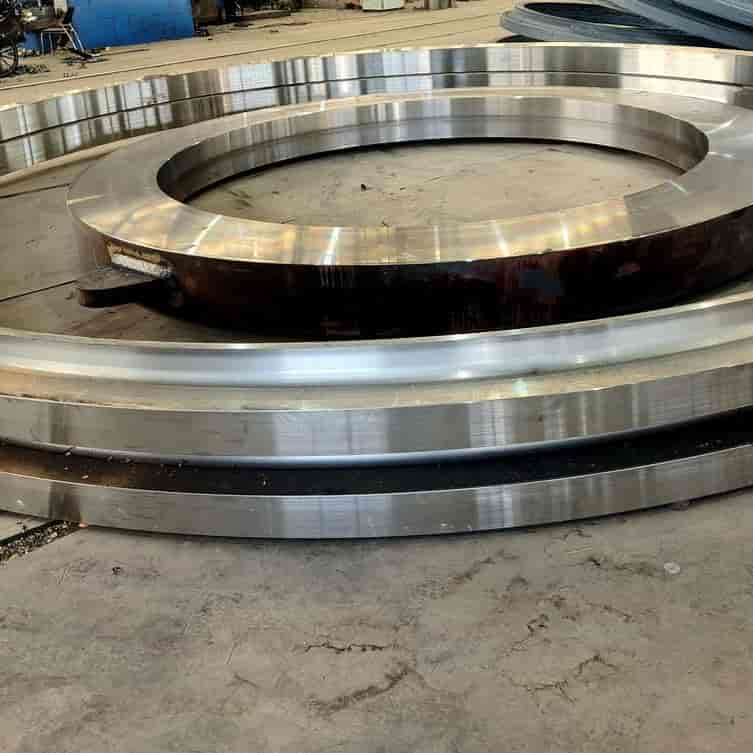
Manufacturing Process of Steel Pressure Vessel Outer Cylinder
In industrial production, steel pressure vessels are common equipment used to store gases or liquids, playing a vital role in industries such as petroleum, chemical, and energy. The outer cylinder of the pressure vessel is a key component of its main structure, directly affecting the safety and reliability of the entire vessel. This article will explore how to manufacture high-quality pressure vessel outer cylinders using forging processes.
I. The Importance of Material Selection
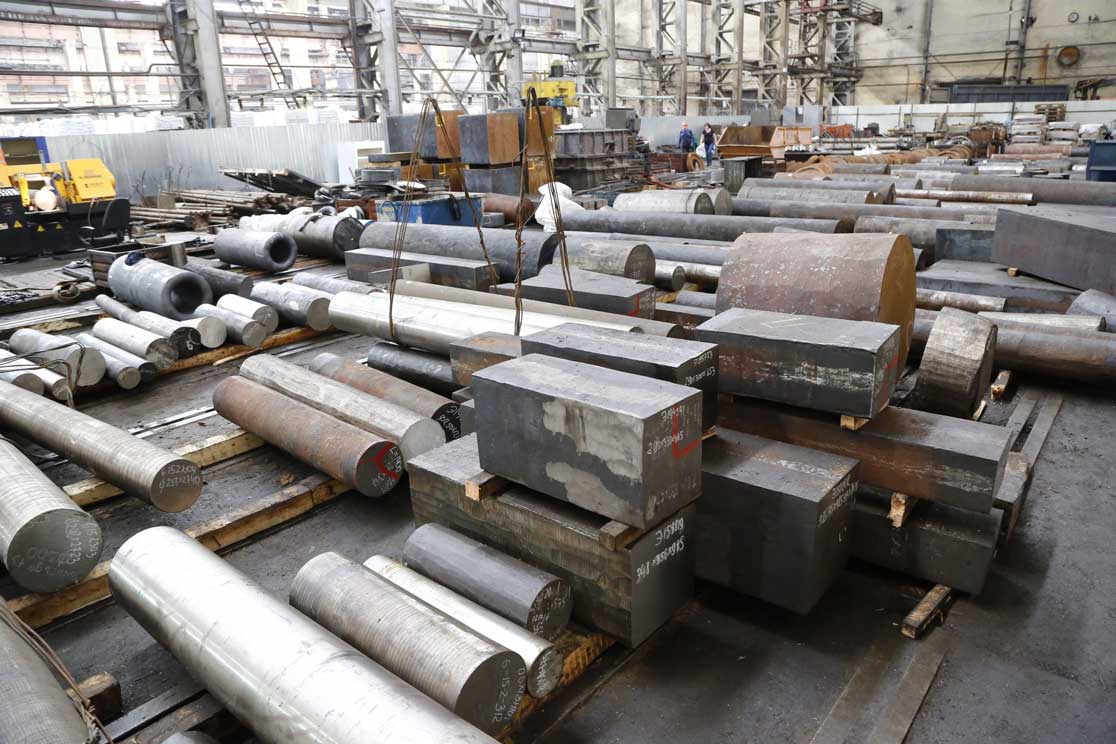
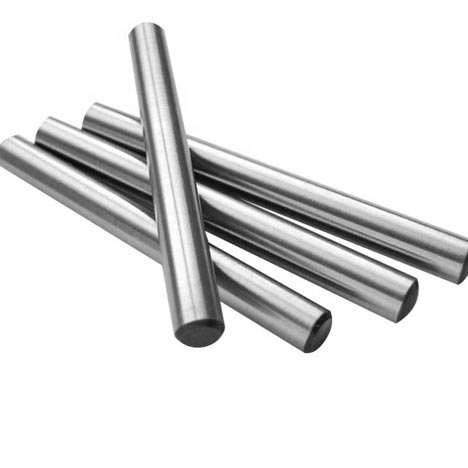
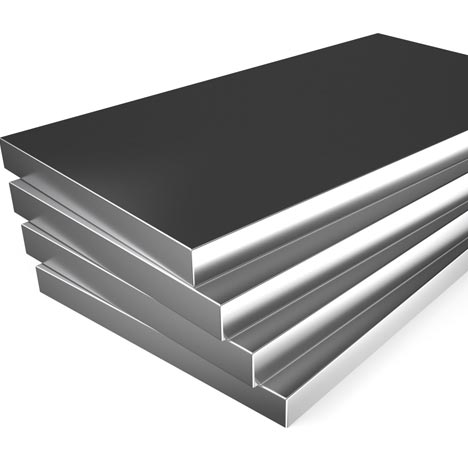
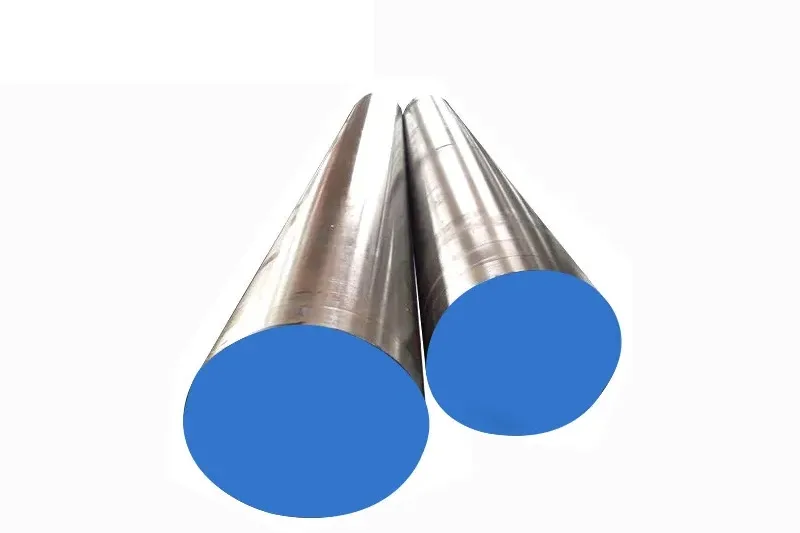
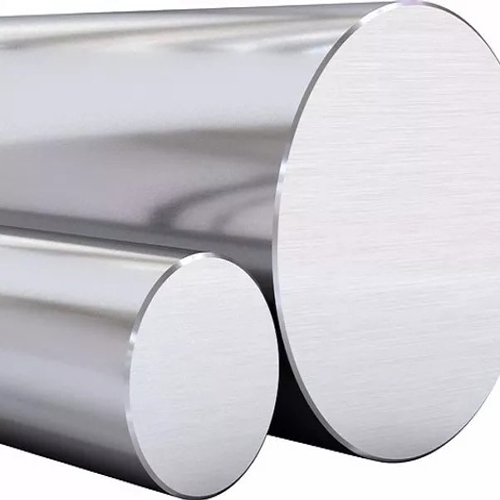
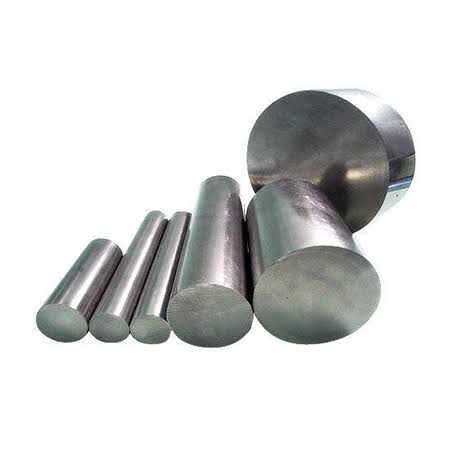
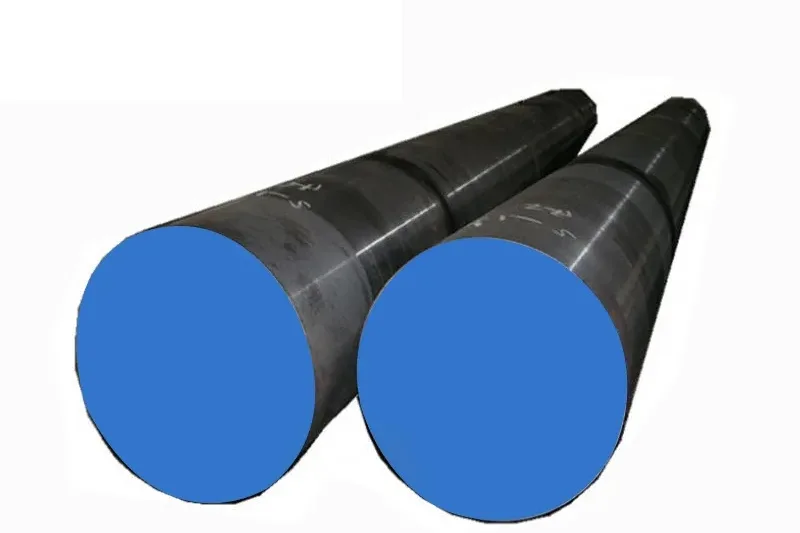
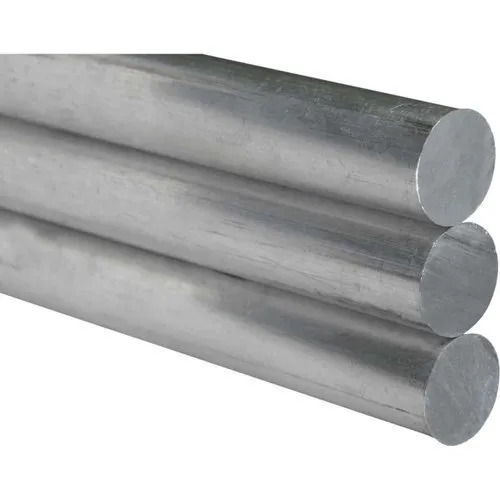
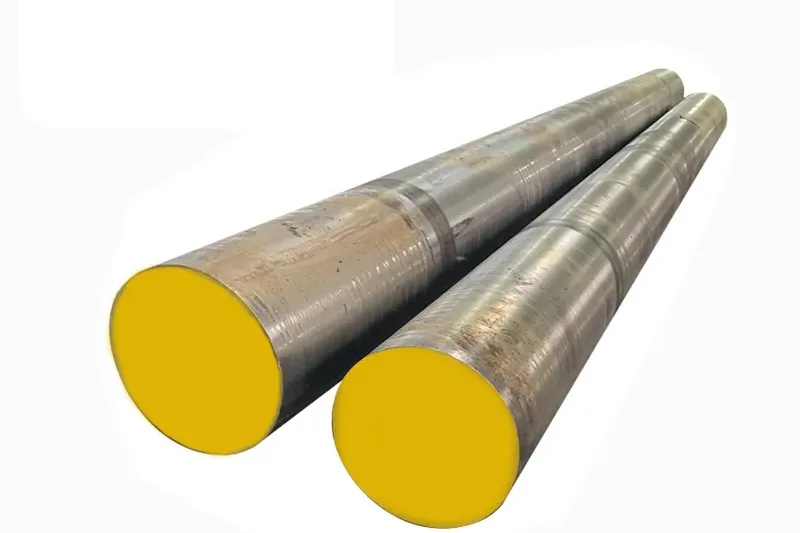
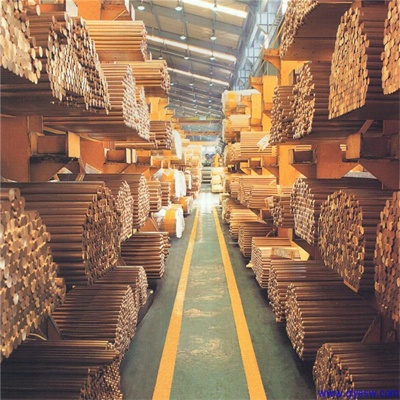
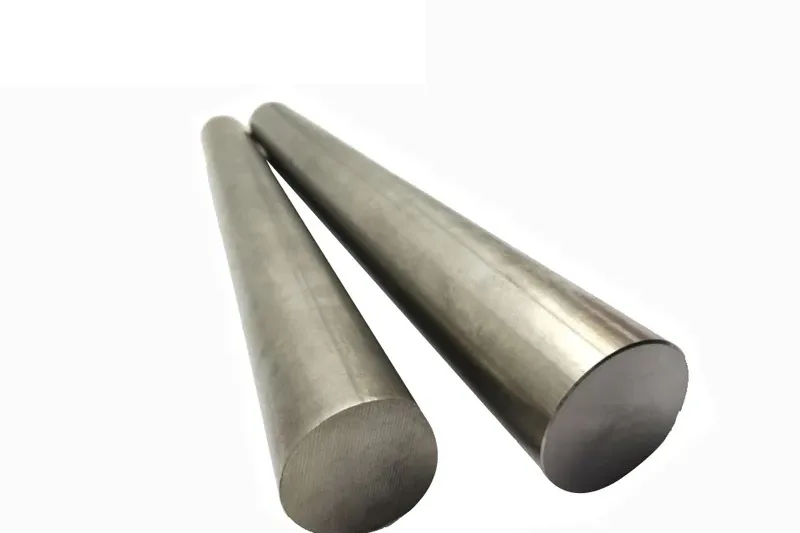
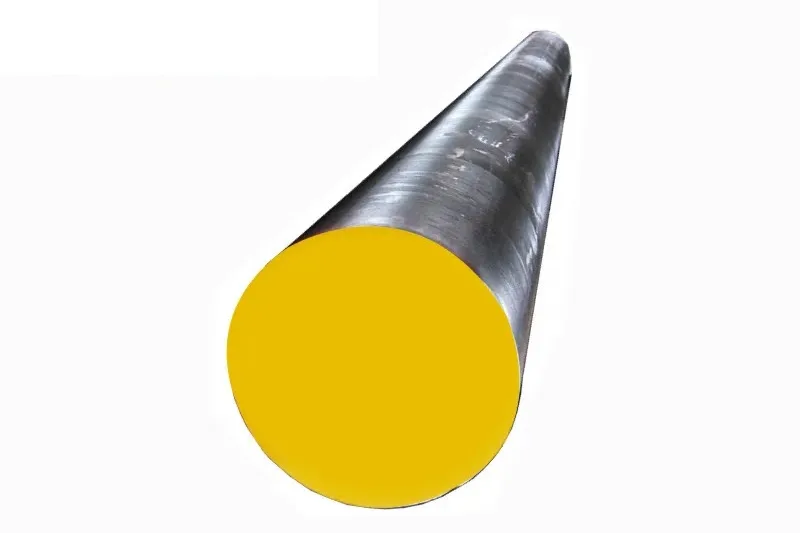
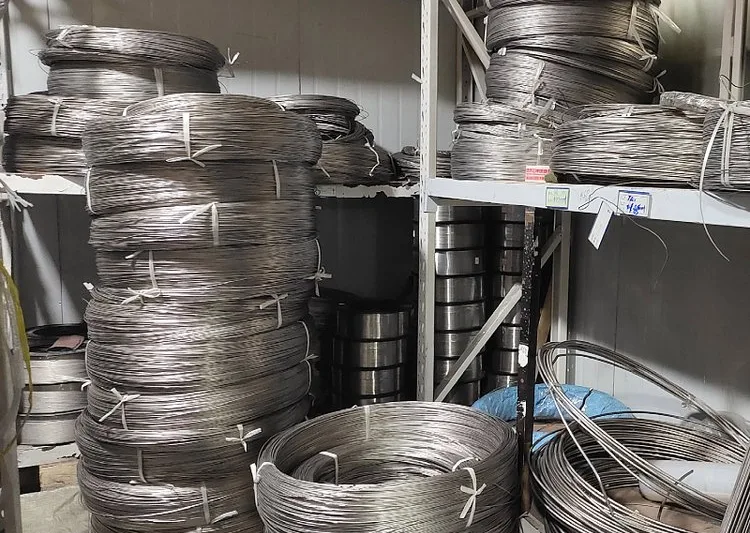
First, selecting suitable materials is crucial for ensuring the quality of pressure vessels. Generally, alloy steel or carbon steel is used as raw material, as these materials not only possess good mechanical properties but can also withstand extreme working conditions. Specifically, forged steel is an ideal choice for pressure vessel manufacturing due to its dense internal structure and excellent impact resistance.
II. Advantages of Forging Process
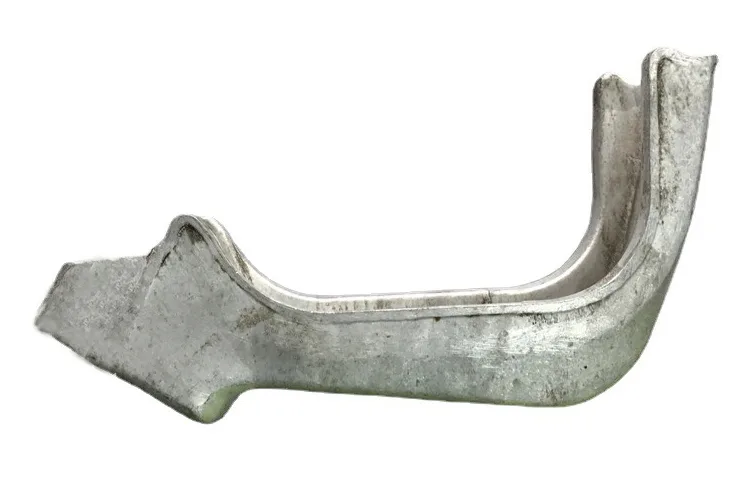
Next, we will discuss why forging is widely used in the production of pressure vessel outer cylinders. Compared to casting or other processing methods, forging can better improve the microstructure of the metal, remove internal defects such as porosity, and improve the overall strength and toughness of the material. In addition, forgings that have undergone appropriate heat treatment can obtain a more uniform and fine grain distribution, thereby enhancing corrosion resistance and fatigue life.
III. Manufacturing Process Overview
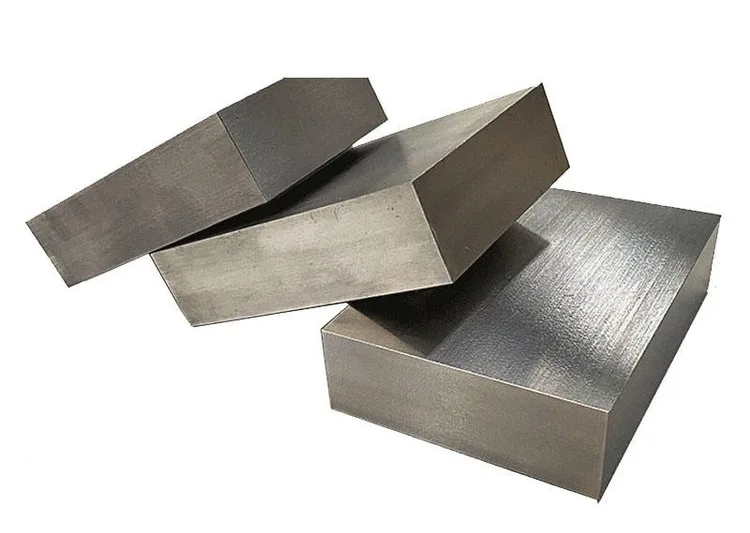
1. **Blanking:** Cut large blocks of steel to the required dimensions according to the design drawings.
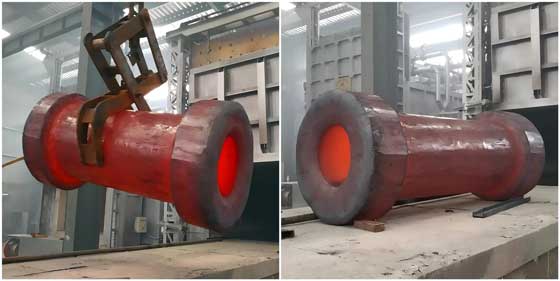
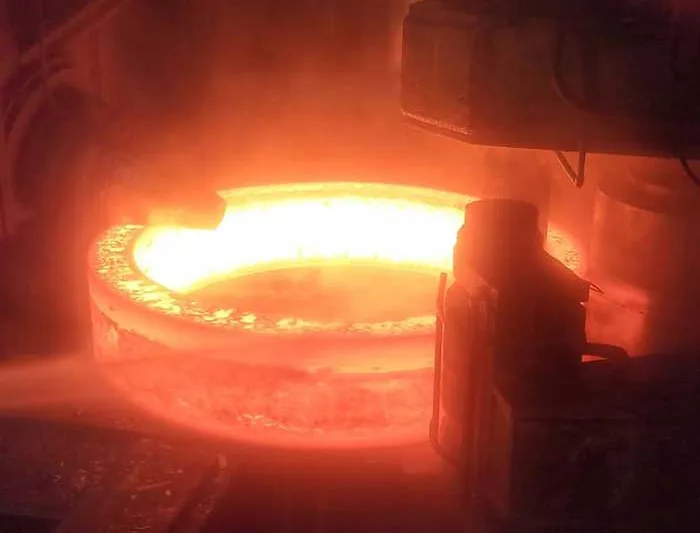
2. **Heating:** Place the steel in a furnace and heat it to a suitable temperature to increase its plasticity for subsequent forming operations.
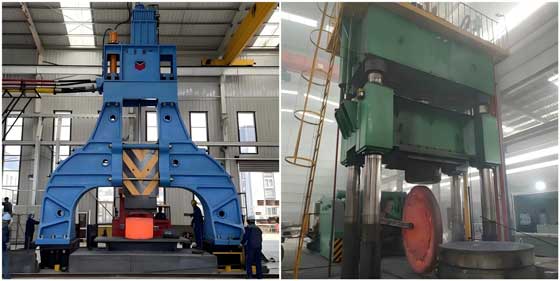
3. **Die Forging/Free Forging:**
- Die forging refers to using a die to deform metal under pressure between upper and lower hammers to form a specific shape;
- Free forging relies on manual or machine-assisted localized impacts on the workpiece to achieve the target shape.
4. **Cooling and Annealing:** After initial forming, the material needs to be slowly cooled and annealed to eliminate stress concentration.
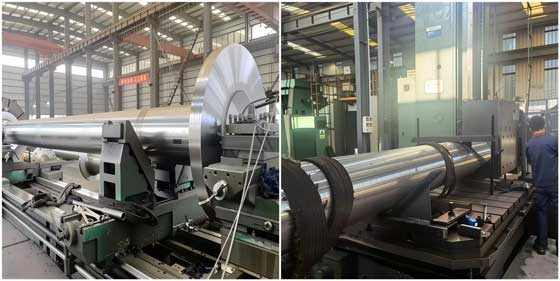
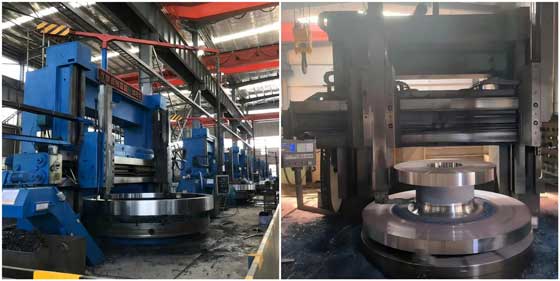
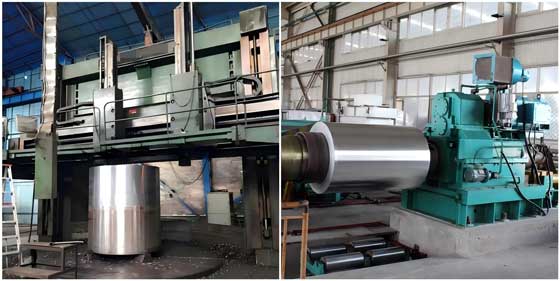
5. **Machining:** The final stage involves precision machining of the surface to ensure that the inner and outer diameters meet the accuracy requirements within the specified tolerance range.
IV. Quality Control Measures
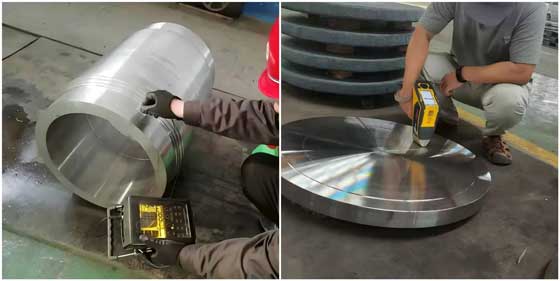
Throughout the entire production process, all inspection work must be strictly carried out in accordance with relevant standards, including but not limited to non-destructive testing (NDT), hardness testing, and chemical composition analysis. Especially in applications operating in harsh environments, it is crucial to prioritize the quality and stability of finished components to avoid irreparable losses due to minor oversights.
In conclusion, by selecting high-quality forged steel materials and applying advanced forging technologies, the product quality of the outer cylinder of steel pressure vessels can be effectively improved, thereby ensuring the safety and reliability of the entire system during operation. Simultaneously, continuous optimization of production processes and ongoing technological innovation are essential to meet the ever-growing market demands.