Metal Clad Tube Sheet
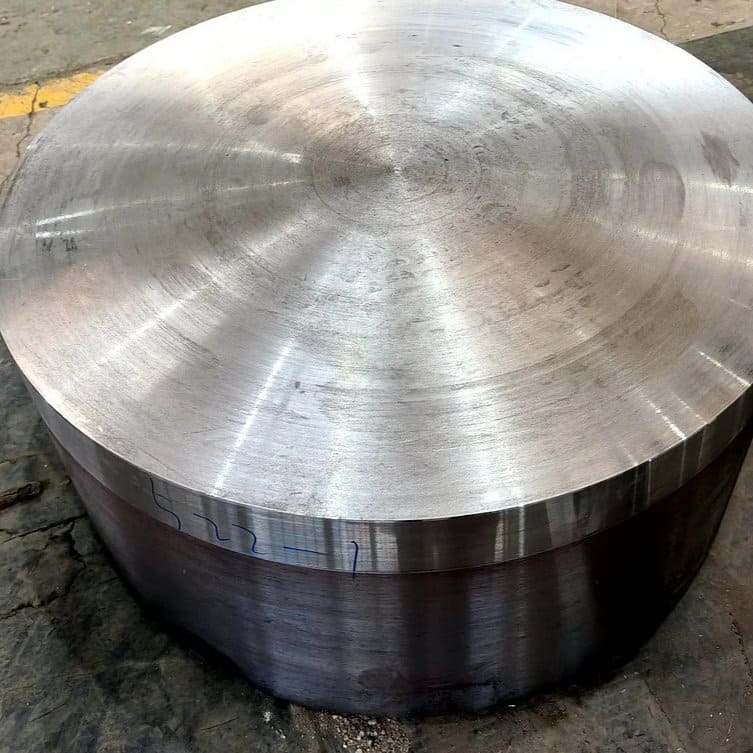
In the fields of modern chemical, power, petrochemical, and nuclear energy industries, the reliability and lifespan of heat exchange equipment are directly related to system safety and operational efficiency. As the core pressure bearing component of shell and tube heat exchangers, the tube sheet not only plays an important role in fixing heat exchange tubes and separating hot and cold fluids, but also needs to withstand the multiple effects of high temperature, high pressure, corrosive media, and thermal stress for a long time. Traditional single material tube sheets often struggle to balance strength, corrosion resistance, and economy, while bimetallic composite tube sheets, also known as Bi Metal Cladd Tube Sheets, have become an important choice for industry upgrading due to their unique structural advantages.
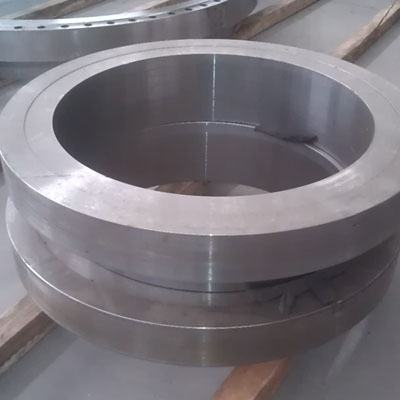
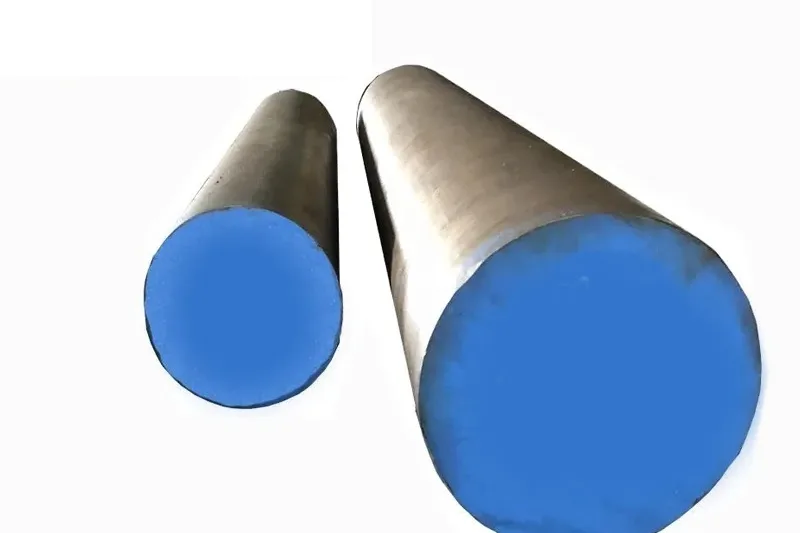
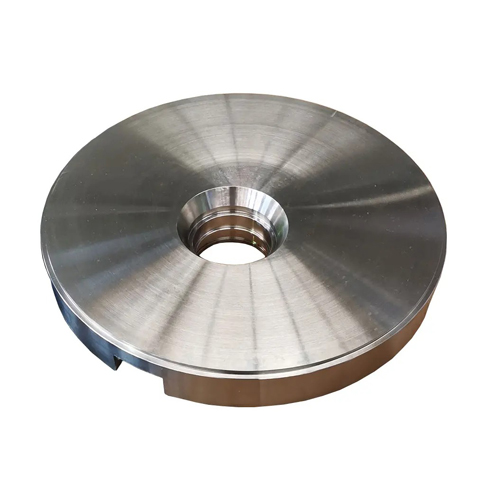
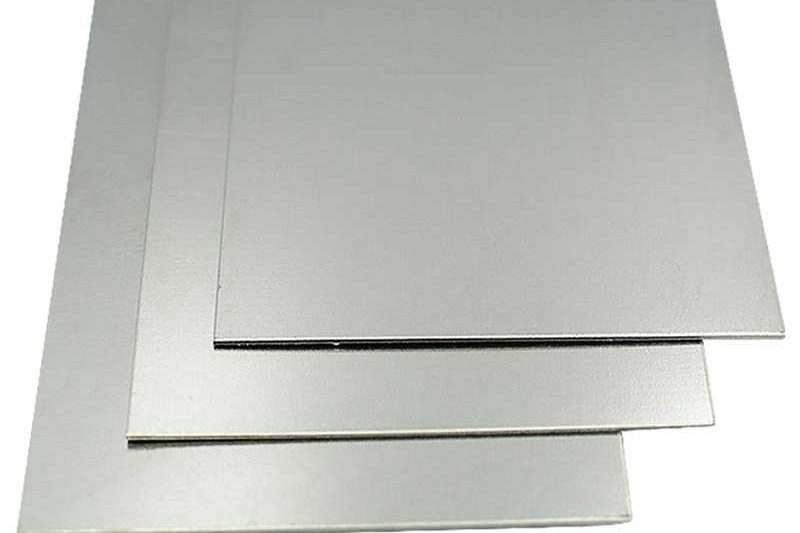
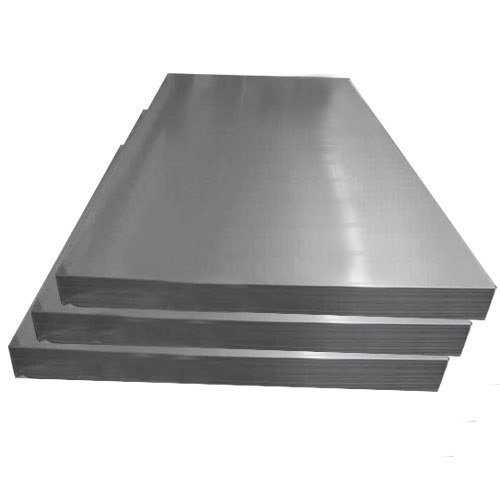
Bi Metal Clad Tube Sheet refers to a composite structural tube sheet made of high-strength carbon steel or low-alloy steel as the substrate, which is firmly coated with a layer of corrosion-resistant alloy (such as stainless steel 304, 316L, duplex steel 2205, Hastelloy C276, etc.) on one or both sides through processes such as hot rolling, explosive bonding, or welding. This design achieves a balance of rigidity and flexibility: the substrate provides sufficient mechanical strength and load-bearing capacity, while the coating endows it with excellent resistance to pitting corrosion, crevice corrosion, and stress corrosion cracking. Especially in the treatment of chloride ions, sulfides, or acidic media, the coating effectively blocks the spread of corrosion to the substrate, significantly extending the service life of the equipment.
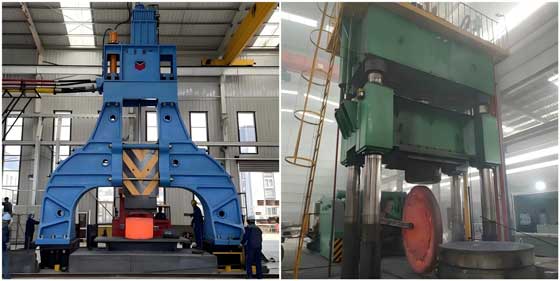
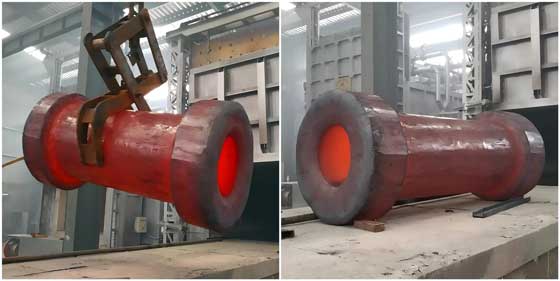
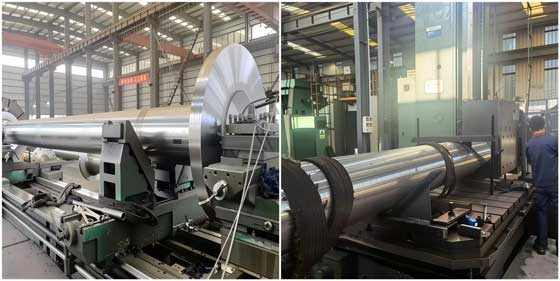
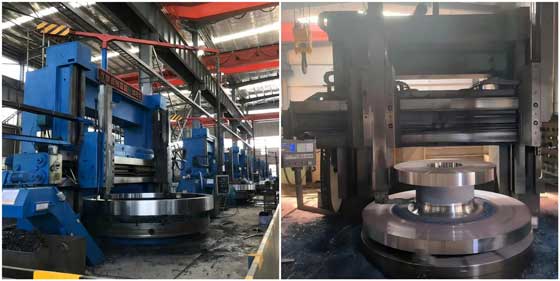
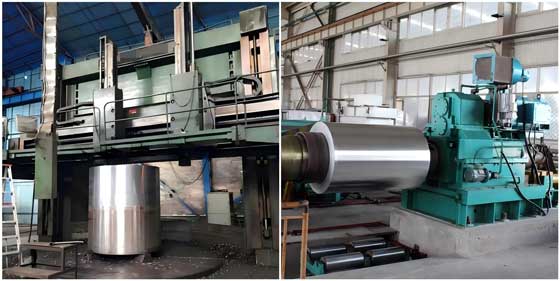
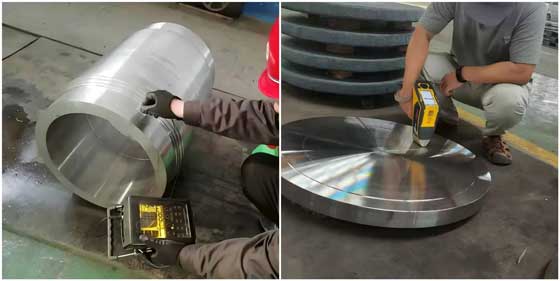
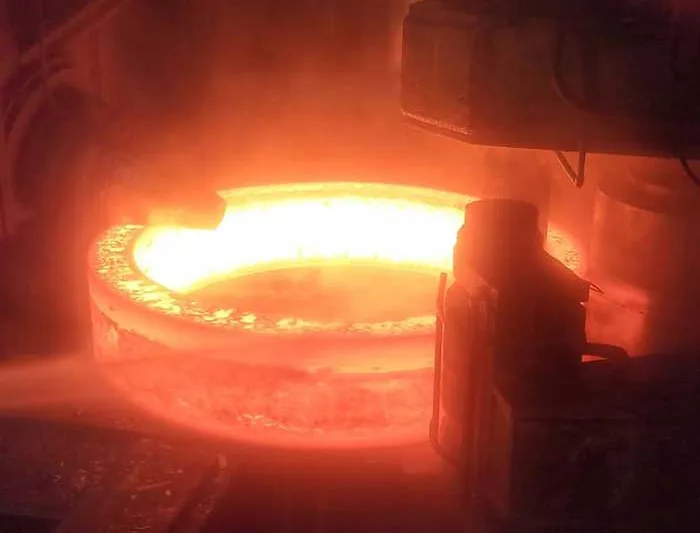
Manufacturing processes are crucial for ensuring the reliability of Bi-Metal Clad Tube Sheets. Currently, mainstream technologies include explosive welding and hot rolling composites. Explosive welding achieves metallurgical bonding, resulting in high interfacial strength and a uniform transition layer, suitable for large sizes and thick cladding requirements. Hot rolling is more suitable for mass production, producing a dense interfacial structure and precise thickness control. Regardless of the process used, strict control over cladding thickness (typically 2–6 mm), bonding rate (≥98%), and interfacial shear strength (≥210 MPa) is essential, supplemented by quality verification methods such as ultrasonic testing, bending tests, and intergranular corrosion detection.
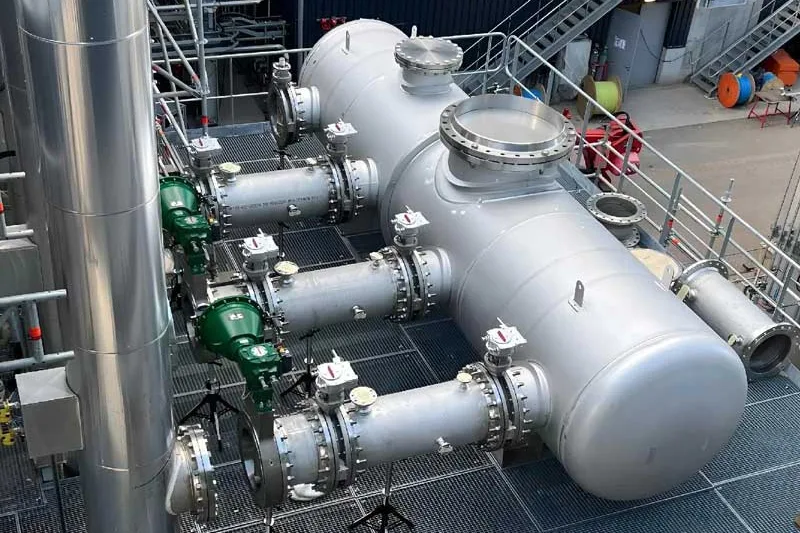
In practical engineering applications, Bi-Metal Clad Tube Sheets are widely used in demanding scenarios such as reboilers at the bottom of atmospheric and vacuum distillation units in oil refineries, quench heat exchangers in ethylene plants, multi-effect evaporators in seawater desalination plants, and waste heat removal systems in nuclear power plants. Compared to solid stainless steel tube sheets, its material costs can be reduced by 30%–50%, while avoiding resource waste caused by excessive use of precious metals. Compared to lining or coating structures, it has significant advantages such as being non-peelable, having no risk of blistering, being drillable and expandable, and having strong compatibility with heat exchanger tube welding.
In summary, the Bi-Metal Clad Tube Sheet is not simply a superposition of materials, but a systematic solution integrating materials science, interface engineering, and equipment manufacturing technology. As industrial equipment continues to evolve towards high efficiency, long cycle times, and green, low-carbon development, the standardization, intelligent processing, and diversified applications of this type of composite tube sheet will be further deepened, continuously supporting the independent development and high-quality development of high-end heat exchange equipment.