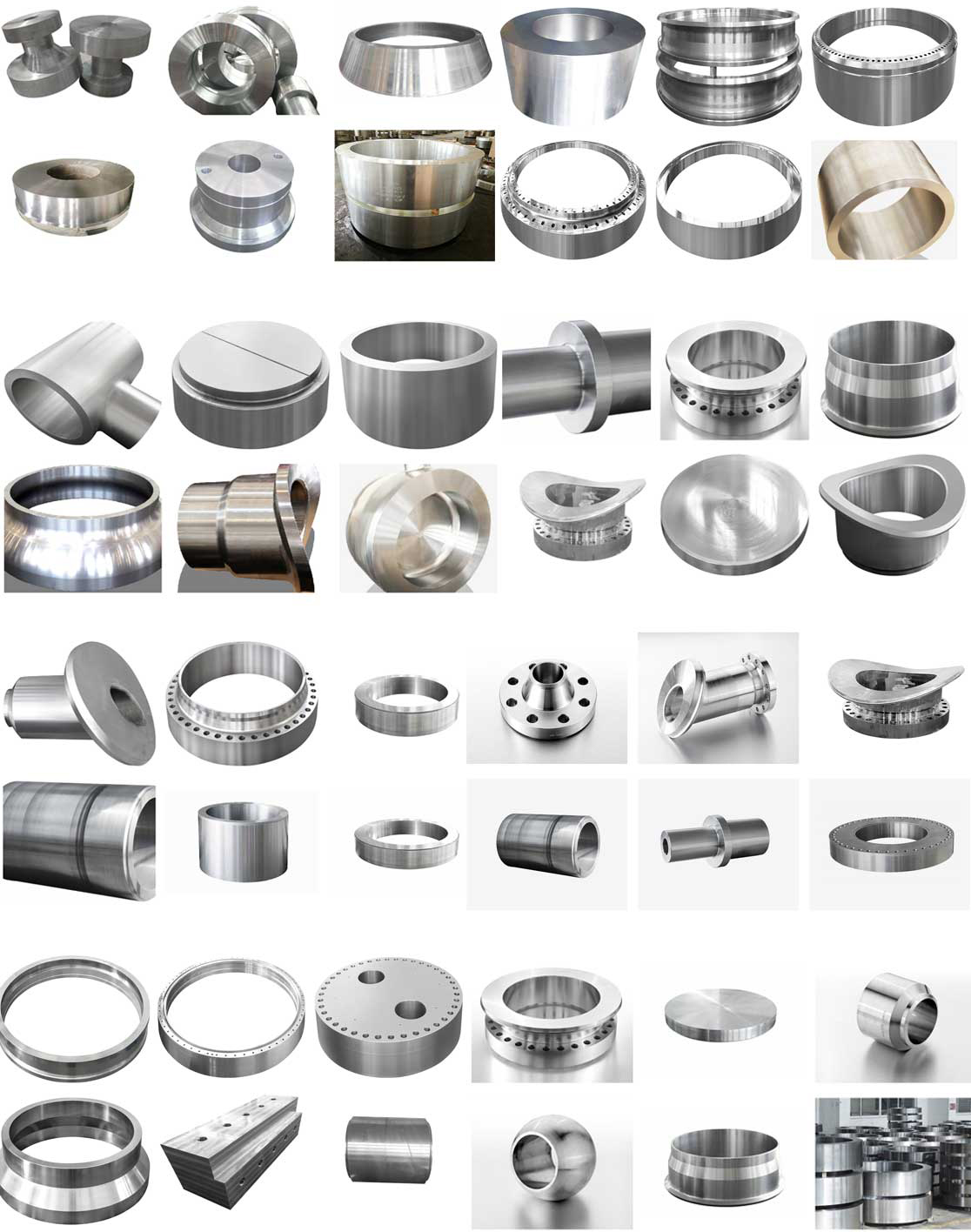
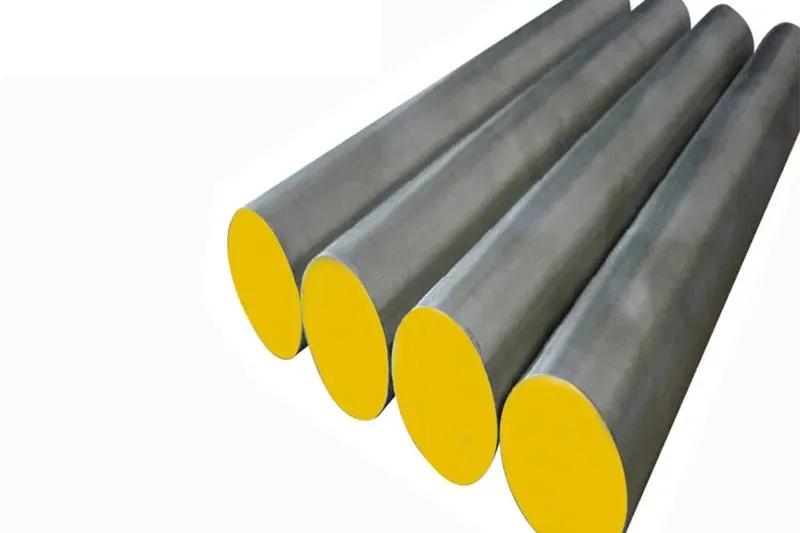
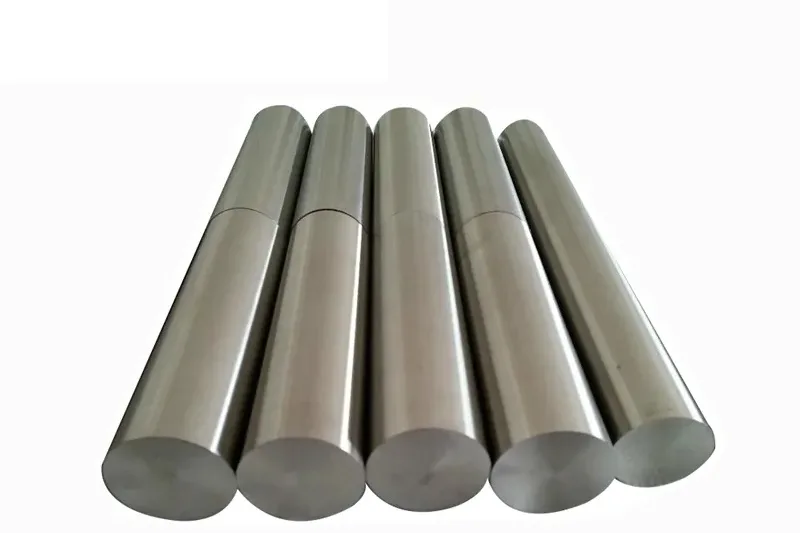
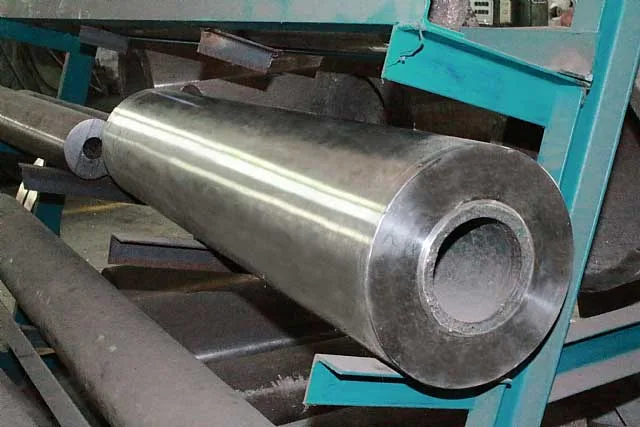
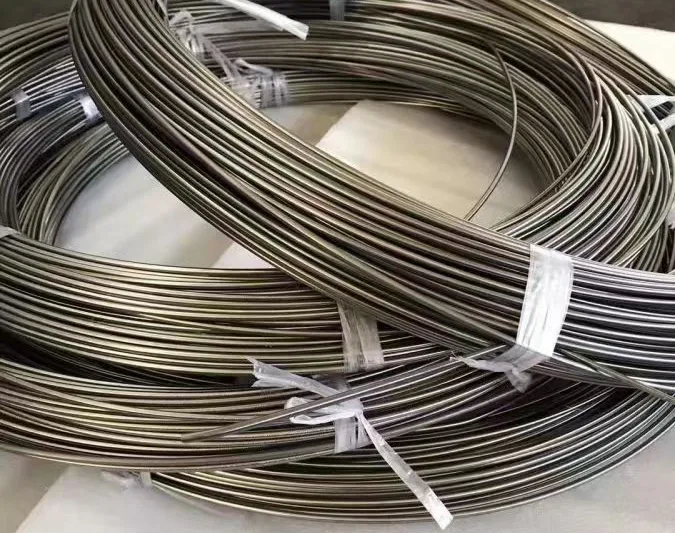
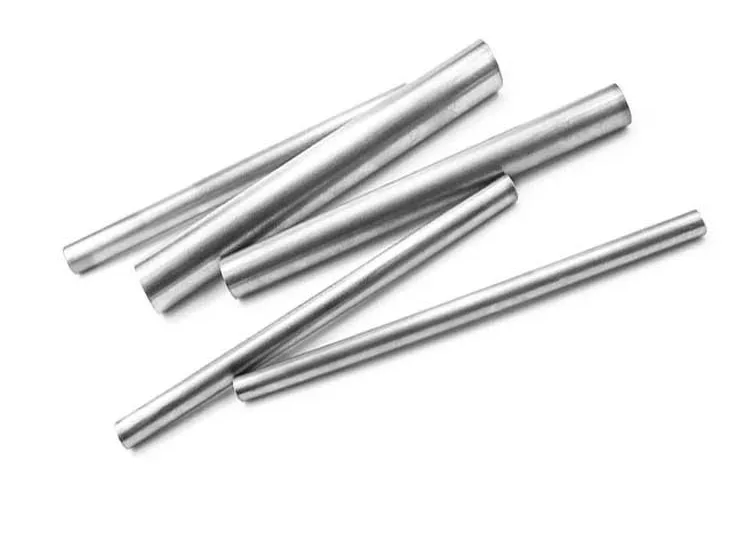
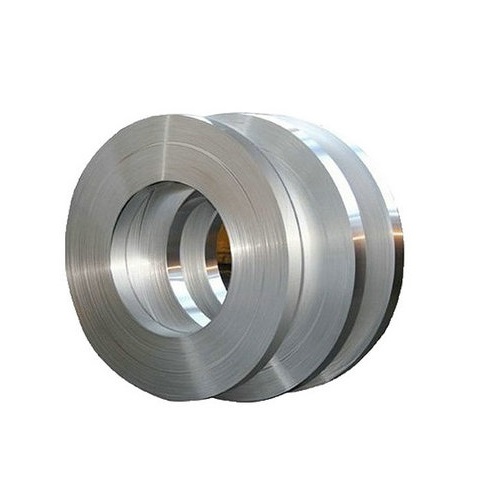
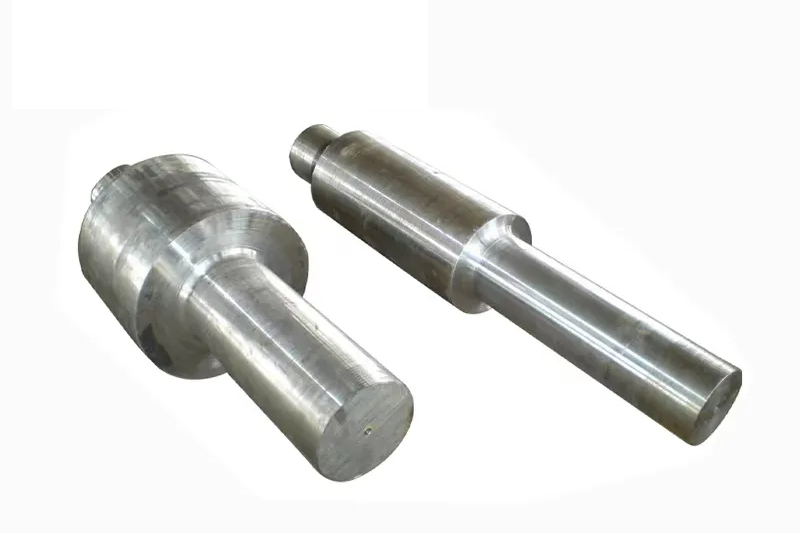
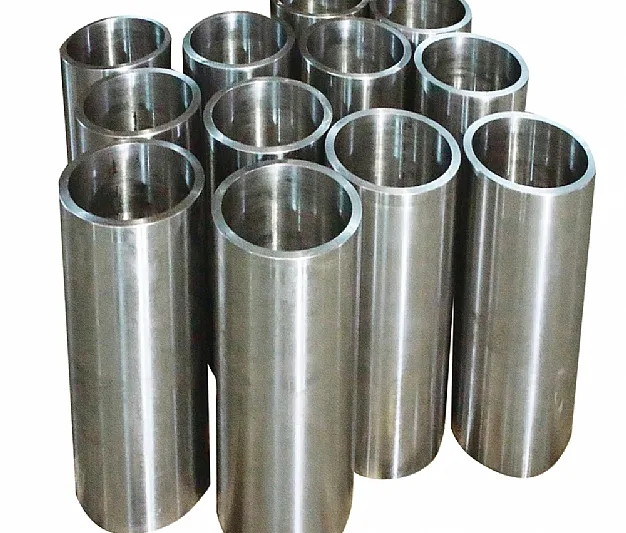
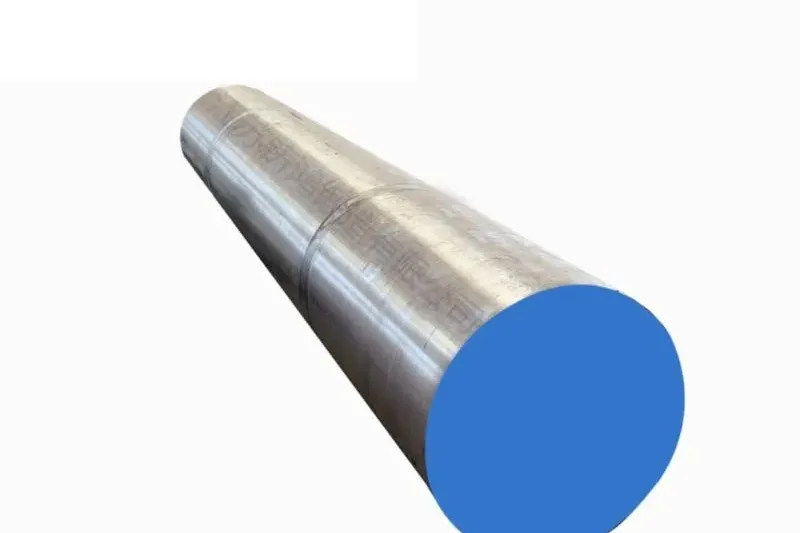
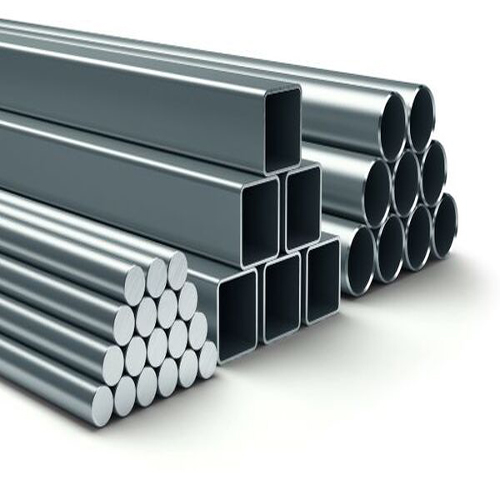
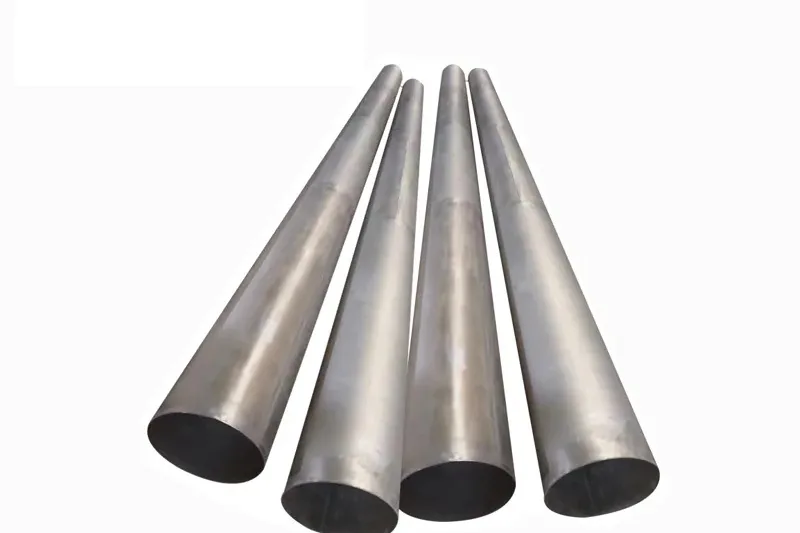
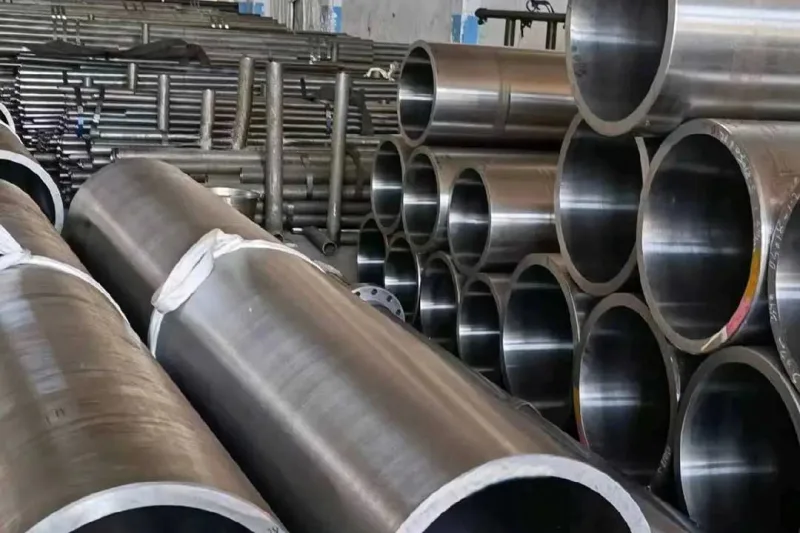
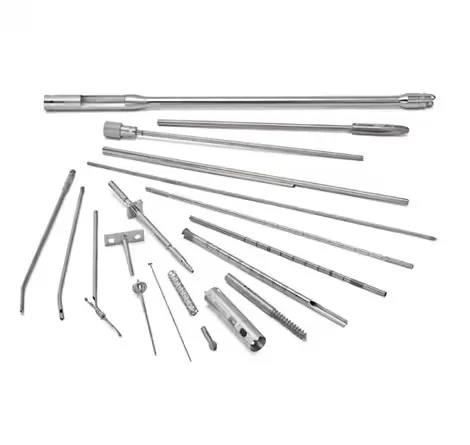
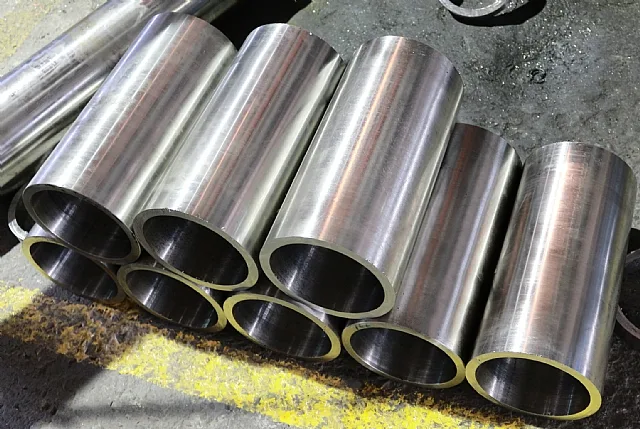
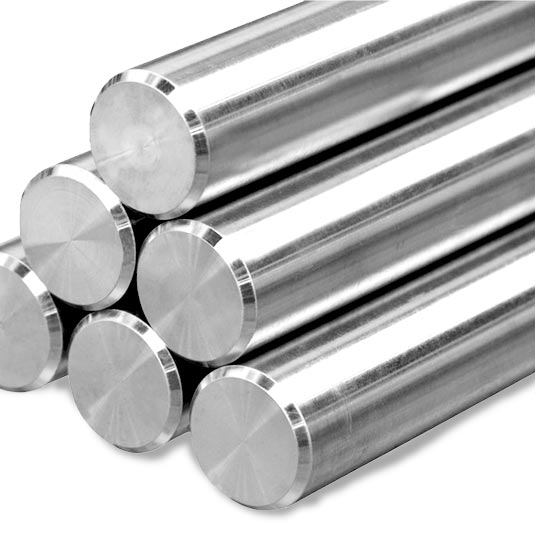
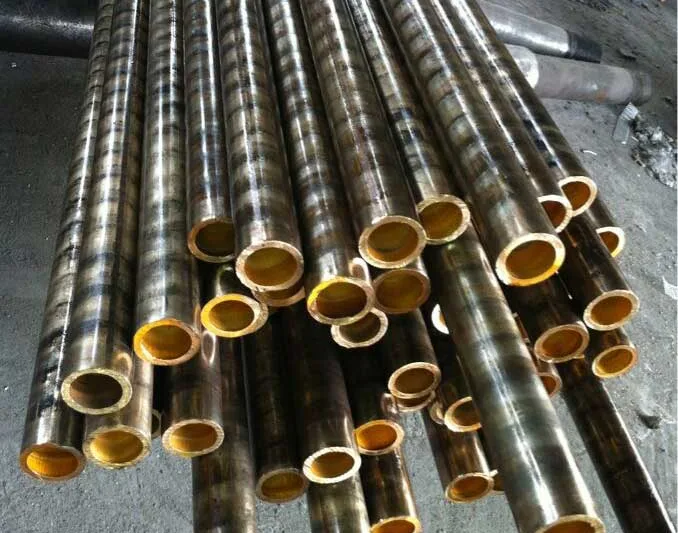
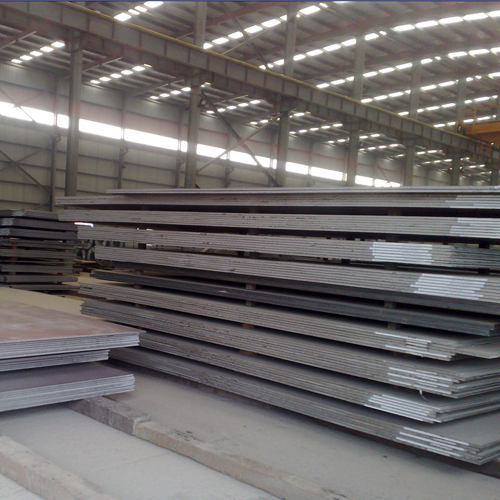
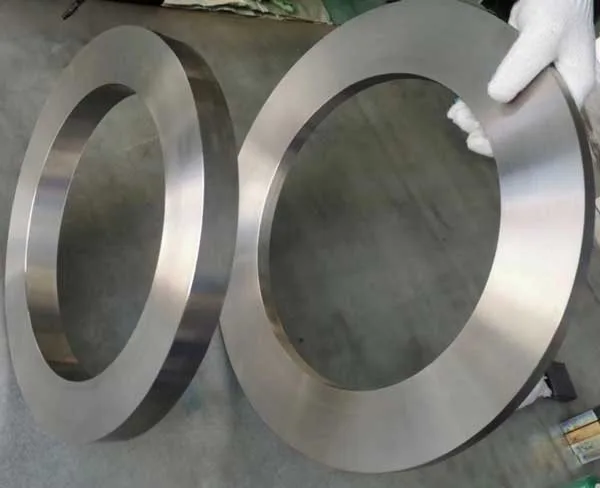
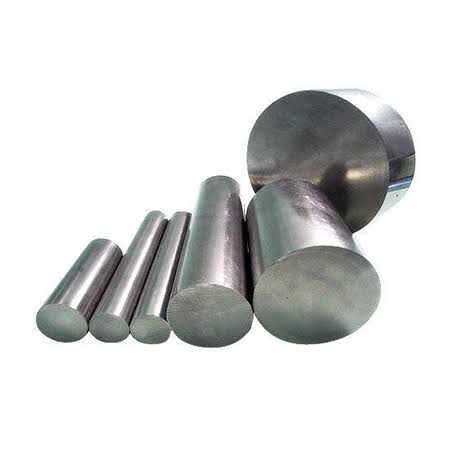
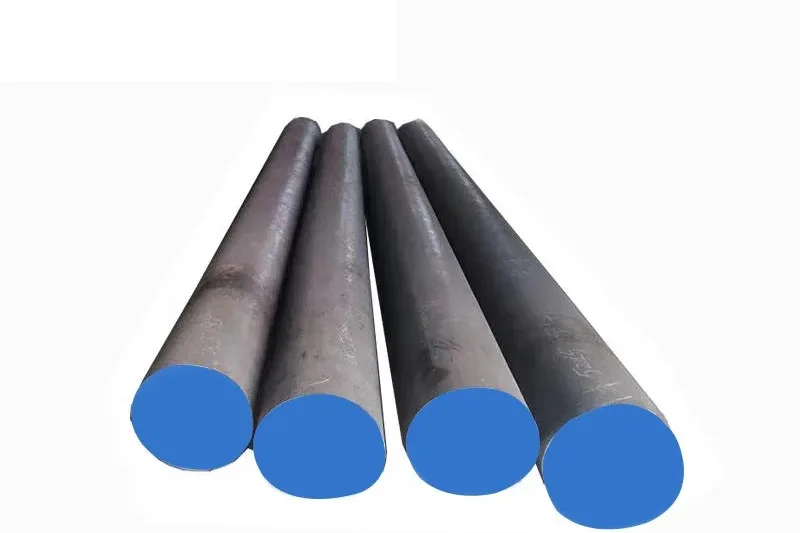
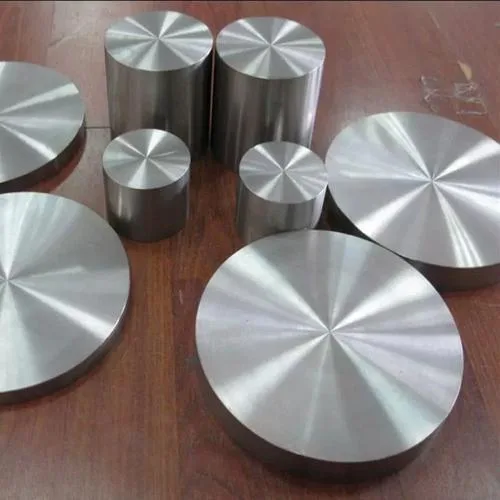
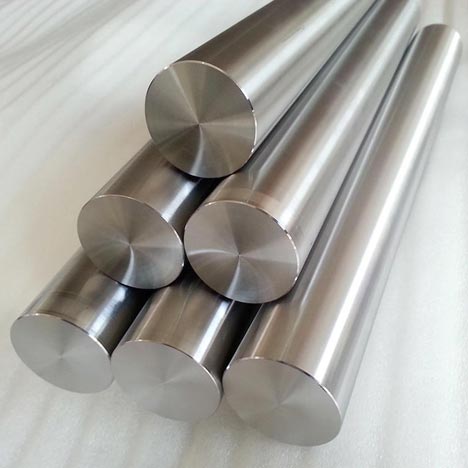
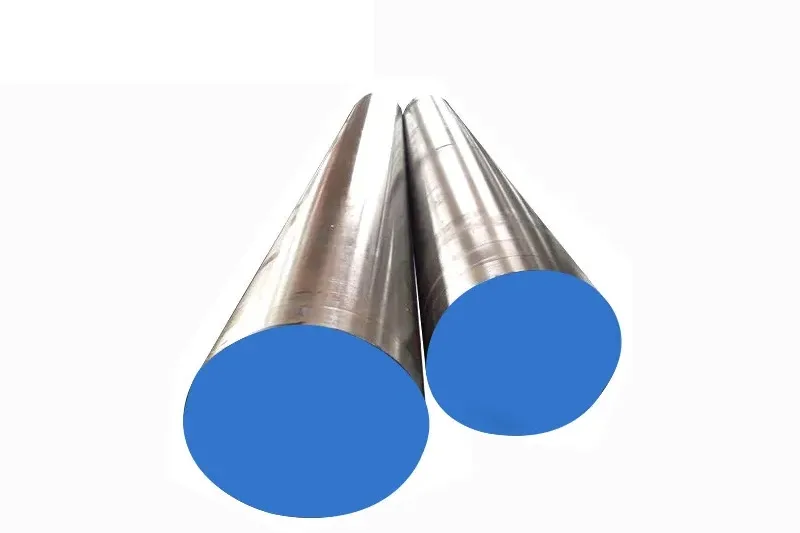
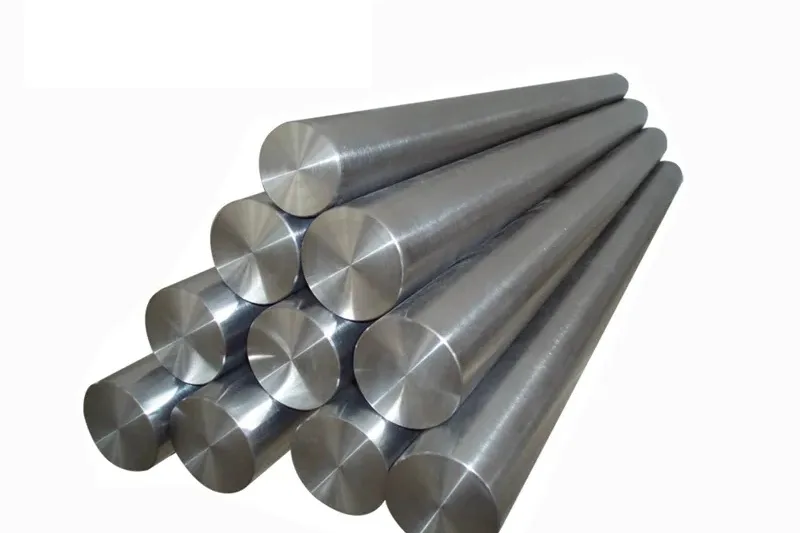
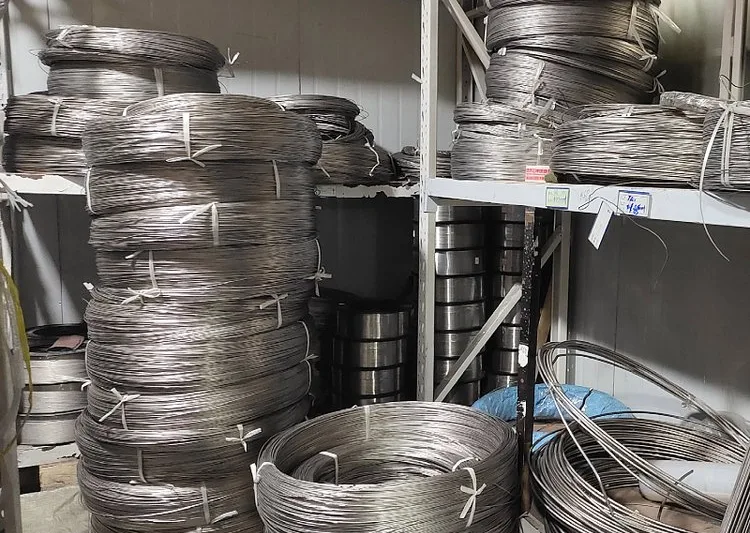
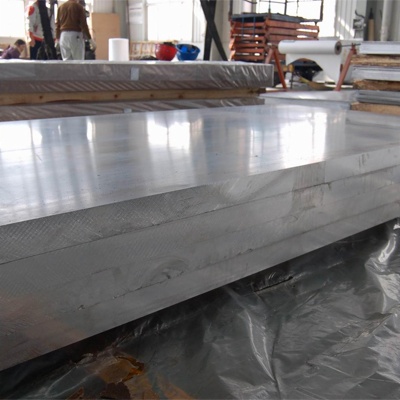
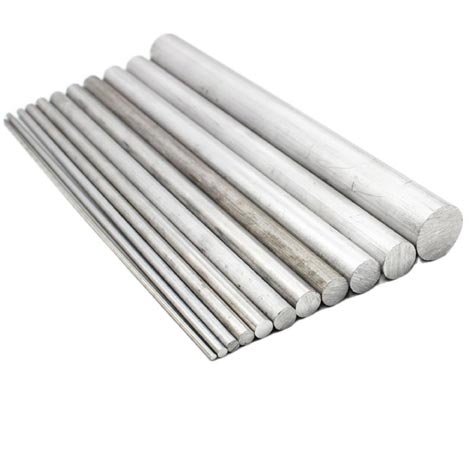
Nickel Based Alloys Forging
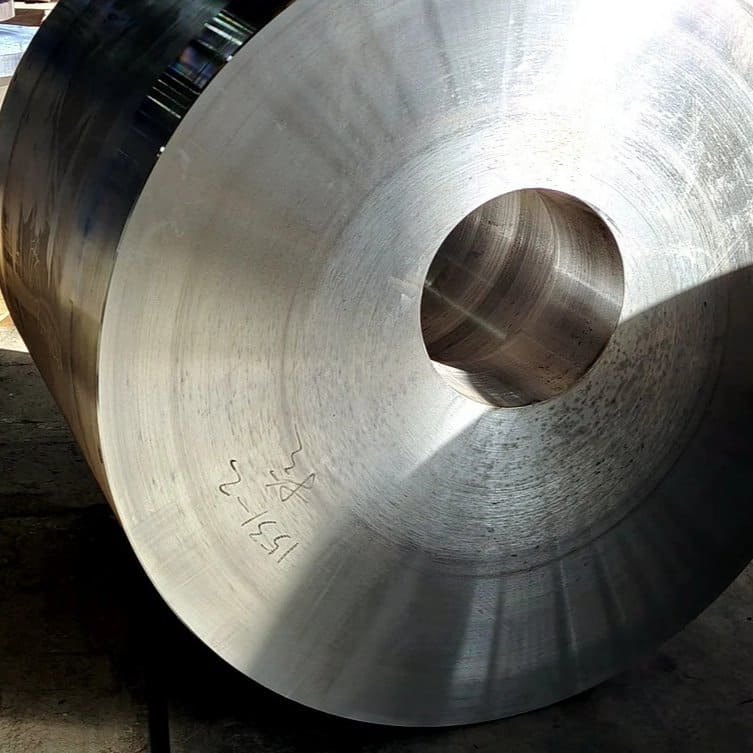
Analysis of Nickel based Alloy Forging Technology
Nickel based alloys are widely used in aerospace, energy and chemical industries due to their excellent high temperature resistance and corrosion resistance. As one of the important processes for forming nickel based alloys, forging has a decisive impact on the final properties of the material.
Characteristics and application fields of nickel based alloys
Nickel based alloys use nickel as the base element and add other alloying elements such as chromium and iron. It can maintain high strength and good creep resistance at high temperatures, while also possessing excellent oxidation resistance and gas corrosion resistance. For example, Inconel series alloys are commonly used to manufacture aircraft engine blades and combustion chamber components; Haynes alloy is widely used in chemical reactors and flue gas desulfurization equipment.
Principles and processes of forging technology
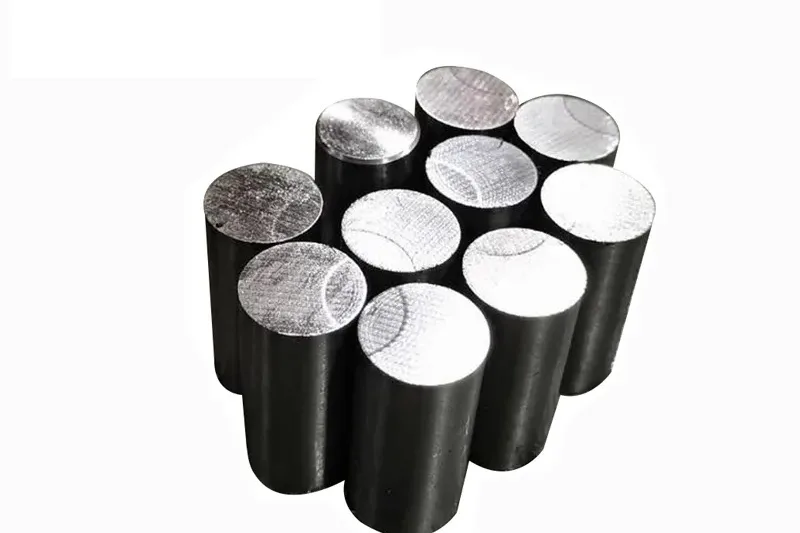
Forging is the process of applying pressure to a metal billet to induce plastic deformation. For the characteristics of nickel based alloys, hot forging or warm forging methods are usually used:
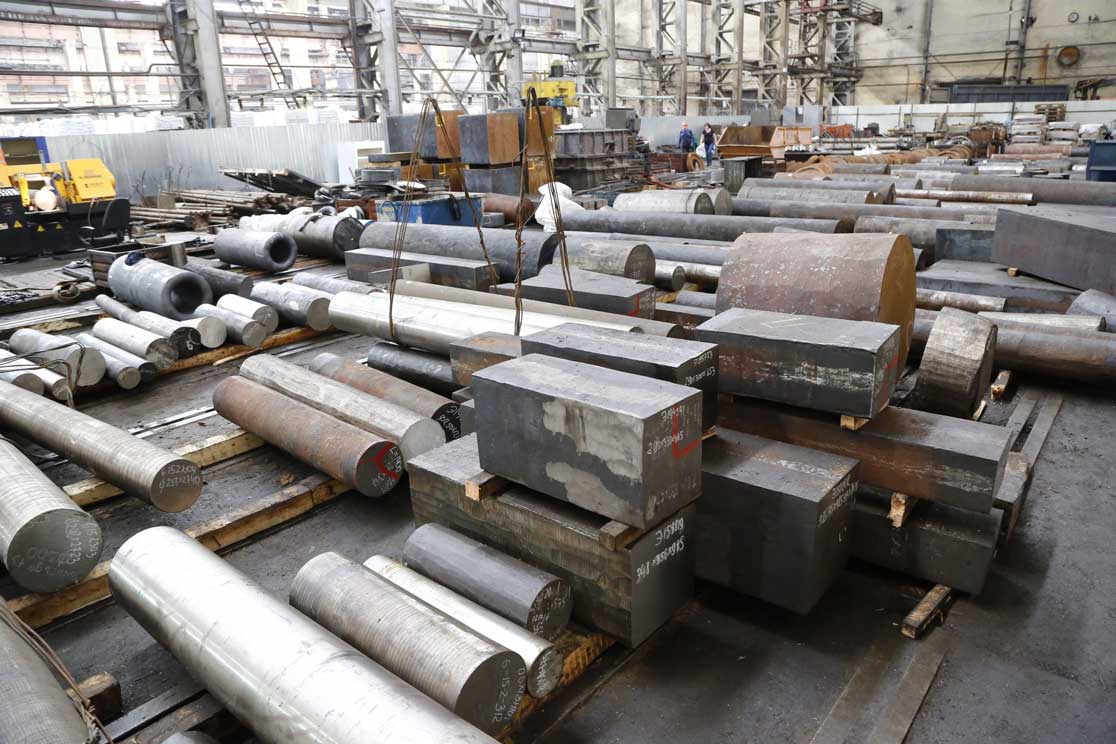
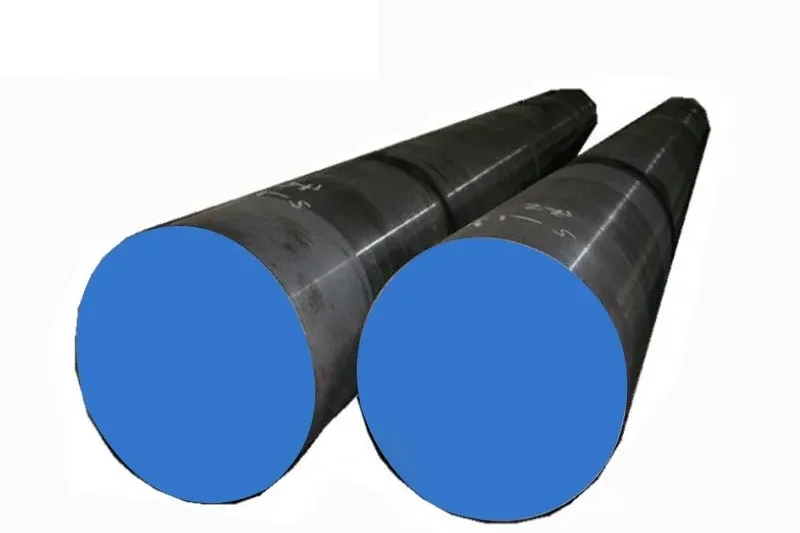
1. Preparation of raw materials: Select suitable sized ingots for surface treatment;
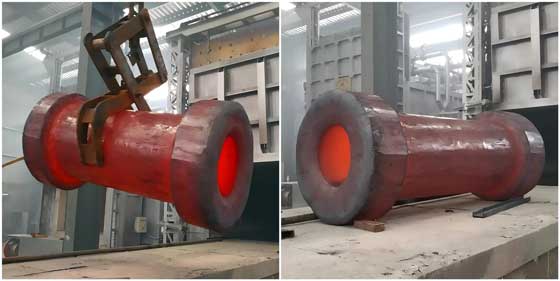
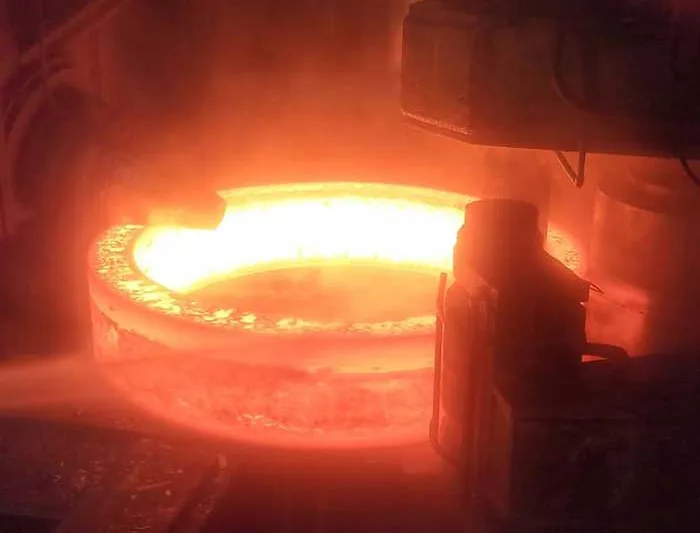
2. Heating treatment: Control the heating temperature (usually in the range of 950-1150 ℃) to ensure obtaining a uniform austenite structure;
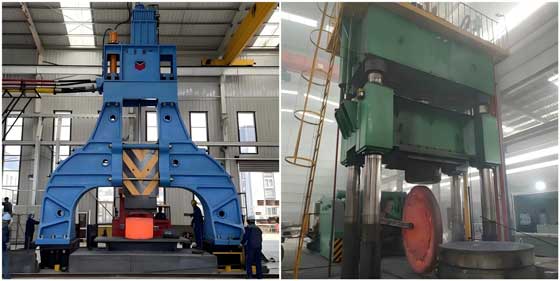
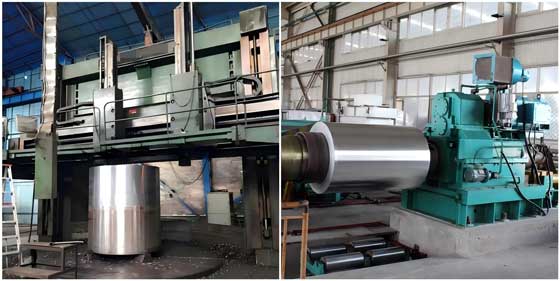
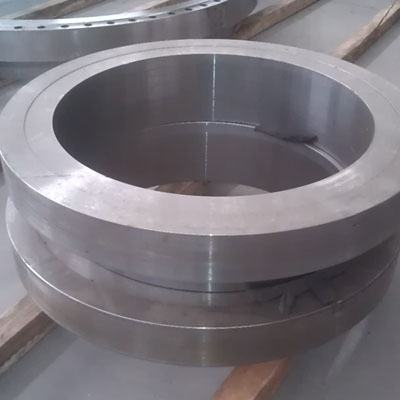
3. Forging processing: using large hydraulic presses or hammering equipment for processes such as cutting and forming;
4. Heat treatment: Improve microstructure through solution treatment and aging treatment;
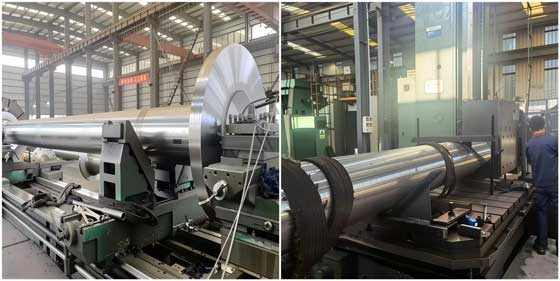
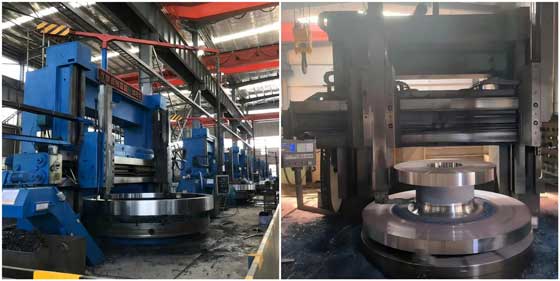
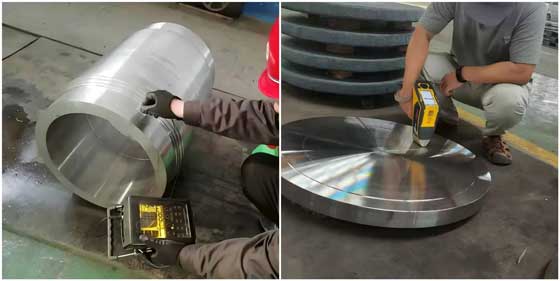
5. Mechanical processing and inspection: Remove oxide scale and conduct non-destructive testing.
Analysis of key process parameters
1. Deformation degree: A suitable total compression ratio (recommended 3-5 times) is beneficial for refining grain size;
2. Final forging temperature: Control above 850 ℃ to prevent work hardening;
3. Deformation rate: Lower strain rates (<0.1s ⁻¹) are more conducive to dynamic recrystallization;
4. Cooling rate: Air cooling or furnace cooling can help prevent the precipitation of σ phase.