Common types of wear-resistant steel plates for construction machinery
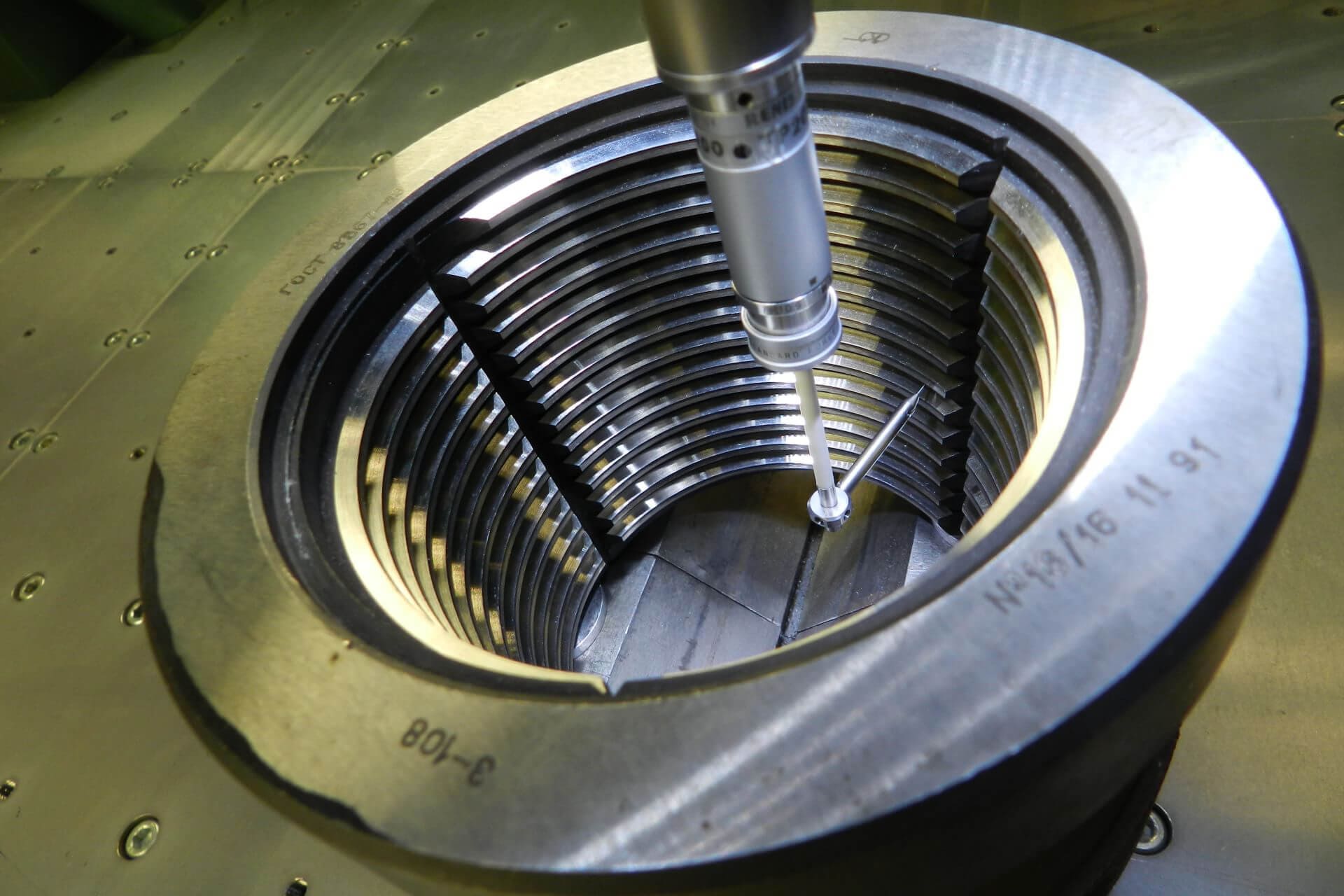
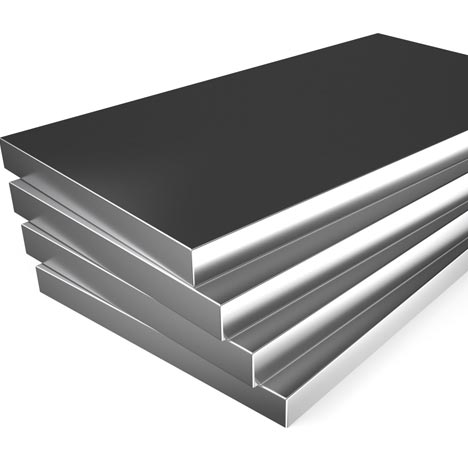
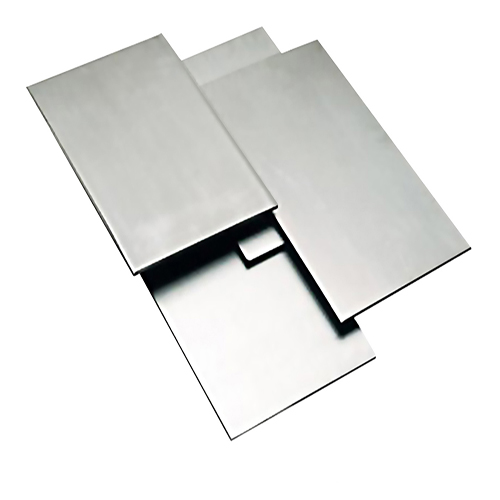
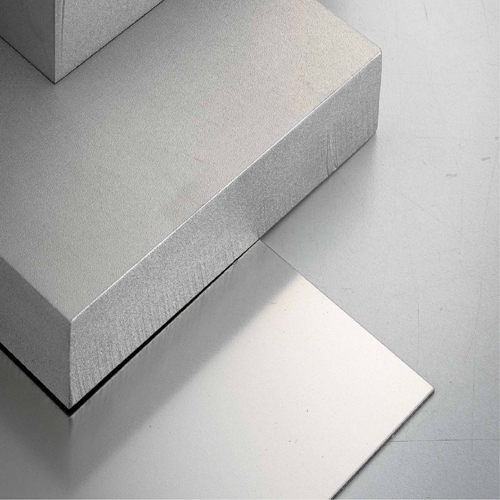
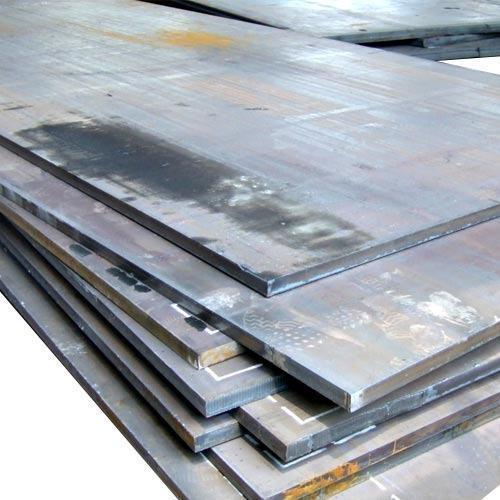
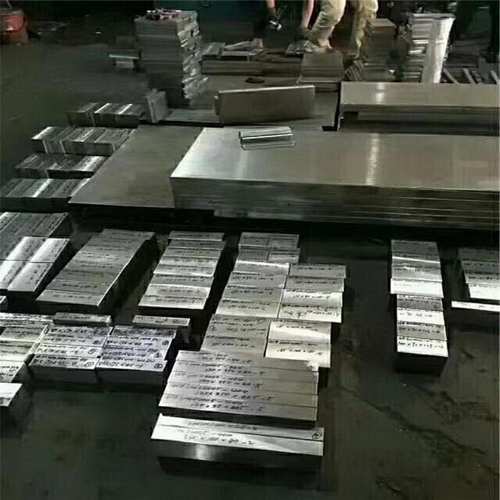
Wear-resistant steel plate for construction machinery is a steel plate with extremely high wear resistance and is widely used in various construction machinery and equipment, such as excavators, loaders, bulldozers, etc. Its main function is to protect the working parts of mechanical equipment, extend its service life and improve work efficiency.
Wear-resistant steel plates have the following characteristics and advantages:
Extremely high wear resistance: Wear-resistant steel plates are manufactured using special alloy formulas and processes and have excellent wear resistance. Effectively resists wear and impact.
High strength and hardness: Wear-resistant steel plates have high strength and hardness, can withstand greater impact and pressure, and extend the service life of mechanical equipment.
Good welding performance: The wear-resistant steel plate has good welding performance and can be easily installed and repaired.
Lightweight design: Wear-resistant steel plates are lighter than traditional materials, which can reduce the weight of mechanical equipment and improve work efficiency.
Common types of wear-resistant steel plates for construction machinery
Common types of wear-resistant steel plates for construction machinery include:
High manganese steel plates: High manganese steel plates have extremely With high hardness and wear resistance, it is widely used in working parts such as excavator bucket teeth and buckets.
NM360 wear-resistant steel plate: NM360 wear-resistant steel plate has high hardness and toughness and is suitable for working parts such as loader blades and bulldozer blades.
NM400 wear-resistant steel plate: NM400 wear-resistant steel plate has higher hardness and wear resistance, and is suitable for construction machinery and equipment used in harsh working environments.
NM500 wear-resistant steel plate: NM500 wear-resistant steel plate has extremely high hardness and wear resistance, and is suitable for heavy-duty construction machinery and equipment such as large excavators and loaders.
The production technology and manufacturing process of wear-resistant steel plates
The production technology and manufacturing process of wear-resistant steel plates include the following steps:
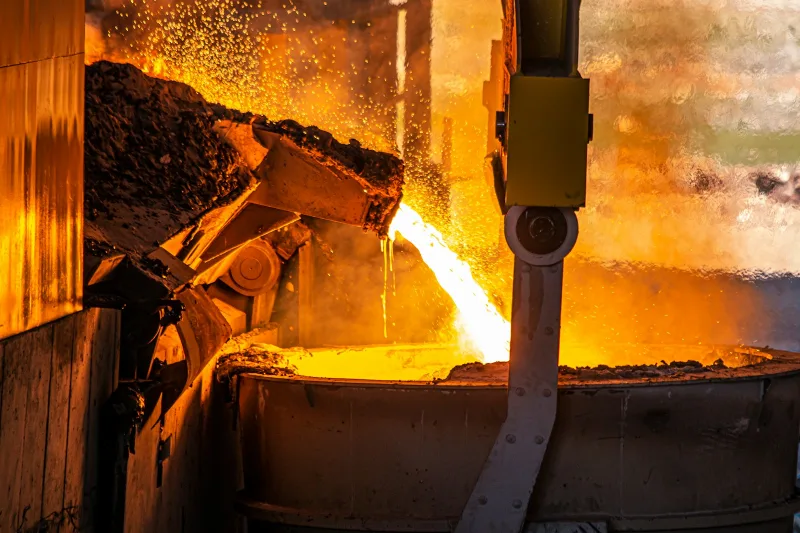
Raw material preparation: choose high-quality Steel as raw material
Construction machinery plays an important role on construction sites, where they are used to handle a variety of construction tasks, from excavation and handling to compaction and polishing. However, due to the harsh conditions of the working environment and heavy-duty work requirements, the parts and components of construction machinery often face wear and tear problems. To solve this problem, construction machinery uses wear-resistant steel plates to protect critical components from wear and damage.
Wear-resistant steel plate is a special steel plate with excellent wear resistance. It is made from high-strength alloy steel, usually containing chromium, nickel, molybdenum and other alloying elements. These alloying elements give wear-resistant steel plates excellent wear resistance, hardness and corrosion resistance, making them ideal for resisting wear and damage.
Wear-resistant steel plates have a variety of excellent properties, making them an indispensable material in construction machinery.
Wear resistance: Wear-resistant steel plates have excellent wear resistance and can withstand wear under heavy loads and harsh working environments.
High hardness: Wear-resistant steel plates have high hardness and can effectively resist impacts and scratches.
Good corrosion resistance: Wear-resistant steel plates can resist corrosion and oxidation and extend service life.
High strength: Wear-resistant steel plates have high strength and can withstand heavy loads and vibrations.
Plasticity: Wear-resistant steel plates have good plasticity and can adapt to parts of various shapes and sizes.
Wear-resistant steel plates are widely used in construction machinery, including but not limited to the following aspects:
Excavator bucket teeth and bucket plates: Excavator bucket teeth and bucket plates As one of the most commonly used parts in construction machinery, they often face problems of wear and breakage. The use of wear-resistant steel plates can effectively extend the service life of bucket teeth and bucket plates.
Bulldozer blades and cutting edges: Bulldozers play an important role in earthmoving projects, and bulldozer blades and cutting edges often face high temperatures