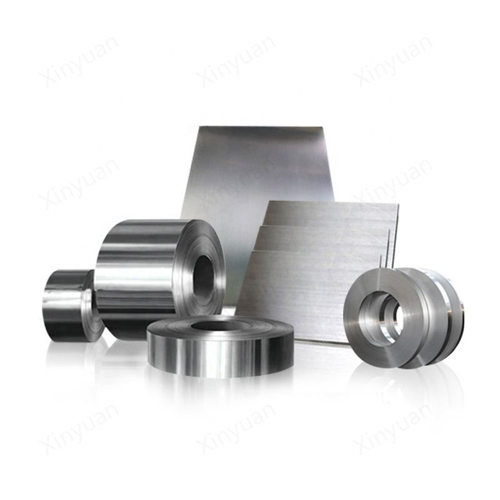
How to use NM450 wear-resistant plate for cutting and bending operations
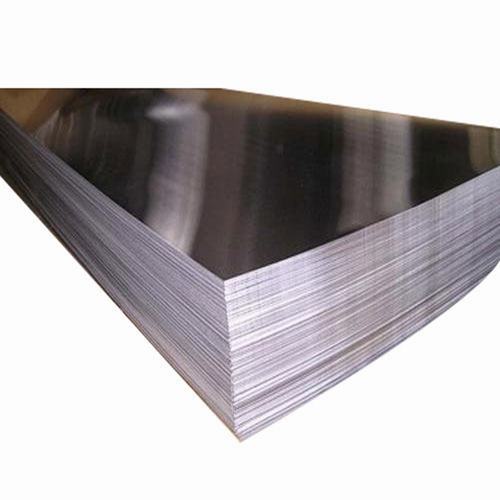
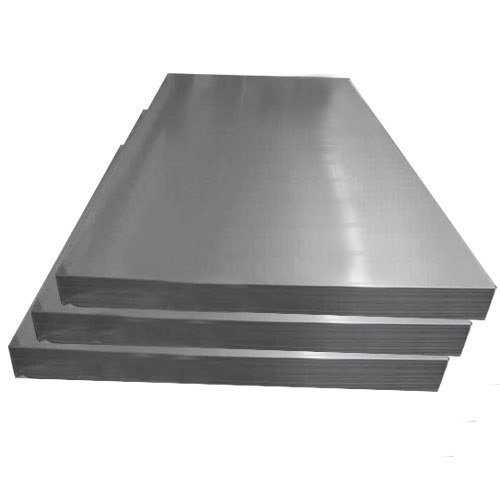
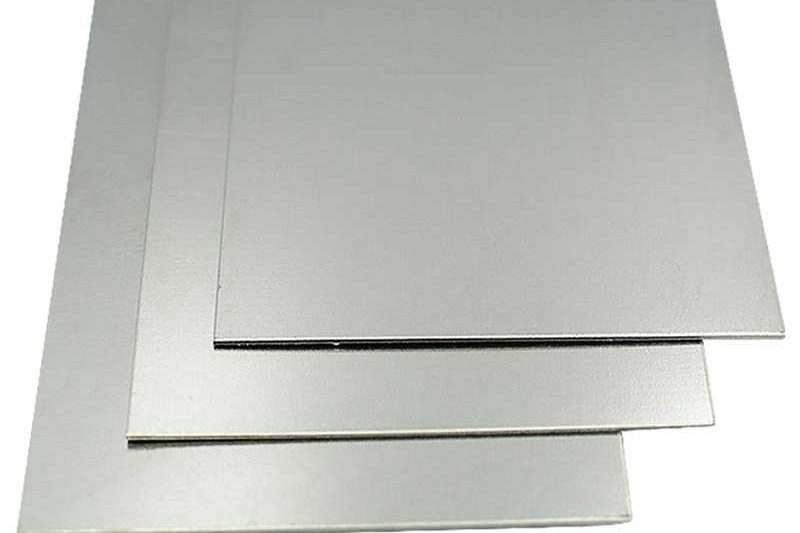
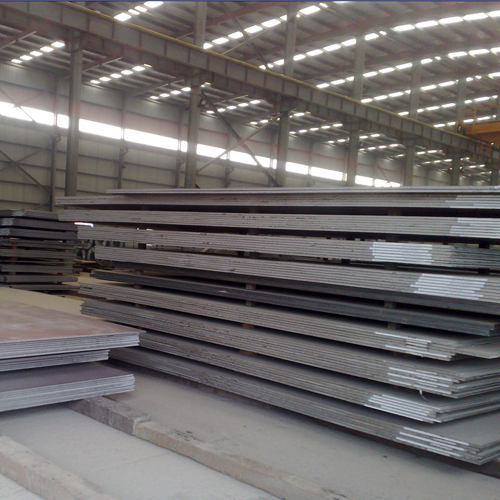
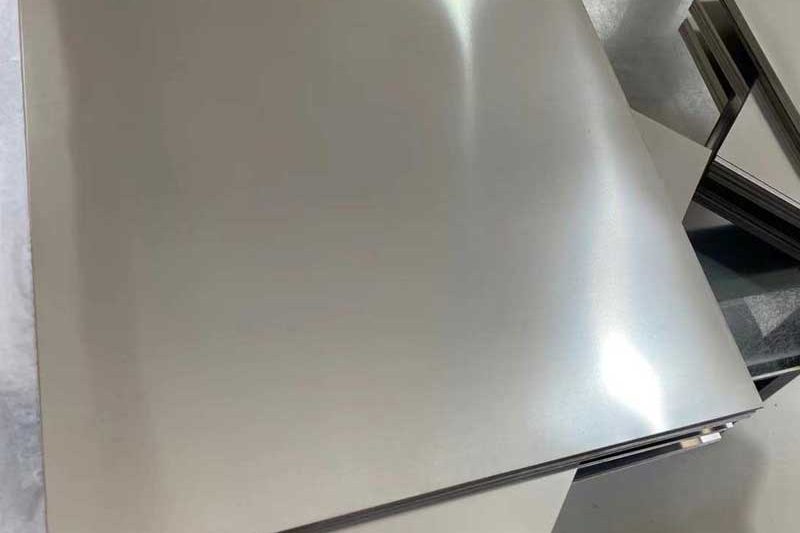
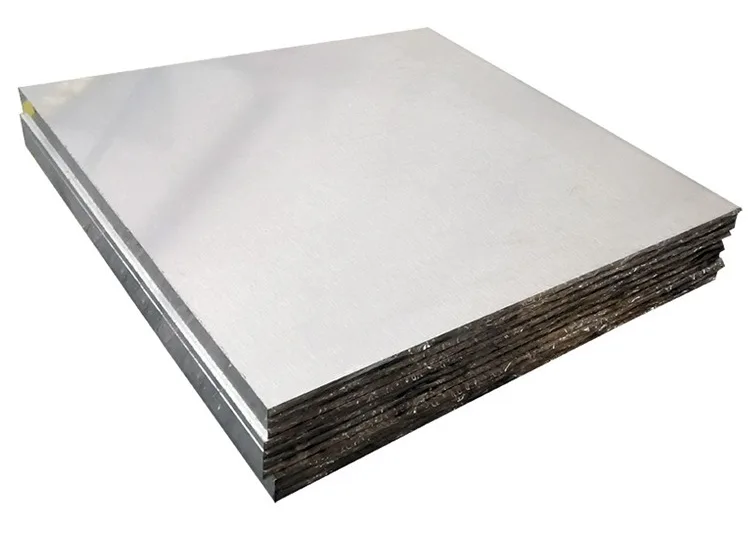
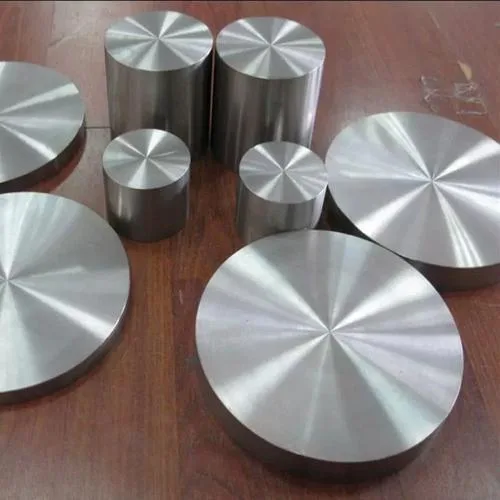
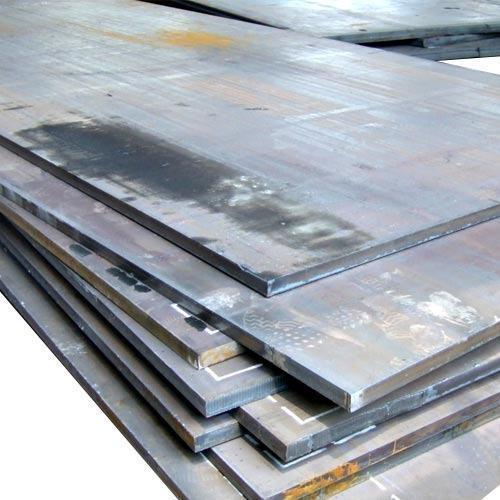
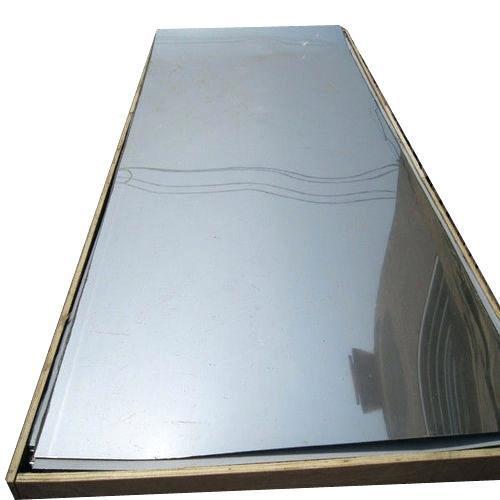
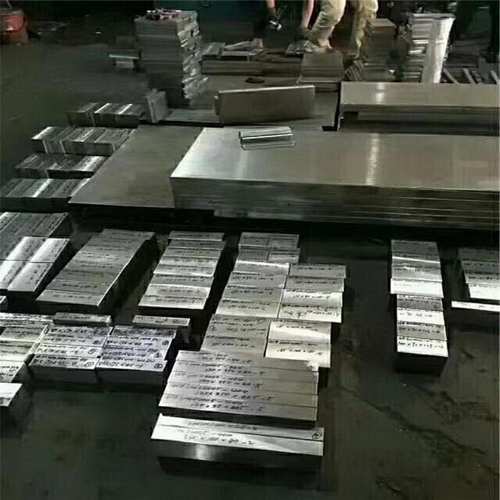
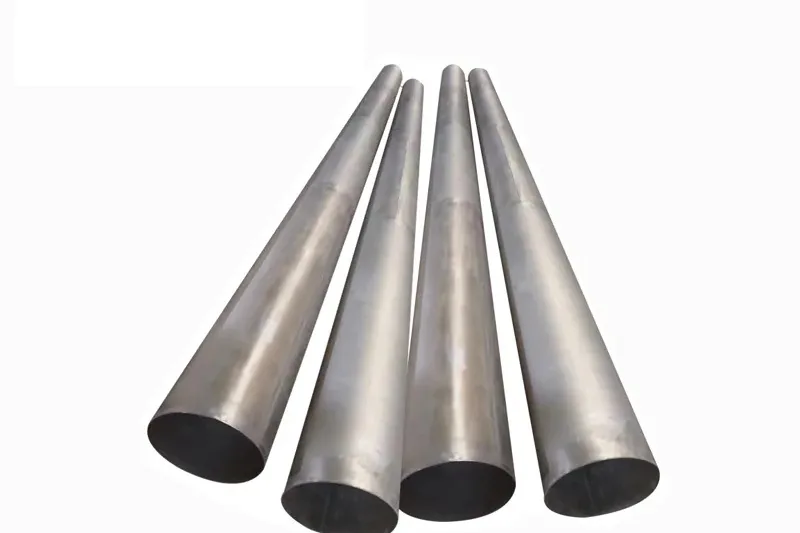
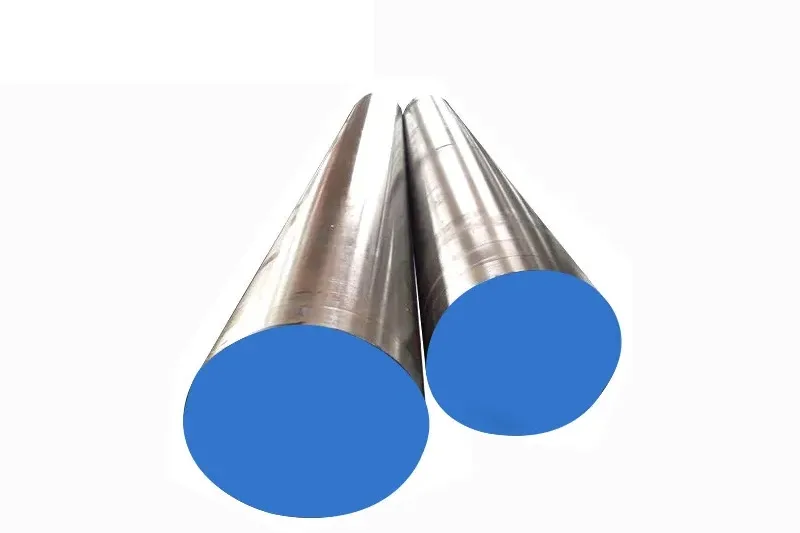
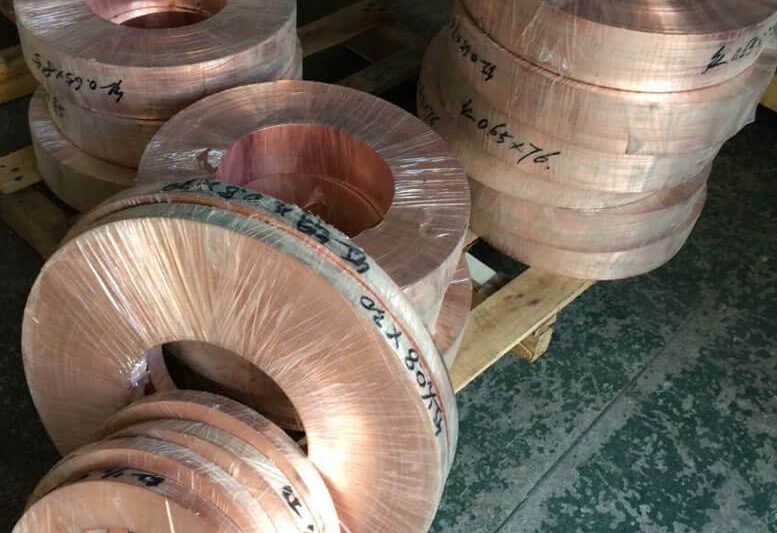
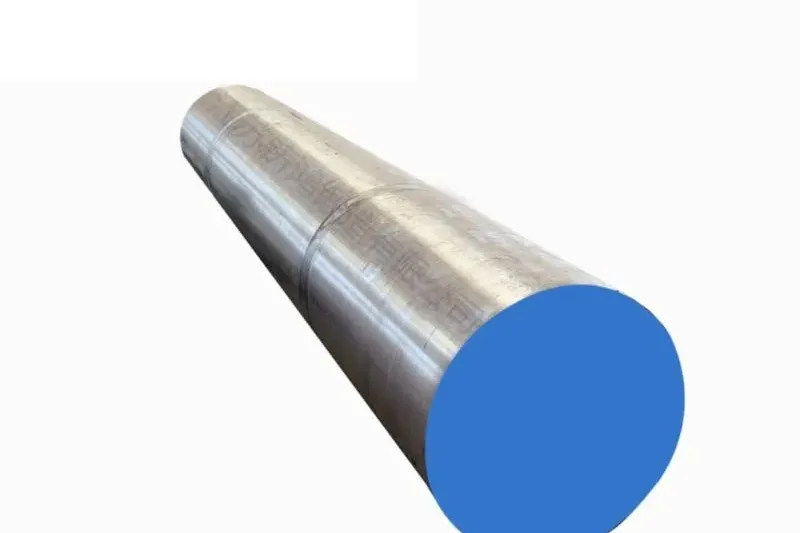
NM450 is a high-strength wear-resistant steel plate with high wear resistance and a Brinell hardness value of 450 (HBW). It is mainly used to provide protection in occasions or parts that require wear resistance, extending the life of the equipment and reducing maintenance. Maintenance and downtime brought about, correspondingly reduce capital investment. Naming: N is the first pinyin letter of "resistant" in "wear-resistant".
M is the first pinyin letter of "wear" in "wear-resistant".
450 is the Brinell hardness value HB value. (The hardness value of 450 is a broad sense, and the domestic NM450 hardness value is around 450.)
Grade classification: NM450ANM450B.
Heat treatment: Quenching and tempering (quenching + tempering).
Application:
NM450 wear-resistant steel plate is widely used in engineering machinery, mining machinery, coal mining machinery, environmental protection machinery, metallurgical machinery, molds, bearings and other product parts.
Uses:
Manufacturing enterprises such as engineering machinery, mining machinery, coal mining machinery, environmental protection machinery, and metallurgical machinery. Used for excavator, loader, bulldozer bucket plates, blade plates, side blade plates, blades, crusher liners.
How to use NM450 wear-resistant plate for cutting, bending and other operations
1. Cutting: Use plasma cutting, carbon arc cutting and grinding wheel saw to cut the large area composite steel plate into the required shape. A better method is to cut with air or inert gas plasma arc. The recommended method is to start cutting from the surface of the alloy. Carbon arc cutting should start from one side of the substrate. If you use a saw blade, you can only cut straight lines, and you need a silicon carbide saw blade.
2. Bending: NM450 wear-resistant plate can be cold-processed and formed into arc or circle. When the alloy has a concave formability, the cracks in the alloy will close due to internal stress; when the formability is convex, the cracks will become larger, which is a normal position. If the crack is too large, use corresponding welding rods to repair it. Press into the tube according to the recommended minimum bend radius.
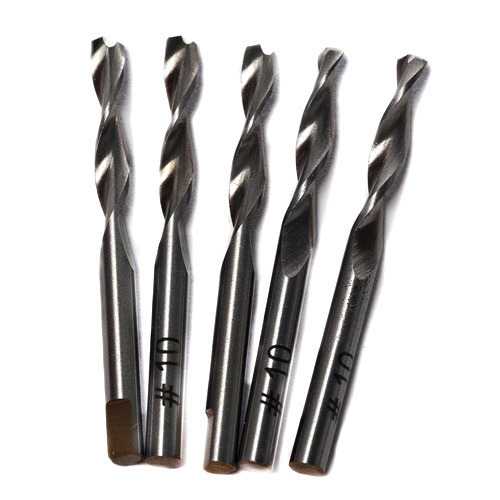
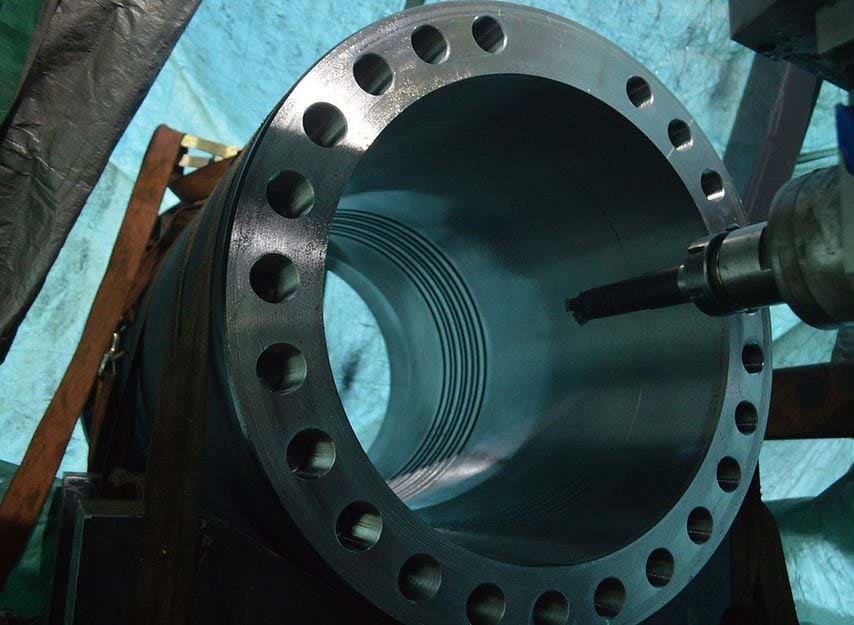
3. Hole opening: Plasma cutting can be used for large holes, and electric discharge machining is recommended for small holes. Countersinks for mounting bolts can be cut with plasma or carbon arc.
4. Welding: The base material of large-area composite steel plates is steel plates with good weldability. When two steel plates need to be spliced, the back base materials can be welded together first, and then the corresponding welding rods can be filled in the front surfacing layer. Wear-resistant steel plates can also be welded to other steel structures.