Processing methods of spring steel plates
.jpg)
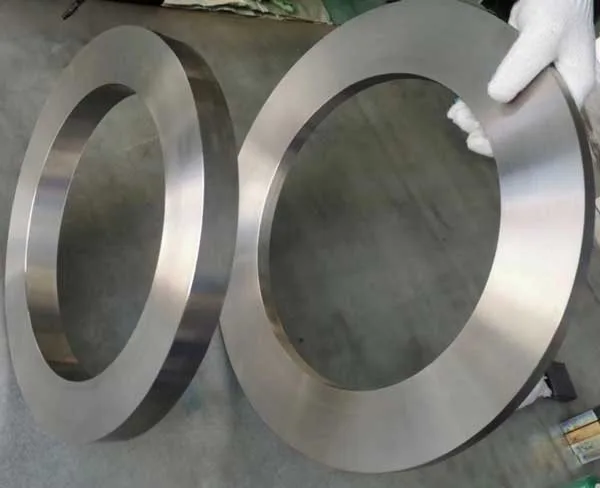
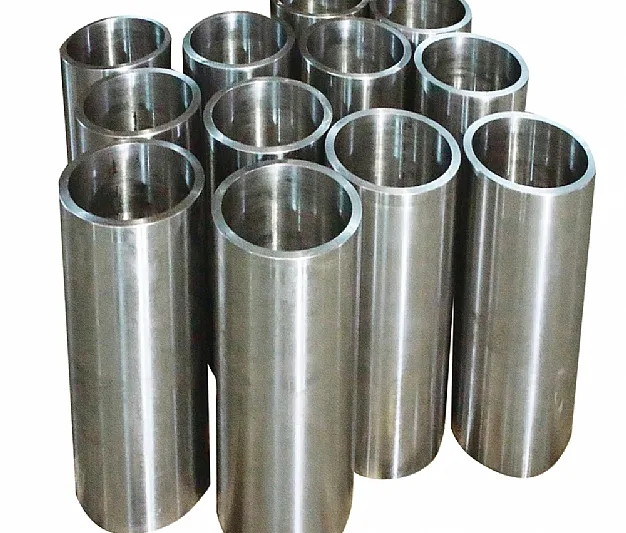
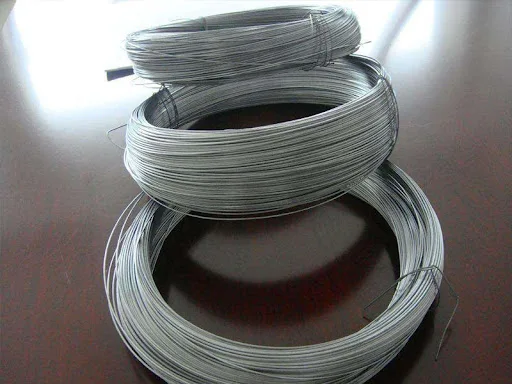
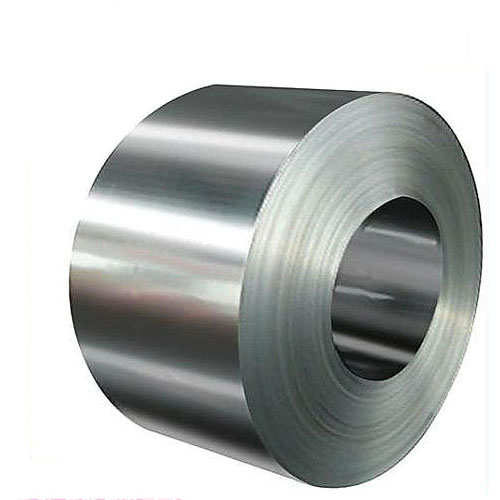
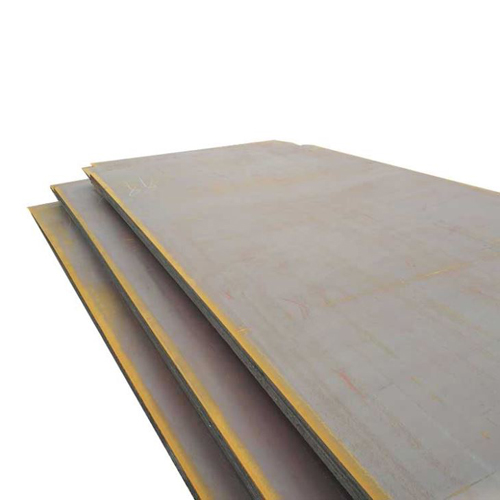
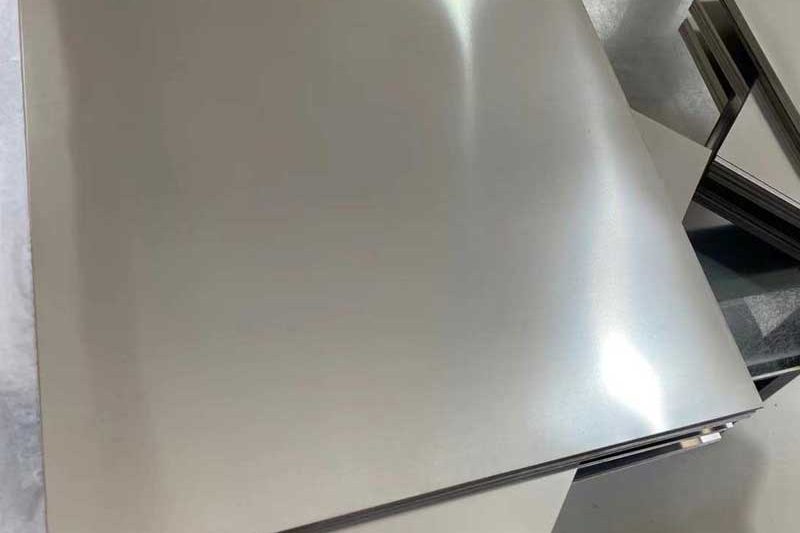
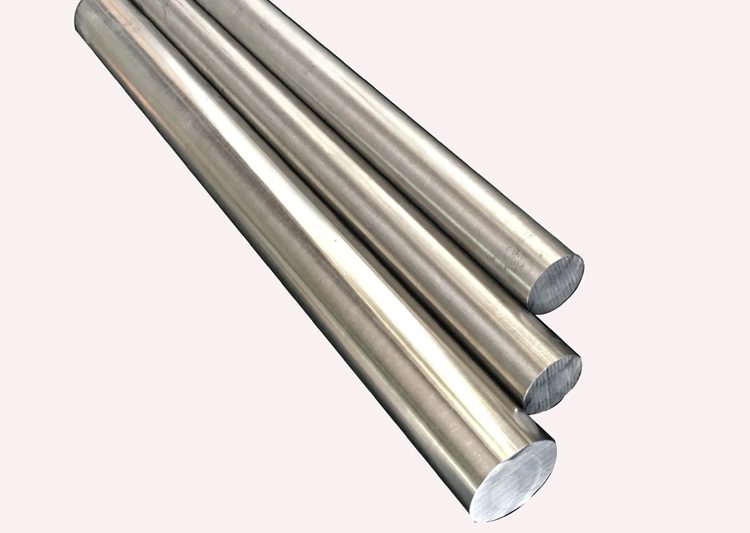
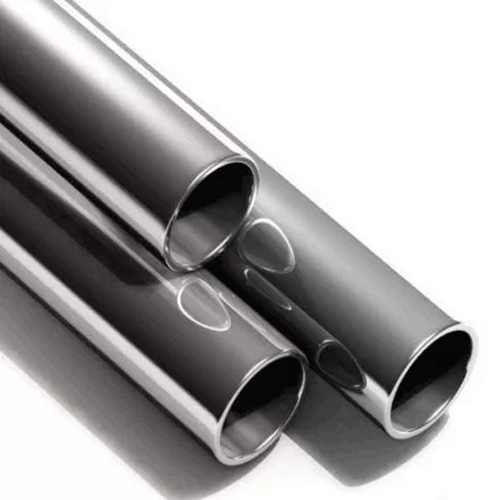
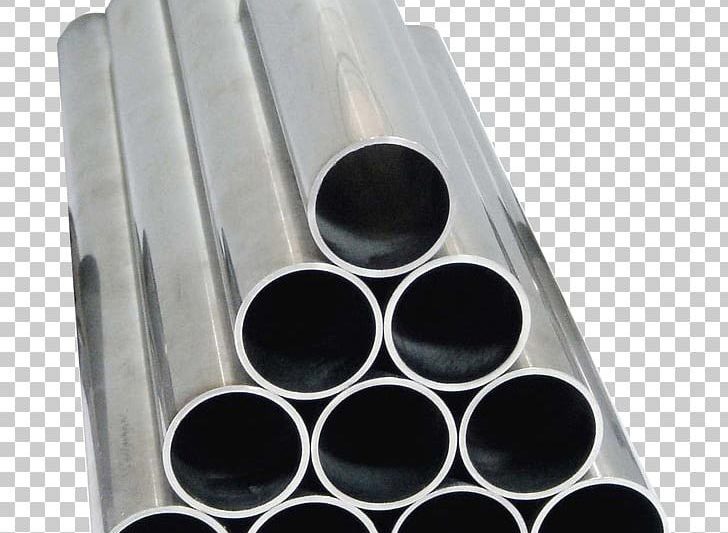
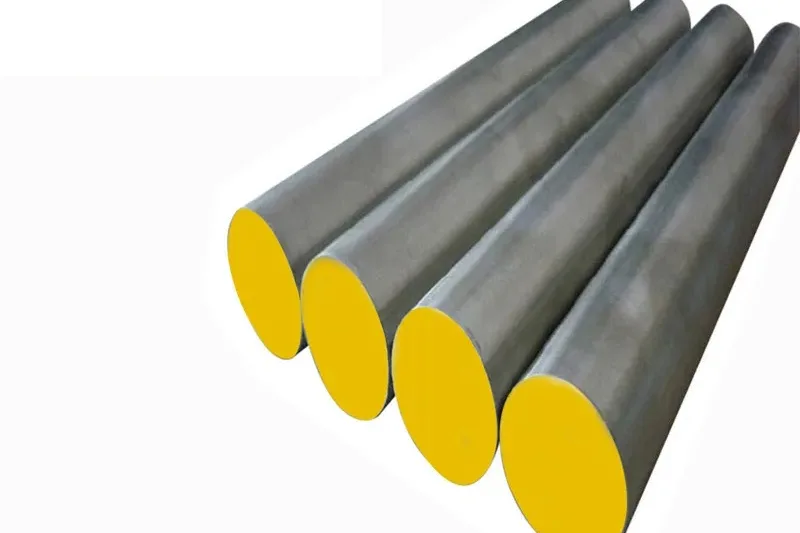
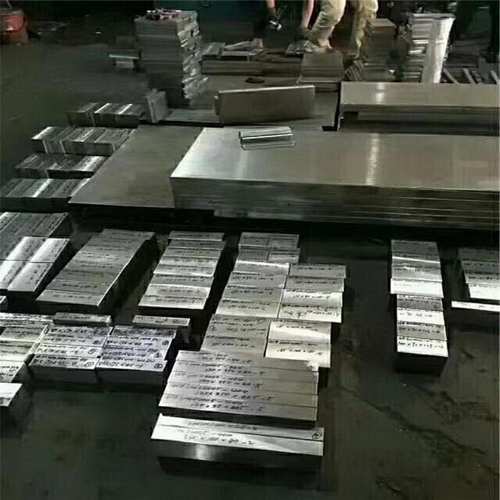
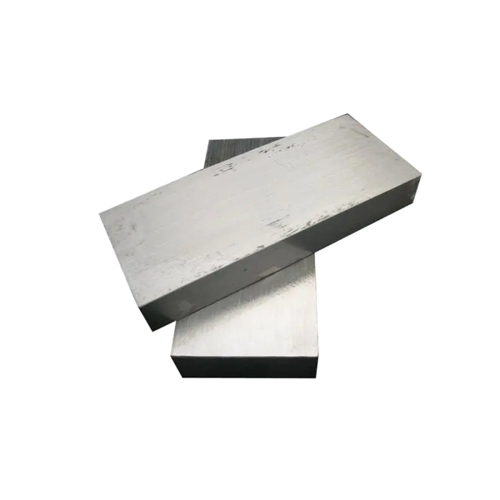
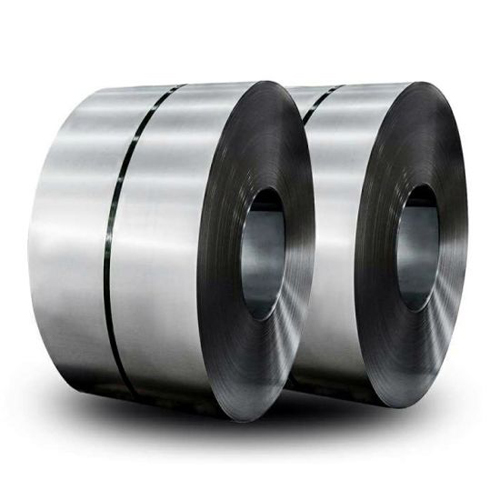
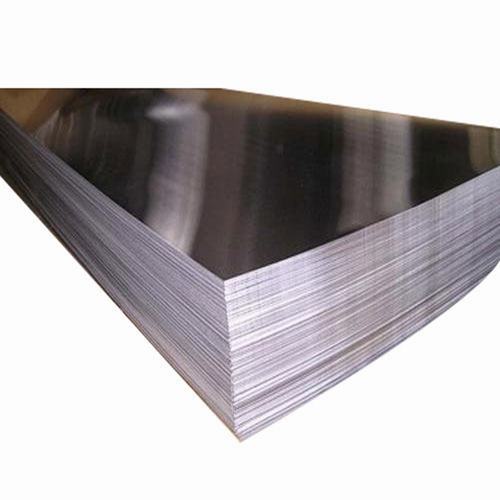
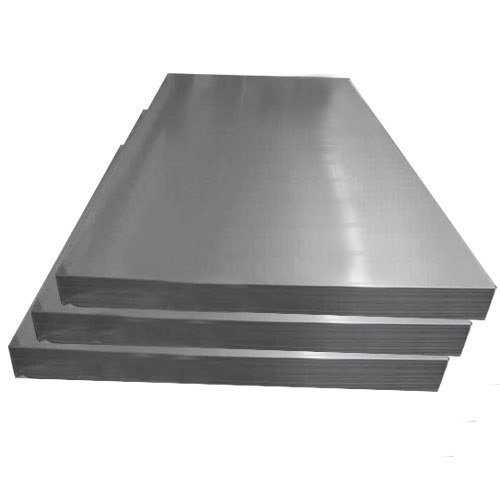
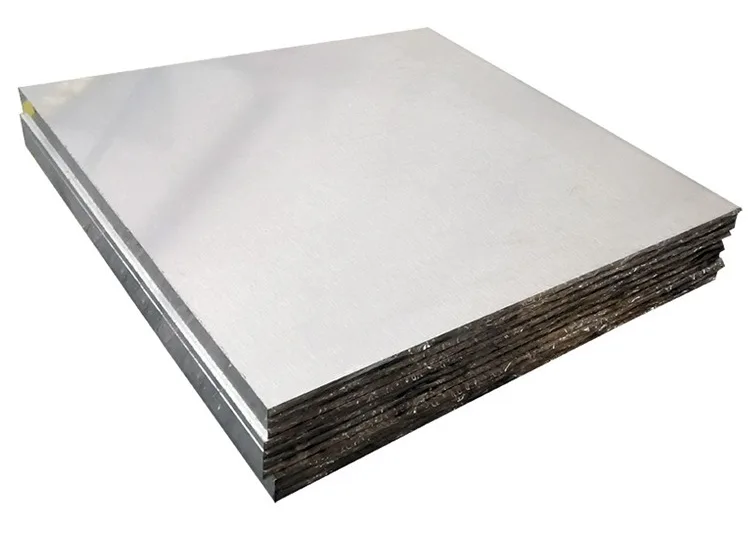
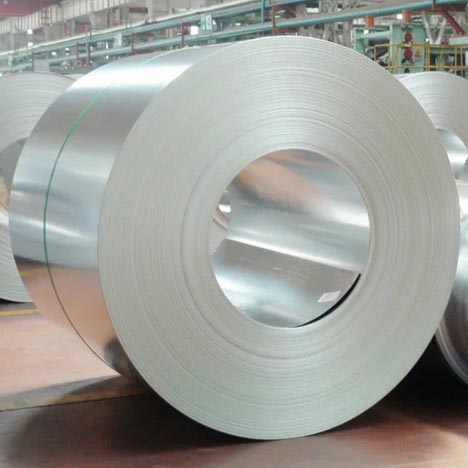
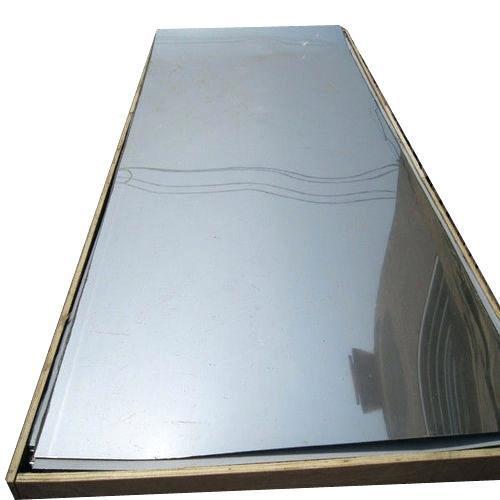
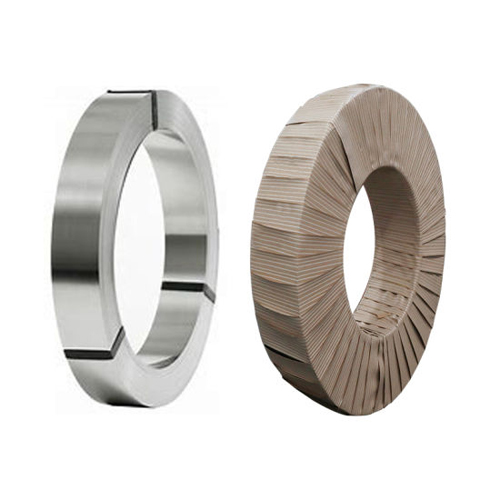
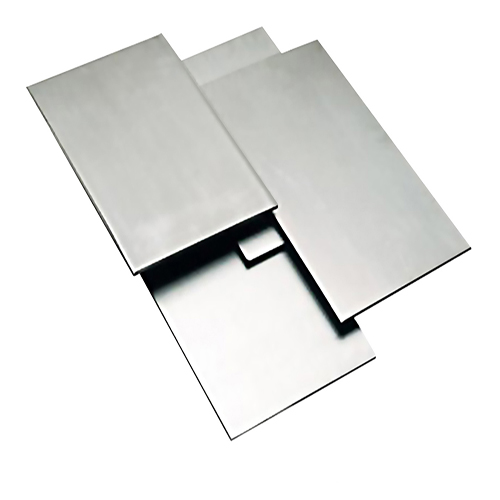
Spring steel plate is a special steel used to make springs and has excellent elasticity and strength. It is usually made of carbon steel, alloy steel or stainless steel and has good ductility and wear resistance. Spring steel plates are widely used in automobile, machinery, electronics, furniture and other industries.
Preparation before processing the spring steel plate
Before processing the spring steel plate, some preparation work is required. First, the required materials and tools need to be prepared according to the design requirements. Secondly, the spring steel plate needs to be cleaned and rust removed to ensure that the surface is smooth and free of impurities. Finally, the necessary measurements and markings need to be made according to the processing requirements.
Cutting of spring steel plates
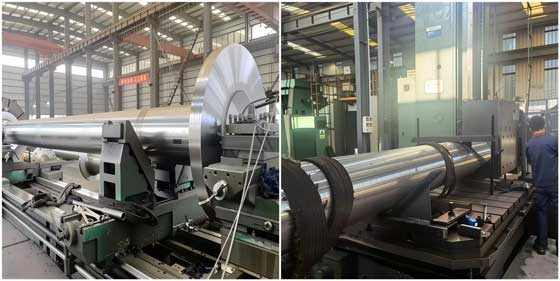
Cutting is one of the basic steps in the processing of spring steel plates. Commonly used cutting methods include shearing, flame cutting and laser cutting. Shearing is suitable for thinner spring steel plates, flame cutting is suitable for thicker spring steel plates, and laser cutting is suitable for precision cutting.
Stamping processing of spring steel plates
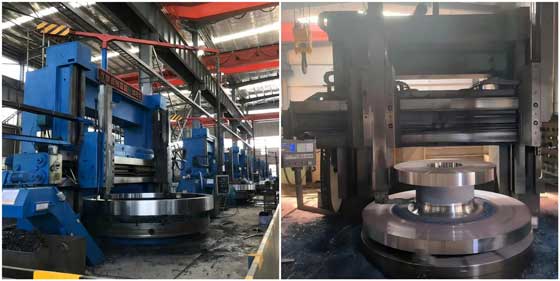
Stamping is a processing method that forms spring steel plates through a mold. Through stamping, spring parts can be manufactured in various shapes and sizes. Stamping processing has the characteristics of high efficiency and high precision, and is widely used in the production of spring steel plates.
Bending processing of spring steel plates
Bending is a processing method that bends spring steel plates into the required shape. Commonly used bending methods include hydraulic bending and mechanical bending. Bending processing requires the selection of appropriate processing equipment and processes based on the material and thickness of the spring steel plate.
Welding processing of spring steel plates
Welding is a processing method that connects multiple spring steel plates together. Commonly used welding methods include arc welding, gas shielded welding and laser welding. Welding processing requires mastering appropriate welding parameters and techniques to ensure the quality and strength of welded joints.
Heat treatment of spring steel plates
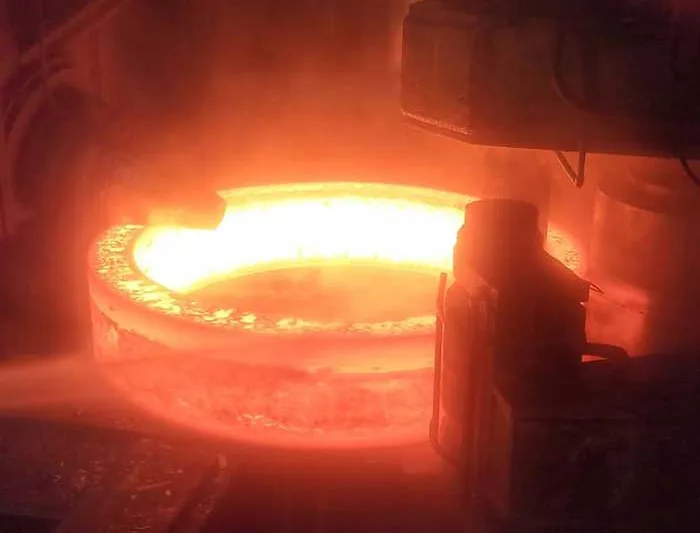
Heat treatment is a processing method to improve the performance of spring steel plates. Commonly used heat treatment methods include quenching, tempering and normalizing. Heat treatment can change the structure and hardness of spring steel plates and improve their elasticity and strength.
Surface treatment of spring steel plates
Surface treatment is to protect the surface of spring steel plates and extend their service life. Commonly used surface treatment methods include galvanizing, spraying and electroplating. Surface treatment can protect spring steel plates from corrosion and wear, improving their durability and aesthetics.
Quality inspection of spring steel plates
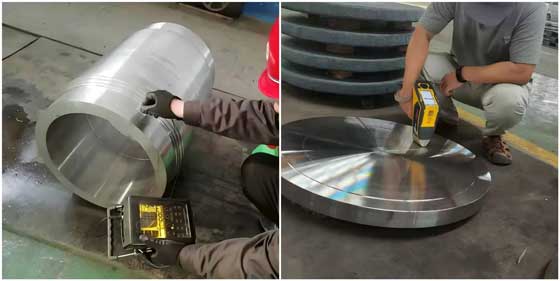
Quality inspection is an important link to ensure that spring steel plates meet the design requirements. Commonly used quality inspection methods include dimensional inspection, mechanical property testing and surface quality inspection. Quality inspection can ensure the stable and reliable quality of spring steel plates.
Packaging and transportation of spring steel plates
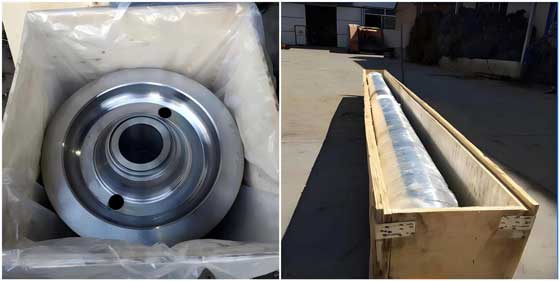
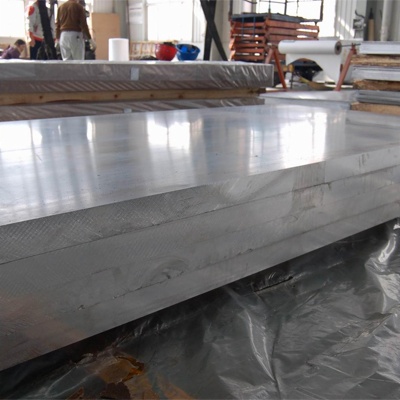
Packaging and transportation are the last steps in the processing of spring steel plates. Spring steel plates are usually packed in wooden boxes or pallets to prevent damage and loss. During transportation, care must be taken to avoid collisions and extrusions to ensure the integrity of the spring steel plates.
Application fields of spring steel plates
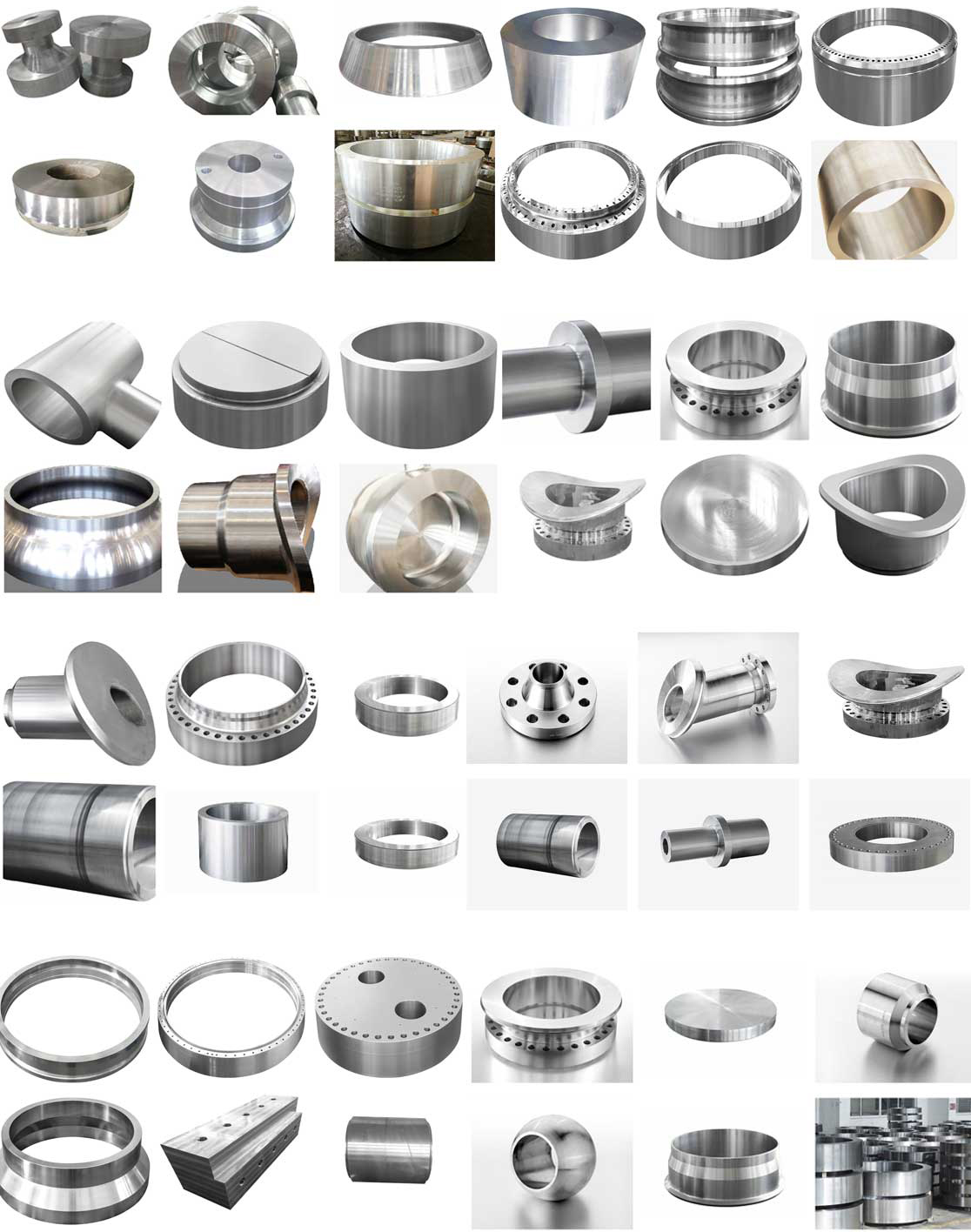
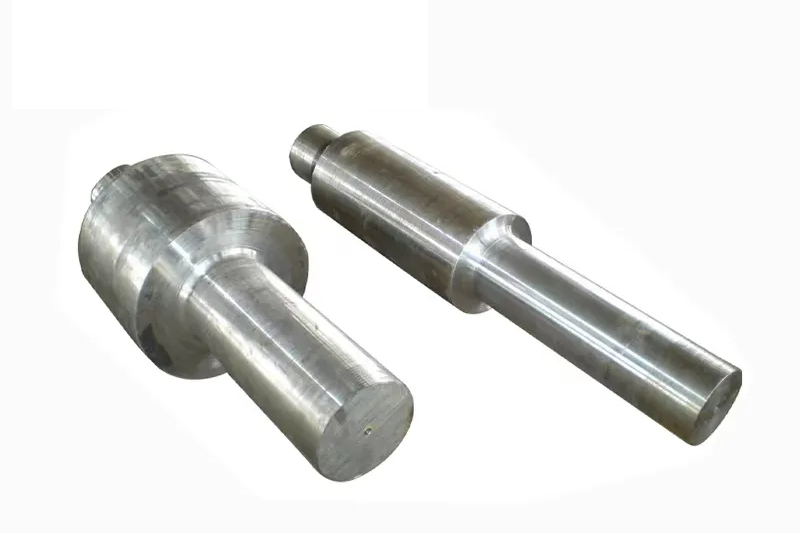
Spring steel plates are widely used in automobile manufacturing, machinery manufacturing, electronic equipment, furniture manufacturing and other industries. It can be used to manufacture various springs and spring parts, such as automobile suspension springs, industrial springs, furniture springs, etc.
The future development trend of spring steel plates
With the continuous advancement of industrial technology, the processing technology of spring steel plates is also constantly developing. In the future, spring steel plate processing will be more intelligent, automated and efficient. At the same time, the materials and performance of spring steel plates will also receive more innovation and improvement.
Precautions for spring steel plate processing
When processing spring steel plates, you need to pay attention to the following points:
Choose suitable processing methods and equipment.
Control processing parameters and processes to ensure processing quality.
Pay attention to safe operations to avoid accidents.
Regularly inspect and maintain processing equipment to ensure its normal operation.
Advantages and disadvantages of spring steel plate processing
Spring steel plate processing has the following advantages:
High production efficiency and the ability to produce in batches.
It has high processing precision and can manufacture parts with complex shapes.
The processing cost is low, which can reduce product costs.
However, there are also some shortcomings in spring steel plate processing, such as difficulty in processing and high equipment requirements.
Key technologies for spring steel plate processing
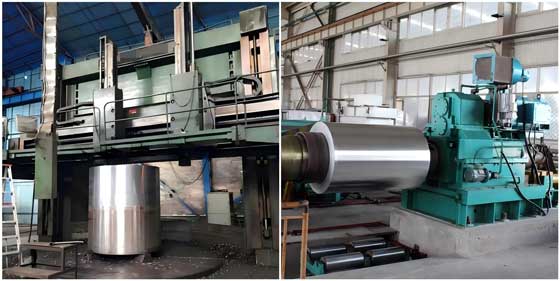
The key technologies for spring steel plate processing include material selection, processing technology, equipment control, etc. By rationally selecting materials, optimizing processing techniques and controlling equipment parameters, the processing efficiency and product quality of spring steel plates can be improved.
The processing method of spring steel plates is an important step in manufacturing springs and spring parts. Spring steel plates can be processed into parts of various shapes and sizes through cutting, stamping, bending, welding and other processing methods. At the same time, heat treatment, surface treatment and quality inspection are also important links to ensure the quality of spring steel plates. In the future, spring steel plate processing will be more intelligent and efficient, providing more high-quality spring products for various industries.