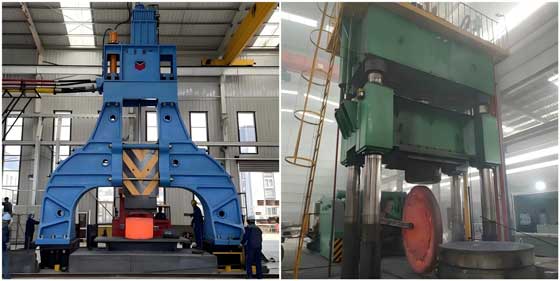
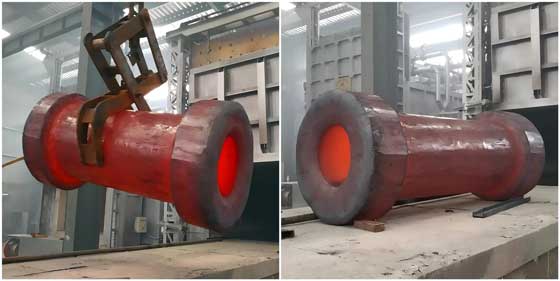
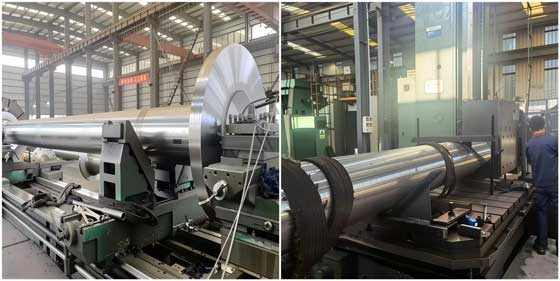
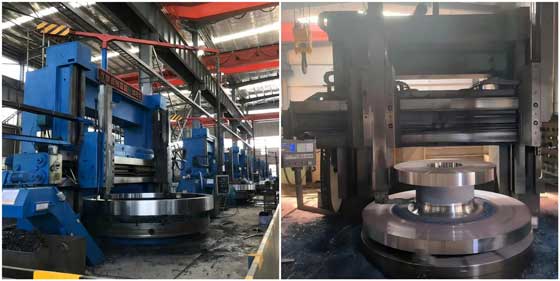
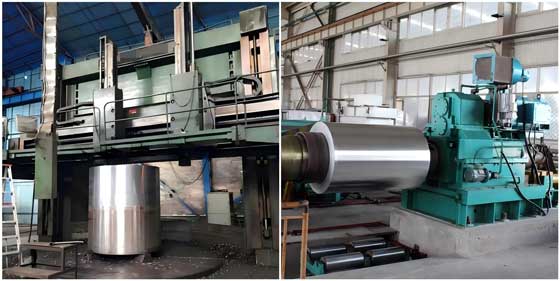
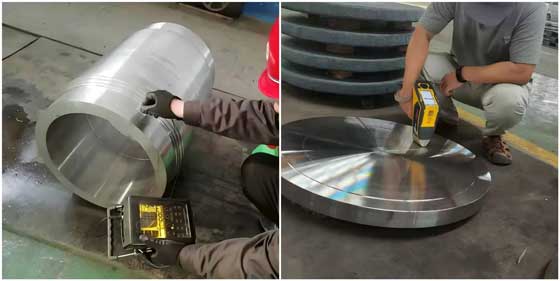
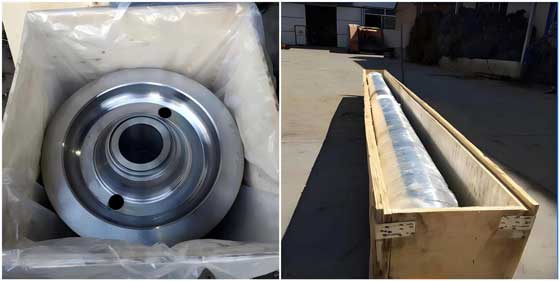
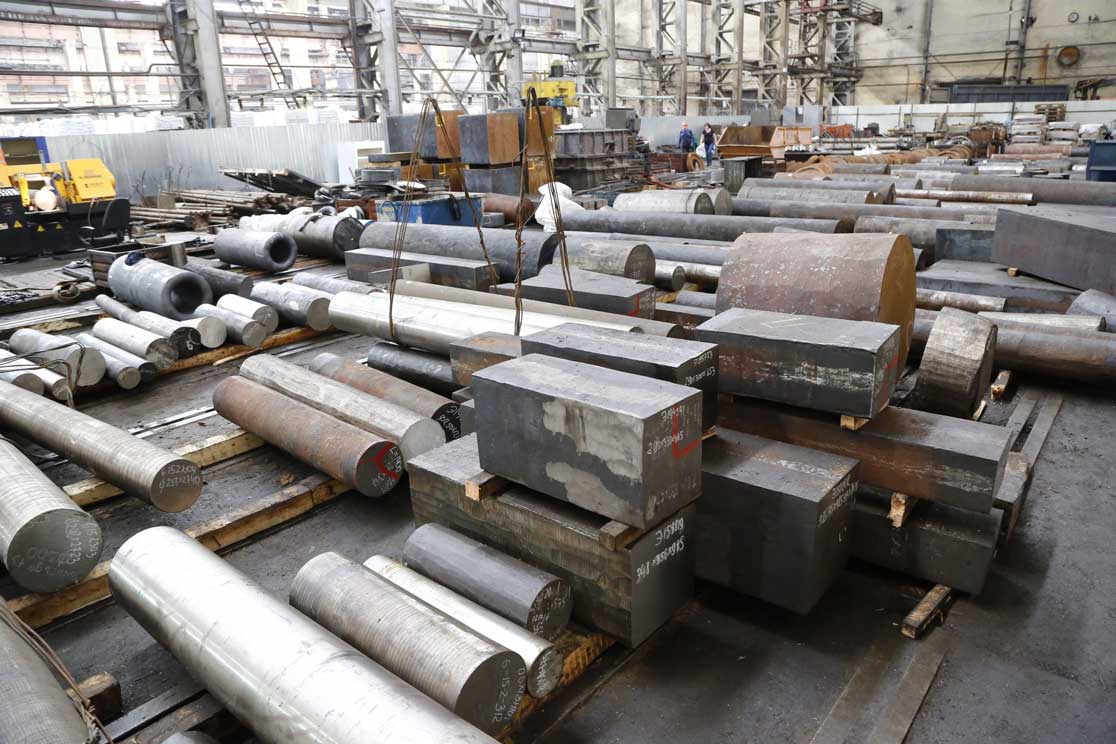
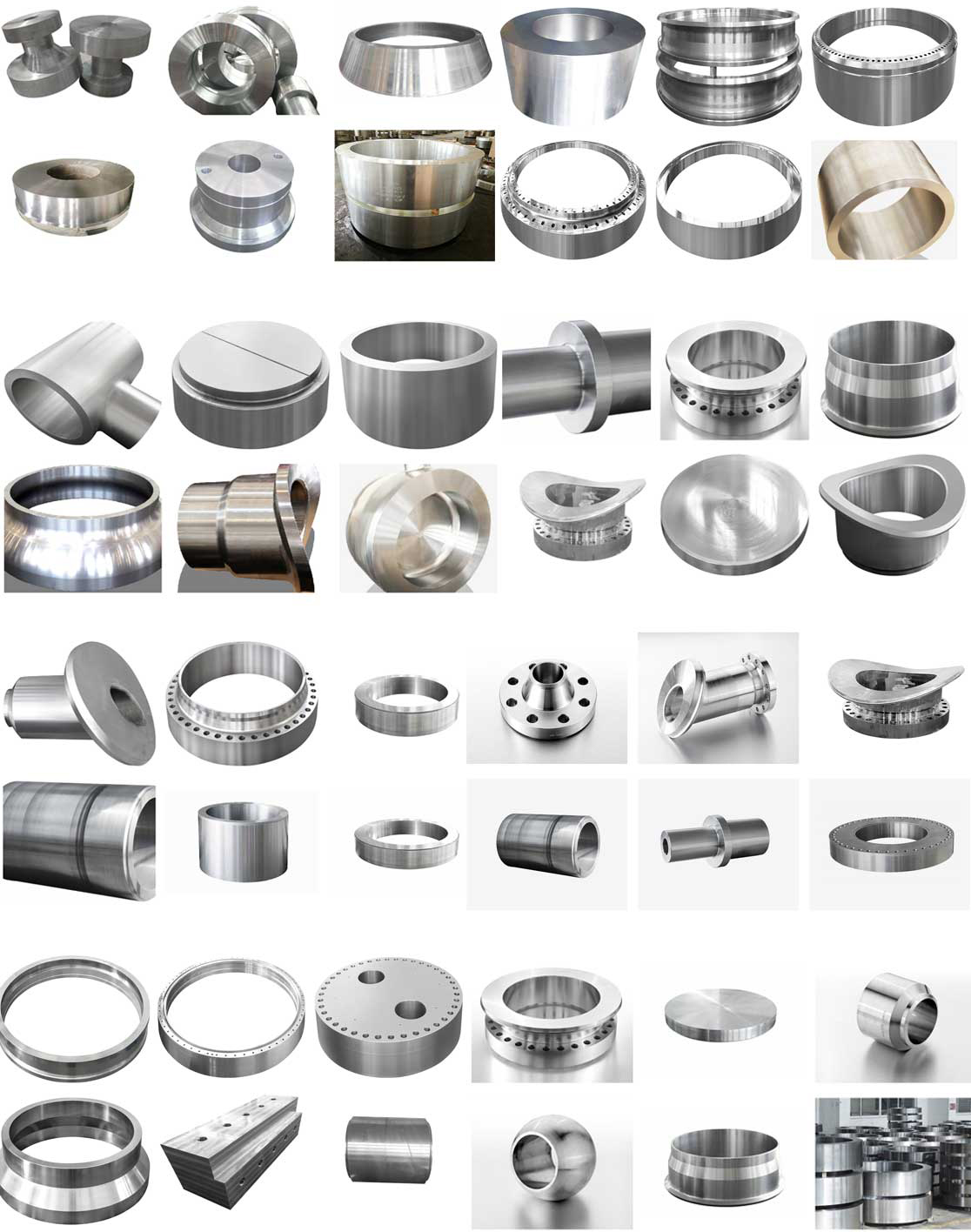
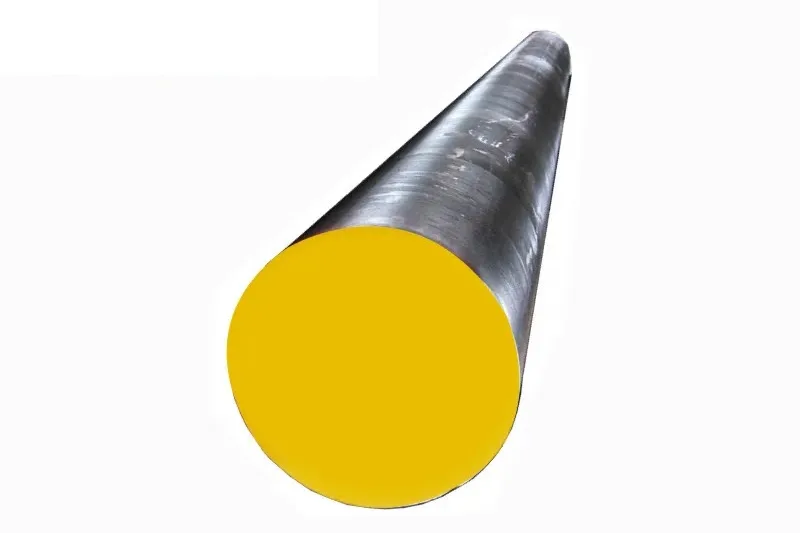
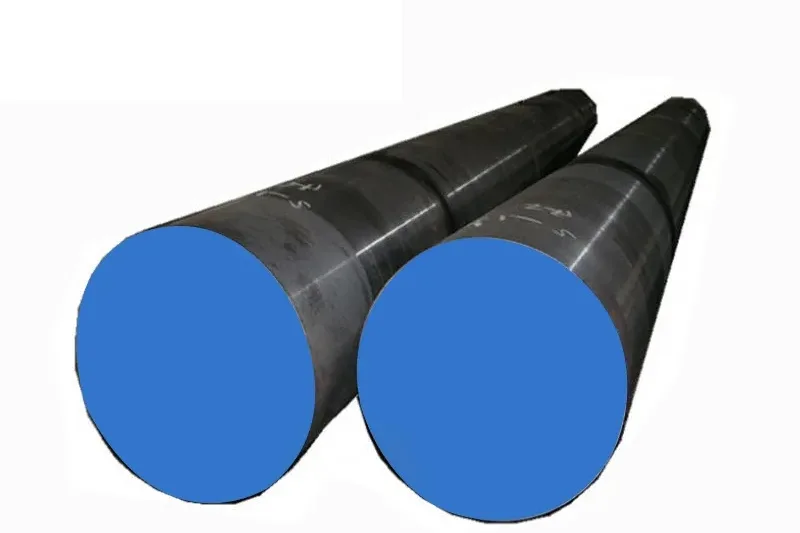
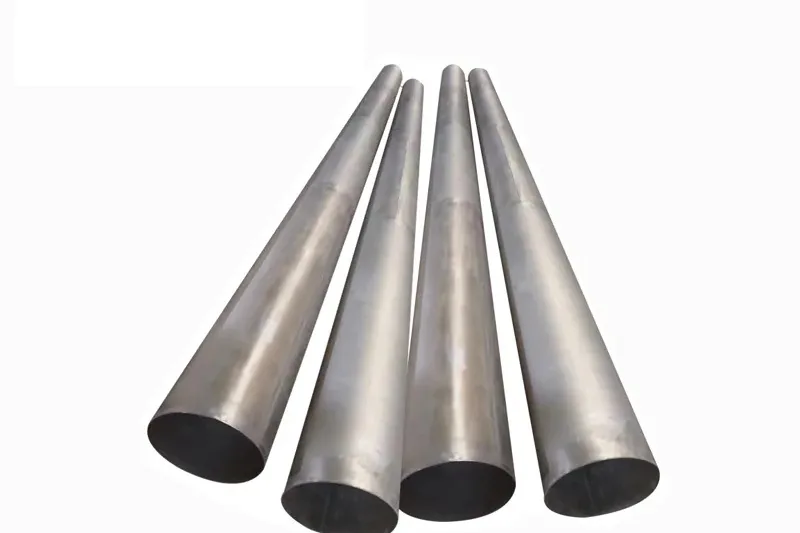
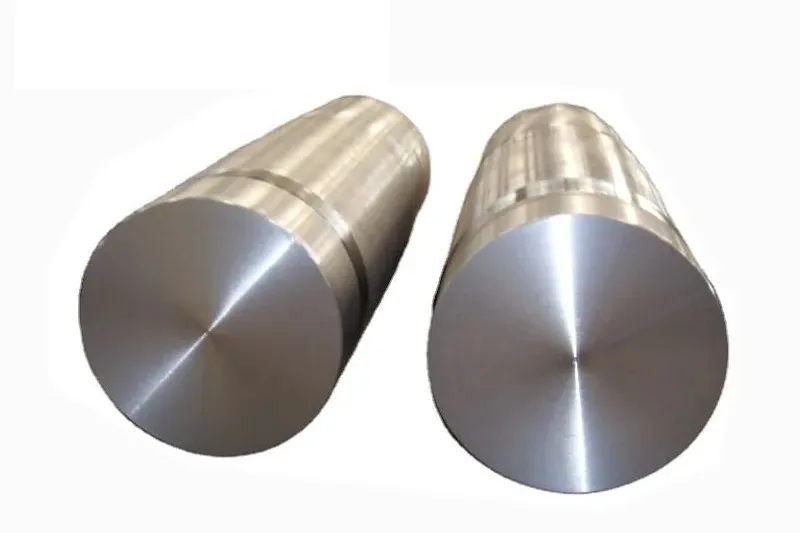
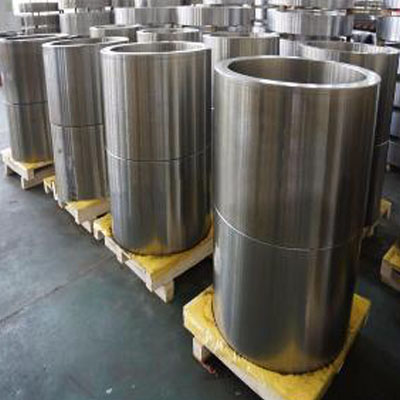
Large Tapered Cylindrical Forging
Common Material Grades
Steel for the Nuclear Power Industry: 18MND5 is a typical material used to manufacture the conical cylinders of primary equipment in the nuclear island.
Petrochemical/General-Purpose Steel: Refer to high-strength, heat-resistant, or corrosion-resistant materials such as 42CrMo, 34CrNiMo6, and 304/316L stainless steel.
Dimension Range
Examples of Small to Medium Sizes: Inner diameter approximately 815–1000 mm, wall thickness 185 mm, height 1350 mm, taper approximately 11.1°.
Examples of Large/Extra-Large Sizes:
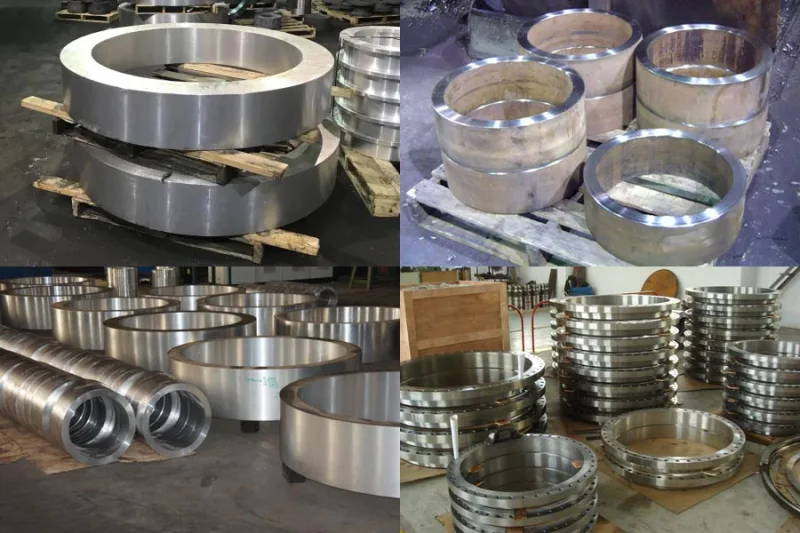
• Outer diameter 4,955 mm, inner diameter 4,240 mm, height 2,720 mm, taper of 15° on one side, forged from a 185-metric-ton steel ingot.
• The “world’s largest irregular-shaped hydrogenation cylinder forging,” with a maximum diameter of 6,760 mm, featuring a conical shape.
Characteristic Dimensions: The minimum diameter at the small end is typically no less than 3,000 mm, and the wall thickness is typically no less than 100 mm.
Major Application Areas
Nuclear Power Generation: Used to manufacture core pressure-bearing components such as transition cones for nuclear power evaporators and reactor pressure vessels.
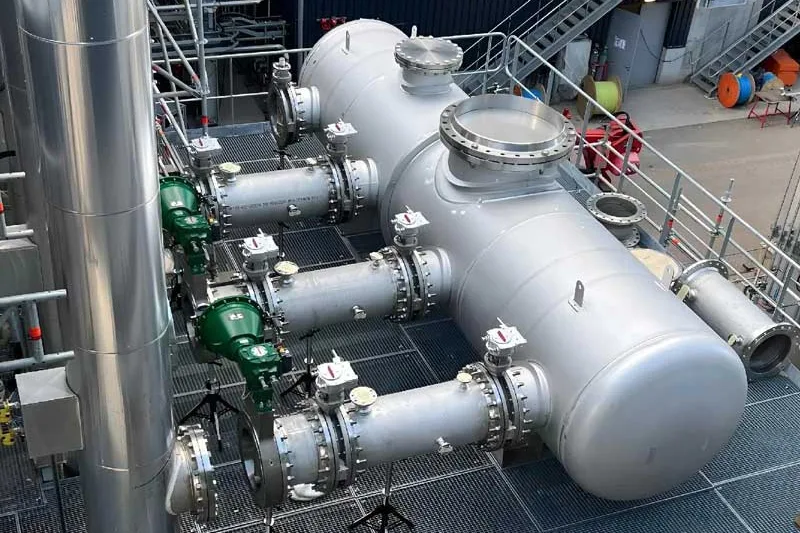
Petrochemicals: Used to manufacture the conical cylinders of large hydrogenation reactors, which are key components of hydrocracking units.
Pressure Vessels: Used for the conical sections of various large vessels that must withstand high temperatures, high pressures, and complex loads.