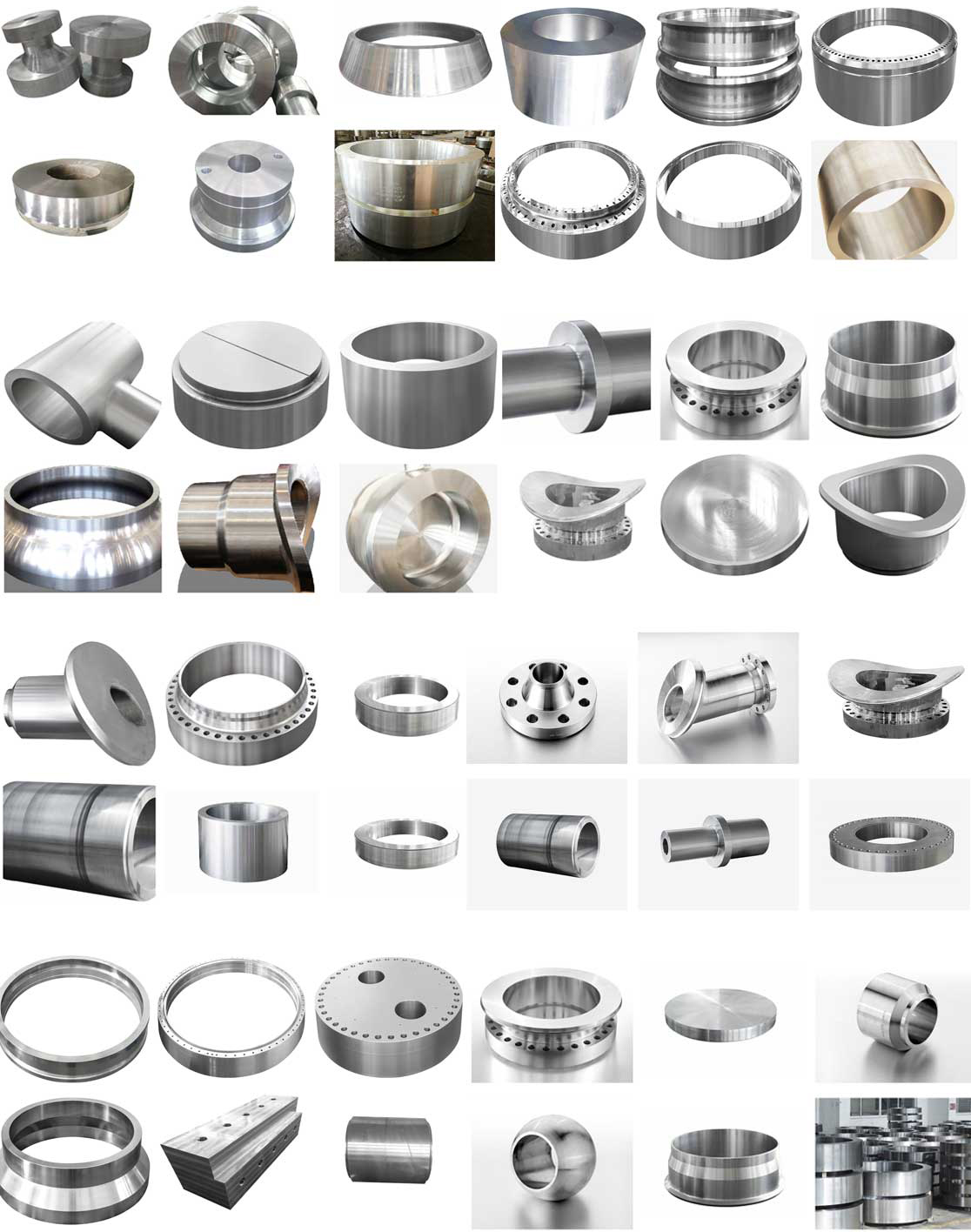
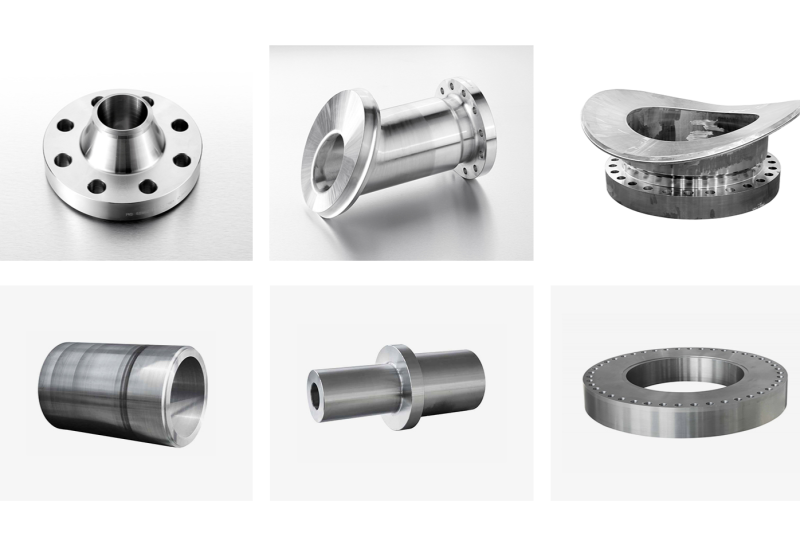
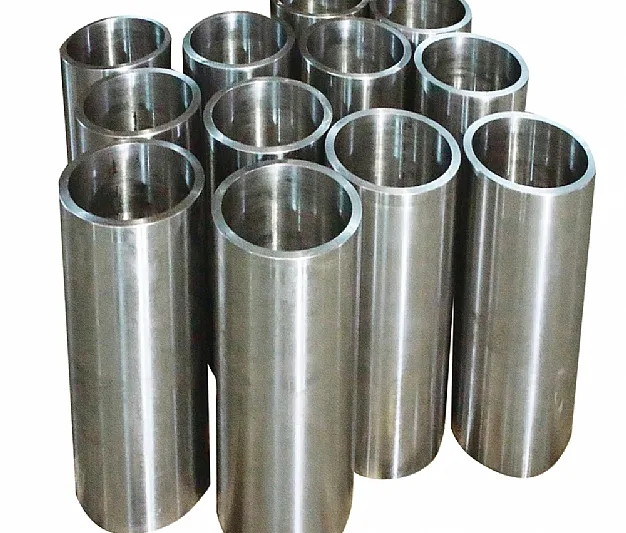
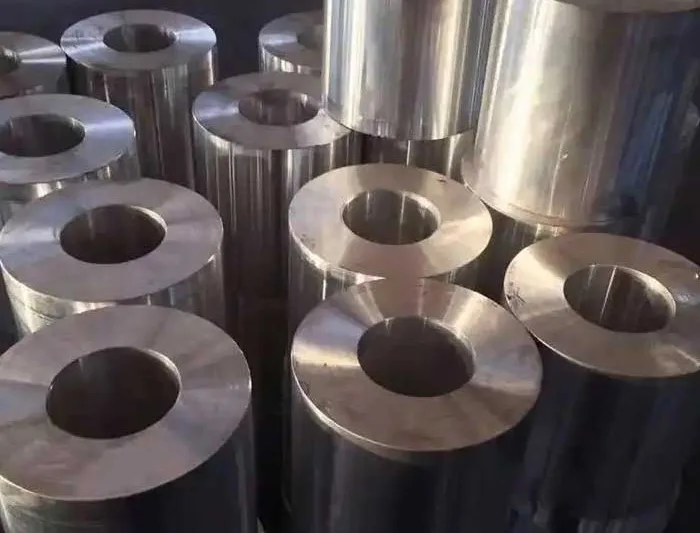
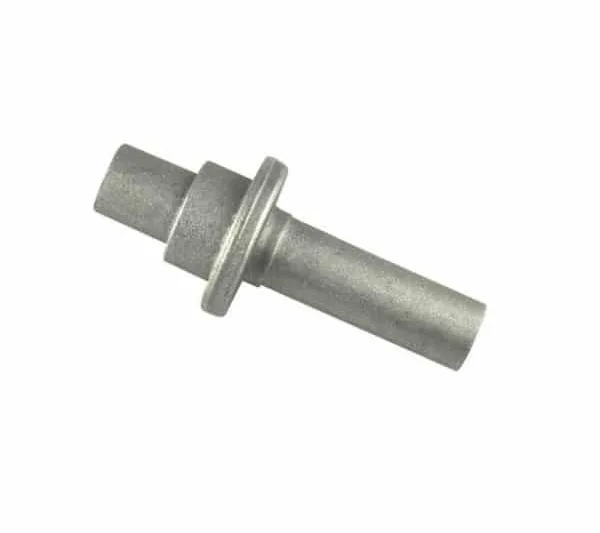
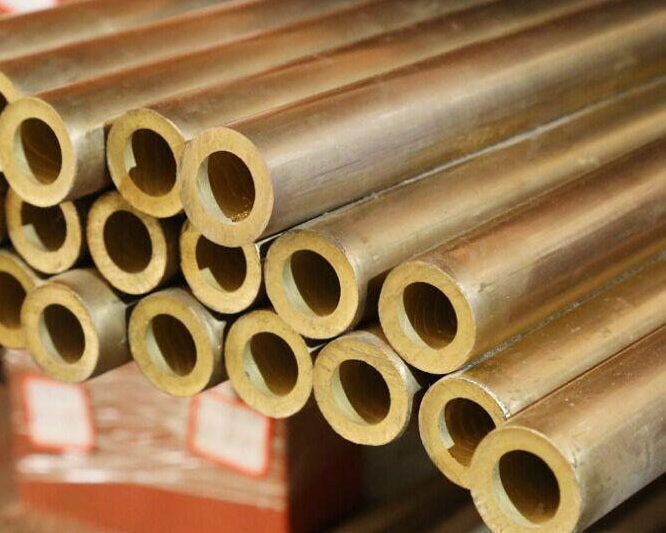
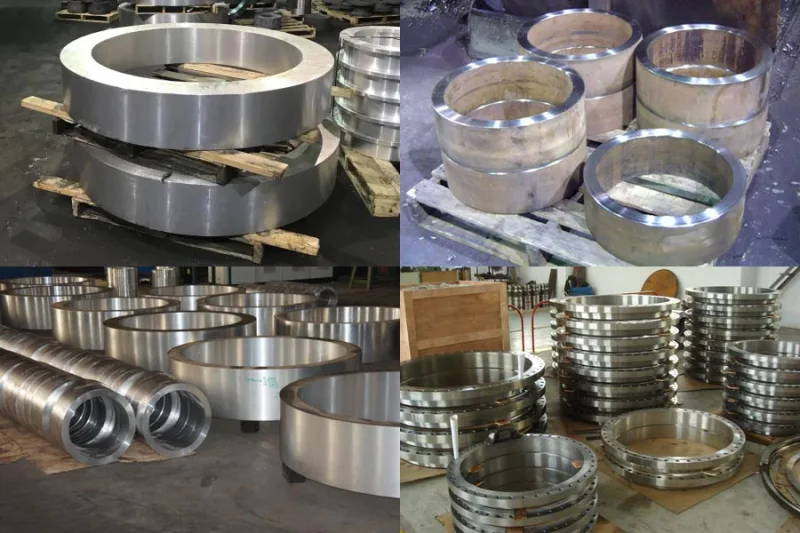
Thick-Wall Hub Cylinder
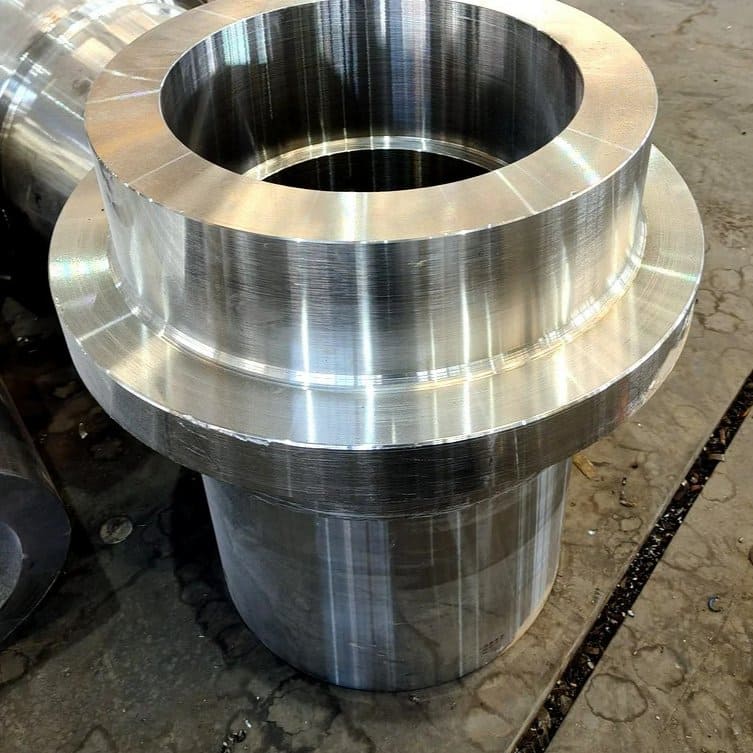
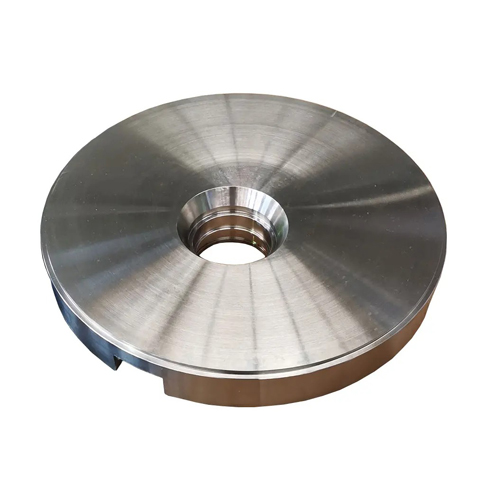
Thick-Wall Hub Cylinder: Structural Integrity and Engineering Significance
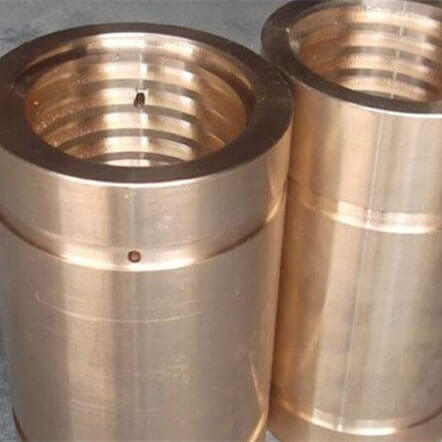
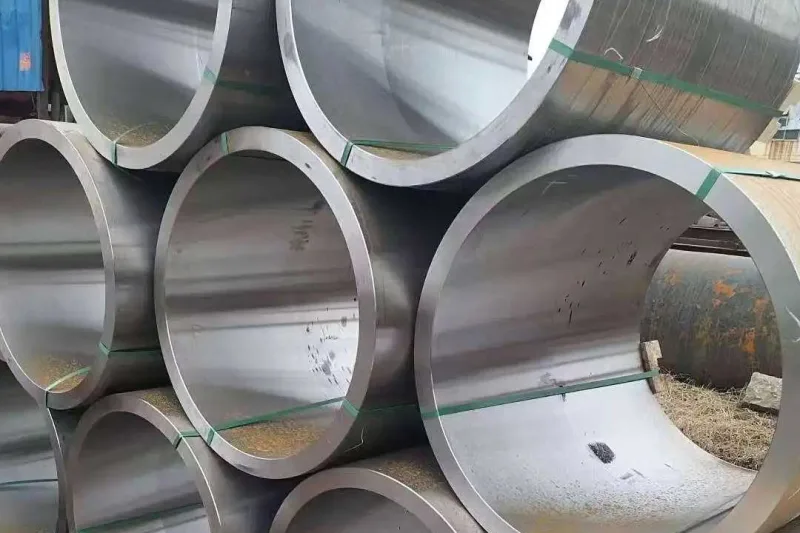
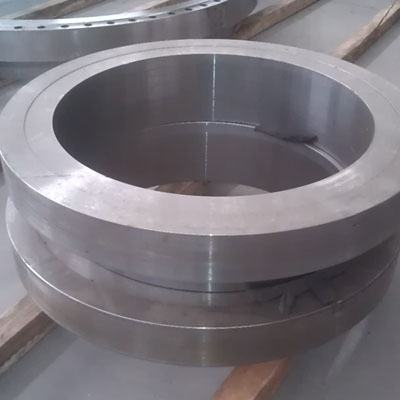
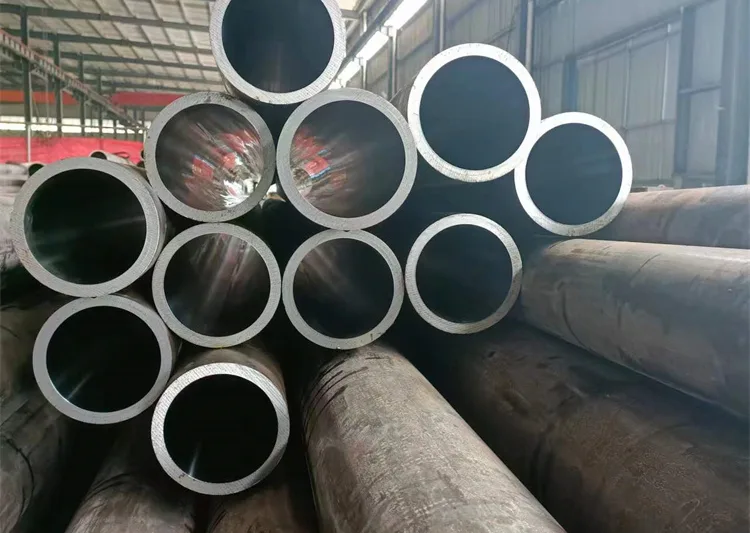
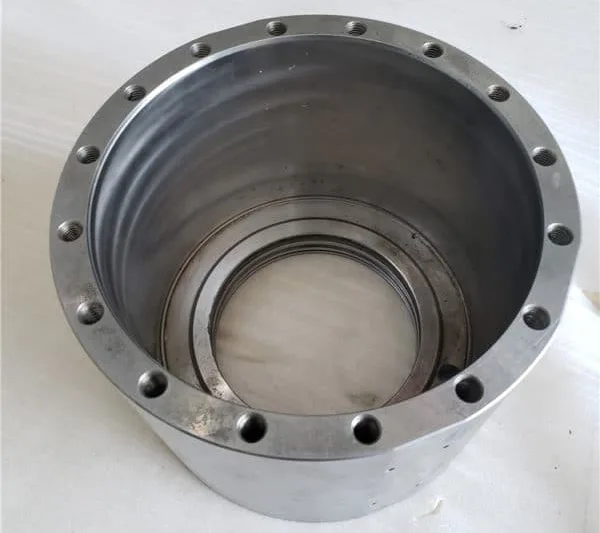
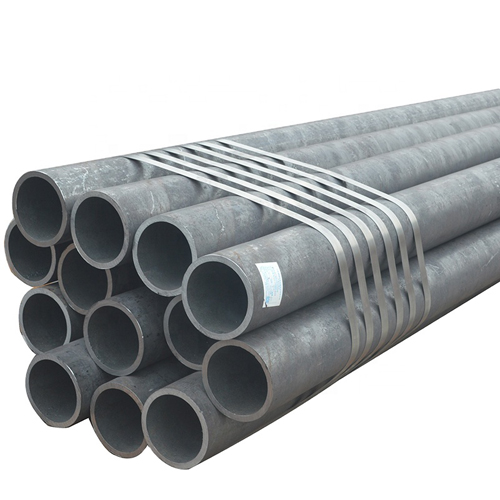
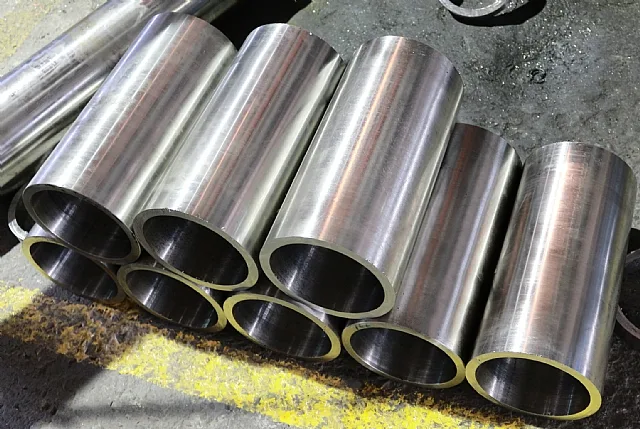
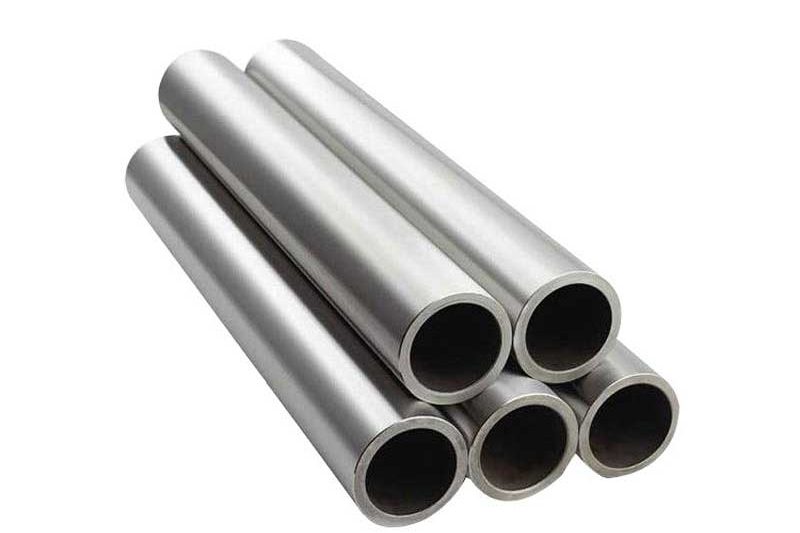
The thick-wall hub cylinder is a critical mechanical component commonly found in rotating machinery such as turbines, gearboxes, and high-speed motors. Unlike thin-walled cylinders, which rely on membrane stress assumptions, thick-wall hub cylinders are designed to withstand significant internal and external pressure differentials, centrifugal loads, and thermal gradients. Their geometry—characterized by a ratio of outer radius to inner radius typically exceeding 1.2—necessitates analysis using the Lame equations, which account for radial and tangential stress variations across the wall thickness.
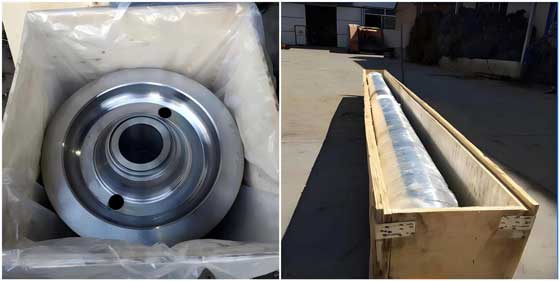
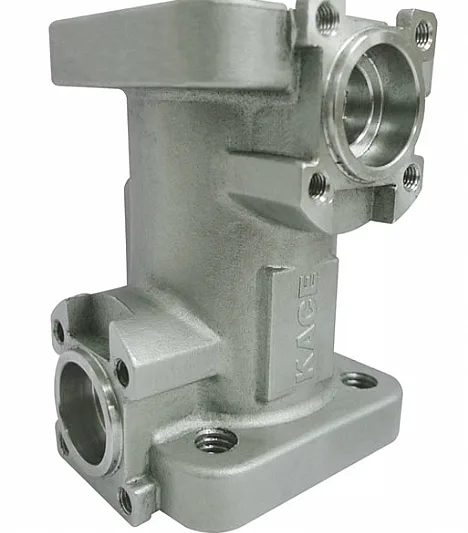
Functionally, the hub cylinder serves as the central mounting structure that connects shafts, bearings, and rotating elements while transmitting torque and supporting axial and radial forces. Its thick-wall configuration enhances load-carrying capacity, improves fatigue resistance, and provides greater tolerance against stress concentrations caused by keyways, bolt holes, or shrink fits. In applications demanding high reliability—such as aerospace actuators or wind turbine main shaft hubs—the thick-wall design directly contributes to extended service life and operational safety.
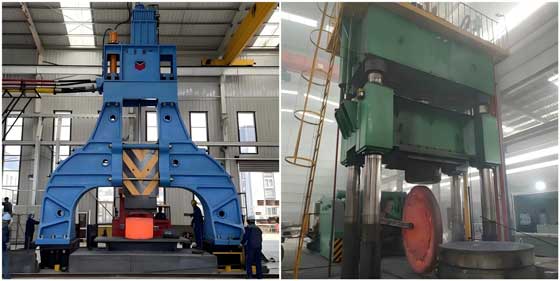
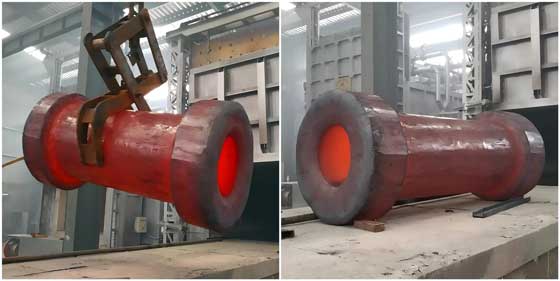
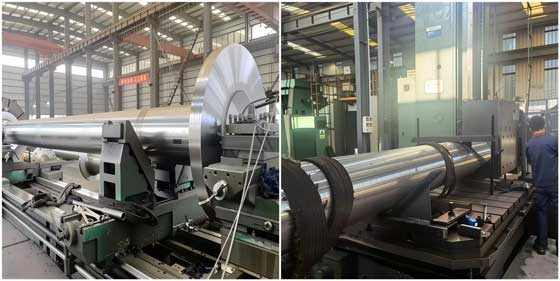
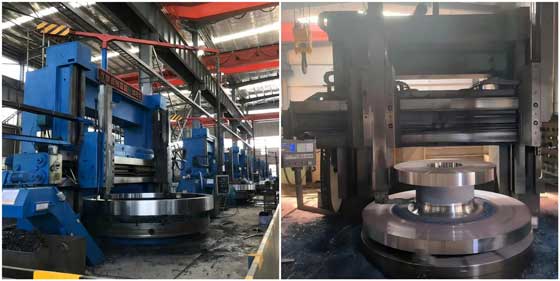
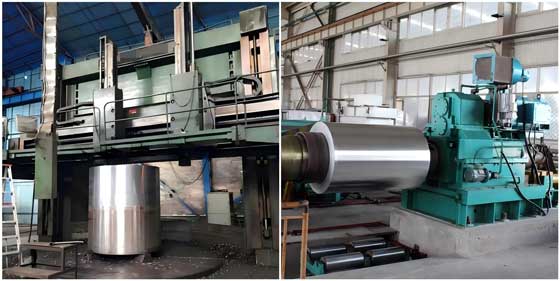
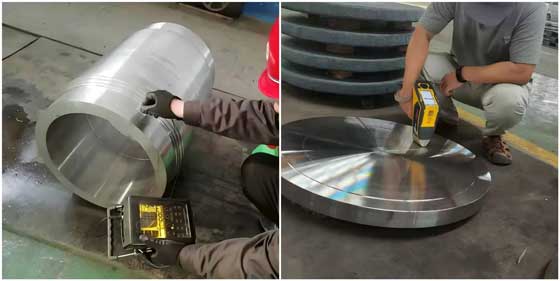
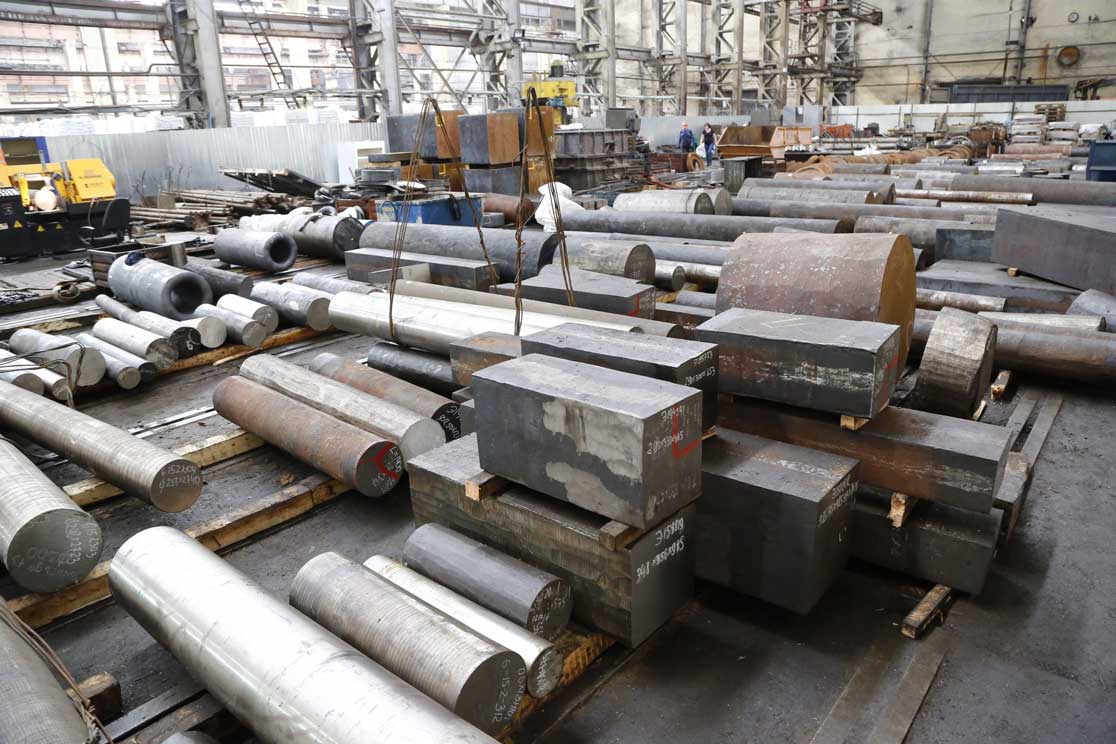
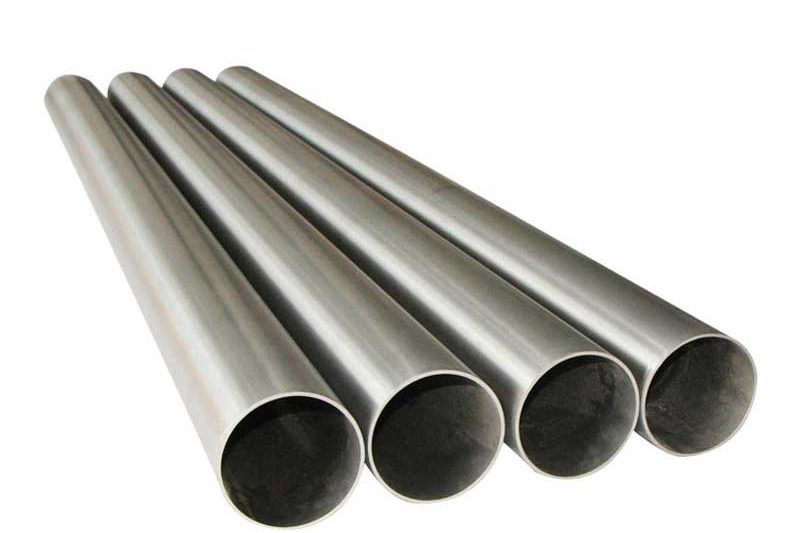
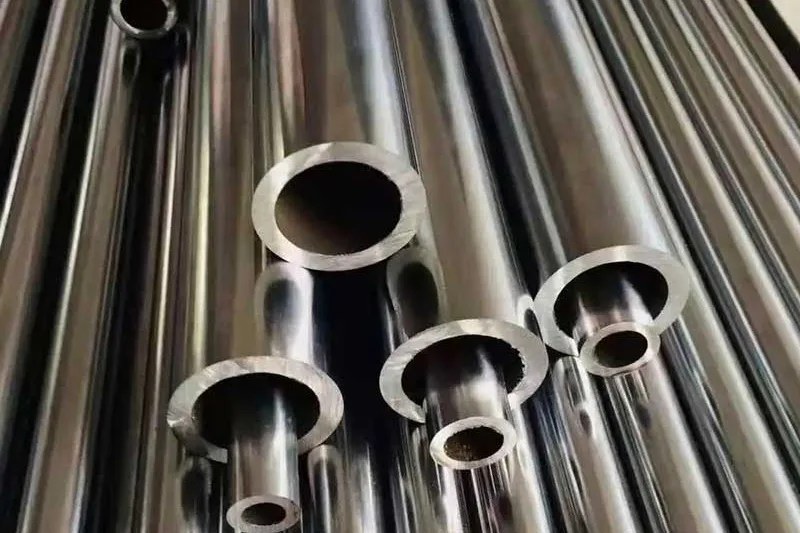
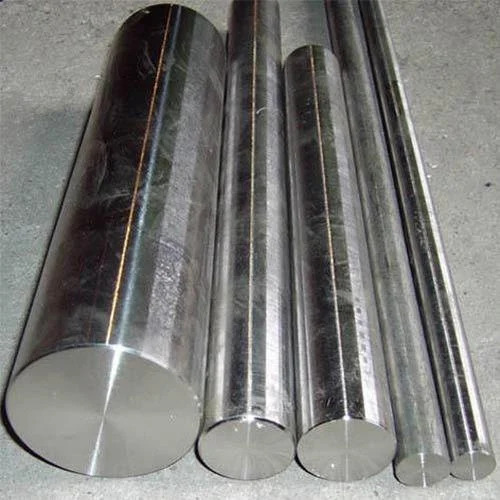
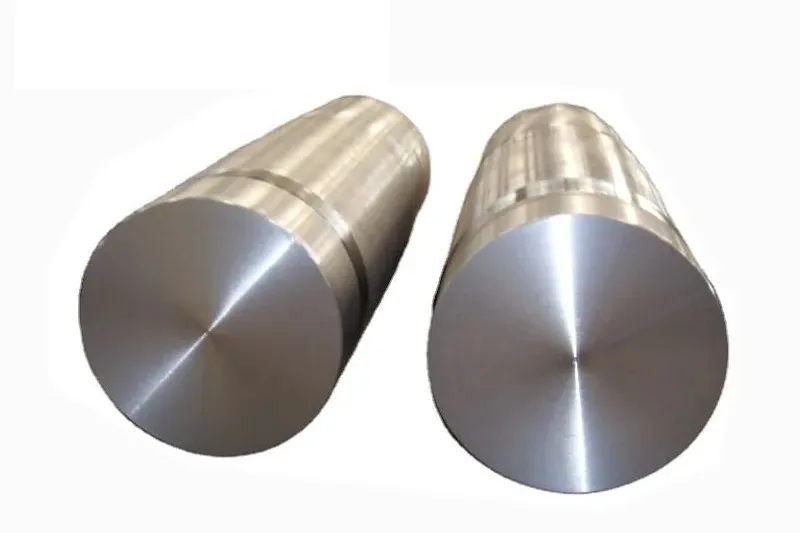
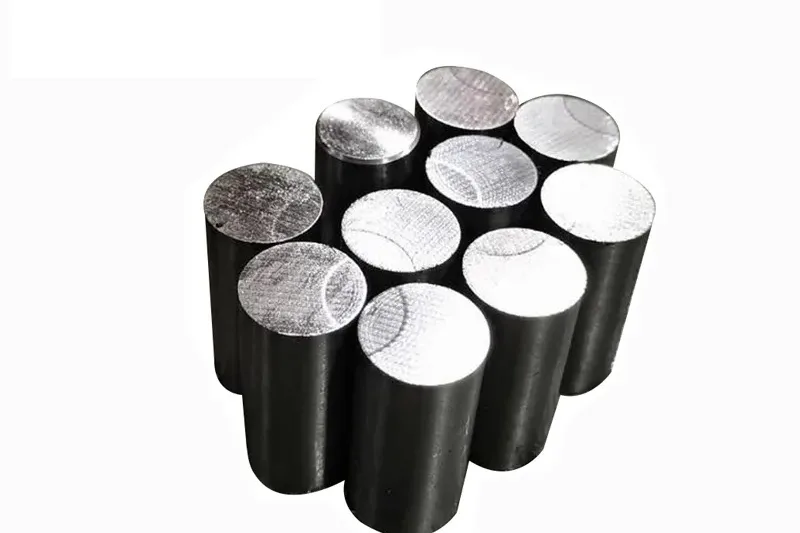
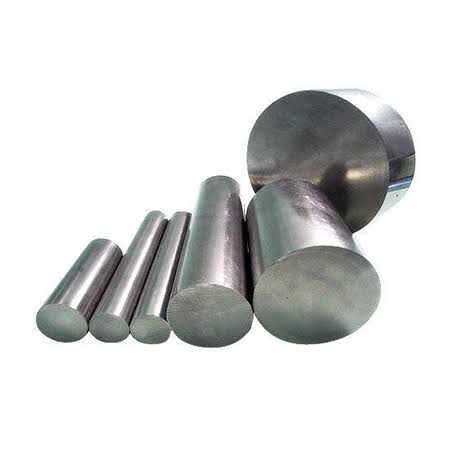
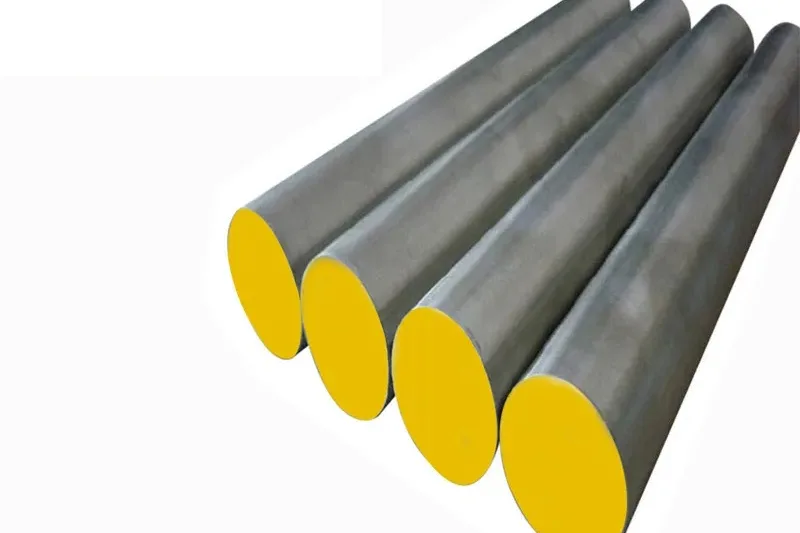
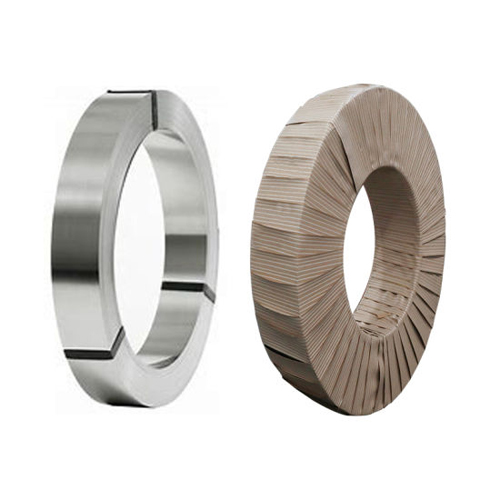
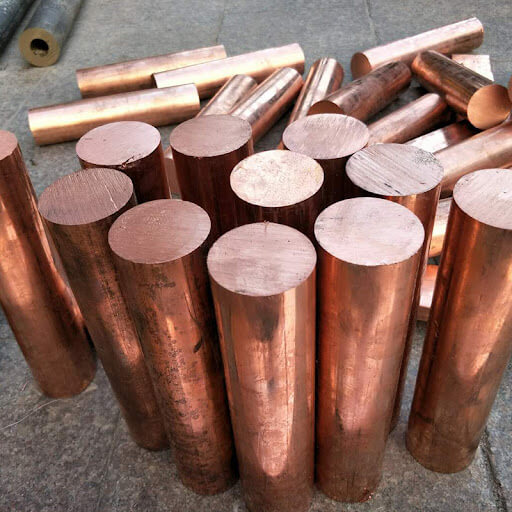
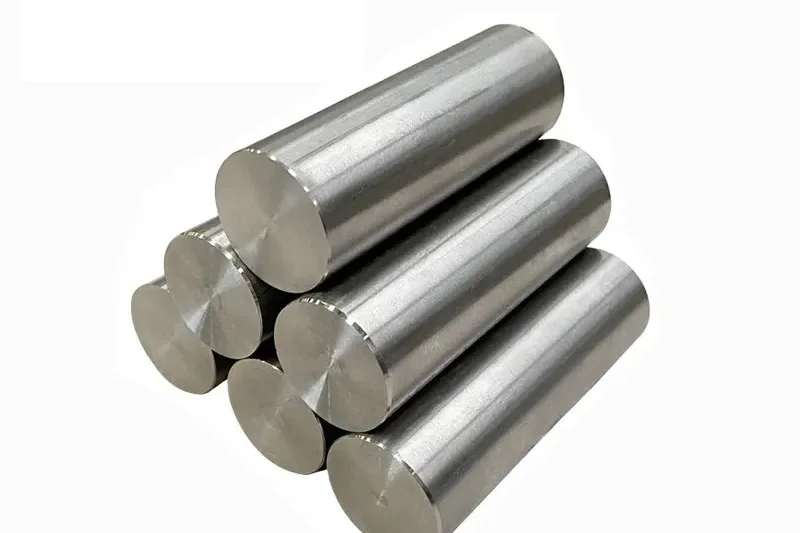
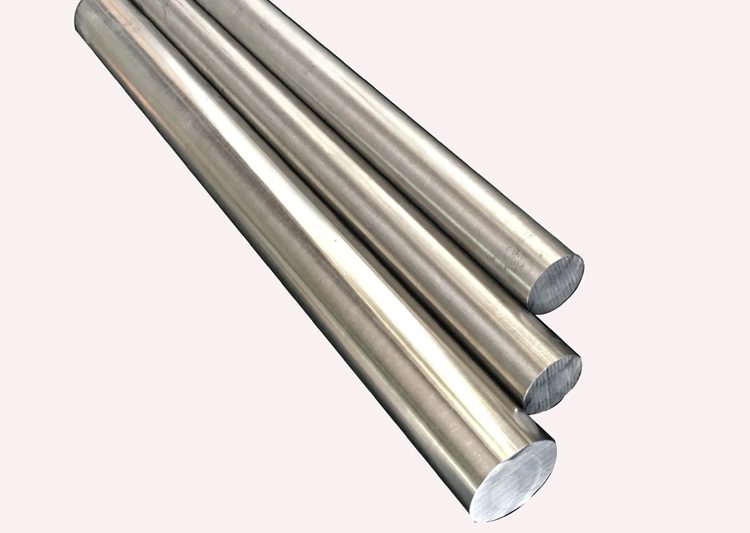
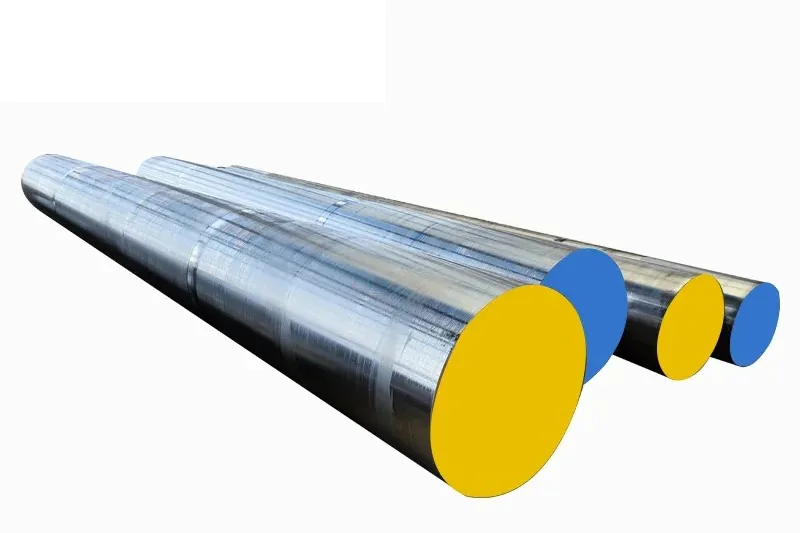
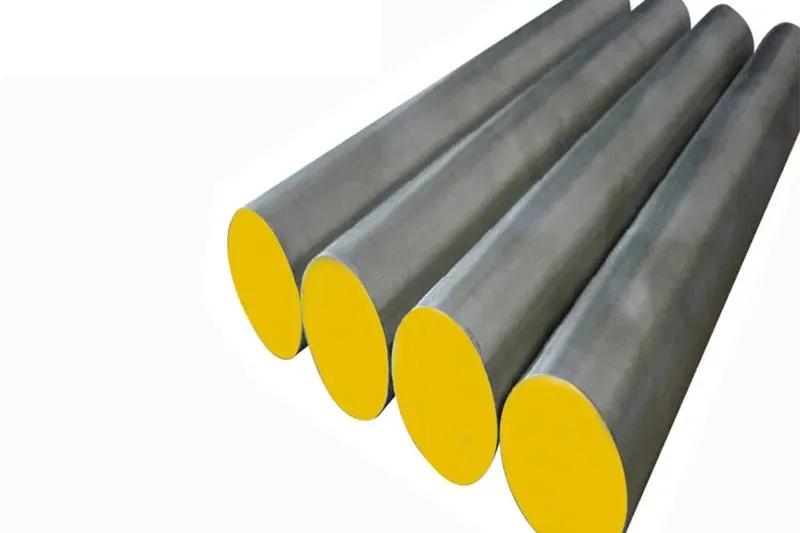
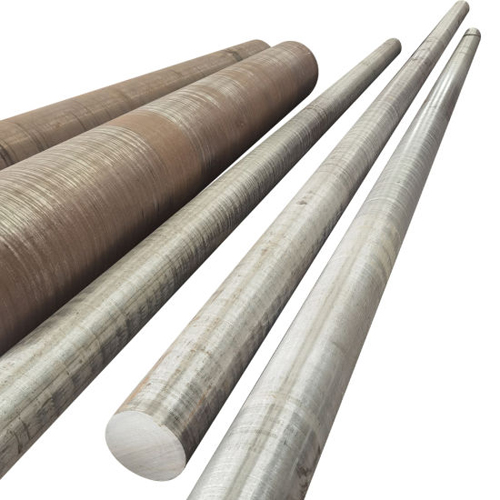
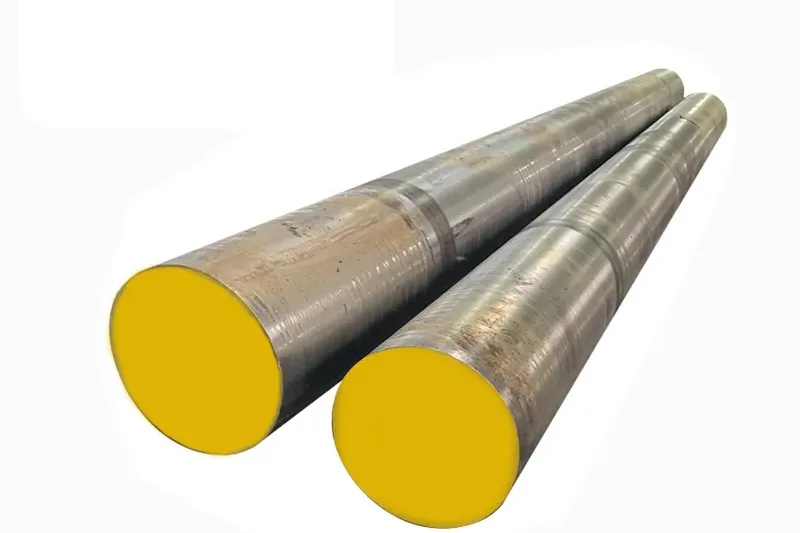
Material selection and manufacturing processes play pivotal roles in realizing the performance potential of thick-wall hub cylinders. High-strength alloy steels, titanium alloys, or advanced cast irons are often chosen for their favorable strength-to-density ratios and creep resistance. Precision forging, centrifugal casting, or additive manufacturing with post-processing heat treatment ensures microstructural homogeneity and minimizes residual stresses. Dimensional accuracy and surface integrity—especially at the bore and flange interfaces—are rigorously controlled to maintain proper interference fits and dynamic balance.
In summary, the thick-wall hub cylinder represents a convergence of classical elasticity theory and modern mechanical design practice. Its structural robustness, adaptability to complex loading scenarios, and compatibility with advanced materials underscore its enduring relevance across heavy industry and high-performance engineering systems. Continued innovation in computational modeling and manufacturing technology further refines its design efficiency and functional envelope.