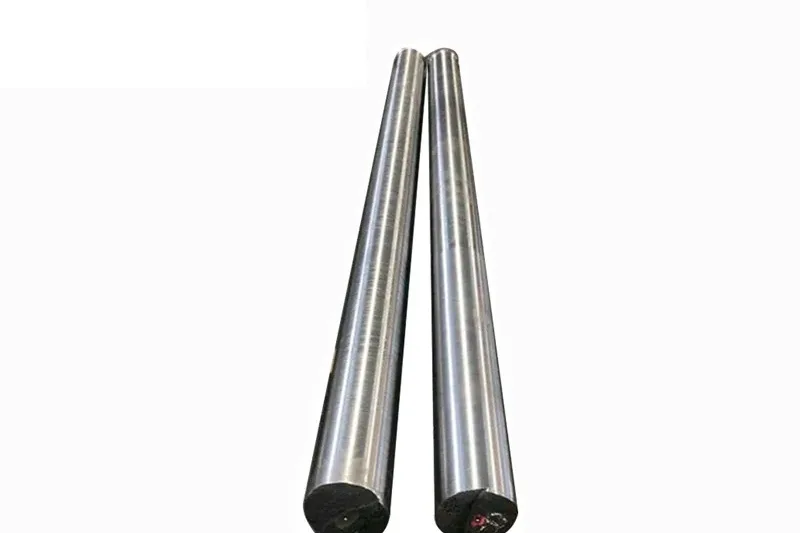
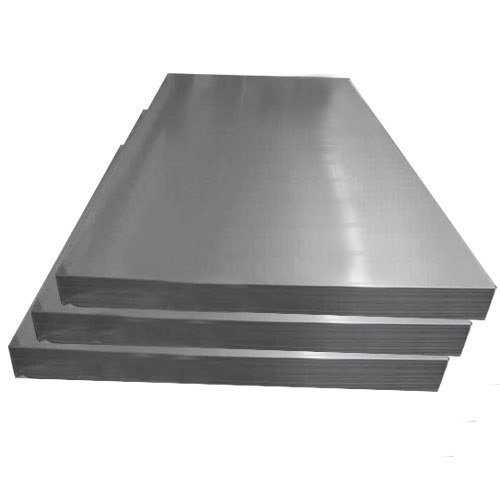
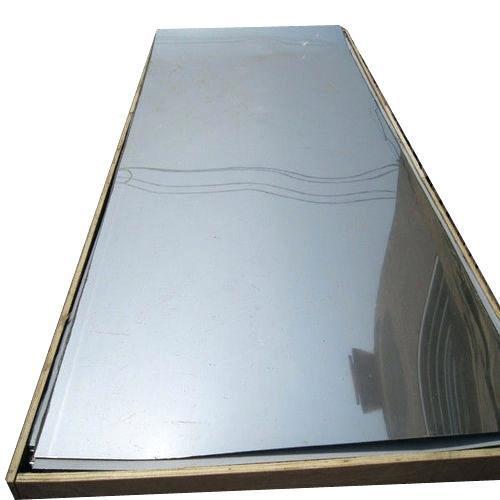
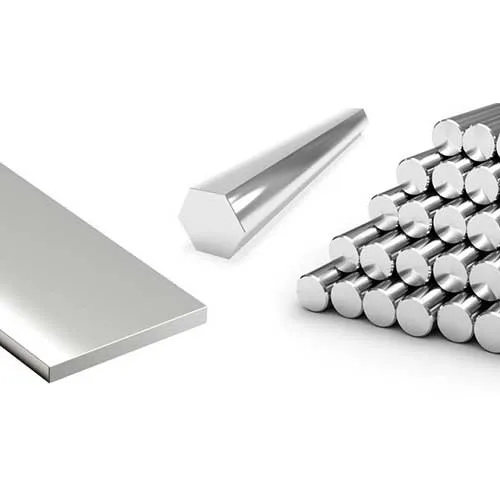
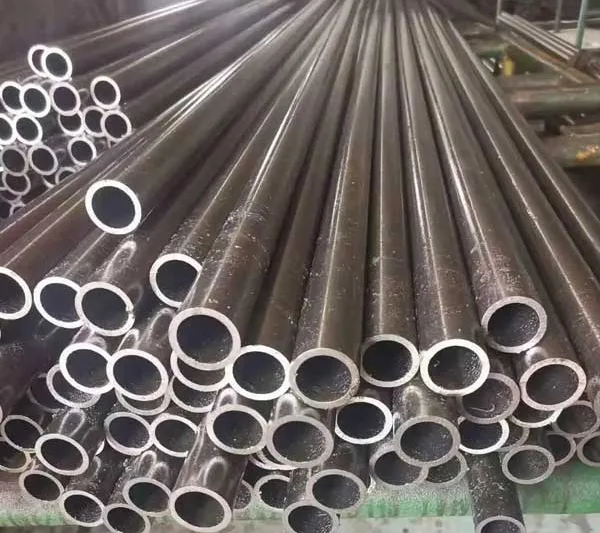
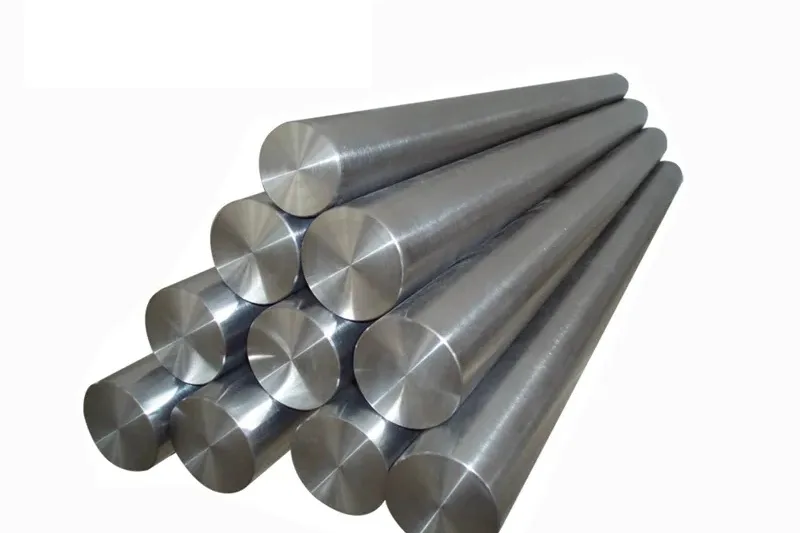
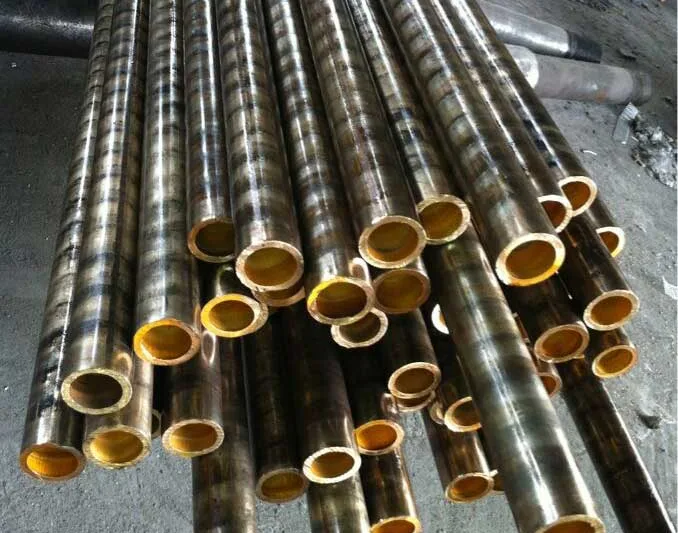
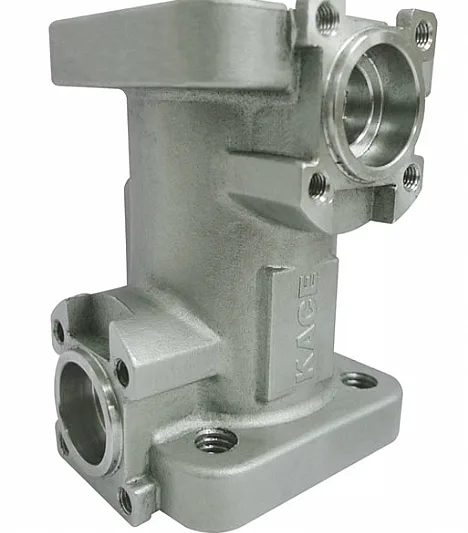
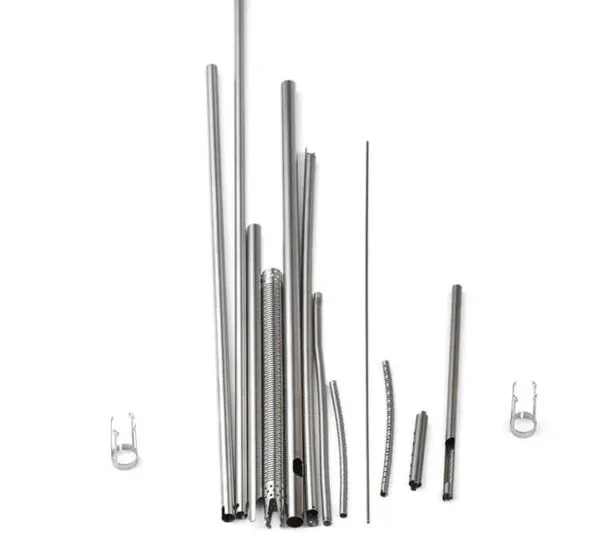
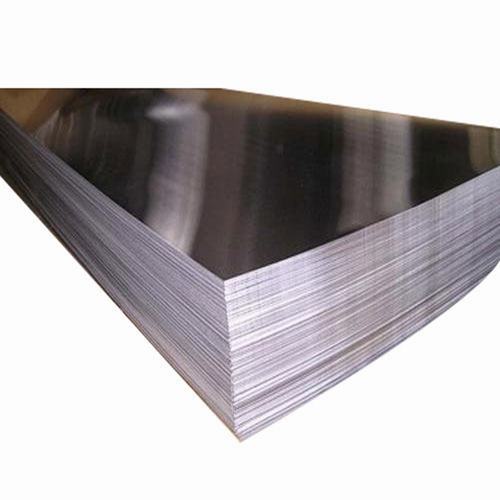
Characteristics of Q420 low alloy high strength structural steel
.jpg)
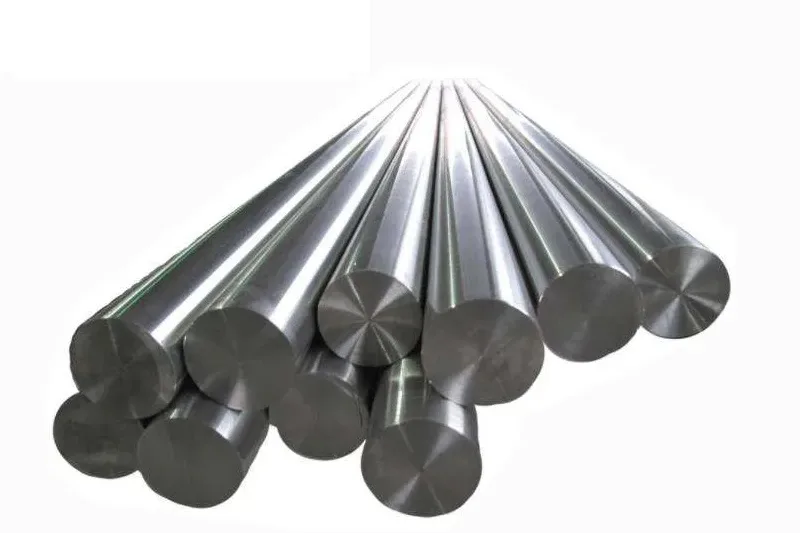
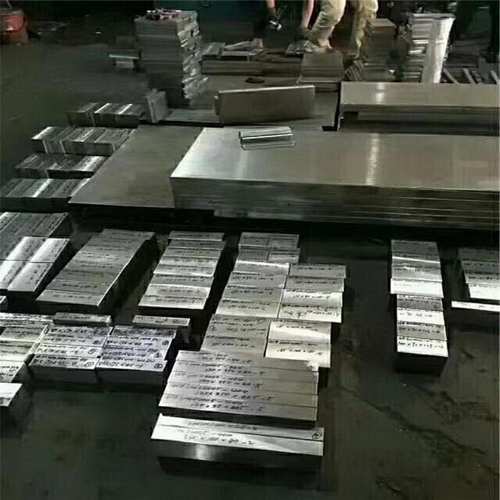
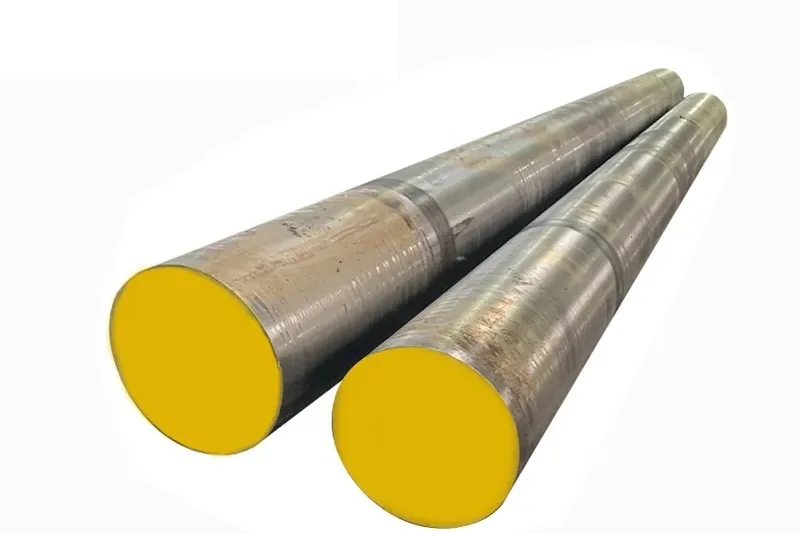
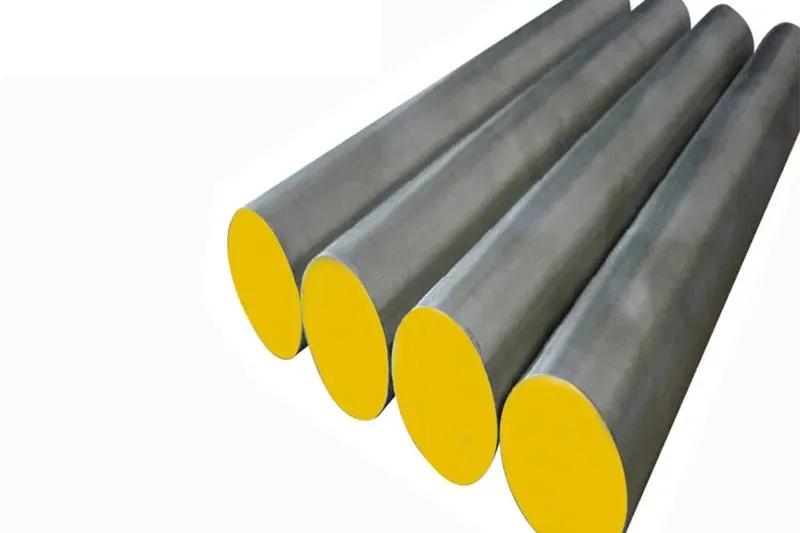
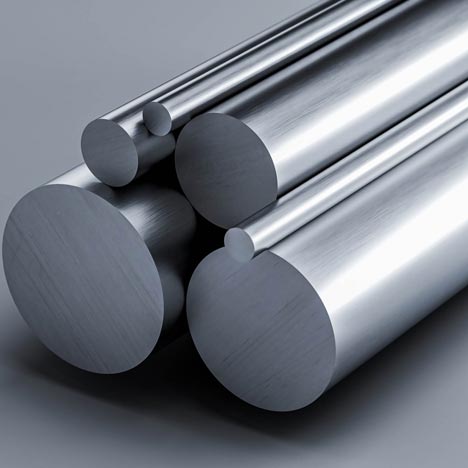
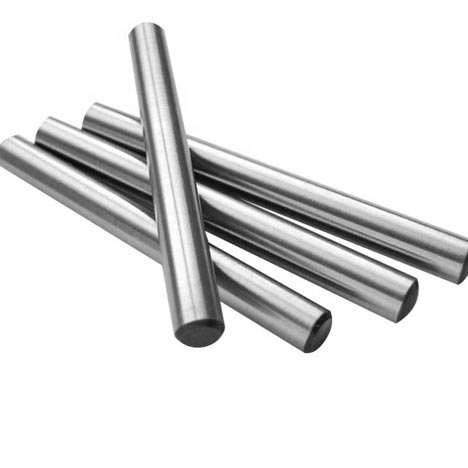
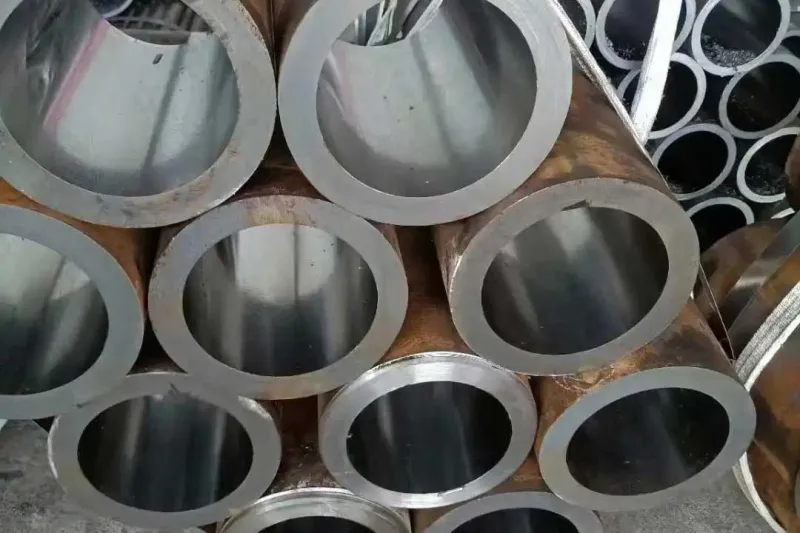
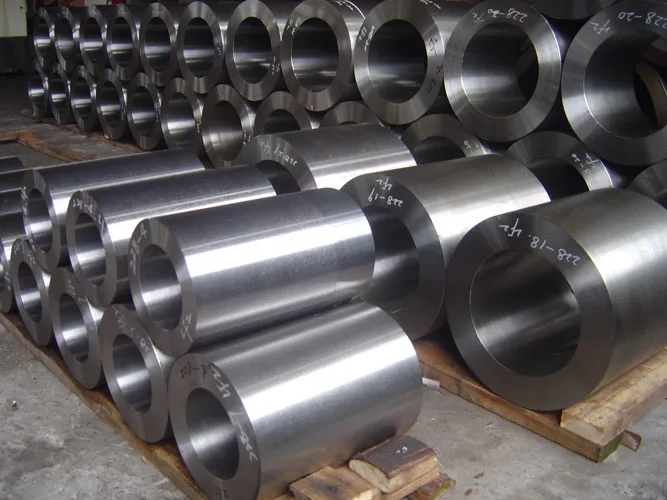
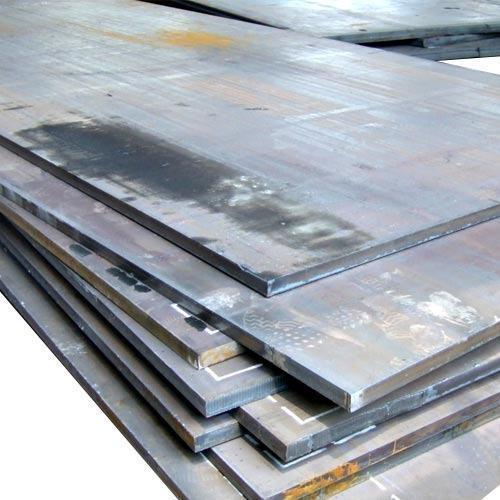
Q420 low-alloy high-strength structural steel is a material with excellent mechanical properties and a wide range of applications. This article will introduce the main characteristics, mechanical properties, application fields of Q420 low-alloy high-strength structural steel and its application in industries such as construction, bridges and machinery manufacturing.
Q420 low-alloy high-strength structural steel has the following main features:
High strength: The yield strength of Q420 low-alloy high-strength structural steel can reach more than 420MPa, which is higher than general structural steel. a lot of.
Good weldability: Q420 low-alloy high-strength structural steel has good weldability and can meet the requirements of the welding process.
Excellent cold forming properties: Q420 low-alloy high-strength structural steel has excellent properties in cold forming processes such as cold bending and cold drawing.
Good corrosion resistance: Q420 low-alloy high-strength structural steel has good resistance to atmospheric corrosion and corrosive media.
Mechanical properties of Q420 low alloy high strength structural steel
Q420 low alloy high strength structural steel has excellent mechanical properties:
Yield strength: Q420 low alloy The yield strength of high-strength structural steel can reach more than 420MPa, which is much higher than that of general structural steel.
Tensile strength: The tensile strength of Q420 low-alloy high-strength structural steel can reach 520-680MPa, with excellent tensile properties.
Impact toughness: Q420 low-alloy high-strength structural steel has good impact toughness and is suitable for use in low-temperature environments.
Application fields of Q420 low-alloy high-strength structural steel
Q420 low-alloy high-strength structural steel is widely used in the following fields:
Construction industry: Q420 low-alloy high-strength structural steel can be used in beams, columns, frames and other components in building structures to improve the strength and stability of the structure.
Bridge engineering: Q420 low-alloy high-strength structural steel can be used in the main beams, beams and other components of bridges to improve the bridge's load-bearing capacity and seismic performance.
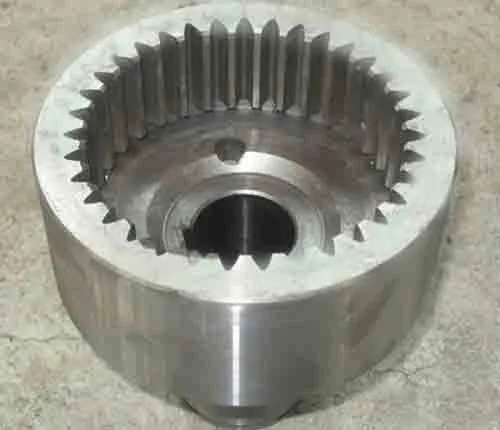
Machinery manufacturing: Q420 low-alloy high-strength structural steel can be used to manufacture parts in mechanical equipment to improve the strength and durability of machinery.
Applications of Q420 low-alloy high-strength structural steel in the construction industry
Q420 low-alloy high-strength structural steel has a wide range of applications in the construction industry:
Beams, columns, frames and other components in building structures
Q420 low-alloy high-strength structural steel can be used in beams, columns, frames and other components in building structures to improve the strength and stability of the structure.
Q420 low-alloy high-strength structural steel can be used in the support structure of high-rise buildings to improve the stability and seismic performance of the building.
Application of Q420 low-alloy high-strength structural steel in bridge engineering
Q420 low-alloy high-strength structural steel has a wide range of applications in bridge engineering:
Q420 low-alloy high-strength structural steel can be used in the main beams and cross beams of bridges to improve the bridge's load-bearing capacity and seismic performance.
Q420 low-alloy high-strength structural steel can be used for bridge supports and anchoring to improve the stability and durability of the bridge.
Application of Q420 low-alloy high-strength structural steel in machinery manufacturing
Q420 low-alloy high-strength structural steel has a wide range of applications in machinery manufacturing:
Q420 low-alloy high-strength structural steel can be used to manufacture parts in mechanical equipment to improve the strength and durability of machinery.
Q420 low-alloy high-strength structural steel can be used to manufacture engineering machinery and heavy equipment to improve the load-bearing capacity and durability of the equipment.
The future development trend of Q420 low-alloy high-strength structural steel
The future development trend of Q420 low-alloy high-strength structural steel has the following trends:
Further improvement Strength and durability
Develop new alloy design and manufacturing technologies
Explore a wider range of application areas
Enhance the research and development of environmentally friendly materials
Q420 low-alloy high-strength structural steel is a material with excellent mechanical properties and a wide range of applications. It has important applications in industries such as construction, bridges and machinery manufacturing. With the advancement of technology, the performance of Q420 low-alloy high-strength structural steel will be further improved, bringing more application opportunities to various fields.