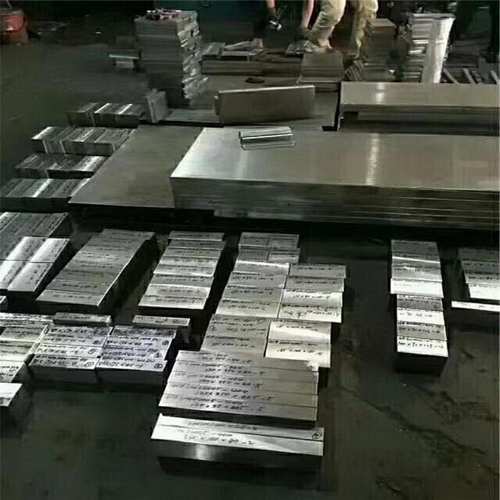
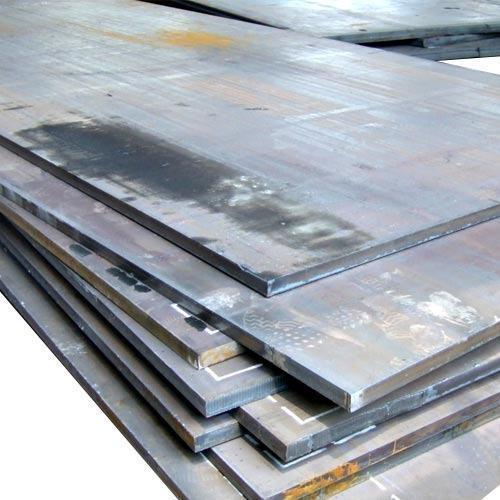
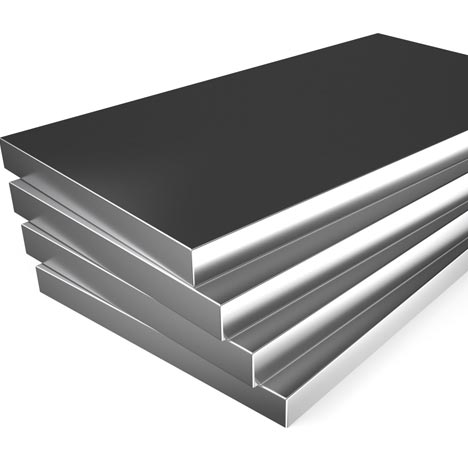
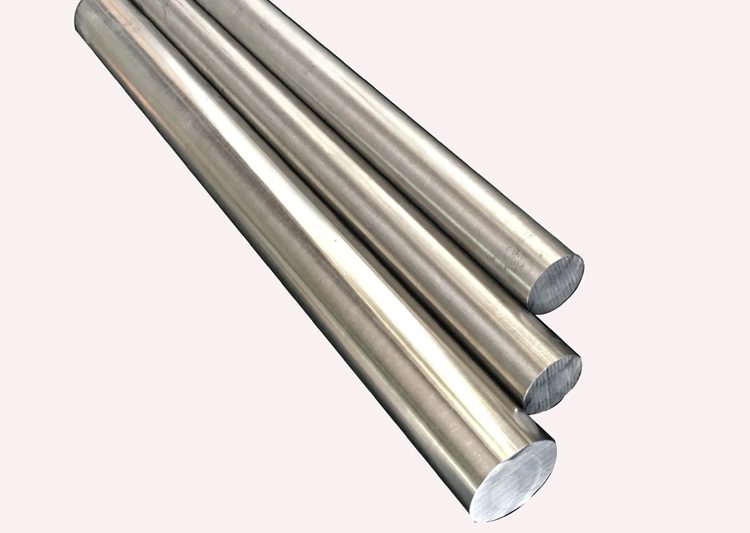
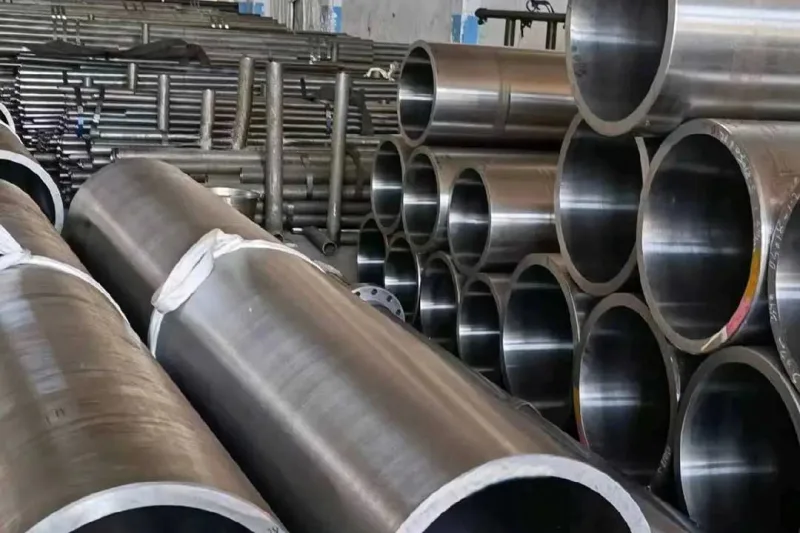
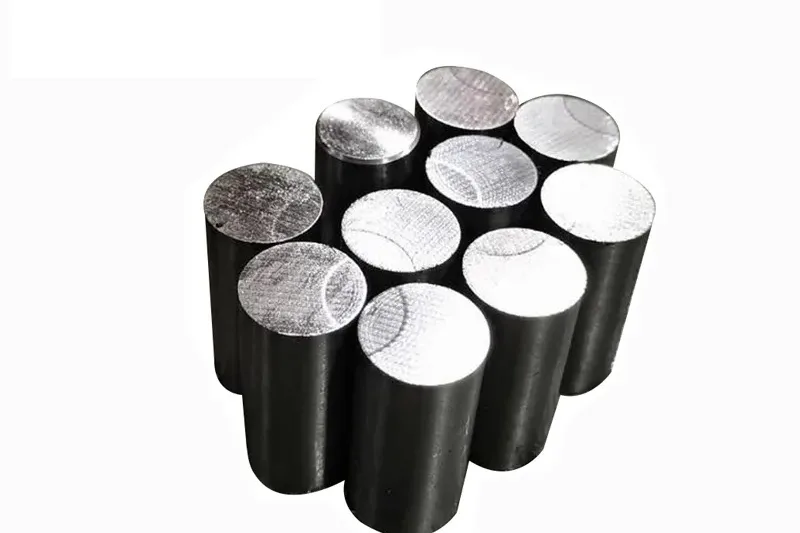
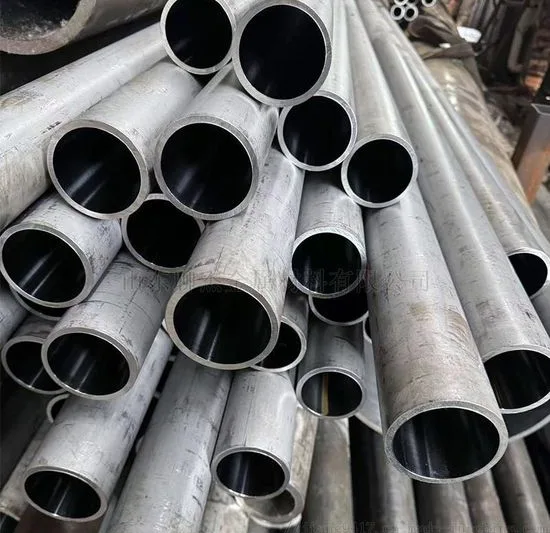
Common Q235A structural steel plate
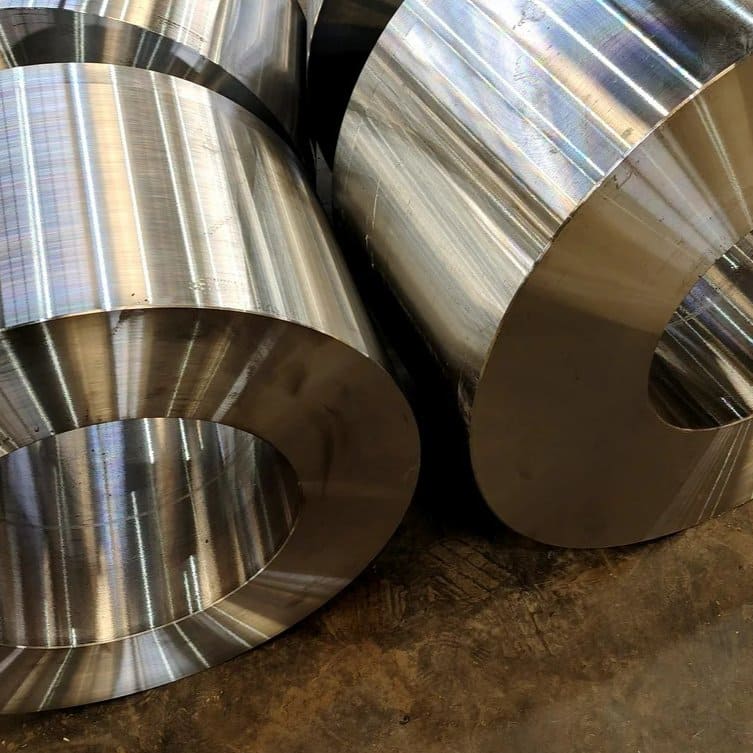
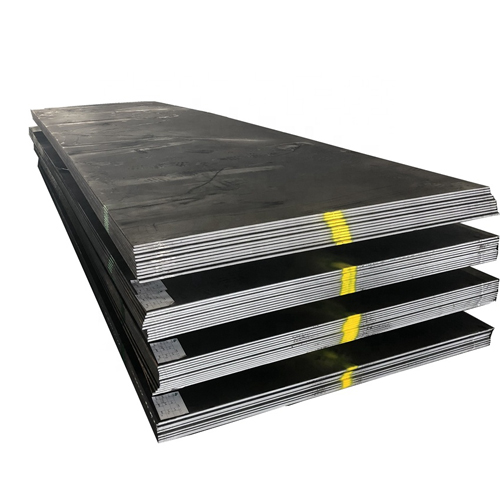
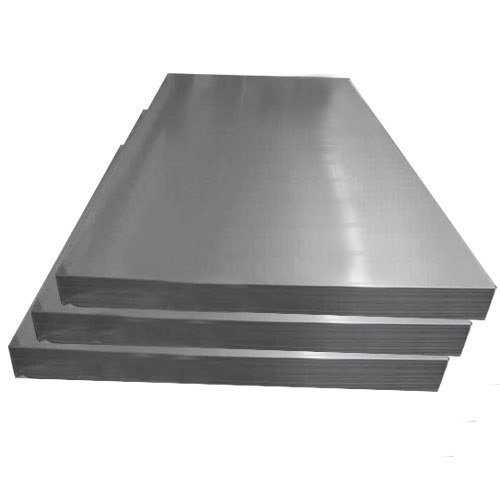
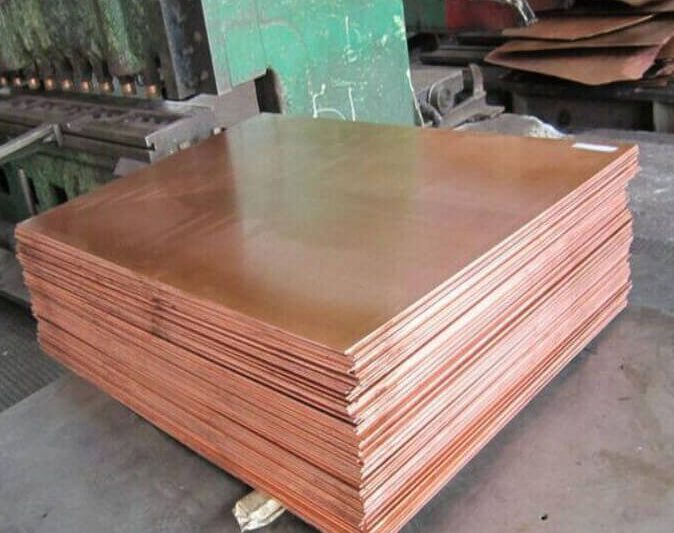
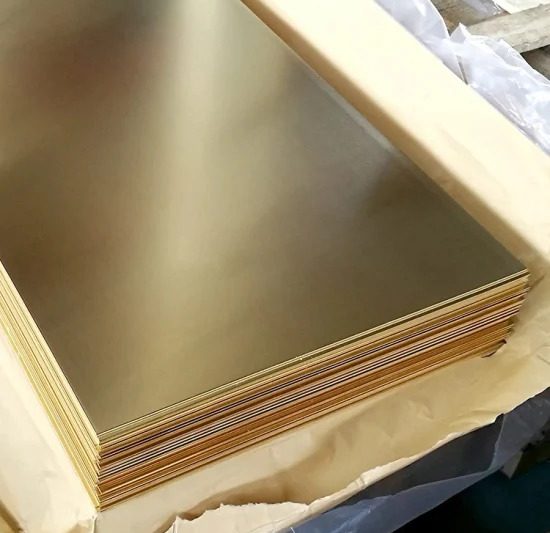
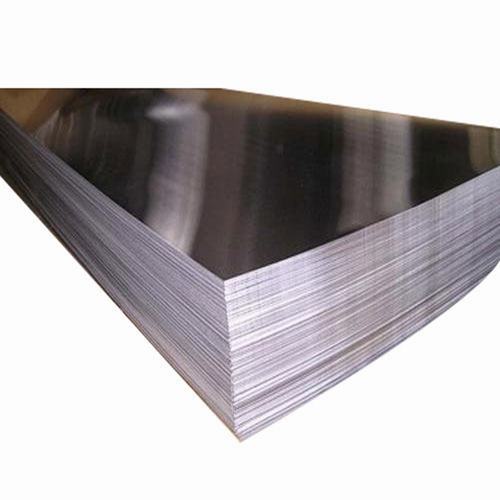
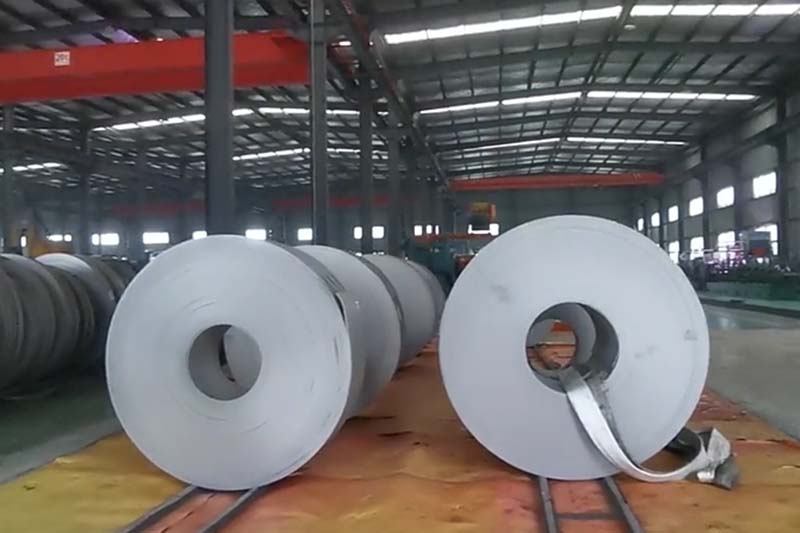
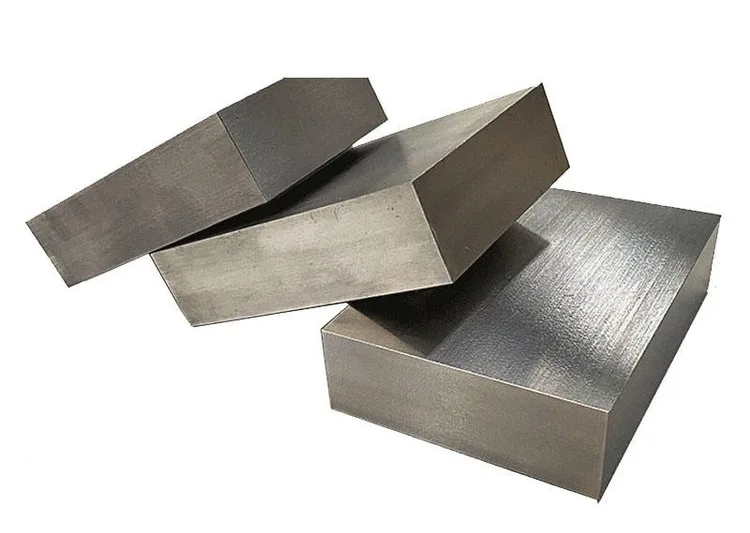
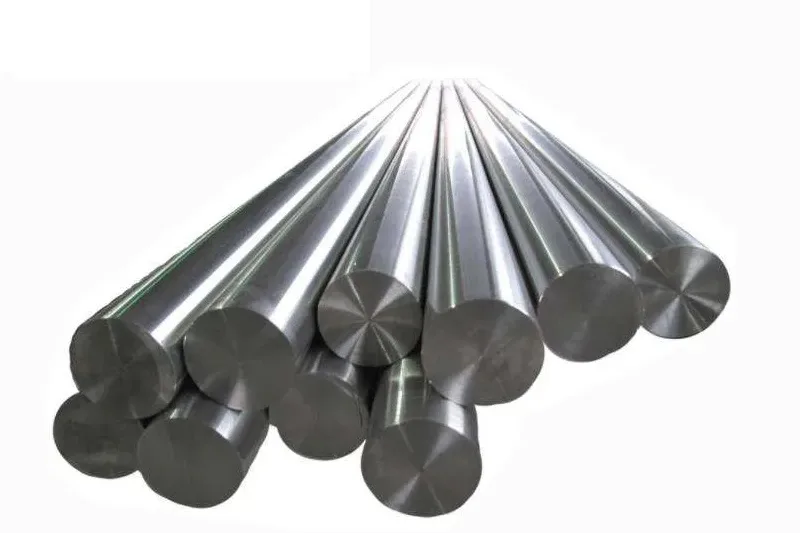
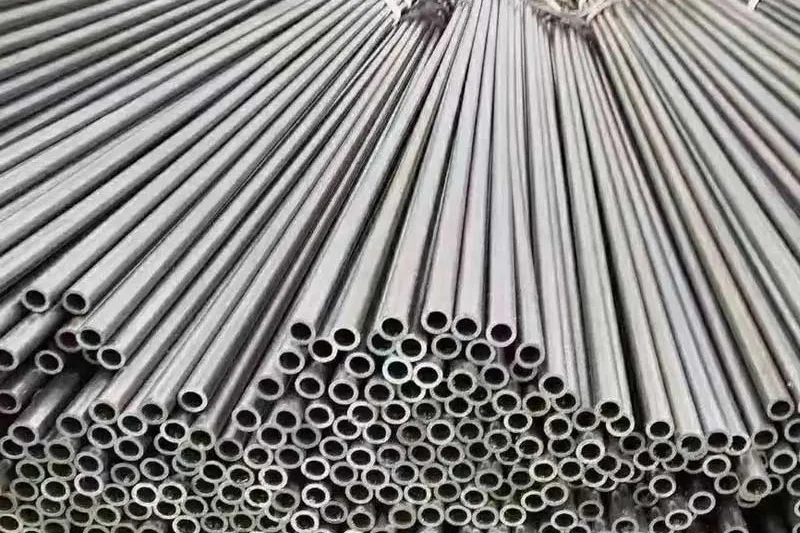
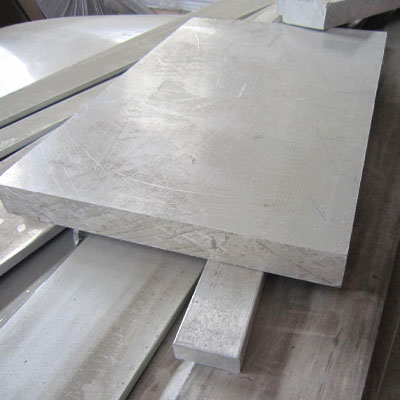
Q235A steel plate is a common structural steel plate, widely used in construction, bridges, machinery manufacturing and other fields. Its chemical composition and mechanical properties make it an excellent building material. This article will introduce the composition, performance, manufacturing process and application fields of Q235A steel plate. At the same time, we will also explore the comparison of Q235A steel plate with other types of steel, as well as the maintenance and safety precautions when using Q235A steel plate.
1. Introduction
Q235A steel plate is a kind of carbon structural steel with low carbon content and good weldability and plasticity. Due to its excellent performance and wide range of applications, Q235A steel plates have been widely used in construction, bridges, machinery manufacturing and other industries.
2. The composition and properties of Q235A steel plate
The chemical composition of Q235A steel plate mainly includes carbon (C), silicon (Si), manganese (Mn), sulfur (S) and phosphorus (P) and other elements. Its mechanical properties show good strength and toughness, with high yield strength and tensile strength.
3. Manufacturing process of Q235A steel plate
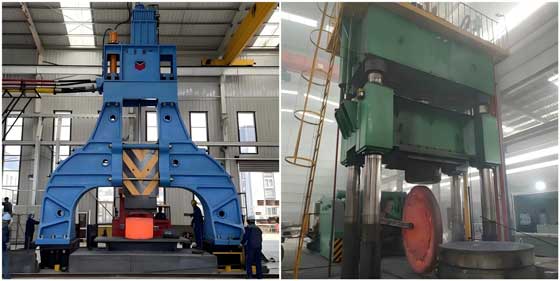
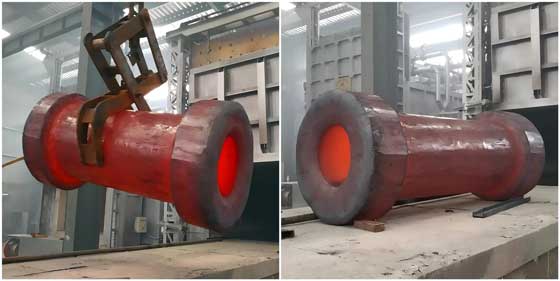
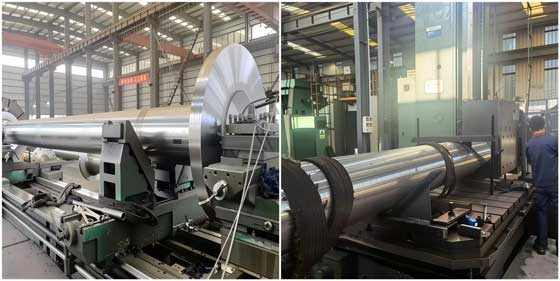
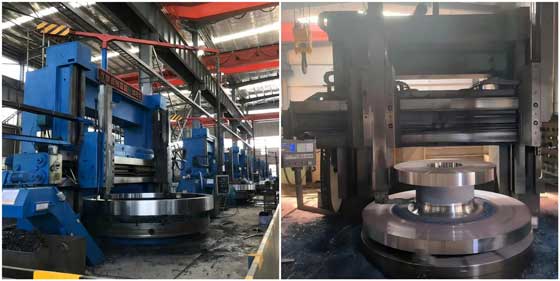
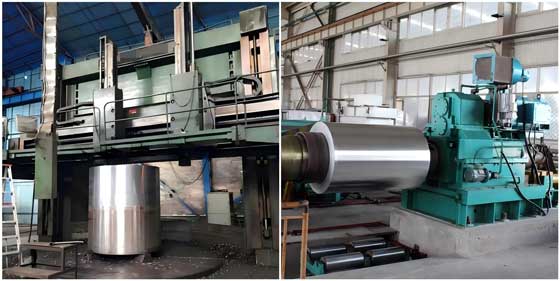
The manufacturing process of Q235A steel plate mainly includes steelmaking, casting, rolling and heat treatment. By controlling the content of alloy elements and the heat treatment process, Q235A steel plates with different strengths and hardness can be obtained.
4. Application fields of Q235A steel plate
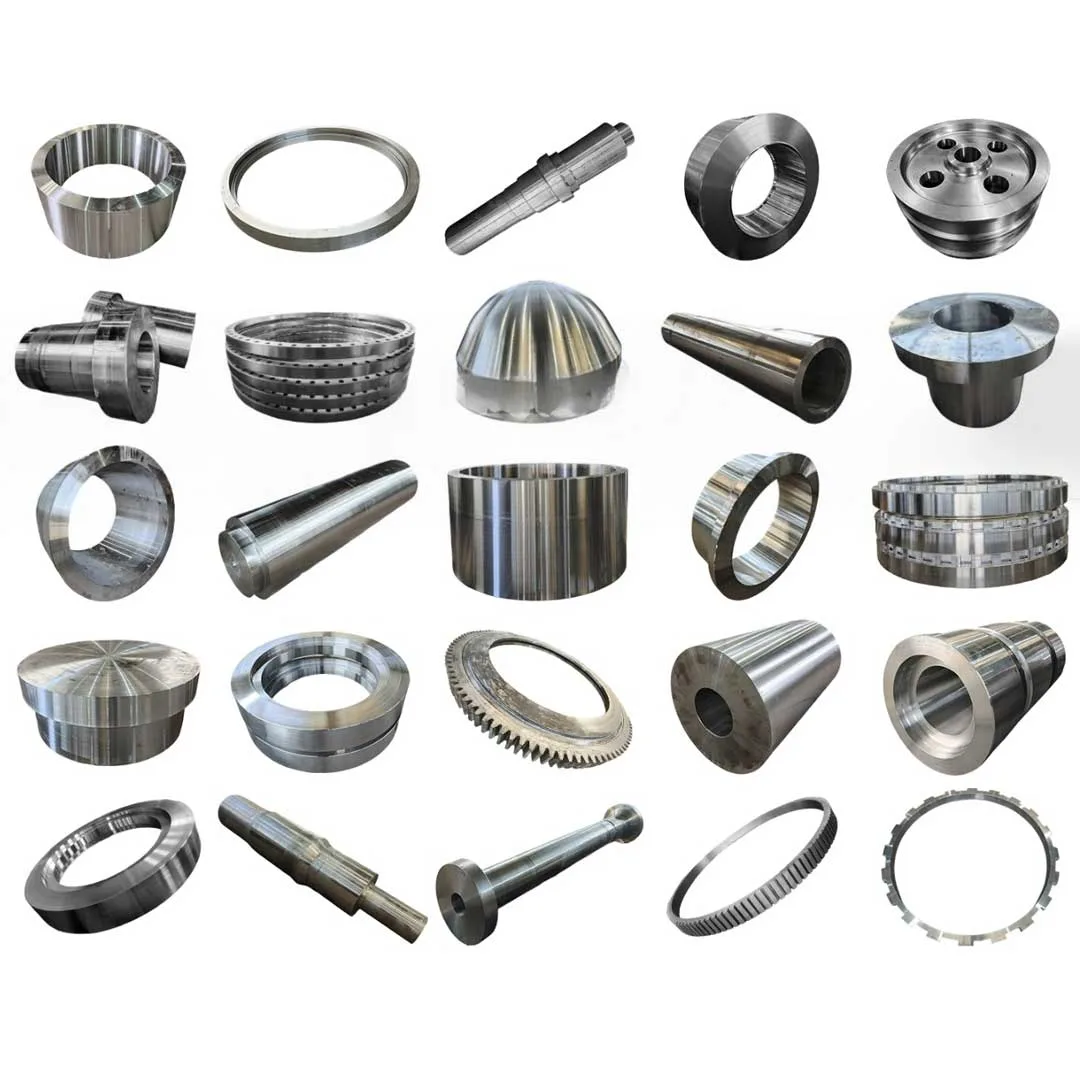
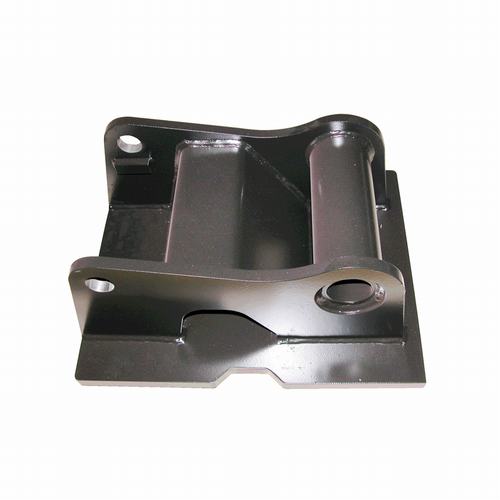
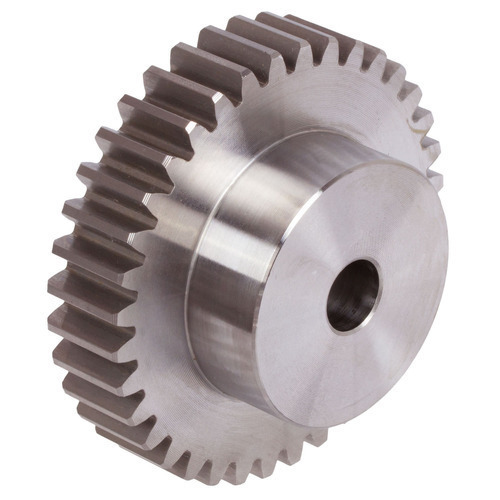
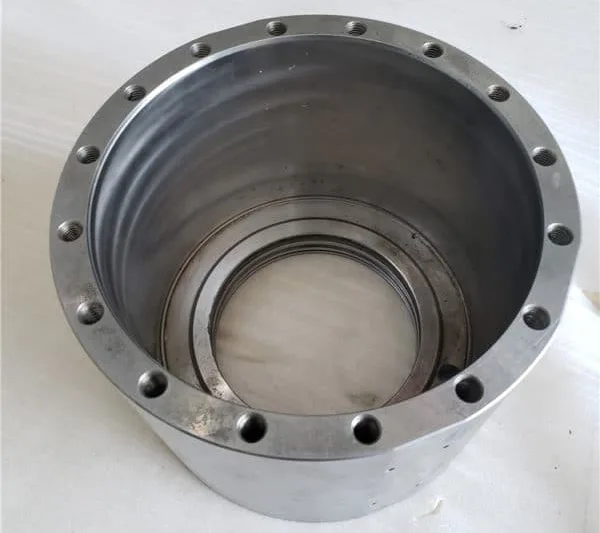
Due to its good plasticity and weldability, Q235A steel plate is widely used in construction, bridges, machinery manufacturing, automobile manufacturing and other fields. It can be used to manufacture steel structures, welded components, mechanical parts, etc.
5. Advantages and disadvantages of Q235A steel plate
The advantages of Q235A steel plate include good plasticity, weldability and mechanical properties. However, it also has some disadvantages, such as being susceptible to corrosion and oxidation.
6. Comparison with other types of steel
Compared with other types of steel, Q235A steel plate has lower cost, good plasticity and weldability. However, its strength and hardness are relatively low.
7. Maintenance and safety precautions for Q235A steel plates
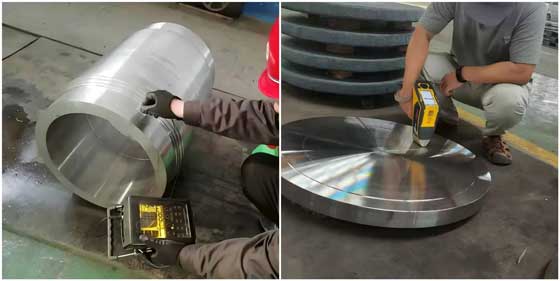
In order to maintain good performance and extend service life of Q235A steel plates, it needs to be cleaned regularly, prevented from corrosion and kept dry. When using Q235A steel plates, you also need to pay attention to safety matters, such as the correct use of personal protective equipment and compliance with operating procedures.
8. Future development of Q235A steel plate industry
With the development of construction and manufacturing, the demand for high-strength, corrosion-resistant and environmentally friendly steel is increasing. As a common structural steel, Q235A steel plate has broad market prospects and development space.
9. Conclusion
Q235A steel plate is a common structural steel plate with good plasticity, weldability and mechanical properties. It has been widely used in construction, bridges, machinery manufacturing and other fields. However, when using Q235A steel plates, maintenance and safety matters need to be paid attention to to ensure its performance and service life.