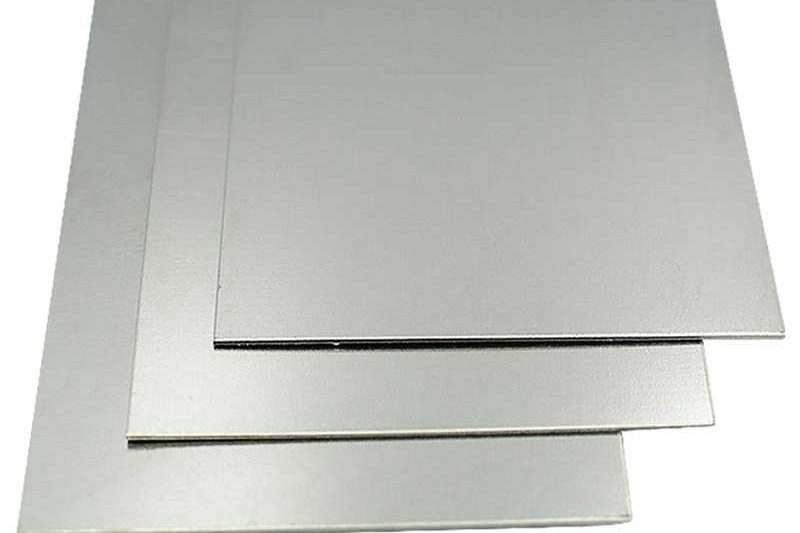
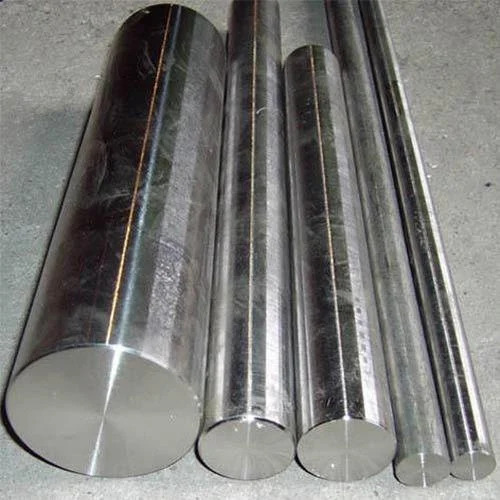
Manufacturing process of heat-resistant steel plates
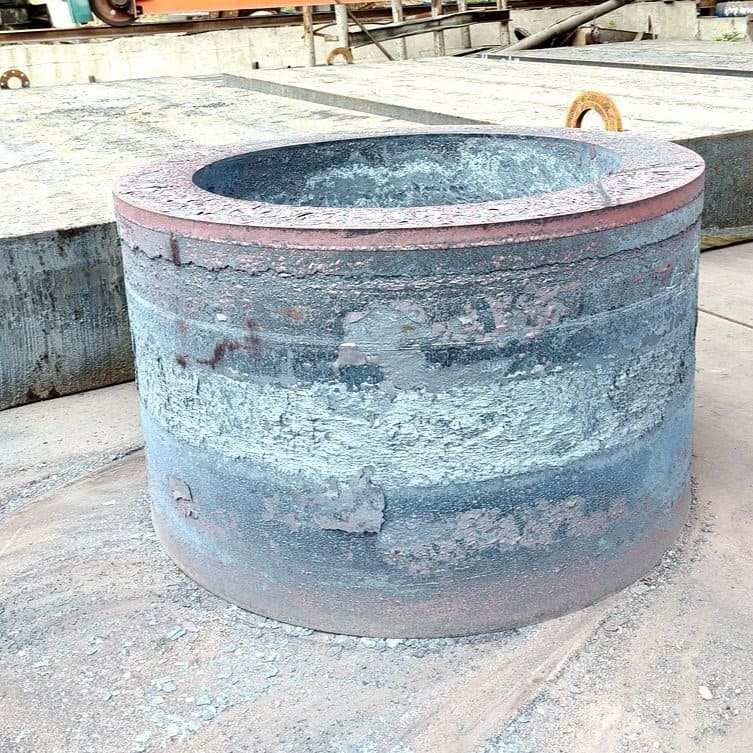
The manufacturing process of heat-resistant steel plates includes the following steps:
1. Raw material preparation
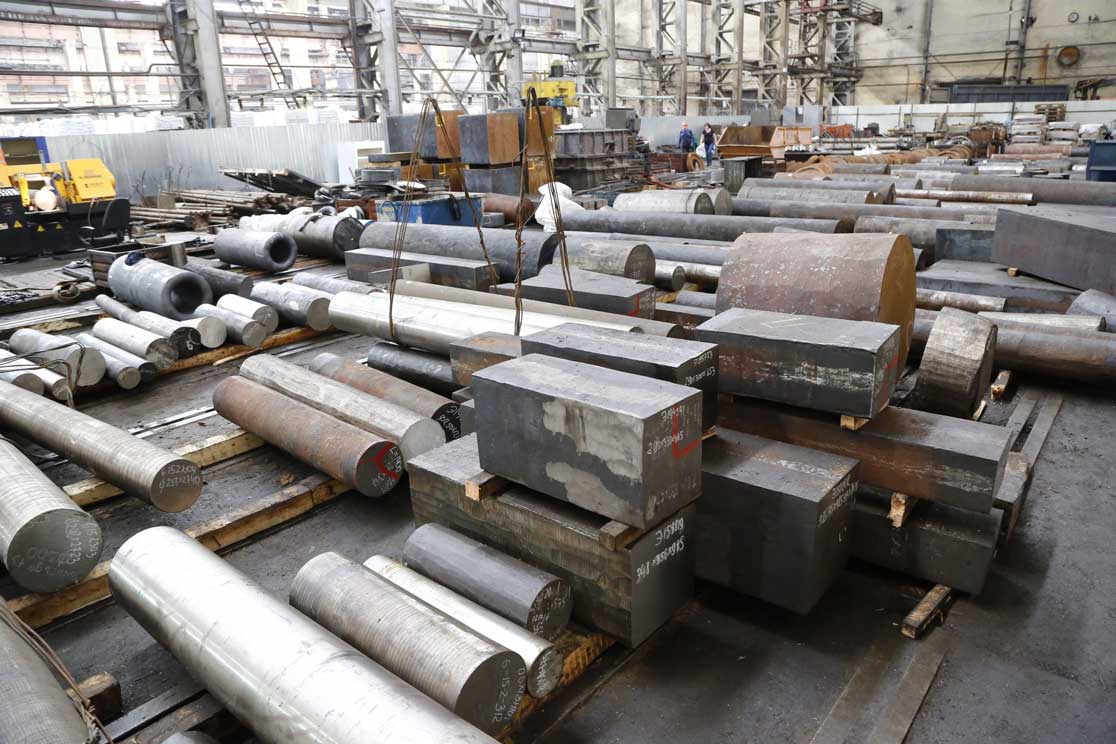
The raw materials for manufacturing heat-resistant steel plates mainly include iron, carbon, chromium, nickel and other metals element. These raw materials need to be carefully proportioned and mixed to ensure that the chemical composition and performance of the final product meet the requirements.
2. Smelting and casting
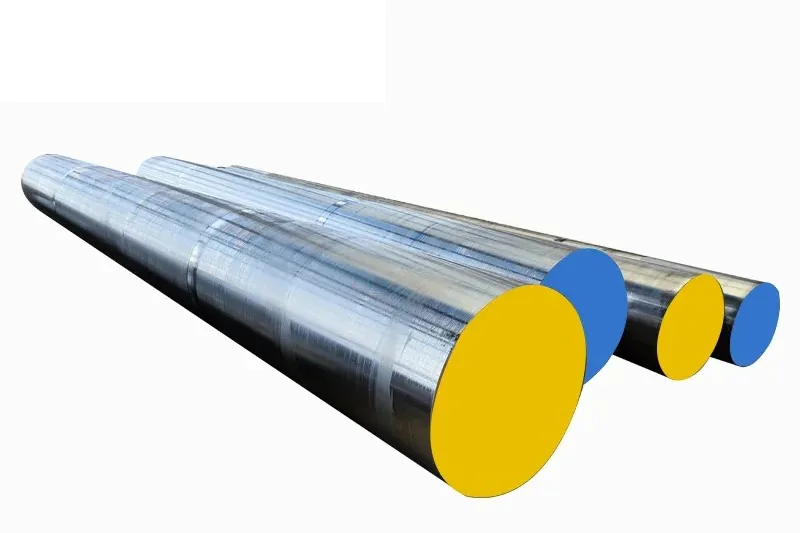
After the raw materials are smelted, the molten metal is poured into the mold through the casting process to form a steel billet. The billet needs to be cooled and solidified to form the initial steel plate.
3. Heating and rolling
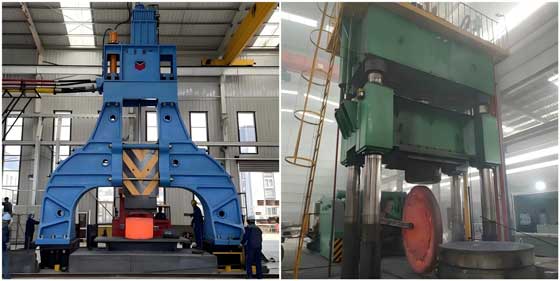
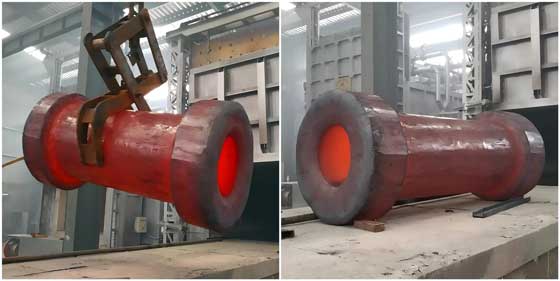
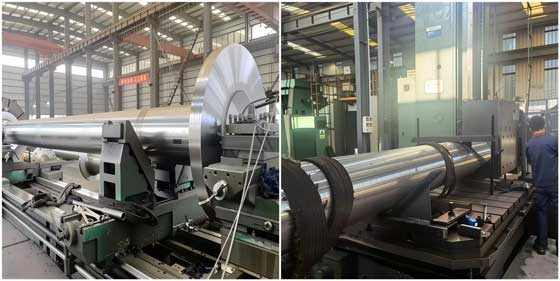
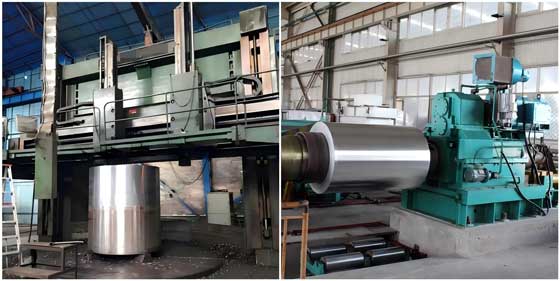
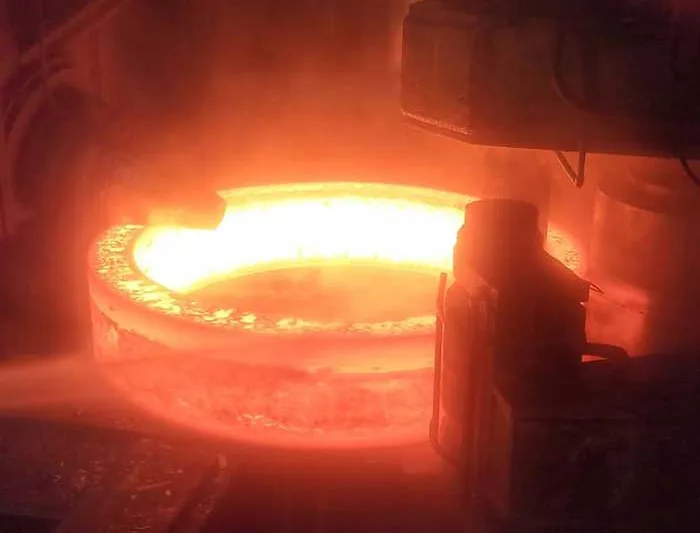
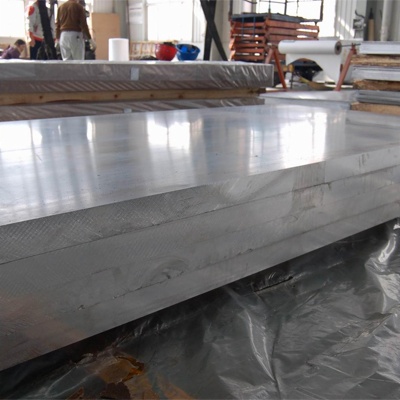
The steel billet is heated to reach the appropriate temperature, and then the billet is gradually rolled to the required thickness and size through the rolling process. Temperature and pressure need to be controlled during the rolling process to ensure the uniformity and stability of the steel plate.
4. Heat treatment and surface treatment
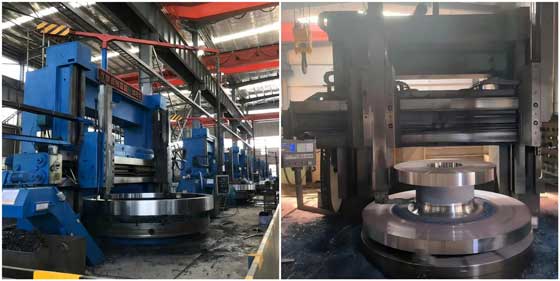
The rolled steel plate needs to be heat treated and surface treated to improve its heat resistance and corrosion resistance. During the heat treatment process, the steel plate needs to go through steps such as annealing, quenching, and tempering to change its crystal structure and properties.
The future development trend of heat-resistant steel plates
With the continuous advancement of industrial technology and the widespread application of high-temperature processes, the demand for heat-resistant steel plates is also increasing. In the future, the development trend of heat-resistant steel plates mainly includes the following aspects:
1. Improving heat resistance
In the future, heat-resistant steel plates will pay more attention to improving their heat resistance and can Maintain stability and reliability at higher temperatures. New materials and processes will be applied to the manufacture of heat-resistant steel plates to meet the needs of high-temperature processes.
2. Reduce environmental impact
Future heat-resistant steel plates will pay more attention to reducing environmental impact and adopt more environmentally friendly manufacturing processes and materials. At the same time, the recycling and reuse of heat-resistant steel plates will receive more attention and promote sustainable development.
3. Improve product quality and reliability
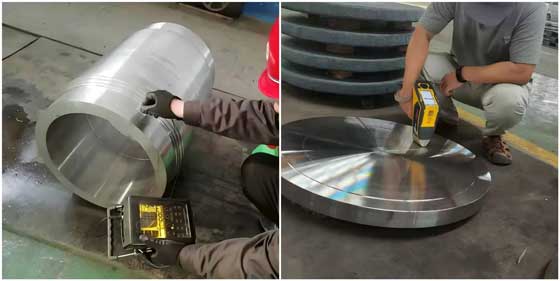
In the future, heat-resistant steel plates will pay more attention to improving product quality and reliability and reducing defects and defects in the production process. New testing technologies and quality control methods will be applied to the manufacturing of heat-resistant steel plates to ensure that products meet standards and requirements.
What is heat-resistant steel plate?
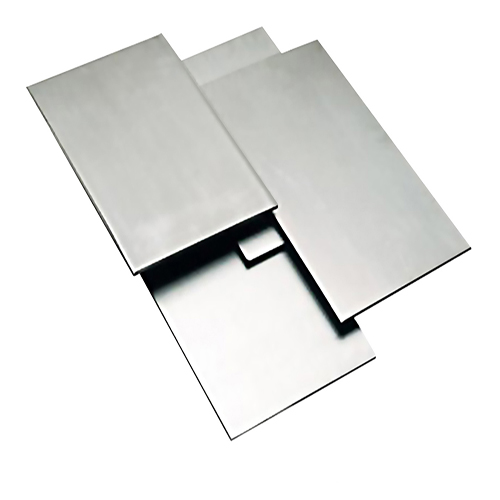
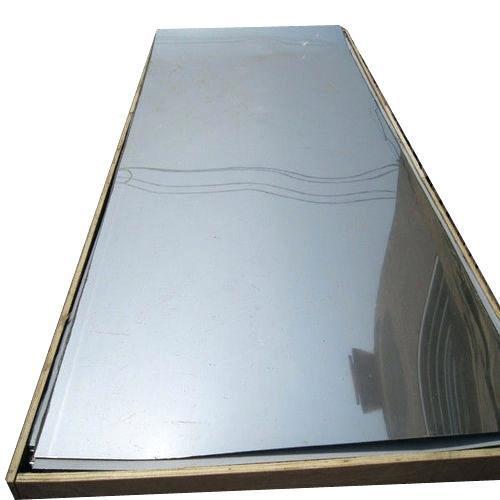
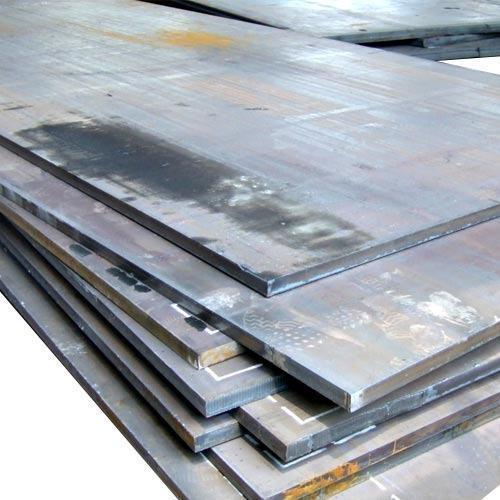
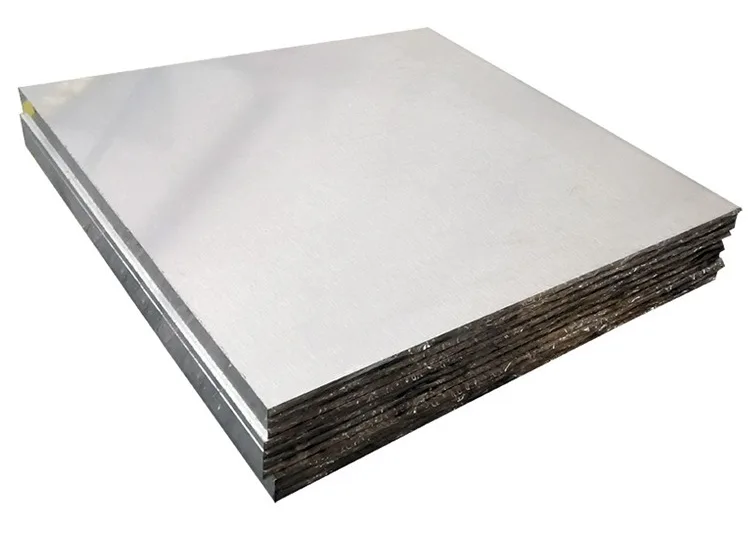
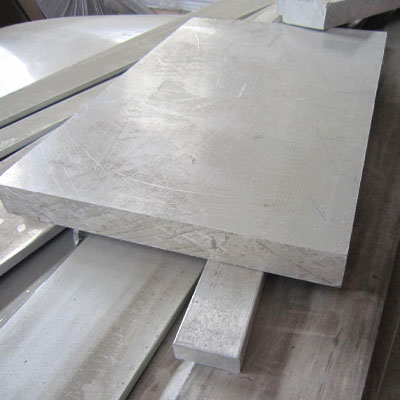
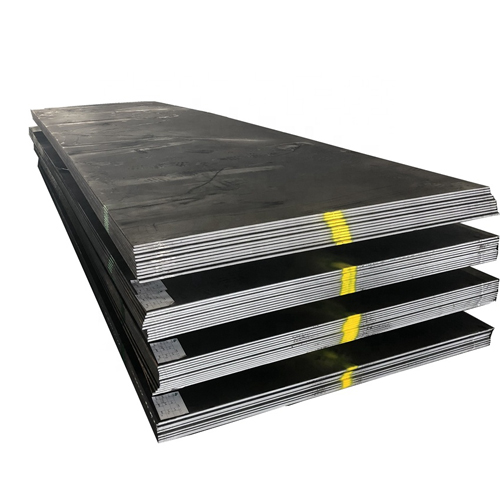
Heat-resistant steel plate is a steel plate with good high temperature resistance. It is usually used to withstand pressure and impact in high-temperature environments, such as furnaces, chimneys, furnace equipment, etc. Heat-resistant steel plates have excellent heat resistance, oxidation resistance and corrosion resistance, and can maintain structural stability and strength at high temperatures.
Characteristics of heat-resistant steel plates
Heat-resistant steel plates have the following main features:
High temperature resistance: Heat-resistant steel plates can withstand high temperatures for a long time Maintain structural stability and strength.
Oxidation resistance: Heat-resistant steel plates can resist oxidation reactions and extend their service life.
Corrosion resistance: Heat-resistant steel plates can resist erosion by corrosive media such as acids and alkalis.