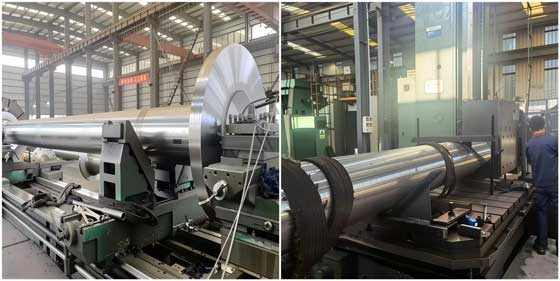
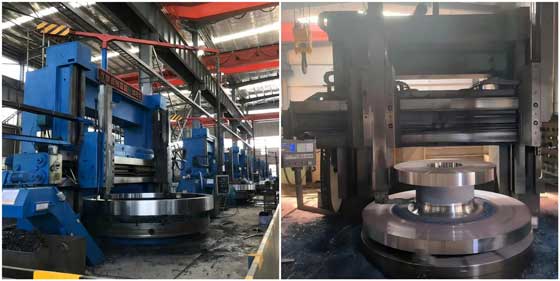
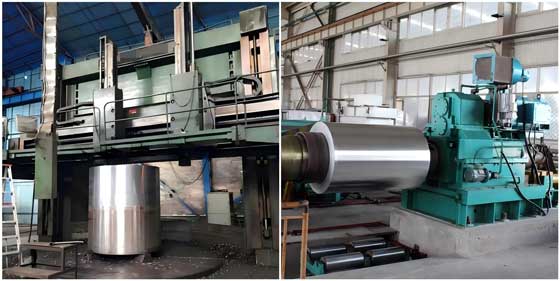
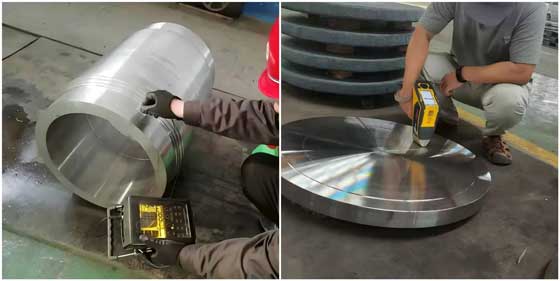
Various methods and techniques for Q355NB steel plate processing
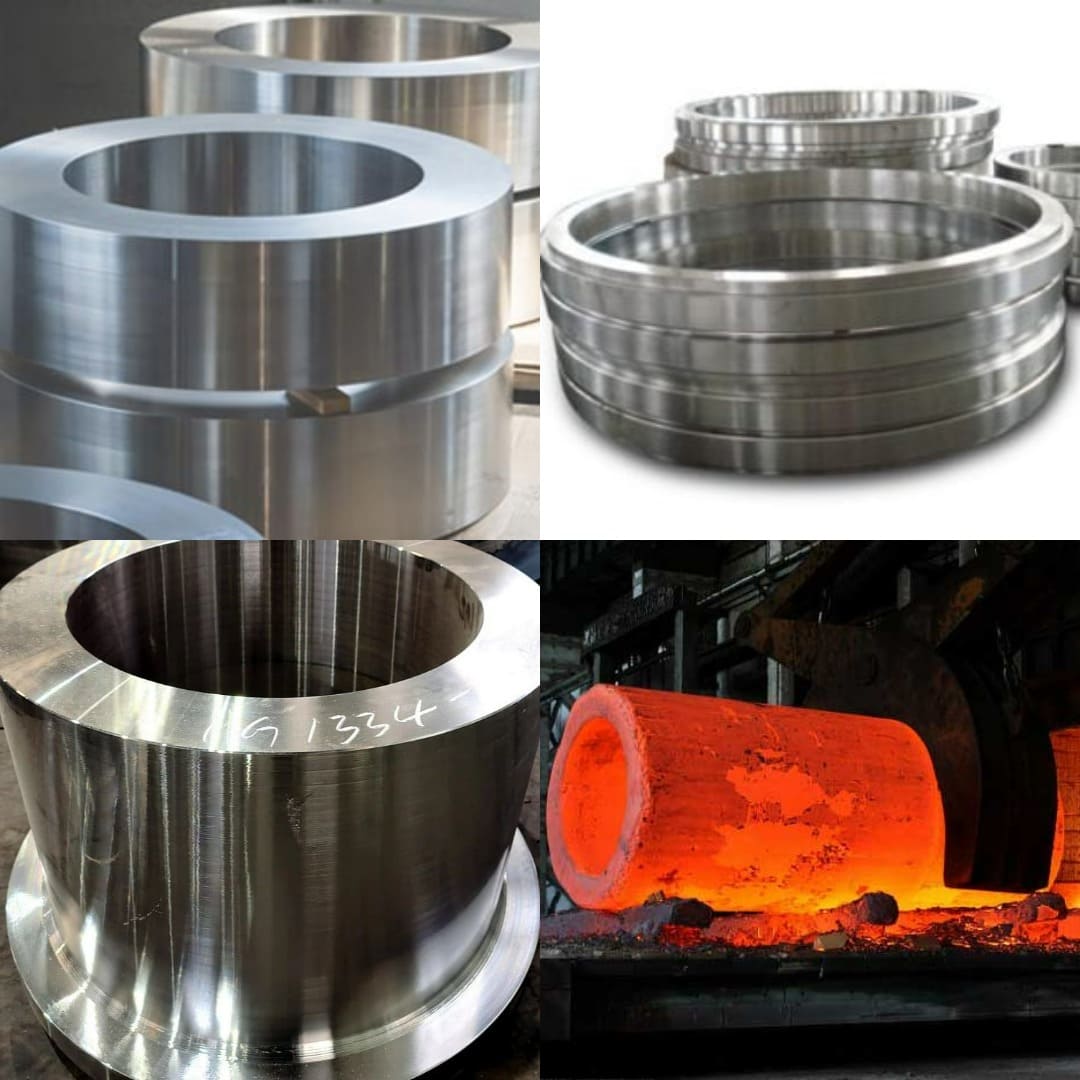
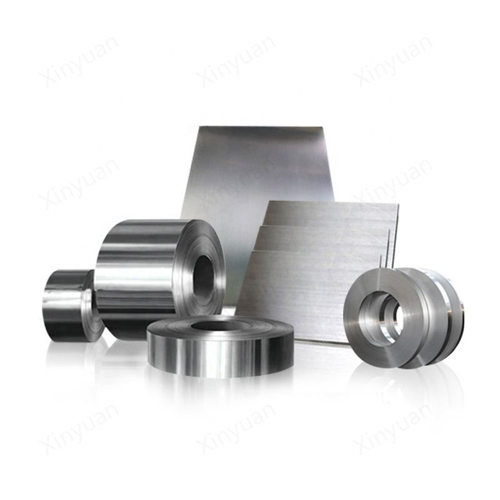
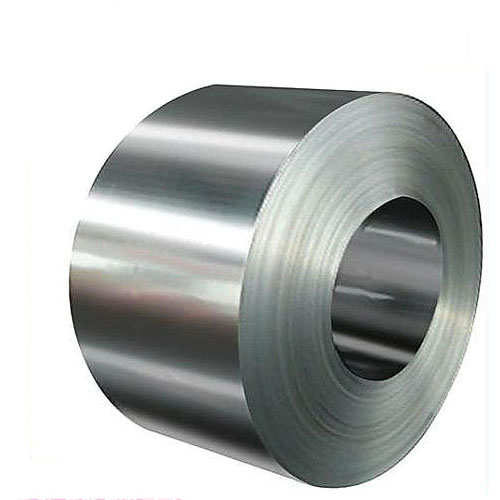
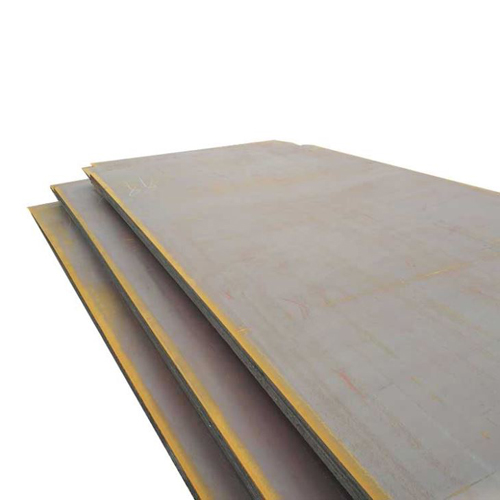
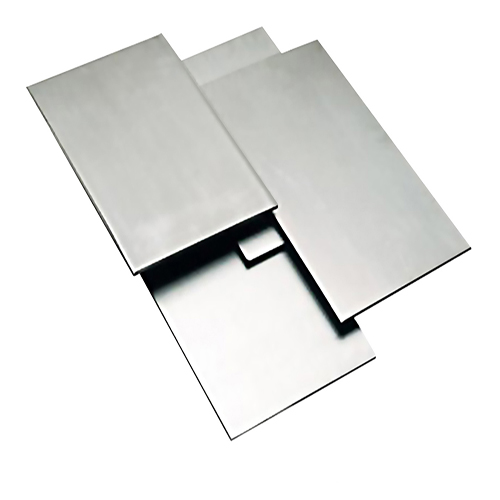
Q355NB steel plate is a high-strength low-alloy structural steel plate that is widely used in construction, bridges, railways, ships and other fields. For Q355NB steel plates that need to be processed and formed, correct processing methods and techniques are very important. This article will introduce various methods and techniques for processing Q355NB steel plates to help readers understand how to effectively process and shape this special steel plate.
1. Introduction to Q355NB steel plate
Q355NB steel plate is a high-strength low-alloy structural steel plate with excellent mechanical properties and weather resistance. It has high yield strength and tensile strength, as well as good weather resistance and corrosion resistance. This makes Q355NB steel plate an ideal choice for many engineering projects.
2. Cutting and shearing of Q355NB steel plate
Cutting and shearing is one of the common methods for processing Q355NB steel plate. Q355NB steel plates can be accurately cut to the required size and shape using appropriate cutting tools, such as gas cutting or plasma cutting machines. Shearing tools, such as shears, can be used to cut thinner Q355NB steel plates.
2.1 Cutting Precautions
When cutting Q355NB steel plates, you need to pay attention to the following points:
Use appropriate cutting tools and cutting blades.
Ensure safety around the cutting area.
Control cutting speed and cutting depth to avoid overheating and loss of control.
3. Bending and forming of Q355NB steel plate
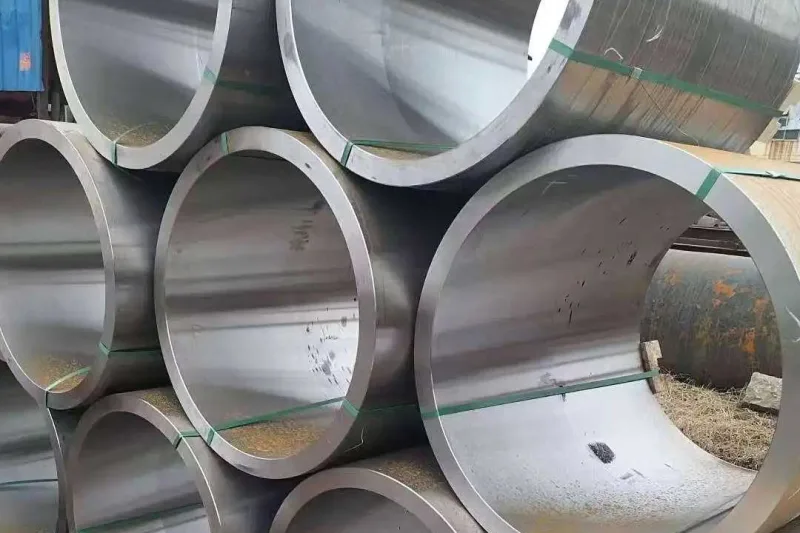
Bending and forming is one of the common methods to make Q355NB steel plate into the required shape. By using equipment such as plate rolling machines, bending machines or presses, Q355NB steel plates can be bent into circles, angles or other complex shapes.
3.1 Precautions for bending and forming
When bending and forming Q355NB steel plates, you need to pay attention to the following points:
Ensure the use of appropriate tools and equipment .
Control the force and speed of bending and forming to avoid excessive deformation or breakage.
Inspect and calibrate equipment regularly to ensure accurate bending and forming.
4. Welding and connection technology of Q355NB steel plates
Welding and connection are key steps in assembling Q355NB steel plates into larger structures. Depending on the specific requirements and application scenarios, different welding methods can be selected, such as arc welding, gas shielded welding or laser welding.
4.1 Precautions for welding and connection
When welding and connecting Q355NB steel plates, you need to pay attention to the following points:
Choose appropriate welding methods and materials .
Make sure the welding area is clean and free of oil.
Control welding parameters to ensure the quality and strength of welds.
5. Surface treatment and coating of Q355NB steel plate
In order to improve the corrosion resistance and aesthetics of Q355NB steel plate, surface treatment and coating are often required. Surface preparation can include steps such as rust removal, sanding and sandblasting, while coating can be by spraying, electrocoating or powder coating.
5.1 Precautions for surface treatment and coating
When performing surface treatment and coating of Q355NB steel plate, you need to pay attention to the following points:
Ensure surface treatment Thoroughly and evenly.
Choose appropriate coating materials and methods.
Control coating thickness and uniformity to ensure coating quality and durability.
6. Quality control measures for Q355NB steel plate processing
In order to ensure that the processed Q355NB steel plate meets the quality requirements, a series of quality control measures need to be taken. This includes inspection of raw materials, monitoring of processing and testing of final products.
6.1 Quality Control Precautions
When performing quality control of Q355NB steel plate processing, you need to pay attention to the following points:
Regularly check the quality and specifications of raw materials.
Monitor parameters and processes during processing.
Conduct physical and chemical testing of the final product to ensure it meets requirements.
7. Application of Q355NB steel plate in various industries
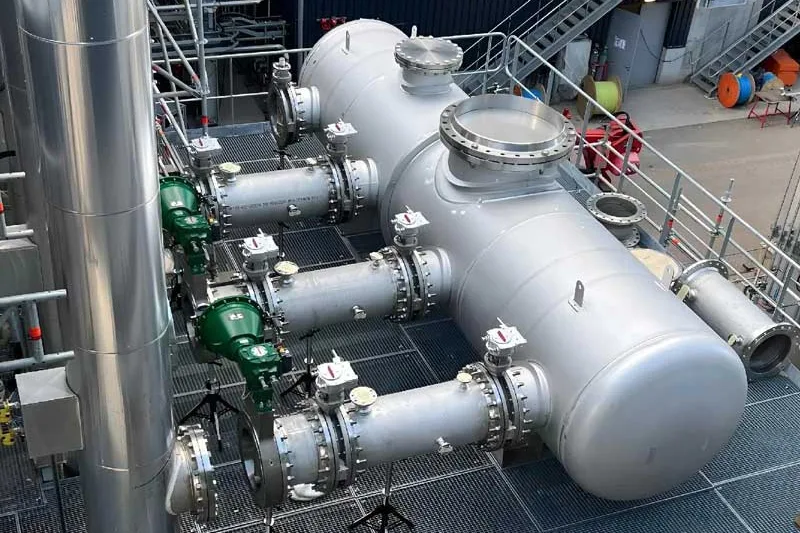
Due to its excellent mechanical properties and weather resistance, Q355NB steel plate has been widely used in many industries. It is often used in construction, bridges, railways, ships and other fields to manufacture structural components, load-bearing components and corrosion-resistant components.