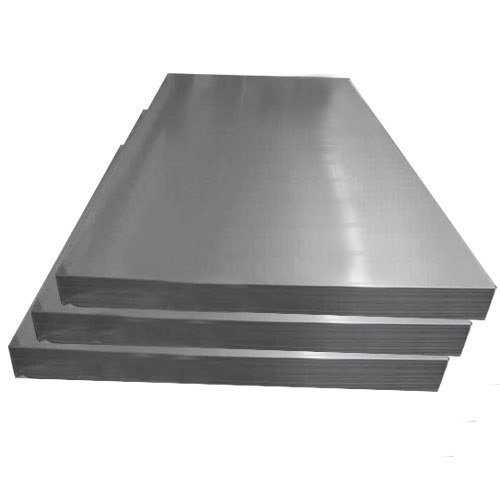
What is bimetal cladding wear plate
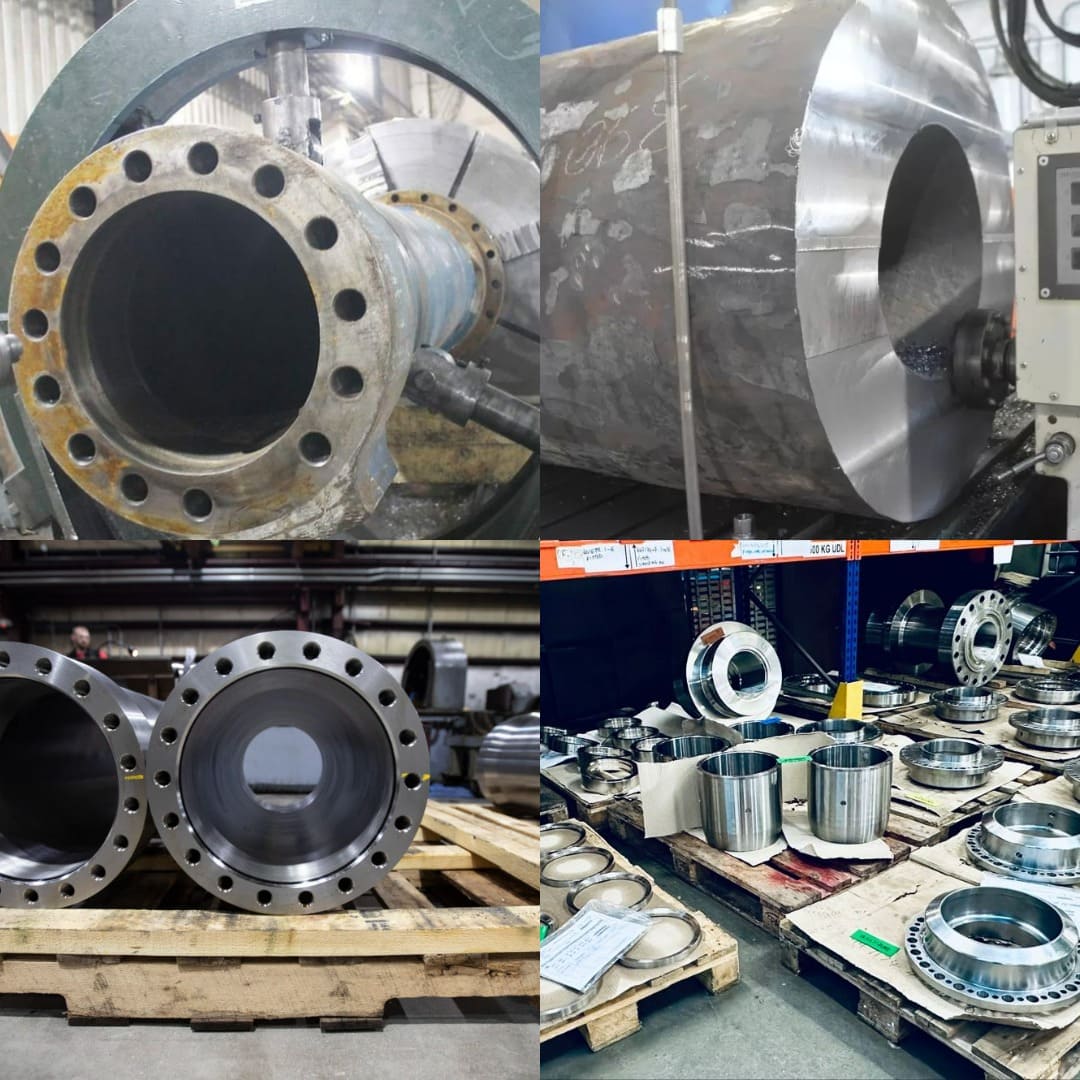
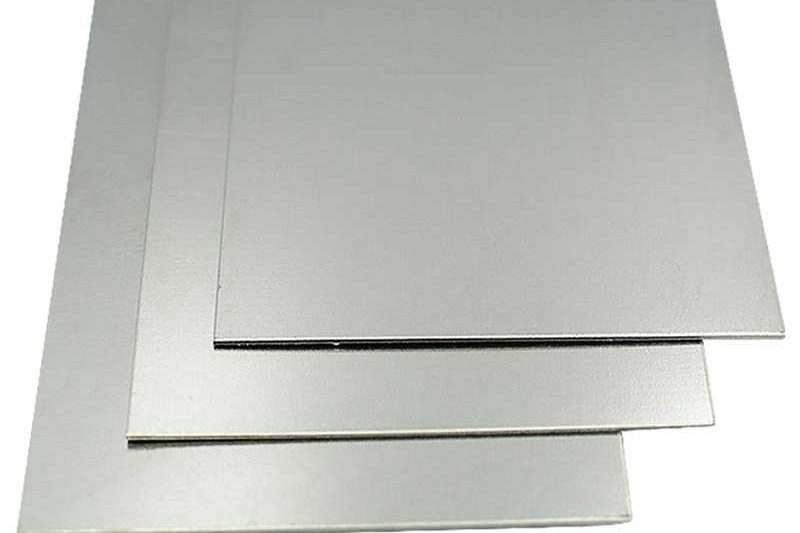
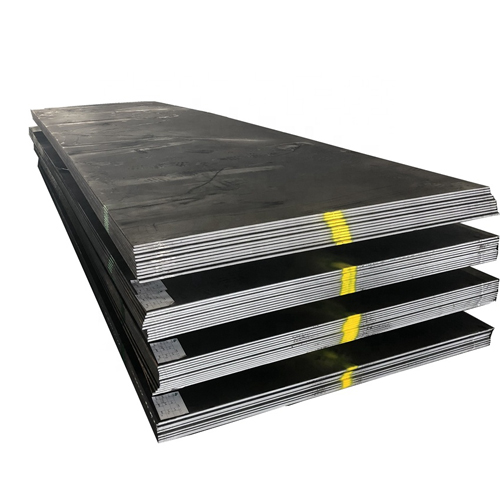
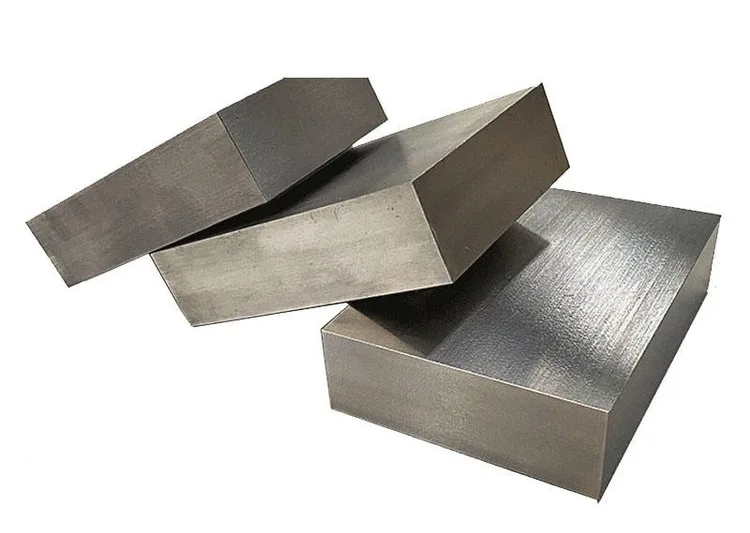
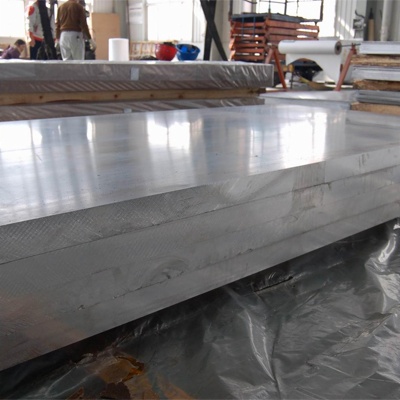
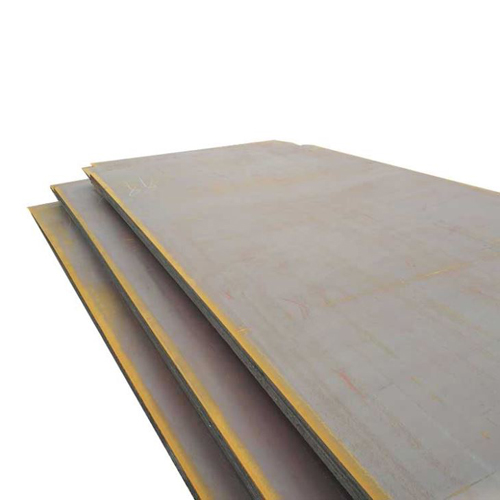
Bimetal cladding wear-resistant plate is a wear-resistant plate composed of two different materials, one of which has high hardness and wear resistance, and the other has high toughness and impact resistance. The two materials are firmly bonded together through a cladding process to form a wear-resistant plate with excellent wear and impact resistance.
Characteristics of bimetal cladding wear-resistant plates
High hardness: Bimetal cladding wear-resistant plates have high hardness and can effectively resist wear and scratches.
Good wear resistance: Bimetal cladding wear-resistant plates can still maintain good wear resistance under harsh working conditions.
Impact resistance: Because the bimetal cladding wear-resistant plate has high toughness, it can effectively absorb impact and reduce material damage.
Good welding performance: Bimetal cladding wear-resistant plates can be easily welded and processed.
A variety of specifications and sizes are available: bimetal cladding wear-resistant plates can be customized according to customer needs.
Application fields of bimetal cladding wear-resistant plates
Bimetal cladding wear-resistant plates are widely used in the following fields:
Mining industry: used for ore Wear-resistant parts such as crushers, grinding machines, and conveying equipment.
Metallurgical industry: used in high-temperature furnaces, iron-making furnaces, steel-making furnaces and other refractory materials.
Cement industry: used for wear-resistant equipment such as cement mills, kiln heads, and kiln tails.
Power industry: used in wear-resistant parts such as coal-fired boilers, dust removal equipment, and pulverized coal transportation pipelines.
Port industry: used for wear-resistant parts such as loading and unloading equipment, stackers, conveyor belts, etc.
The manufacturing process of bimetal surfacing wear-resistant plates
The manufacturing process of bimetal surfacing wear-resistant plates mainly includes the following steps:
Material preparation : Select appropriate wear-resistant materials and base materials according to the use environment and requirements of the wear-resistant plate.
Characteristics of bimetal cladding wear-resistant plate
Bimetal cladding wear-resistant plate is a composite material composed of a wear-resistant alloy layer and a base material. Its characteristics are as follows:
High wear resistance: The wear-resistant alloy layer of the bimetal cladding wear-resistant plate has excellent wear resistance and can effectively resist wear and impact.
Good impact toughness: The base material of the bimetal cladding wear-resistant plate has good impact toughness and can maintain its integrity when impacted.
Strong weldability: Bimetal cladding wear-resistant plates can be welded with other metal materials for easy installation and maintenance.
Various specifications and sizes: Bimetal cladding wear-resistant plates provide a variety of specifications and size options to meet the needs of different fields.
Application fields of bimetal cladding wear-resistant plates
Bimetal cladding wear-resistant plates are widely used in the following fields:
Mining industry: used for ore Lining plates for crushing equipment, guide plates for ore conveying equipment, etc.
Metallurgical industry: used for guard plates of high-temperature charge conveying systems, wear-resistant parts of steel-making equipment, etc.
Power industry: used for lining of pulverized coal transportation pipelines in thermal power plants, wear-resistant parts of coal-fired boilers, etc.
Cement industry: used for coal mill linings, grinding roller sleeves, etc. in cement production lines.
The manufacturing process of bimetal cladding wear-resistant plates
The manufacturing of bimetal cladding wear-resistant plates mainly includes the following process steps:
Material preparation: selection Suitable wear-resistant alloy materials and substrates, and carry out cutting and surface treatment.
Surface welding process: Welding technology is used to surfacing the wear-resistant alloy layer and the base material to ensure the welding quality.
Finishing: Cutting, drilling, grinding and other processing techniques are performed on the cladding wear-resistant plate to meet the needs of different sizes and shapes.