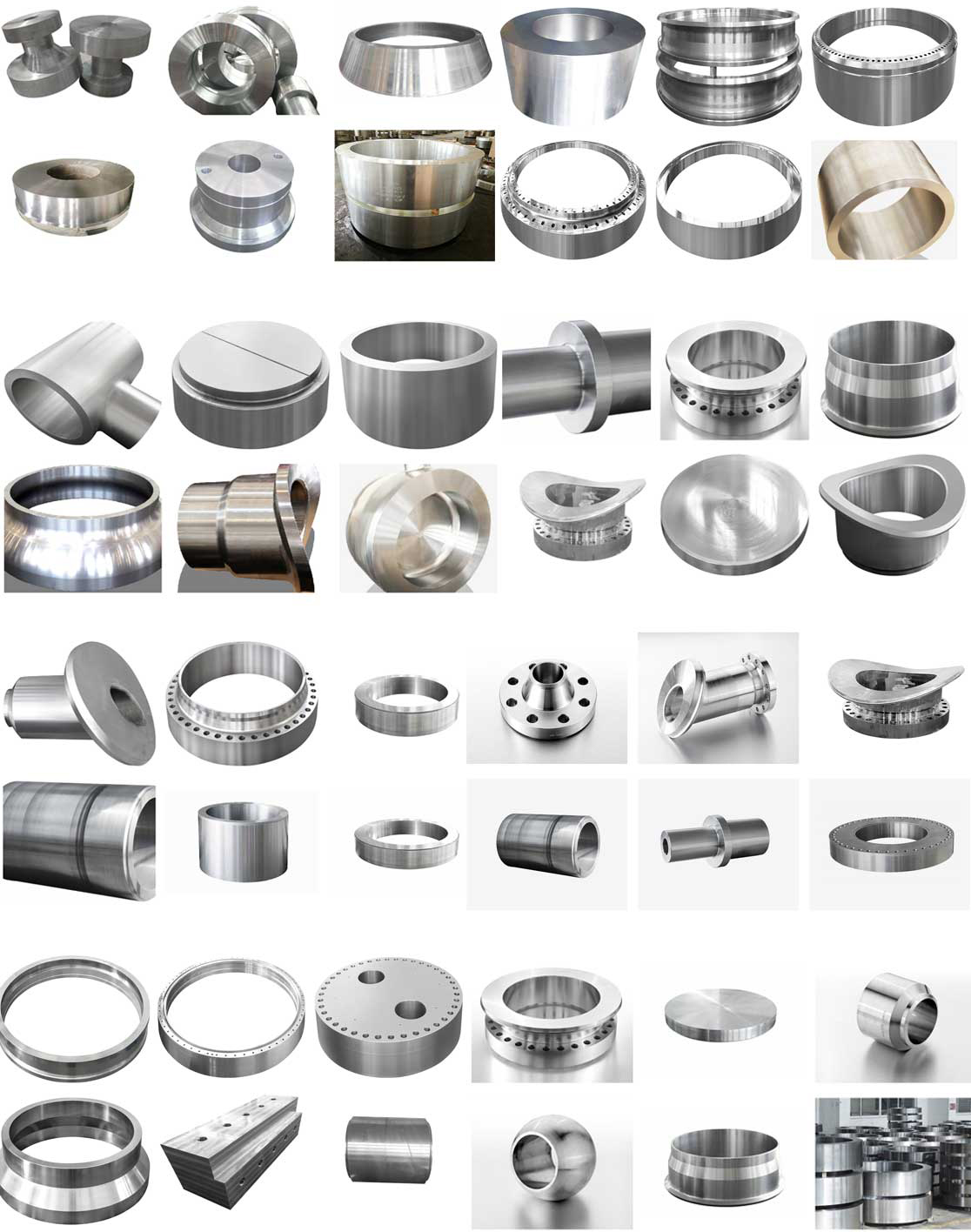
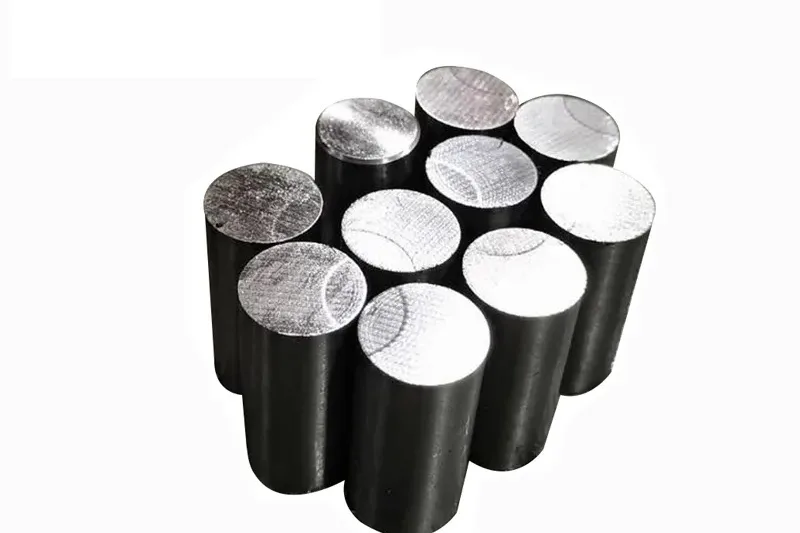
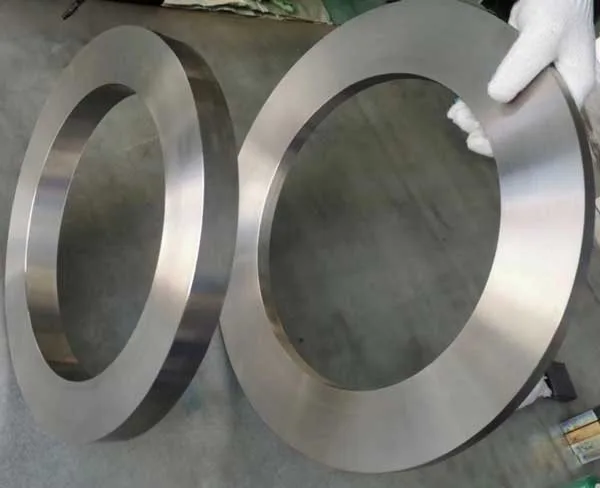
Large Thick-Wall Cylinder with Wide Top Flange Forging
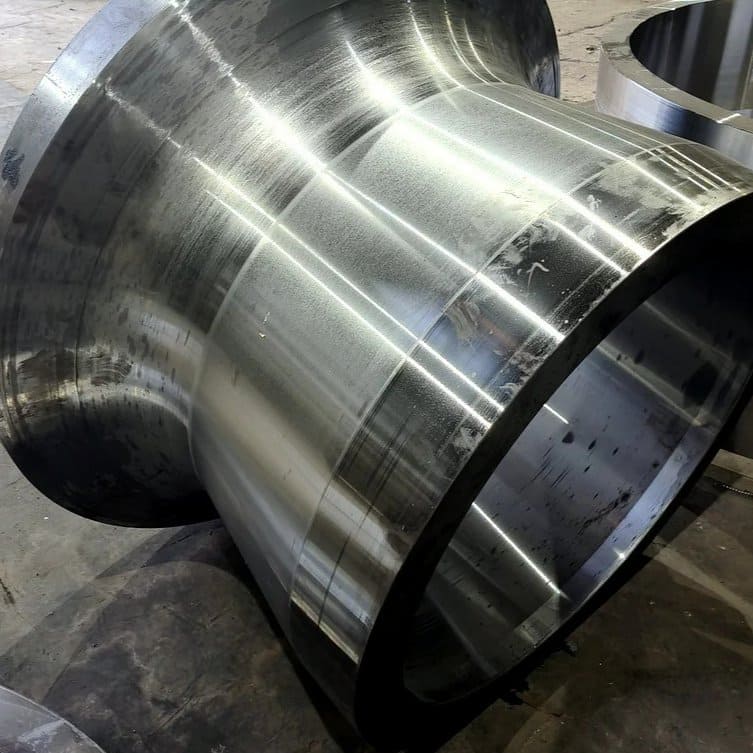
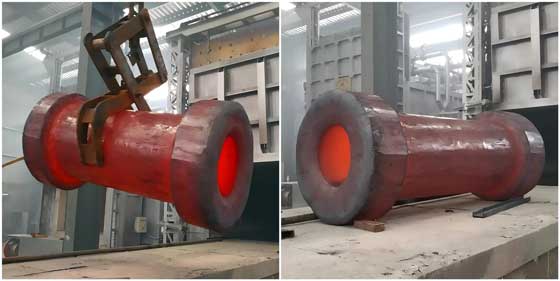
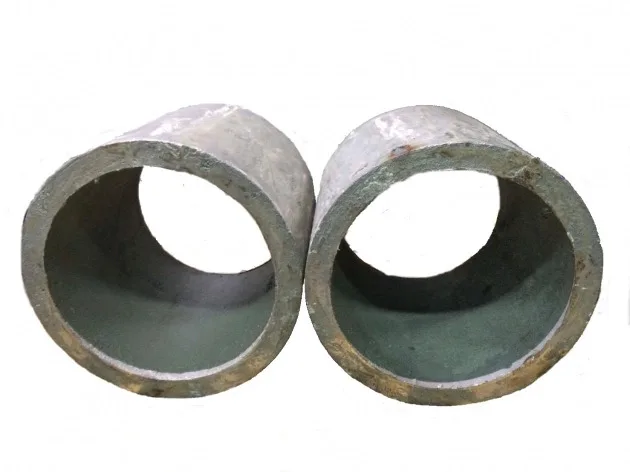
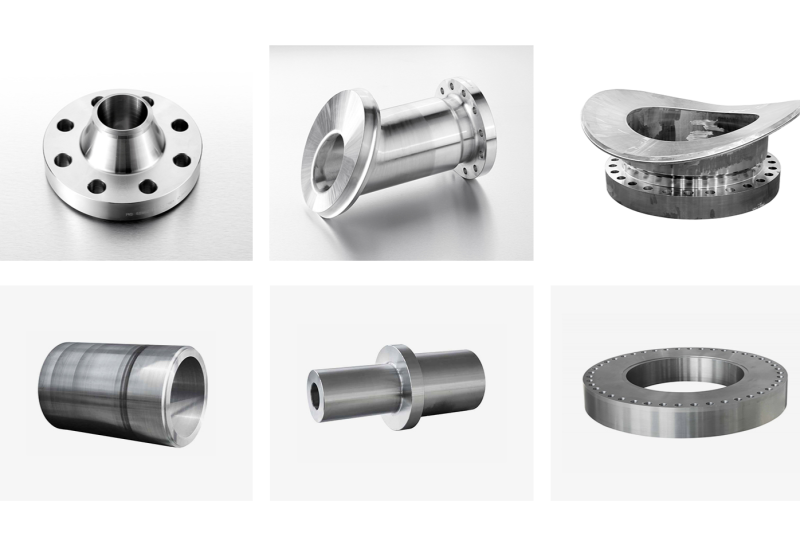
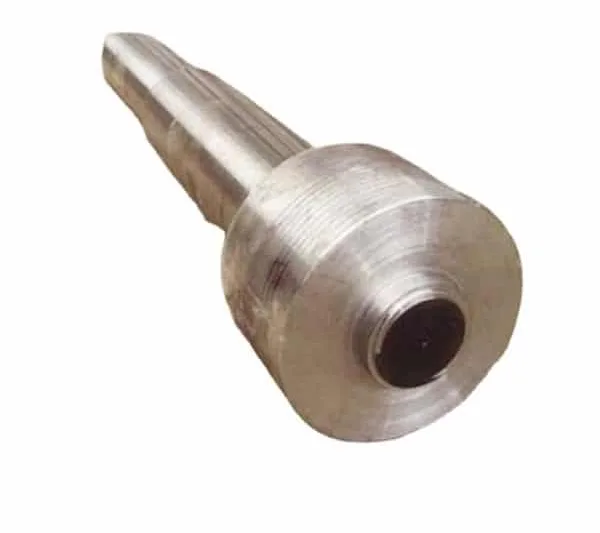
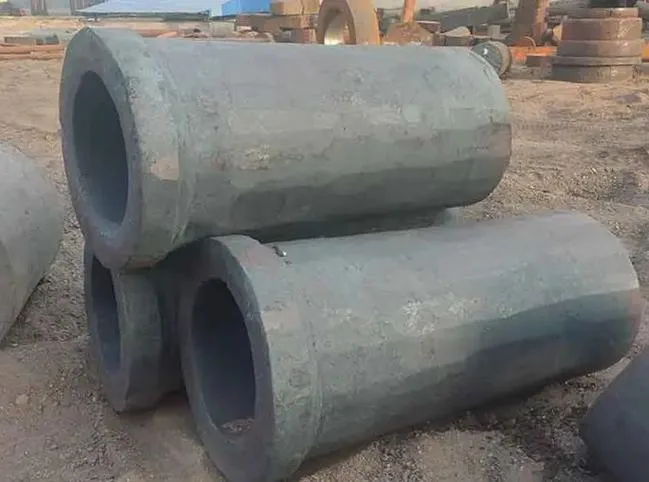
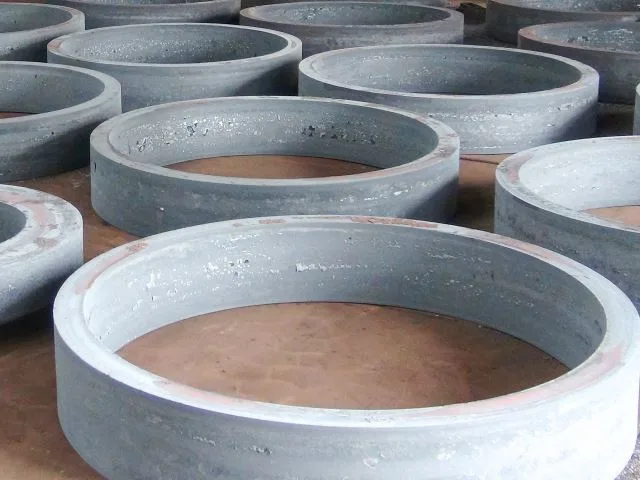
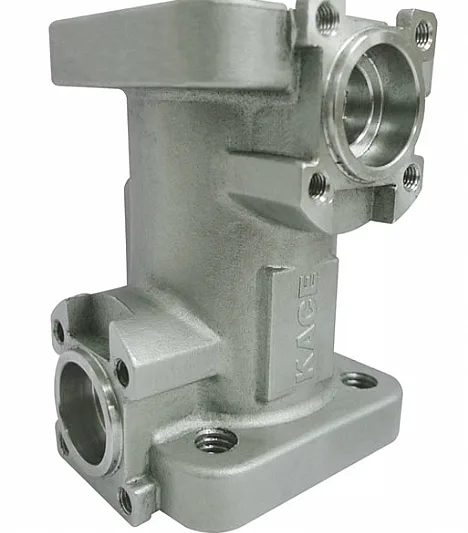
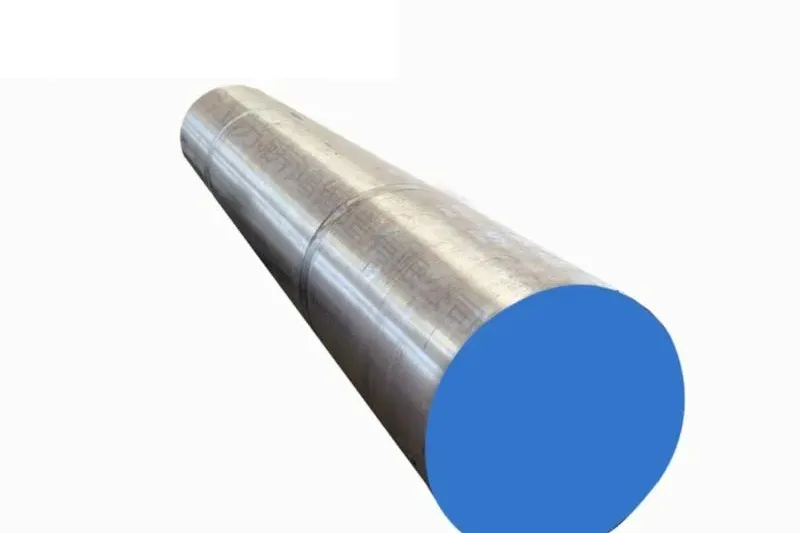
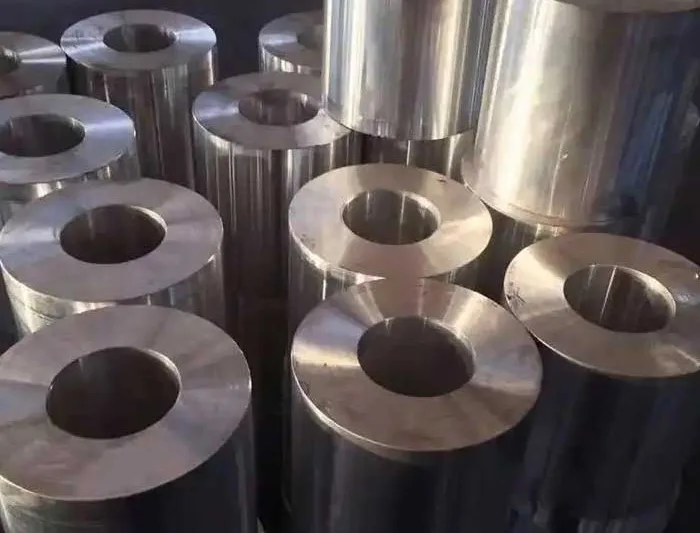
Large thick walled wide width top flange cylinder forgings are a type of key pressure bearing component with special structure and strict performance requirements, widely used in high-end equipment fields such as nuclear power, petrochemical, coal chemical, and heavy-duty pressure vessels. This type of forging is formed by a single integral steel ingot through free forging or die forging processes, with the main body being a thick walled cylindrical structure with a moderate aspect ratio. The top is integrated with an annular flange with a width significantly greater than the wall thickness of the cylinder, forming an integrated load-bearing structure.
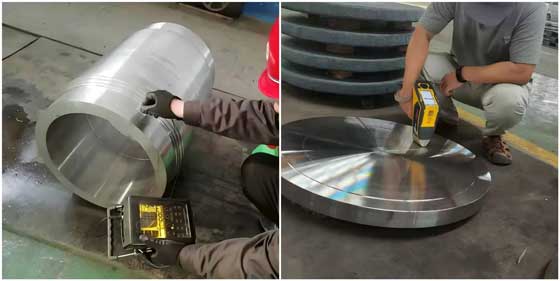
Its core feature lies in the collaborative design of "large", "thick walled" and "wide top flange". 'Large' refers to an outer diameter often exceeding 2000 millimeters, a height exceeding 3000 millimeters, and a single piece weight of up to tens of tons; Thick wall "refers to the thickness of the cylinder wall generally ranging from 200 to 400 millimeters, which places extremely high demands on material density, uniformity of structure, and consistency of mechanical properties; The "wide top flange" not only provides a large contact area to meet the requirements of high-strength bolt connection and sealing, but also requires strict control of deformation during heat treatment and machining processes to ensure that the flatness of the flange surface, the position of the bolt hole, and the perpendicularity to the cylinder axis comply with international standards such as ASME or RCC-M.
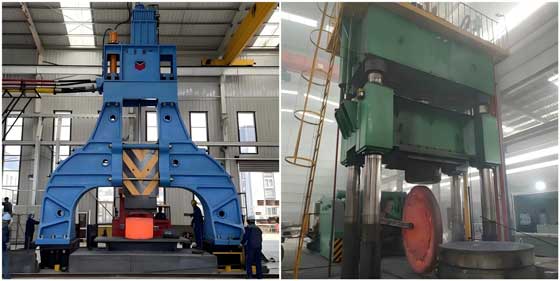
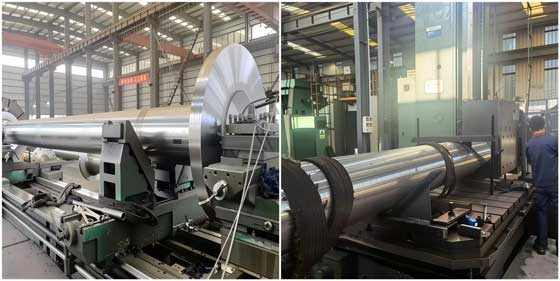
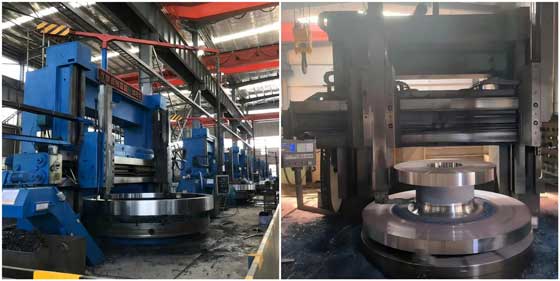
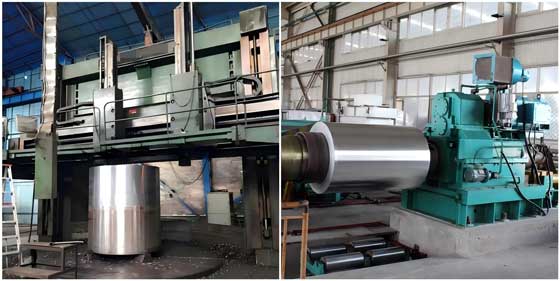
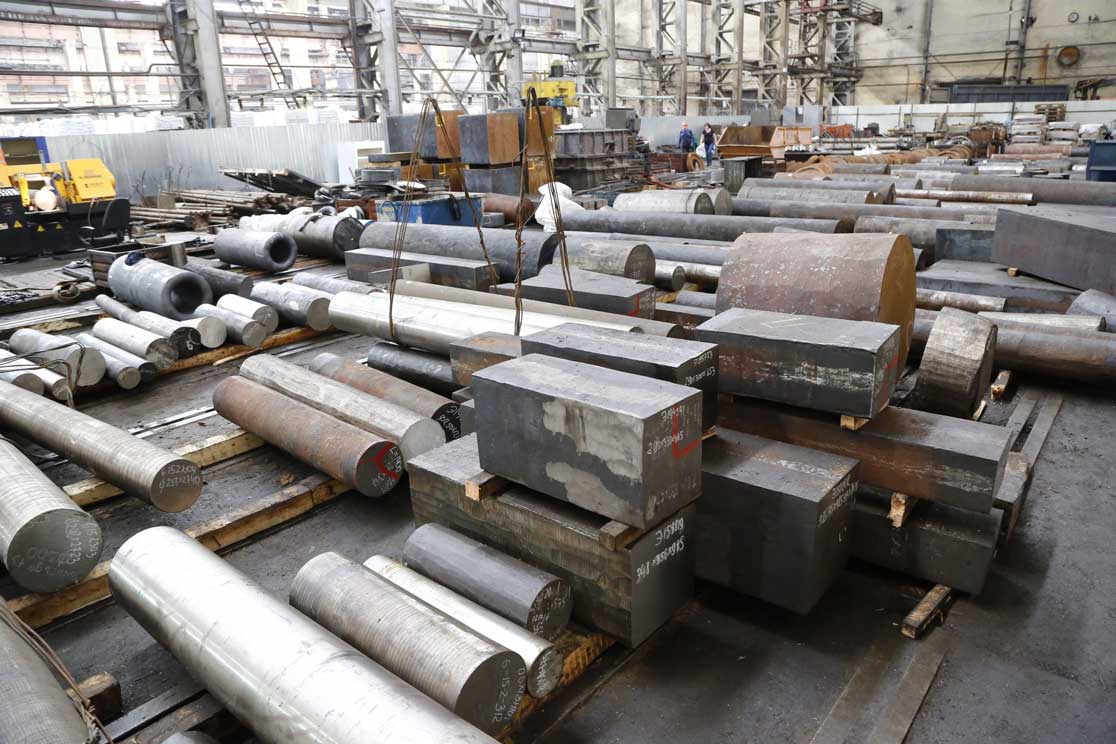
The manufacturing process includes key steps such as high-quality large-scale steel ingot smelting, multi-directional upsetting and forging, stepped hole expansion and local thickening, overall quenching and tempering heat treatment, and precision CNC machining. Among them, the forging stage requires a combination of repeated upsetting, elongation, and hole expansion processes to fully compact the loose center and break the cast structure, so that the metal streamline can be reasonably distributed along the contour of the cylinder and continuously wrap around the flange root, thereby significantly improving the fatigue and creep resistance. The heat treatment adopts strict quenching and high-temperature tempering processes, balancing strength, toughness, and dimensional stability.
In engineering applications, this forging is often used as the core load-bearing unit of the reactor cylinder, high-pressure separator shell, or nuclear island main equipment support structure. Its integrated design avoids the weak links in the weld caused by traditional welding flanges, greatly improving the long-term service reliability of the equipment in high temperature, high pressure, strong corrosion, and irradiation environments. With the acceleration of the localization process of major energy equipment in China, the domestic research and mass production capacity of such forgings has become an important indicator to measure the level of high-end heavy-duty forging technology.