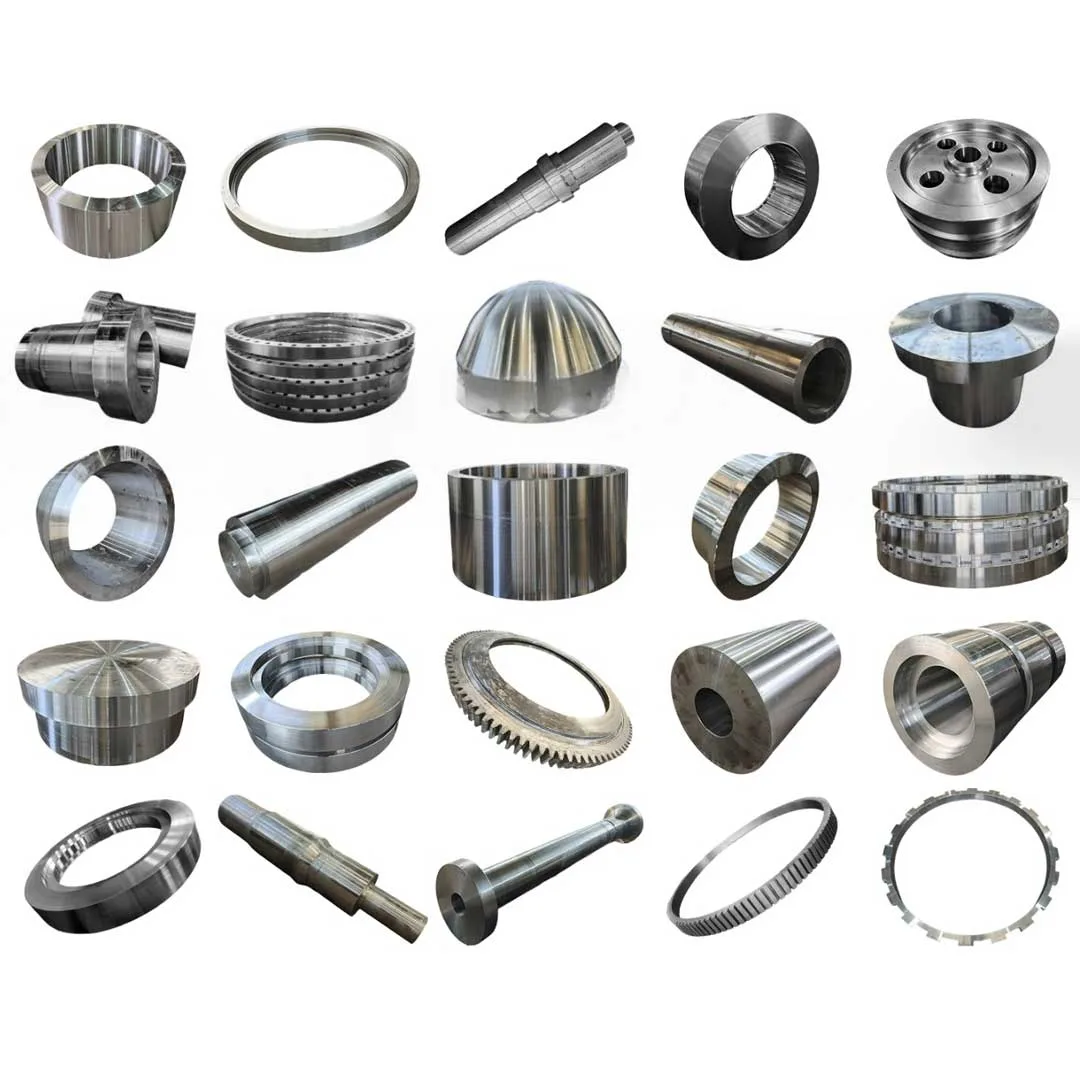
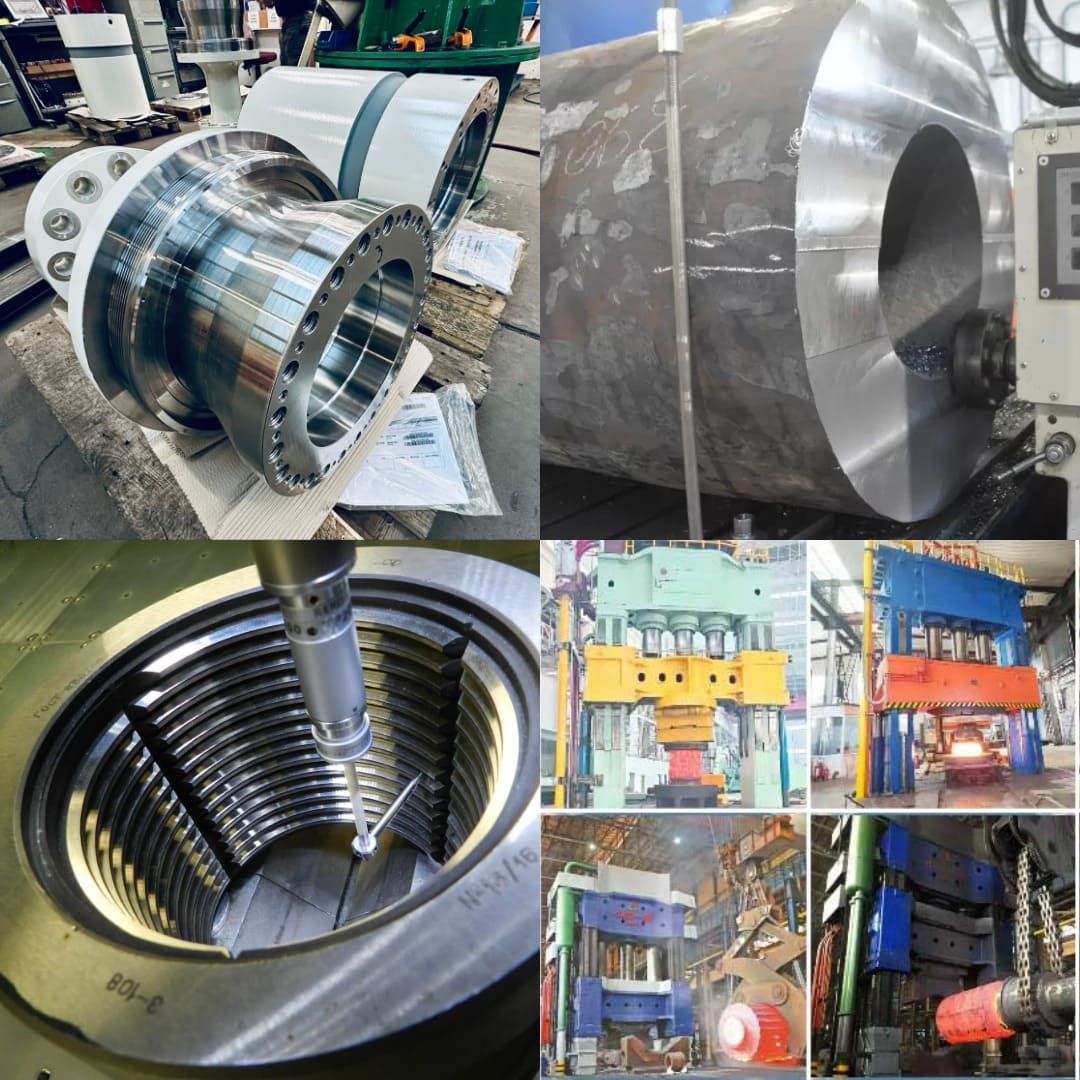
Advantages and application areas of high-strength boards
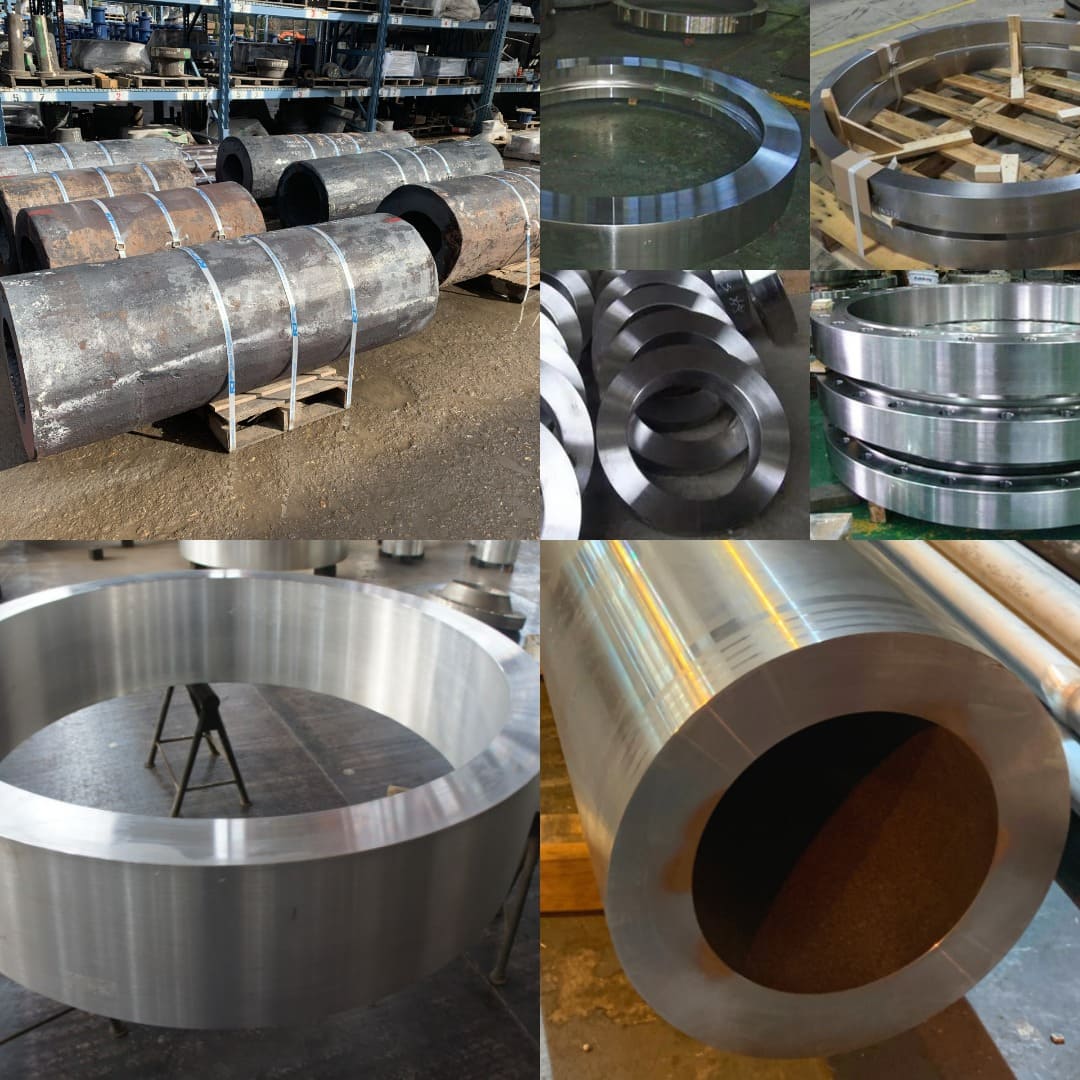
What is high-strength board
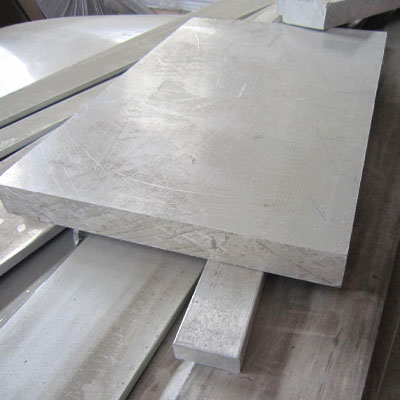
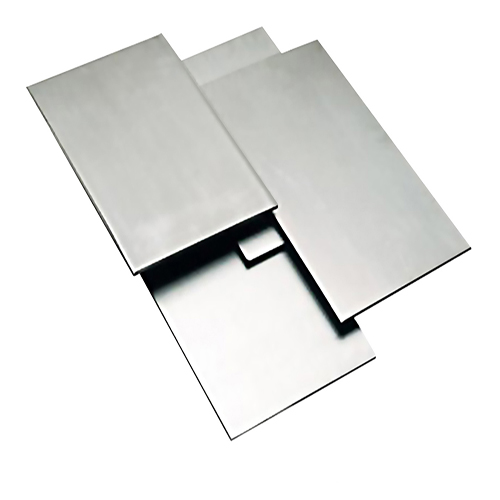
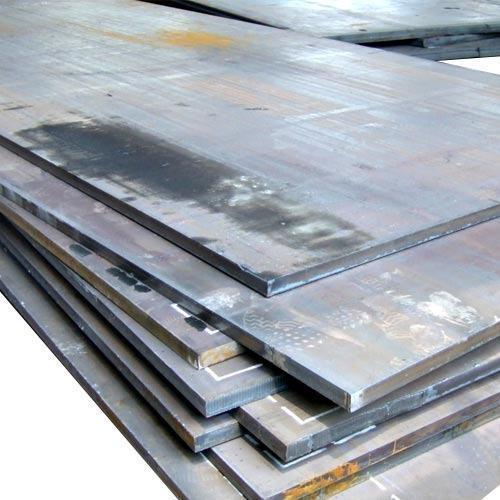
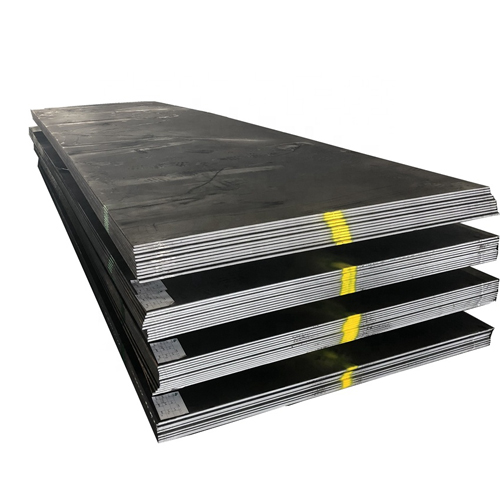
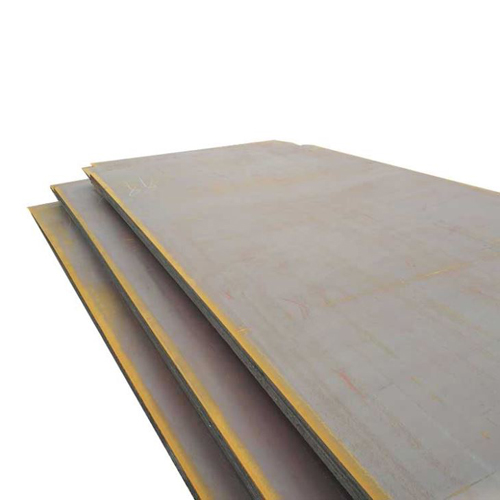
High-strength board is a building material composed of multiple layers of wood or wood fiber boards. It has high strength and durability and can withstand heavy pressure and impact. The manufacturing process of high-strength boards involves subjecting wood or wood fiberboard to high temperatures and pressures to make it a strong and durable material.
High-strength boards have the following advantages:
High strength: High-strength boards have been treated with high temperature and high pressure and have high strength and can withstand heavy pressure and impact.
Good durability: High-strength boards have good durability, are not easy to deform, crack or rot, and can be used for a long time.
Environmental protection: High-strength boards are made of wood or wood fiber boards, which do not contain harmful substances and have no pollution to the environment.
Easy to process: High-strength boards can be cut, drilled and trimmed as needed, making them easy to process and install.
Application fields of high-strength boards
High-strength boards are widely used in construction, furniture, packaging and other fields. In the construction field, high-strength panels can be used in floors, wall panels, ceilings, doors and windows to provide solid support and protection. In furniture manufacturing, high-strength boards can be used to make furniture such as tables, chairs, cabinets, and beds, with long service life and stable structures. In the field of packaging, high-strength boards can be used to make boxes, pallets, and packaging boxes to protect items from damage.
The manufacturing process of high-strength boards
The manufacturing process of high-strength boards includes the following steps:
Raw material preparation: select high-quality wood or wood fiber boards as raw materials, Ensure the quality and stability of materials.
Cutting and trimming: Cut and trim the raw materials according to the required size to ensure the flatness and consistency of the board.
Glue: Apply glue on the surface of the board to increase the adhesion of the board.
Stacking and pressing: Multiple layers of boards are stacked together and pressed using high-temperature and high-pressure machines to make the boards firmly bonded.
Drying and trimming: Dry the pressed boards to achieve a stable moisture content, and then trim the edges and surfaces to make them flat and smooth.
Inspection and packaging: Conduct quality inspection on the produced high-strength boards, and then package and store them.
Comparison of high-strength boards and traditional wood
High-strength boards have some obvious advantages over traditional wood:
High strength: high-strength boards are treated with high temperature and pressure , has higher strength and impact resistance, and is not easy to deform and crack.
Good durability: High-strength boards are not easy to rot and get damp, and have a long service life.
Environmental protection: High-strength boards are made of wood or wood fiber boards, which do not contain harmful substances and have no pollution to the environment.
Easy to process: High-strength boards can be cut, drilled and trimmed as needed, making them easy to process and install.
The price is relatively low: Compared with solid wood materials, the price of high-strength boards is relatively low, which can save costs.
The future development trend of high-strength boards
With the continuous development of the construction and furniture industries, the demand for high-strength boards is also increasing. In the future, high-strength boards are expected to further develop in the following aspects:
Technological innovation: By continuously improving the production process and material formula, the performance and quality of high-strength boards will be improved.
New application fields: High-strength plates can be used in more fields, such as automobile manufacturing, shipbuilding and aerospace, providing lighter and stronger materials for these industries.
Environmentally friendly and sustainable: More environmentally friendly glues and materials can be used in the production process of high-strength boards to reduce the impact on the environment.
Interior decoration: High-strength boards can be used for interior decoration, such as wall panels, floors and ceilings, providing personalized and environmentally friendly options.
Conclusion
High-strength board is a building material with high strength and durability, which is widely used in construction, furniture, packaging and other fields. It has many advantages, such as high strength, good durability, environmental protection and easy processing. With the continuous innovation of technology and the increase in demand, high-strength boards are expected to be more widely used and developed in the future.