Main features of spring steel plates
.jpg)
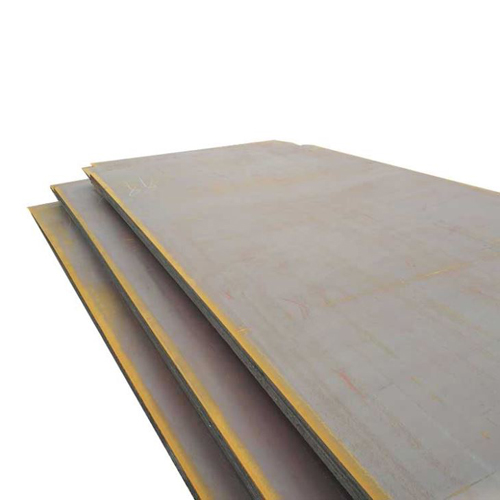
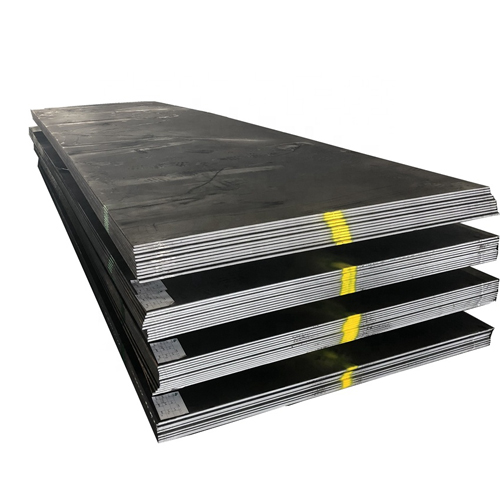
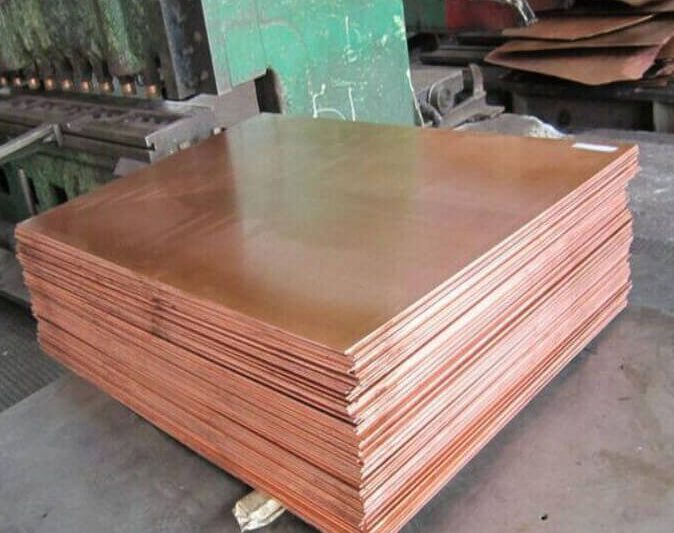
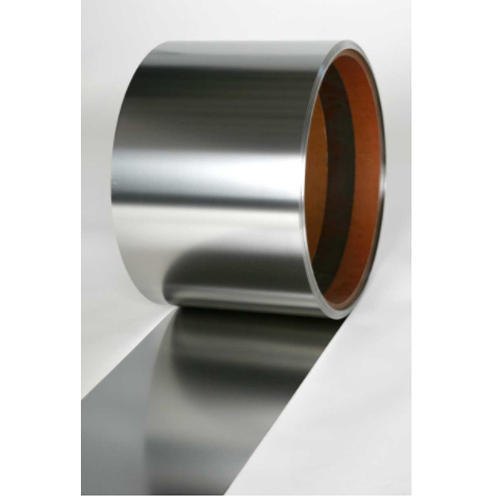
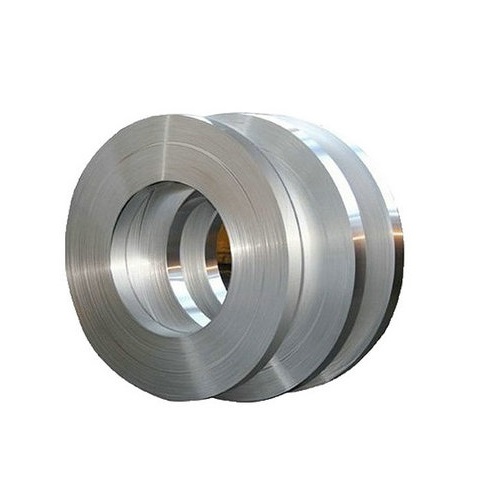
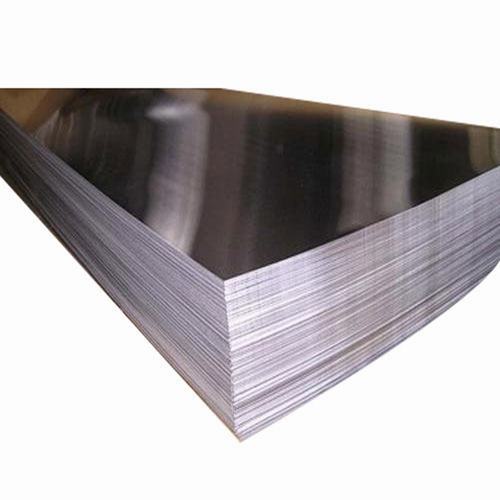
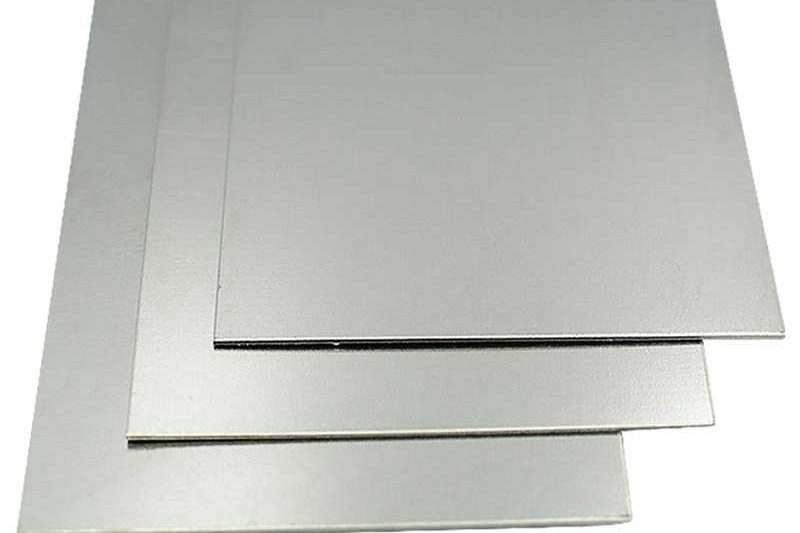
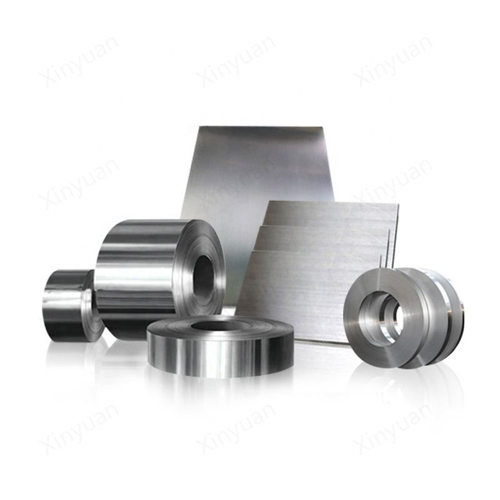
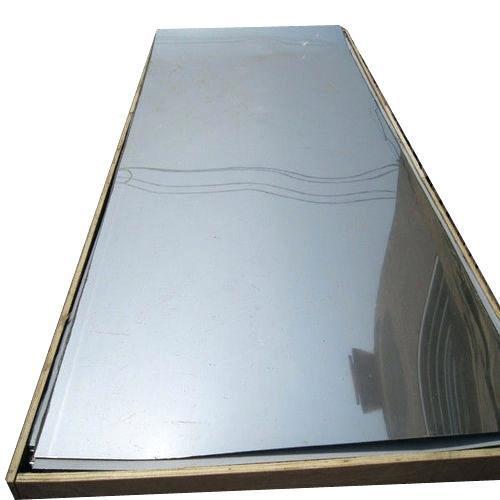
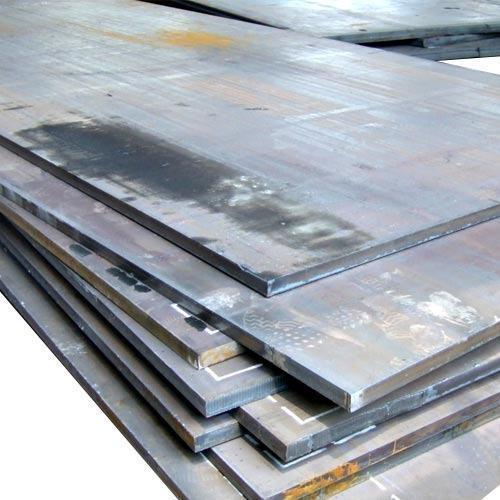
Spring steel plate is a special kind of steel with excellent elasticity and plasticity. It is often used to make springs and other parts that need to be elastic. The main characteristics of spring steel plates are their high strength and fatigue resistance, and their ability to maintain stable elasticity over long periods of use.
Uses of spring steel plates
Spring steel plates are widely used in various fields, including automobiles, aerospace, machinery manufacturing, electronic equipment, etc. It is used to make various types of springs, such as suspension springs, damping springs, pressure springs, etc. In addition, spring steel plates can also be used to manufacture other parts that require elasticity, such as electrical contacts, blades, etc.
Material of spring steel plate
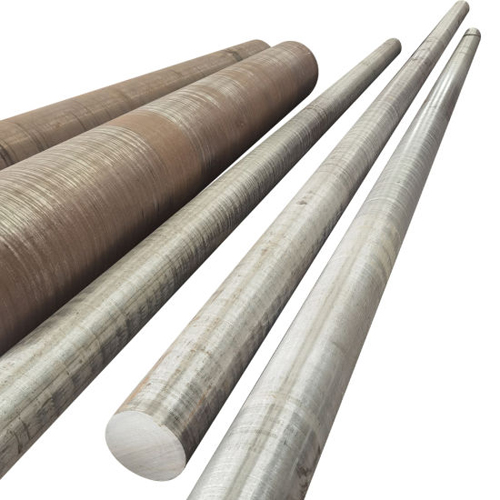
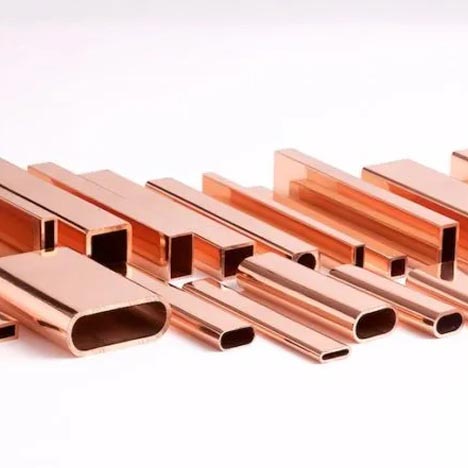
The material of spring steel plate is usually carbon steel or alloy steel. Carbon steel has good plasticity and strength and is suitable for the manufacture of general springs. Alloy steel has higher strength and wear resistance due to the addition of other elements, such as chromium, molybdenum, nickel, etc., and is suitable for springs that need to bear larger loads.
The manufacturing process of spring steel plates
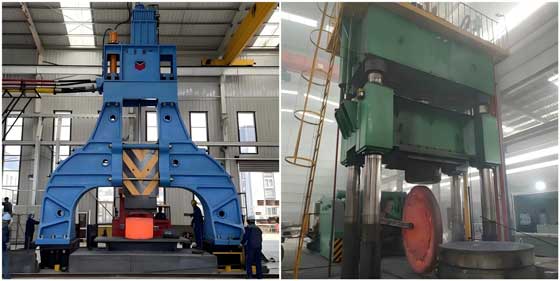
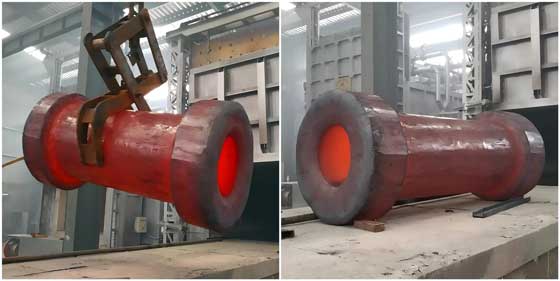
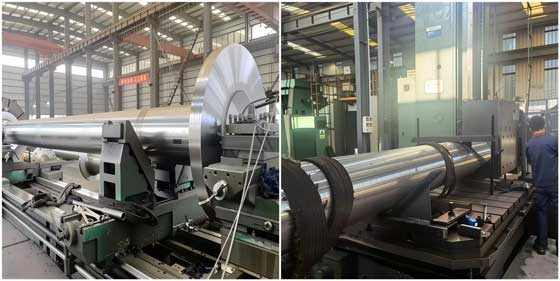
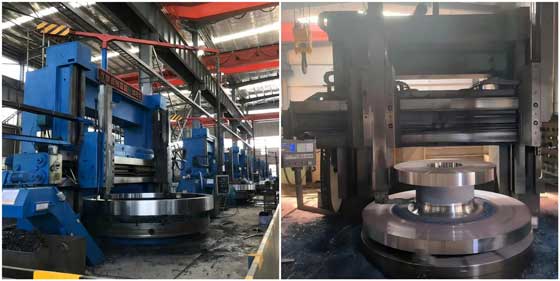
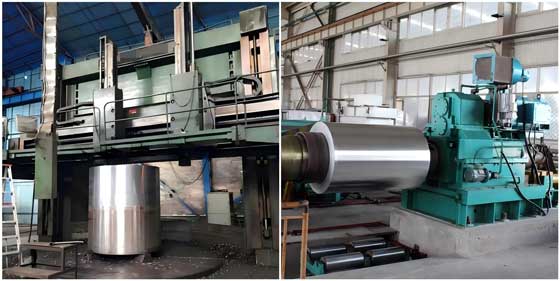
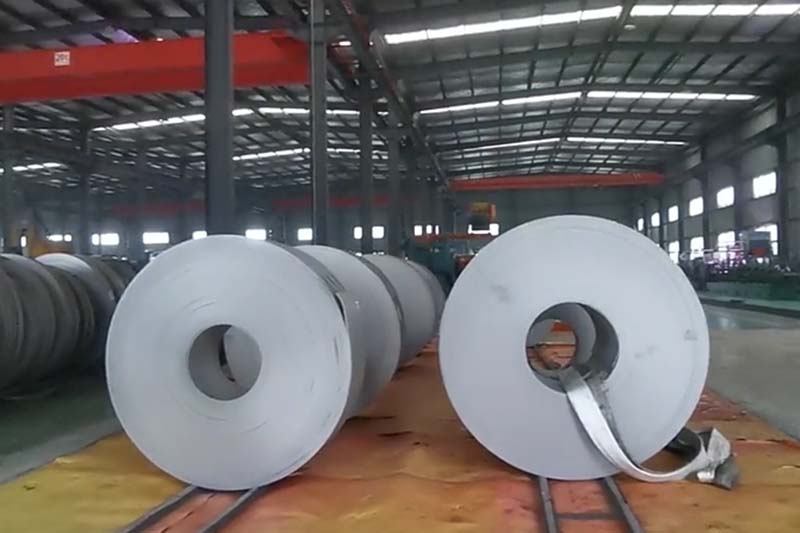
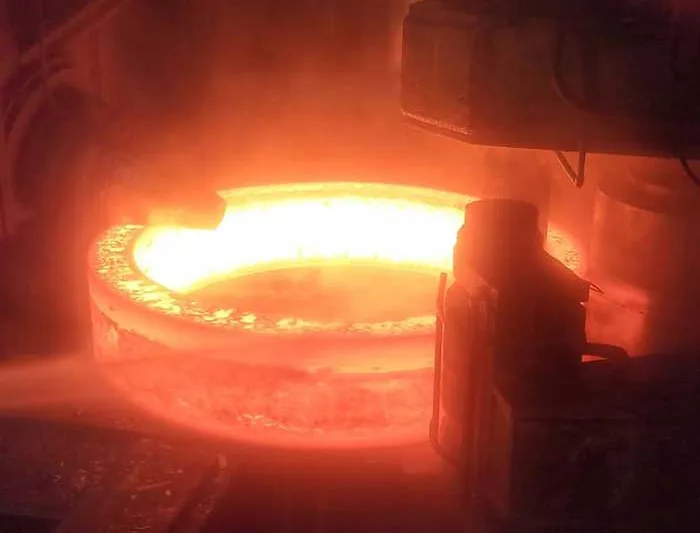
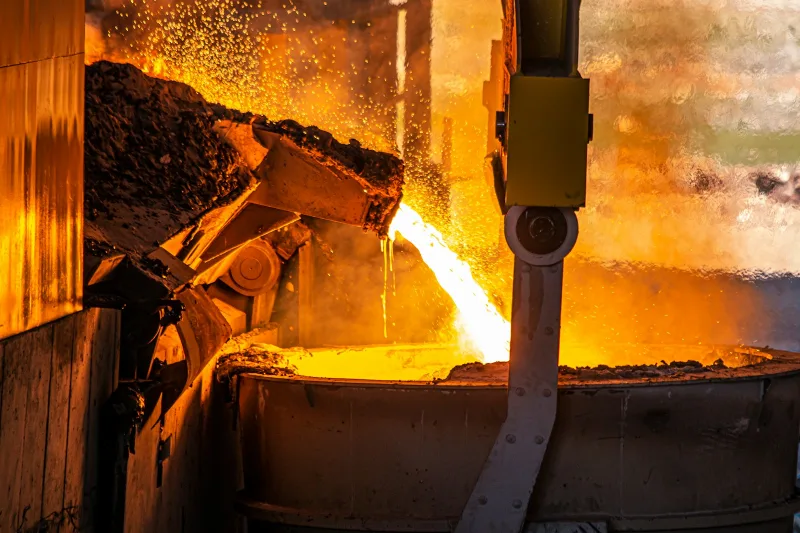
The manufacturing processes of spring steel plates mainly include hot rolling and cold rolling. Hot rolling is to heat the billet to a certain temperature and then roll it to form a plate, which has high strength and plasticity. Cold rolling is the further processing of hot-rolled plates at room temperature to improve surface finish and dimensional accuracy.
Performance requirements of spring steel plates
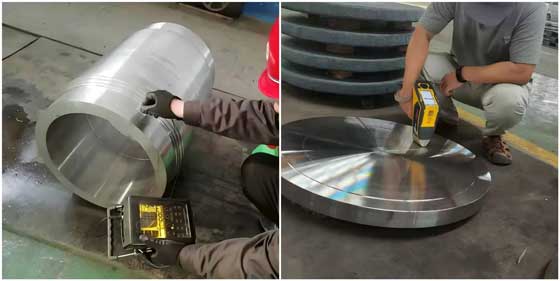
The performance requirements of spring steel plates include strength, plasticity, hardness, fatigue resistance and corrosion resistance. Strength and plasticity are the basic requirements for spring steel plates, which can maintain stable shape and elasticity under load. Hardness determines the wear resistance and deformation resistance of spring steel plates. Fatigue resistance means that the spring steel plate will not break or deform during long-term use. Corrosion resistance refers to the spring steel plate's certain resistance to corrosive media in the environment.
Market prospects of spring steel plates
With the rapid development of industries such as automobiles, machinery manufacturing and electronic equipment, the demand for spring steel plates is also increasing. Spring steel plates have broad application prospects, especially in fields such as new energy vehicles, high-speed railways, and aerospace. With the continuous advancement of technology and the expansion of the market, the market prospects of spring steel plates will be broader.
Future development trends of spring steel plates
In the future, the development trends of spring steel plates will be mainly reflected in the following aspects:
Material innovation: through the introduction of new The alloy elements and processes improve the strength and wear resistance of spring steel plates to meet higher-demand application scenarios.
Process improvement: By optimizing the production process, the surface finish and dimensional accuracy of the spring steel plate are improved, and product quality and competitiveness are improved.
Improvement of environmental protection requirements: The manufacturing process of spring steel plates should pay attention to environmental protection, reduce environmental pollution, and meet the requirements of sustainable development.
Expansion of application fields: With the development of new energy vehicles, high-speed railways, aerospace and other industries, the application fields of spring steel plates will be further expanded.
As an important material, spring steel plates will play an important role in various fields and promote the development and progress of related industries.
Spring steel plate is a special steel with excellent elasticity and plasticity. It is widely used in automobiles, aerospace, machinery manufacturing, electronic equipment and other fields. With the development of related industries and technological advancement, the market prospects of spring steel plates will be broader. In the future, spring steel plates will continue to develop in terms of material innovation, process improvement, and environmental protection requirements, and expand application areas to promote the progress and development of related industries.