Weathering board process for landscape use
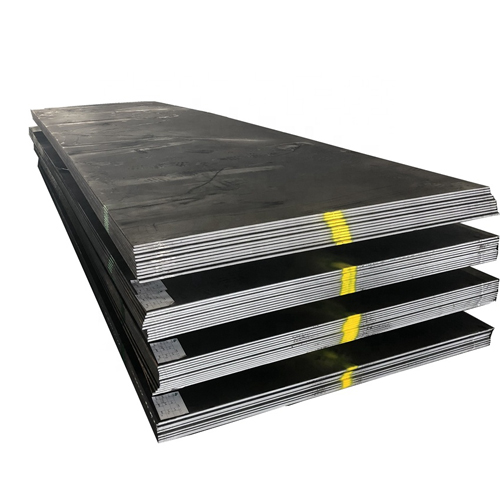
Customization of weather-resistant boards for landscape is an important means to achieve unique landscape effects. Through processes such as communicating with customers' needs, formulating design plans, customizing weather-resistant boards, and post-maintenance, we can achieve customized effects that meet the needs of different projects. In landscape design, weather-resistant boards are used in a wide range of applications, such as flower bed borders, path guides and guardrail materials. By customizing weather-resistant boards, you can provide more personalized and beautiful designs for scenic spots.
Customized weather-resistant boards for landscape
Landscape design is a comprehensive discipline that plays an important role in modern urban design. Weather-resistant board for landscape is a new type of material. It is deeply loved by designers and owners because of its non-toxic, odorless, anti-corrosion, waterproof, moisture-proof, fire-proof, and strong weather resistance. This article will introduce in detail the customization of weather-resistant boards for landscape use and their application in landscape design.
Weather-resistant board for landscape is a new type of building material. Due to its advantages of strong durability, environmental protection and beauty, it is widely used in urban parks, squares, villas, hotels, shopping malls, office buildings, etc. Building facades, ceilings, wall decorations, railings, fences, sculptures, etc.
Customization process
Step 1: Determine the needs
First of all, you need to clarify your needs, including size, color, shape, surface effect, etc. . These requirements will determine the materials, workmanship and costs required during the customization process.
Step 2: Select materials
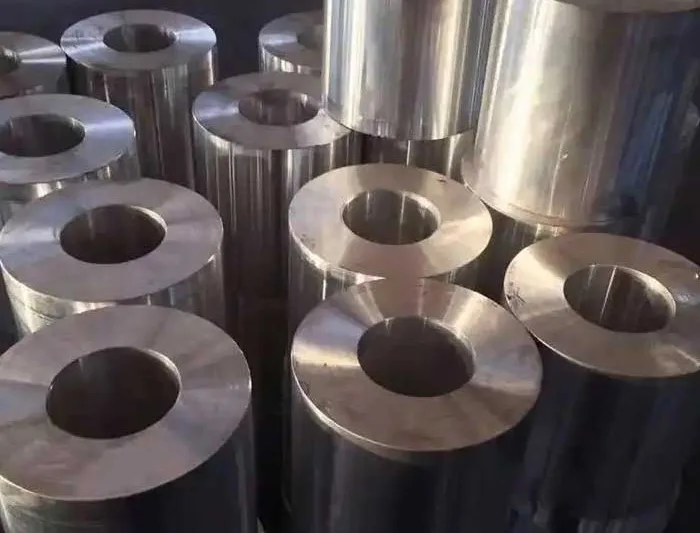
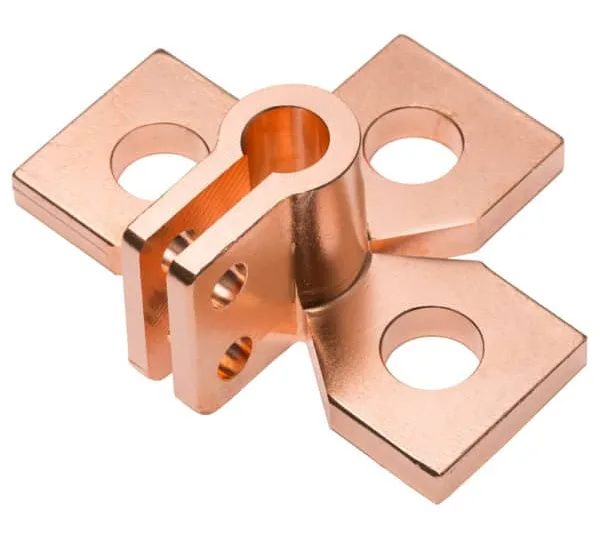
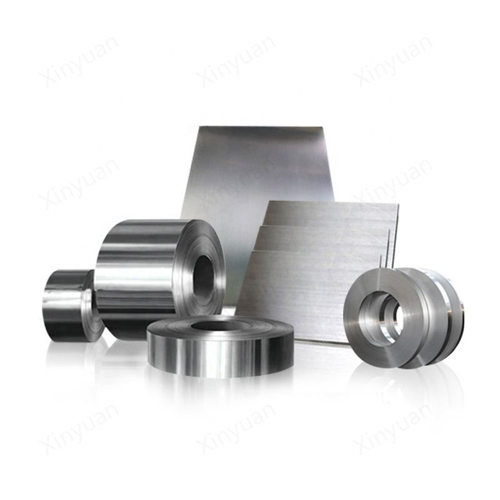
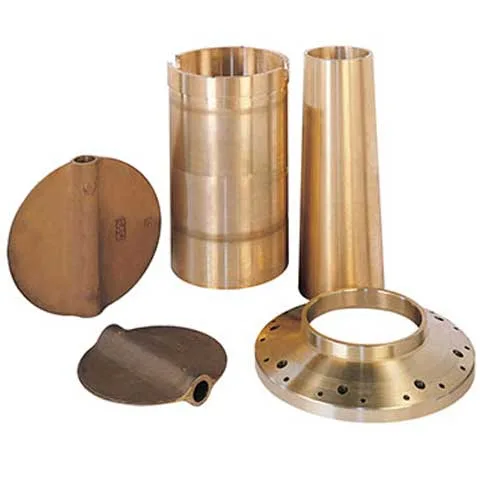
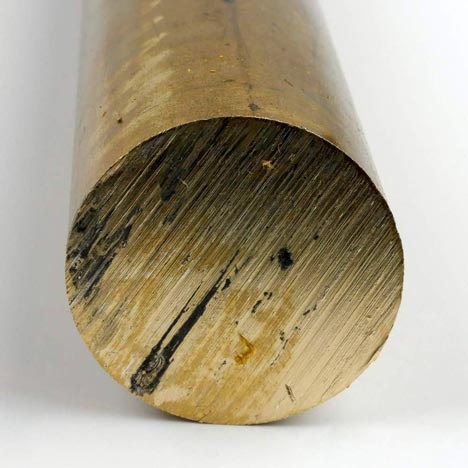
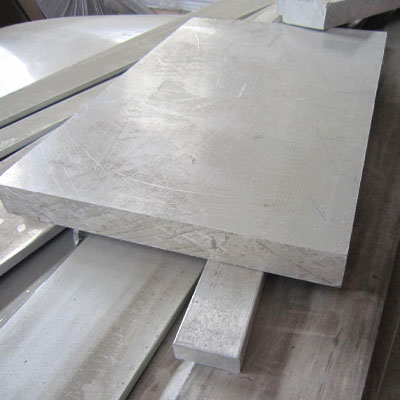
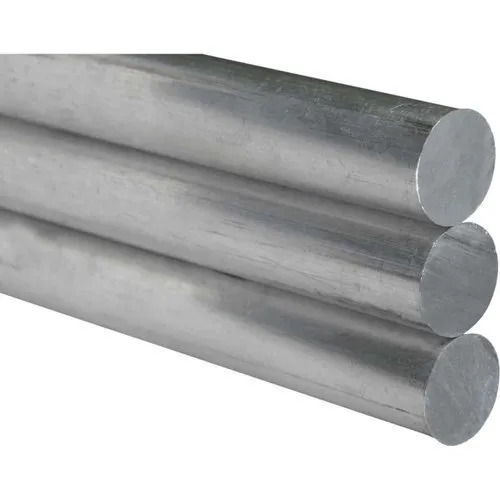
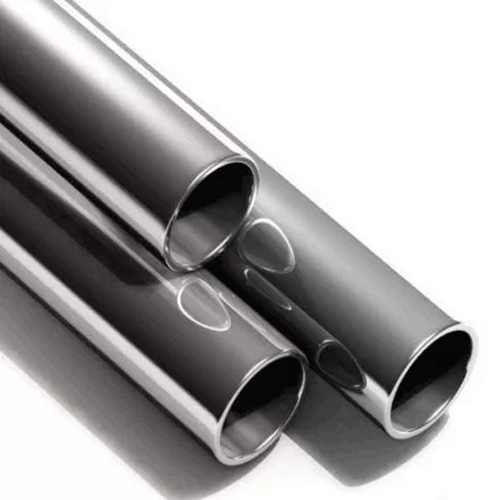
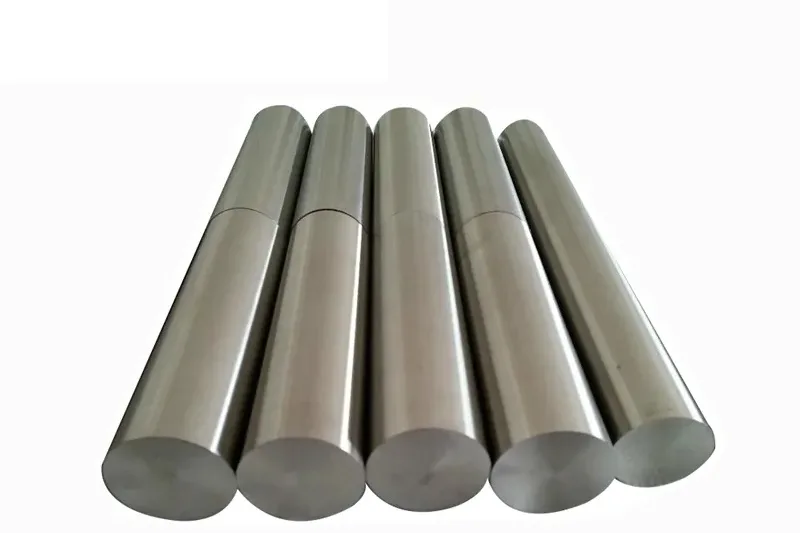
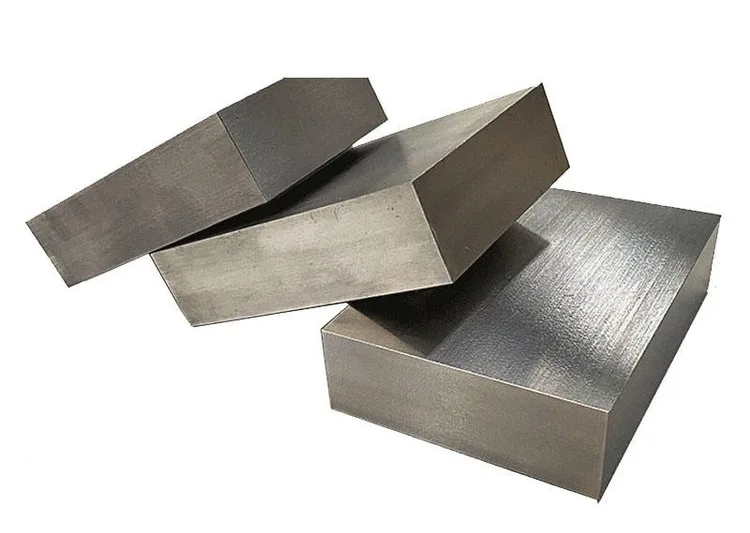
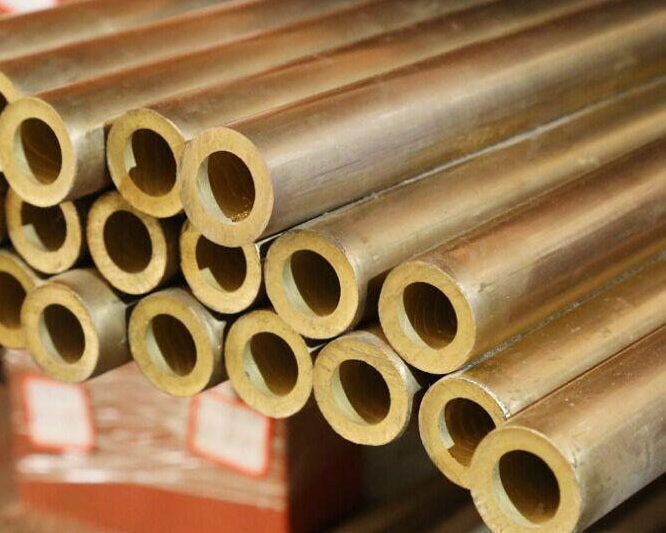
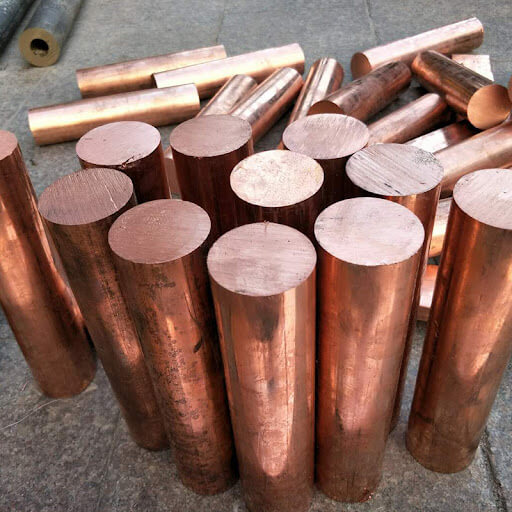
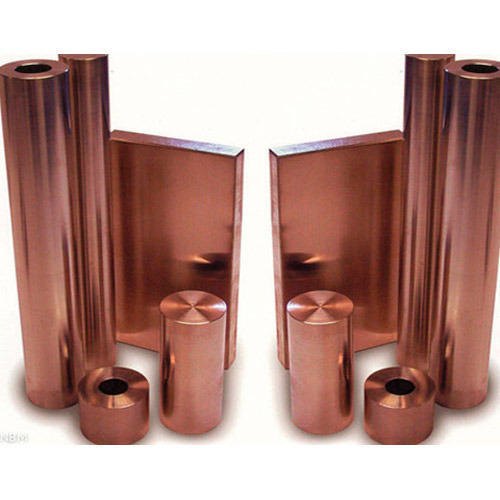
Choose the appropriate weather-resistant board material according to your needs. Different materials have different characteristics and application ranges, such as aluminum alloy, copper, stainless steel, etc.
Step 3: Design drawings
The designer will draw detailed design drawings according to your needs, including details such as size, shape, color, surface effect, etc.
Step 4: Processing and production
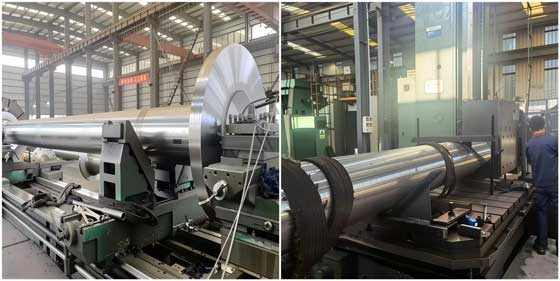
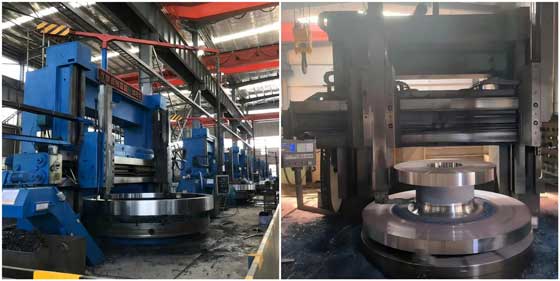
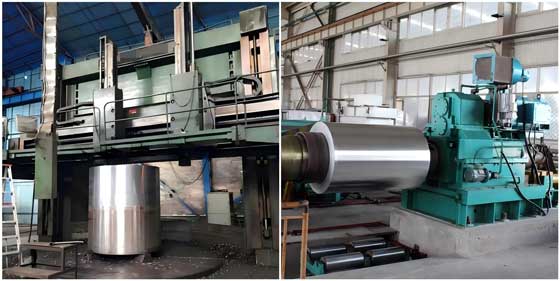
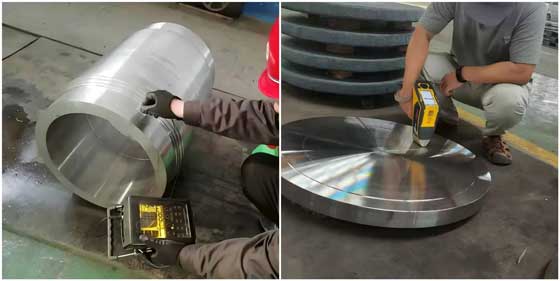
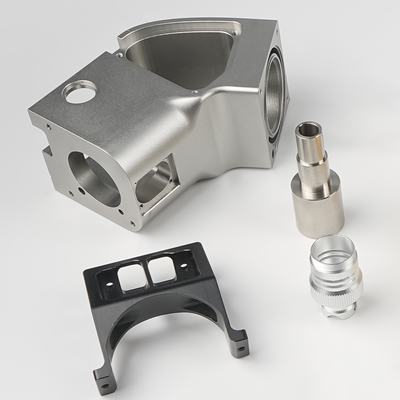
Process and produce according to the design drawings. The processing process includes cutting, bending, drilling, welding and other links, which requires high-precision equipment and technology.
Step 5: Surface treatment
According to your requirements, surface treatment is performed, including spraying, drawing, polishing, etc. These treatments enhance the material's aesthetics and durability.
Step 6: Installation and debugging
Finally, install and debug to ensure that the weather-resistant board is coordinated with the surrounding environment and achieves the desired effect.