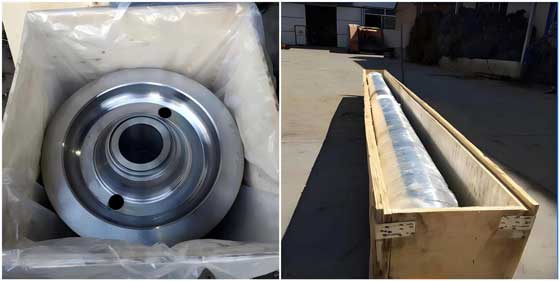
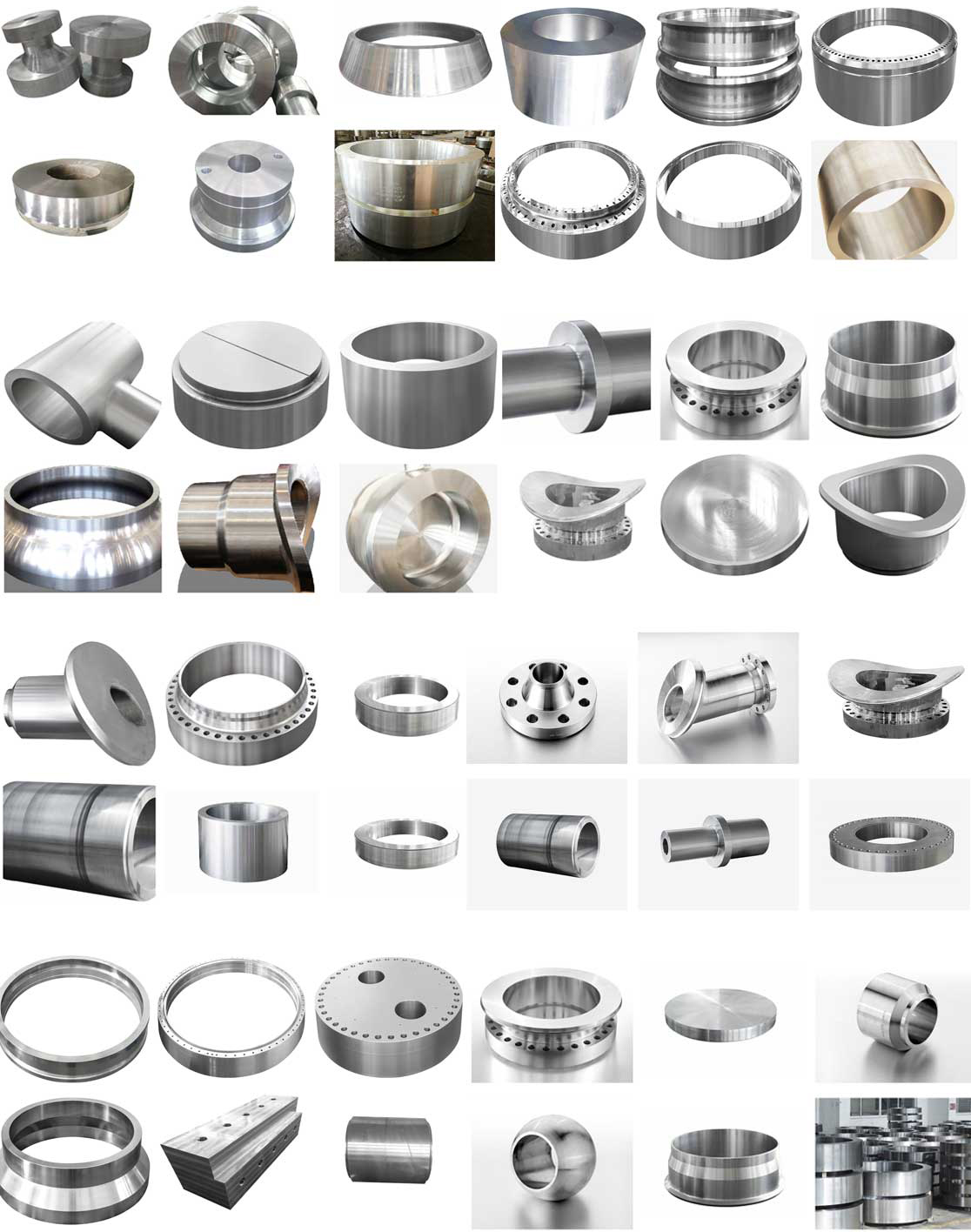
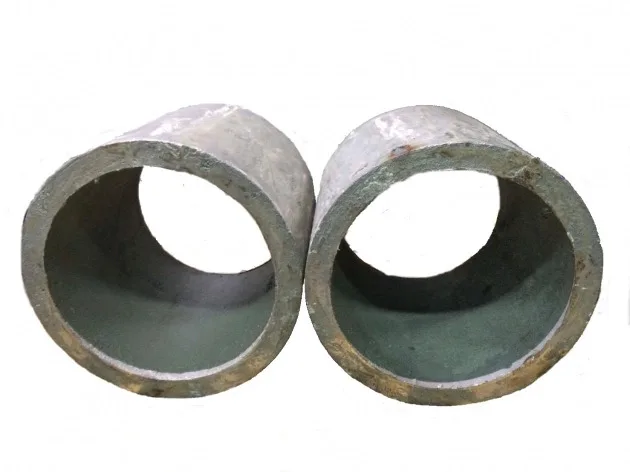
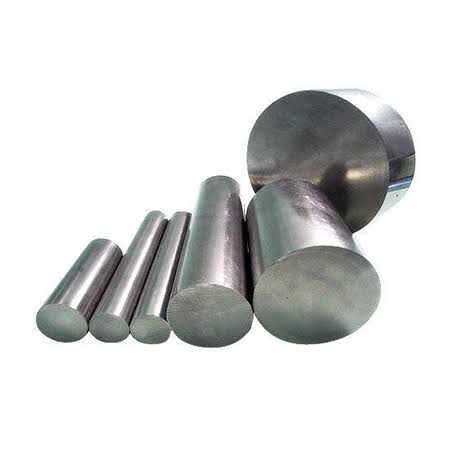
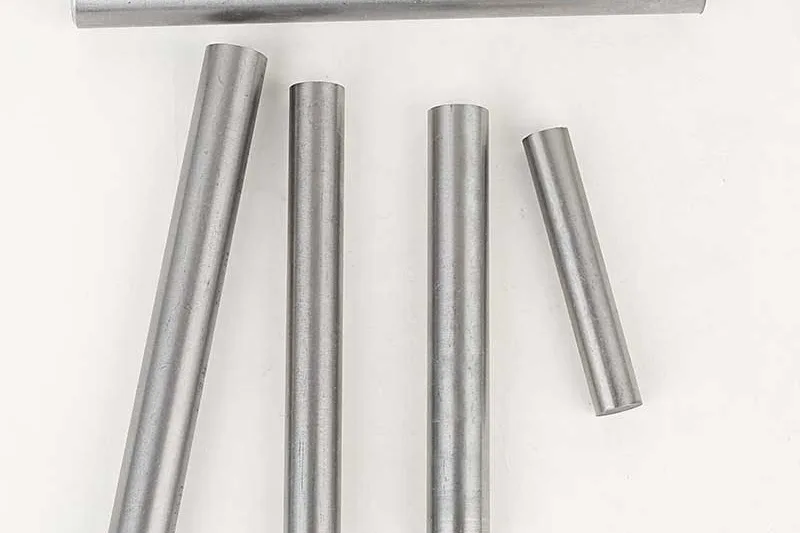
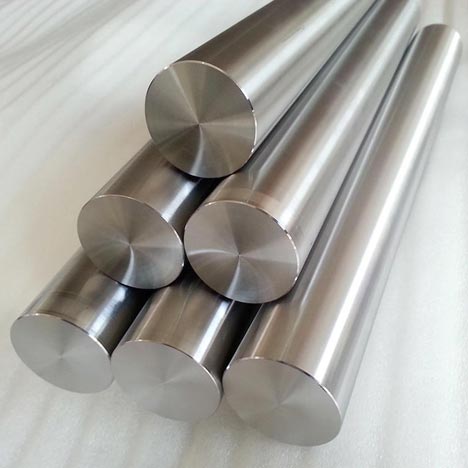
Large Forged Steel Working Cylinder
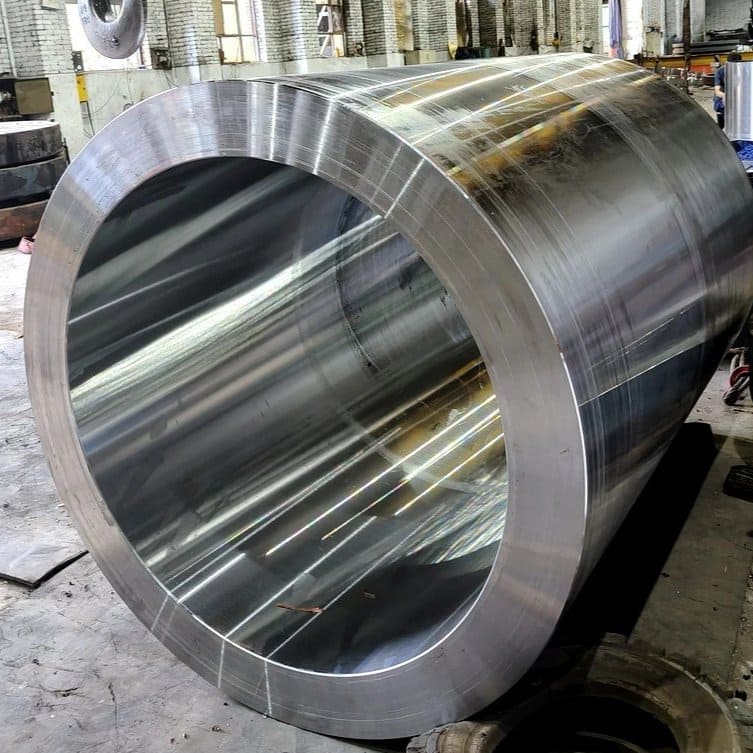
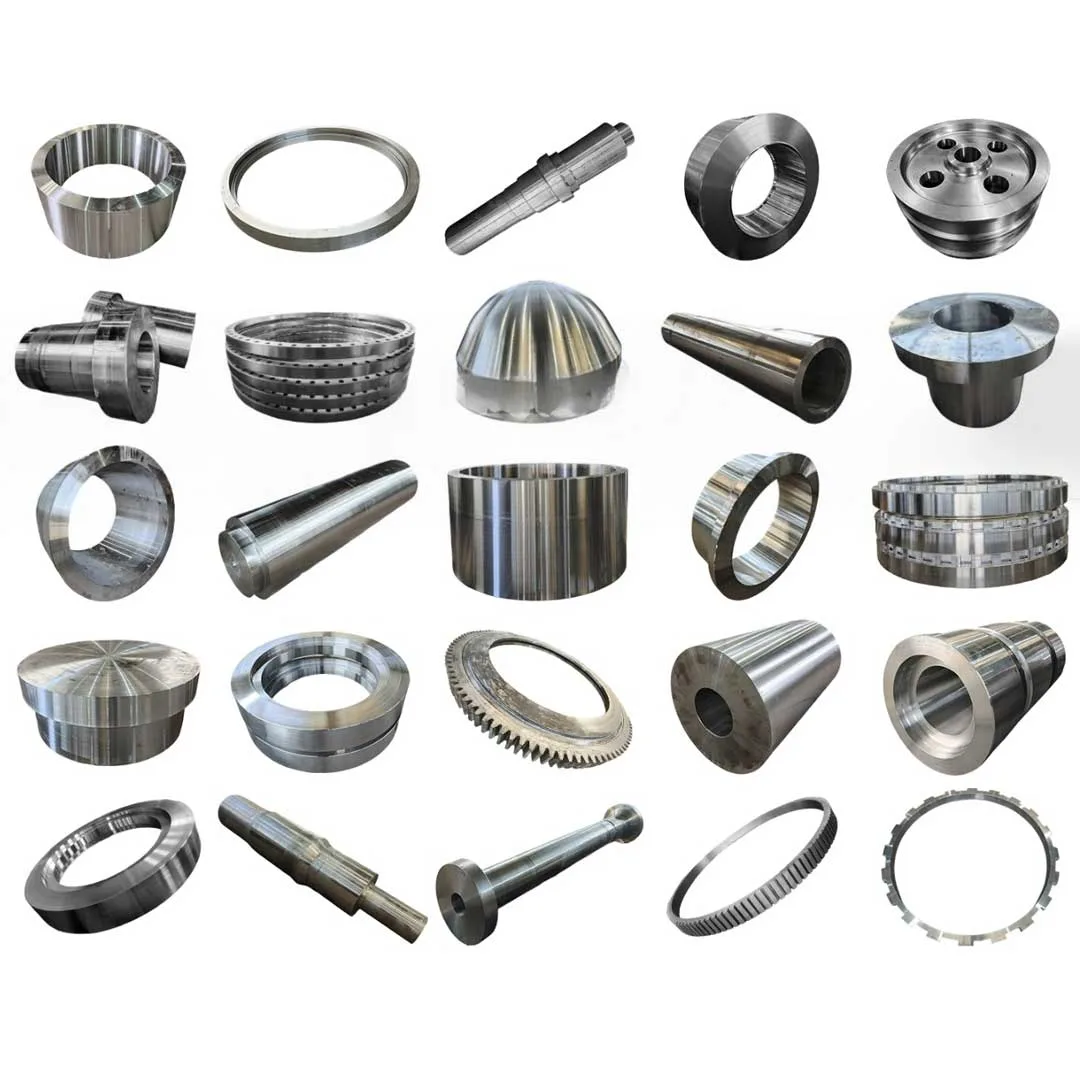
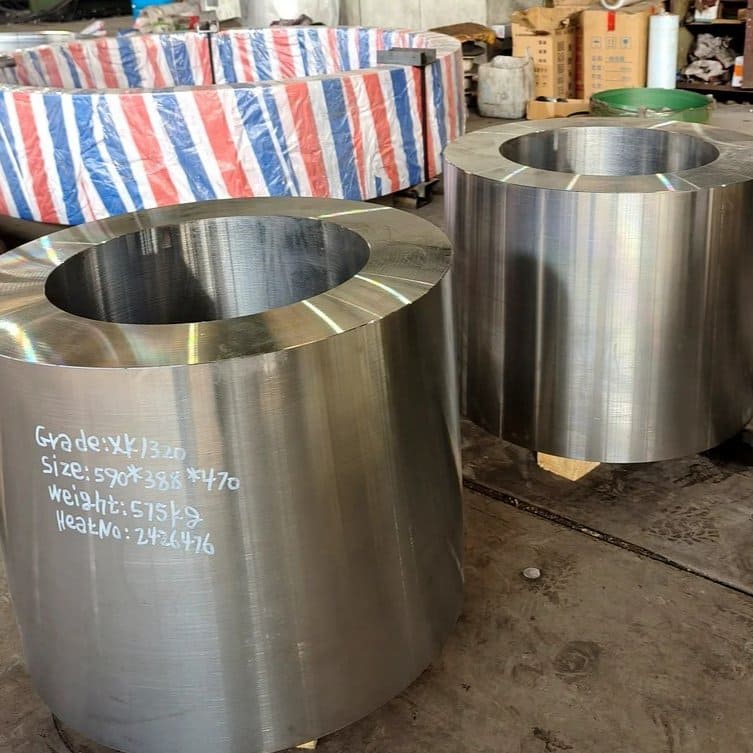
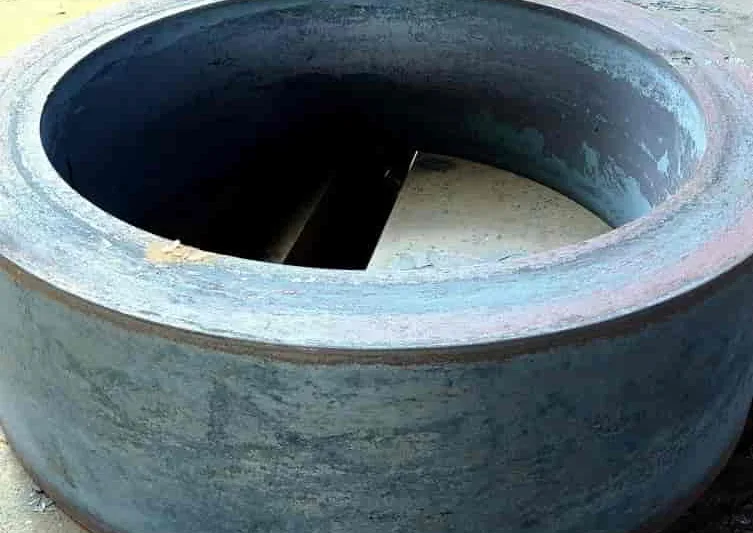
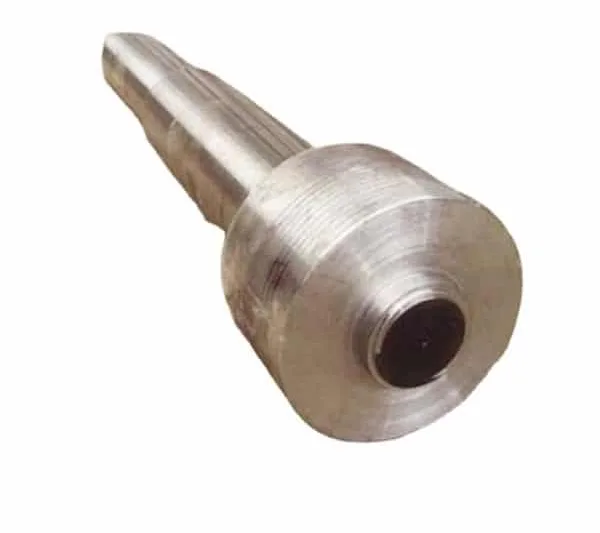
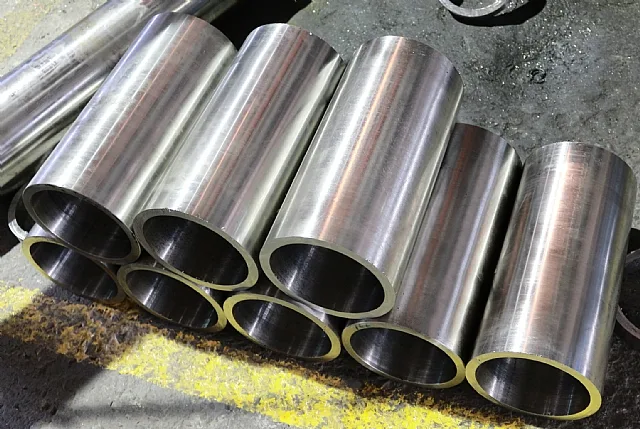
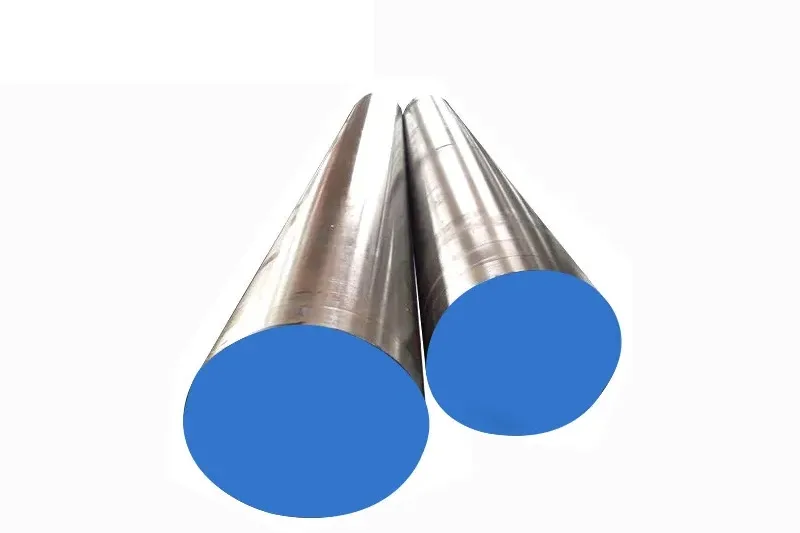
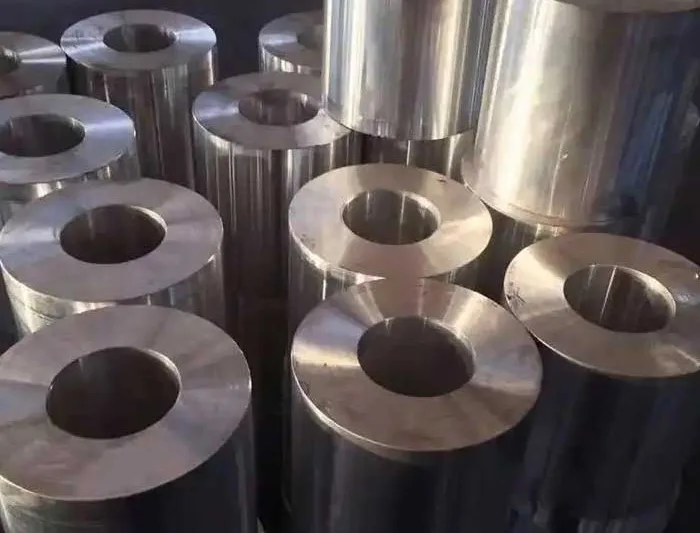
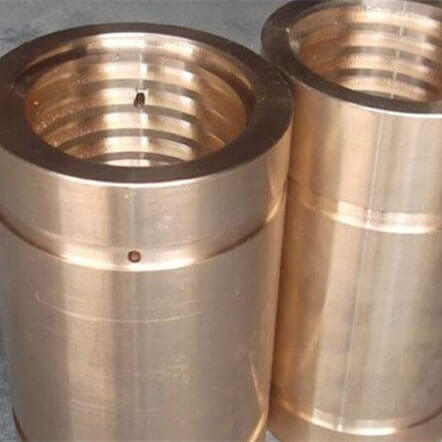
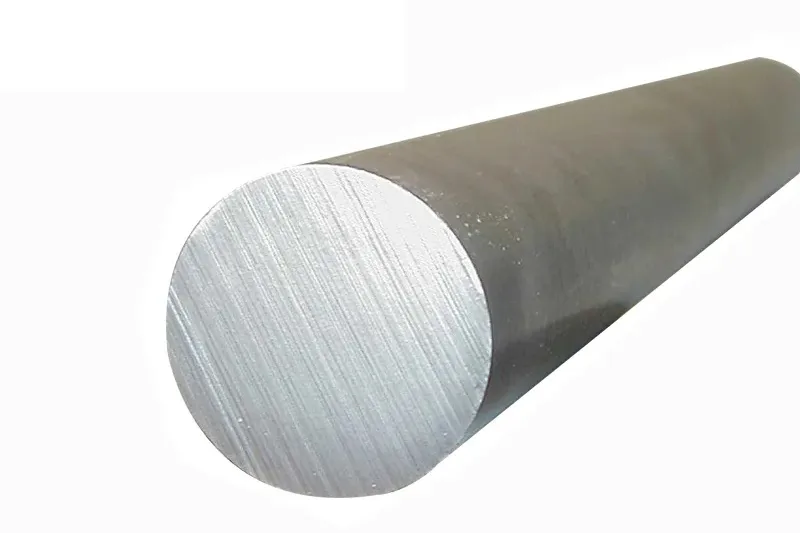
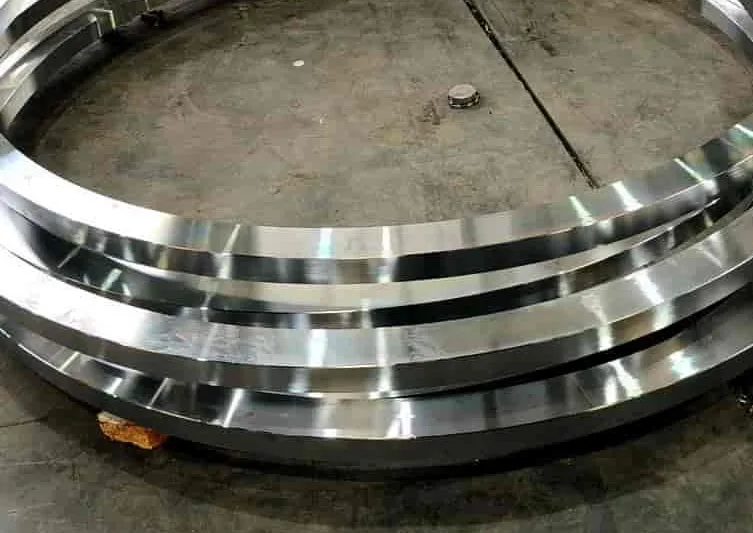
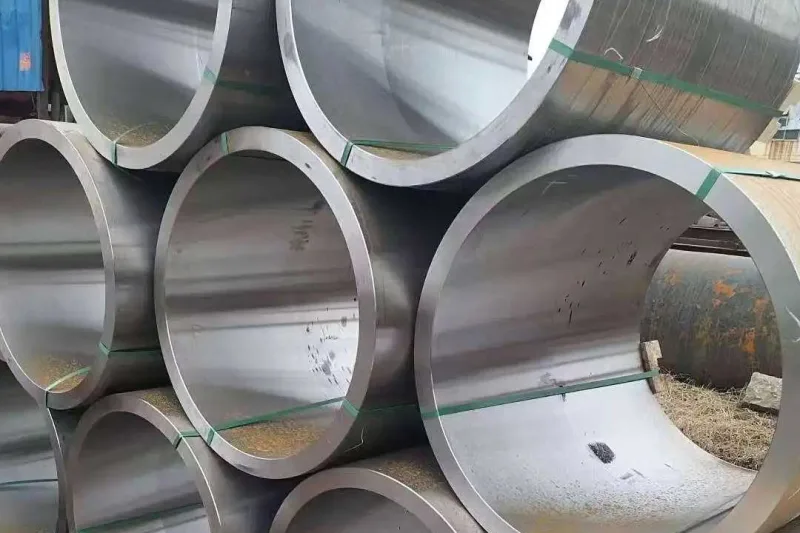
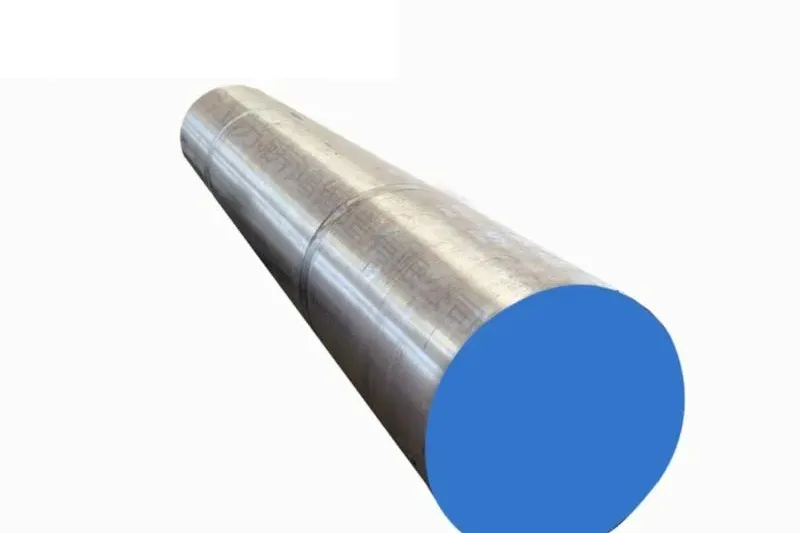
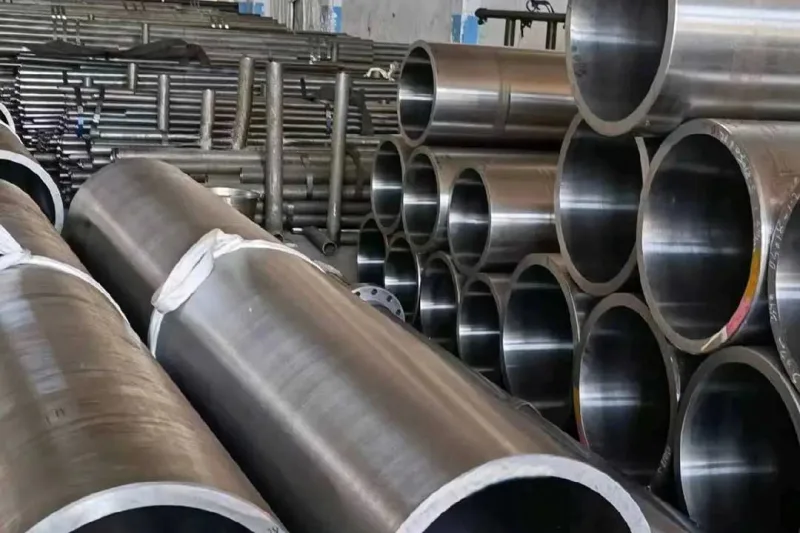
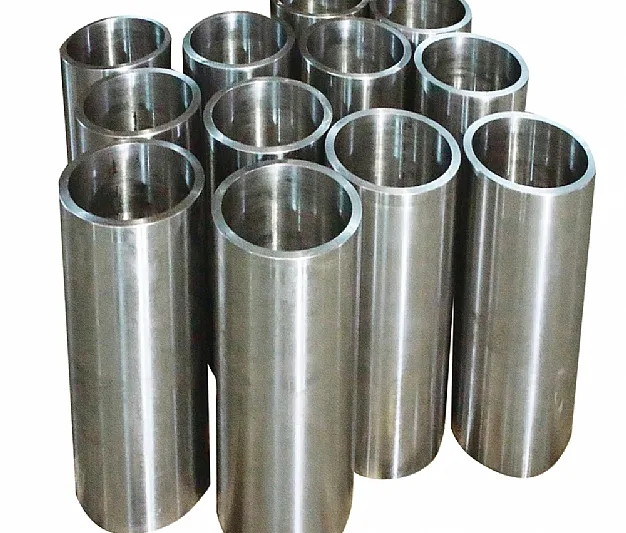
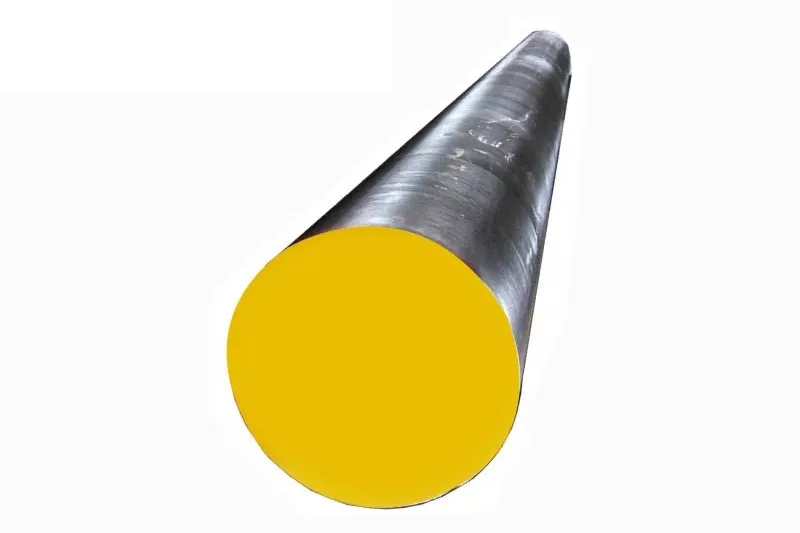
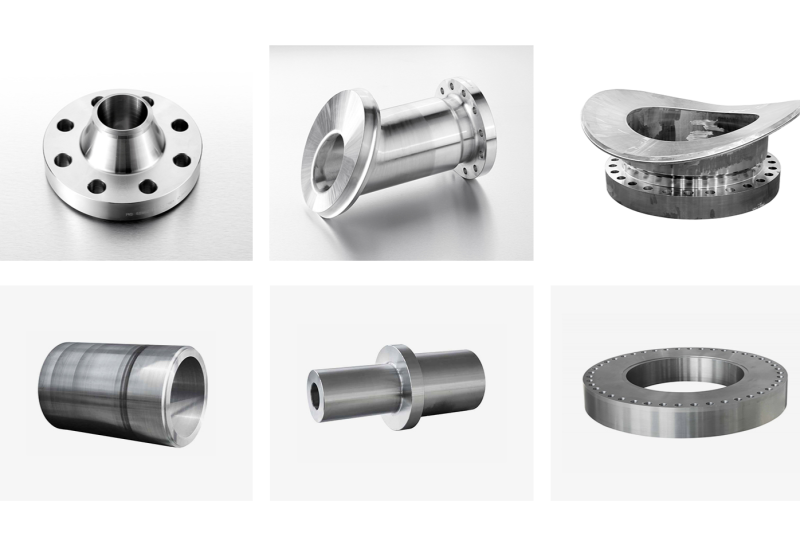
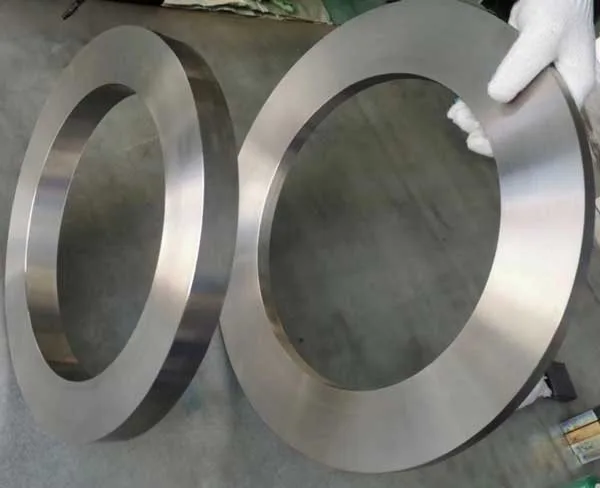
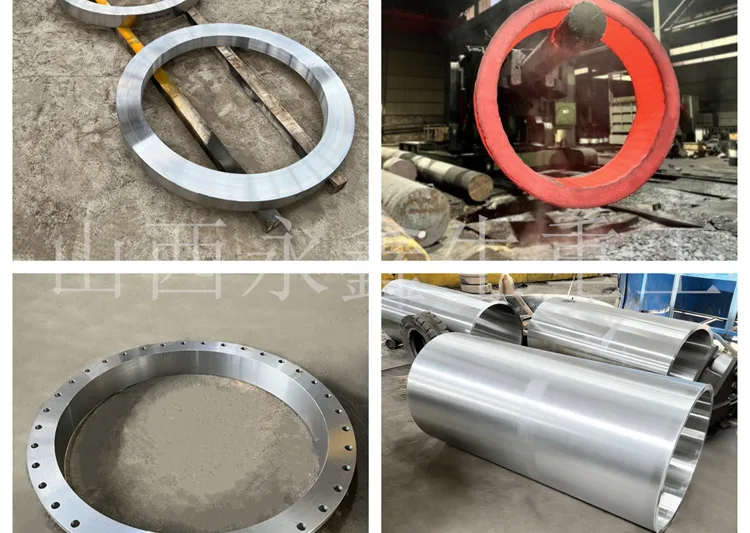
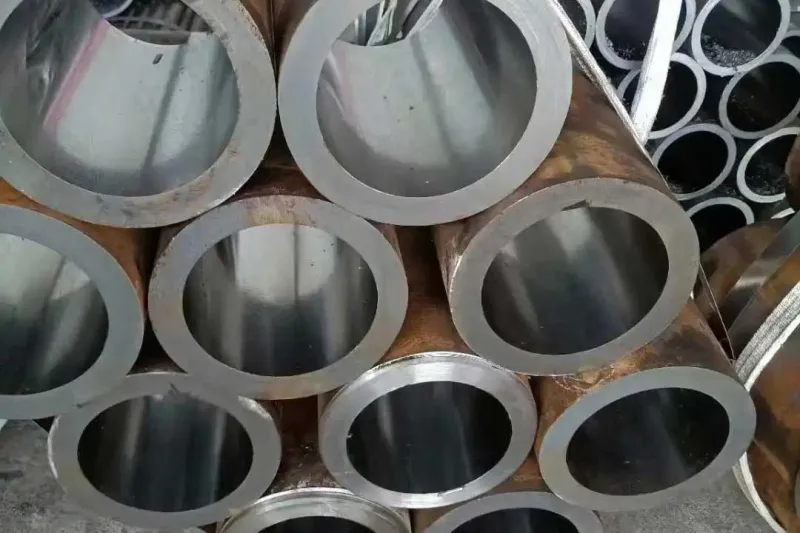
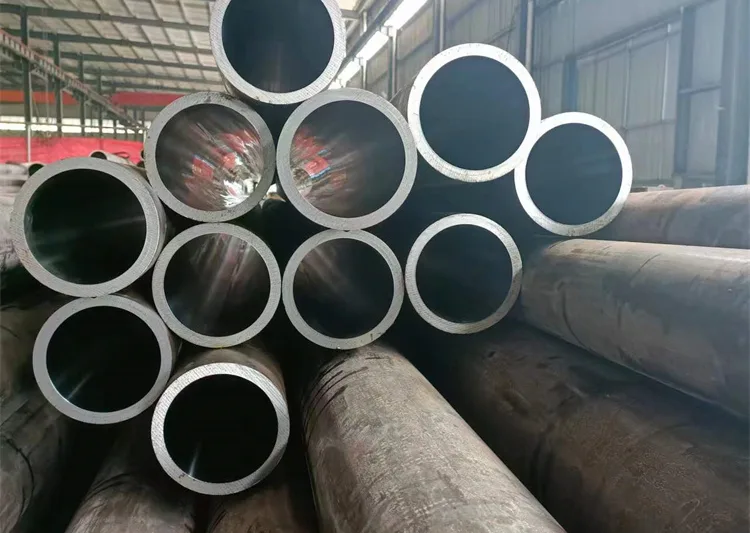
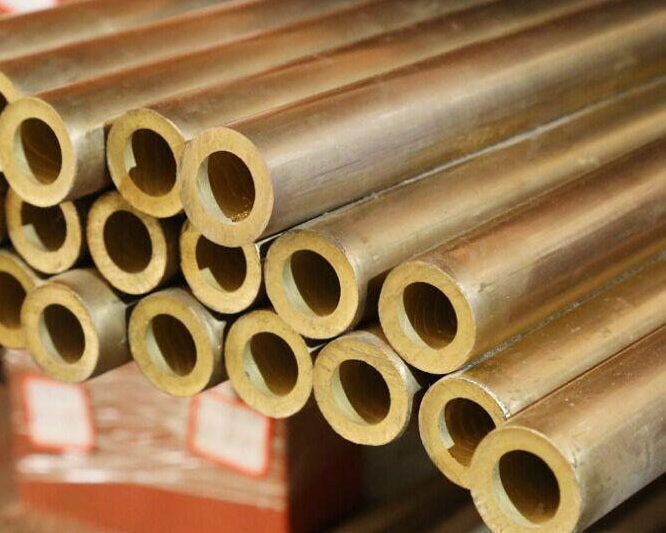
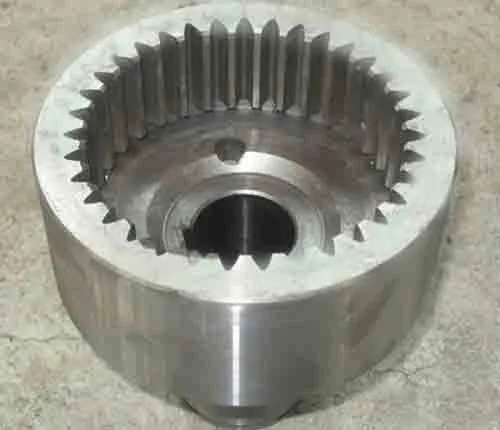
Large forged steel working cylinders serve as critical load-bearing and actuating components in heavy machinery and high-end equipment. They are widely used in applications that demand extremely high levels of strength, toughness, and reliability, such as hydraulic presses, forging presses, large-scale extrusion equipment, and safety systems in nuclear power plants. Their core value lies in the production of a cylindrical pressure-bearing shell with a dense structure, uniform grain size, and no internal defects through an integral forging process, thereby ensuring long-term stable operation under extreme loads and complex operating conditions.
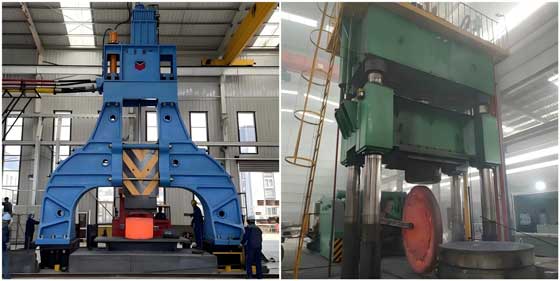
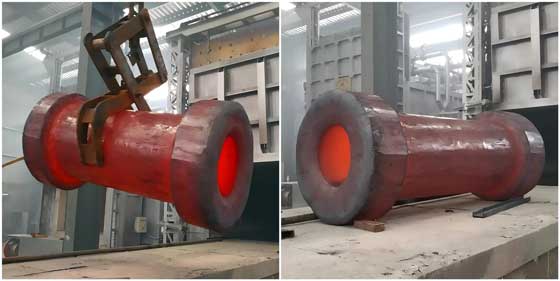
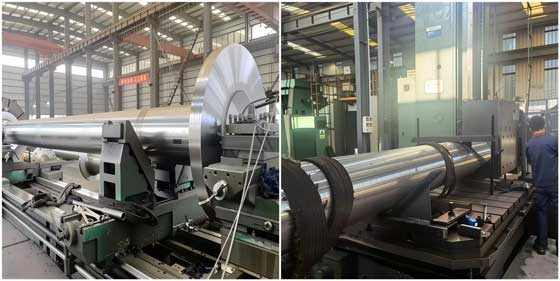
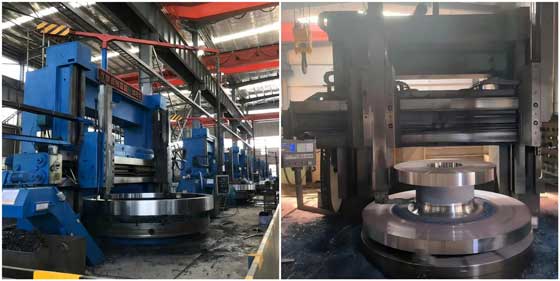
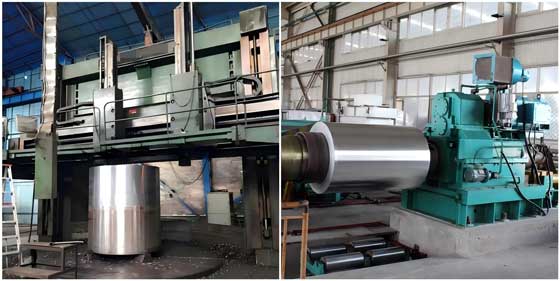
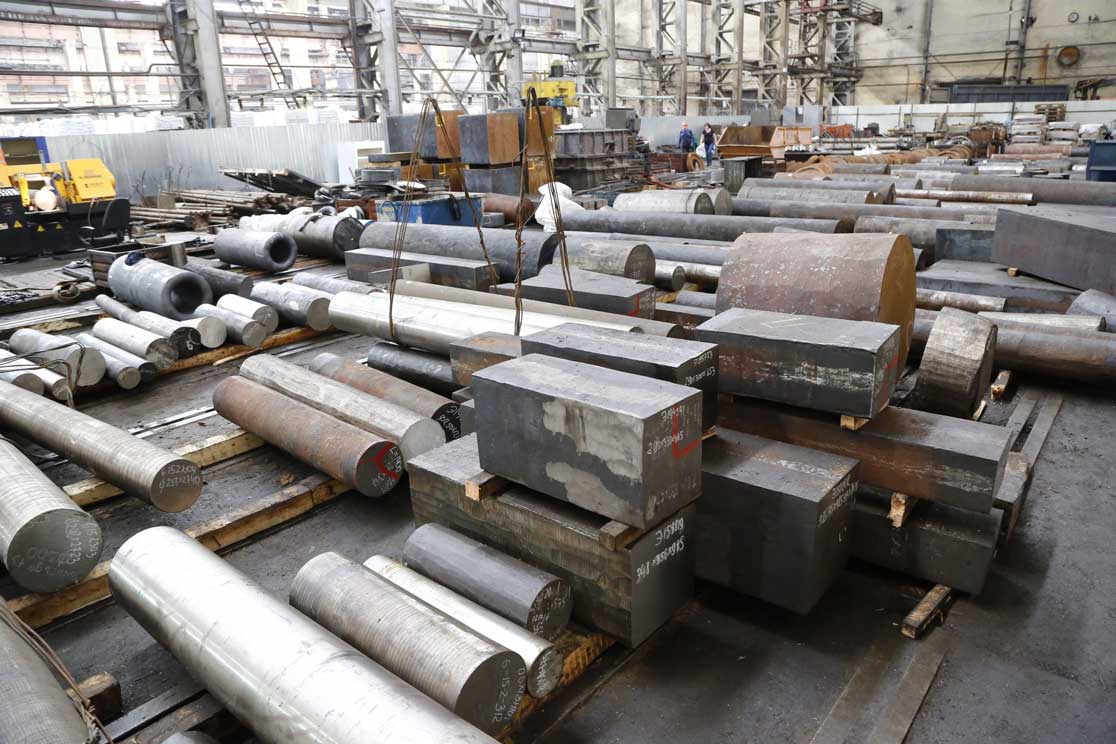
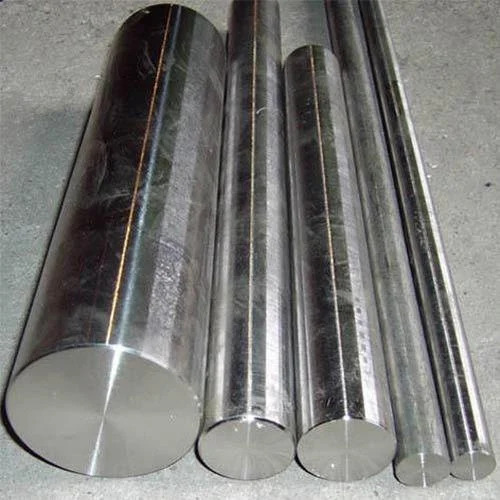
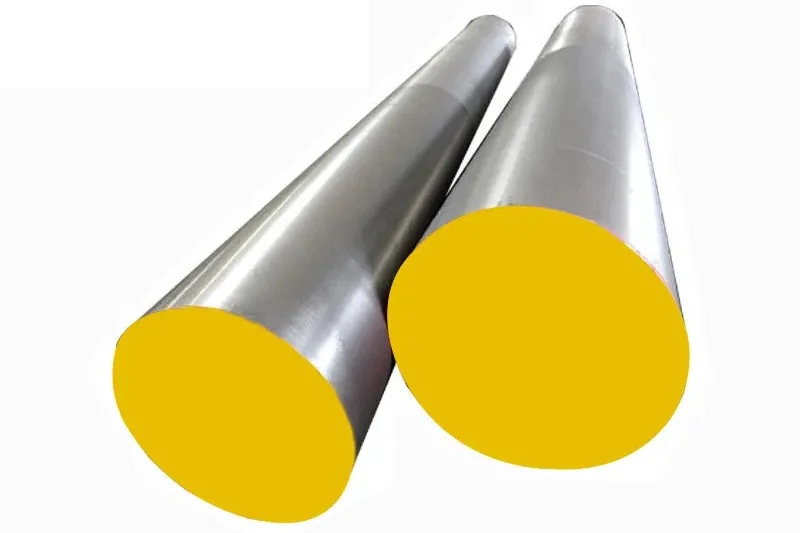
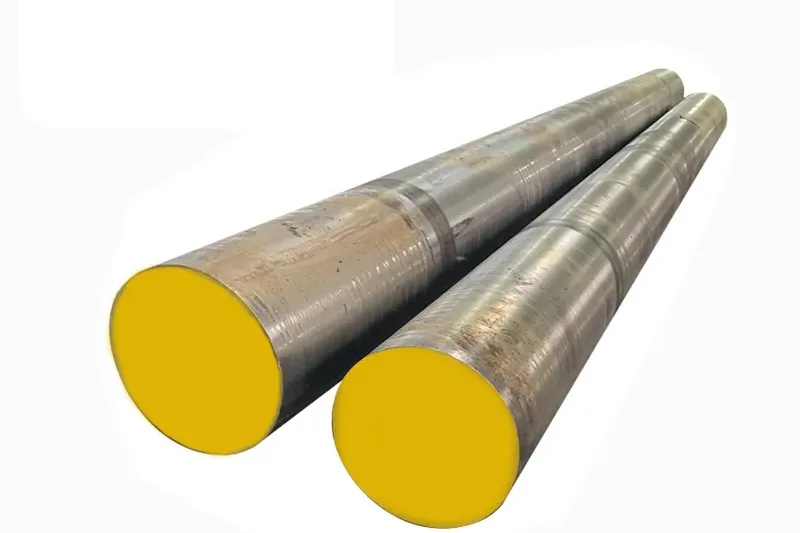
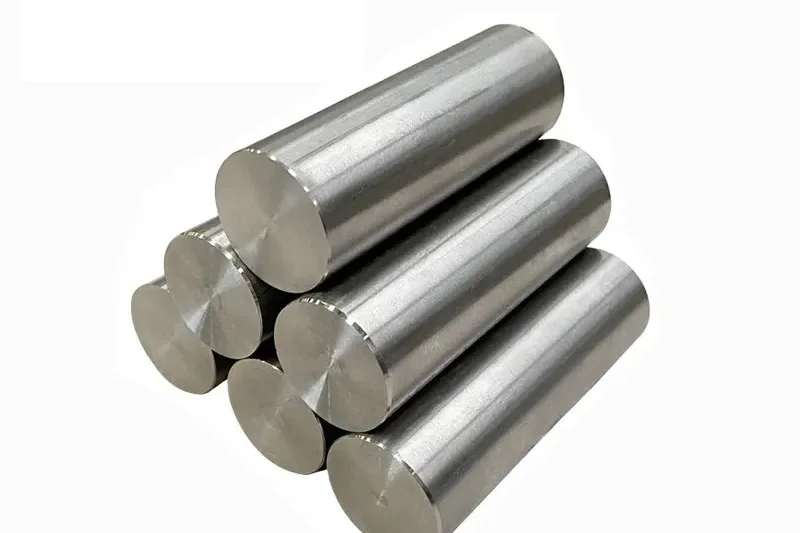
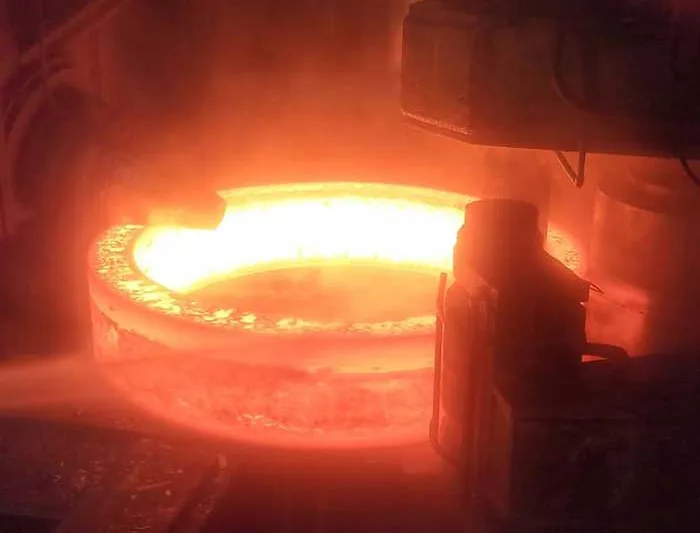
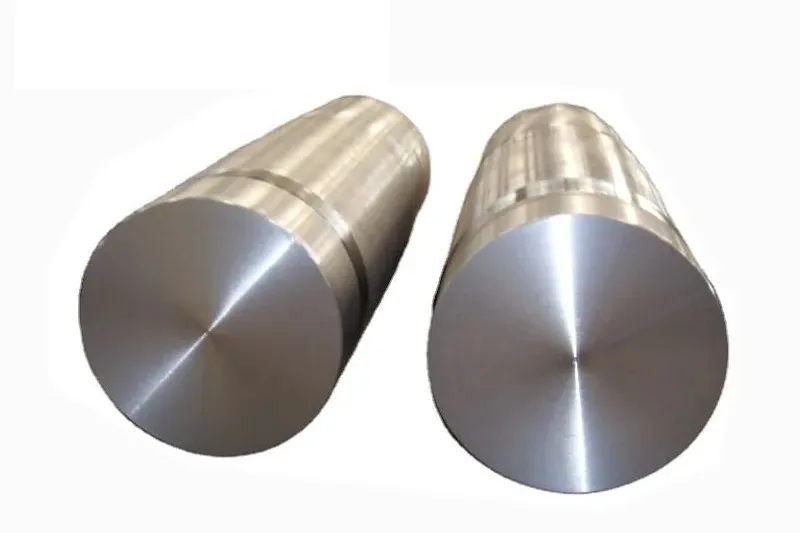
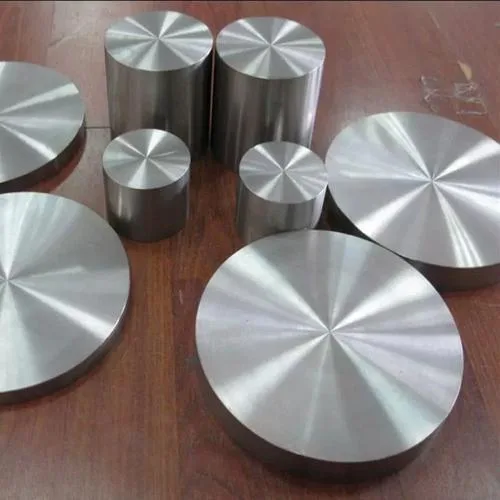
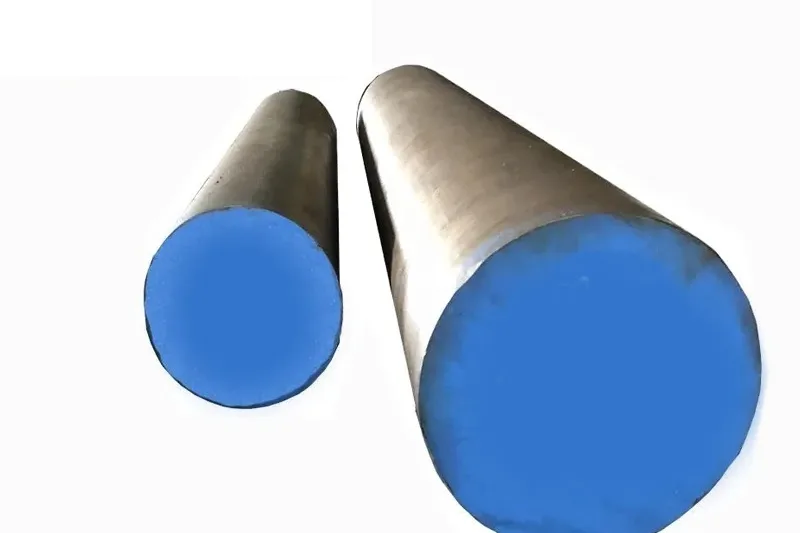
These working cylinders are typically manufactured from high-quality alloy structural steels (such as 35CrMo, 42CrMo, or ASTM A182 F22) and are produced through multiple processes including heating, multi-directional upsetting, punching, reaming, and precision machining. Compared to cast or welded structures, integral forging significantly enhances the material’s tensile strength, impact toughness, and fatigue life, and is particularly effective in suppressing microcrack propagation and stress concentration under high-pressure conditions. Typical specifications include diameters exceeding 2 meters and heights exceeding 5 meters, with individual pieces often weighing over 100 tons, placing stringent demands on forging equipment capacity, heat treatment process control, and non-destructive testing standards.
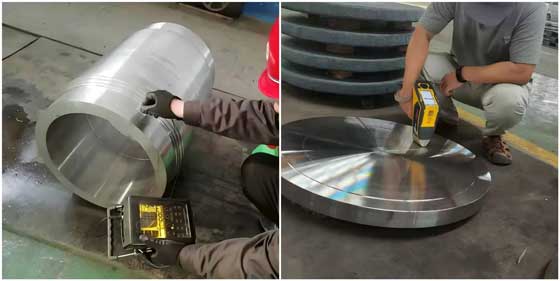
In practical applications, large forged steel working cylinders not only serve the functions of high-pressure sealing and guiding of hydraulic media, but also act as the main load-bearing frame of the entire machine structure, directly participating in the transmission and distribution of force. For example, in a 10,000-ton-class free forging press, it needs to withstand instantaneous peak pressures exceeding gigapascals, while simultaneously ensuring thermal deformation coordination and long-term dimensional stability; in safety-grade hydraulic actuators used in nuclear islands, it must meet ASME Class III quality specifications and 60-year design life requirements. Therefore, from material chemical composition control, forging ratio setting, and optimization of normalizing and tempering processes, to ultrasonic flaw detection, magnetic particle testing, and internal surface mirror polishing, every step must strictly adhere to industry standards and customized technical agreements.
With the accelerated pace of self-sufficiency in high-end manufacturing and major equipment, domestically produced large forged steel working cylinders have gradually broken through foreign technological monopolies and achieved mass application in clean energy equipment, aerospace large component forming, and deep-sea engineering. Future development trends will focus on intelligent forging process monitoring, gradient performance structural design, and green heat treatment process upgrades aimed at low carbon goals, continuously strengthening the technological barriers and strategic support capabilities of this key basic component.