Introduction to nm500 wear-resistant plate
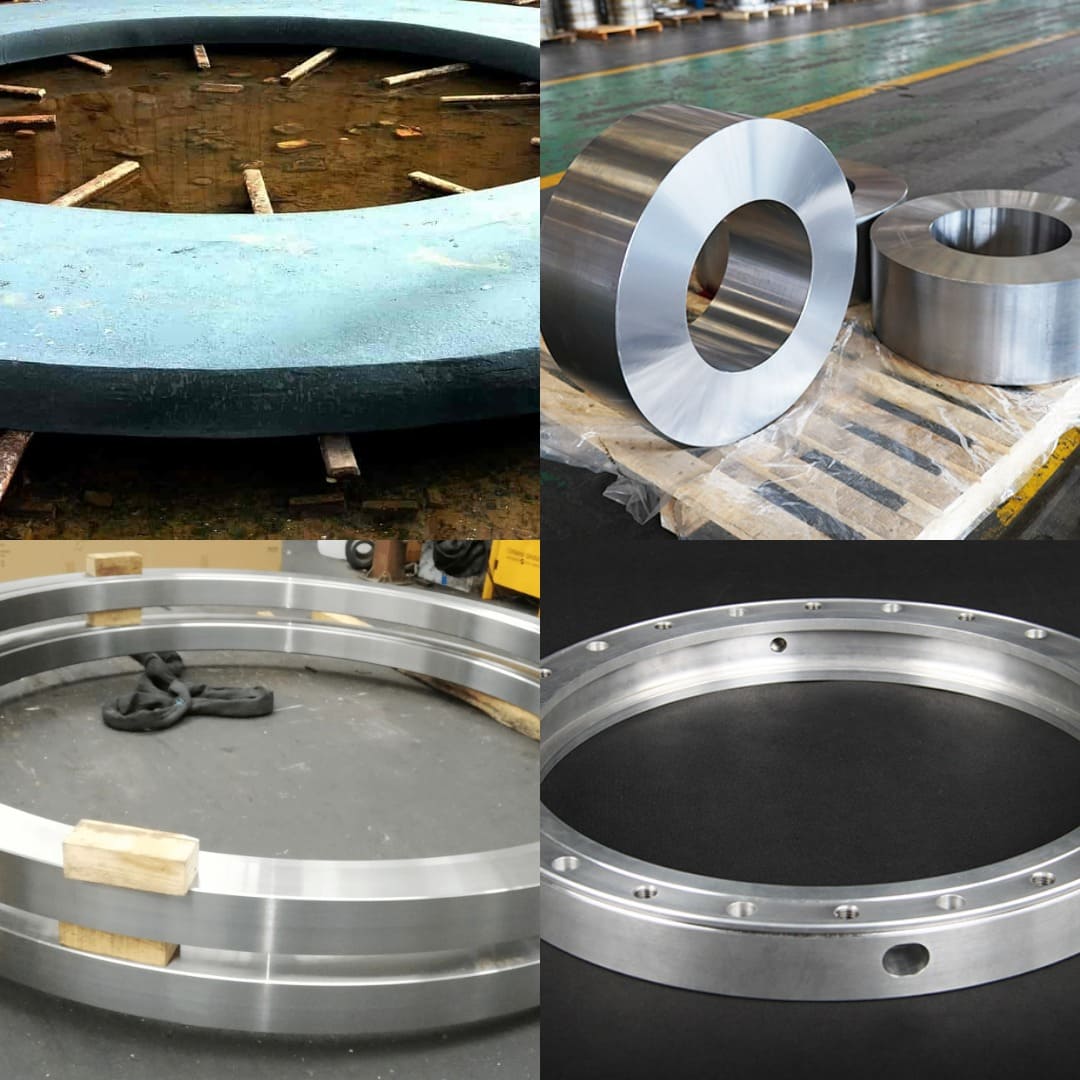
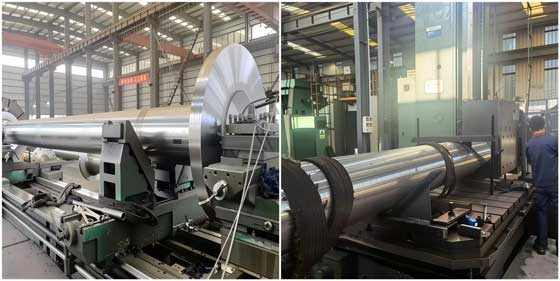
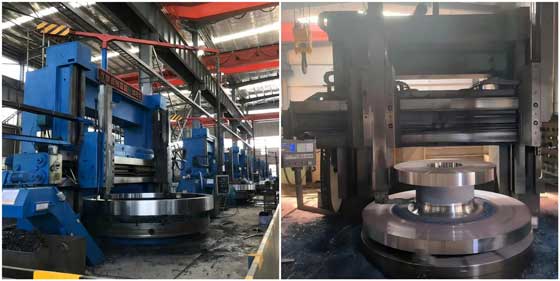
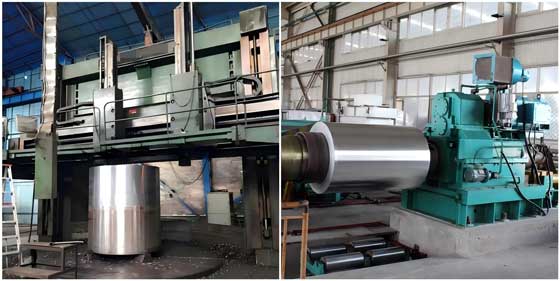
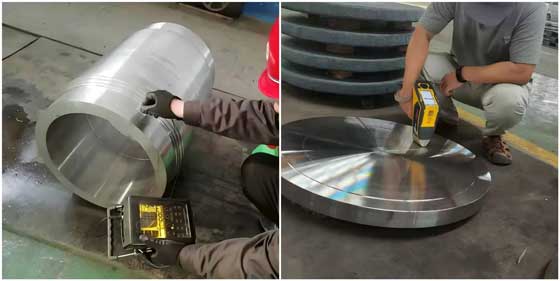
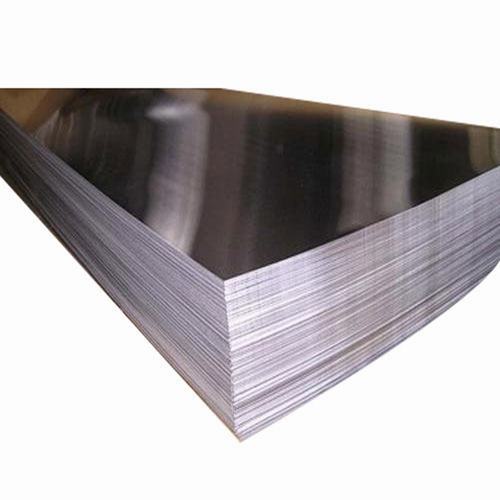
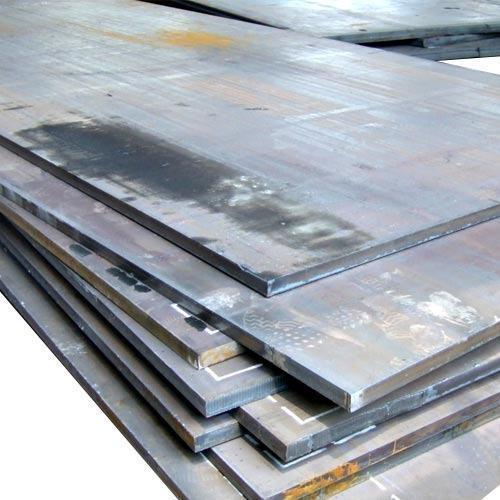
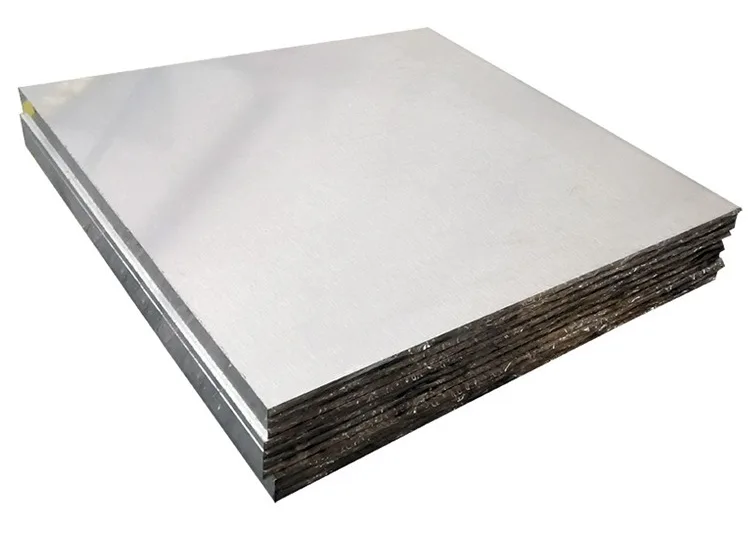
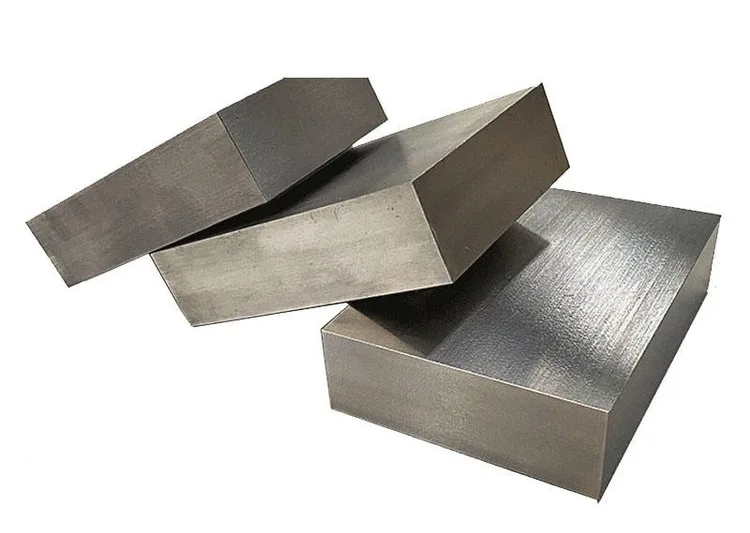
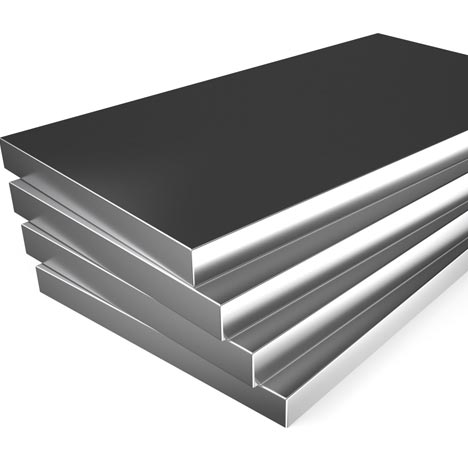
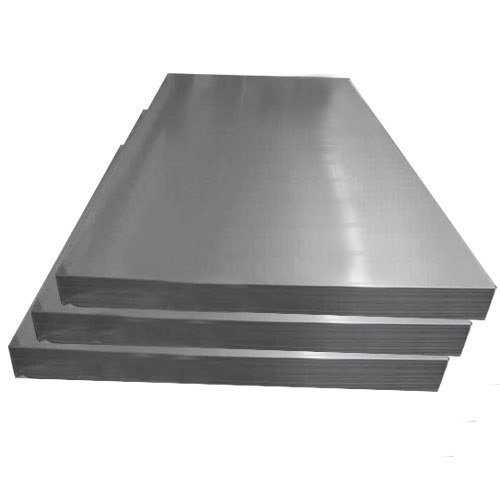
nm500 wear-resistant plate is a high-strength wear-resistant steel plate that is commonly used in industrial situations that require wear resistance. nm500 wear-resistant plate processing refers to cutting, forming, welding and surface treatment of this material to meet specific use requirements.
Nm500 wear-resistant plate has excellent wear resistance and high strength properties. It is made of steel plate treated with a special process. It has high hardness and wear resistance, and can effectively resist wear and scratches. In addition, nm500 wear-resistant plate also has good impact toughness and weldability, making it widely used in industrial fields.
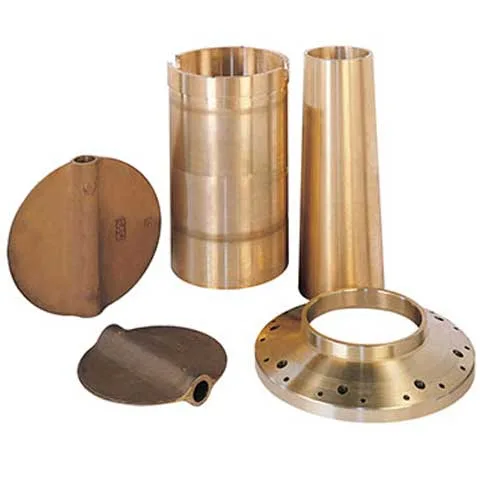
Nm500 wear-resistant plate processing is essential to fully realize its performance and functionality. Through processing, nm500 wear-resistant plates can be customized into shapes and sizes suitable for specific projects and equipment to ensure that they fully meet the requirements of use. In addition, proper processing can also improve the surface quality and corrosion resistance of nm500 wear-resistant plate and extend its service life.
Nm500 wear-resistant plate processing
Cutting and forming is one of the common methods for processing nm500 wear-resistant plate. This can be achieved by mechanical cutting, flame cutting, plasma cutting or laser cutting. Depending on the specific needs and material thickness, select the appropriate cutting process and tools to ensure that the cut edges are flat, crack-free, and meet the required size and shape requirements.
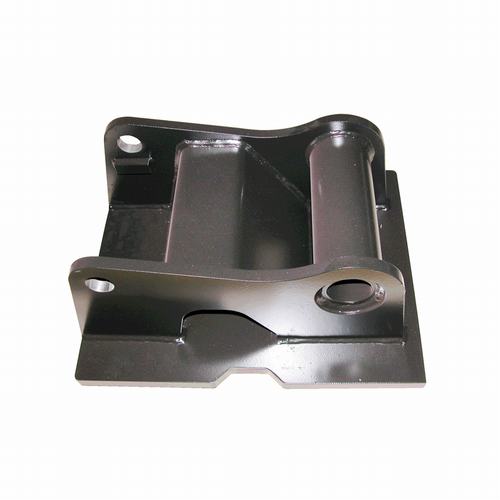
For applications that require nm500 wear-resistant plates to be joined together, welding and joining are essential processing methods. Commonly used welding methods include arc welding, gas shielded welding, friction welding, etc. During the welding process, appropriate welding materials and welding parameters need to be selected to ensure the strength and sealing of the weld.
The surface treatment of nm500 wear-resistant plate can provide additional protection and improve its performance. Common surface treatment methods include spraying, galvanizing, sandblasting and grinding. These methods can increase the corrosion resistance, wear resistance and aesthetics of nm500 wear-resistant plate.
When processing nm500 wear-resistant plates, the following factors need to be considered:
The thickness of the material will affect the selection of processing methods and determination of parameters. Thicker nm500 wear plates may require more powerful cutting equipment and higher welding power.
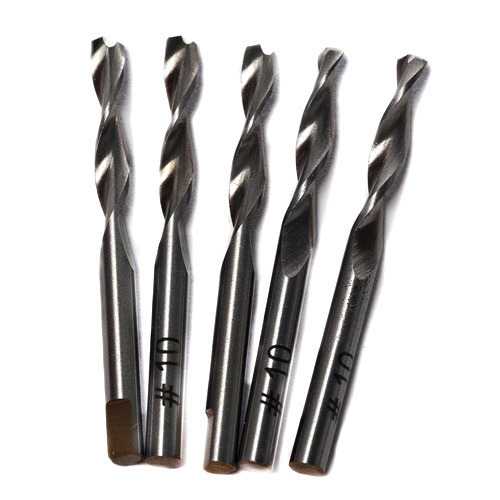
Choose appropriate cutting tools and techniques based on the hardness and thickness of the material. For nm500 wear-resistant plates, carbide cutting tools and high-speed cutting technology are usually used.
Choose appropriate welding methods and welding parameters to ensure the strength and quality of welded joints. The welding of nm500 wear-resistant plate requires attention to preheating and post-heat treatment to avoid cracks and deformation.
Choose the appropriate surface treatment method based on specific needs. For example, if you need to increase corrosion resistance, you can choose galvanizing or spray anti-corrosion.