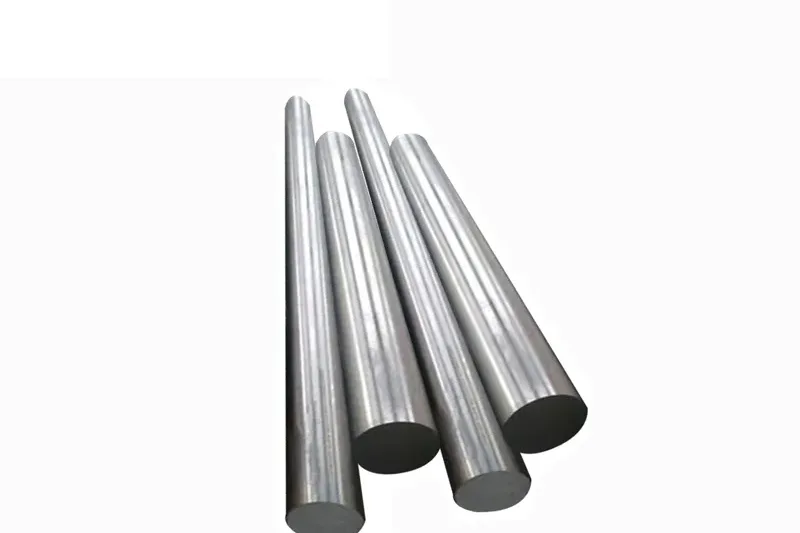
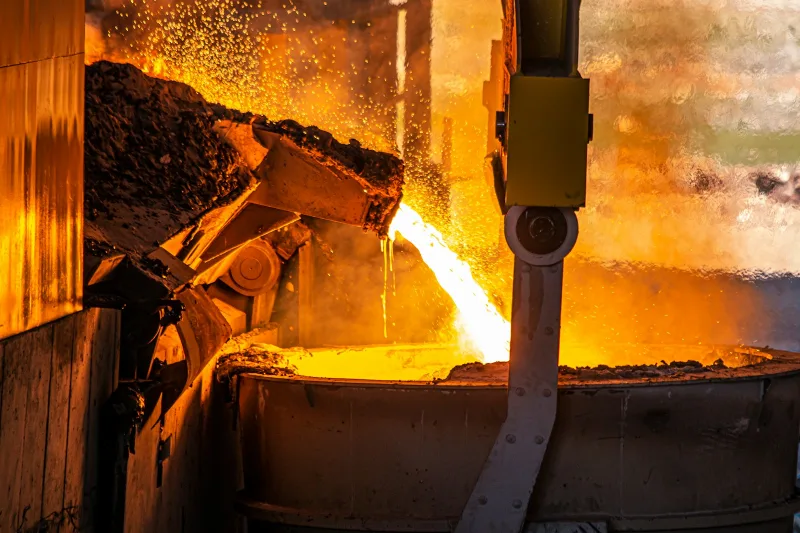
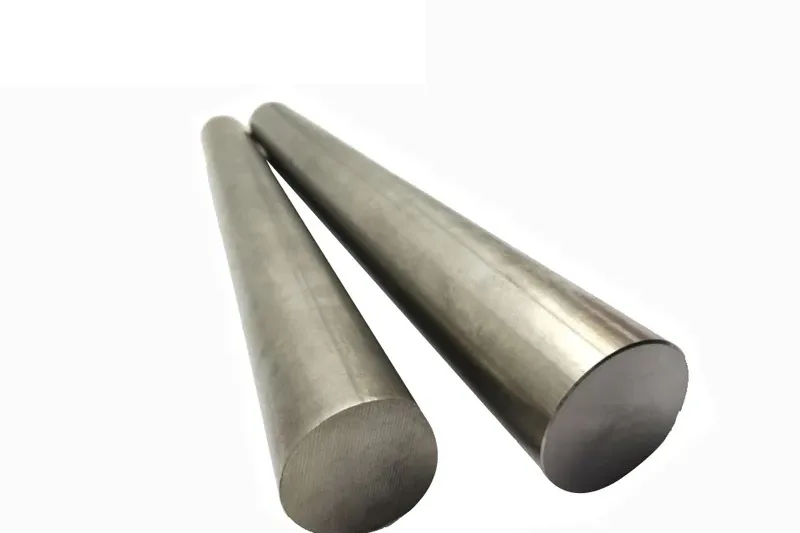
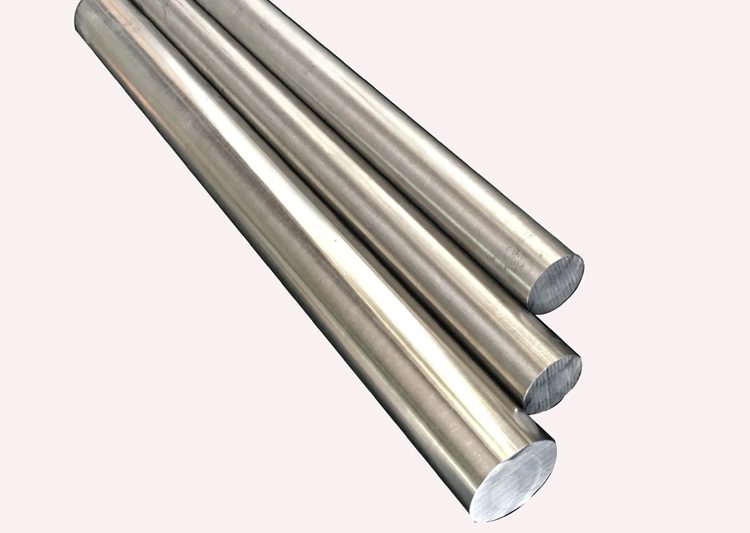
Q345 steel plate processing process
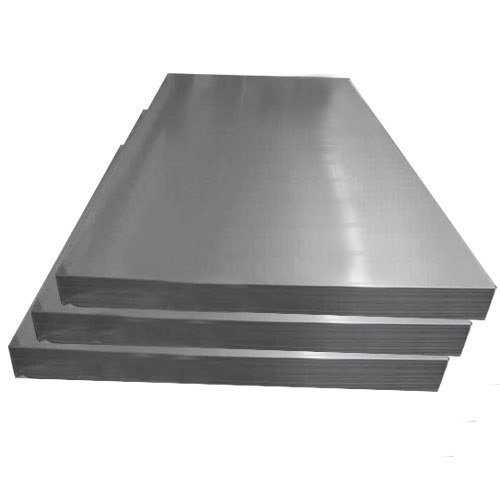
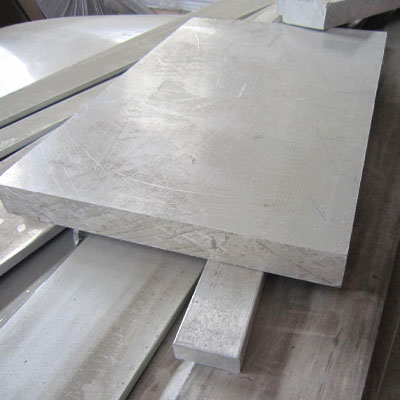
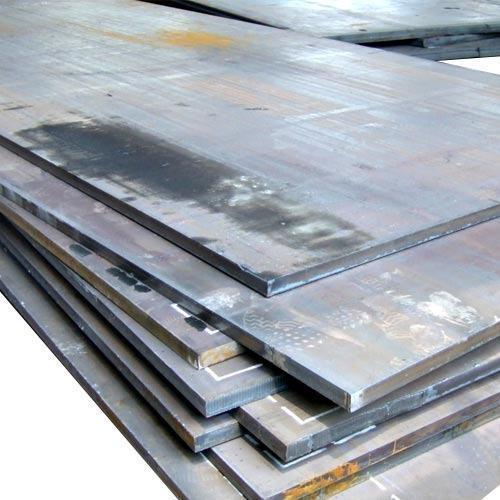
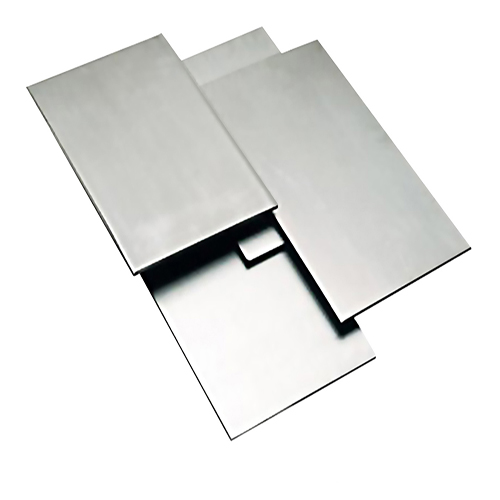
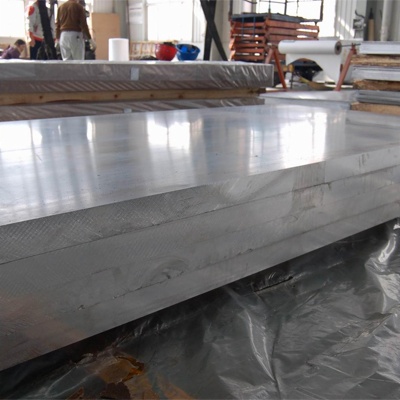
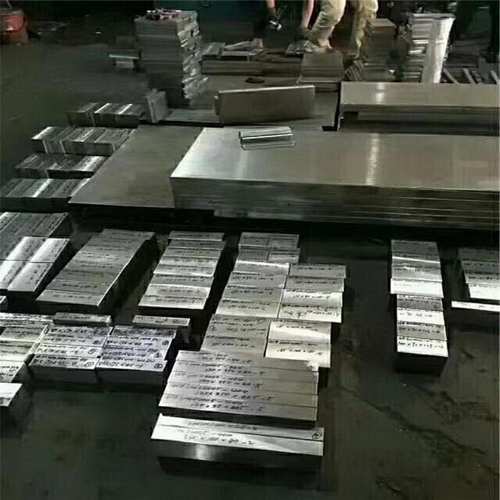
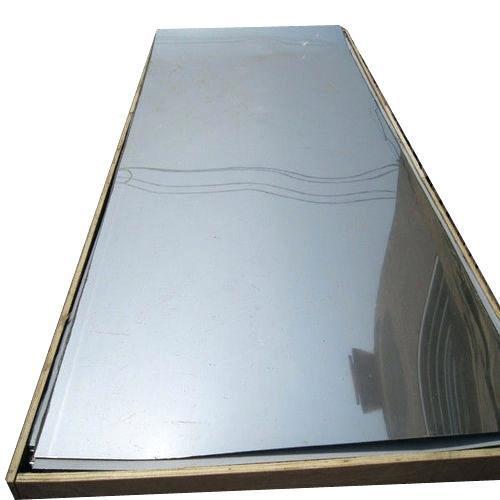
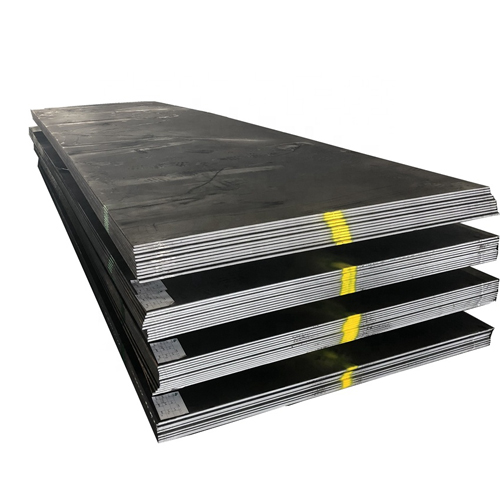
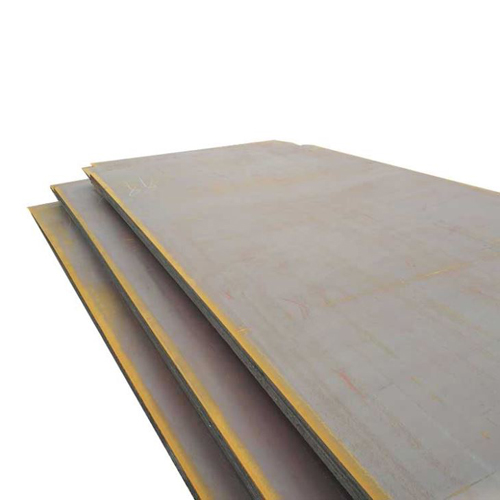
Q345 steel plate is a commonly used structural steel and is widely used in bridges, buildings, ships, pressure vessels and other fields. When processing Q345 steel plates, we need to understand different processing methods and technologies to ensure high-quality finished products. This article will delve into the process of Q345 steel plate processing and introduce its advantages and applications in different industries.
1. Introduction to Q345 steel plate
Q345 steel plate is a low-alloy high-strength structural steel with high strength and good wear resistance, and can be used to withstand larger loads and pressures . It is composed of iron, carbon, silicon, manganese and other alloying elements, and has good plasticity and weldability.
2. Properties and composition of Q345 steel
The chemical composition of Q345 steel includes carbon (C), silicon (Si), manganese (Mn), sulfur (S) and phosphorus ( P) and other elements. Its strength is proportional to its carbon content, and alloying elements such as silicon and manganese can improve its strength and plasticity. In addition, Q345 steel also has good wear resistance and corrosion resistance.
3. Cutting and shearing of Q345 steel plate
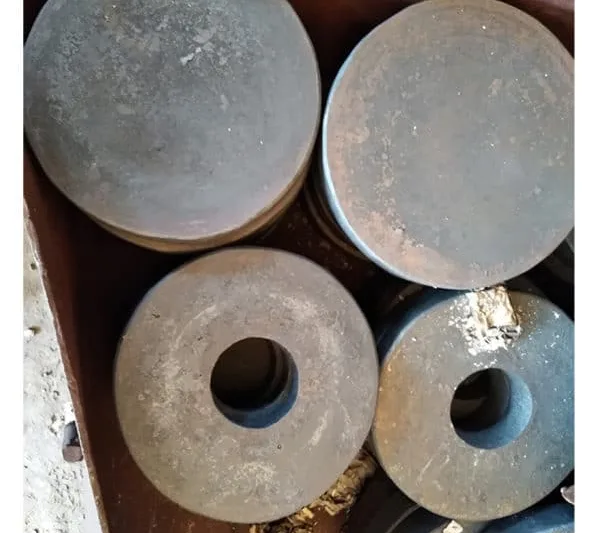
Cutting is one of the common steps in Q345 steel plate processing. Commonly used cutting methods include flame cutting, plasma cutting and laser cutting. These methods allow for precise cutting as needed to meet different shapes and sizes.
4. Bending and forming of Q345 steel plate
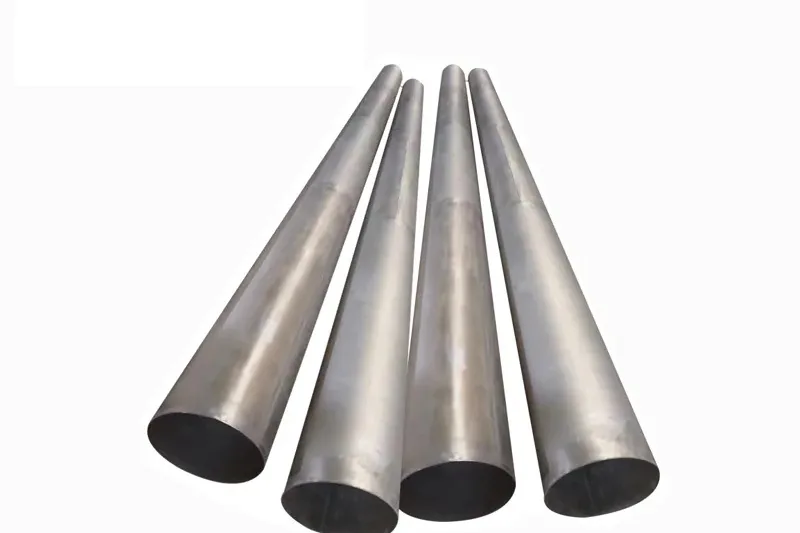
Q345 steel plate can be bent and formed to obtain the required shape and size. Common bending methods include cold bending and hot bending, which can be performed using equipment such as presses and roll benders. The forming process requires steps such as heating, cooling and pressing according to specific requirements.
5. Welding and connection of Q345 steel plates
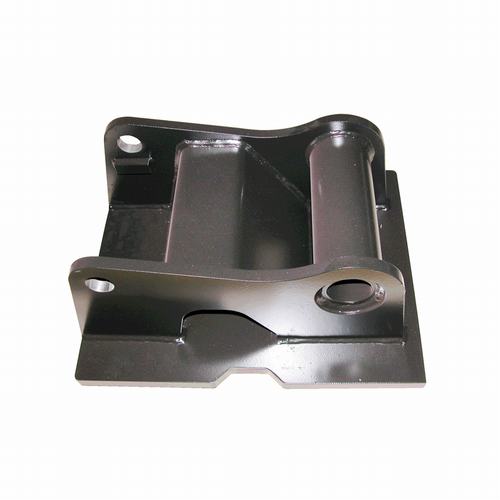
Q345 steel plates can be assembled from different parts through welding and connection. Commonly used welding methods include arc welding, gas shielded welding and laser welding. When welding and connecting, attention needs to be paid to selecting appropriate welding materials and processes to ensure the quality and strength of the weld.
6. Surface treatment of Q345 steel plate
In order to enhance the corrosion resistance and aesthetics of Q345 steel plate, surface treatment is often performed on it. Common surface treatment methods include spraying, galvanizing, sandblasting and polishing. These methods can improve the durability and appearance quality of steel plates.
7. Application of Q345 steel plate
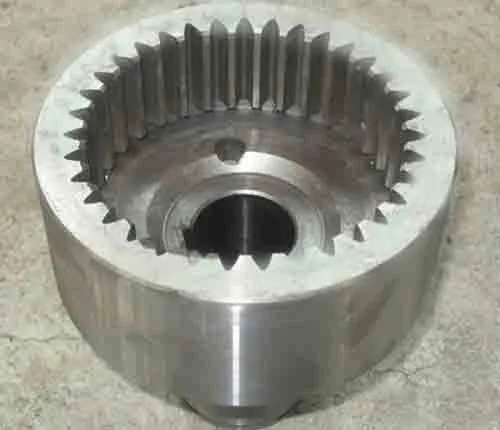
Due to its high strength and good plasticity, Q345 steel plate is widely used in various industries. It is commonly used in fields such as building structures, bridges, ships, pressure vessels and mechanical equipment. Its excellent performance makes Q345 steel plate the material of choice for many engineering projects.
8. Advantages of Q345 steel plate
Q345 steel plate has many advantages over ordinary carbon steel plate. It has high strength and toughness.