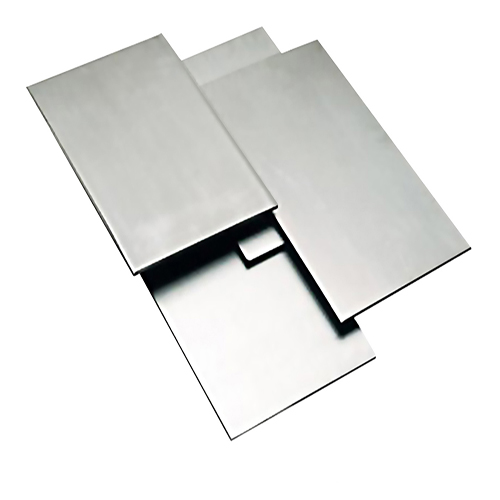
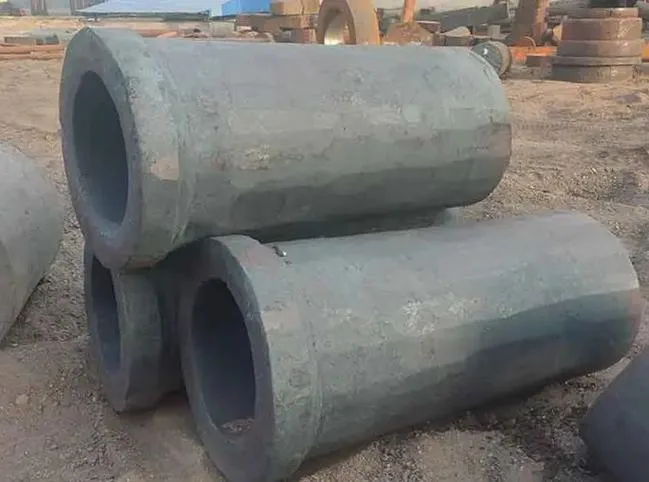
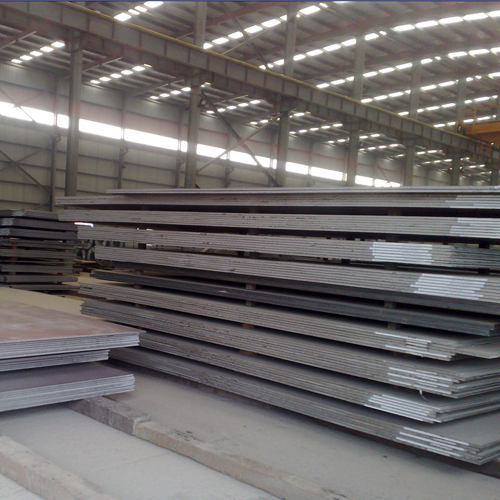
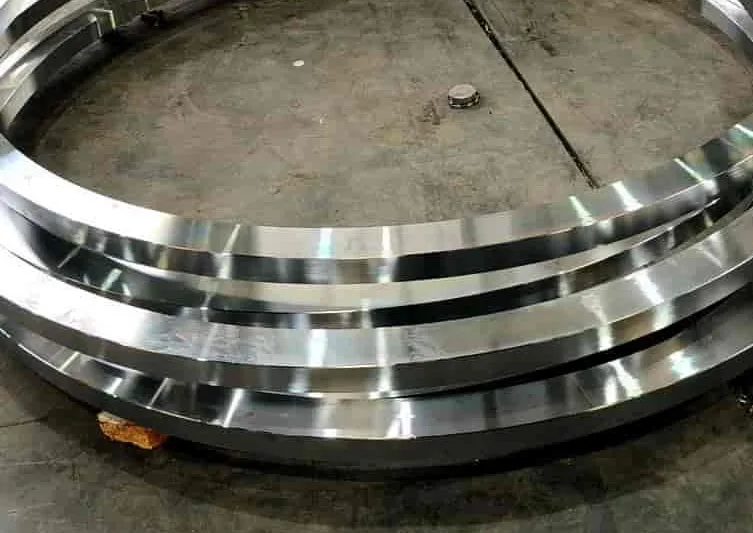
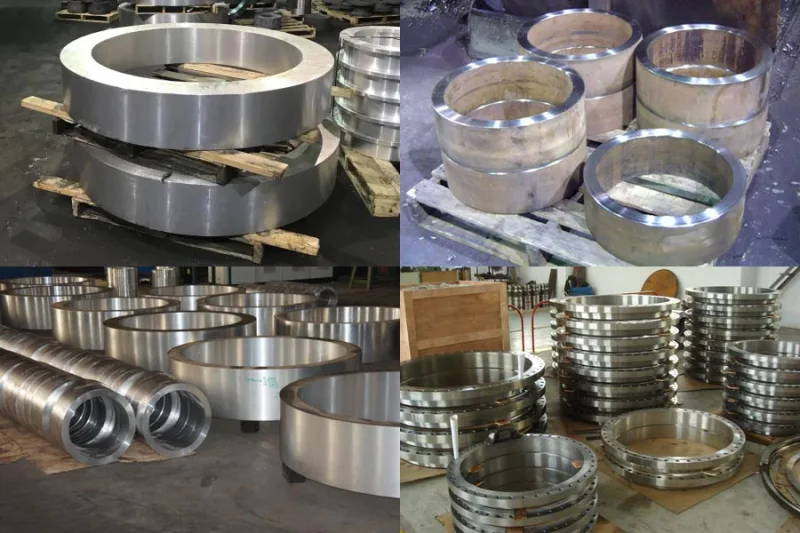
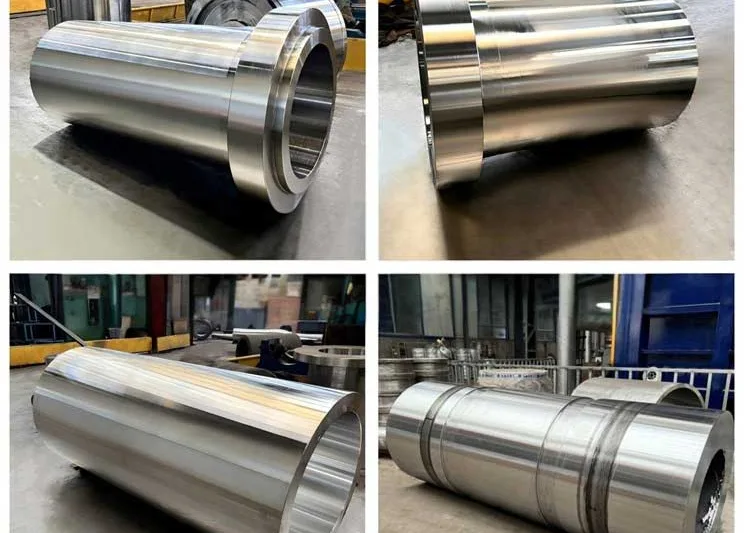
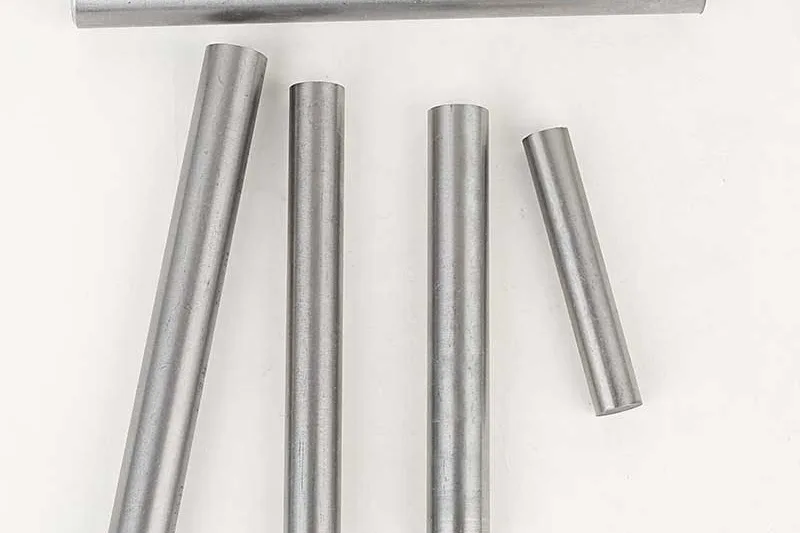
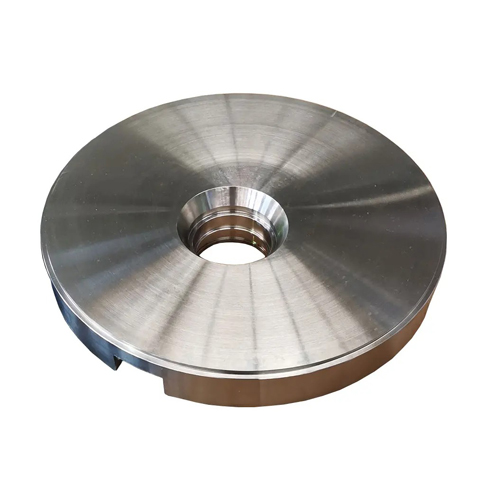
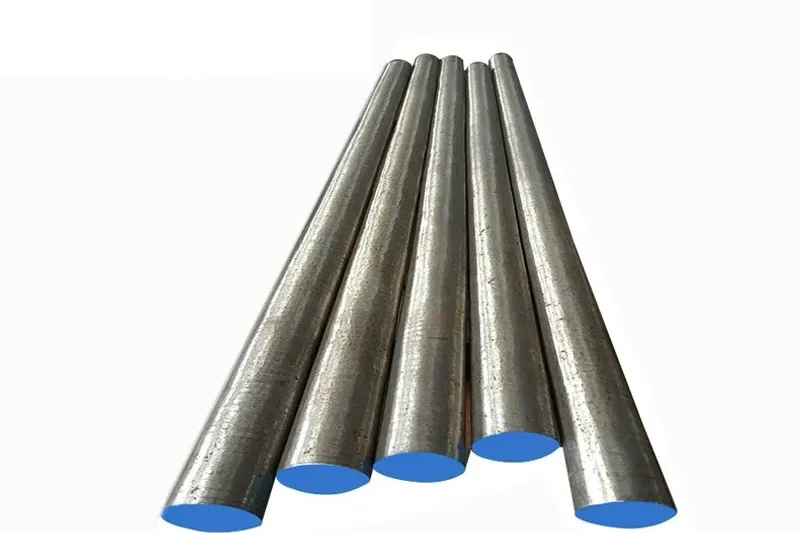
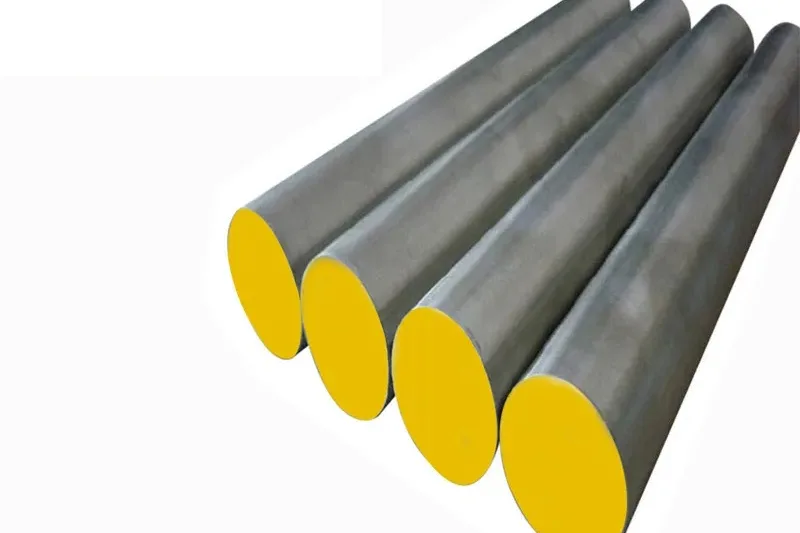
Basic introduction to Q235A steel plate
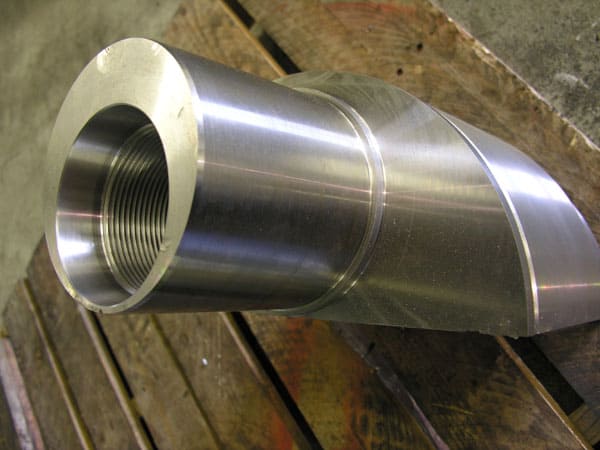
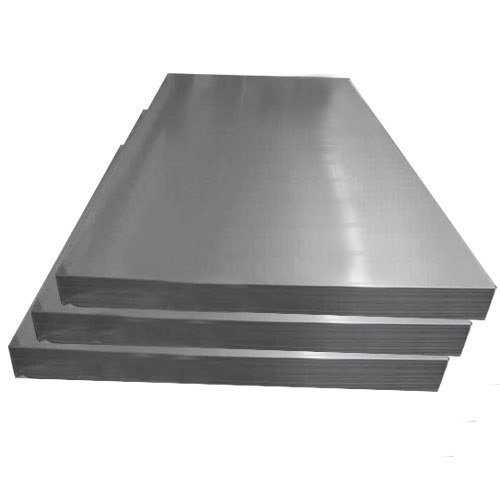
Q235A steel plate: basic introduction, use and performance analysis
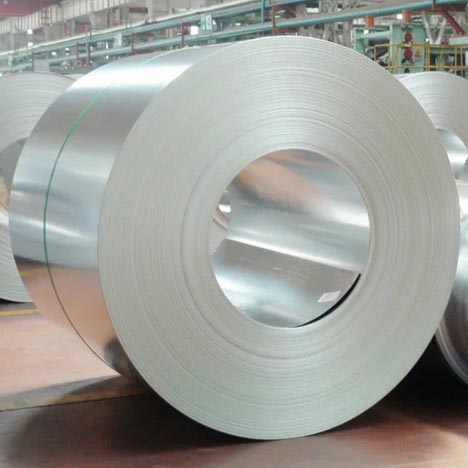
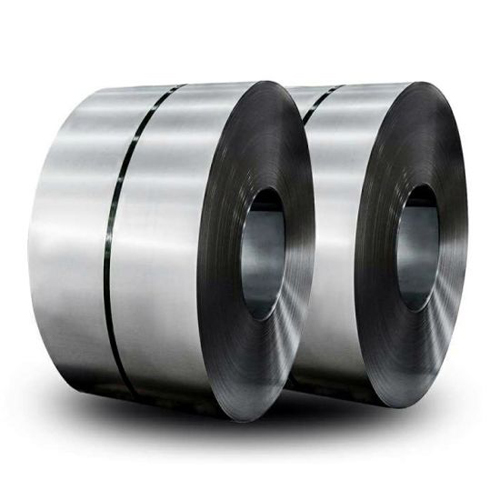
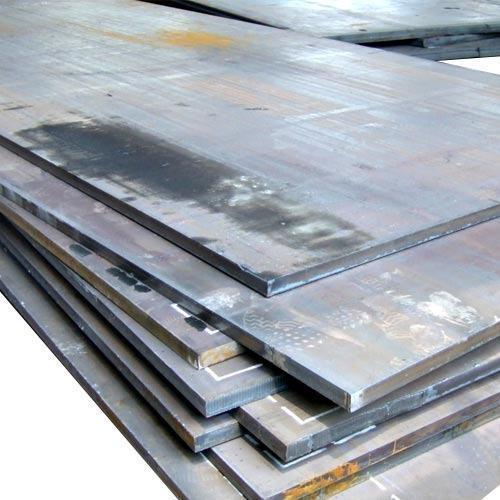
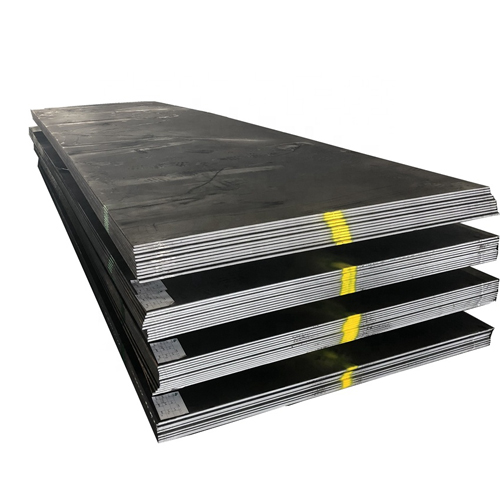
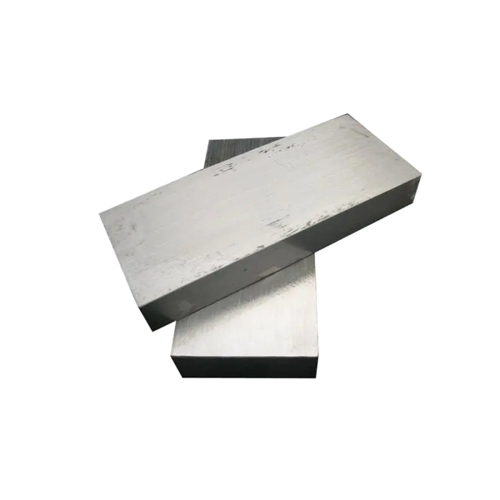
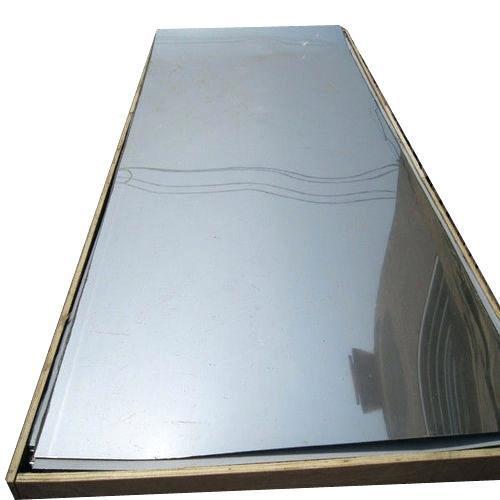
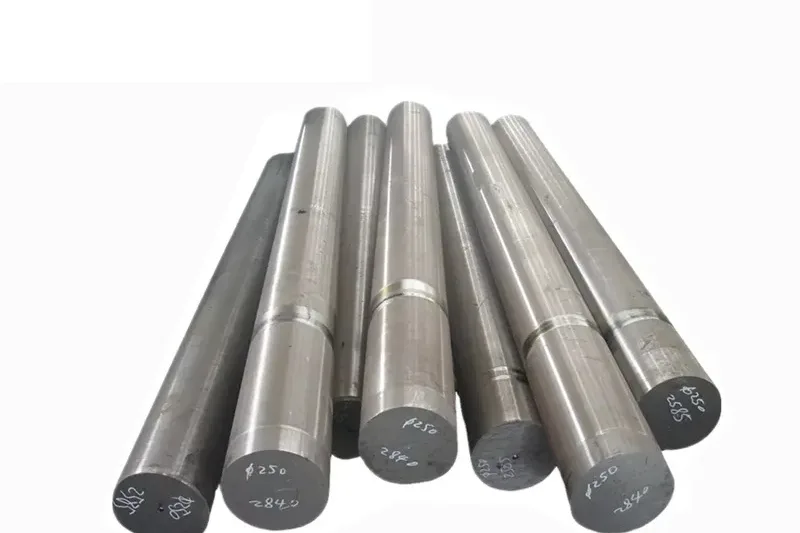
Q235A steel plate is a common low carbon steel plate, mainly composed of iron, carbon, silicon, manganese, sulfur, phosphorus and other elements. It has good plasticity, processability, weldability and corrosion resistance. Q235A steel plate is widely used in construction, bridges, machinery manufacturing, light industry, shipbuilding, automobile manufacturing and other fields.
Uses of Q235A steel plate
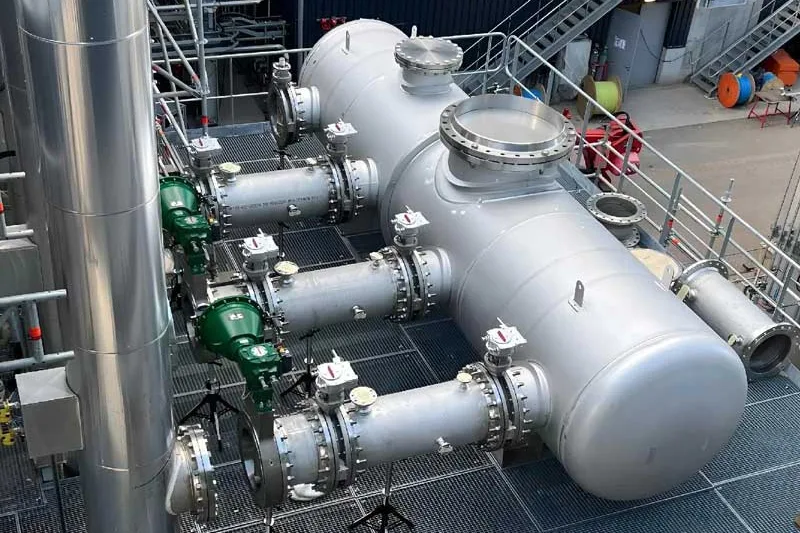
Q235A steel plate is widely used in construction, bridges, machinery manufacturing, light industry, shipbuilding, automobile manufacturing and other fields. In the field of construction, Q235A steel plates can be used in building structures, support structures, bridges, steel structure houses, etc.; in the field of machinery manufacturing, Q235A steel plates can be used in the manufacture of machine tools, agricultural machinery, mining machinery, light industrial machinery, etc.; in the field of shipbuilding, Q235A steel plates can be used to make hulls, cabins, bridges, marine equipment, etc.; in the field of automobile manufacturing, Q235A steel plates can be used to make frames, wheels, bodies, etc.
Performance analysis of Q235A steel plate
Q235A steel plate has good plasticity, processability, weldability and corrosion resistance. Its mechanical properties are relatively stable, and its strength and toughness are high. In low temperature environments, the toughness of Q235A steel plates is also relatively good. The disadvantage of Q235A steel plate is that it has low hardness and is susceptible to wear and deformation.
The chemical composition of Q235A steel plate
The chemical composition of Q235A steel plate includes iron (Fe), carbon (C), silicon (Si), manganese (Mn), sulfur (S), Phosphorus (P) and other elements. Among them, the carbon content is between 0.14% and 0.22%, the manganese content is between 0.30% and 0.65%, the silicon content is between 0.12% and 0.30%, the phosphorus content does not exceed 0.045%, and the sulfur content does not exceed 0.050 %.
The processing technology of Q235A steel plate
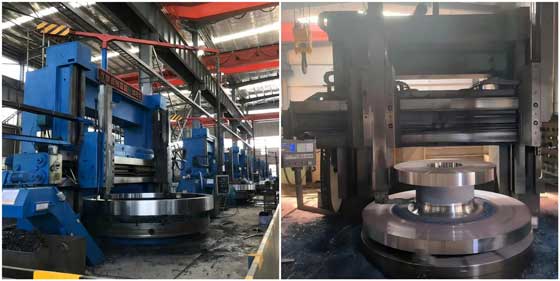
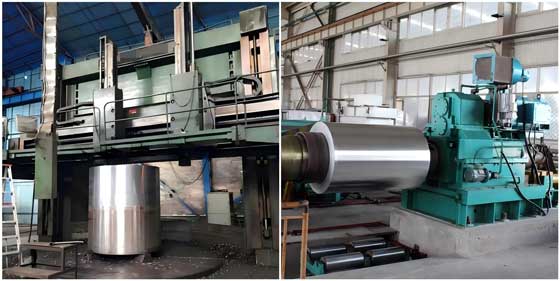
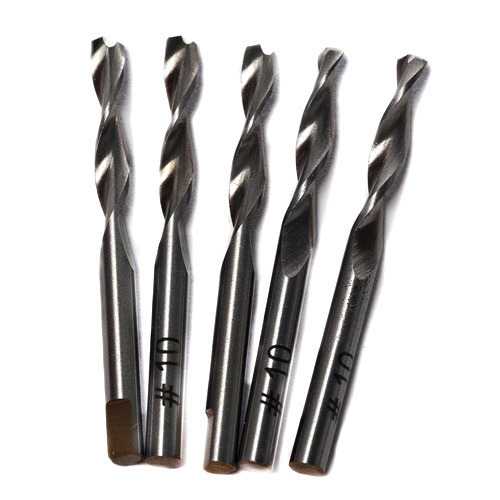
The processing technology of Q235A steel plate includes cutting, drilling, punching, bending, welding, etc. In terms of cutting, commonly used methods include flame cutting, plasma cutting, laser cutting, etc.; in terms of drilling, commonly used methods include ordinary drilling, center drilling, reaming, etc.; in terms of punching, commonly used methods include cold punching. holes, hot punching, etc.; in terms of bending, commonly used methods include press bending, cold bending, hot bending, etc.; in terms of welding, commonly used methods include manual arc welding, submerged arc welding, gas shielded welding, etc.
Maintenance of Q235A steel plate
Q235A steel plate requires maintenance during use to ensure its performance and lifespan. Maintenance methods include regular cleaning,