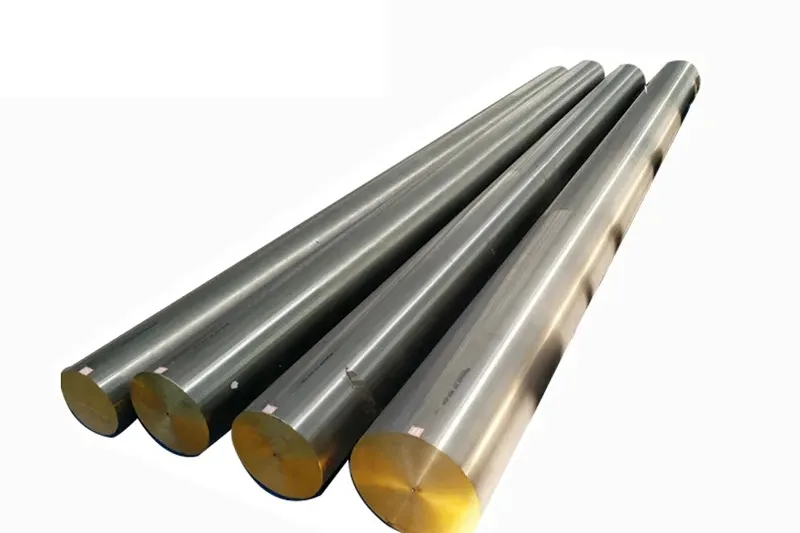
Precautions for processing manganese plates
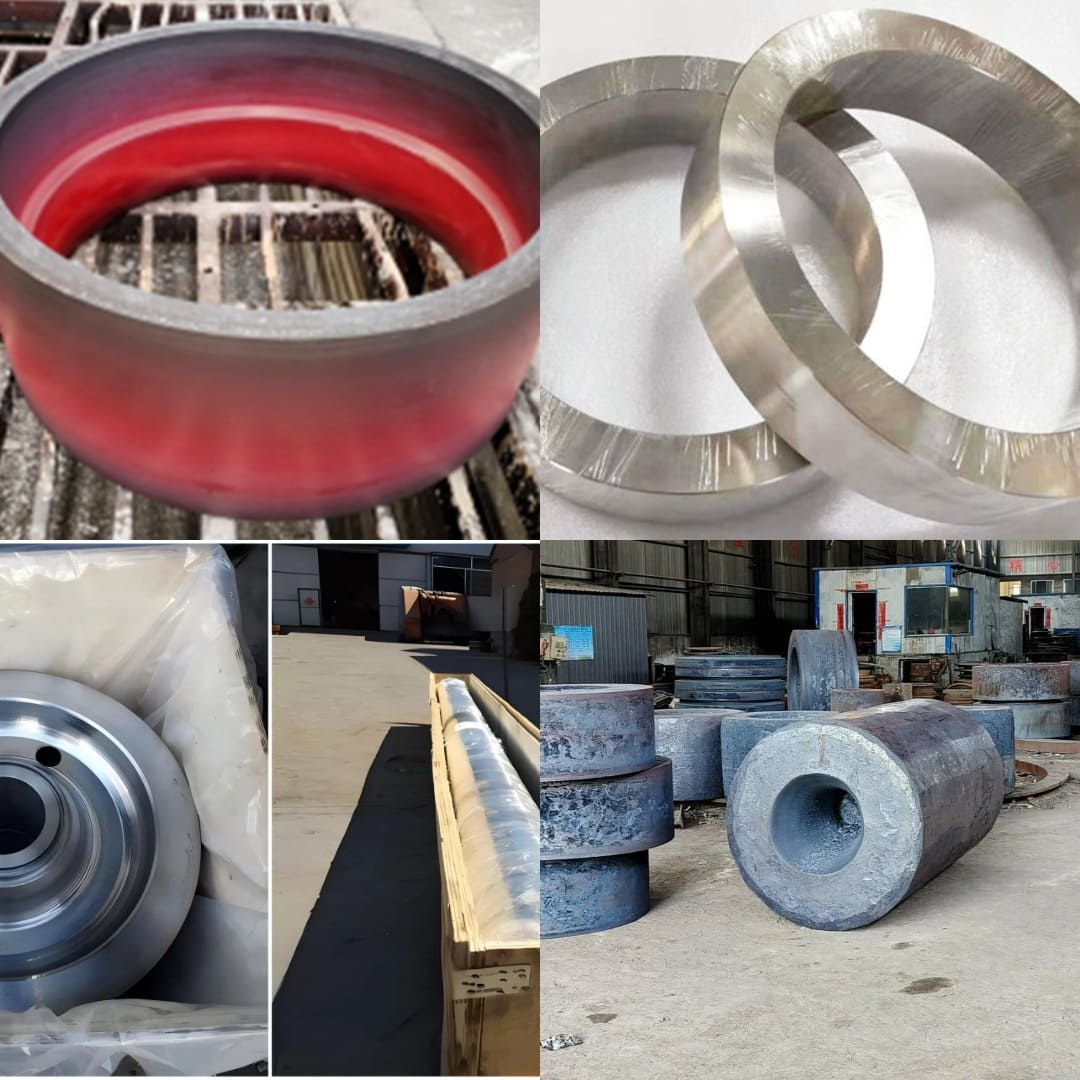
Manganese plate is a commonly used metal material with excellent wear resistance and corrosion resistance. It is widely used in machinery manufacturing, construction engineering, mining equipment and other fields. This article will introduce the processing methods of manganese plates and help readers understand how to correctly handle and process manganese plates.
Characteristics and uses of manganese plate
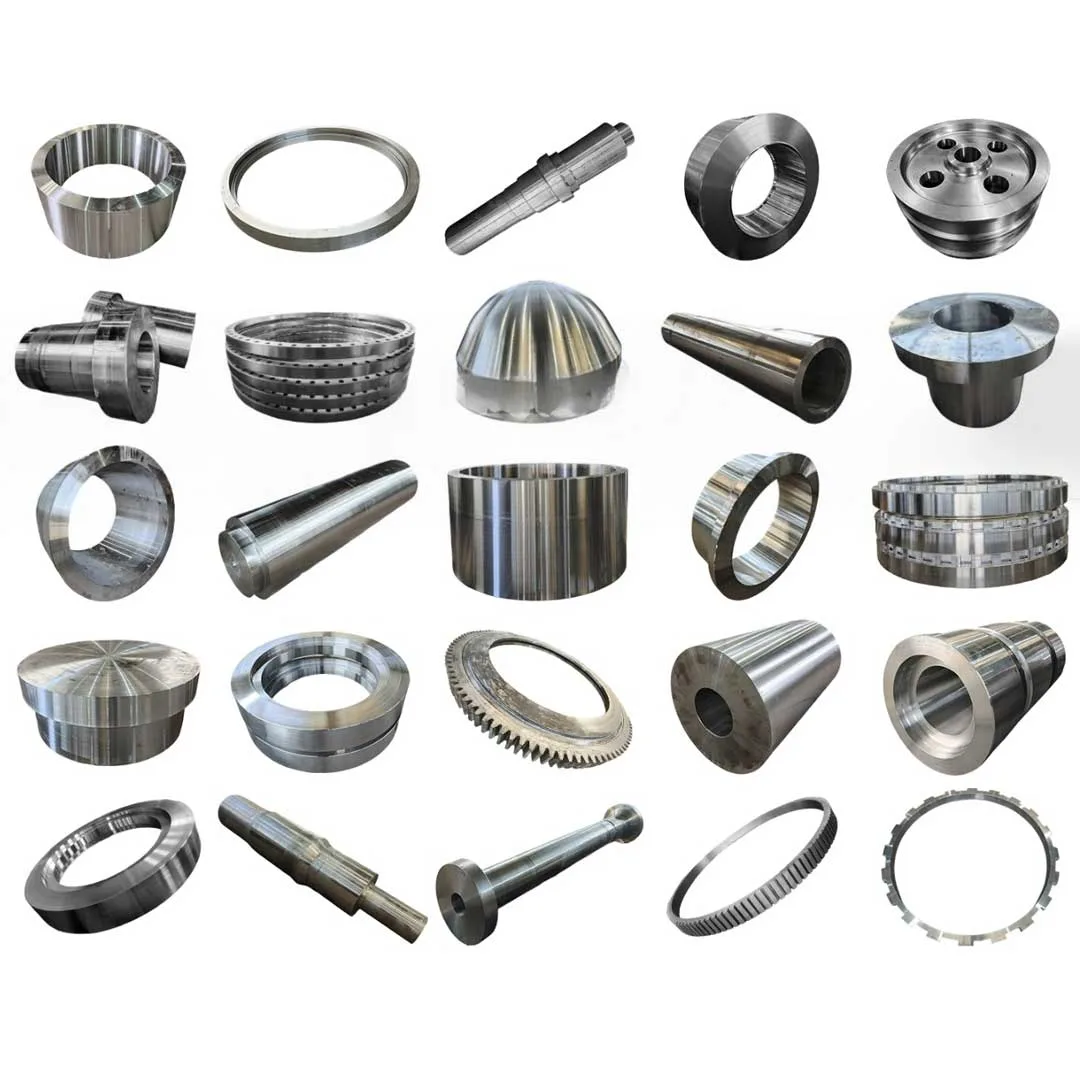
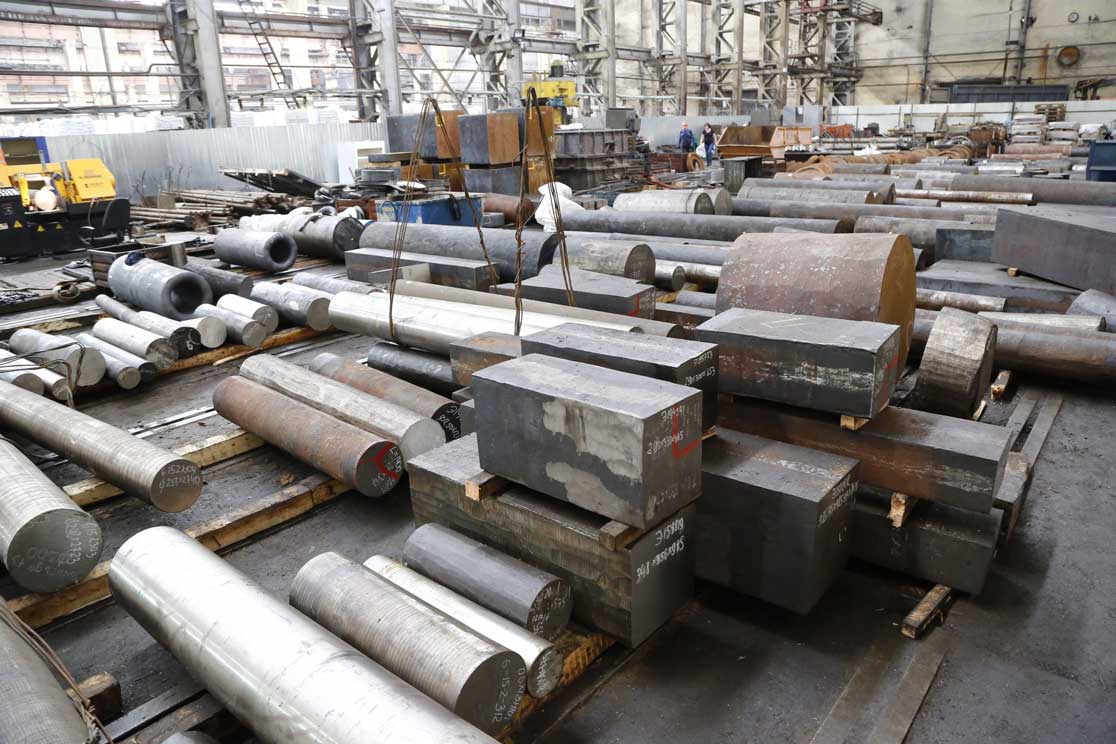
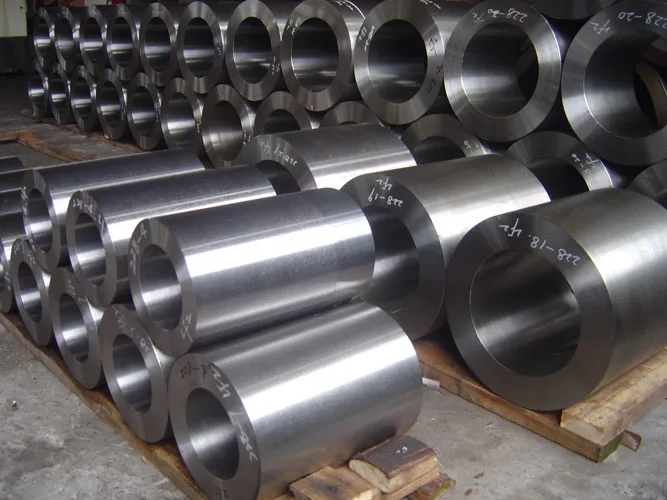
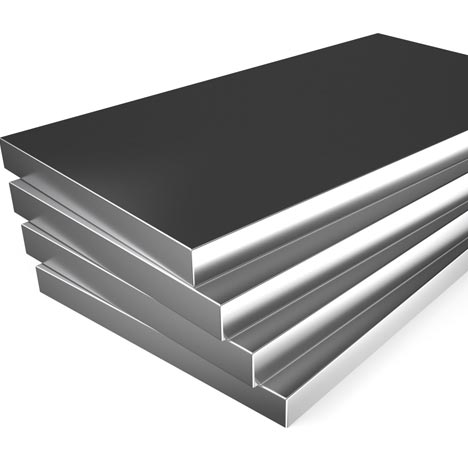
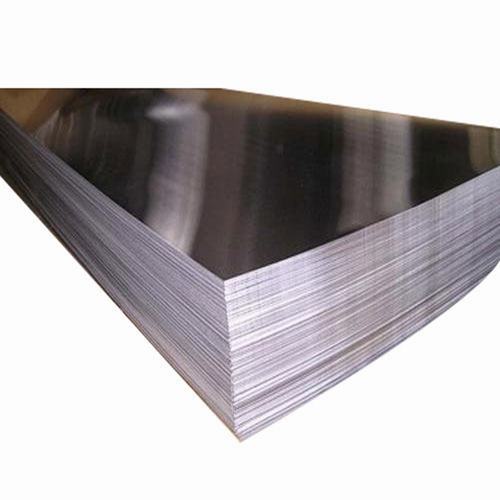
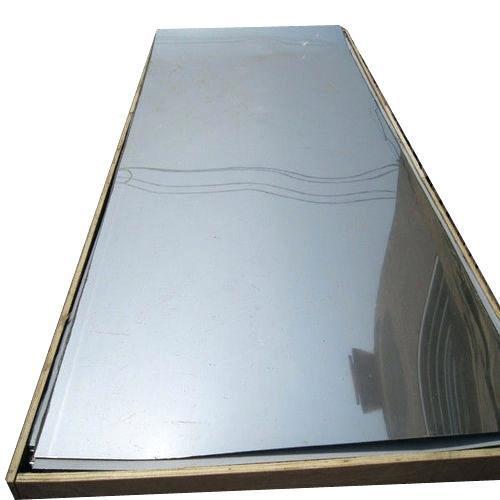
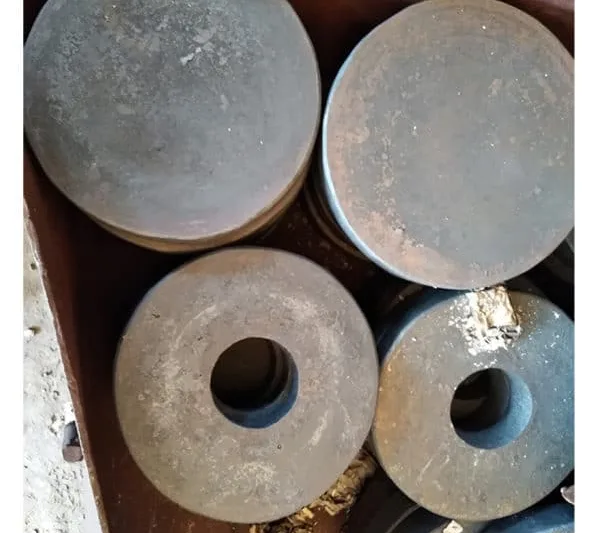
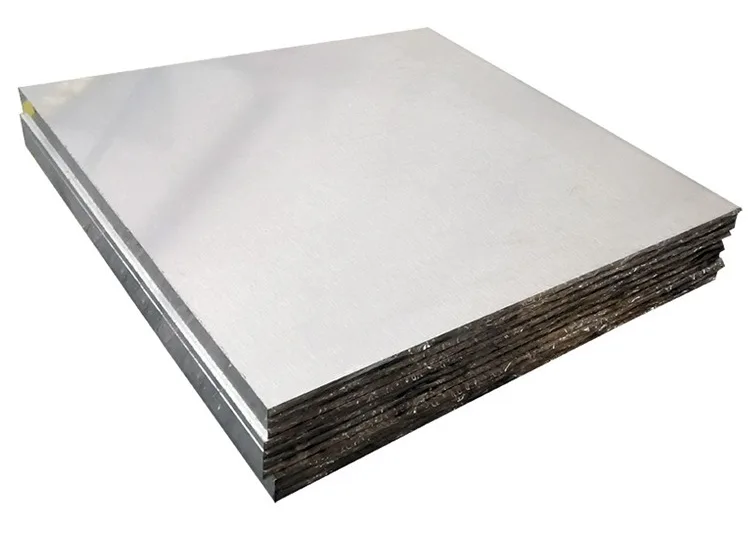
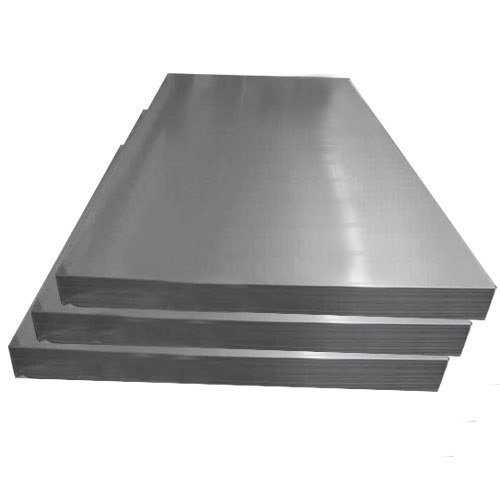
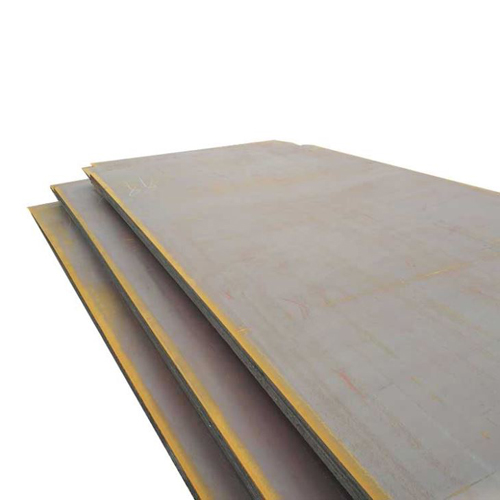
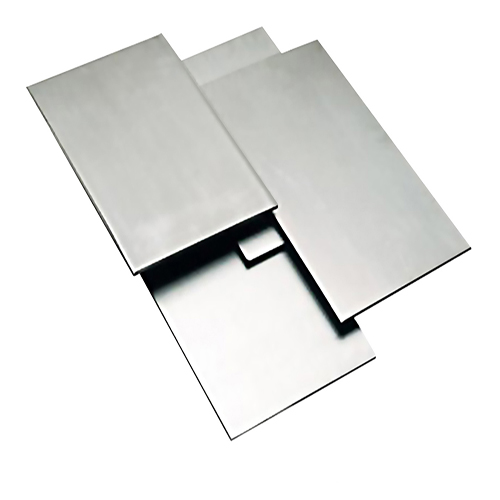
Manganese plate is a steel plate containing manganese element. It has high hardness and wear resistance and is widely used in the manufacture of wear-resistant parts and Corrosion equipment. It is commonly used in mining machinery, construction engineering, metallurgical equipment and other fields.
Manganese plate cutting method
Cutting is a common step in manganese plate processing. Commonly used cutting methods include flame cutting, plasma cutting and mechanical cutting. Flame cutting is suitable for thicker manganese plates, plasma cutting is suitable for medium-thick plates, and mechanical cutting is suitable for thin plates.
Bending and forming of manganese plates
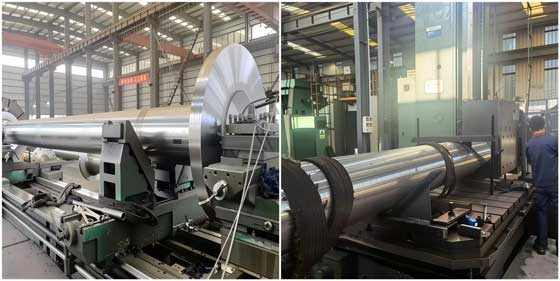
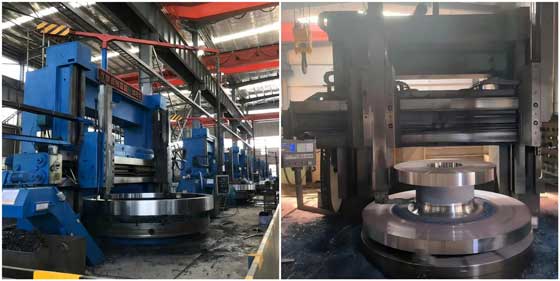
The bending and forming of manganese plates require the use of special bending machines and forming dies. When bending and forming, it is necessary to pay attention to the hardness and wear resistance of the manganese plate, and take appropriate processing parameters and process measures.
Welding and connection of manganese plates
Manganese plates can be welded and connected to make various structures and parts. Commonly used welding methods include arc welding, gas shielded welding and laser welding. During the welding process, attention needs to be paid to the melting point and thermal deformation properties of the manganese plate.
Surface treatment of manganese plates
In order to improve the corrosion resistance and aesthetics of manganese plates, surface treatment is often required. Common surface treatment methods include spray anti-corrosion paint, hot-dip galvanizing and sandblasting.
Precautions for processing manganese plates
When processing manganese plates, you need to pay attention to the following points:
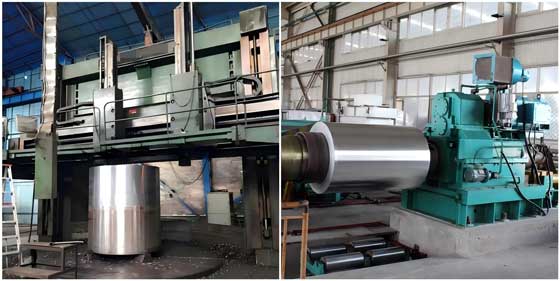
Choose appropriate processing equipment and tools.
Strictly control processing parameters to avoid excessive heating or excessive deformation.
Use appropriate cutting fluid and coolant to reduce cutting temperature.
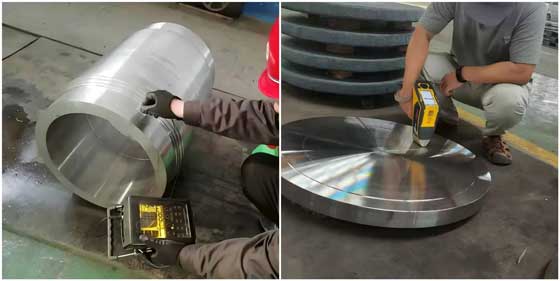
Regularly inspect and maintain processing equipment to ensure processing quality and safety.
Through the introduction of this article, we understand the processing method of manganese plate. Correct processing methods can improve the processing efficiency and quality of manganese plates and extend the service life of manganese plates. In the actual processing process, appropriate processing methods and process measures need to be selected according to specific conditions. The processing of manganese plates requires professional knowledge and experience. It is recommended to consult professionals for advice and guidance during the processing process.