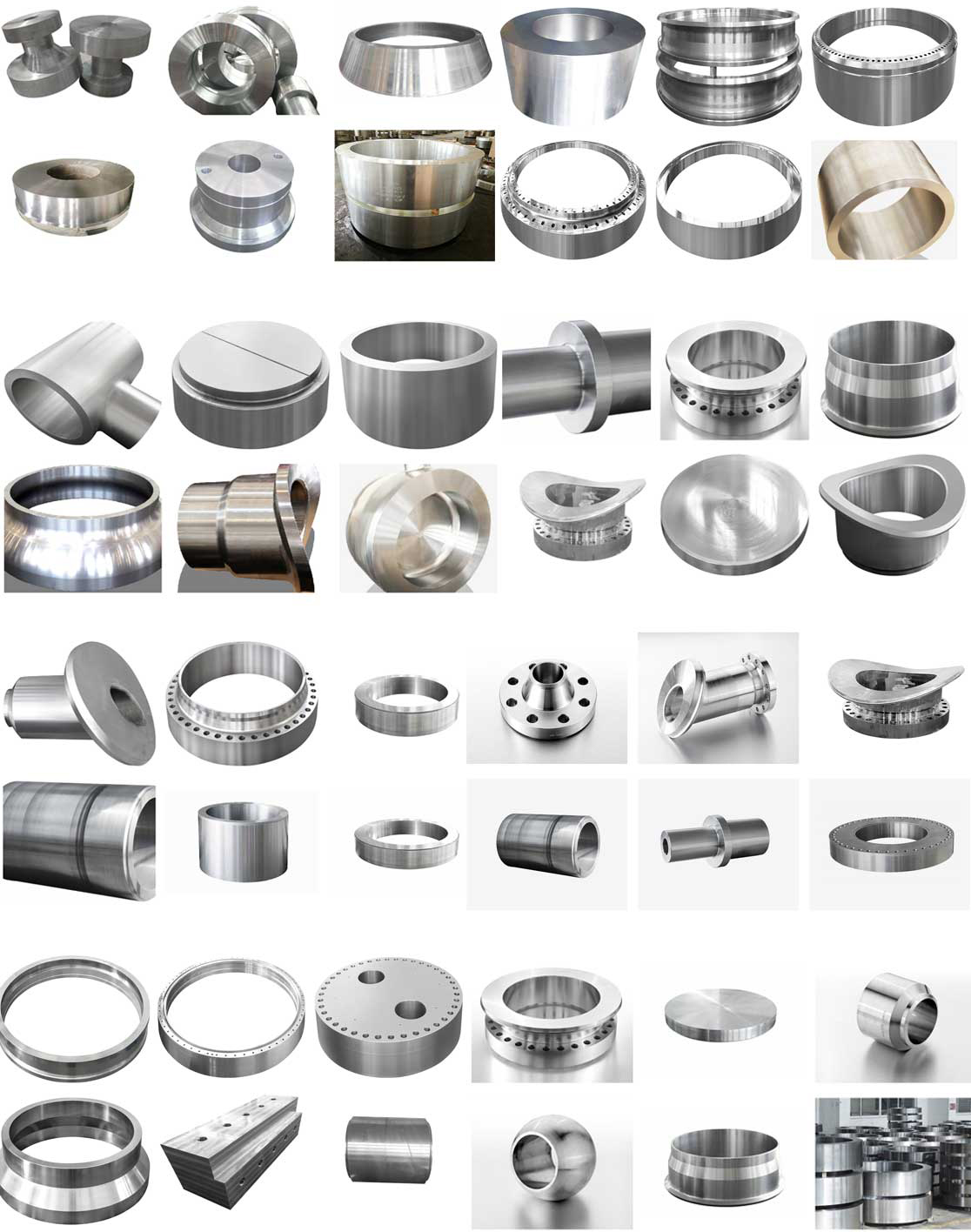
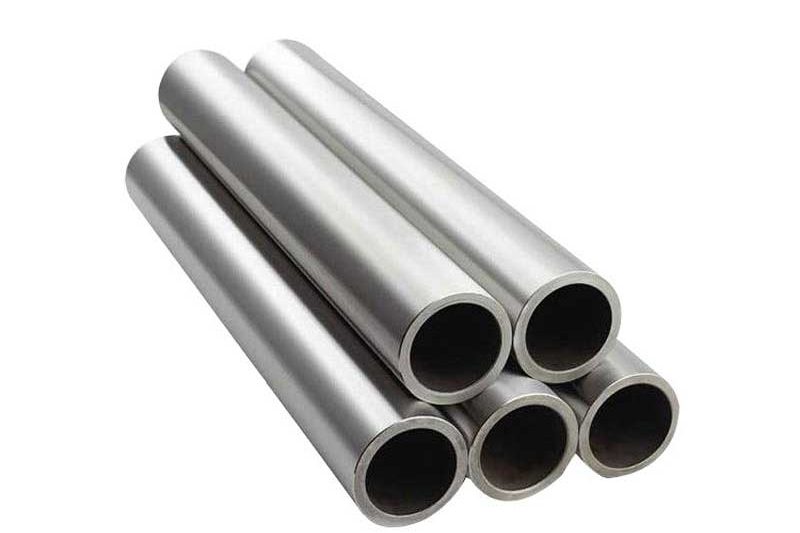
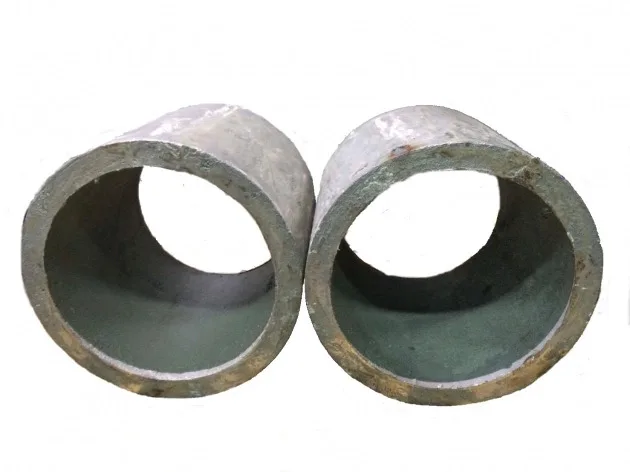
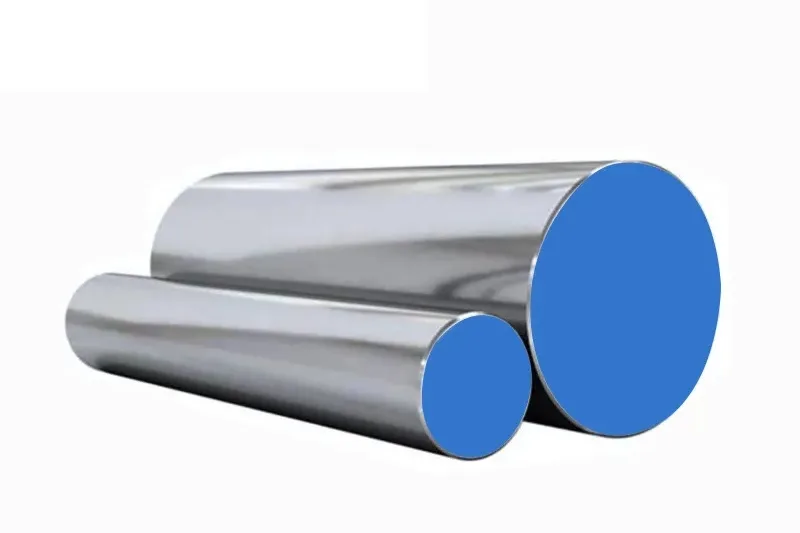
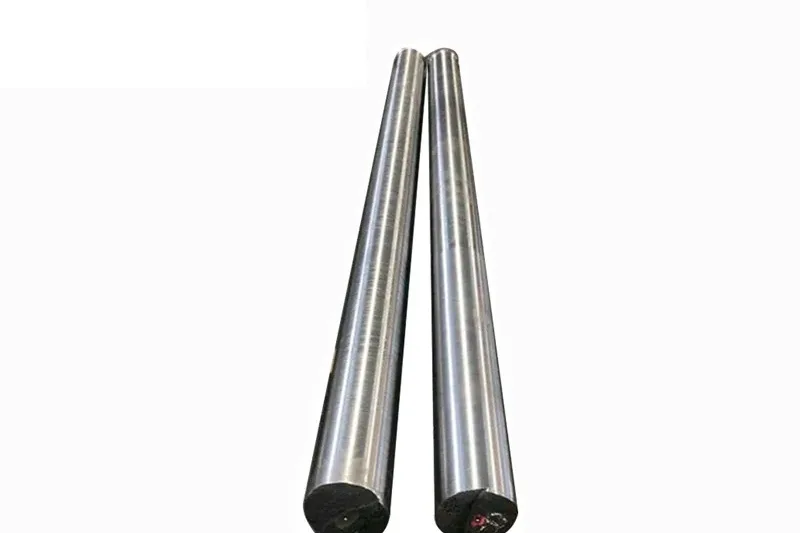
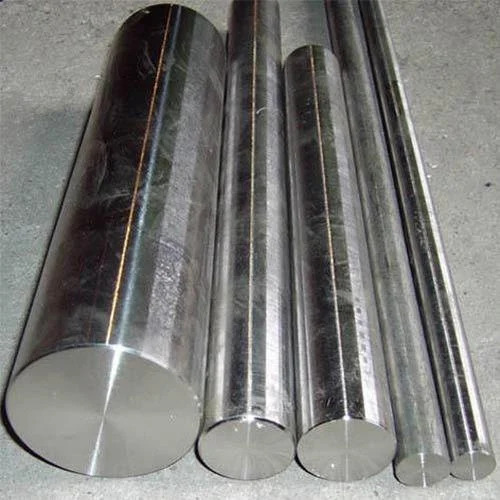
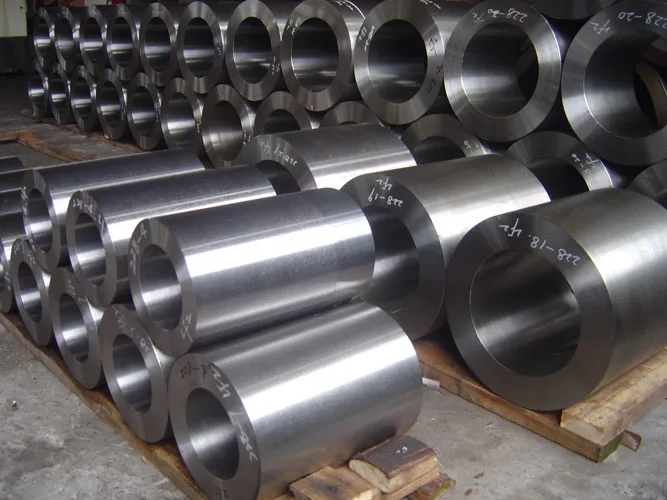
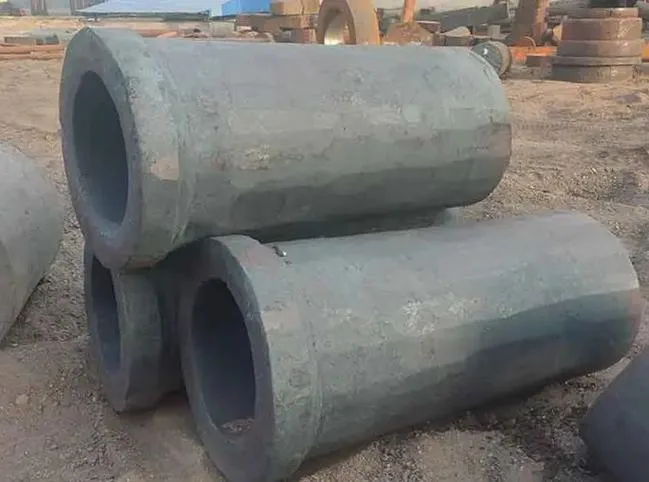
Forged Steel Hydraulic Cylinder Sleeve
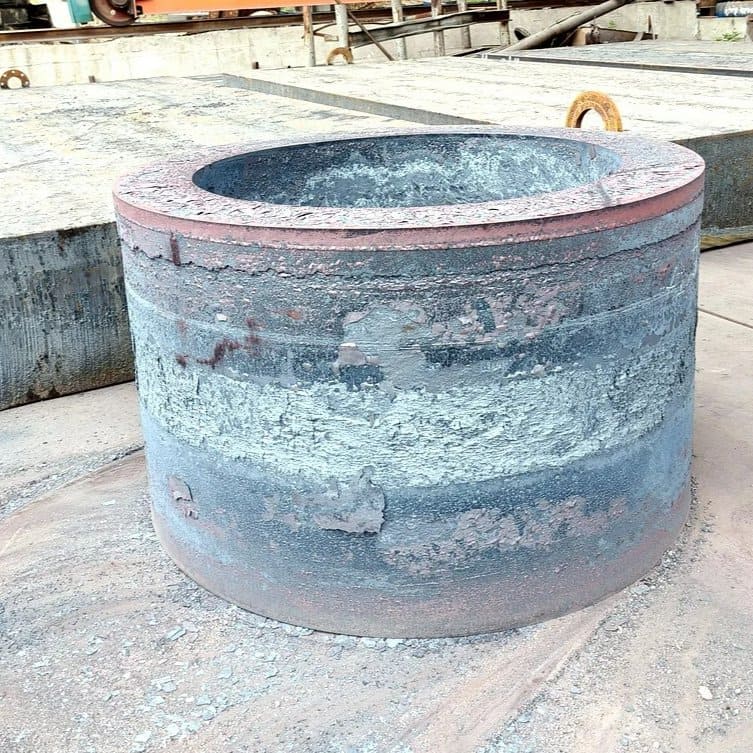
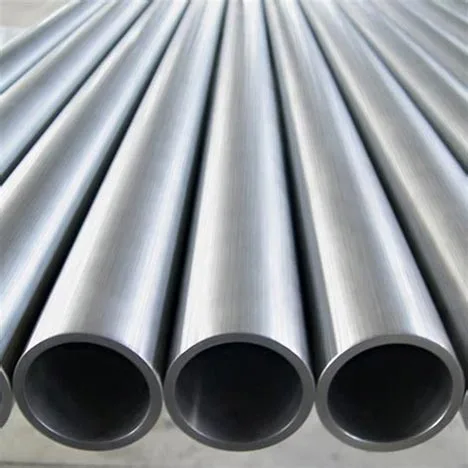
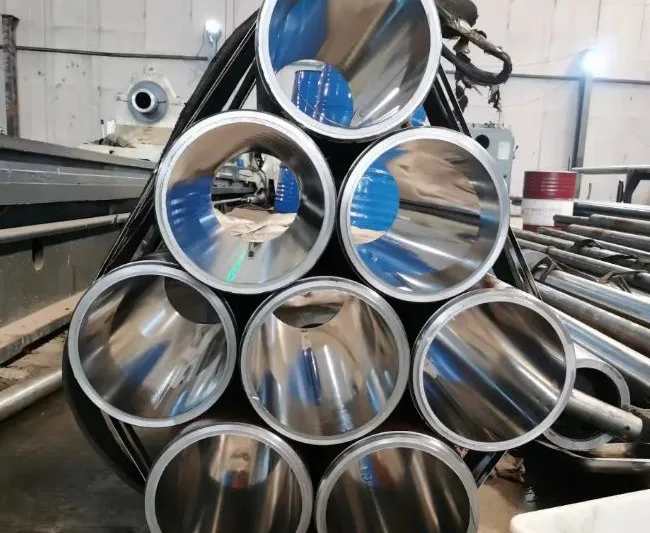
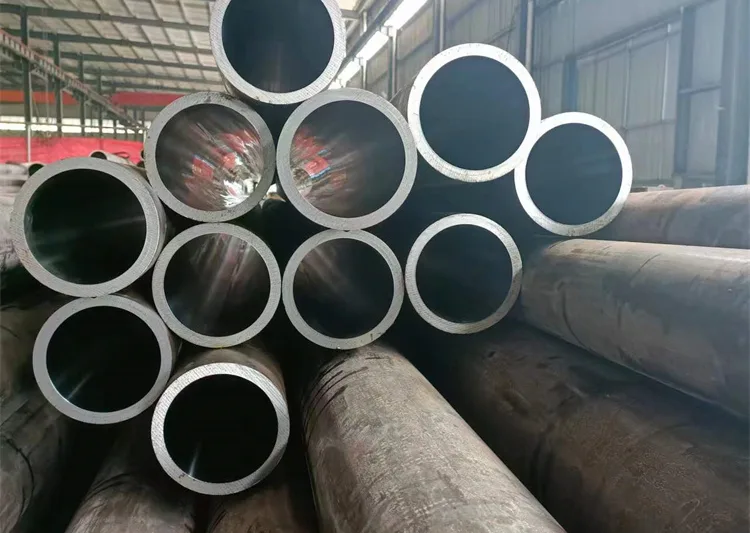
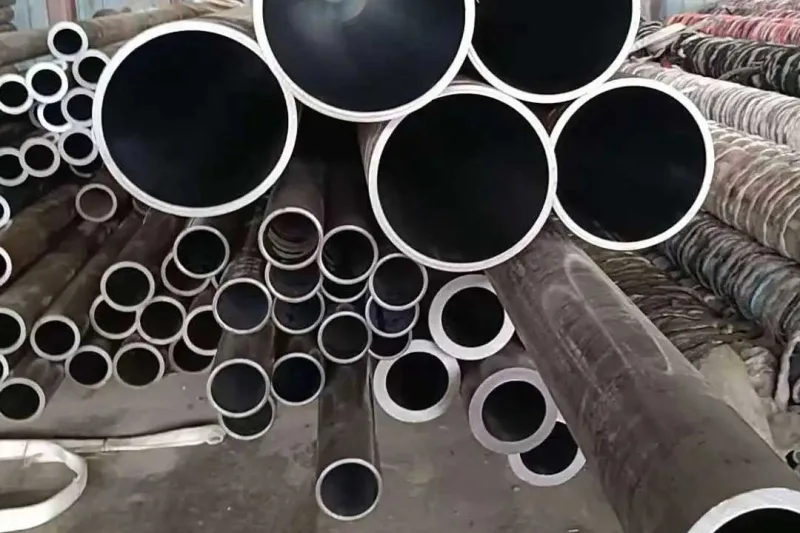
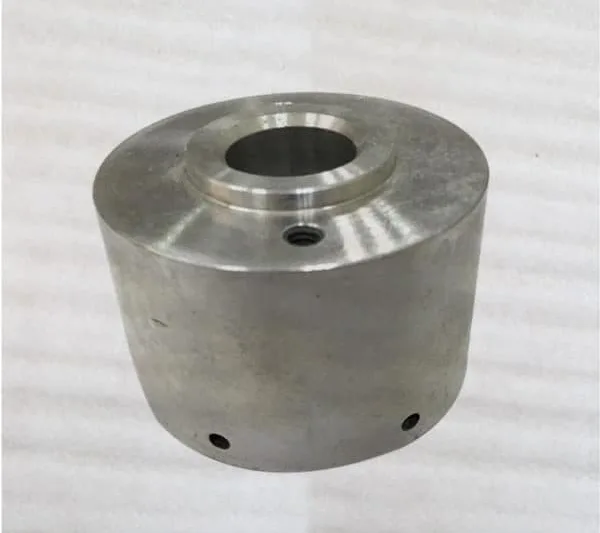
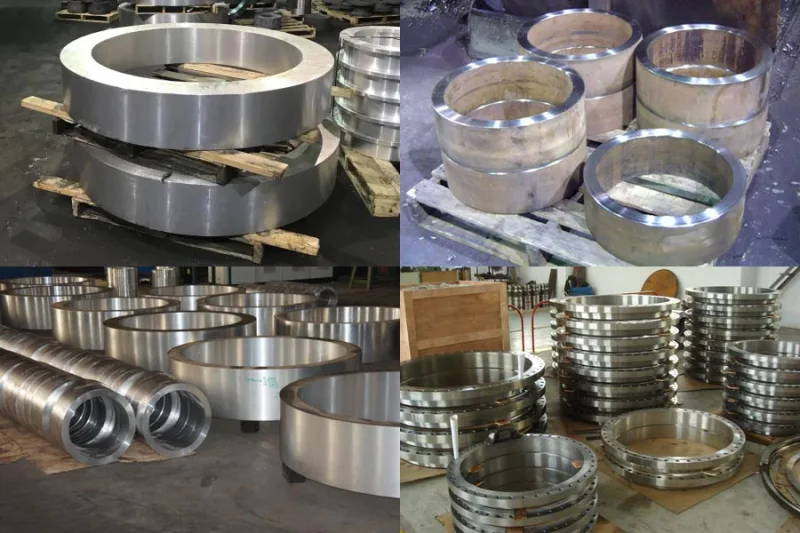
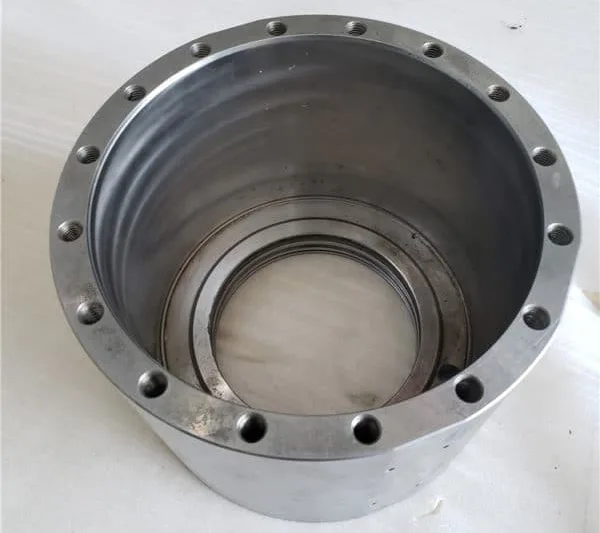
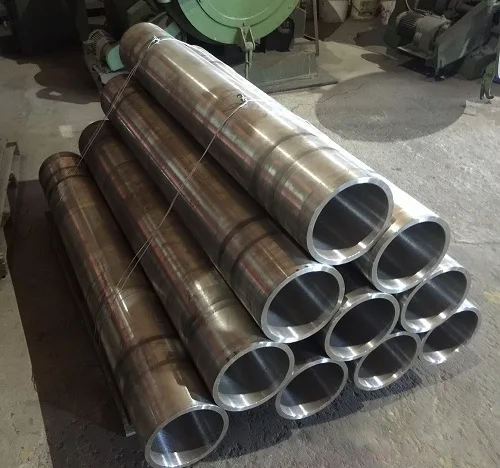
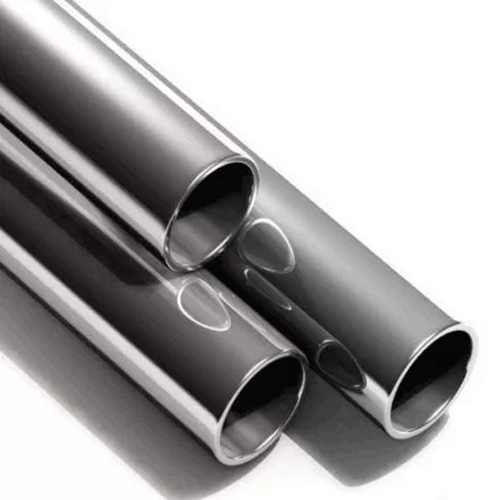
The forged steel hydraulic cylinder barrel is a key structural component in modern hydraulic transmission systems, and its quality and performance directly determine the operational stability and service life of the entire equipment. As the guiding and sealing carrier for the reciprocating motion of the piston inside the hydraulic cylinder, this component plays an irreplaceable role in high-pressure, high-frequency, and complex alternating load conditions. With the development of industrial equipment towards heavy-duty and precision, forged steel hydraulic cylinder barrels have become the standard configuration of high-end hydraulic systems due to their excellent mechanical properties.
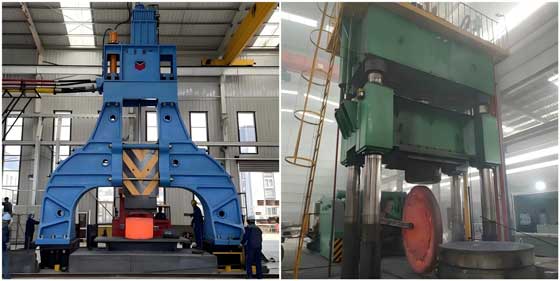
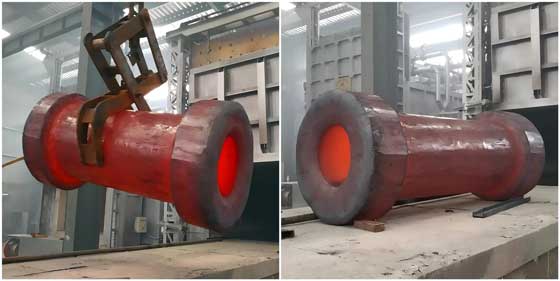
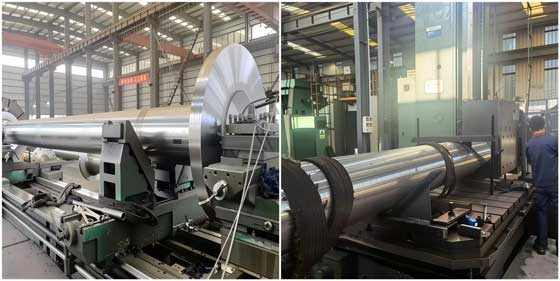
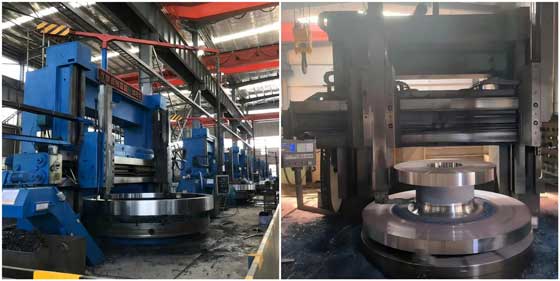
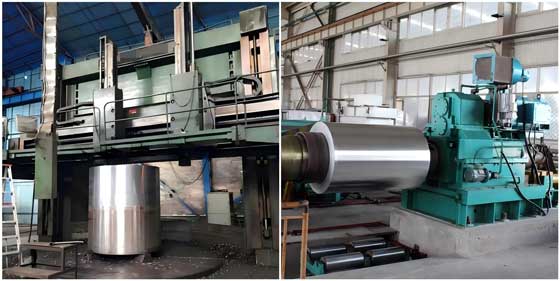
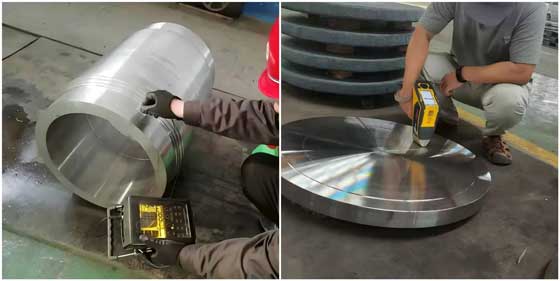
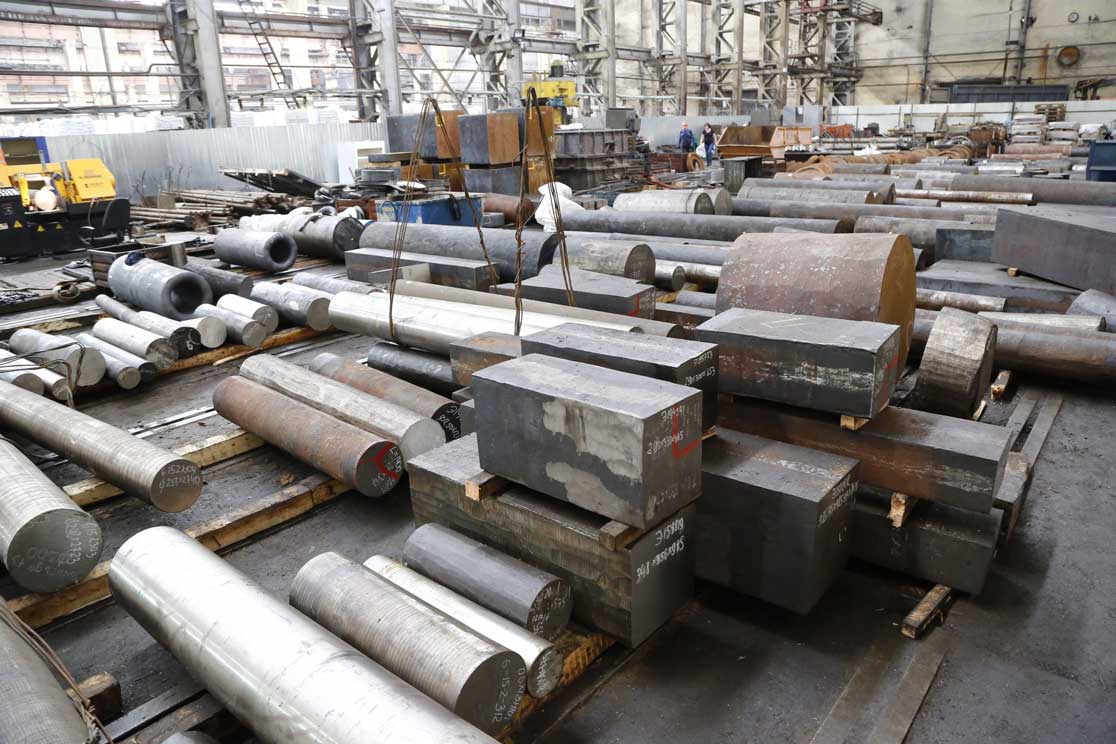
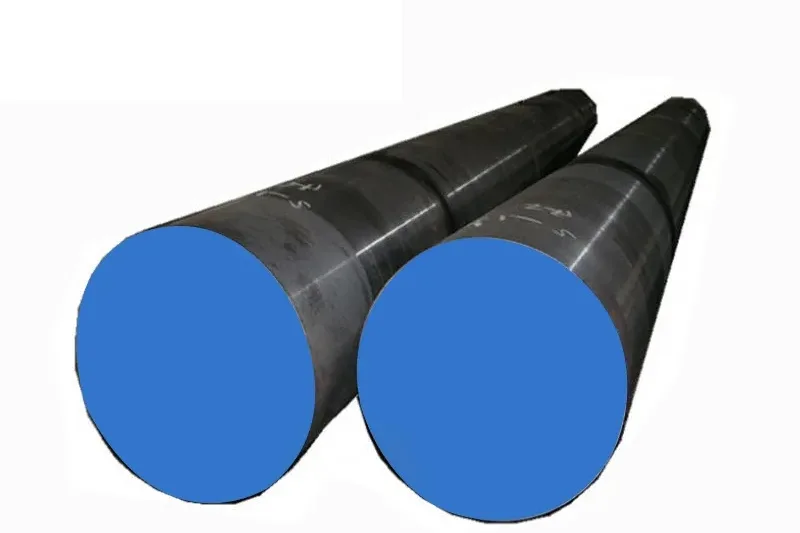
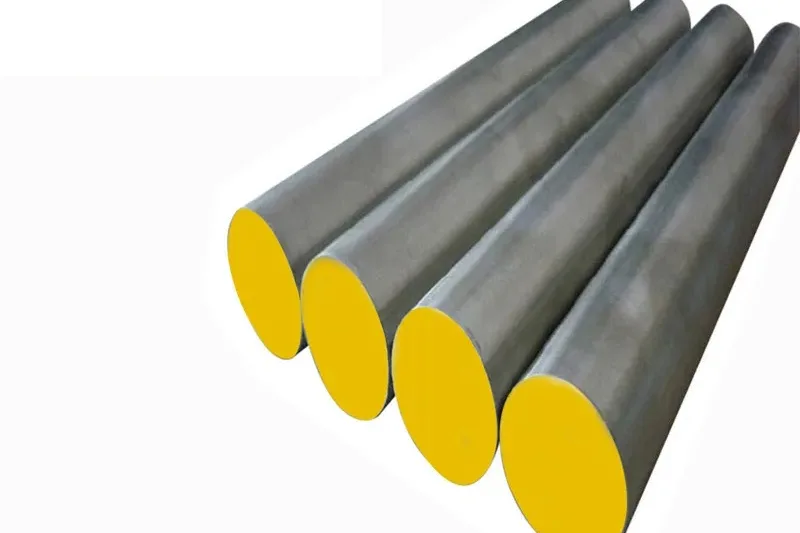
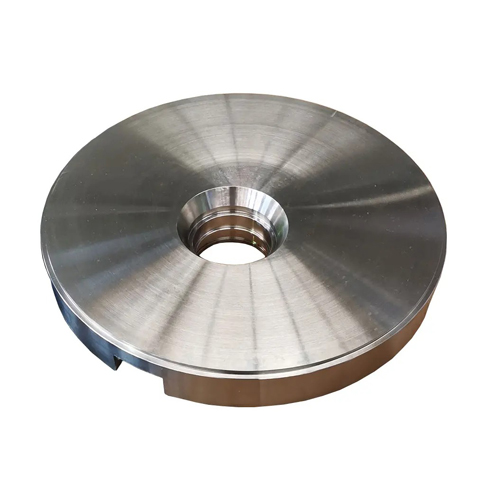
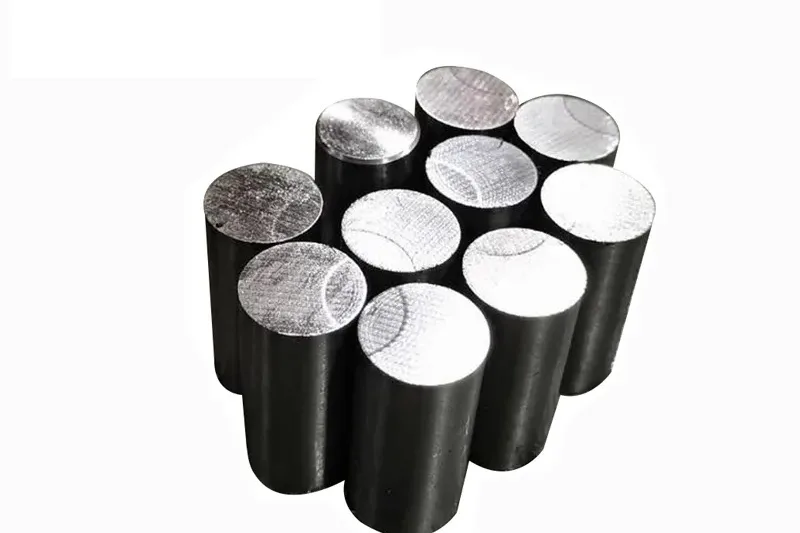
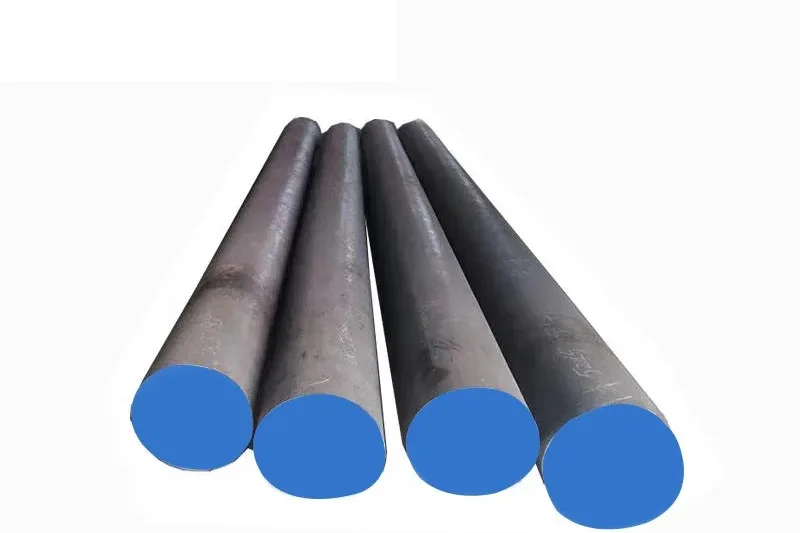
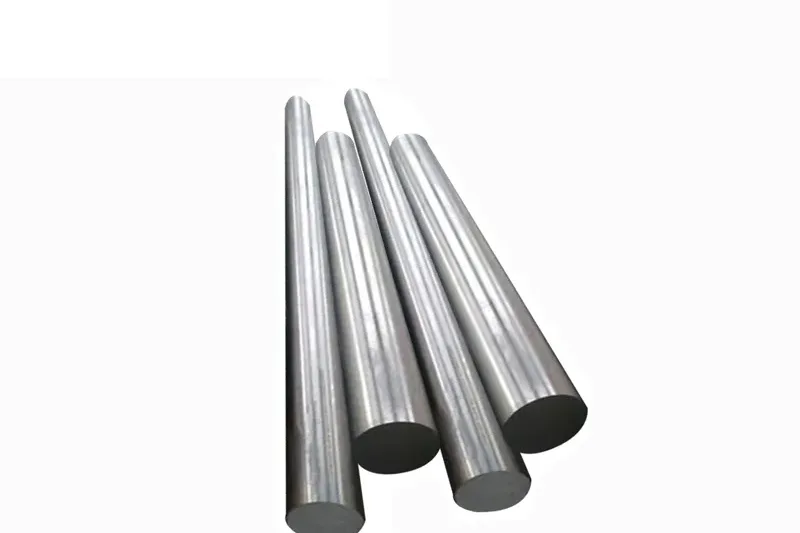
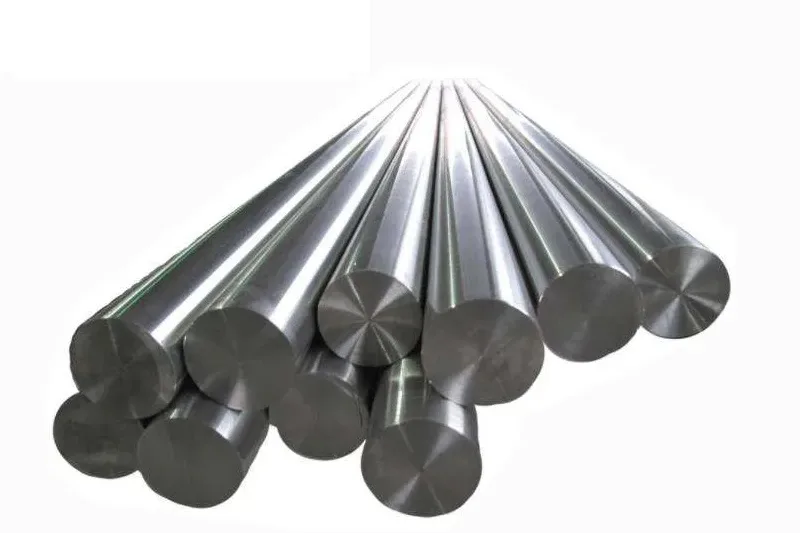
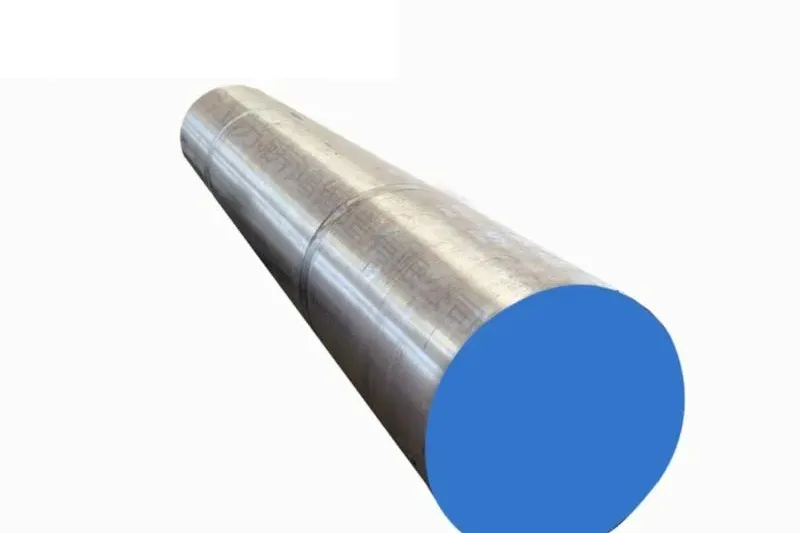
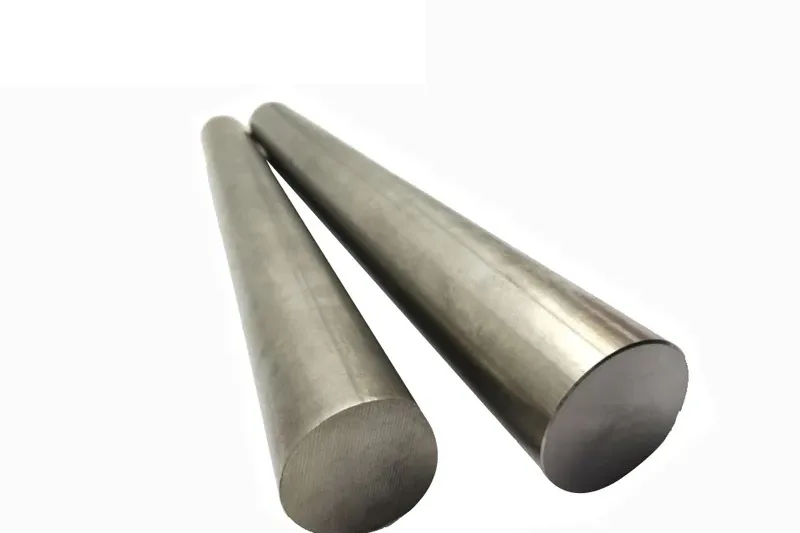
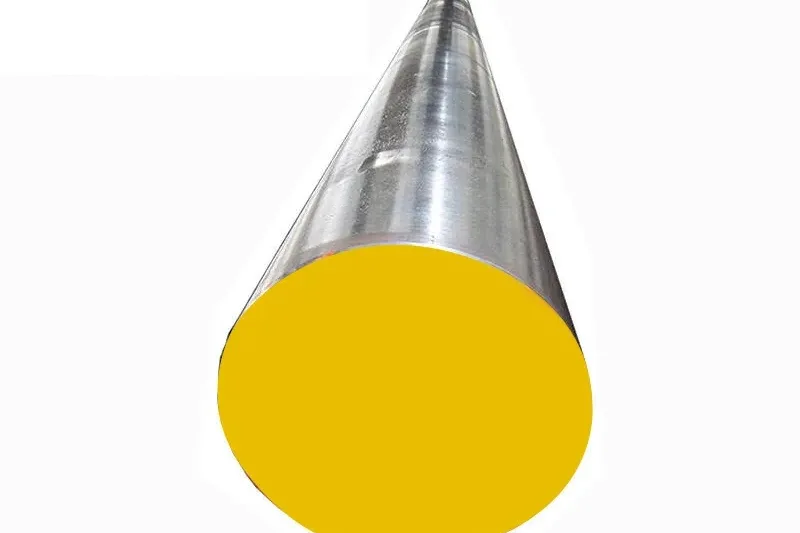
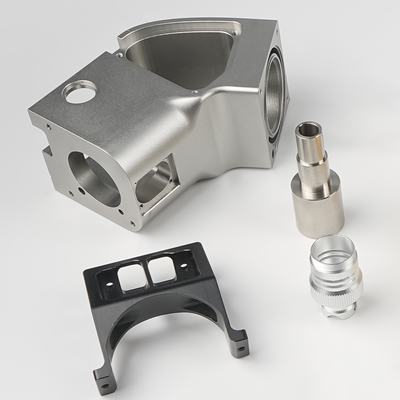
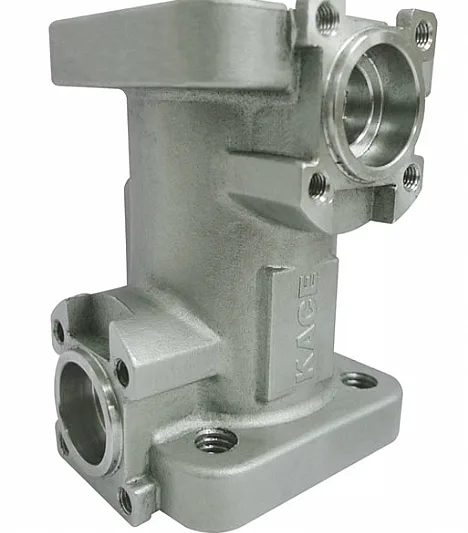
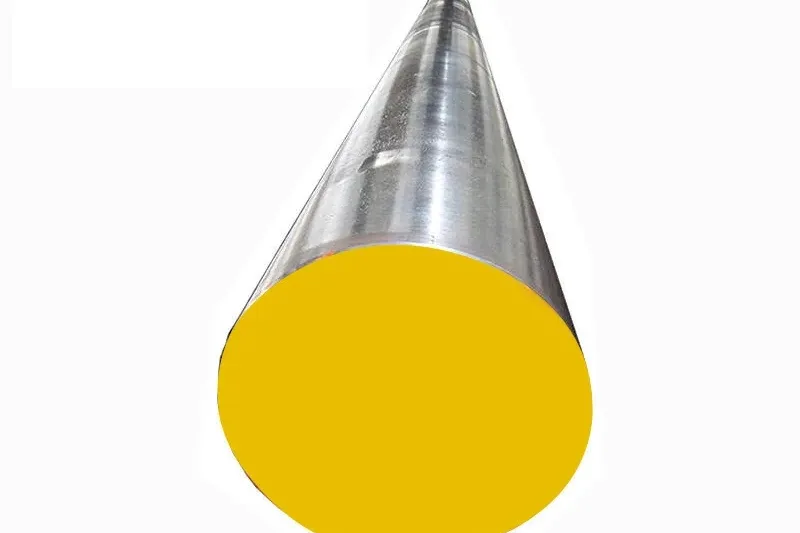
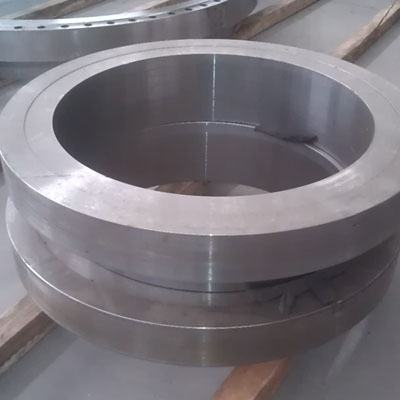
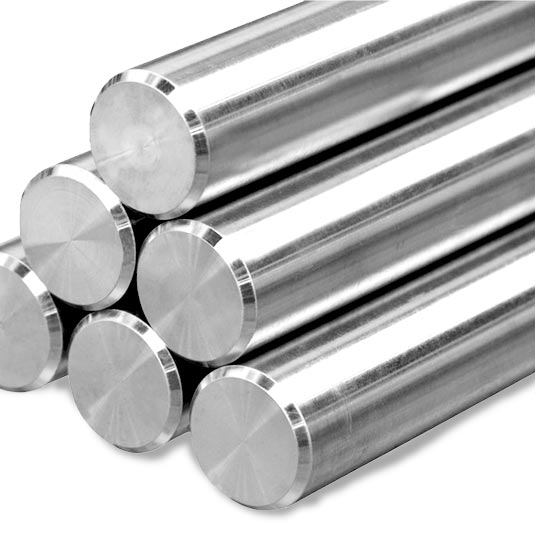
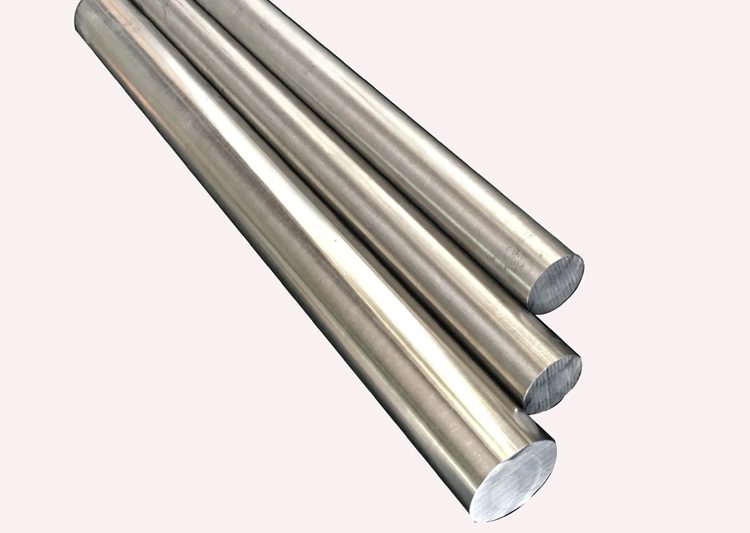
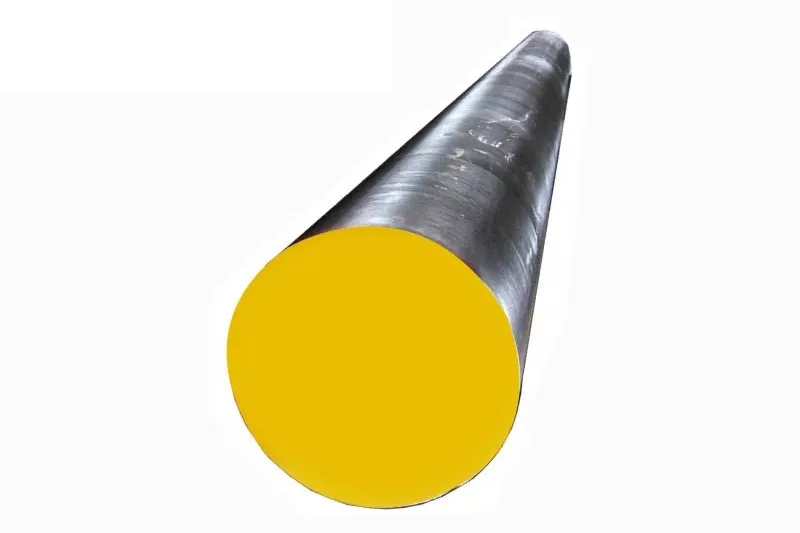
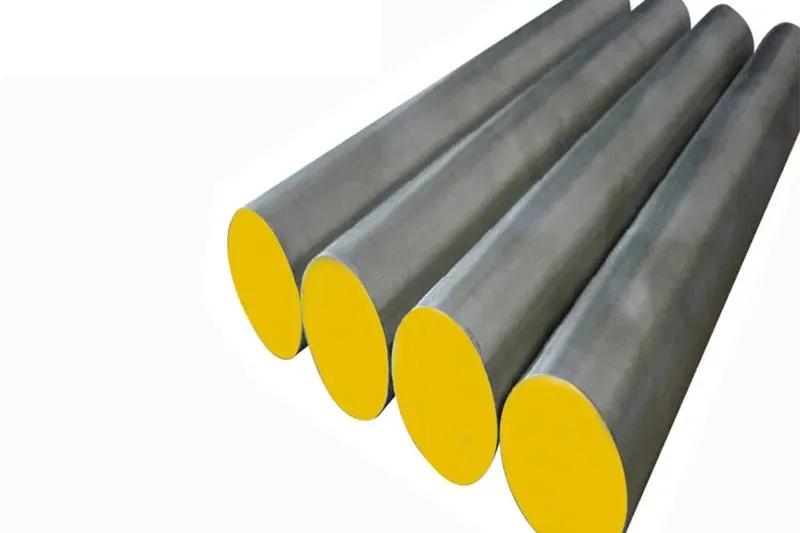
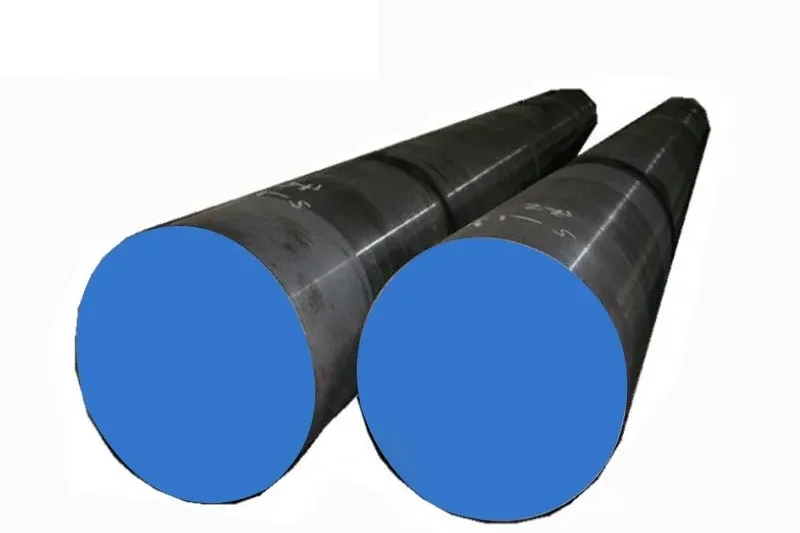
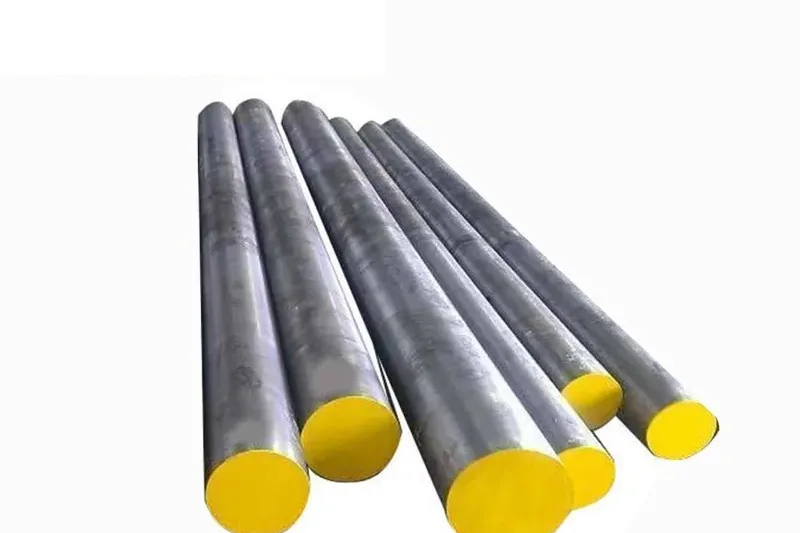
In terms of manufacturing process, the forged steel hydraulic cylinder barrel is made of high-quality alloy structural steel as raw material, which is heated and forged to achieve metal plastic deformation. The forging process effectively shattered the original as cast structure, eliminated internal defects such as porosity and shrinkage porosity, and rearranged the grains along the direction of force, forming a dense streamlined fiber structure. The formed cylinder needs to undergo heat treatment processes such as normalizing and tempering to optimize its comprehensive mechanical properties. Subsequently, high-precision CNC turning, deep hole drilling, and honing are used to ensure that the internal hole size tolerance and surface roughness meet the strict requirements of hydraulic sealing. The entire process strictly controls residual stress and positional tolerances, providing a reliable foundation for subsequent assembly.
The core advantages of forged steel hydraulic cylinder barrel are reflected in three aspects: high strength, high wear resistance, and long service life. In high-pressure hydraulic systems, the cylinder needs to withstand radial expansion forces of tens of megapascals and frequent axial impacts. The forging process endows the material with high yield strength and fatigue resistance, which can effectively suppress the initiation of microcracks and plastic deformation. After precision honing and surface hardening treatment, the friction coefficient of the inner wall is significantly reduced, which not only reduces the wear of the seals but also improves the volumetric efficiency of the system. In harsh environments such as extreme cold, high temperature, or dust pollution, this component can still maintain stable geometric accuracy and sealing reliability, significantly reducing equipment maintenance costs and unplanned downtime.
From the perspective of application scenarios, forged steel hydraulic cylinder barrels are widely used in engineering machinery, metallurgical equipment, ship propulsion, mining machinery, and industrial automation production lines. The core actuating components such as excavator boom cylinders, crane slewing mechanisms, injection molding machine clamping devices, and heavy-duty presses all rely on such cylinder barrels to provide precise thrust. Under the trend of green manufacturing and energy conservation and emission reduction, the industry has put forward higher requirements for the lightweight and energy efficiency ratio of hydraulic components. By optimizing forging parameters and using microalloyed materials, modern forged steel hydraulic cylinder barrels have achieved wall thickness reduction and weight reduction while maintaining structural strength, further aligning with the technological path of equipment upgrading.