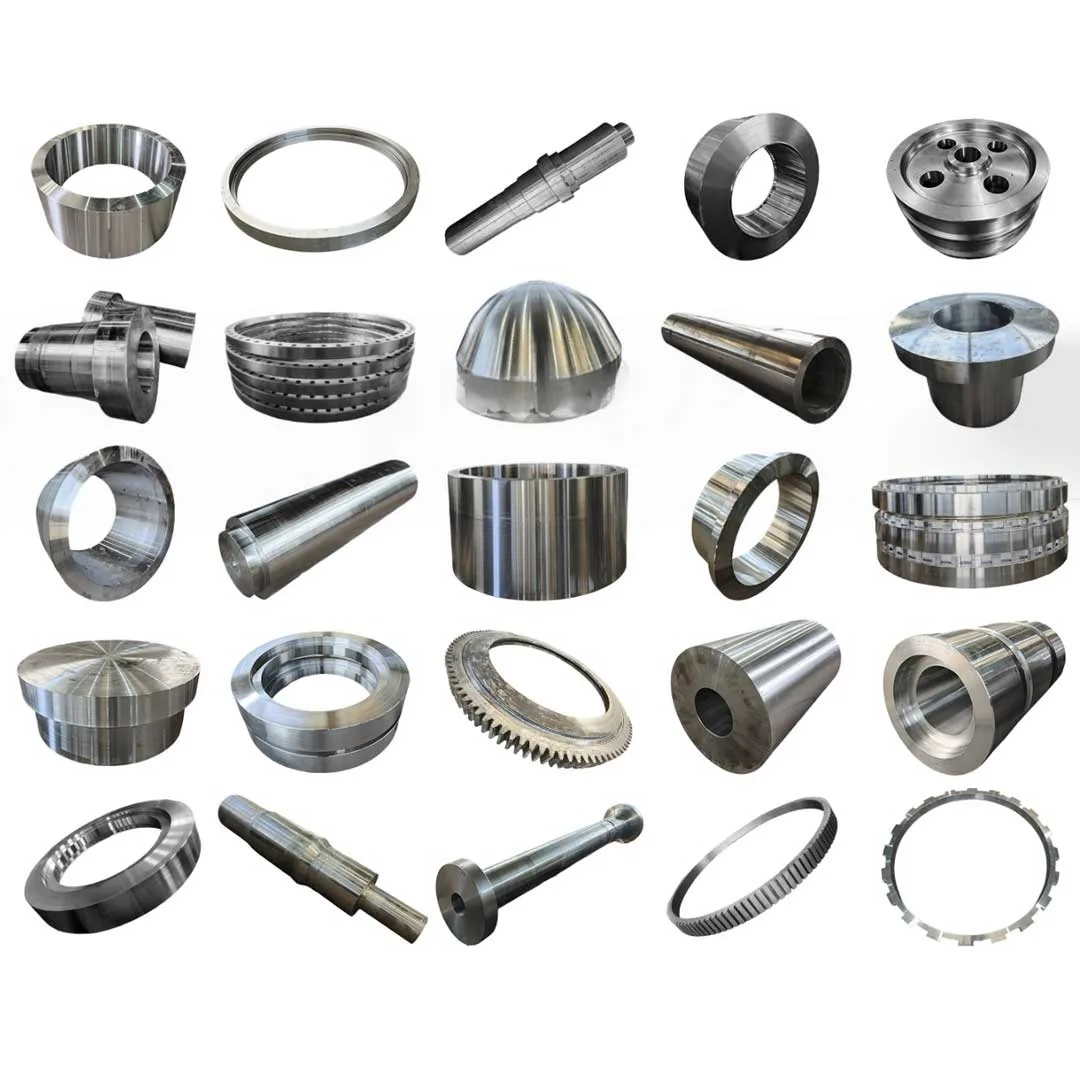
AISI 4340 Forged Rings for High-Load Components: Toughness and Test Requirements

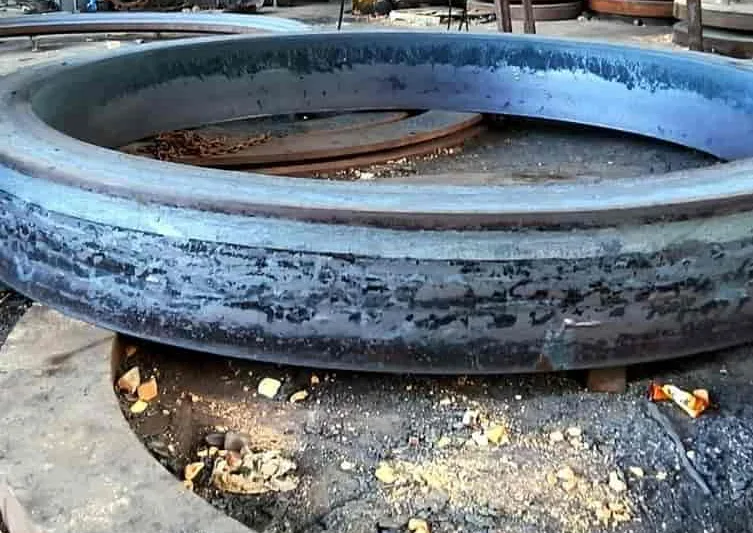
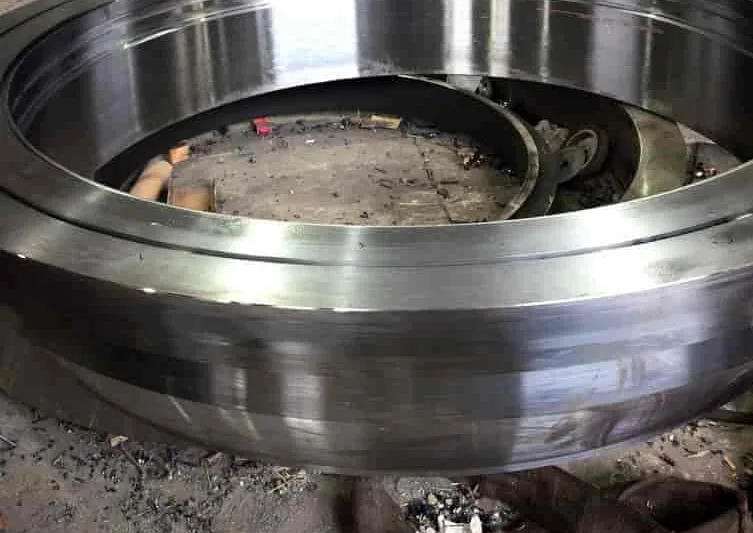
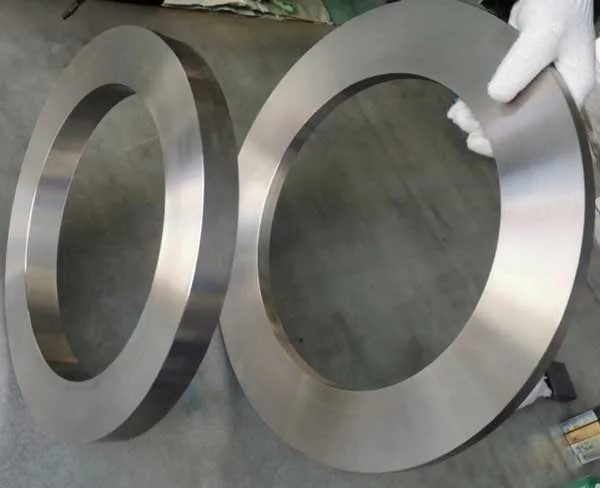
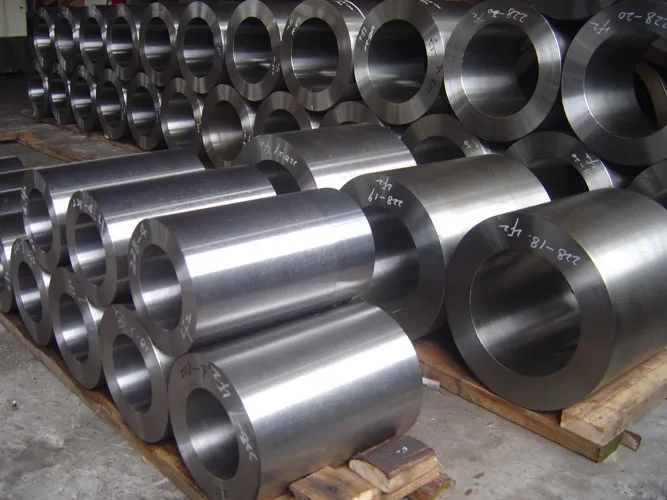
AISI 4340 is a nickel-chromium-molybdenum steel considered for components where high strength must be combined with toughness. For a forged ring, its value lies in the ability to engineer a substantial annular section for demanding mechanical duty. It is not simply a higher-strength replacement for every alloy steel: the required heat-treatment condition, section size and verification plan must match the component design.
Application-led material selection
Potential uses include heavy-duty drive components, industrial machinery, high-load couplings and other engineered assemblies in which the designer specifies 4340. The nickel addition distinguishes its alloy design from simpler Cr-Mo grades and is one reason engineers consider it for strength-and-toughness combinations. The customer must confirm design allowables, fatigue life, impact requirements and compliance with the governing equipment standard.
Large-section properties need attention
For a thick ring, surface hardness alone may not demonstrate that the entire section meets the design intent. The RFQ should define heat-treatment condition, tensile properties, impact testing where applicable, hardness limits, specimen location and orientation. If a particular standard or customer specification controls the order, quote it by number and revision. Any proposed alternative grade or standard should be submitted for written approval before manufacture.
Forging geometry and stock strategy
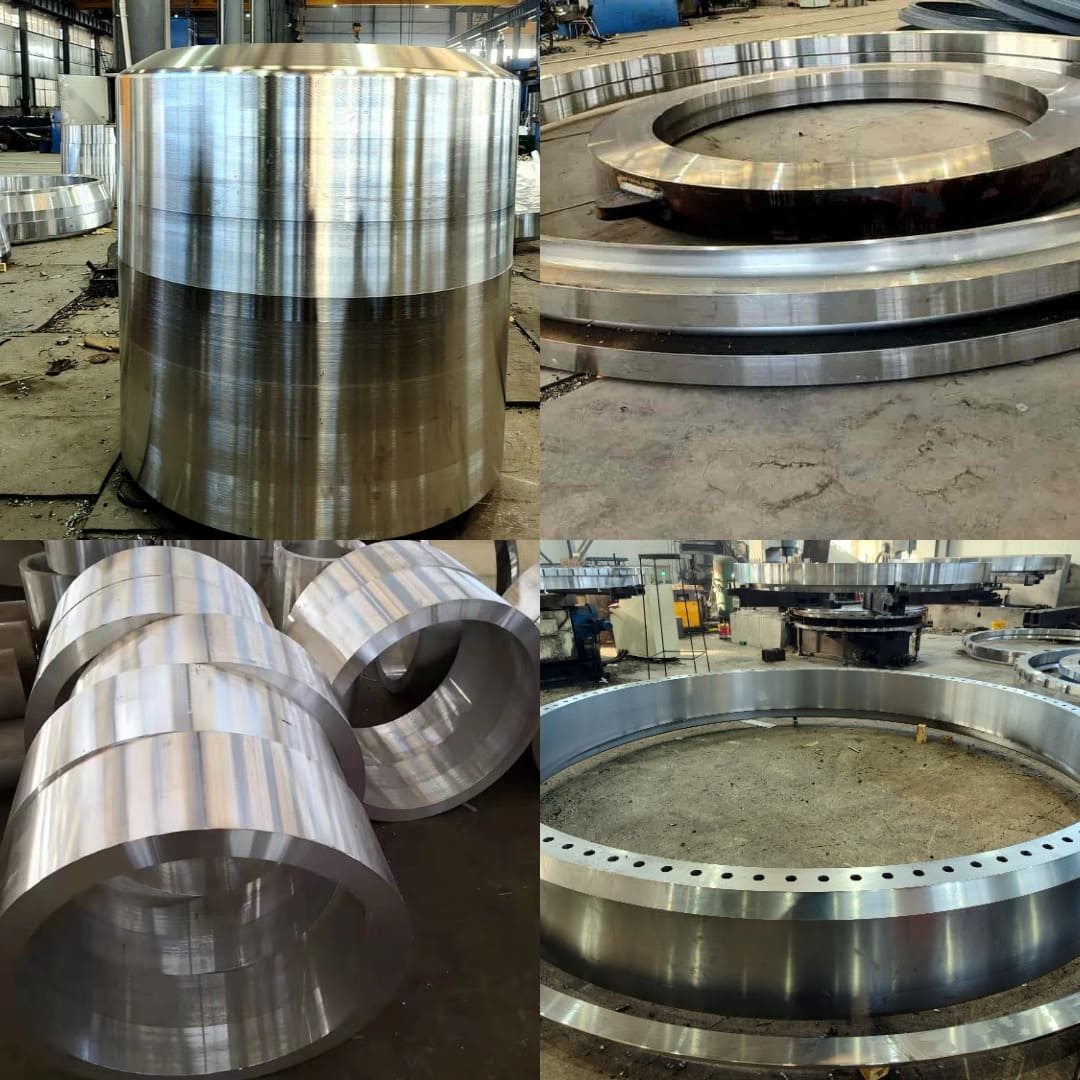
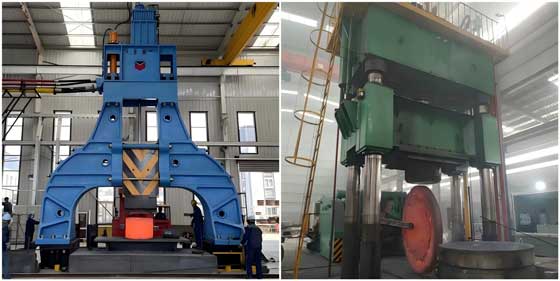
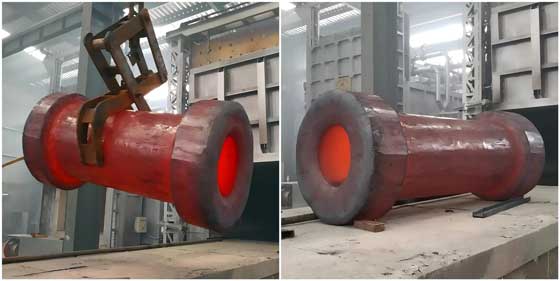
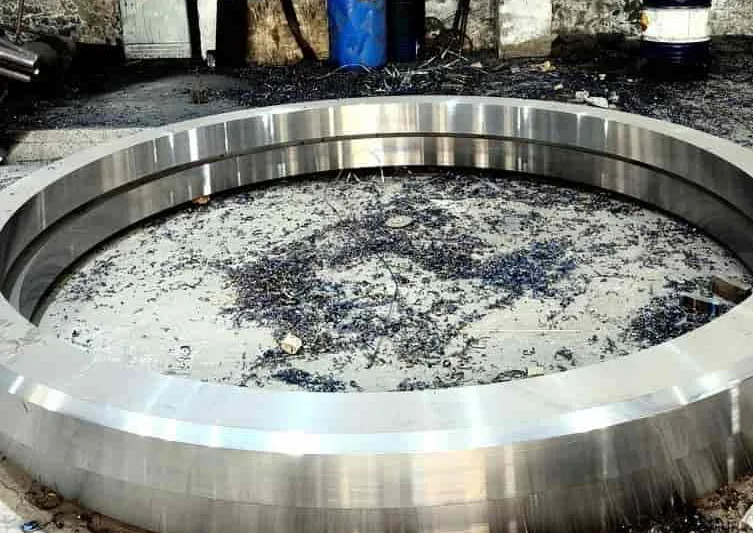
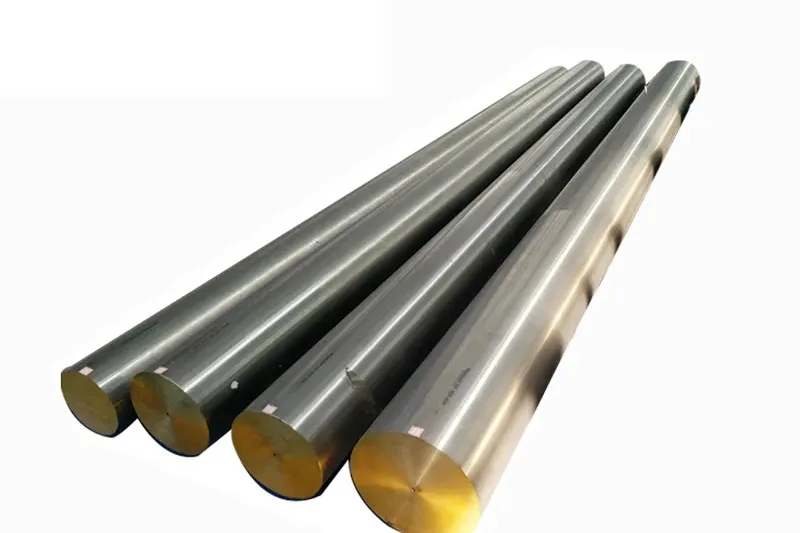
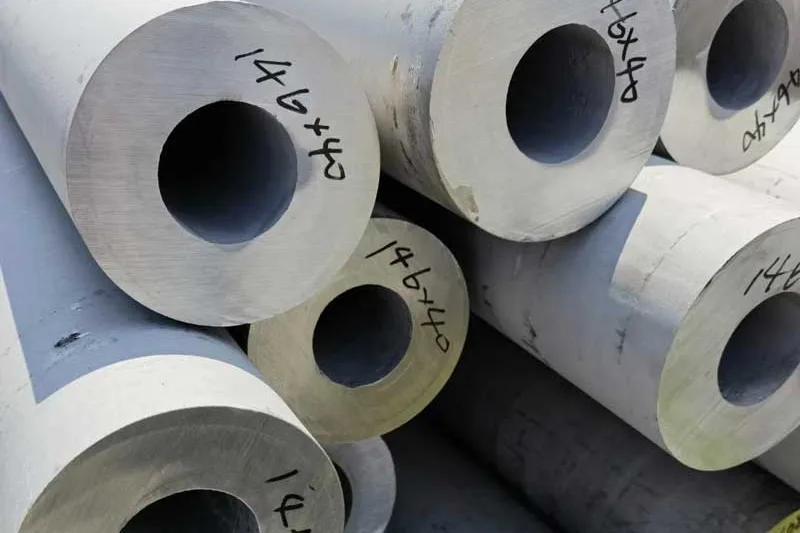
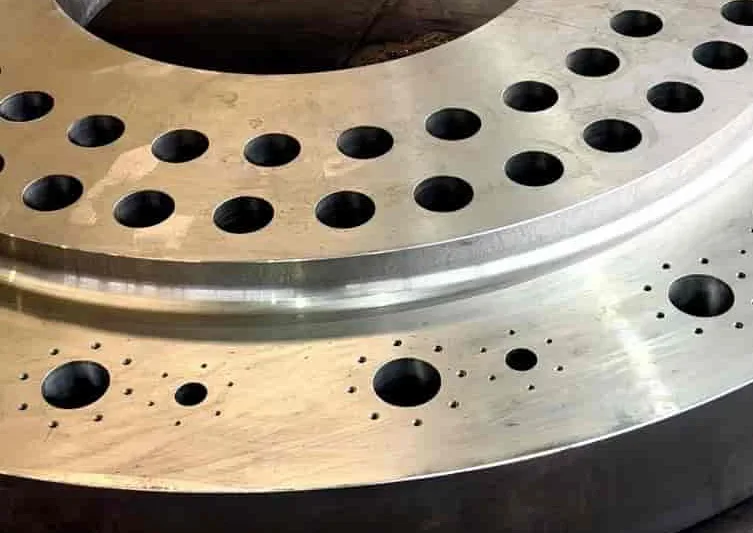
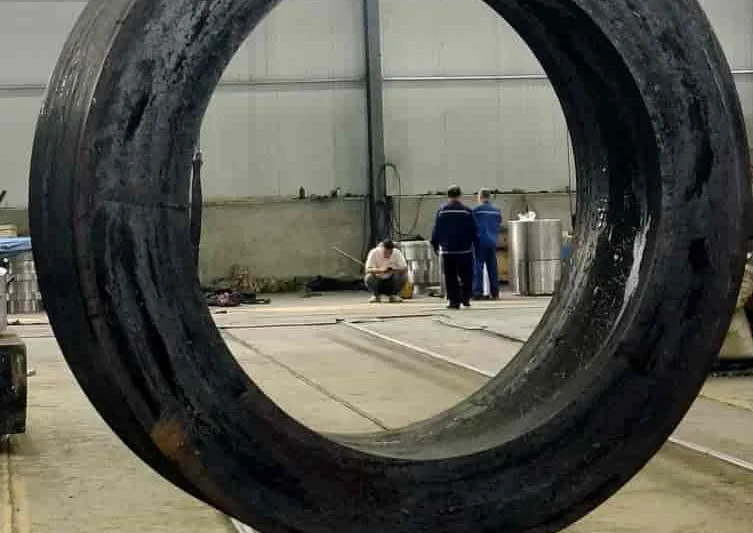
The forging plan requires coordination between starting stock, forging sequence and final dimensions. The supplier needs outside diameter, inside diameter, axial height, radial wall and any stepped or contoured features. Identify machining allowances and whether the bore is to be pierced or machined from solid stock. Geometry and required reduction influence material utilization, process planning and lead time.
Heat treatment and CNC finishing
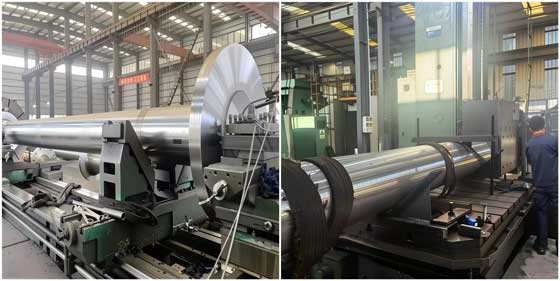
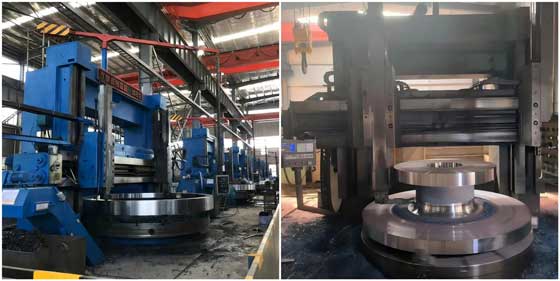
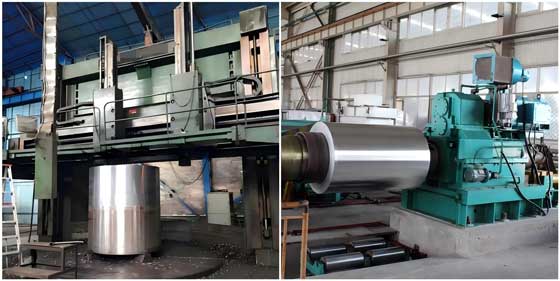
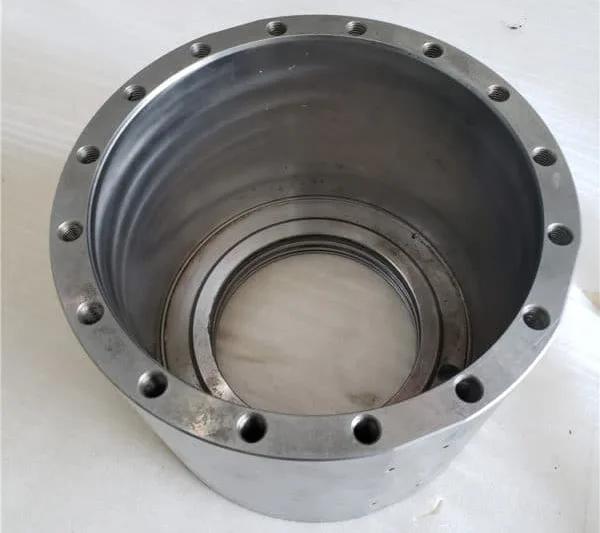
Quench-and-temper treatment is commonly specified for 4340 applications, but the exact cycle and acceptance properties must come from the governing specification. Large sections may require a carefully controlled process and representative test coupons. CNC turning, boring, facing and profile machining can then bring the forging to drawing dimensions. When tight runout or concentricity is critical, define inspection datums and final measurement method.
Documentation for critical orders
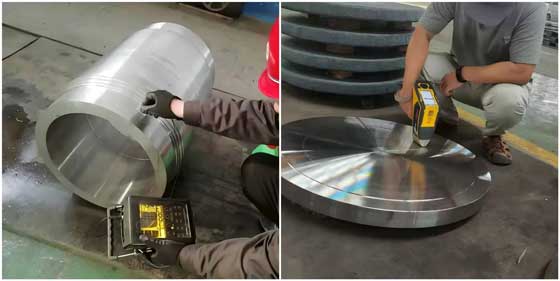
Depending on the purchase order, documentation may include a material test certificate, heat number traceability, heat-treatment records, tensile and impact results, hardness readings, ultrasonic examination and dimensional reports. State which documents are mandatory and which tests are optional. A complete inquiry should include drawing, quantity, material standard, property targets, machining scope, NDT acceptance criteria and delivery destination.
Engineering details, dimensions and procurement example
For 4340, confirm the exact product standard, chemistry limits and quench-and-temper condition and through-section toughness before production. Heat-treatment sequence and section thickness affect final properties and machining stability. The purchase order should define test-coupon location, hardness or tensile acceptance, traceability and any required non-destructive examination. Do not assume that a grade designation alone defines the finished condition.
Representative inquiry dimensions may be OD 700–1, ID 400 mm, and axial thickness ID 350–950 mm100–250 mm. These are illustrative RFQ examples only, not confirmed maximum manufacturing dimensions. Actual feasibility depends on drawing geometry, material supply, process route, machine envelope and workpiece weight.
A typical procurement case is a high-load drive or industrial machinery ring. The RFQ should separate forged blank dimensions from finished dimensions and specify quantity, delivery condition, machining stock, critical tolerances, surface finish and inspection documents. tensile and impact testing, hardness mapping where specified, UT and traceability. CNC OD/ID turning, boring and face machining can be planned as rough and finish operations; machining sequence and capability require drawing review and equipment confirmation.
Related information: Inconel forged rings; see also the Changjin Metal website.