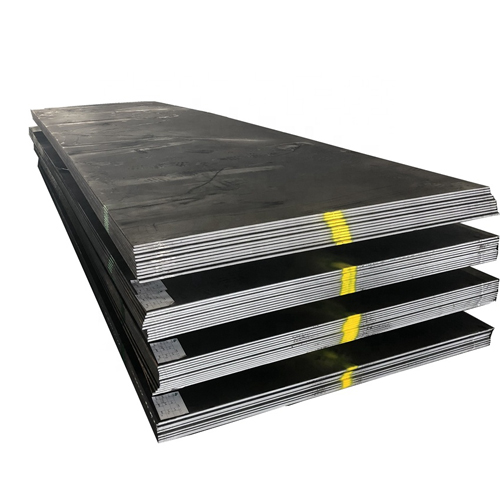
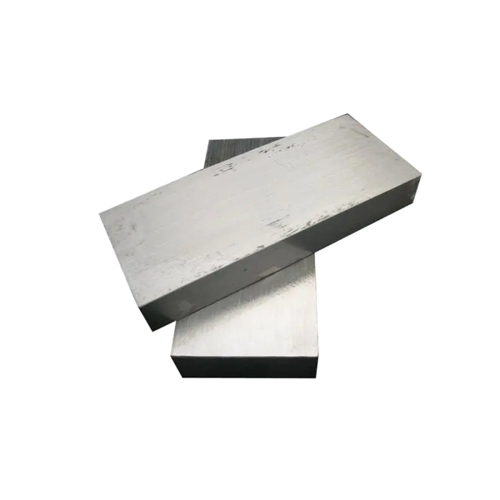
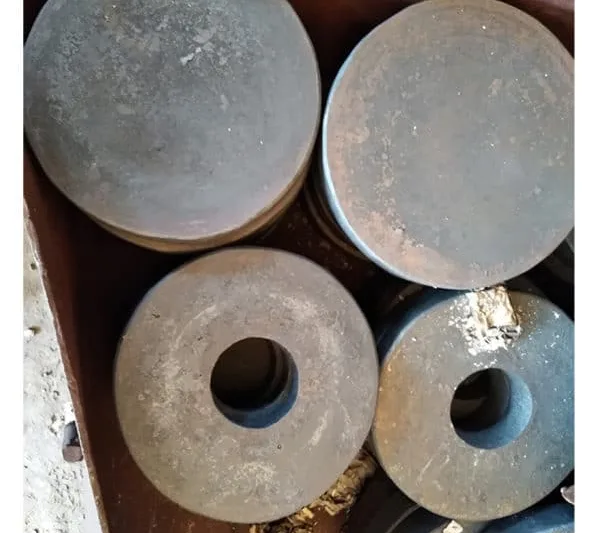
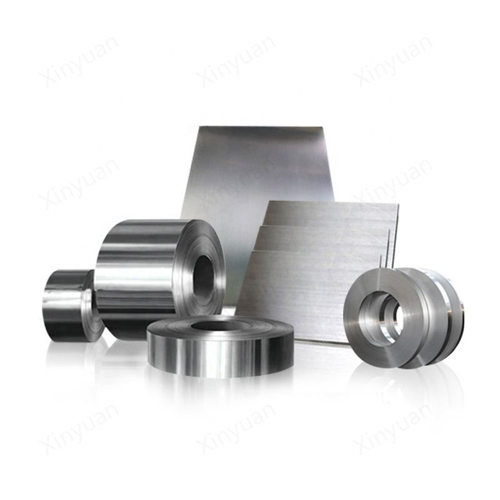
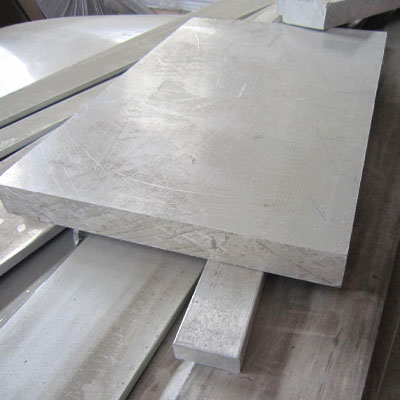
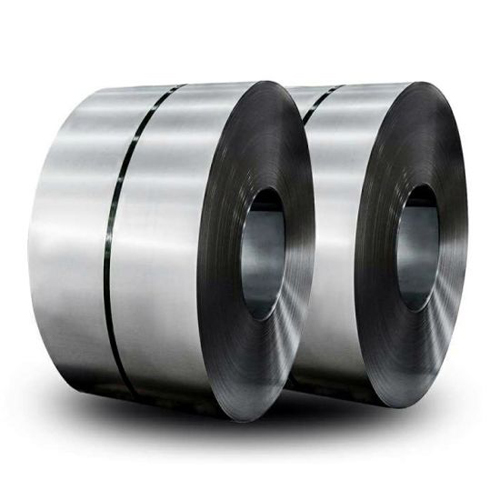
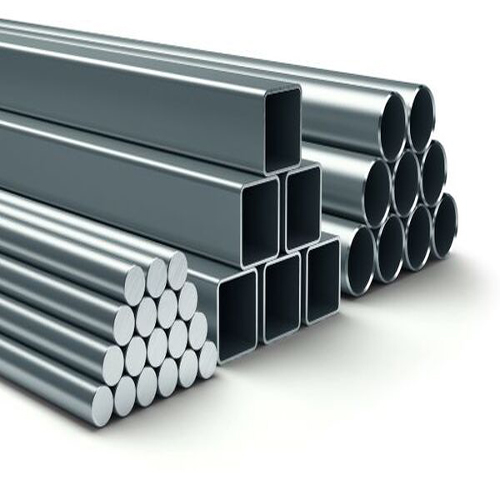
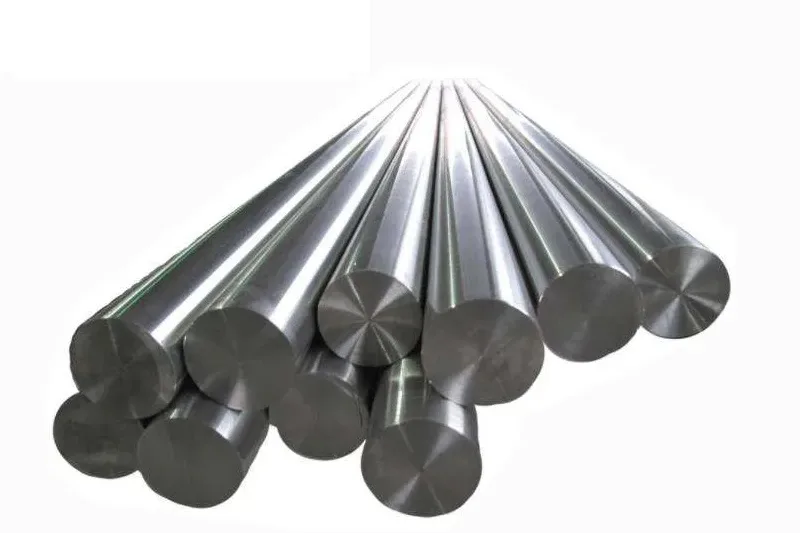
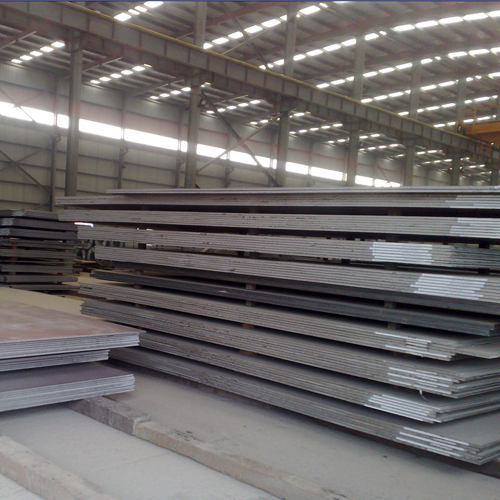
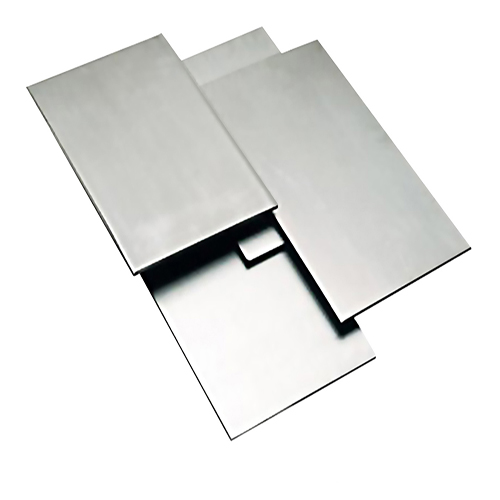
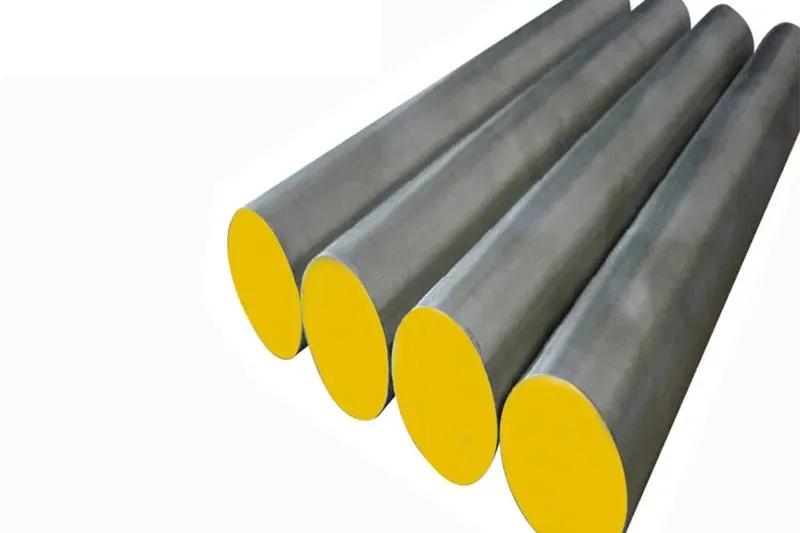
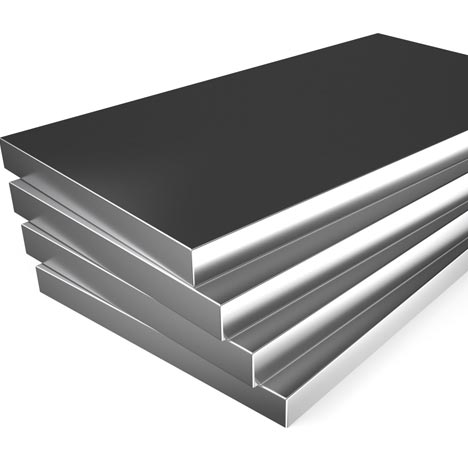
nm360 wear-resistant plate
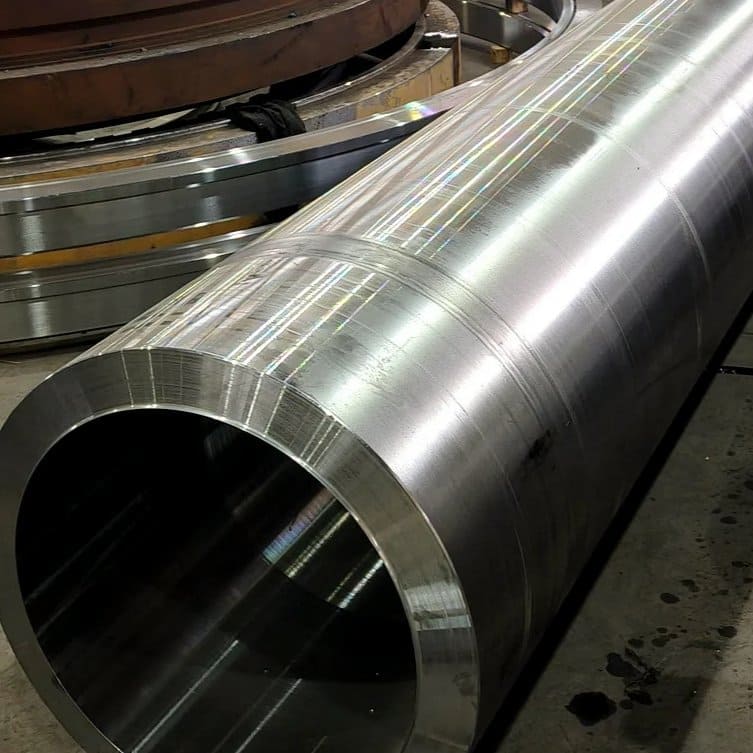
Introduction to nm360 wear-resistant plate
Naming: N is the first pinyin letter of the two Chinese characters "nai" and "mo". 360 represents the average Brinell of this steel plate. Hardness
Heat treatment: high temperature tempering, quenching + tempering (quenching and tempering)
Application: NM360 wear-resistant steel plate is widely used in mining machinery, coal mining machinery, environmental protection machinery, engineering machinery, etc. , also commonly used as high-strength structural steel with yield strength ≥800MPa.
Function: Mainly to provide protection in occasions or parts that require wear resistance, so as to extend the life of the equipment, reduce maintenance downtime caused by maintenance, and correspondingly reduce capital investment.
Performance: Yield is over 900, tensile strength is over 1100.
nm360 wear-resistant plate production process flow
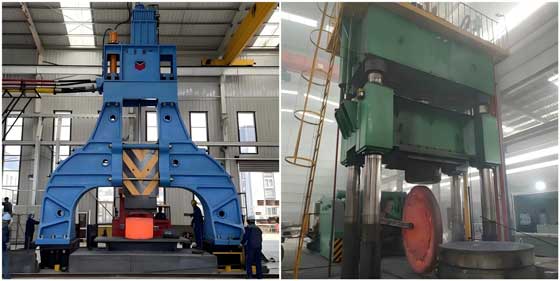
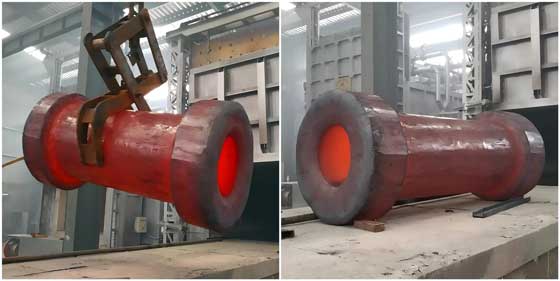
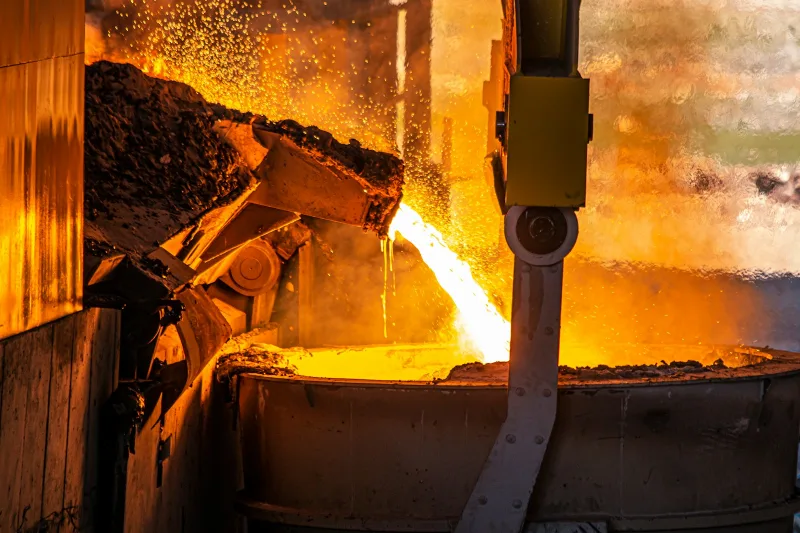
90-ton ultra-high power electric furnace smelting → LF refining → VD vacuum treatment → mold casting → steel ingot cleaning and heating → billet opening → billet cleaning → Steel billet → heating → 4200mm rolled plate → heat treatment → inspection and storage.
Nm360 wear-resistant plate cutting method
1. The cutting nozzle should be selected according to the thickness of the steel plate, and the cutting straightness and cutting speed should be adjusted to obtain excellent cutting quality.
2. When cutting thick plates, the cutting nozzle and the surface of the workpiece should be vertical. Wait until the entire section is cut through before moving the cutting nozzle. When the end of the cutting is about to be reached, the cutting speed should be slowed down, but not too much. slow.
3. The cutting parameters should be adjusted according to the thickness of the steel plate, including cutting nozzle type, gas pressure and cutting speed. Because if the parameters are incorrect, it will affect the final cutting quality.
4. Before cutting the steel plate, the surface must be cleaned first to remove dust, dirt, grease, etc. to avoid affecting the cutting quality.
5. When the cutting torch moves, it should move at a uniform speed, so that the comparison is appropriate.
6. If the sizes of the cutting parts are different, the small ones are usually cut first and then the large ones.
7. If straight cutting is performed, the flame intensity of each cutting nozzle should be consistent, otherwise questions will arise.
8. During the cutting process, pay attention to the cutting situation at any time to ensure that cutting can be continued without interruption.
9. After cutting is completed, check the cut surface of the steel to see if there are any questions or defects.
10. After the workpiece is cut and there are no doubts after inspection, it must be marked.