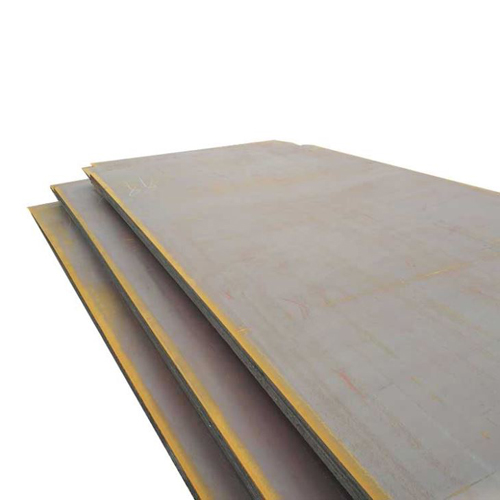
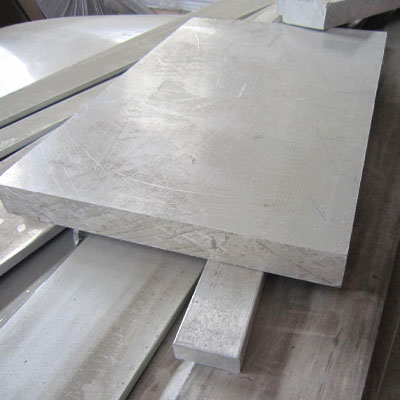
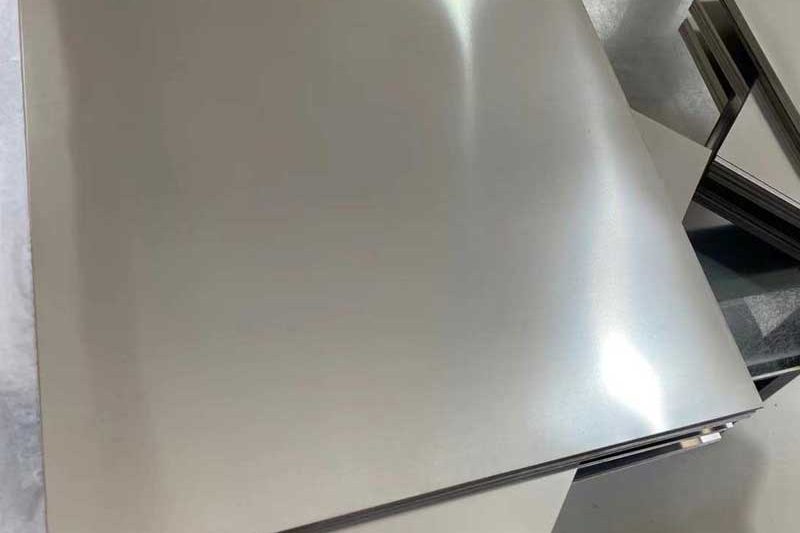
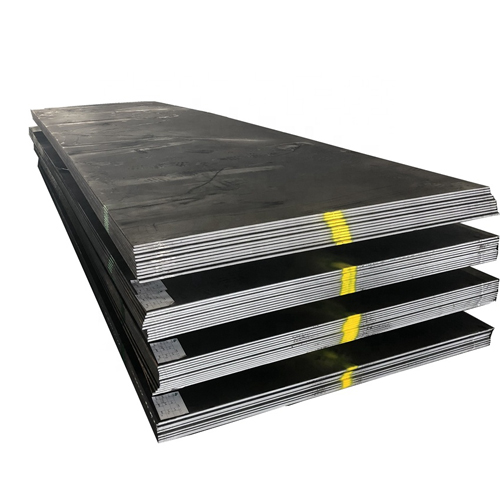
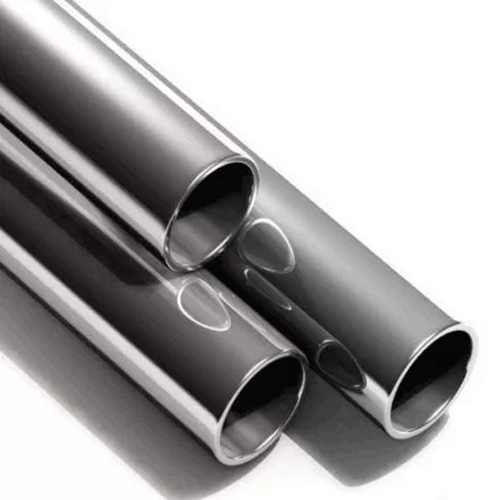
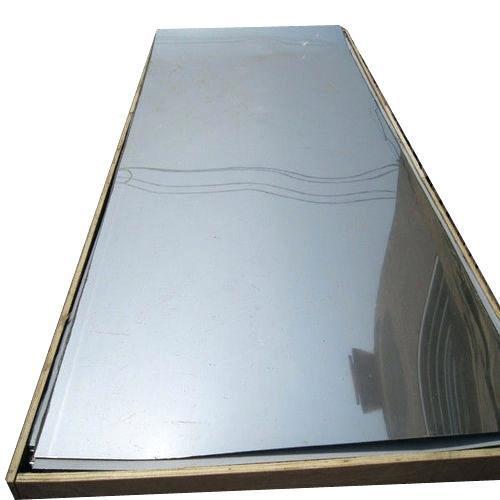
q235NHB weather-resistant steel plate
q235NHB weather-resistant steel plate
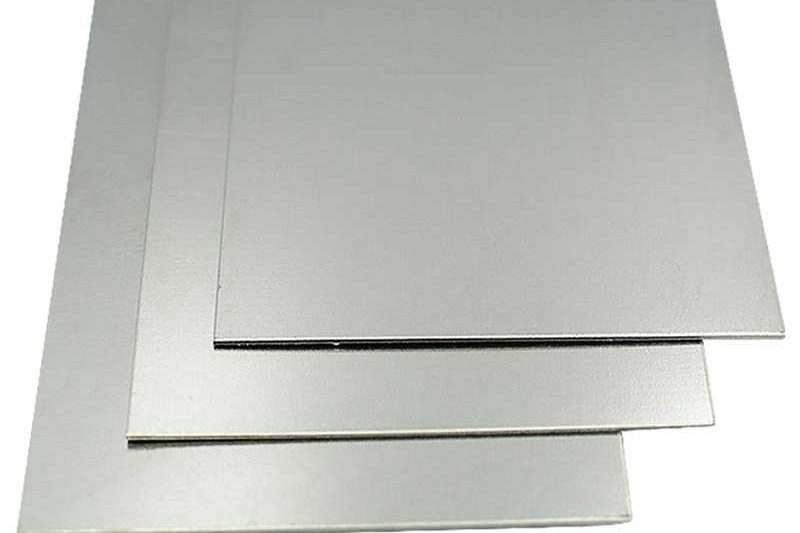
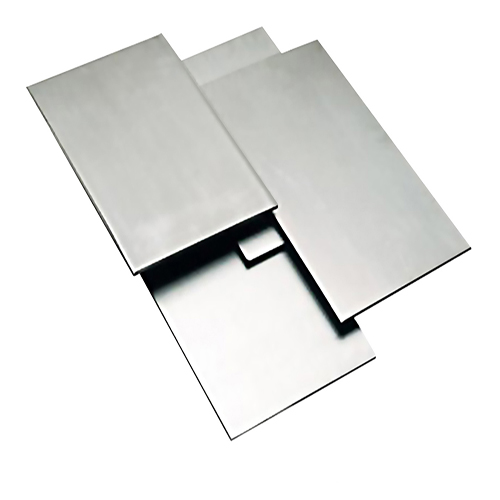
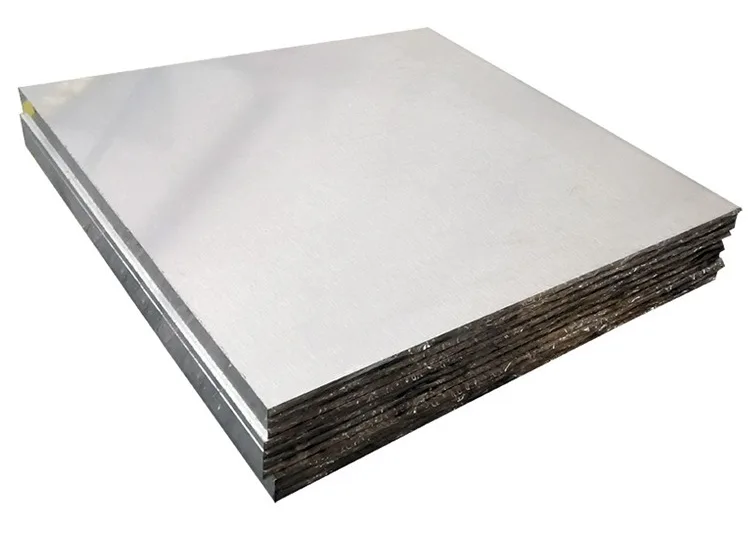
q235nh is a weather-resistant steel plate. The first letter of the Chinese pinyin of "weather-resistant" is "NH". Q235NHB steel plate adds alloy elements:
Weather-resistant steel is made by adding a small amount of alloy elements. Such as: Cu, P, Cr, Ni, etc., to form a protective layer on the surface of the metal substrate
Q235NHB steel plate implementation standard: GB/T 4171-2008.
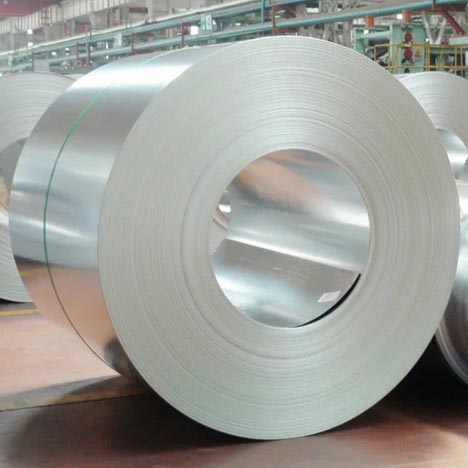
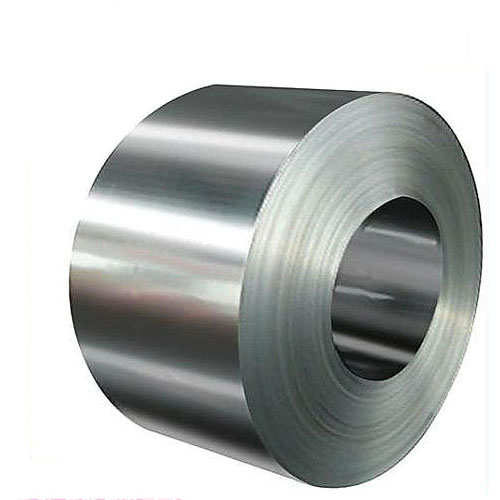
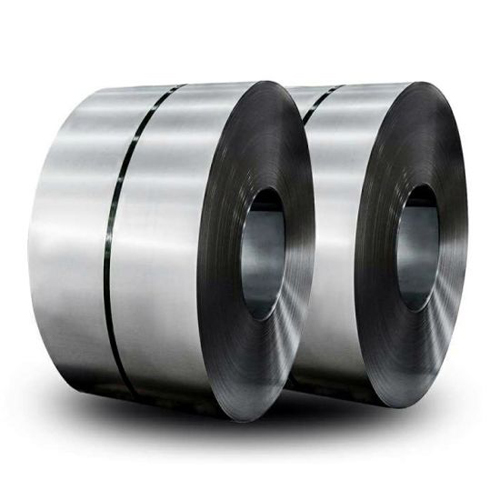
Q235NHB coiled weathering steel is developed by adding a small amount of corrosion-resistant elements such as copper and chromium to ordinary carbon steel. The combined use of Cu and Cr elements can significantly improve the weathering resistance of the steel.
During the hot rolling process, the steel plate is exposed to high temperature and undergoes an oxidation reaction in contact with air, forming a large amount of iron oxide scale on the surface, which affects the quality of the steel surface and causes serious economic losses.
In addition, relevant research shows that adding an appropriate amount of Si element can reduce the degree of oxidation of steel at high temperatures, but at the same time, steel containing Si element will increase the adhesion of the oxide scale, making the high-pressure water phosphorus removal stage difficult. Failure to remove phosphorus is the main reason for the production of red iron oxide scale.
At present, there have been many studies at home and abroad on the corrosion behavior of weathering steel in the atmosphere. However, there are few studies on its high-temperature oxidation behavior. Therefore, the high-temperature oxidation behavior of weathering steel containing alloying elements such as Si and Cr is unknown. Research is of great significance.
Conduct high-temperature oxidation simulation tests on weathering steel Q235NHB coils containing Si and Cr in steel plants under laboratory conditions to study the formation rules of oxide structure, thickness, etc., so as to reduce the actual production process on site. The appearance of red iron oxide scale provides basis.
Q235NHB steel usually adopts normalizing heat treatment or quenching heat treatment. Normalizing heat treatment: first heat the steel to an appropriate temperature, keep it warm for a period of time, and then allow the steel to slowly cool to room temperature. Normalizing can homogenize the steel structure, refine the grains, and improve the hardness and strength. Quenching heat treatment: The steel is heated to the appropriate temperature and then quickly immersed in water or oil to cool. Quenching enables steel to achieve high hardness, strength and wear resistance. In addition, according to different usage requirements, tempering treatment, bainite quenching and tempering treatment and other processes can also be carried out.