Wear-resistant plate processing and precautions
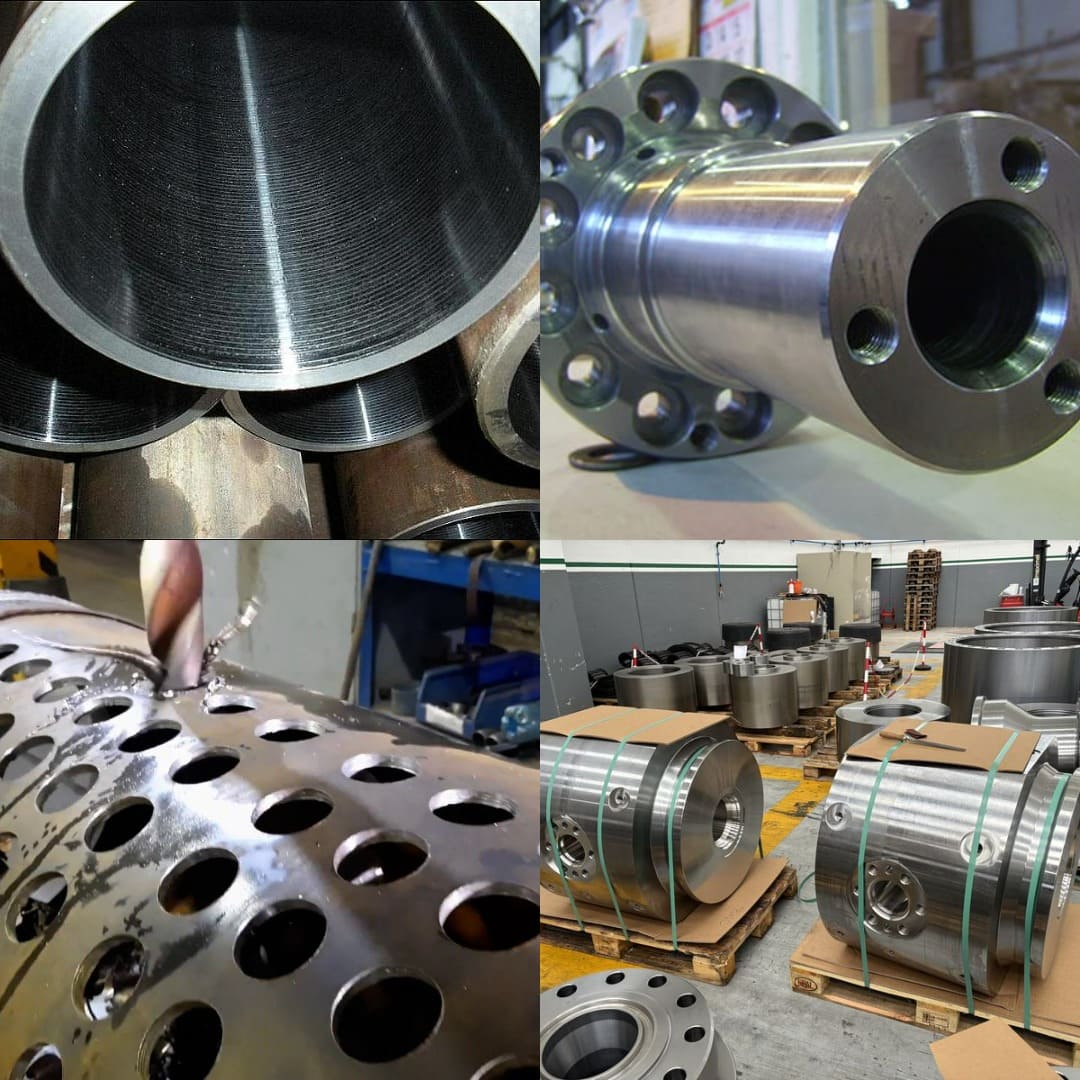
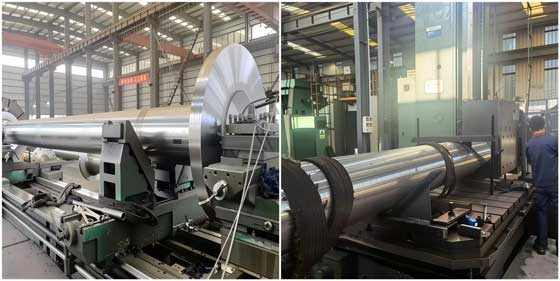
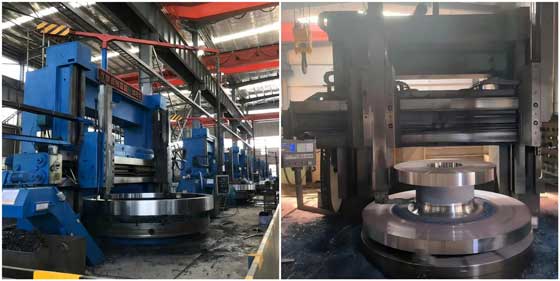
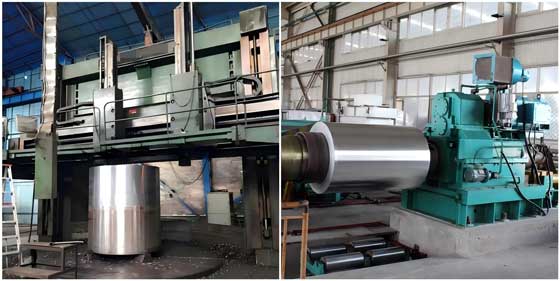
Wear-resistant plate processing refers to a series of processing techniques for wear-resistant plates to improve their wear resistance and service life. This article will introduce the process of wear-resistant plate processing, common processing methods and precautions to help readers better understand and apply wear-resistant plate processing technology.
Introducing the definition of wear-resistant plate processing
Wear-resistant plate processing
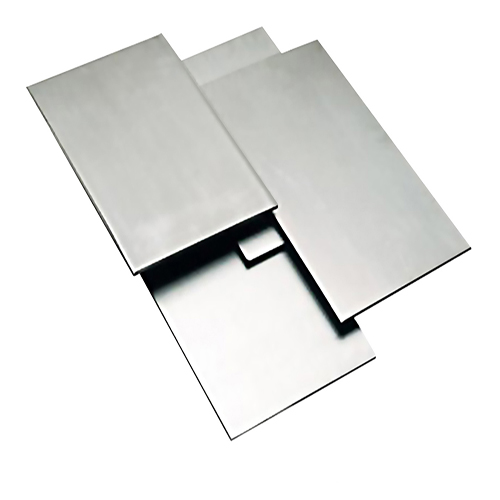
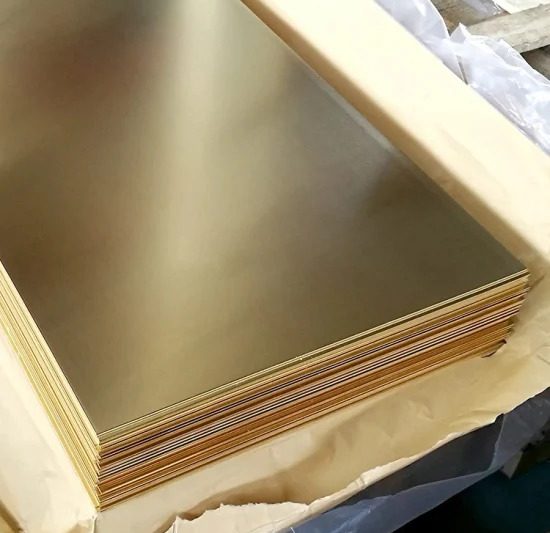
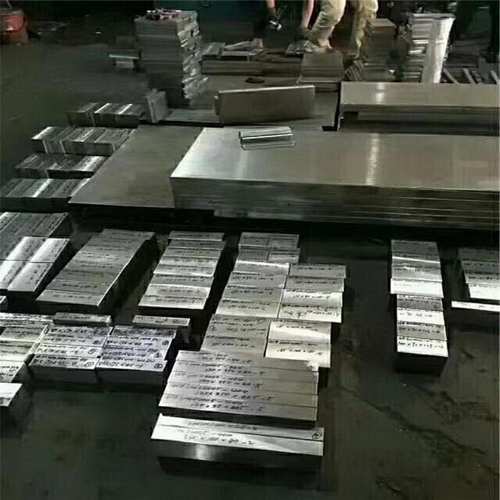
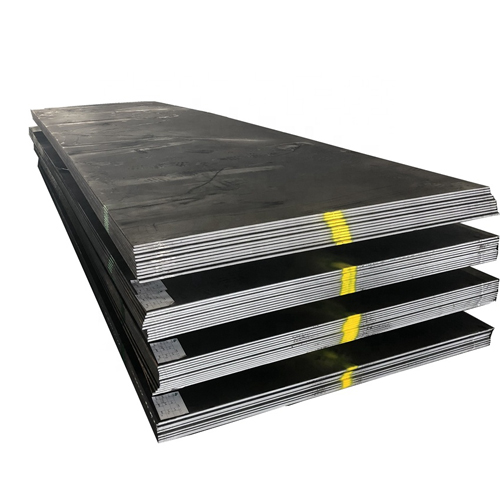
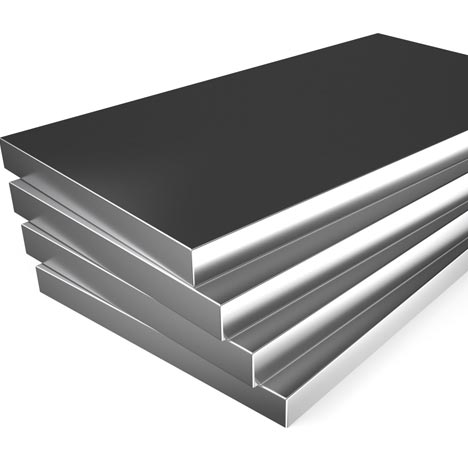
Wear-resistant plate is a special steel plate with high wear resistance and is widely used in Wear parts and equipment in mining, metallurgy, construction and other industries. However, due to the special properties and material characteristics of wear-resistant plates, conventional processing methods are not suitable for the processing of wear-resistant plates. Therefore, wear-resistant plate processing has become a unique technology.
Heat treatment
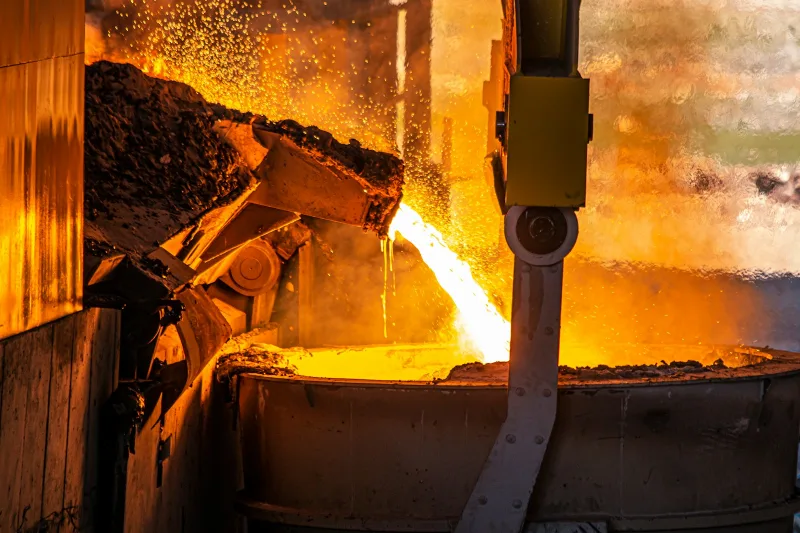
Heat treatment is one of the commonly used methods in wear-resistant plate processing. By subjecting wear-resistant plates to high-temperature heating and cooling, the hardness and wear-resistant properties of their materials can be improved. Common heat treatment methods include quenching, tempering, normalizing, etc. Heat treatment can improve the wear resistance and strength of wear-resistant plates, making them more suitable for harsh working environments.
Cold working
In addition to heat treatment, cold working is also one of the common methods for wear-resistant plate processing. Cold working refers to pressure processing of wear-resistant plates at normal temperature, such as cold rolling, cold bending, etc. Through cold working, the surface quality and dimensional accuracy of the wear-resistant plate can be improved, and its wear-resistant performance and service life can be increased.
Surface treatment
Another important step in wear-resistant plate processing is surface treatment. The surface treatment of wear-resistant plates can use spraying, galvanizing, coating and other methods to improve the wear resistance and anti-corrosion properties of its surface. Surface treatment can not only extend the service life of the wear-resistant plate, but also make it more suitable for different working environments.
Notes
When processing wear-resistant plates, you need to pay attention to the following aspects:
Material selection
Choose the appropriate Wear plate materials are critical to the success of the process. Different working environments and usage requirements require the selection of wear-resistant plates of different materials, such as high manganese steel plates, chromium-molybdenum alloy plates, etc. The correct selection of materials can ensure that the processed wear-resistant plate has good wear resistance and service life.
Processing process control
During the process of wear-resistant plate processing, it is necessary to control the process parameters of each link, such as heating temperature, cooling rate, pressure, etc. Reasonable process control can ensure that the processed wear-resistant plate has stable performance and quality.
Quality inspection
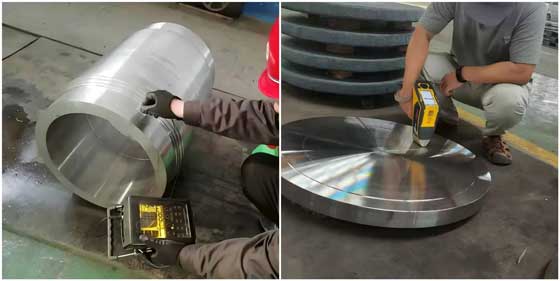
Strict quality inspection is required for processed wear-resistant plates. Common quality testing methods include hardness testing, metallographic analysis, etc. Quality inspection can ensure that the processed wear-resistant plates meet the requirements and have good wear-resistant performance and service life.
Application fields
Wear-resistant plate processing technology is widely used in mining, metallurgy, construction and other industries. In the mining industry, wear-resistant plate processing can be used to manufacture wear parts of mining equipment, such as tooth plates of crushers, troughs of conveyors, etc. In the metallurgical industry, wear-resistant plate processing can be used to manufacture wear-resistant parts of metallurgical equipment, such as blast furnace lining plates, hearth lining plates, etc. In the construction industry, wear-resistant plate processing can be used to manufacture wear-resistant parts of construction machinery, such as mixing blades of concrete mixer trucks, buckets of excavators, etc.
Conclusion
Wear-resistant plate processing is a key step to improve the wear resistance and service life of wear-resistant plates. The performance and quality of wear-resistant plates can be improved through methods such as heat treatment, cold working and surface treatment. When processing wear-resistant plates, attention needs to be paid to material selection, processing process control, and quality inspection. Wear-resistant plate processing technology is widely used in mining, metallurgy, construction and other industries.