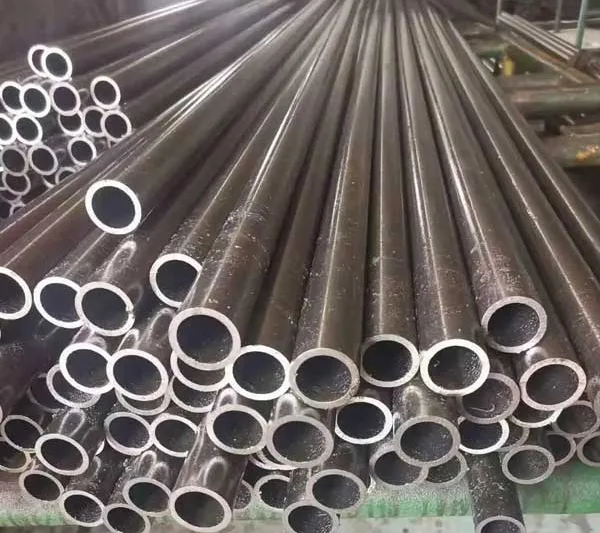
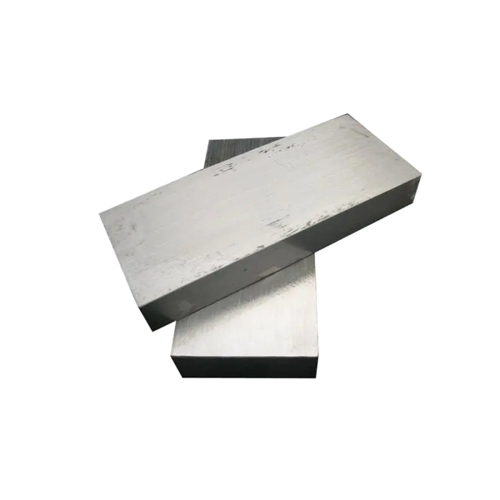
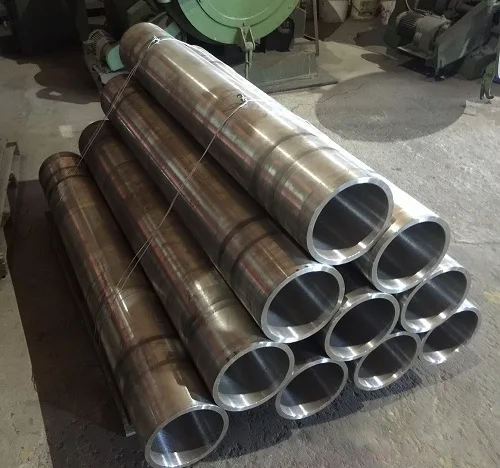
Processing steps of NM500 wear-resistant plate
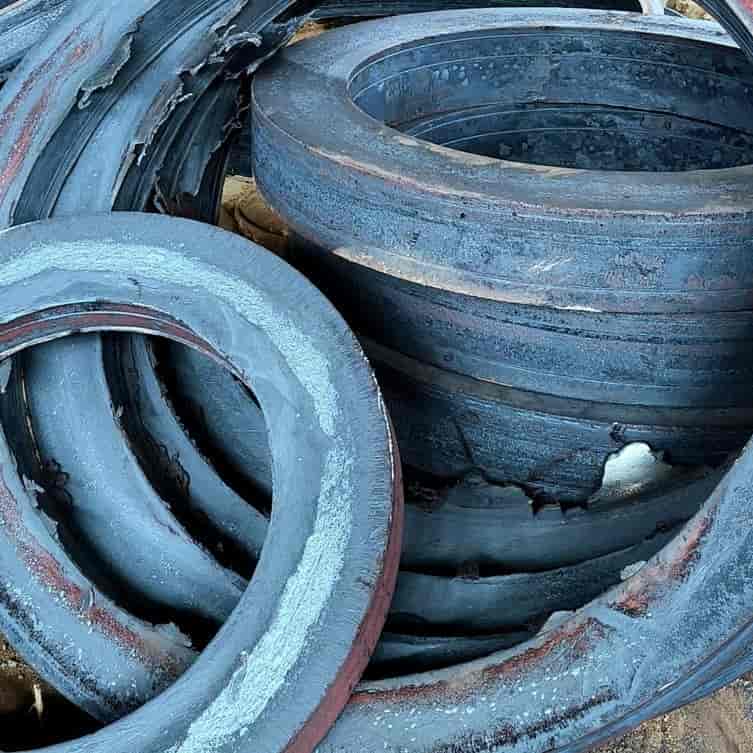
NM500 wear-resistant plate processing can bring the following benefits:
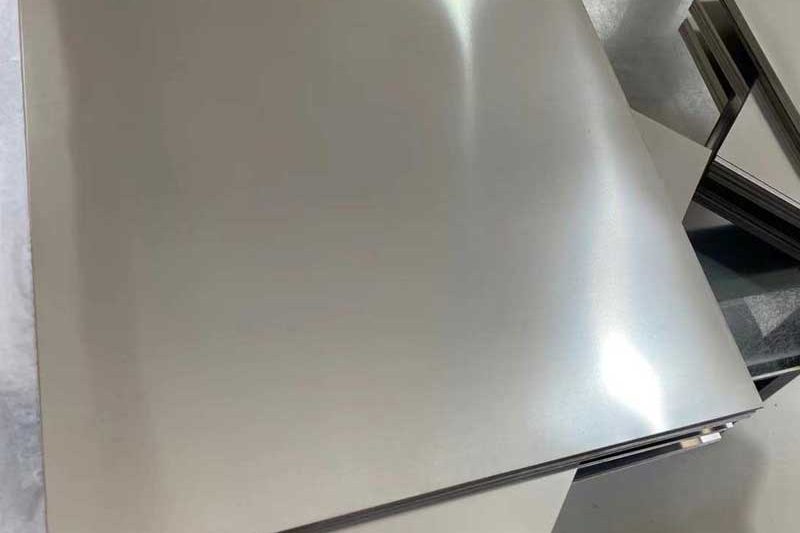
NM500 wear-resistant plate is a high-strength wear-resistant steel plate with excellent wear resistance and mechanical properties. It is widely used in mining, construction, metallurgy and other heavy industrial fields. However, in order to fully utilize the performance of NM500 wear-resistant plate, professional processing is required. This article will introduce to you the importance of NM500 wear-resistant plate processing and detailed processing steps.
1. Introduction to NM500 wear-resistant plate
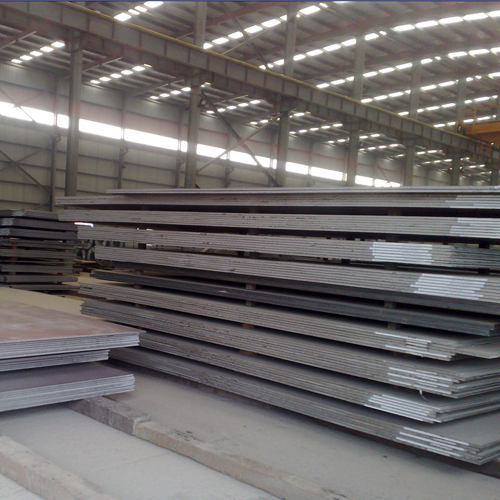
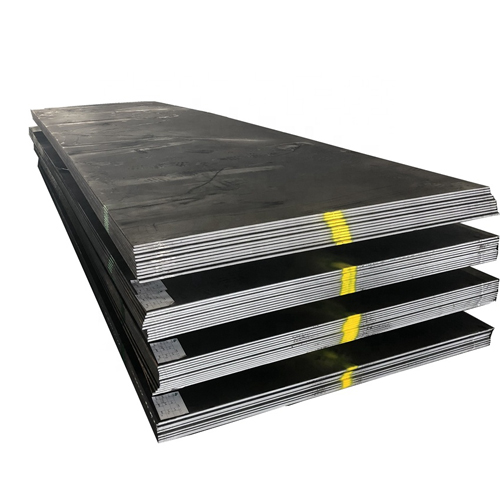
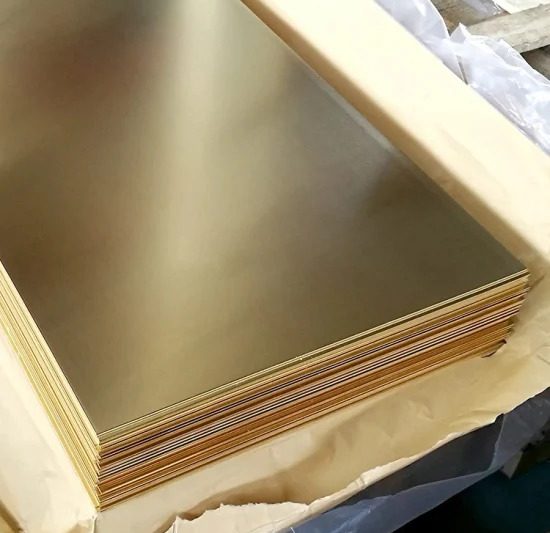
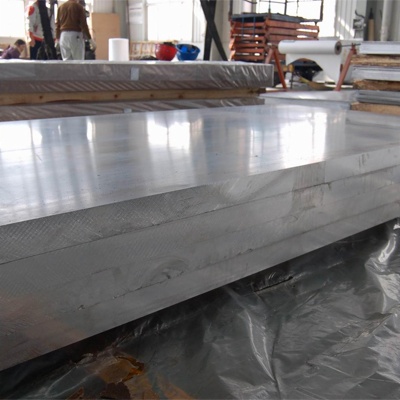
NM500 wear-resistant plate is a high-hardness, high-strength wear-resistant steel plate. Its chemical composition and mechanical properties are precisely controlled, and it has excellent Wear resistance and impact toughness. It is usually used in some equipment and structures that require high wear resistance, such as mining equipment, crushers, concrete mixing stations, etc.
2. The importance of NM500 wear-resistant plate processing
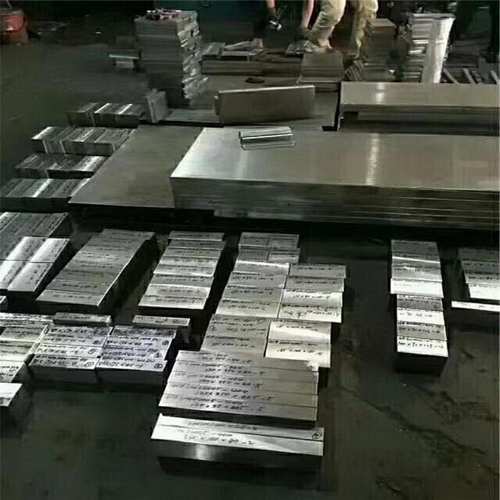
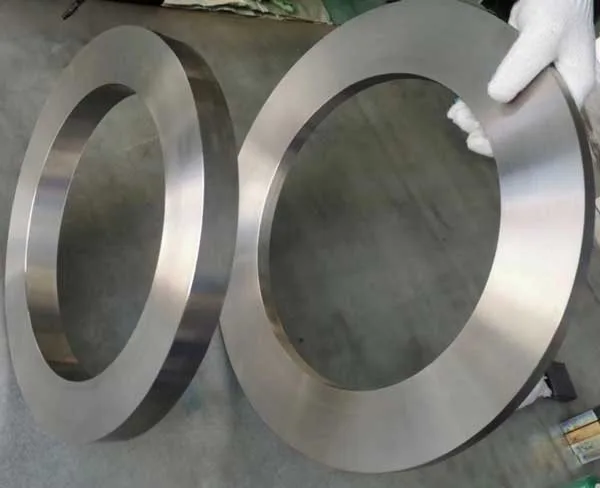
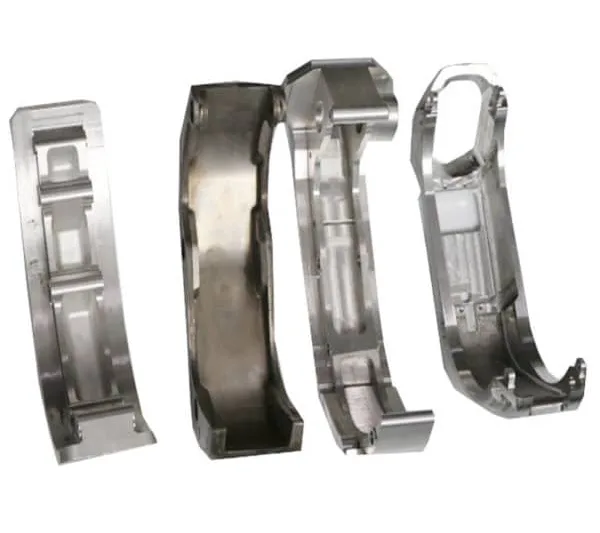
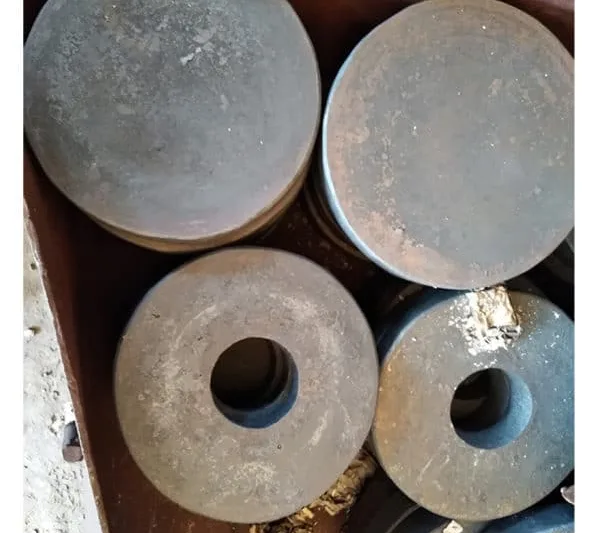
NM500 wear-resistant plate processing is to better meet the needs of different fields. Through processing, NM500 wear-resistant plates can be cut, formed, drilled, stamped, welded and surface treated to adapt to different application scenarios. During the processing, it can be customized according to specific needs to improve the service life and performance of NM500 wear-resistant plates.
3. Steps for processing NM500 wear-resistant plate
1: Material preparation
Before processing NM500 wear-resistant plate, the material needs to be prepared first. Select the appropriate NM500 wear plate material and cut and trim according to specific size requirements.
2: Cutting and shaping
Use appropriate cutting tools to cut the NM500 wear-resistant plate according to the design requirements. Methods such as flame cutting, plasma cutting or laser cutting can be used. Forming tools are then used to shape the sheet into the desired shape.
3: Drilling and punching
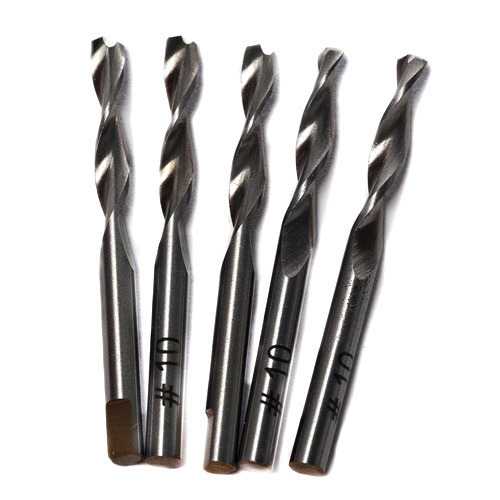
According to the design requirements, drill and punch the NM500 wear-resistant plate. Select appropriate drill bits and stamping dies to ensure hole accuracy and quality.
4: Welding and connection
Weld and connect the NM500 wear-resistant plate as needed. Choose appropriate welding methods and materials to ensure the firmness and sealing of the weld.
5: Surface treatment
Perform surface treatment on NM500 wear-resistant plate to enhance its wear resistance and aesthetics. Surface treatment can be carried out using spraying, sandblasting, galvanizing and other methods.
4. Benefits of NM500 wear-resistant plate processing
Enhanced wear resistance: The processed NM500 wear-resistant plate has higher hardness and uniform structure, which improves its wear resistance. Wear resistance.
Improve service life: Through proper processing, the wear and damage of NM500 wear-resistant plate during use can be reduced and its service life can be extended.